This site is supported by our readers. We may earn a commission, at no cost to you, if you purchase through links. This content is for general informational and educational purposes only and is not a substitute for professional medical, dermatological, or nutritional advice.

Your 4C coils soak up moisture like a sponge, then release it by dinnertime. Shampoo day leaves strands squeaky, tight, and tangled into knots that take an hour to undo.
There’s a gentler option. Co-washing 4c hair swaps harsh suds for conditioner, so you lift light dirt while keeping the softness your curls crave. Picture finger-detangling with slip that lets every coil glide free, no snapping, no wincing.
Mastering it takes a little technique, and the right product makes it easier. Here’s how to section, saturate, and cleanse your way to softer, more defined curls, plus seven co-washes worth trying.
Table Of Contents
- Key Takeaways
- What is Co-Washing for 4C Hair? Benefits and Drawbacks
- How to Co-Wash 4C Hair Step-by-Step
- How Often to Co-Wash 4C Hair and When to Shampoo
- How to Choose a Co-Wash Conditioner for 4C Hair
- Top 7 Co-Wash Products to Consider for 4C Hair
- Frequently Asked Questions (FAQs)
- Is co-washing good for 4C hair?
- How often should you co-wash 4C hair?
- What is the best co-wash for 4C hair?
- Are co-washes good for your hair?
- How often should I co-wash my 4C hair?
- Can I use regular conditioner instead of a co-wash?
- Are there any specific styling products to use after co-washing?
- Can I co-wash 4C hair with regular conditioner?
- Should I co-wash before or after deep conditioning?
- Whats the difference between co-wash and cleansing conditioner?
- Conclusion
Key Takeaways
- Co-washing cleans your 4C hair gently with conditioner instead of shampoo, so you keep the moisture and slip that make detangling easier and cut down on breakage.
- Section your hair, saturate it with lukewarm water, massage your scalp, detangle from ends to roots, rinse thoroughly, and finish with a leave-in, cream, and oil to lock moisture in.
- Co-wash once or twice a week, but use a clarifying shampoo about once a month, since a co-wash alone can’t clear product buildup, hard water minerals, or residue.
- Pick a co-wash with named mild surfactants, moisturizing ingredients, good slip, and a match for your porosity, while avoiding silicones and heavy butters that cause buildup.
What is Co-Washing for 4C Hair? Benefits and Drawbacks

Ever wondered if skipping shampoo could be the key to softer, happier coils? Co-washing may be the gentle cleansing routine your 4C hair has been waiting for. Let’s walk through what it is, what it does well, and where it can trip you up.
If you’re ever tempted to reach for a different cleanser in a pinch, it’s worth reading about whether body wash can double as shampoo before it touches your 4C coils.
What Is Co-Washing?
CoWashing means cleaning your hair with conditioner or a cleansing conditioner instead of traditional shampoo. Gentle cationic surfactants lift light dirt and residue while coating strands for moisture retention. It also works well as a gentle refresh between shampoos, though it doesn’t fully replace a regular shampoo.
On 4C hair, that really matters. Your natural oils travel slowly down tightly coiled strands, so you want a wash that protects them. It’s both a technique and a product category.
Benefits for 4C Hair
So what does that mean for your coils? Plenty. A good co-wash helps moisture retention, leaving strands softer between washes. The slip makes detangling easier, so your fingers glide instead of snag, which can mean less breakage.
It won’t promise curl definition, but supple coils are simply easier to shape. And if shampoo leaves your scalp feeling tight, a mild co-wash may feel gentler.
Potential Drawbacks and Risks
Of course, co-washing isn’t perfect. Because it cleanses gently, product buildup can creep in, leaving hair weighed down, limp, and greasy, especially if your scalp runs oily or your conditioner is silicone-heavy.
Too much moisture can also make strands feel gummy. Use a clarifying shampoo once or twice a month to reset.
Persistent itching or flaking? See a dermatologist.
How to Co-Wash 4C Hair Step-by-Step
Ready to make wash day feel easier and more freeing? These six steps walk you through the whole process, from your first section to your final style. Follow along, and you’ll build a simple co-wash routine you can master and make your own.
Section Hair and Loosen Tangles

Picture your 4C hair as a thick, springy cloud. Now imagine taming it, one cozy section at a time. Before conditioneronly washing, try this:
- Rub oil through dry strands for tangle reduction.
- Finger-separate gently, starting at the ends.
- Clip hair into 6-8 sections.
- Twist each section, like protective styling, to keep it neat.
Detangling hair gets easier. Ready to begin?
Saturate Hair With Lukewarm Water
Two minutes under lukewarm water can change your whole wash day. Tilt your head and let the water run through each section, lifting your coils so it reaches the roots, not just the surface. A shower head with temperature control lets you lock in that lukewarm setting, so the water never swings too hot for your scalp or strands.
Keep going until your hair feels evenly soaked. That’s the foundation for hair hydration, and it helps your conditioner only washing glide on smoothly.
Apply Co-Wash and Massage Scalp

first, working one section at a time. Use generous product, then massage scalp with fingertip pads in small circles for 3 to 5 minutes. Ready to feel the difference?
- Your follicles wake up to fresh blood flow.
- Your itchy scalp finally relaxes.
- Your coily hair maintenance feels like pure freedom.
It’s moisturizing hair care, simplified.
Gently Detangle With Conditioner

Your fingers glide through coils like a boat on calm water, no snags, no fuss. That’s the goal. Gently detangle with a generous layer of conditioner, working from ends to roots. Keep sections small and use a wide-tooth comb.
Detangle gently with generous conditioner, working from ends to roots, and your fingers will glide through coils like a boat on calm water
Detangle before you wet your hair if you can, then finish while it’s slick. Detangling techniques double as hair tangle prevention.
Rinse Hair and Scalp Thoroughly

Your hair should squeak with freedom, not slide like a wet bar of soap. That slick, coated feel means conditioner is still clinging on.
Rinse thoroughly, one section at a time. Lift dense coils so lukewarm water reaches roots and undersides. Use your fingertips, never rough scrubbing. Let water flow from roots to ends, checking the hairline, crown, nape, and behind your ears. Support your scalp health first.
Moisturize and Style After Co-Washing

Your rinse is done, so what’s next? This is your moment to lock everything in.
While your hair’s still damp, work in a water-based leave-in, then a cream, then a light oil. That’s the LCO method, and it helps with moisture retention and hair hydration. Finish with braids, twists, or Bantu knots. You’ll get great curl definition and protect your ends. Ready to try it?
How Often to Co-Wash 4C Hair and When to Shampoo

How often should you wash your 4C hair?
Most routines work well with cowashing once or twice a week. Every 7 to 10 days is common, and dry hair or protective styles can stretch to 10 to 14 days.
Adjust to your life:
- Go more often with summer sweat, chlorine, salt water, or new gym habits.
- Wash less if your scalp feels itchy or heavy.
- Cowash more when you use heavy styling products.
- Ease off slightly in dry winter air and refresh midweek.
- Follow every clarifying wash with a deep conditioner.
A cleansing conditioner can’t remove everything. Use a clarifying shampoo monthly to clear product buildup, hard water minerals, and residue. Then return to your rhythm and protect moisture retention.
How to Choose a Co-Wash Conditioner for 4C Hair

Picking the right co-wash can feel overwhelming with so many jars on the shelf. Here are five simple things to check on the label so you can choose with confidence. Let’s walk through each one so your next co-wash works for your 4C coils.
Gentle Cleansing Formulas
The best cowashing formula for 4C hair does real gentle cleansing without stripping your strands. Check the ingredient list for named surfactants, like mild amphoteric ones, instead of trusting "gentle" on the label.
Don’t assume sulfatefree means non-cleansing, though. Some formulas still clean well, others barely cleanse. Pick one that helps retain moisture and still lifts sweat and surface oil.
Moisturizing And Conditioning Ingredients
Once the cleansing is gentle, look at what feeds your strands. Scan the label for these:
- Humectants like glycerin, honey, or panthenol for hair hydration.
- Natural oils such as jojoba, argan, or avocado for sealing.
- Shea or cupuaçu butter in emollientrich formulas.
- Hydrolyzed wheat or soy protein for strength.
Balance matters, so aim for real moisture retention without any heaviness.
Slip For Easier Detangling
Ever wonder why some co-washes glide through your hair and others grab? That’s slip. On 4C hair, it’s your best defense against snagging.
Look for a formula that feels slick between your fingers. Slip makes detangling gentler, but it won’t dissolve knots, so stay extra patient. Good coily hair care means pairing slippery conditioner washing with slow, gentle, finger-first separation.
Hair Porosity Compatibility
Slip helps, but your hair’s thirst matters too. Hair porosity decides how your strands take in and hold water, so the right co-wash depends on it.
High porosity? Choose shea butter formulas for moisture locking. Low porosity? Go light with aloe or glycerin. Medium porosity likes a balanced mix. Matching hair porosity levels improves coily hair care and moisture retention.
Buildup Potential
Silicones, heavy butters, and petrolatum are the usual culprits behind product buildup in 4C hair. Check labels for them, and skip the scalp when you apply.
Hair porosity matters. Low porosity strands collect residue, which blocks moisture locking and hurts sebum distribution. Feeling coated or stiff? Schedule a clarifying cleanse every four to five washes. Your curls will thank you!
Top 7 Co-Wash Products to Consider for 4C Hair
Ready to find a co-wash that fits your 4C coils? Below, you’ll find seven co-wash picks worth trying, from creamy cleansers to a handy duo set. Look for the one that matches your hair’s needs and your routine.
1. Moisturizing Co Wash For Dry Hair

Dry, thirsty coils need a gentle reset, and Aunt Jackie’s Purify Me sulfate-free co-wash aims to deliver one. The 12 fl oz formula blends flaxseed, avocado, coconut, and apple cider vinegar to cleanse, soften, and tackle stubborn buildup while taming frizz.
It’s gentle enough for daily use and works well under protective styles. Just know the bottle is hard to squeeze, some people find the scent strong, and opinions on moisture are split. Worth a try if your hair’s dry?
| Best For | People with dry, thick, or coily hair who want a gentle sulfate-free co-wash that softens, controls frizz, and removes buildup, especially under protective styles. |
|---|---|
| Sulfate-Free | Yes |
| Key Oils | Avocado, coconut |
| Detangling | N/A |
| Frizz Control | Controls frizz |
| Best Hair Type | Dry, thick, coily |
| Packaging | 12 fl oz bottle |
| Additional Features |
|
- Sulfate-free formula with flaxseed, avocado, coconut, and apple cider vinegar cleanses gently while removing buildup
- Softens hair and controls frizz, making it easier to manage
- Gentle enough for daily use and works well with protective styling
- The bottle design makes the product difficult to squeeze out
- Some customers find the scent overpowering
- Opinions on moisture are divided, and some users report their hair feeling dry
2. Natural Almond Co Wash Cream

Picture a thick, creamy ribbon of conditioner sliding through your coils, loosening knots as your fingers glide along. That’s the experience Design Essentials Natural Almond and Avocado Co-Wash Cream aims for.
This sulfate-free formula pairs almond and avocado oils with glycerin and cetyl alcohol, so it cleanses without stripping your natural moisture. Its slippery feel can save up to 30 minutes of detangling, and curls dry soft, hydrated, and frizz-free.
It’s a great fit for low-porosity 4C hair, as long as you rinse well. Spend twice as long rinsing as you did applying.
Keep a few things in mind. The texture can turn thick or stringy for some people, and it may not spread easily through dense hair. Scalp irritation is rare, but patch test first. Work it in section by section for the very best results.
| Best For | People with low-porosity 4C or other coily, curly hair who want a sulfate-free co-wash that cleanses gently and makes detangling easier. |
|---|---|
| Sulfate-Free | Yes |
| Key Oils | Almond, avocado |
| Detangling | Slippery, saves time |
| Frizz Control | Frizz-free |
| Best Hair Type | Low-porosity 4C, coily |
| Packaging | N/A |
| Additional Features |
|
- Sulfate-free formula cleanses without stripping natural moisture
- Slippery texture helps loosen knots and cuts down detangling time
- Leaves curls soft, hydrated, and frizz-free
- Texture can turn thick or stringy for some users
- May not spread easily through thick or dense hair
- Scalp irritation has been reported in rare cases, so a patch test is wise
3. Moisturizing Tea Tree Cowash Cream
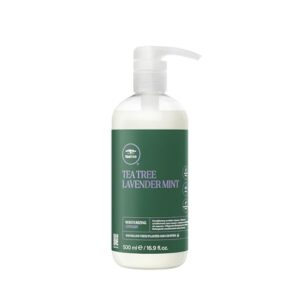
Think of this co-wash as a cool drink of water for thirsty coils, not a scrub. It cleanses without lather, so your coarse, natural curls keep their moisture.
Monoi, pequi, and jojoba oils work together to detangle, fight frizz, and add shine. The lavender scent brings a pleasant scalp tingle, and the formula rinses out well, leaving no slippery residue in your shower. Have colored hair? It’s a good fit when you use it as directed.
Most routines can handle it 3 to 5 times a week. Want the honest catch? Some users say their hair feels greasy the next day, and the bottle can be hard to dispense. Others find the sample size too small for the price. Try a small amount first, then adjust based on how your coils respond. You’re in charge.
| Best For | People with coarse hair or natural curls who want a gentle, no-lather wash that hydrates, detangles, and fights frizz, including those with colored hair. |
|---|---|
| Sulfate-Free | N/A |
| Key Oils | Monoi, pequi, jojoba |
| Detangling | Detangles |
| Frizz Control | Fights frizz |
| Best Hair Type | Coarse, natural curls |
| Packaging | Bottle, sample size |
| Additional Features |
|
- Cleanses without lather, so coarse hair and natural curls keep their moisture
- Monoi, pequi, and jojoba oils help detangle, fight frizz, and add shine
- Rinses out well with no slippery residue, and the lavender scent adds a pleasant scalp tingle
- Some users say their hair feels greasy the next day
- The bottle can be hard to dispense
- Some customers find the sample size too small for the price
4. Ginger Mint Co Wash Cream
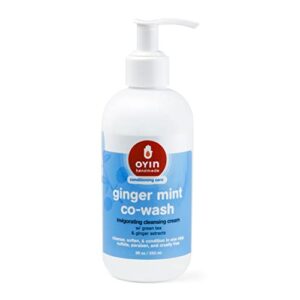
Ready for a scalp that actually feels refreshed? Ginger Mint Co Wash Cream gives you a cool, minty tingle while it cleanses your coils without stripping natural oils.
The sulfate-free formula includes ginger root and green tea extracts, plus argan and castor oils to help seal in moisture. Its slip makes finger detangling easier, so you’ll face less breakage.
It works well for curly and coily hair, and you can use it 2-3 times per week to refresh your scalp. Want a full routine? It pairs nicely with Honey Wash.
The 8-ounce bottle is small, and thick hair may need a generous amount. Rinse thoroughly, since the creamy texture can leave residue. Some people also notice dryness or itchiness with repeated use, so patch test first if you’re sensitive to essential oils like peppermint or ginger, and alternate with a clarifying shampoo.
| Best For | People with curly or coily hair who want a cool, minty scalp refresh 2-3 times a week without stripping their natural oils. |
|---|---|
| Sulfate-Free | Yes |
| Key Oils | Argan, castor |
| Detangling | Slip eases finger detangling |
| Frizz Control | N/A |
| Best Hair Type | Curly, coily |
| Packaging | 8 oz bottle |
| Additional Features |
|
- Cleanses without stripping natural oils, using a sulfate-free formula with ginger root and green tea extracts
- Gives the scalp a refreshing mint sensation
- Pairs with Honey Wash for a full cleansing system
- The 8-ounce bottle is considered small by some customers, and thick hair may need a large amount of product
- Some users report scalp dryness or itchiness with repeated use
- The creamy texture can leave residue unless rinsed thoroughly
5. Natural Hair Care Duo Set
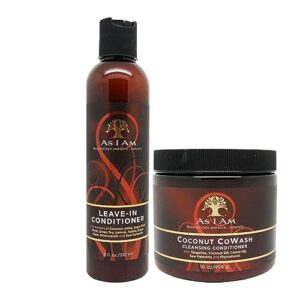
Want a wash day that cleans and moisturizes in one smooth flow? As I Am’s Natural Hair Care Duo Set makes it simple.
You get a 16oz Coconut CoWash and an 8oz Leave-In Conditioner. The CoWash gently cleanses your hair and scalp while delivering deep hydration. Then the leave-in steps up to strengthen your strands and seal the cuticle layer, so moisture stays put.
It’s a great fit if you love defined curls and coils, and it works well with the curly girl method and regular co-washing routines.
A few things to know before you buy. The label text is small. The co-wash comes in a jar, which some people find less convenient than a bottle, and it can spill if the lid isn’t sealed. Still, for the moisture 4C hair craves, this pair is worth a try.
| Best For | People with curly, coily, or 4C hair who follow the curly girl method or a regular co-washing routine and want a gentle cleanse plus deep moisture. |
|---|---|
| Sulfate-Free | N/A |
| Key Oils | Coconut |
| Detangling | N/A |
| Frizz Control | N/A |
| Best Hair Type | Curly, coily, 4C |
| Packaging | 16 oz jar |
| Additional Features |
|
- The coconut co-wash gently cleanses hair and scalp while delivering deep hydration.
- The leave-in conditioner helps strengthen strands and seal the cuticle layer so moisture stays put.
- It helps maintain defined curls and coils and fits easily into co-washing routines.
- The small label text can be hard to read.
- The co-wash comes in a jar that may spill if the lid isn’t sealed properly.
- Some people find the jar less convenient than a bottle.
6. Coconut Curl Moisturizing Cleanser Conditioner
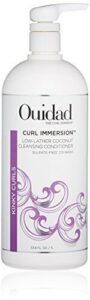
Looking for a co-wash that truly pulls double duty? Try the Coconut Curl Moisturizing Cleanser Conditioner. It’s sulfate-free, silicone-free, and paraben-free, and it’s safe for color-treated hair.
After cleansing, pair it with a leave-in matched to your texture, and this beginner’s guide to choosing leave-in conditioners shows how to pick one for your porosity.
It lifts dulling buildup and cleanses without drying. Organic coconut oil deeply moisturizes to help strengthen your curls, and botanical extracts add slip, so coarse, thick hair detangles and feels soft.
Using it is simple. Work it through wet hair in sections, leave it on for 3 to 5 minutes, then rinse well with lukewarm water. Craving extra softness? Wear it as a deep conditioner under a plastic cap for 20 to 30 minutes.
Know the tradeoffs, though. The low-lather formula won’t foam like a regular shampoo, and it may not suit fine or straight hair types. Rinse thoroughly so no residue builds up afterward.
| Best For | People with coarse, thick, or kinky curly hair who want a gentle, sulfate-free co-wash that cleanses, hydrates, and softens without drying. |
|---|---|
| Sulfate-Free | Yes |
| Key Oils | Organic coconut |
| Detangling | Botanical slip |
| Frizz Control | N/A |
| Best Hair Type | Coarse, thick, kinky |
| Packaging | N/A |
| Additional Features |
|
- Lifts dulling buildup and cleanses without drying the hair
- Organic coconut oil deeply moisturizes to help strengthen curls, while botanical extracts add slip for easier detangling
- Sulfate-free, silicone-free, and paraben-free, and safe for color-treated hair
- The low-lather formula won’t foam like a regular shampoo
- May not suit fine or straight hair types
- Needs thorough rinsing to avoid residue buildup
7. Coconut Shea Hydrating Cowash Cleanser
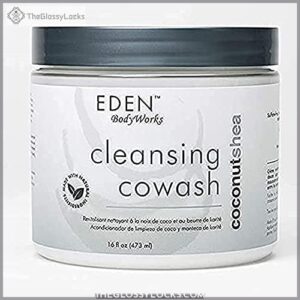
Love the coconut route? Then the Coconut Shea Hydrating Cowash Cleanser deserves a spot on your list. It blends coconut oil, shea butter, and aloe to cleanse without stripping your natural oils, so your coils stay soft.
Detangling is where it shines. Slip agents like behentrimonium methosulfate help your fingers glide through tight coils, and it’s free from sulfates, silicones, parabens, and phthalates, so buildup stays low. Curls come out defined and less frizzy. Bonus: you can use it to soften your beard too.
Keep a few things in mind. Some people find it heavy on finer hair, so start with a small amount. The jar can be awkward in the shower without a pump or flip-top lid, and opinions on value are mixed since the price has changed. Scoop a little into your palm before you hop in.
| Best For | People with curly, wavy, or coily hair who want a moisturizing cowash that cleanses gently and helps with detangling. |
|---|---|
| Sulfate-Free | N/A |
| Key Oils | Coconut, shea butter |
| Detangling | Slip for detangling |
| Frizz Control | Less frizzy |
| Best Hair Type | Curly, wavy |
| Packaging | Jar |
| Additional Features |
|
- Cleanses without stripping natural oils, thanks to coconut oil, shea butter, and aloe
- Gives slip for easier detangling and leaves curls defined and less frizzy
- Can also be used to moisturize and soften beards
- Some users find it feels heavy on finer hair types
- Mixed feedback on value for money because of price changes
- The jar can be inconvenient to use in the shower without a pump or flip-top lid
Frequently Asked Questions (FAQs)
Is co-washing good for 4C hair?
Could your 4C hair use more moisture? Then yes, cowashing 4C hair can help. A cleansing conditioner cleans gently, so you get better moisture retention, breakage reduction, and hair hydration. Just clarify now and then to avoid buildup.
How often should you co-wash 4C hair?
Your hair is a garden, and your scalp is its soil. Most 4C hair thrives with a co-wash once or twice weekly. Go up to three times if you sweat often, or down to once if dry.
What is the best co-wash for 4C hair?
Worried it won’t clean? The best co-wash for 4C hair uses gentle cationic surfactants, humectants like glycerin, and shea butter.
Co-washing 4C hair boosts moisture retention and curl definition, while avoiding silicones prevents product buildup.
Are co-washes good for your hair?
Picture thirsty coils drinking in a cushiony cloud of conditioner. That’s a co-wash at its best.
For 4C hair, it boosts moisture retention, but watch scalp health and product buildup, so clarify once monthly, too.
How often should I co-wash my 4C hair?
Your scalp is the compass for your 4C hair.
Start with one co-wash weekly, going twice if oils build fast. Watch your moisture balance and adjust your hair wash frequency within your hair care routine.
Can I use regular conditioner instead of a co-wash?
A silk scarf can’t scrub floors, and conditioner can’t cleanse coils.
It lacks the mild surfactants a co-wash uses, so buildup lingers on 4C hair.
Use conditioner after hair cleansing for better natural hair care.
Are there any specific styling products to use after co-washing?
Think of co-washed hair as a thirsty sponge, ready to drink up whatever you give it. Layer a water-based leave-in, then a curl cream for curl definition. Seal with oil or butter to lock in hair hydration.
Can I co-wash 4C hair with regular conditioner?
Wondering if your regular conditioner can handle a co-wash? It can, for a while. It softens and detangles 4C hair well, but it won’t lift product buildup like a clarifying shampoo does.
Should I co-wash before or after deep conditioning?
Ready to get the order right? Always co-wash first. Your cleansing conditioner clears hair product buildup and restores hair moisture balance, so your deep conditioner absorbs better, defines curls, and fights frizz in humid weather.
Whats the difference between co-wash and cleansing conditioner?
A CoWash is the method, and a cleansing conditioner is the product. Labels overlap, and mild surfactants vary by formula.
For 4C hair, check ingredients, your hair porosity, and product buildup, since neither one guarantees deep cleansing.
Conclusion
Picture your coils, soft and springy, bouncing back after a wash instead of tightening up and fighting you. That’s the payoff waiting at the end of a good routine.
Co washing 4c hair takes a little practice, but you’ve got the steps now. Section, saturate, detangle with slip, and rinse well. Pick a formula that fits your porosity, and shampoo when buildup shows up.
Your hair doesn’t have to be a battle. Soft, defined, free.