This site is supported by our readers. We may earn a commission, at no cost to you, if you purchase through links.
Bleaching your hair without protection is like stepping into a storm without an umbrella—you’ll get caught in the damage. Research shows that coconut oil reduces protein loss during chemical treatments by up to 39%, making it one of the most effective natural shields you can use.
The secret lies in lauric acid, which penetrates deep into your hair shaft and binds to proteins hours before bleach even touches your strands. This creates a protective barrier that keeps moisture locked in while limiting how much harsh chemicals your hair absorbs.
Whether you’re going platinum blonde or just lifting a few shades, understanding how to properly use coconut oil before bleaching hair can mean the difference between healthy, vibrant results and brittle, damaged strands that break at the slightest touch.
Table Of Contents
- Key Takeaways
- Why Use Coconut Oil Before Bleaching?
- How Coconut Oil Protects Hair During Bleaching
- Choosing The Best Coconut Oil for Bleaching
- Step-by-Step Guide to Applying Coconut Oil
- Post-Bleaching Care With Coconut Oil
- Frequently Asked Questions (FAQs)
- Can you use coconut oil to bleach your hair?
- How long should you leave coconut oil before bleaching your hair?
- Does coconut oil change the color of hair?
- Does coconut oil lighten hair?
- How to use coconut oil for hair?
- How to repair bleached hair fast at home?
- Can coconut oil prevent scalp irritation during bleaching?
- Does coconut oil work on all hair types?
- Can you bleach immediately after applying coconut oil?
- Does coconut oil affect the final bleached color?
- Conclusion
Key Takeaways
- Coconut oil reduces protein loss during bleaching by up to 39% because its lauric acid penetrates deep into your hair shaft and binds directly to keratin, creating a protective barrier that other oils can’t match.
- You’ll get the best protection by applying coconut oil 8-12 hours before bleaching (ideally overnight) and leaving it on without rinsing, so the bleach is applied directly over the protective oil layer.
- Choose unrefined, virgin, or organic cold-pressed coconut oil with at least 53% lauric acid content and no additives, since refined versions contain fewer protective compounds and may have chemical residues.
- After bleaching, continue using coconut oil masks 1-2 times weekly for several months to repair damage, restore moisture, and prevent ongoing breakage in your chemically treated hair.
Why Use Coconut Oil Before Bleaching?
Bleaching your hair can leave it dry, brittle, and vulnerable to breakage if you don’t take protective steps beforehand. Coconut oil has become a go-to solution for colorists and home users alike because it actually works to shield hair from some of the harshest effects of bleach.
Here’s why applying coconut oil before you bleach can make a real difference in how your hair looks and feels afterward.
Minimizing Bleach-Induced Hair Damage
When you’re bleaching hair, coconut oil acts like a shield for your cuticle integrity and protein retention. The oil penetrates deep into your hair shaft before the chemicals hit, helping maintain moisture balance and hair elasticity.
This prebleaching treatment won’t stop all hair damage, but it greatly reduces the harsh effects bleaching has on your scalp health and overall hair structure, protecting hair from damage you’d otherwise face.
However, it’s worth noting that essential oils can help mitigate hair protein loss.
Reducing Protein Loss and Breakage
Your hair’s protein structure takes the biggest hit during bleaching, but coconut oil’s lauric acid benefits work differently than other oils. Studies show it reduces protein loss by up to 39% through strong protein affinity, penetrating your hair shaft to bind with keratin. This prebleaching treatment offers real structural protection, limiting hair breakage where mineral and sunflower oils fail.
Coconut oil’s lauric acid reduces bleach-induced protein loss by up to 39% by penetrating hair shafts and binding directly to keratin
Coconut oil can also improve your hair health with regular use:
- Penetrates cortex rather than coating surface
- Binds directly to hair protein molecules
- Maintains fiber integrity during chemical stress
- Reduces combing damage in treated hair
Enhancing Moisture Retention
Beyond protecting your hair’s protein, coconut oil creates a moisture retention system through something called diffusion barrier density.
Research shows oil film thickness directly reduces your hair’s water retention index (WRI reduction) by 44%, preventing the swelling cycles that cause brittleness after bleaching hair.
This porosity reduction maintains hydration stability, keeping your hair from becoming that dry, straw-like texture you’re trying to avoid.
Improving Hair Color Longevity
When you’re investing time and money into bleaching hair, you want that color to last. Coconut oil improves wash fastness—a 2022 study found treated hair lost considerably less color after repeated shampoos.
The oil reduces porosity, blocking dye molecules from escaping through damaged pathways. It also offers UV protection (roughly SPF 6), shields against mechanical damage, and doesn’t cause color stripping like harsh products do.
How Coconut Oil Protects Hair During Bleaching

You’ve decided to use coconut oil before bleaching, but understanding how it actually works can help you get the most protection possible.
The science behind coconut oil isn’t complicated, and knowing what’s happening inside your hair strands makes a real difference.
Let’s break down the three main ways coconut oil shields your hair from bleach damage.
Coconut Oil’s Penetration and Protein Binding
What makes coconut oil different from other oils? Lauric acid penetration allows it to reach deep into the hair shaft, unlike mineral or sunflower oils that sit on the surface.
This creates strong keratin affinity, binding to your hair proteins from within. The result is significant protein loss reduction—up to 50% less damage during bleaching—while preserving your hair’s mechanical properties and strength.
Creating a Protective Barrier
Once coconut oil penetrates, it doesn’t stop at protein binding—it also builds a hydrophobic oil barrier that resists water and chemicals. This protective barrier keeps your cuticle layer shielded during bleaching, reducing chemical penetration into the cortex.
Enhanced lipid protection means your hair cortex stays stronger, with less swelling and lifting of cuticle scales. That’s how coconut oil prebleach treatment delivers real protection, keeping bleach damage minimal while preserving your hair’s natural resilience.
Limiting Chemical Absorption
When you treat your hair with coconut oil before bleaching, you’re actually changing how chemicals interact with your hair fibers. The oil reduces cuticle swelling and creates a lipid environment that slows peroxide diffusion into the cortex, limiting reactive species formation and surfactant interaction.
This means less chemical damage overall, better protein retention, and stronger protection against the harsh effects of bleaching hair.
Choosing The Best Coconut Oil for Bleaching

Not all coconut oil is created equal, and the type you choose makes a real difference in protecting your hair. The quality, processing method, and purity of your coconut oil directly affect how well it shields your strands from bleach damage.
Let’s break down what to look for when selecting the right coconut oil for your bleaching session.
Unrefined Vs. Refined Coconut Oil
When you’re choosing coconut oil for hair protection before bleaching hair, understanding the difference between refined and unrefined options matters for your results. Natural coconut oil—either virgin or unrefined—generally contains higher lauric acid levels, around 45–53%, compared to refined versions at 40–45%. These processing differences also affect antioxidant properties and sensory characteristics:
- Virgin oil preserves phenolic compounds that fight oxidative hair damage
- Refined oil offers better thermal stability and neutral scent
- Unrefined varieties deliver deeper penetration thanks to intact triglyceride structure
Beauty-Grade and Organic Options
When selecting organic cold-pressed coconut oil for pre-bleach protection, you’ll want products that meet USDA Organic standards, which prohibit over 700 chemicals in certified beauty-grade coconut oil.
These natural coconut oil formulations retain therapeutic lauric acid levels—at least 53%—that strengthen hair’s protein structure.
Virgin coconut oil variants preserve the highest medium-chain fatty acids, providing enhanced cortex penetration compared to conventional alternatives.
Avoiding Additives and Low-Quality Products
Many hair product ingredients hide behind vague labels, so you’ll need to verify virgin oil purity by checking for 100% pure coconut oil without synthetic fragrances or preservatives.
Refined oil risks include chemical residues that react poorly with bleach, compromising your hair’s protein matrix.
Product transparency matters—choose reputable brands offering organic cold-pressed, beauty-grade coconut oil with natural ingredients, avoiding additives that can trigger scalp irritation during chemical processing.
Step-by-Step Guide to Applying Coconut Oil
Applying coconut oil the right way makes all the difference in protecting your hair before bleaching. You’ll want to pay attention to timing, how much product you use, and whether to rinse it out or leave it on.
Let’s walk through each step so you can get the best protection possible.
Preparing Hair for Treatment

Before starting your pre-bleach oiling regimen, you’ll need to address product buildup and scalp oil balance. Clean hair accepts coconut oil better and ensures even bleach application later.
Follow these steps in your hair care routine:
- Wash with a clarifying shampoo to remove styling products and residues.
- Towel-dry hair gently until damp, not soaking wet.
- Perform strand testing to check your hair’s current condition.
- Let hair air-dry completely before applying coconut oil treatment.
Timing and Application Techniques

Once your hair is completely dry, you’re ready to apply coconut oil using techniques that improve protection. The timing of your preshampoo treatment matters greatly—aim for at least 60 minutes before bleaching, though overnight application provides best penetration as lauric acid binds to hair proteins during those 8-12 hours.
Section hair into manageable portions, saturate from root to tip focusing on vulnerable ends, then cover with a shower cap. Using coconut oil before bleaching works best when you leave it in without rinsing, applying bleach directly over the protective oil layer.
How Much Coconut Oil to Use

The right amount depends on your hair’s unique characteristics—too little won’t protect well, too much creates unnecessary buildup. For shoulder-length hair with medium thickness, start with 1–2 tablespoons, adjusting based on coverage.
Here’s what works for protecting hair from bleach damage:
- Short hair: Begin with ½–1 tablespoon for adequate coating
- Long, thick hair: Use 2–3 tablespoons to saturate ends thoroughly
- Fine hair: Apply 1 teaspoon, focusing on mid-lengths to avoid greasiness
Rinsing Vs. Leaving Coconut Oil On
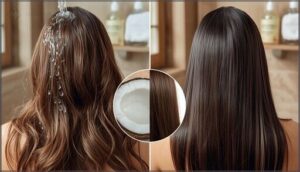
Once you’ve applied the right amount, deciding whether to rinse or not rinse coconut oil matters. Leaving coconut oil on creates a stronger barrier, reducing bleach penetration and protecting hair from bleach damage. However, rinsing lightly after an overnight application balances protection with manageability when bleaching hair at home. Here’s what observed outcomes reveal:
| Approach | Protective Effects | Application Timing |
|---|---|---|
| Leave on (no rinse) | Maximum protein retention, reduced breakage | Overnight, bleach over oil |
| Light rinse | Balanced protection, easier processing | 1–2 hours before bleach |
| Full wash | Minimal protection, faster lift | Same day as bleach |
| No oil | Highest damage risk | N/A |
Leaving Downsides: Excessive buildup can slow bleach action and irritate your scalp if left longer than 24 hours.
Rinsing Benefits: You’ll reduce greasiness while preserving some fatty acid protection, especially if your hair’s already healthy.
Post-Bleaching Care With Coconut Oil
Your hair needs extra attention after bleaching, and coconut oil can help repair some of the damage you couldn’t prevent.
The key is knowing how to use it effectively in the days and weeks following your color treatment. Let’s look at the best ways to incorporate coconut oil into your post-bleach routine.
Using Coconut Oil Masks After Bleaching
Once you’ve bleached your hair, think of coconut oil masks as your repair crew, working to restore what the bleach took away. These intensive treatments help damaged hair repair itself by replenishing lost nutrients and moisture. For the first few weeks after bleaching, use coconut oil masks at least once or twice weekly, leaving them on for at least thirty minutes or overnight for deeper penetration.
- Mask Application Frequency: Apply coconut oil hair masks one to two times per week immediately after bleaching, when cuticle disruption and protein loss are greatest
- Overnight Masking Benefits: Leaving coconut oil on for several hours or overnight allows better penetration into damaged areas, improving softness and elasticity
- Mask Ingredient Combinations: Combine coconut oil with honey or aloe vera in your hair conditioning treatments for added hydration and soothing properties
- Damaged Hair Repair: Focus application from mid-lengths to ends where chemical damage and porosity are highest, using a generous amount
- Long-Term Masking: Continue regular coconut oil hair moisturizing treatments for several months to slow progression of breakage and maintain structural integrity
Maintaining Hair Health and Strength
Protecting hair from bleach damage doesn’t stop after the first mask. Long-term care with coconut oil strengthens your strands by preventing protein loss in hair, improving elasticity by roughly 12%, and increasing hair thickness.
Regular application nourishes your scalp health, reducing split ends while reinforcing weakened fibers. These hair strengthening techniques work together, helping you maintain resilient hair despite chemical processing and daily styling stress.
Frequency and Long-Term Benefits
Generally, you should apply coconut oil masks 1-2 times weekly to maintain ideal frequency for long-term resilience.
Using coconut oil before bleaching and continuing post-treatment delivers measurable strength gains, cutting protein loss by up to 41.8% while improving color stability. This consistent hair care routine prevents protein loss in hair, protecting hair from bleach damage and reducing hair damage and dryness by reinforcing protein retention throughout your strands.
Frequently Asked Questions (FAQs)
Can you use coconut oil to bleach your hair?
You can bleach hair with coconut oil applied beforehand, and the bleach will still lift color effectively.
The oil creates a protective layer without blocking the bleaching hair process or compromising results.
How long should you leave coconut oil before bleaching your hair?
For the best duration, you should leave coconut oil on your hair for 8 to 12 hours before bleaching, applying it as an overnight treatment covered with a shower cap to increase protection.
Does coconut oil change the color of hair?
Think of coconut oil as a shield that guards, not a paint that transforms. It won’t directly change your hair color, but it protects against color fading by reducing structural damage and improving dye uptake during oxidative processes.
Does coconut oil lighten hair?
No, coconut oil doesn’t lighten hair or degrade melanin. Any perceived lightness comes from shine, residue buildup, or UV oxidation—not from the oil itself. It protects color rather than changing it.
How to use coconut oil for hair?
Like a shield before battle, warm coconut oil in your palms and work it through mid-lengths to ends two to three times weekly, or as an overnight mask before bleaching to prevent hair damage.
How to repair bleached hair fast at home?
Start with weekly hydrating masks and protein treatments to combat hair brittleness and split ends.
Bond builders restore strength, while gentle routines and heat avoidance protect damaged hair from further breakage during repair.
Can coconut oil prevent scalp irritation during bleaching?
Your scalp acts like skin under sunburn—vulnerable and reactive. Coconut oil creates a partial shield, limiting direct bleach contact, but won’t eliminate irritation risk entirely. Always patch-test first.
Does coconut oil work on all hair types?
Yes, but results vary. Oil penetration differs by hair porosity and curl patterns—high-porosity hair absorbs it better than low-porosity strands.
Scalp sensitivity and texture affect how much you should use before bleaching.
Can you bleach immediately after applying coconut oil?
You can bleach right after applying coconut oil—the protective layer doesn’t need rinsing.
In fact, oil penetration works best when bleach is applied directly over it, creating a barrier that reduces protein loss during the hair bleaching process.
Does coconut oil affect the final bleached color?
Coconut oil may slow processing slightly, causing hair to lift one to two levels darker in some cases.
Uneven application can create patchy results, though it generally doesn’t prevent achieving your target blonde shade.
Conclusion
Think of your hair like a sponge—once it’s dried out and damaged, it can’t hold color or moisture the way it should.
Using coconut oil before bleaching gives your strands that extra defense they need when chemicals come knocking. Apply it right, choose quality products, and follow through with post-bleach care.
Your hair will thank you with strength, shine, and results that last beyond the first wash.
- https://library.scconline.org/v054n02/73
- https://www.reddit.com/r/HaircareScience/comments/12f75ma/hygral_fatigue_going_back_to_the_beginning/
- https://pmc.ncbi.nlm.nih.gov/articles/PMC7276157/
- https://oilcocos.com/articles/coconut-oils-hair-protein-structure/
- https://gisou.com/blogs/blog/how-to-use-hair-oil