This site is supported by our readers. We may earn a commission, at no cost to you, if you purchase through links. This content is for general informational and educational purposes only and is not a substitute for professional medical, dermatological, or nutritional advice.

A weave can look perfect on install day and turn dry, brittle, and tangled by week three. Most of the time, the culprit isn’t the hair quality or the install. It’s skipping the right conditioners for weaves or using products that strip moisture and widen cuticle gaps.
Your weave controls heat, manipulation, and styling stress without the benefit of natural scalp oils traveling down each strand. That gap in nourishment adds up fast.
Choosing the right conditioner, paired with the right shampoo, is what keeps your weave soft, manageable, and lasting well past the six-week mark.
Table Of Contents
- Key Takeaways
- Top 5 Shampoos to Pair With Conditioners for Weaves
- How to Choose The Best Conditioner for Weaves
- How to Apply Conditioner to Human and Synthetic Weaves
- How Proper Conditioning Extends The Life of Your Weave
- Frequently Asked Questions (FAQs)
- What is the best conditioner for weaves?
- What is the best shampoo and conditioner for weaves?
- What is the best leave-in conditioner for weaves?
- How do I make my weave soft and silky?
- Can you over-condition a synthetic or human weave?
- How often should weaves be deep conditioned?
- Do leave-in conditioners work better than rinse-out?
- Can conditioners restore a dry, damaged weave?
- Are DIY conditioners safe to use on weaves?
- Conclusion
Key Takeaways
- Weaves can’t draw on natural scalp oils, so consistent conditioning every 3–4 days is what prevents dryness, cuticle damage, and early breakdown — not hair quality or install technique.
- Matching your conditioner’s formula weight to your weave type (heavy for coarse human hair, lightweight for synthetics) is what separates effective moisture retention from buildup and slippage.
- Your shampoo choice sets the foundation — sulfate-free formulas like Giovanni Tea Tree or OGX Coconut Milk cleanse without stripping, so your conditioner actually has moisture to lock in.
- Skipping even one conditioning session triggers a chain reaction of friction, frizz, and tangling that shortens your weave’s lifespan by weeks — consistency matters more than the product you pick.
Top 5 Shampoos to Pair With Conditioners for Weaves
Your shampoo sets the foundation for every conditioner you apply. The wrong one strips moisture or leaves residue on your weave. These five picks cleanse gently and pair well with the conditioners below.
For best results, wash your weave separately so every strand gets fully saturated — a technique explained step-by-step in this guide to washing human hair weave properly.
1. As I Am Long Luxe Shampoo
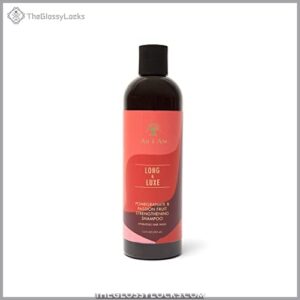
As I Am Long Luxe Shampoo earns its spot as the top pick for weave care. It’s a foam-based formula that cleanses your hair and scalp gently, strengthens strands for longer lengths, and reduces tangles and combing damage. The pomegranate passion fruit scent leaves your scalp smelling fresh without overwhelming it.
The sulfate-free base adds moisture while keeping buildup low, so your weave fibers stay soft. It’s a solid match for low porosity, curly, locs, and thick wavy hair.
Reviews are mostly positive. Users report softer scalps and nourished, brittle strands. Some note dryness, itchiness, or shedding, so follow with a lightweight conditioner and rinse thoroughly.
| Best For | People with low porosity, curly, locs, or thick wavy hair who want a gentle sulfate-free shampoo that strengthens strands and reduces tangles, especially those wearing weaves. |
|---|---|
| Sulfate-Free | Yes |
| Hair Compatibility | Human hair |
| Key Ingredients | Pomegranate, passion fruit |
| Best Hair Type | Curly, locs, low porosity |
| Moisture Effect | Adds moisture |
| Clarifying Strength | Gentle |
| Additional Features |
|
- Gently cleanses hair and scalp while strengthening strands for longer lengths
- Reduces tangles and combing damage
- Adds moisture and keeps buildup low, keeping weave fibers soft
- Effectiveness may vary depending on your hair type
- The pomegranate passion fruit fragrance may not suit scent-sensitive users
- Some users report dryness, itchiness, or shedding, and consistent use is needed for continued results
2. Giovanni Tea Tree Shampoo
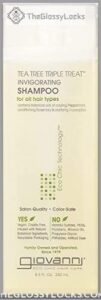
If you want a deeper clean between installs, Giovanni Tea Tree Shampoo is your clarifying workhorse. Tea tree oil fights the scalp microbes behind flaking and odor, while peppermint and eucalyptus deliver an instant cooling sensation.
The sulfate-free base uses sodium coco-sulfate and gentle surfactants, so it lifts adhesive residue and sebum from your tracks without stripping. It’s color-safe, pH-balanced near 4.5 to 5.5, and safe for human and synthetic weaves. Dilute it 1:3 for synthetic fibers. Use it weekly, not daily.
Some users report dryness or itchiness, so always follow with a hydrating conditioner.
| Best For | People with weaves, extensions, or scalp buildup who want a deeper clarifying wash between installs. |
|---|---|
| Sulfate-Free | Yes |
| Hair Compatibility | Human & synthetic |
| Key Ingredients | Tea tree, peppermint, eucalyptus |
| Best Hair Type | Oily, buildup-prone scalp |
| Moisture Effect | Can cause dryness |
| Clarifying Strength | Deep clarifying |
| Additional Features |
|
- Tea tree oil helps fight the scalp microbes behind flaking and odor
- Sulfate-free formula lifts residue and sebum without stripping, and is safe for human and synthetic hair
- Color-safe, pH-balanced, and delivers a cooling sensation from peppermint and eucalyptus
- Some users experience dryness or itchiness
- May not work for everyone; results vary by user
- Needs to be diluted for synthetic fibers and shouldn’t be used daily
3. OGX Coconut Milk Shampoo
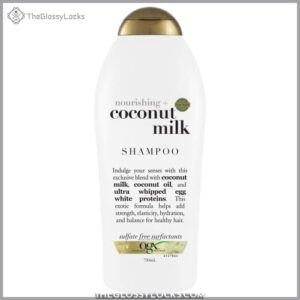
After Giovanni’s deep clean, OGX Coconut Milk Shampoo brings the moisture back. It’s sulfate-free and skips sulfated surfactants, parabens, phthalates, microplastics, and dyes, so it won’t strip your tracks or dry out your scalp.
Its nourishing coconut milk and egg white proteins also help preserve color vibrancy, making it a top pick among the best shampoos for hair extensions.
The formula uses LipiPro Shield Technology for 2x protein and lipid protection. Coconut milk softens and hydrates, while coconut oil and egg white protein strengthen each strand. Expect less frizz and breakage after the first wash. It’s pH-balanced near 5.0 to 6.5, so it’s safe for human hair and synthetic blends alike.
The creamy lather lifts gel and spray buildup without irritation, and the coconut, white peach, and shea butter scent lingers. Use it for light to moderate wash routines; heavy buildup needs a clarifier. Skip it if your weave is fine or thinning, since some users report an oily look. Pair it with a lightweight rinse-out conditioner.
| Best For | People with thick, processed, wavy, or coarse hair—especially weave wearers—who need a sulfate-free shampoo that hydrates, reduces frizz, and won’t strip their tracks. |
|---|---|
| Sulfate-Free | Yes |
| Hair Compatibility | Human & synthetic blends |
| Key Ingredients | Coconut milk, egg white protein |
| Best Hair Type | Thick, wavy, coarse |
| Moisture Effect | Hydrates, reduces frizz |
| Clarifying Strength | Light to moderate |
| Additional Features |
|
- LipiPro Shield Technology provides 2x protein and lipid protection, reducing frizz and breakage after the first wash
- Free from sulfated surfactants, parabens, phthalates, microplastics, and dyes, making it gentle on scalps and safe for human hair and synthetic blends
- Coconut milk softens and hydrates dry, damaged hair, and the coconut, white peach, and shea butter scent is pleasant
- May leave hair looking oily, particularly for those with fine or thinning hair
- The scent may fade after showering
- Not strong enough for heavy buildup, which requires a separate clarifying shampoo
4. Nexxus Therappe Shampoo Moisture
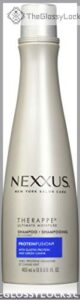
OGX adds moisture, but Nexxus Therappe Shampoo Moisture goes deeper. It’s built for dry, brittle hair, and it transports moisture to your weave’s innermost structure. The super rich lather works with a pea-sized amount, so one 14.46-ounce bottle lasts months.
The standout feature is NexxuSpheres technology. These time-release microspheres deliver ceramides, nutrients, antioxidant vitamins, and UVA/UVB protectors with every wash. Your weave keeps absorbing benefits between wash days.
Use it daily in cold climates or whenever your weave feels dry. The mild cleansing action is safe for human hair and synthetic blends, and it won’t damage your tracks. Note it contains SLS, so follow with a lightweight conditioner to avoid buildup on bonded installations.
Expect added sheen, body, and strength. Your weave stays pliable, radiant, and healthy.
| Best For | People with dry, brittle weaves who want deep, time-release moisture and don’t mind a sulfate-containing formula. |
|---|---|
| Sulfate-Free | No (contains SLS) |
| Hair Compatibility | Human & synthetic blends |
| Key Ingredients | Ceramides, UV protectors |
| Best Hair Type | Dry, brittle |
| Moisture Effect | Deep time-release moisture |
| Clarifying Strength | Mild |
| Additional Features |
|
- NexxuSpheres technology delivers ceramides, vitamins, and UV protectors between wash days
- Rich lather works with just a pea-sized amount, so the bottle lasts months
- Adds sheen, body, and strength while staying safe for human hair and synthetic blends
- Contains Sodium Laureth Sulfate (SLS), which may require a follow-up conditioner
- Can leave an oily appearance if washing is infrequent
- Customers have mixed opinions on value for money
5. SheaMoisture Clarifying Shampoo
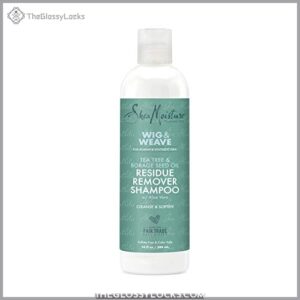
Buildup kills a weave’s shine. SheaMoisture Clarifying Shampoo strips it away. Tea tree oil, borage seed oil, and aloe vera cleanse without sulfates, so it’s safe on synthetic and natural hair.
It’s especially good after wig removal, dissolving bonding glue residue at the track line. Massage the creamy lather into your scalp, rinse, then follow with a moisturizing conditioner.
Use it every one to two weeks, not daily, and you’ll keep your weave light, bouncy, and tangle-free.
| Best For | Weave and wig wearers who need a sulfate-free clarifying shampoo that removes bonding glue residue and buildup from both synthetic and natural hair. |
|---|---|
| Sulfate-Free | Yes |
| Hair Compatibility | Synthetic & natural |
| Key Ingredients | Tea tree, borage seed, aloe vera |
| Best Hair Type | All hair types |
| Moisture Effect | Mixed results |
| Clarifying Strength | Clarifying |
| Additional Features |
|
- Removes bonding glue residue and excess buildup after wig removal
- Sulfate-free formula safe for synthetic and natural hair
- Leaves hair soft, manageable, and shiny
- Some users report it may be drying for dry hair
- Feedback on moisturizing effectiveness is mixed
- Value for money opinions vary among customers
How to Choose The Best Conditioner for Weaves
Not every conditioner works on a weave. You need to match the product to your hair type, check the ingredients, and pick the right formula weight. Here’s how to make the right choice before you buy.
Match Weave Hair Type
Your weave isn’t one-size-fits-all. Match the conditioner to the hair type.
- Mono-density weaves: use lightweight conditioners so tracks don’t sag.
- Fine-textured weaves: choose pH-balanced formulas to prevent slippage.
- Coarse or kinky blends: apply richer moisturizers for human hair softness.
- Synthetic hair: stick to extension-safe conditioners designed for fibers.
Right match means less breakage, easier detangle sessions, longer-lasting weaves.
Check Key Ingredients
Think of ingredients like a recipe: one wrong item changes the whole dish. Flip your conditioner bottle and scan the label.
Look for glycerin or propylene glycol for hydration. Dimethicone seals synthetic hair and cuts frizz. Quats soften human hair and ease detangle sessions. For a targeted fix, a dimethicone conditioner for synthetic hair locks in moisture while keeping fibers smooth and tangle-free.
Skip harsh sulfates and heavy proteins on blends. Avoid strong citrus or menthol oils; they degrade fibers. Patch test first.
Consider Formula Weight
Formula weight works like fabric softener. Too heavy coats, too light slips off. Match it to your weave:
- Heavy formulas coat human hair, cutting frizz for 48 hours.
- Medium blends balance moisture and glide for mixed textures.
- Light formulas suit synthetics, giving a lightweight nonoily feel.
Choose a lightweight moisture-rich formula for fine weaves. You get lightweight conditioning and a hair residue-free feel.
Prioritize Moisture Needs
Your weave’s moisture needs aren’t one-size-fits-all. Dry, brittle fibers crave deep hydration with humectants like glycerin and panthenol. Oily roots or humid climates call for lightweight conditioners that won’t weigh strands down or invite frizz. Match the formula to your environment and your weave’s condition.
Assess honestly: if your hair moisture retention drops within days, you need heavier conditioning, not more frequent washing.
Avoid Harsh Additives
One hidden ingredient can undo months of hair extension care. Scan labels before you buy. Watch for these five offenders:
- Sulfates (SLS/SLES): strip moisture and irritate your scalp.
- Drying alcohols: avoid ethanol; fatty alcohols like cetyl are fine.
- Fragrance allergens: choose fragrance-free.
- Parabens: skip undisclosed preservative blends.
- High pH: pick pH 4.5–6.5 for safe hair hydration.
Review Usage Guidelines
Your label check doesn’t end at ingredients. Read the usage guidelines, too.
A weave conditioner should state how often to apply it. Reapply every 3–5 washes for steady hair hydration methods. Skip silicone-heavy formulas on synthetic fibers; buildup kills hair frizz control. Follow mid-length-to-ends directions, rinse with cool water, and adjust after 2–3 cycles. Smart hair extension care means following instructions, not guessing.
How to Apply Conditioner to Human and Synthetic Weaves
You’ve picked the right conditioner. Now apply it correctly. Wrong technique causes buildup, slippage, and tangles.
Follow these five steps:
- Detangle first. Use a wide-tooth comb on dry hair, working tips to roots in soft downward strokes.
- Clip up rows. Pin each weft row so you can target every seam separately.
- Emulsify in hands. Rub a small amount between your palms before applying. This prevents residue.
- Start at the ends. Work conditioner mid-length down. Keep it off your scalp and off the cap’s lattice.
- Rinse with cool water. Cool water closes cuticles on human hair and reduces tangling on both types.
For human hair, use water-based, sulfate-free formulas. For synthetic weaves, apply sparingly to lengths only, then air-dry completely. This is hair extension maintenance done right, and it pairs perfectly with your hair wig care routine.
How Proper Conditioning Extends The Life of Your Weave
Apply it right, and you protect more than feel. You’re protecting your investment.
Consistent conditioning slows the breakdown that cuts weave life short. Every session you skip lets cuticle gaps widen, meaning more friction, more frizz, and faster tangling. Hair detangling gets harder the longer dryness sets in.
Skip one conditioning session, and your weave starts a chain reaction of friction, frizz, and tangles
Hair moisture balance keeps fibers flexible. When strands lose that balance, hair elasticity loss prevention becomes harder. Dry, brittle fibers snap under tension from daily styling and combing.
For human hair weave maintenance, conditioning every 3-4 days maintains softness over 6-8 weeks. For synthetics, light silicone emulsions protect length without buildup.
Your routine pays off in three ways:
- Reduced fiber snag and breakage
- Longer moisture retention between washes
- Consistent hair extension longevity
Frequently Asked Questions (FAQs)
What is the best conditioner for weaves?
The best weave conditioner depends entirely on your hair type. For human hair weave maintenance, choose a lightweight, silicone-free formula with humectants like glycerin. It’ll lock in moisture, reduce tangling, and extend your weave’s life.
What is the best shampoo and conditioner for weaves?
Regular conditioning extends weave life by two to four weeks. For human hair weaves, pair Giovanni Tea Tree Shampoo with a glycerin-based conditioner. For synthetic, use OGX Coconut Milk Shampoo with a light silicone formula.
What is the best leave-in conditioner for weaves?
Stylists have found that a good leave-in conditioner applied every two to three days extends your weave life noticeably.
Your top pick for hydration and detangling is Cantu Leave-In Conditioning Cream, which locks in moisture.
How do I make my weave soft and silky?
Use a conditioner packed with silk proteins and humectants. Apply it mid-length to ends, leave it for 3-5 minutes, then rinse with cool water to seal your cuticle and lock in lasting softness and shine.
Can you over-condition a synthetic or human weave?
Yes, you can. Over-conditioning synthetic weaves causes fiber swelling, stiffness, and tangling within 48-72 hours. On human hair, too much conditioner weighs down your curl pattern and weakens bond integrity at attachment points over time.
How often should weaves be deep conditioned?
Think of dry weave hair like a wilting plant. It needs moisture before it withers completely. Since extensions don’t receive natural scalp oils, they’re especially vulnerable to dryness, which is why regular deep conditioning treatments are essential for maintaining their texture and preventing breakage.
Deep condition sew-in weaves every single week, tape-ins every one to two weeks, and your clip-ins once a month.
Do leave-in conditioners work better than rinse-out?
Rinse-out isn’t a bad option, but a leave-in conditioner delivers consistently stronger hair moisture retention. It stays active on your hair weave for 12–24 hours, improving hair detangling and keeping fibers noticeably soft between washes.
Can conditioners restore a dry, damaged weave?
Conditioners can’t fully restore your dry, damaged weave, but they do noticeably improve both manageability and moisture levels.
Regular use helps hair breakage prevention, aids detangling, and provides enough hair nourishment to slow further deterioration.
Are DIY conditioners safe to use on weaves?
DIY conditioners carry real risks for your weave. Homemade formulas often lack proper pH balance, which can disrupt fiber structure, cause buildup, and weaken adhesion near tracks or lace closures. Stick with commercially tested products.
Conclusion
Stylists consistently report that clients who skip conditioning see weave lifespan drop by nearly half. That stat alone makes the choice clear.
The right conditioners for weaves aren’t optional extras; they’re the reason your install stays soft, detangled, and manageable past week six. Match the formula to your weave type, avoid heavy silicones, and apply moisture consistently. Do that, and your weave will look and feel install-fresh far longer than you’d expect.