This site is supported by our readers. We may earn a commission, at no cost to you, if you purchase through links. This content is for general informational and educational purposes only and is not a substitute for professional medical, dermatological, or nutritional advice.
Your barber probably told you trimming "wakes up" the follicle and speeds growth. Comforting idea. Dead wrong.
A hair follicle doesn’t measure your beard with a ruler—it runs on a genetically timed schedule driven by testosterone, DHT receptors, and an anagen phase that can stretch past two years. Cutting the shaft changes nothing happening beneath the skin.
So does beard trimming help beard grow faster? No, but that’s not the whole story. Trimming still shapes full, even, and sharp your beard looks—worth knowing before you put the scissors away for good.
Table Of Contents
- Key Takeaways
- Does Beard Trimming Make It Grow Faster?
- How Beard Hair Grows Naturally
- Visual Benefits of Regular Beard Trimming
- Best Practices for Trimming While Growing
- Effective Beard Care for Healthy Growth
- Nutrition and Lifestyle Impact on Beard Growth
- Proven Methods to Support Beard Growth
- Frequently Asked Questions (FAQs)
- Does trimming a beard make it grow faster?
- Should you trim your beard regularly?
- Does shaving stimulate beard growth?
- Why do I need a beard trim?
- Why does my beard grow in patches?
- Can stress affect how fast my beard grows?
- Is daily beard hair shedding normal or concerning?
- Does shaving instead of trimming change regrowth speed?
- At what age does beard growth fully mature?
- Conclusion
Key Takeaways
- Trimming only cuts the hair shaft, so it never touches your follicles and can’t speed up growth, which is set entirely by genetics and hormones like DHT.
- Your beard grows in cycles, with an active growth phase (anagen) lasting 2-6 years, that determines your maximum length, no matter how often you trim. While genetics set your ceiling, daily habits still shape how thick and healthy your beard looks, and this step-by-step guide to growing a fuller beard in three months shows how.
- Regular trimming still pays off by removing split ends, creating fuller-looking blunt edges, and reducing breakage and frizz over time.
- Beyond trimming, things like good nutrition, exercise, sleep, and stress management have a much bigger real impact on how healthy and full your beard grows.
Does Beard Trimming Make It Grow Faster?

If you’ve ever heard that trimming your beard makes it grow faster, you’re not alone — it’s one of the most persistent myths in grooming. The truth comes down to a few key things: how beard growth actually works, where that myth came from, and what trimming genuinely does to your facial hair. Here’s what the science says about each.
For a deeper dive into how hair follicles respond after a fresh cut, check out this breakdown of why beard growth seems to change after shaving your head.
The Science Behind Beard Growth
Your beard grows from hair follicles anchored deep in your facial skin, where a structure called the dermal papilla feeds each follicle blood, oxygen, and nutrients. That constant supply powers keratin production — keratin being the protein your beard hair is actually made of. Without it, growth simply stops.
Here’s what drives that process:
- Testosterone converts to DHT, which binds to androgen receptors in facial follicles and signals active growth.
- DHT receptor sensitivity varies by genetics, so two men with identical hormone levels can grow very different beards.
- Follicle miniaturization can occur when hormonal patterns shift, producing shorter, finer hairs in certain areas.
- Sebum oil regulation from glands attached to each follicle conditions the hair shaft and helps hormones reach their target.
- Keratin synthesis depends on consistent nutrient delivery — without proper blood flow, production slows noticeably.
Your follicles cycle through distinct phases — active growth, changeover, and rest — and genetics determine how long each phase lasts. That’s your growth ceiling, and no tool can raise it. The length of the facial hair anagen phase can span 2–6 years, setting the potential maximum length of a beard.
Myth Versus Reality
Now that you know how beard growth actually works, let’s put one of the most stubborn grooming myths to rest once and for all.
Trimming doesn’t accelerate growth. Your follicles drive that — not your scissors.
When you trim your beard, you’re cutting the hair shaft only, leaving the follicle completely untouched and cycling at its own genetically set pace.
What Trimming Actually Does
So if trimming won’t speed up your growth, what’s it actually doing for your beard? Quite a lot, actually.
When you cut the hair shaft, you remove split and frayed ends that cause breakage and thinning. The result is hair that holds its thickness better.
Trimming also creates blunt, even ends that reflect light uniformly — making your beard look fuller and denser than it actually is.
How Beard Hair Grows Naturally
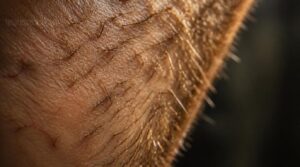
Before you can figure out what trimming does or doesn’t do for your beard, it helps to understand what’s actually happening beneath the skin. Your beard grows according to a precise biological process — one that’s shaped by your genes, your hormones, and a few other key factors. Here’s a closer look at the main forces driving it.
Beard Growth Phases Explained
Your beard hair doesn’t just grow on a whim — it runs on a surprisingly structured biological clock that every follicle follows without fail. That clock has three distinct phases, and understanding them changes how you think about your beard entirely.
The anagen phase is where all the action happens. This is the active growth period, lasting anywhere from two to six years, during which your follicles receive a steady blood supply delivering the oxygen and nutrients needed for keratin production — keratin being the protein that actually builds each hair strand. The longer your anagen phase runs, the longer your beard can potentially grow.
Since nutrient supply fuels this growth window, adding zinc-rich foods for thicker facial hair to your diet can support fuller beard growth.
When that phase winds down, your follicle enters the catagen transitional stage — a brief two-to-three-week process where growth stops and the follicle begins to shrink and detach from its nutrient supply.
Finally, the telogen resting cycle kicks in. The old hair sits dormant, then sheds naturally as a new anagen cycle begins underneath it.
Here’s what this means for you practically:
- Trimming during anagen only removes the shaft — it never touches the follicle or resets your cycle
- You can’t "shock" your beard into faster growth; the cycle runs on biology, not behavior
- Growth stimulation myths persist because the cycle’s complexity makes it easy to misattribute results
Genetics and Hormonal Influence
Think of genetics and hormones as the blueprint and the fuel behind your beard. Androgen receptor sensitivity — determined largely by variants in your AR gene — controls how aggressively your follicles respond to testosterone and DHT conversion rates.
Two men with identical hormone levels can have vastly different beards simply because their receptors respond differently. Follicle density inheritance follows a similar logic: if your father had a full, dense beard, there’s a strong biological reason yours likely will too.
Factors Affecting Growth Rate
While genetics and hormones set the boundaries of your beard’s potential, a handful of everyday factors quietly shape how fast — and how well — it actually grows.
- Nutrient delivery fuels keratin production
- DHT levels drive follicular activity
- Sleep regulates hormonal balance
- Circulation feeds follicle density
- Stress disrupts the growth cycle
Visual Benefits of Regular Beard Trimming

So if trimming won’t speed up growth, why bother at all? Because the right cut changes how your beard looks and behaves day to day. Here’s what regular trimming actually does for you.
Preventing Split Ends
Split ends don’t just sit there quietly—they fray, snag, and slowly chip away at every hard‑earned inch of length you’ve grown. Regular trimming removes those damaged tips, protecting keratin—the protein giving your hair shaft strength—before breakage causes real setbacks.
It’s simple beard maintenance: good technique locks in moisture, and your beard quietly thanks you for it all.
Enhancing Fullness and Shape
A patchy beard isn’t always a genetics problem—sometimes it’s just an uneven-length problem in disguise. Trimming evens length, masking patchy areas, defining cheek lines, and sculpting neckline shapes.
That naturally creates uniformity, improving visual density and beard thickness. This is genuine beard maintenance, not the trim vs. shave myth: trim regularly, but not excessively, to build real, lasting beard density.
Reducing Frizz and Breakage
Ever notice how a fresh trim leaves your beard feeling smoother, almost silky, while a long-neglected one turns wiry and unruly? That’s down to split end prevention—blunt, even cuts protect the hair shaft from fraying.
Untrimmed ends snag and tangle, causing breakage and frizz. Regular trimming (not shaving—different jobs entirely) smooths texture, locks in moisture, and keeps your beard looking healthy instead of rough.
Best Practices for Trimming While Growing
So trimming won’t speed up your growth rate, but doing it right still matters. Smart technique protects the length you’re working so hard to grow. Here’s what actually matters at the sink.
Optimal Trimming Frequency

Trim frequency isn’t one-size-fits-all — it depends on your beard length goals and how fast your edges drift.
- Short beards: every 2–3 weeks
- Medium-to-long beards: every 4–6 weeks
- Fast growers: lean toward shorter intervals
Maintenance and growth aren’t the same goal, so adjust intervals based on edge definition needs versus how much length you’re chasing.
Dry Vs. Wet Trimming

Once you’ve nailed down your trimming schedule, the next question is whether you should be cutting that beard wet or dry — and the answer actually matters more than you’d think.
Wet hair stretches, so you’ll lose length you didn’t mean to cut — a classic shrinkage estimation error. Dry trimming gives true length and sharper cutting precision, since blunt tools and damp texture don’t mix well. It’s not about the growth cycle; it’s just smarter technique.
Tools for Precise Trimming
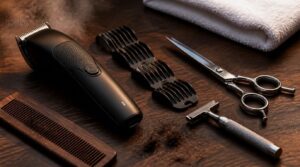
Good technique only gets you so far if you’re working with the wrong gear, so let’s talk about what actually belongs in your kit.
A solid electric trimmer with multiple guard attachments covers bulk length, while beard scissors and a precision tool manage edging. Comb first to align hairs — clippers cut what the comb can’t straighten.
Post-trim Care Tips

Once the blade’s done its job, your skin needs a little attention too. Cutting hair shaft creates tiny exposed ends that drink up moisture fast, so post-trim oiling matters more than people realize.
A few drops of beard oil hydrate cut ends, soothe irritated skin, and prevent that rough, post-trim dryness. Massage it in — your beard (and face) will thank you.
Effective Beard Care for Healthy Growth

Trimming only covers half the equation—the rest comes down to how you treat your skin and hair day to day. Healthy follicles need consistent care, not just an occasional trim. Here’s what your routine should actually include.
Washing and Moisturizing Routines
Your skin is the foundation your beard grows from, so neglecting it is like skipping the prep work before painting a wall. Beard shampoo selection matters: harsh soaps strip natural oils, while a proper beard shampoo promotes scalp moisture balance.
- Prevents skin dryness and flaking
- Maintains natural oil retention
- Reduces itch and irritation
- Keeps follicles unclogged
- Protects against thermal damage
Regularly wash and condition, then moisturize and condition for lasting comfort.
Beard Oil and Conditioner Benefits
Because washing strips away natural oils, you need to replace them, and that’s where beard oil and conditioner earn their place in your routine. Oil delivers moisture retention that prevents breakage and boosts shine; conditioner softens texture for easier styling.
| Product | Main Benefit |
|---|---|
| Beard oil | Skin hydration |
| Conditioner | Detangling |
| Both | Reduced frizz |
| Oil | Natural shine |
| Conditioner | Softer texture |
Moisturize and condition consistently to support real beard health.
Daily Grooming Habits
Think of brushing and combing as the five‑minute habit that quietly does most of the heavy lifting for a healthy‑looking beard. Comb out tangles, then use a bristle brush to spread oil evenly—wash two to three times weekly for hydrated skin without stripping it.
Trimming won’t speed growth, but it keeps shape neat. This daily regimen tames itch and breakage.
Nutrition and Lifestyle Impact on Beard Growth

Your beard doesn’t grow in a vacuum—what you eat and how you live matters just as much as your trimming routine. Trimmers and combs can shape what’s already there, but your body builds the hair in the first place. Here’s what actually fuels that process from the inside out.
Essential Nutrients for Beard Health
What you put on your plate matters just as much as what you put on your face, as you aim to grow a fuller beard.
Protein feeds your follicles, supplying the building blocks for keratin production. Biotin assists that same keratin synthesis, while zinc and vitamin D keep follicles functioning properly. Collagen rounds things out, strengthening hair structure from the inside.
Exercise and Blood Circulation
Lacing up your running shoes might do more for your beard than another bottle of growth serum ever will. Aerobic exercise boosts dermal blood circulation, pumping nutrient-rich blood toward facial follicles. Regular exercise improves cardiovascular health, which strengthens nutrient delivery systems over time. This exercise-induced circulation boost feeds growth:
Lacing up your running shoes might do more for your beard than another bottle of growth serum ever will, since aerobic exercise boosts circulation and delivers nutrient-rich blood straight to your facial follicles
- Stronger heartbeat
- Flushed cheeks
- Warmer skin
- Faster healing
- Fuller follicles
Sleep and Hormonal Balance
While exercise builds your beard up from the outside in, sleep is where the real hormonal construction work happens. Your circadian rhythm governs testosterone production cycles, releasing most of it during deep sleep.
Skimp on rest, and cortisol rises while testosterone drops, stalling follicular activity. Adequate, restorative sleep keeps this hormonal influence balanced, supporting overall health and steady growth night after night.
Proven Methods to Support Beard Growth

Trimming and nutrition only get you so far—your follicles respond to more direct encouragement too. Some methods work with your body’s natural processes, while others call in extra help when growth stalls. Here’s what actually moves the needle.
Massage and Follicle Stimulation
For a few minutes each day, rubbing your fingertips across your jawline in small circles can do more for your beard than most products on the shelf. This simple habit boosts blood circulation to the beard area, helping deliver oxygen and nutrients straight to each follicle.
Better nutrient delivery promotes follicle health during the anagen (growth) phase. Think of it like watering a plant’s roots instead of just its leaves. Pair massage with beard oil for smoother glide, and you’ll give your follicles a genuine, research-backed edge—no gimmicks required.
When to Seek Professional Advice
Massage and oil can only take you so far, though, and if your beard still grows in patchy or sparse no matter what you try, it’s worth talking to a dermatologist or trichologist. A healthcare professional can determine whether genetic predisposition is simply setting your limits, or whether something else is at play.
Book a consultation if you notice:
- Persistent skin irritation, redness, or itching beneath the beard
- Sudden bald patches, which could signal alopecia areata
- Signs of hormonal imbalances, like unusual fatigue or skin changes
A dermatologist can rule out underlying scalp health issues and point you toward real solutions.
Frequently Asked Questions (FAQs)
Does trimming a beard make it grow faster?
Ironically, scissors get the credit, but trimming a beard doesn’t speed up the beard growth cycle. That’s just a cutting speed misconception — blunt end illusions make hair look denser, while follicle cell division never changes.
Should you trim your beard regularly?
Yes — trim regularly but not excessively. It won’t speed up your beard growth cycle, but it helps maintaining shape, avoiding breakage, and managing patchiness, while improving texture and grooming consistency for a fuller, healthier-looking beard over time.
Does shaving stimulate beard growth?
Taking a blade to your face won’t speed anything up. This shaving myth persists, but follicle stimulation doesn’t work that way—blade impact only affects surface hair, never the hair growth cycle happening beneath your skin.
Why do I need a beard trim?
Regular trimming controls split ends, prevents hair breakage, and defines facial contours for a polished look. Trim your beard to maintain shape and style, improve texture smoothness, and support uniform density as it grows out.
Why does my beard grow in patches?
Blood is thicker than water, but genetics call the shots here. Follicle density genetics and uneven DHT hormone levels across your face cause patchy growth patterns—it’s normal, not a sign of poor hair follicle health.
Can stress affect how fast my beard grows?
Chronic stress raises cortisol, disrupting follicle activity and triggering stress-induced shedding. This hormonal disruption slows growth rate, harming overall health and mental health.
Support healthier follicles with hair growth and maintenance strategies that address lifestyle factors alongside your routine.
Managing this stress-related shedding often calls for a combined approach, and women’s hair restoration treatments like minoxidil and spironolactone have shown strong results when cortisol-driven loss is part of the picture.
Managing that stress alongside consistent habits like scalp massage and a nutrient-rich diet is key, and this guide to natural thicker hair growth breaks down how to build a routine that actually sticks.
Practicing stress management and relaxation balances stress hormones for steadier beard growth.
Is daily beard hair shedding normal or concerning?
Losing a few hairs daily is normal hair shedding, tied to follicles entering the telogen phase. Watch for shedding versus breakage though—patchy thinning or visible scalp-like gaps signals abnormal thinning worth checking with a dermatologist for follicle health.
Does shaving instead of trimming change regrowth speed?
Cutting it all off feels drastic yet changes nothing below the surface. Shaving vs trimming makes no difference to regrowth speed — blade contact never reaches the follicle, so the myth of faster growth after shaving my beard completely off simply doesn’t hold up.
At what age does beard growth fully mature?
Most guys hit full beard maturity between 25 and 30, once testosterone peaks and puberty’s hormonal shifts settle. Genetics decide the timeline, though — late bloomers may still be filling in well into their thirties as follicles finish maturing.
Conclusion
Your follicle keeps time like a Victorian pocket watch, steady, unmoved by scissors. So does beard trimming help a beard grow faster? No.
Genetics and hormones write that schedule, not your grooming kit. What trimming buys you is precision: fewer split ends, sharper lines, a beard that looks deliberate rather than neglected.
Keep the blade in rotation, treat your skin well, and let biology handle the rest. Patience grows beards; trimming makes the wait look good.