This site is supported by our readers. We may earn a commission, at no cost to you, if you purchase through links.
You might assume popping a biotin supplement will transform thin, limp hair into something thicker and more textured. That’s the promise flooding social media feeds, yet dermatologists who treat hair loss daily see a different picture. Biotin does support keratin production—the structural protein that forms each strand—but its ability to actually change hair texture depends almost entirely on whether you’re deficient in the first place.
Most people aren’t. If your body already has adequate biotin from eggs, nuts, and other dietary sources, extra supplementation won’t reshape your hair’s natural pattern or suddenly add wave to straight strands.
Understanding what biotin can and can’t do requires looking at the science behind keratin synthesis, who genuinely benefits from supplementation, and which factors truly control the texture you see in the mirror.
Table Of Contents
- Key Takeaways
- What is Biotin and Its Role in Hair?
- Can Biotin Change Hair Texture?
- How Does Biotin Affect Hair Structure?
- Who Might Notice Hair Texture Changes?
- Biotin Supplementation: Dosage and Safety
- Natural Sources of Biotin for Hair Health
- What Else Influences Hair Texture Besides Biotin?
- Frequently Asked Questions (FAQs)
- Can taking biotin change hair texture?
- Does biotin make your hair softer?
- What is the recommended daily dosage of biotin for optimal results?
- Are there any side effects associated with taking biotin?
- Can biotin help to improve the texture of curly hair?
- Is biotin safe for pregnant women to take?
- Is biotin effective in treating hair loss and thinning?
- How long until biotin improves hair texture?
- Can biotin supplements cause unwanted hair growth?
- Does biotin work differently for curly hair?
- Conclusion
Key Takeaways
- Biotin strengthens hair by supporting keratin production, but it won’t change your natural curl pattern or texture unless you’re actually deficient—most people already get enough from eggs, nuts, and other foods.
- If you’re not biotin-deficient, taking supplements won’t transform thin hair into thick strands or add wave to straight hair, because your hair’s fundamental structure is determined by genetics, not vitamins.
- People who are truly deficient may see real improvements in hair strength and reduced breakage within 2-3 months of supplementation, but high doses (often 10,000% of daily needs) can interfere with critical lab tests like thyroid panels.
- Your hair texture depends more on hormones, daily care practices, and balanced nutrition (including protein, omega-3s, iron, and zinc) than on biotin alone—fix those factors first before reaching for supplements.
What is Biotin and Its Role in Hair?
You’ve probably heard biotin called the “hair vitamin,” but what exactly does it do in your body? Biotin is vitamin B7, a nutrient that plays a specific role in how your hair grows and maintains its structure.
If you’re dealing with thinning or breakage, targeted supplements to reduce hair fall can help restore keratin levels and strengthen strands from within.
Let’s break down what biotin actually is and why it matters for your hair health.
Biotin as Vitamin B7
Biotin, also called vitamin B7, is a water-soluble nutrient your body can’t produce on its own. You need to get it from foods like eggs, nuts, and liver, where it aids metabolism of fats, proteins, and carbohydrates.
Most adults require about 30 micrograms daily. Without enough biotin, you may face B7 deficiency, leading to hair growth problems and brittle strands.
It’s important to note that biotin can affect the accuracy of.
Biotin’s Function in Keratin Production
Your body relies on amino acid building blocks to weave strands of keratin, the protein that forms your hair. Biotin fuels this protein synthesis by supporting metabolic processes that supply cysteine, a sulfur-rich amino acid essential for strong keratin bonds.
It also aids fatty acid support and energy metabolism, ensuring your follicles have the resources needed for consistent keratin production. Biotin’s benefits extend to improving , which are directly linked to its key role in hair health.
Biotin’s Importance for Healthy Hair
That’s why getting enough biotin matters—it keeps your hair growth cycle running smoothly. When your nutrient balance is right, you’ll notice:
- Stronger strands that resist breakage
- Improved skin health alongside better hair texture
- Consistent keratin production for structural integrity
Biotin benefits extend beyond cosmetic improvements. It’s about maintaining the biological foundation that sustains biotin and hair health from the inside out.
Can Biotin Change Hair Texture?

The short answer: biotin doesn’t curl or straighten your hair, but it can make a real difference if you’re deficient. What dermatologists see in 2026 is that biotin works by strengthening hair structure, not by changing its natural pattern.
Here’s what the science actually shows about biotin and texture changes.
Scientific Evidence on Biotin and Hair Texture
You’ve probably heard claims that biotin transforms hair texture, but here’s what the science actually shows. High-quality trials in healthy people reveal no consistent texture change from Vitamin B7 supplementation. Most biotin research focuses on hair growth and keratin studies, not texture shifts. While nutrient effects on hair follicle function matter, the evidence linking biotin directly to texture remains subjective and unreproducible in non-deficient populations.
In healthy people, high-quality trials show biotin doesn’t change hair texture—only deficiency correction might restore baseline structure
| Study Type | Findings on Hair Texture |
|---|---|
| Controlled trials (healthy adults) | No significant texture change observed |
| Keratin studies | Maintains structure, not curl or smoothness |
| Deficiency correction | May restore baseline, not alter inherent texture |
| Subjective reports | Variable, influenced by multiple factors |
| Long-term supplementation | Minimal impact without underlying deficiency |
Effects in People With Biotin Deficiency
When you’re dealing with biotin deficiency, hair texture changes show up fast—strands become brittle, thin, and prone to breakage as keratin synthesis falters. Biotin supplementation reverses these effects, restoring hair regrowth and baseline texture while also clearing up skin issues.
Most people see noticeable improvements in hair strength and regrowth within 3 to 4 months of consistent biotin supplementation, though individual timelines vary based on severity of deficiency.
Improved nutrient absorption and metabolic health work together, making biotin and hair growth inseparable when deficiency is the culprit affecting your hair health and nutrition.
Limitations for Those Without Deficiency
Expectations crash when you’re non-deficient—biotin limits become clear as supplements fail to shift hair texture or deliver the biotin and hair growth promises you’ve been sold. Normal intake already covers your needs, so extra doses won’t smooth curls or add wave.
Supplement risks include lab test interference and digestive upset, while nutrient deficiency in iron or zinc often explains texture concerns better than biotin deficiency and hair loss ever could.
How Does Biotin Affect Hair Structure?
Biotin doesn’t work like a styling product that reshapes your hair overnight. Instead, it influences the biological building blocks that determine how strong and resilient each strand becomes.
Let’s break down what actually happens at the cellular level when biotin interacts with your hair structure.
Impact on Keratin Synthesis

Biotin acts as a cofactor for enzymes that power keratin production deep inside your hair follicle. It facilitates protein synthesis by helping your body process amino acids—the building blocks keratin needs.
Biotin metabolism also allows sulfur bonding, which locks keratin fibers together for structure. Without enough biotin, keratin formation slows, weakening each strand from the inside out.
Influence on Hair Shaft Strength and Elasticity

When biotin fuels keratin formation, your hair shaft builds a tighter structure that resists breakage during combing and styling. Stronger keratin networks boost shaft resilience, letting strands stretch and bounce back without snapping.
This elasticity improvement means fewer microcracks under stress, reducing breakage. You’ll maintain length better because each fiber can flex without fracturing, supporting overall hair health and perceived texture smoothness.
Differences Between Thickness and Texture
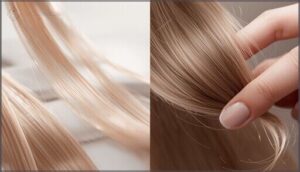
Thickness measures the diameter of each strand—a structural property you can track with micrometry. Texture describes surface quality: whether your hair feels coarse, silky, or wiry.
Biotin influences material properties like strength and elasticity, which can smooth texture by reducing frizz and breakage.
Hair density and thickness measurement show quantity and width; texture analysis reveals feel. Hair health combines both elements for ideal hair growth.
Who Might Notice Hair Texture Changes?
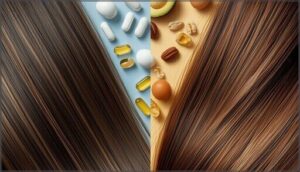
Not everyone who takes biotin will notice a change in how their hair feels or behaves. Your starting point matters more than you might think.
Let’s look at who’s most likely to see actual texture improvements from biotin supplementation.
Individuals With Biotin Deficiency
If you’re genuinely low on this nutrient, your body signals loud and clear. Biotin deficiency triggers hair loss, brittle nails, and skin issues—all pointing to weakened keratin production. Poor nutrient absorption or rare biotinidase enzyme problems can tank your levels.
When you correct a true biotin deficit with biotin supplements, hair texture often rebounds: strands feel stronger, breakage drops, and hair growth becomes more consistent.
People Experiencing Hair Breakage or Thinning
Even without a full deficiency, you might see texture improvements if hair breakage or thinning weakens your strands. Scalp conditions, nutrient deficiencies, heat damage, and tight styles are common hair breakage causes that make hair feel rough or thin. Biotin promotes hair follicle health and keratin strength, so supplementation may reduce snapping and restore smoother hair growth—especially when breakage mimics thinning hair.
- Overexposure to heat tools dries the cortex and increases breakage
- Tight hairstyles pull on roots, causing traction damage near the hairline
- Inadequate moisture leaves hair brittle and prone to snapping
- Chemical treatments weaken cuticles and reduce elasticity
- Scalp conditions disrupt nutrient delivery to follicles
Genetic Vs. Nutritional Factors
Your follicle shape, keratin genes, and hereditary traits set your baseline hair texture long before diet steps in. Genetic variance determines curl pattern and shaft diameter, while nutrient interaction—including biotin deficiency or other nutritional deficiencies and hair changes—can shift elasticity and breakage.
Epigenetic effects from early dietary influences may subtly alter how your strands respond over time, blending inherited structure with modifiable factors.
Biotin Supplementation: Dosage and Safety

If you’re considering biotin supplements for your hair, you need to know how much to take and what risks you’re facing. The right dosage matters, and exceeding it can cause real problems beyond just wasted money.
Here’s what you should understand about safe supplementation before you start taking biotin.
Recommended Daily Intake
For most adults, daily biotin needs clock in at just 30 micrograms—a tiny amount you likely already get from dietary sources of biotin like eggs and nuts.
This biotin dosage aligns with dietary allowances designed to support keratin production and overall health.
While biotin supplements promise smoother hair texture, intake guidelines remind you that a balanced diet usually delivers adequate biotin without pills, especially if biotin deficiency isn’t confirmed.
Risks of High-dose Supplements
Supplement interactions become risky when you push past recommended amounts. High-dose biotin supplementation can disrupt lab test results and trigger nutrient imbalance, masking real deficiencies.
Dosage risks increase with megadoses—some pills pack 10,000% of daily needs, far beyond what your hair texture requires.
Overdose effects are rare with biotin alone, but toxicity symptoms from combining multiple vitamin supplements for hair deserve your attention.
Possible Side Effects and Test Interference
Unfortunately, biotin supplementation carries hidden medical interactions beyond upset stomach. High doses trigger biotin interference in thyroid panels, troponin tests, and vitamin D assays—skewing results that guide critical treatment decisions.
Diagnostic delays happen when lab test errors mimic disease or hide real problems. Always tell your doctor and lab personnel about biotin use before blood work to avoid misinterpreting your health status.
Natural Sources of Biotin for Hair Health
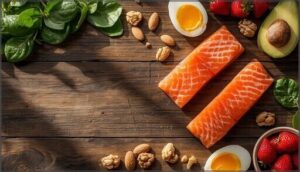
You don’t need to run to the supplement aisle to get your biotin fix. Your kitchen probably already has plenty of foods that deliver exactly what your hair needs.
Let’s look at the best natural sources and how they stack up against pills.
Biotin-rich Foods (eggs, Nuts, Liver)
Your body absorbs biotin best from whole foods, and you can build your hair nutrition foundation starting at breakfast. A single large egg delivers roughly 10 micrograms—one-third of your daily value—while nuts like almonds and hazelnuts pack biotin alongside healthy fats that nourish your scalp from within.
Biotin-rich eggs, especially the yolk, are powerhouse dietary sources that support keratin production:
- Egg yolks contain concentrated biotin, while whites offer protein for hair structure
- Beef and chicken liver provide multiple times your daily value per 75-gram serving
- Almonds, hazelnuts, and pistachios deliver steady biotin with convenient snacking appeal
- Avocados and mushrooms contribute moderate biotin plus anti-inflammatory nutrients
- Cooking eggs fully removes avidin, a protein that blocks biotin absorption
Nutrient-dense foods like liver may sound old-fashioned, but liver benefits extend beyond biotin deficiency prevention—you’re getting iron, vitamin A, and quality protein that work together for resilient hair texture. Food sources give your body biotin in balanced amounts without the risks of high-dose pills.
Diet Versus Supplements
Food wins the nutrient balance race because dietary sources deliver biotin alongside fiber, antioxidants, and minerals that supplements can’t replicate.
Your healthy intake strategy should anchor on food quality first—eggs, nuts, and liver meet dietary needs without the supplement risks of test interference or masking underlying deficiencies.
Biotin supplements make sense only when blood work confirms low levels affecting your hair texture.
Balanced Nutrition for Optimal Hair Texture
Your hair texture depends on the whole nutrition team working together, not just biotin flying solo. A smart diet strategy pairs multiple nutrients that cooperate at the follicle level to build resilient, smooth strands from root to tip.
- Protein intake gives keratin the amino acids it needs for strong cuticles and uniform texture
- Omega-3s benefits include scalp moisture and reduced inflammation that dulls shine
- Iron delivery carries oxygen to follicles while zinc regulation controls sebum for ideal hair texture
Dietary sources of vitamin B7 work best alongside these allies for complete hair nutrition and wellness.
What Else Influences Hair Texture Besides Biotin?
Biotin isn’t the only player in the game regarding your hair’s texture. Your hormones, how you treat your strands day to day, and what else you’re eating all shape whether your hair feels smooth, coarse, or somewhere in between.
Here’s what you need to know about the other forces at work.
Hormones and Aging
Your hormones shift as you age, and that directly impacts your hair texture. Estrogen levels drop during menopause, often leading to drier, coarser strands. Thyroid changes alter hair growth cycles, while declining testosterone and cortisol pattern shifts affect hair loss rates. Even with adequate biotin, hormone regulation matters more than you might think.
| Hormone | Age-Related Change | Effect on Hair Texture |
|---|---|---|
| Estrogen | Declines sharply during menopause | Reduces moisture, increases coarseness and thinning |
| Thyroid hormones | Less efficient metabolism with age | Disrupts growth cycles, causes texture changes |
| Testosterone | Gradual decline in both sexes | Alters hair follicle sensitivity, contributes to hair loss |
| Growth hormone | Decreases steadily after 30 | Reduces hair shaft diameter and strength |
| Cortisol | Altered stress response patterns | Triggers shedding phases, weakens follicle health |
Biotin deficiency plays a smaller role compared to these endocrine shifts throughout the aging process.
Hair Care Practices and Treatments
What you do to your hair daily matters more than any biotin supplement. Heat styling without protection breaks cuticle bonds, altering hair texture permanently. Gentle combing prevents breakage that mimics texture changes. Regular trimming techniques remove damaged ends, maintaining hair health independent of biotin.
Scalp massage boosts circulation for hair growth, while hair oils and hair masks restore moisture lost from chemical treatments.
Other Nutritional Factors Affecting Hair
Beyond topical treatments, what you eat shapes hair texture from the inside. Omega-3 fats from salmon reduce inflammation around follicles, while iron deficiency causes thinning that mimics texture loss. Zinc intake promotes growth cycles, and protein sources build keratin itself. Vitamin D levels regulate follicle function.
Nutrition and diet trump biotin alone—dietary changes with supplements and vitamins deliver real hair health improvements and sustainable hair growth.
Frequently Asked Questions (FAQs)
Can taking biotin change hair texture?
Most people don’t see true texture changes from biotin supplementation. Instead, you might notice stronger hair shafts with less breakage, which can make your hair feel smoother without actually reshaping its natural curl or wave.
Does biotin make your hair softer?
Not directly. Biotin supplements support keratin synthesis and may reduce breakage in deficient individuals, creating the perception of softer, healthier hair.
However, moisture and conditioning practices drive true texture changes more than biotin alone.
What is the recommended daily dosage of biotin for optimal results?
Your daily allowance is 30 micrograms, but beauty-focused biotin supplements often contain 5,000 micrograms for hair goals. Dosage guidelines suggest starting low, monitoring results, and watching supplement safety concerns like test interference.
Are there any side effects associated with taking biotin?
High-dose biotin supplements can trigger skin reactions like acne, cause digestive upset, and interfere with lab tests—including thyroid panels and cardiac markers.
Allergic responses, though rare, require immediate attention if breathing difficulties occur.
Can biotin help to improve the texture of curly hair?
Yes, if you’re deficient. Biotin benefits curly hair by strengthening keratin, reducing breakage that disrupts curl definition.
Texture improvement requires nutrient balance alongside moisture and gentle styling—biotin deficiency correction restores hair health and structure over months.
Is biotin safe for pregnant women to take?
Prenatal vitamins commonly contain biotin, and it’s considered safe when taken as directed.
Consult your doctor before starting dietary supplements, as high doses may interfere with lab test results and affect maternal metabolism during fetal development.
Is biotin effective in treating hair loss and thinning?
Biotin shows promise only when hair loss stems from biotin deficiency—a rare condition.
Clinical trial findings reveal limited evidence for hair growth mechanisms in well-nourished individuals.
Dermatologist perspectives emphasize identifying root causes before starting vitamin supplements for hair loss.
How long until biotin improves hair texture?
Most people notice subtle changes in hair strength within one to two months of consistent biotin supplementation.
Visible texture improvements—smoother feel, reduced breakage—usually emerge after two to three months if deficiency existed.
Can biotin supplements cause unwanted hair growth?
No research links biotin supplementation to unwanted hair growth patterns. Biotin side effects don’t include excess body or facial hair.
Biotin overdose risks involve test interference, not abnormal growth—genetics and hormones drive hair distribution.
Does biotin work differently for curly hair?
Your curl pattern won’t transform, but biotin deficiency can worsen breakage in curly hair.
Supplementation strengthens keratin production, reducing frizz and damage. Those with adequate levels won’t see curl enhancement beyond better overall hair health.
Conclusion
Biotin won’t work miracles if your body already has enough of it. The truth about whether biotin changes hair texture comes down to one critical factor: deficiency status.
If you’re deficient, supplementation can strengthen strands and reduce breakage that’s been masking your natural texture. If you’re not, don’t expect transformation. Your hair’s fundamental pattern is written in your DNA, not your supplement cabinet.
Focus on balanced nutrition, gentle care practices, and realistic expectations instead.
- https://ods.od.nih.gov/factsheets/Biotin-HealthProfessional/
- https://pubmed.ncbi.nlm.nih.gov/23193625/
- https://scholar.google.com/scholar_lookup?title=Institute%20of%20Medicine%20(US)%20Standing%20Committee%20on%20the%20Scientific%20Evaluation%20of%20Dietary%20Reference%20Intakes%20and%20Its%20Panel%20on%20Folate,%20Other%20B%20Vitamins,%20and%20Choline.%20Dietary%20Reference%20Intakes%20for%20Thiamin,%20Riboflavin,%20Niacin,%20Vitamin%20B6,%20Folate,%20Vitamin%20B12,%20Pantothenic%20Acid,%20Biotin,%20and%20Choline.&publication_year=1998&