This site is supported by our readers. We may earn a commission, at no cost to you, if you purchase through links. This content is for general informational and educational purposes only and is not a substitute for professional medical, dermatological, or nutritional advice.
You finish washing your hair, glance at the drain, and count more strands than usual. Then the suspicion creeps in: your shampoo. If you’ve wondered does Pantene cause hair loss, you’re not alone. Online forums are full of people blaming the brand for thinning, shedding, and irritated scalps.
The answer matters, because misdiagnosing your own hair loss can delay real treatment. Shedding, breakage, buildup, and genetics all look similar in the mirror but need different fixes.
Here’s what dermatology actually says about Pantene, its ingredients, and the steps worth taking before you toss the bottle.
Table Of Contents
- Key Takeaways
- Does Pantene Cause Hair Loss?
- What Does The Evidence Say About Pantene and Hair Loss?
- Why Might Pantene Seem to Increase Hair Fall?
- Which Pantene Ingredients Can Affect Hair and Scalp?
- What Should You Do if Pantene Triggers Shedding or Irritation?
- Frequently Asked Questions (FAQs)
- Which shampoos are linked to hair loss?
- Is Pantene good or bad for your hair?
- Can Pantene shampoo damage my hair?
- What shampoo do I use if my hair is falling out?
- Does Pantene Make a Sulfatefree Shampoo?
- Can Pantene Products Help With Hair Loss?
- Does Pantene Have Sulfate?
- Is Pantene Good for Your Hair?
- Does Pantene Have Formaldehyde?
- Can Pantene products be used on children safely?
- Conclusion
Key Takeaways
- No clinical evidence links Pantene to true hair loss; what looks like thinning is usually normal shedding, breakage, or product buildup that mimics thinning rather than follicle damage.
- Check a fallen strand’s tip: a white bulb means root-level shedding, while a blunt, ragged end means breakage—two problems that need different fixes.
- Ingredients like sulfates, fragrance, and preservatives (methylisothiazolinone, DMDM hydantoin) can irritate sensitive scalps and trigger temporary shedding, and silicone buildup can make hair look flatter and thinner.
- If you suspect Pantene, stop using it for four to six weeks and simplify your routine; see a dermatologist if shedding persists past three months, since real hair loss needs a proper diagnosis.
Does Pantene Cause Hair Loss?

Why do so many people ask if Pantene is bad for your hair? The rumor spreads fast online, usually after someone notices extra hair shedding in the shower.
If shedding turns out to be a real concern, a simple beard care routine for beginners shows how gentle daily habits can support healthier growth from the start.
Here’s the key point: hair falling during washing is often normal shedding, not damage to your hair follicle health. Real hair loss from shampoo is rare, and scalp health matters more.
Hair falling in the shower is usually normal shedding, not real hair loss—your scalp health matters far more
What Does The Evidence Say About Pantene and Hair Loss?
You’ll find no clinical trial proving Pantene causes hair loss. No published study links it to follicle damage, and ingredient safety reviews rely on irritation testing and adverse-event reports, not controlled comparisons.
What exists instead is weaker, messier data. Complaints to consumer reporting systems mix rashes, irritation, and perceived thinning without controls, so they suggest patterns but can’t prove cause. Viral stories often confuse breakage with true shedding at the root.
Before you panic over a few extra strands in the drain, it helps to understand how hair growth and thickening shampoo actually differ, since the two address very different problems.
That matters because real hair loss, like androgenetic alopecia, develops over months or years and needs a dermatologist’s diagnosis. A shampoo alone rarely explains it. To prove causation, researchers would need baseline measurements, objective shedding counts, and a control group. That evidence doesn’t exist for Pantene, so treat claims of proof with skepticism.
Why Might Pantene Seem to Increase Hair Fall?

If you’ve noticed more hair in your drain after switching to Pantene, don’t panic yet. There are three common explanations that don’t involve true hair loss at the root. Knowing which one applies to you will tell you what to do next.
Root Shedding Versus Breakage
Think of it this way: a leaf that falls whole came loose at the branch, but a leaf torn in half snapped mid-stem. Hair works the same way.
A clean break along the shaft often points to heat or chemical stress, which is why picking a natural heat protectant for hair matters so much.
- A white bulb on the tip means the hair follicles released the strand. That’s true hair shedding.
- A blunt, ragged end means hair breakage. Your hair shaft integrity failed, not the root.
- Full-length strands in your brush point to shedding. Short fragments point to damage.
Pull one strand and check the tip. It tells you which problem you’re actually treating. Learning to spot hair breakage vs shedding also matters because shedding spreads evenly across the scalp, while breakage concentrates in stressed areas like the hairline or part line.
Scalp Irritation and Dermatitis
Once you’ve ruled out breakage, look at your scalp. Redness, itching, burning, or flaking after washing can signal scalp irritation or even allergic contact dermatitis from fragrance or preservatives. Inflamed skin can push follicles into their resting phase early, so scalp inflammation shows up as shedding weeks later. Sensitive scalps react faster, and repeated exposure keeps the barrier compromised.
Buildup and Perceived Thinning
Notice how product buildup changes what you see. Shampoo residue and conditioner film coat each strand, so hair clumps and lies flatter. That exposes more scalp and makes hair thinning look worse than it is. Heavier hair weight also pulls strands down.
If your strands still feel coated after washing, this guide to why your hair feels waxy breaks down the buildup culprits.
Use a clarifying shampoo occasionally, rinse thoroughly, and reassess. Same hair, better lift, less visible scalp.
Which Pantene Ingredients Can Affect Hair and Scalp?
When you flip the bottle over, a few ingredient groups deserve your attention. Pantene ProV formulas vary, but most contain these common culprits:
- Sulfates like SLS and SLES, which strip sebum and dry out your strands.
- Preservatives such as methylisothiazolinone and DMDM hydantoin, both documented contact allergens.
- Fragrance, the leading cosmetic cause of allergic dermatitis, often reacting on your neck and face.
- Silicones like dimethicone, which coat hair and build up over time.
Cocamidopropyl betaine can also trigger scalp irritation in sensitive people. None of these directly damage follicles or cause true hair loss. But they can inflame your scalp or weaken strands, which looks and feels like shedding. ProVitamin B5, by contrast, is generally well tolerated. Check labels against your own reaction history.
What Should You Do if Pantene Triggers Shedding or Irritation?

You might worry that stopping mid-bottle wastes money, but your scalp health matters more than finishing a product.
Stop using Pantene for four to six weeks. Note your start date, and watch whether shedding slows and irritation calms. Most product-related reactions improve within a few weeks.
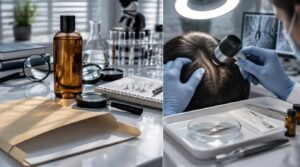
Check whether you’re seeing short, broken hairs or full hairs with white bulbs on the root. Breakage points to buildup or friction. Root shedding suggests a scalp or cycle issue. A handheld hair loss microscope magnifier makes it much easier to spot the difference between broken strands and rooted shed hairs.
If you had scalp irritation, rinse thoroughly, skip heavy serums, and simplify your hair care routine. Once symptoms settle, you can patch test a small area behind your ear before reintroducing anything. A simple skin patch test kit can help you pinpoint exactly which ingredient is triggering the reaction.
Read the ingredient list for fragrance or sulfates that bother you. Persistent redness, flaking, or thinning warrants a dermatologist visit.
Frequently Asked Questions (FAQs)
Which shampoos are linked to hair loss?
Start with the theory: sulfates in shampoos get blamed for hair loss. The evidence doesn’t back it. No shampoo causes permanent loss, but shampoos with harsh detergents, fragrances, or methylisothiazolinone can trigger irritation, shedding, or breakage.
Is Pantene good or bad for your hair?
Up to 50% of women experience noticeable hair thinning by age 50, so it’s smart to question your shampoo. Pantene isn’t inherently bad for your hair; sulfates and parabens rarely cause hair loss, though buildup can cause hair damage.
Can Pantene shampoo damage my hair?
Damage is relative. Pantene’s sulfates can strip your scalp’s natural oils, and silicone buildup makes hair feel noticeably thinner or heavier over time. On sensitive scalps, you’re likely to experience real irritation and increased shedding.
What shampoo do I use if my hair is falling out?
Use a ketoconazole 2% shampoo two to three times per week, leaving it on for three to five minutes. On other days, choose a gentle sulfate-free shampoo to avoid scalp irritation and unnecessary hair damage.
Does Pantene Make a Sulfatefree Shampoo?
Yes, Pantene makes sulfatefree shampoo in lines like Gold Series, Nutrient Blends, and Pro-V Miracles. They use gentler cleansers instead of sodium lauryl sulfate or sodium laureth sulfate, suiting curly, color-treated, or sensitive scalps.
Can Pantene Products Help With Hair Loss?
Want a shampoo that actually helps? Some Pantene formulas can. Pantene Pro-V with panthenol reduced shedding in clinical trials, and antioxidant blends support scalp health, protecting hair follicles and improving hair density.
Does Pantene Have Sulfate?
Check the label. Most Pantene shampoos use sodium lauryl sulfate or sodium laureth sulfate for cleansing and foam. If you prefer gentler options, Gold Series and Nutrient Blends are sulfate-free. Neither causes hair loss.
Is Pantene Good for Your Hair?
A dermatology review I read noted most Pantene complaints involve breakage, not true hair loss.
So, is Pantene good for your hair? It can smooth strands, but harsh ingredients or buildup may leave hair dry and brittle.
Sensitive scalps often prefer natural hair care.
Does Pantene Have Formaldehyde?
Picture a pear: it naturally contains about as much formaldehyde as a typical Pantene wash. Most Pantene shampoos skip pure formaldehyde, but some use DMDM hydantoin, a synthetic preservative releasing trace amounts. Cosmetic safety limits apply.
Can Pantene products be used on children safely?
Ironically, the "gentle" family shampoo is often the harshest thing on a toddler’s head. Pantene’s sulfates and fragrances can irritate thin, sensitive skin, so pick fragrance-free, mild formulas and patch-test first.
Conclusion
One reader switched shampoos three times in a month, convinced each bottle was the culprit, while her real problem was postpartum shedding that needed time, not a new product. That’s the trap.
The evidence says no, Pantene doesn’t cause hair loss. What it can cause is irritation or buildup in some scalps, which mimics thinning.
Check the drain, check your part, check your timeline. If shedding persists past three months, see a dermatologist and treat the actual cause.