This site is supported by our readers. We may earn a commission, at no cost to you, if you purchase through links.
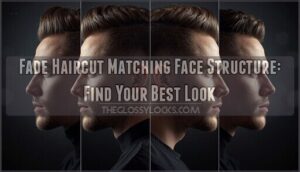
Most guys pick a fade because it looks sharp on someone else—then wonder why it doesn’t hit the same way on them. The cut wasn’t the problem. The mismatch between the fade placement and their face structure was. A high fade that sculpts a square jaw can swallow a round face whole, and a low fade that flatters heart-shaped features might flatten an oval face’s natural balance.
Your face shape dictates where the fade should start, how aggressively it should taper, and what kind of top complements the overall silhouette. Get that alignment right, and the fade doesn’t just look clean—it looks like it was built for you.
Table Of Contents
Key Takeaways
- Your face shape dictates where the fade should start and how aggressively it tapers, so getting that placement right is the difference between a cut that looks built for you and one that just looks random.
- Each face shape has a clear sweet spot: oval faces can pull off almost any fade, round faces need high fades with volume on top, square faces shine with low or mid fades, and heart-shaped faces do best with taper fades that avoid widening the forehead.
- Hair texture matters just as much as face shape — coarse hair holds sharp fade lines longer, fine hair needs more blending, and curly hair works best with a low or mid fade to balance a fuller top.
- Most fades start breaking down within 7 to 14 days, so plan for a touch-up every 2 to 3 weeks to keep the blend clean and the contrast sharp.
How Face Shape Influences Fade Haircuts
Your face shape is the starting point for every great fade. It’s what separates a cut that looks intentional from one that just looks random.
Once you know your face shape, dialing in the right placement gets a lot easier — low fade length measurements and guidelines can help you figure out exactly where to start and how much contrast works for your look.
Here’s what you need to know about the key shapes and why they matter.
Key Face Shapes and Their Characteristics
Your face shape is the blueprint everything else builds on.
Oval faces run longer than wide, with soft cheekbones as the widest point. Round faces match in width and length, full through the cheeks. Square faces show angular jawline types with even facial proportions top to bottom. Heart-shaped faces carry a wide forehead and pointed chin.
Each hairline shape and cheekbone structure tells a different story. To get detailed guidance on measuring and matching features, see this helpful guide to face shape identification.
Why Face Structure Matters for Fades
Knowing your face shape doesn’t just help you pick a style — it tells your barber exactly where fade placement should sit to work with your facial contours, not against them.
Get it wrong and the cut fights your symmetry balance instead of framing it. The right fade style uses face proportions, hair texture, and facial structure together to make your features look intentional.
You can learn more about finding the right cut for your shape in this guide to fade haircuts for every face shape.
Identifying Your Face Shape for The Perfect Fade
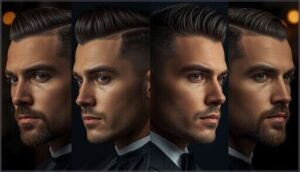
Before you can nail the right fade, you need to know what you’re working with. Your face shape is the blueprint everything else builds on.
Here’s how to figure it out.
Methods for Face Shape Analysis
Four solid methods exist for nailing your face shape analysis before you ever sit in the barber’s chair.
Once you know your shape, pairing it with the right cut gets a lot easier — this guide to beard styles matched to different face shapes shows you exactly what works.
- Linear Measurements — Measure forehead, cheekbone, jawline widths, and face length for precise facial proportions.
- Visual Tracing — Outline your reflection on a mirror to reveal your facial structure clearly.
- Photo Analysis — Take a straight-on selfie and compare it against standard face shape diagrams.
- Algorithmic Detection — Use an AI-powered app that maps facial analysis and face symmetry automatically.
- Proportion-Based Classification — Compare your measurements to identify whether your face shape skews square, oval, or heart-shaped.
Tools and Tips for Accurate Assessment
Once you’ve run your analysis, sharpen those results with the right tools. AI apps like YouCam handle face mapping and facial analysis fast, scanning over 70 landmarks from a single selfie.
Digital tryons let you preview fade heights on your actual face before committing. Pair that with solid style guidance on facial proportions, and your haircut recommendations by face shape get razor-sharp accurate.
Best Fade Styles for Each Face Shape
Your face shape is the starting point for any fade that actually works. Once you know what you’re working with, choosing the right cut becomes a lot more straightforward.
Here’s how each face shape pairs with the fades that suit it best.
Fades for Oval Faces
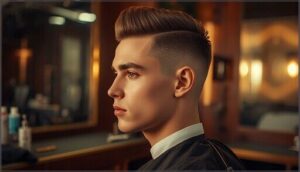
Oval face structure is basically the golden ticket of haircuts — your proportions work with almost anything. That’s why fade versatility is real here: low fade, mid fade, high fade, you name it.
Hair texture matters when locking in your styling options, but face symmetry keeps everything balanced. A mid fade with a textured top is the sweet spot for most oval faces.
Fades for Round Faces
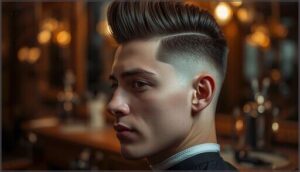
Round faces need fade styles that work harder — your facial structure calls for cuts that add angles where nature kept things soft. High fades with voluminous tops are the move, pulling the eye upward and slimming the sides. Smart Round Face Fades flip the script on proportion.
- High skin fades remove side bulk instantly
- Pompadours and tall quiffs sharpen your silhouette
- Hair texture affects how well volume holds on top
- Regular maintenance tricks keep the contrast crisp
Fades for Square Faces
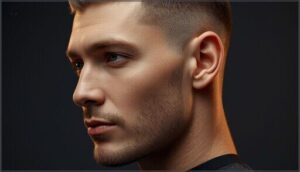
Square Jawline Fades are built for faces that already command attention. Low and mid fades are your best tools — they show off that strong jawline without pushing the look into harsh territory.
Softening angles with a side part keeps things sharp but balanced. Add a beard blend for smooth flow, and top volume stays moderate on haircuts for square faces.
Fades for Heart-Shaped Faces
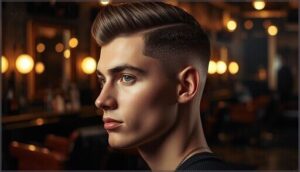
A heart-shaped face already has strong cheekbones and a wide forehead — your job is balancing that forehead while softening the chin. Low fades and taper fades with tapered sides are the move here. They keep volume where you need it most. Avoid tight high skin fades; they widen the top even more.
These are essential hair styling tips for different face shapes when choosing fade hairstyles for face shapes like yours.
Fades for Diamond Faces
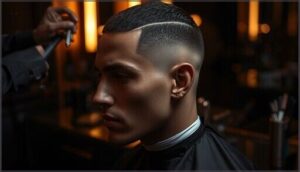
Diamond face structure has angles that can work for or against you — the key is knowing which fade plays along. These fade styling tips keep your cheekbones balanced without sharpening things too much.
- Taper or drop fades soften angular haircuts without stripping too much width
- Medium-length tops add proportion to diamond shaping techniques
- Avoid tight high skin fades — they stress sharp features
- Choosing fade hairstyles for face shapes like yours means prioritizing facial balance over boldness
Matching Fade Types to Enhance Facial Features
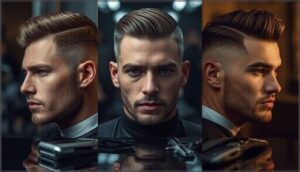
Knowing your face shape is only half the equation — the real key is picking the fade type that actually works with your features.
Each style does something specific, whether it’s adding structure, creating balance, or giving you room to switch things up.
Here’s how the main fade types break down and what they can do for you.
High Fade Vs. Low Fade for Structure
Where your fade starts changes everything about how your face reads. A high fade clears the upper sides and pulls focus upward, adding length and sharpness — ideal if your facial structure craves definition. A low fade keeps things subtle, preserving side volume for a softer silhouette.
Hair texture matters too: thicker hair holds a high fade’s boldness, while finer hair benefits from a low fade’s balance.
Bald and Skin Fades for Balance
If the high fade builds structure, the bald fade owns the room. Going skin-deep strips every distraction, letting your face shape, symmetry, and bone structure speak for themselves. Your barber can dial fade height to your exact face shape — keeping scalp health in check while maximizing styling options based on your hair texture.
The bald fade strips every distraction, letting your face shape and bone structure speak for themselves
- Round faces — high bald fade slims sides and adds length
- Square faces — skin fade sharpens jaw definition dramatically
- Oval faces — any bald fade works; top length controls proportions
- Heart-shaped faces — skin fade paired with length on top shifts focus upward
- Diamond faces — tight fade reduces cheekbone width for better balance
Taper and Mid Fades for Versatility
Not every guy wants a dramatic skin fade — and that’s where the taper fade and mid fade earn their place. Both styles work across nearly every face structure and hair texture without demanding weekly barber visits.
Tapers soften angular jawlines while mid fades slim round faces by tightening the sides. Your styling options shift just by swapping products, no new haircut needed.
Expert Tips for Choosing and Maintaining Your Fade
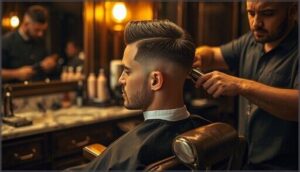
Getting the right fade isn’t just about the cut — it’s about knowing how to work with your barber, your hair, and your routine. A few smart habits will take your look from decent to dialed in.
Here’s what you need to know before you sit in that chair and after you leave it.
Consulting With Your Barber
Walk into that barber consultation with a game plan. Good barber communication starts before the clippers even touch your head. Nail your haircut guidance with these three client preparation moves:
- Bring two or three reference photos
- Know your preferred fade height
- Describe your face goals clearly
That’s the formula for real fade customization — no guesswork, just results.
Hair Type and Lifestyle Considerations
Your hair type and lifestyle shape hairstyle selection just as much as your face structure does. Thick, coarse hair holds fade lines longer. Fine or straight hair needs extra blending. Active guys who sweat daily or swim regularly should lean toward tighter, lower-maintenance fades.
| Hair Texture | Lifestyle Impact |
|---|---|
| Thick/Coarse | Holds sharp fade lines longer |
| Straight/Fine | Needs more blending, fades faster |
| Curly/Coily | Low or mid fade balances fuller top |
Maintenance and Styling Advice
A clean fade starts falling apart faster than you’d think — usually within 7 to 14 days. Stay ahead of it with trims every 2 to 3 weeks.
For Fade Longevity Tips, swap to a satin pillowcase and keep Nighttime Hair Care simple. Styling Product Choice matters too — matte pomade holds texture without weighing down your look.
Frequently Asked Questions (FAQs)
What face shape is best for a fade?
The oval face shape wins here. Its balanced proportions make Face Shape Analysis simple — almost every fade height flatters it.
For Fade Style Selection and true Haircut Personalization, the oval facial structure beats round, square, or any other face hands down.
How to match haircut with face shape?
Matching a haircut to your face shape is like finding the right frame for a painting — it highlights your best facial features without fighting your natural face proportions.
Can fade haircuts work on thinning hair?
Yes, fade techniques absolutely work on thinning hair. The right fade styles reduce density contrast, boost hair volume, and turn balding patterns into intentional design — smart thinning hair solutions hiding hair loss concealment beautifully.
How does hair texture affect fade results?
Hair texture is the barber’s blueprint. Straight edges demand sharp, precise fade techniques, while curly haircuts hide minor blends naturally.
Coarse styles need weight removal, and your hair type shapes every result.
What fade styles suit older men best?
Low and taper fades suit older men best. They soften mature features, complement aging hair, and handle thinning solutions gracefully — keeping your senior grooming sharp without the harsh contrast of a high fade.
Can fades complement beard shapes and styles?
Absolutely — a fade and beard are two halves of the same statement. The right Fade Beard Combinations sharpen your face shape, making Skin Fade Techniques and smart beard pairing your barber’s most powerful grooming tools.
How often should you get a fade touch-up?
Most fades need a touch-up every 2 to 4 weeks. Skin and bald fades demand refresh closer to 1 to 2 weeks, since even slight hair growth rates break the clean blend fast.
Conclusion
A barber once said every great fade starts before the clippers ever touch your head—it starts with understanding what you’re working with. That’s the real foundation of fade haircut matching face structure: knowing your angles, respecting your proportions, and choosing a style that works with your face instead of against it.
Stop guessing what looks good on someone else. Your face tells the story. A well-matched fade just makes sure everyone hears it.
- https://gentzstudiojackson.com/fade-vs-taper-haircuts-jackson-nj/
- https://houseofcuts.ae/choosing-the-perfect-fade-a-guide-for-every-face-shape/
- https://fivestarbarberbrand.com/2025/08/25/low-fade-haircut-vs-high-fade/
- https://www.chapsandco.com/us/blog/the-art-of-the-fade-choosing-the-right-fade-style-for-your-face-shape/
- https://www.pallmallbarbers.nyc/pmb-news/how-to-choose-the-right-fade-haircut-for-your-face-shape/