This site is supported by our readers. We may earn a commission, at no cost to you, if you purchase through links.

Roughly 50 million men and 30 million women in the US deal with noticeable hair loss—yet most spend months trying the wrong remedies before finding what works. The frustrating part isn’t the shedding itself.
It’s that hair loss has a dozen different causes, and a treatment that stops one can do nothing for another. Genetics, hormones, stress, and nutrition each pull the trigger differently.
The fastest hair loss remedies aren’t about one miracle fix—they’re about matching the right solution to the right cause, then staying consistent long enough to see real change.
Table Of Contents
- Key Takeaways
- What Causes Rapid Hair Loss?
- Fastest Clinically Proven Hair Loss Remedies
- Emerging and Innovative Hair Regrowth Solutions
- Natural and At-Home Fast Hair Loss Remedies
- Maximizing Results From Fast Hair Loss Treatments
- Frequently Asked Questions (FAQs)
- Are there natural remedies for hair loss?
- What are the home remedies for hairfall?
- What is the best hair loss treatment?
- What is a good supplement for hair loss?
- How do you find the best hair loss treatments?
- What is the best food to eat for hair loss?
- How can I regrow my lost hair fast?
- How can I stop my hair fall fast?
- How to regrow a hairline?
- Can hair grow back after thinning female?
- Conclusion
Key Takeaways
- Hair loss has many causes—including genetics, hormones, stress, and nutrition—so finding the right treatment depends on knowing what’s triggering yours.
- Proven treatments like minoxidil, finasteride, low-level laser therapy, and platelet-rich plasma can slow, stop, or even reverse hair loss, especially when used consistently.
- New approaches involving stem cells, exosome injections, and AI-guided laser devices show promise, but most are still emerging or not widely available.
- Simple habits like gentle hair care, scalp massage, and fixing nutritional gaps can help support hair growth and make other treatments work better.
What Causes Rapid Hair Loss?
Hair loss rarely comes out of nowhere — there’s almost always something driving it. The cause shapes everything, from how fast it progresses to which treatments actually work.
In fact, even everyday products like shampoo can be a hidden factor — so it’s worth understanding how certain shampoos may contribute to hair loss before ruling out the obvious.
Here’s a look at the main reasons it happens.
Common Types of Hair Loss
Hair loss isn’t just one condition — it’s several, and knowing which type you’re dealing with changes everything.
Here are the most common ones:
- Androgenetic alopecia: genetic baldness patterns affecting follicle health over time
- Alopecia areata: autoimmune attack causing sudden patchy hair thinning
- Telogen effluvium: stress-triggered shedding, a temporary scalp condition
- Traction alopecia: tension-caused loss from tight styles
- Scarring alopecia: permanent follicle damage requiring urgent care
For a deeper look at the differences between alopecia types, understanding each condition can guide the most effective approach.
Hormonal and Genetic Triggers
Knowing your type is just the starting point.
For many people, the real culprit runs deeper — it’s biology. DHT sensitivity and genetic predisposition drive most cases of androgenetic alopecia. DHT binds to androgen receptors in your follicles, shrinking them over time. Hormone imbalance from thyroid issues or PCOS adds fuel.
Follicle biology, not bad luck, is usually behind hormonal hair loss and genetic hair loss triggers. Hormonal conditions like PCOS can substantially impact hair health, as explored in this guide to PCOS and hair loss.
Lifestyle and Nutritional Factors
Biology isn’t the only thing working against you. Your daily habits matter more than most people realize.
Lifestyle and nutrition can quietly accelerate shedding through four key pathways:
- Stress Management — chronic stress pushes hair into a resting phase, causing shedding months later
- Nutrient Balance — low protein, iron, or zinc weakens strands and slows hair growth
- Sleep Quality — poor sleep disrupts follicle repair cycles
- Dietary Patterns — ultra-processed foods drive inflammation, directly threatening scalp health and hair regrowth
Fastest Clinically Proven Hair Loss Remedies
In the context of treating hair loss, not all options are created equal. Some have decades of clinical research behind them and a track record that’s hard to argue with.
That’s why it helps to compare evidence-backed hair loss treatments side by side before committing to any one approach.
Here are the treatments that actually hold up under scrutiny.
Minoxidil (Topical & Foam)
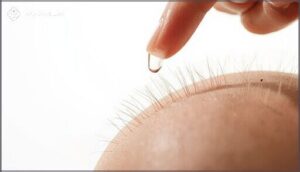
Minoxidil — sold as Rogaine — is the only FDA-approved topical treatment proven to slow hair loss and support hair regrowth in both men and women. Foam benefits include less scalp irritation since it’s alcohol-free.
For best minoxidil efficacy, scalp preparation matters: apply to clean, dry skin twice daily. Treatment duration is key — results take four to six months of consistent use.
Finasteride (Oral & Topical)

Finasteride — sold as Propecia — works by blocking DHT, or dihydrotestosterone, the hormone that slowly shrinks your hair follicle over time. Its finasteride efficacy is hard to argue with: nearly 90% of men see slowed loss, and about two-thirds regrow some hair.
Finasteride blocks DHT so effectively that nearly 90% of men stop losing hair and two-thirds regrow some
Topical options now offer comparable treatment outcomes with better scalp health and fewer side effects than oral tablets.
Low-Level Laser Therapy (LLLT)

Light therapy might sound futuristic, but Low-Level Laser Therapy (LLLT) is FDA-cleared and backed by real data. This scalp stimulation approach uses red light to wake up sluggish follicles and improve blood flow where it counts.
Here’s what consistent LLLT delivers:
- Follicle Reactivation — pushes dormant follicles back into the growth phase
- Better Circulation — more nutrients reach struggling roots
- Reduced Shedding — noticeable within 3–6 months
- Hair Regeneration — ~80% of users report visible improvement
Platelet-Rich Plasma (PRP) Treatments

Your own blood might be the most underrated Hair Loss Treatment option available. PRP Therapy works by drawing a small sample, spinning it down, and injecting the concentrated platelets directly into your scalp. Platelet Activation releases Growth Factors that kick Hair Follicle Cell Regeneration into gear.
| PRP Timeline | What Happens |
|---|---|
| Weeks 1–4 | Reduced daily shedding |
| Months 1–3 | Initial Hair Regrowth signals |
| Months 3–6 | Visible density gains |
| Months 6–8 | Peak Hair Restoration results |
| Every 6–12 months | Maintenance sessions |
Combine it with minoxidil for stronger Hair Regrowth and better Hair Loss Solutions overall.
Emerging and Innovative Hair Regrowth Solutions

The science of hair regrowth isn’t standing still. Researchers are pushing past the old standbys and testing treatments that work at a cellular and genetic level.
Here’s what’s coming down the pipeline.
Stem Cell-Based Topical Treatments
Stem cell therapy is quietly reshaping what’s possible in hair follicle regeneration. These topical treatments don’t grow new hairs directly — they release signaling molecules that activate dormant follicles through cell signaling pathways like Wnt/beta-catenin.
Topical application methods make this regenerative medicine accessible without injections. As a hair loss treatment option, it works best on thinning — not completely bald — areas to support hair regrowth and loss prevention.
Exosome Therapy
Exosome therapy is one of the more exciting hair restoration methods right now. These tiny vesicles — derived from stem cells — deliver growth factors directly to your hair follicle through scalp injections, triggering cell signaling that shifts follicles back into active growth mode.
This regenerative medicine approach promotes hair regrowth by reducing inflammation and improving blood flow. Sessions run $1,500–$5,000, but it’s still off-label in the U.S.
AI-Guided Laser Devices
AI-guided laser devices are quietly changing what at-home hair loss treatment looks like. Smart helmets use grids of 200+ red light diodes and AI logic to target thinning zones — not just blast your whole scalp evenly.
Three reasons LLLT is worth your attention:
- FDA-cleared laser therapy devices increased terminal hair counts by ~50% in 17 weeks
- Red light treatment works three sessions per week, fitting real schedules
- AI hair growth apps track progress and auto-adjust session intensity over time
Gene Therapy Prospects
Gene therapy takes a different angle than lasers or serums. Instead of treating symptoms daily, CRISPR therapy aims to edit the actual genes driving androgenetic alopecia — like switching off the signal that shrinks your hair follicle over time.
Gene delivery systems using AAV vectors or nanoparticles carry these edits directly into scalp tissue. It’s not ready for clinics yet, but hair restoration research is moving fast.
Natural and At-Home Fast Hair Loss Remedies
Not every effective remedy comes from a prescription pad. Some of the most consistent results people see start right at home with the right habits and products.
Here’s what’s worth your attention.
NutraM Hair Growth Serum Treatment
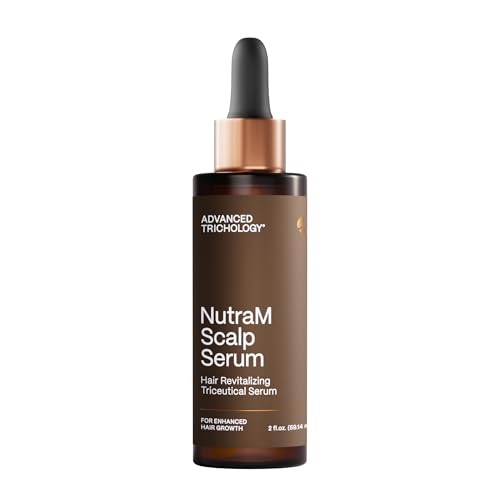
NutraM Hair Growth Serum takes a different approach — no minoxidil, no prescriptions. It uses topical melatonin and a plant-based blend including green tea, licorice root, and grapefruit seed extract to target DHT at the scalp level.
You apply about one dropper to thinning areas nightly, massage it in, and leave it on. Most users notice less shedding within three months. It’s grease-free, hypoallergenic, and made in the USA — a solid option if you want to avoid drug-based treatments.
- No minoxidil or prescriptions needed — uses melatonin and plant-based ingredients to target DHT naturally
- Grease-free and hypoallergenic, so it won’t weigh your hair down or irritate sensitive skin
- Dermatologist-tested and American Hair Loss Association approved, backed by 20 years of clinic experience
- Has a noticeable smell at first, and may cause mild redness thanks to the niacin
- Some users have reported dry or hairless patches, so it doesn’t work the same for everyone
- The bottle can leak, and you’ll likely need several months of consistent use before seeing real results
Scalp Massages and Essential Oils
Beyond topical serums, scalp massage offers real scalp treatment benefits backed by research. Daily 4-minute sessions can increase hair thickness after about 24 weeks.
The mechanical pressure stimulates dermal papilla cells, keeping follicles in the growth phase longer. Add essential oil blends — peppermint diluted to 2.5% in jojoba works well — for extra hair growth stimulation. Just patch test first.
Dietary Supplements for Hair Growth
What you put in your body matters more than most people think. Biotin benefits hair regrowth by supporting keratin production, while vitamin D role in regulating the growth cycle is real — deficiency cuts that cycle short.
Zinc supplements around 50 mg daily help follicle recovery. Add collagen support and omega 3 effects from fish oil, and your hair growth supplements start working together.
Gentle Hair Care Practices
Small daily habits shape your scalp health more than any single product. Gentle hair care practices protect fragile follicles and support hair growth over time.
- Gentle Shampooing — Wash every 2–3 days with lukewarm water to preserve natural oils.
- Reduced Heat Styling — Stay below 300°F and space sessions to once or twice weekly.
- Soft Comb Techniques — Detangle from ends upward using a wide-tooth comb.
- Hair Oil Benefits — Apply lightweight oils to improve slip and reduce breakage.
- Minimal Traction Methods — Swap tight styles for loose ones to prevent traction-related hair loss.
Maximizing Results From Fast Hair Loss Treatments

Getting results from any hair loss treatment comes down to more than just choosing the right product. How you use it, what you pair it with, and when you ask for help all shape what you actually see in the mirror.
Here’s what to keep in mind to get the most out of your efforts.
Treatment Consistency and Application Tips
Consistency is what separates real results from wasted effort. Apply minoxidil to a clean, dry scalp — moisture dilutes it and raises your irritation risk.
Stick to the same time daily for steady follicle exposure. Don’t shampoo for at least four hours post-application. This kind of disciplined hair loss treatment usage and proper scalp prep dramatically improves hair loss treatment effectiveness over time.
Combining Multiple Remedies Safely
Using a multi-remedy approach can genuinely speed up your results. Combination therapy works because minoxidil, finasteride, and low-level laser therapy each target different pathways — blood flow, hormones, and light stimulation.
Safe stacking means introducing one treatment at a time to catch any treatment interactions early. Synergistic effects are real, but so are risks, so monitor your scalp closely and adjust as needed.
When to Consult a Dermatologist
Sometimes your scalp is trying to tell you something that OTC products can’t fix. A proper scalp examination can reveal whether you’re dealing with alopecia, a fungal infection, or a hormonal issue — none of which respond to minoxidil alone.
- No improvement after 6 months of consistent treatment signals a dermatologist referral
- Patchy bald spots, burning, or scalp redness need medical diagnosis fast
- Hair loss before age 30 benefits most from early hair loss therapy and baldness prevention strategies
Frequently Asked Questions (FAQs)
Are there natural remedies for hair loss?
Yes. Natural hair loss remedies like essential oils, topical plant extracts, and fixing nutritional deficiencies can support hair growth promotion.
Safety matters though — results take time and work best alongside proven treatments.
What are the home remedies for hairfall?
Home remedies for hair fall include scalp massage, hair oils, essential oils, a nutrient-rich diet, and gentle care practices.
These natural hair loss remedies support hair loss prevention and complement other hair loss treatment options.
What is the best hair loss treatment?
There’s no single silver bullet. The best hair loss treatment depends on your cause.
Minoxidil and finasteride lead in treatment efficacy, but a dermatologist can match the right regrowth methods to your follicle health.
What is a good supplement for hair loss?
Biotin, vitamin D, iron, and saw palmetto are solid starting points.
Multi-nutrient blends that combine DHT blockers with these core vitamins cover the most ground for hair loss prevention and hair growth promotion in one daily dose.
How do you find the best hair loss treatments?
Finding the best hair loss treatments starts with identifying your specific type.
A dermatologist can assess scalp health, confirm diagnosis, and match you to treatment options that actually work for your pattern.
What is the best food to eat for hair loss?
Eggs, spinach, salmon, and Greek yogurt top the list. These foods pack protein, iron, biotin, and omega 3 sources your follicles need to fight hair thinning and support steady hair growth.
How can I regrow my lost hair fast?
There’s no true overnight fix, but you can regrow lost hair faster than you think. Minoxidil and finasteride are your strongest starting points for real, proven hair regrowth results.
How can I stop my hair fall fast?
Start minoxidil early, handle your hair gently, and fix any nutritional gaps.
These hair loss treatment options target follicle stimulation and scalp health fast, helping slow hair fall within weeks of consistent use.
How to regrow a hairline?
To boost hairline regrowth, daily Minoxidil and gentle scalp treatment are your mainstays.
Follicle stimulation through microneedling, low-level laser, or PRP can help. Combining regrowth therapy with healthy habits can slow hair thinning and spark hair restoration.
Can hair grow back after thinning female?
In the case of female hair thinning, don’t throw in the towel just yet. Most healthy hair follicles stay alive, so regrowth is possible, especially if you address thinning causes early and stick with proven Female Regrowth treatments.
Double newlines for readability purposes have been added to separate the related ideas into paragraphs.
Conclusion
Treating hair loss is a bit like restoring a patchy lawn. Not every bare spot reacts to the same seed or watering schedule, and some patches need more patience.
Fastest hair loss remedies aren’t “miracle grow” for your scalp—they’re a toolkit, and each tool fits a specific job. Match cause to solution, stick with the plan, and you stand the best chance of regrowth. With the right approach, even the most stubborn trails can start to turn green again.
- https://www.danielalain.com/blogs/articles/minoxidil-shedding
- https://nextclinic.com.au/blog/finasteride-results-timeline-what-to-expect-on-your-hair-regrowth-journey
- https://www.injectabilityclinic.com/blog/prp-hair-restoration-how-soon-will-you-see-results
- https://www.hermestclinic.com/the-efficacy-of-microneedling-for-hair-loss-treatment/
- https://pmc.ncbi.nlm.nih.gov/articles/PMC9298335/