This site is supported by our readers. We may earn a commission, at no cost to you, if you purchase through links. This content is for general informational and educational purposes only and is not a substitute for professional medical, dermatological, or nutritional advice.
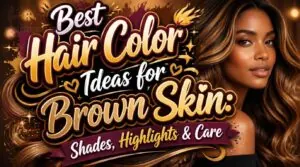
Grab a flashlight and check your wrist veins right now—that quick trick tells you more about your best shade than any magazine spread ever could. Brown skin holds a stunning range of undertones, from warm golden hues to cool rosy ones, and that range is exactly why one-size-fits-all color advice falls flat so often.
Get the undertone wrong and even a gorgeous shade can turn ashy, muddy, or just plain off. Get it right, and hair color for brown skin becomes your secret weapon for that lit-from-within glow you’ve been chasing.
From glossy chocolate browns to bold plums and honey balayage, the shades ahead are picked to work with your depth and undertone, not against them.
Table Of Contents
- Key Takeaways
- Find Your Brown Skin Undertone
- Best Natural Colors for Brown Skin
- Bold Hair Colors for Brown Skin
- Flattering Highlights and Balayage Ideas
- Maintain Hair Color and Shine
- Frequently Asked Questions (FAQs)
- What hair color is best for dark brown skin?
- What color is best for dark brown skin?
- What hair color to look younger?
- What colors don’t look good on brown skin?
- Which color is perfect for brown skin?
- How often should brown skin touch up roots?
- Should brown skin avoid bleaching for color changes?
- How often should I get a professional color consultation?
- Whats the cost difference between salon and box color?
- How do I transition from dark to lighter hair?
- Conclusion
Key Takeaways
- A quick vein check in daylight (green means warm, blue-purple means cool, a mix means neutral) is the fastest way to find your undertone and stop guessing at shades that leave your color looking ashy or muddy. Once you’ve nailed your undertone, this guide on what colour you should dye your hair can help you pick the exact shade that flatters it.
- Depth matters as much as undertone, since deeper skin absorbs more light and looks best in rich, saturated shades like burgundy or black, while lighter depths shine with softer browns.
- You don’t have to pick between safe and bold, because once you know your undertone, everything from glossy chocolate to vibrant violet can work; it’s really about matching the formula and placement to you.
- Getting the color right is only half the battle, so protecting it with color-safe products, cool rinses, UV protection, and touch-ups every 4-8 weeks is what keeps it looking fresh instead of faded.
Find Your Brown Skin Undertone
Before you pick a shade, you need to know what your skin is doing beneath the surface. Undertone is the real key to choosing colors that make your complexion glow instead of clash. Here’s how to figure out exactly where you fall.
If you’re not sure where to start, this guide to finding the best hair color for brown eyes breaks down how undertone plays into flattering shade choices.
If you’re leaning toward a fresh look, pairing your undertone with the right hue makes all the difference, and these subtle hair color change ideas show just how much impact a small shift can have.
Identifying Warm Undertones
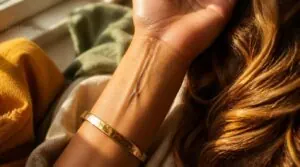
Before picking a shade, flip your wrist over in daylight: greenish veins mean warm undertones. You’ll likely tan easily, glow in gold jewelry, and look radiant against:
- Mustard and rust tones
- Cream and olive fabrics
- A white sheet with a golden cast
Golden browns, caramel highlights, and warm honey balayage will flatter you beautifully. To accurately determine your undertone, consider trying the vein test methodology as a reliable starting point.
Identifying Cool Undertones
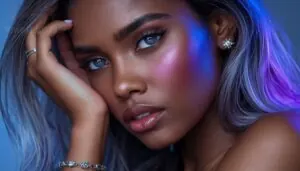
Blue or purple veins instead of green? That’s your sign. Cool undertones pair with silver jewelry, blue-gray eyes, and pink-based foundation matches.
| Cool Undertone Clue | What to Look For |
|---|---|
| Veins | Blue/purple |
| Jewelry | Silver, platinum |
| Cheeks | Rosy pink |
| Eyes | Icy blue, cool hazel |
| Hair | Ash Brown Hair with Cool Tones, Ash Brown Balayage |
Feeling bold? Cool-Toned Lavender Hair or Violet Hair for Brown Skin adds striking dimension.
Identifying Neutral Undertones
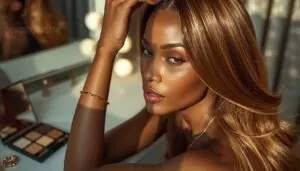
Not warm, not cool, a little of both? That’s a neutral undertone, and it’s more common than you’d think.
- Vein test: blue-green mix
- Foundation swatch disappears seamlessly
- Jewelry tone balance: gold and silver both work
- Warm-cool brown comparison flatters equally
- Light observation test shows balanced glow
This balance means caramel, cocoa, or beige brown all suit you beautifully.
Considering Skin Tone Depth
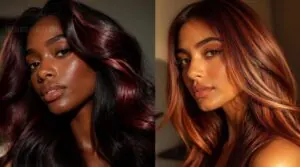
Undertone tells half the story—depth fills in the rest. Deeper skin reflects less light, so rich shades like Rich Black Hair or Burgundy with Warm Highlights look luminous, not flat.
If you’re unsure where to start, this guide to hair colors that make you look younger breaks down shades by undertone for a flattering match.
| Depth | Best Shades | Reason |
|---|---|---|
| Deep | Rich Black, Burgundy | High saturation matches light absorption |
| Medium | Copper Red, Milk Tea | Balanced glow, olive-friendly |
| Light | Sun-Kissed Brown | Softer contrast |
Best Natural Colors for Brown Skin
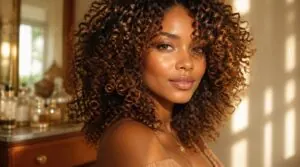
Once you know your undertone, picking a shade becomes so much easier, and natural colors are the perfect place to start. These options work with your skin instead of against it, giving you that easy, healthy-hair look. Here are five natural shades worth considering for brown skin.
Glossy Dark Chocolate Brown
Think melted chocolate catching candlelight—that’s the magic of glossy dark chocolate brown. Sitting around level 4-6, it flatters olive and warm undertones beautifully, while cooler complexions can lean ashier.
- Boosts shine with minimal lift
- Suits Glossy Deep Brown Waves
- Pairs well with Rich Black Hair
- Balances warm and neutral tones
- Gloss refreshes every 4-6 weeks
Regular glossing keeps brassiness away and your color radiant.
Golden Brown
If your skin has a golden, honey-toned glow, this shade will feel like it was made for you. Golden Brown blends warm gold with a brown base for a radiant, sunlit look on medium to dark bases.
For Golden Brown Application, ask for gentle glazing to boost warmth without brassiness. Golden Brown Combinations shine with copper tips, caramel accents, or cream-toned makeup for a unified glow.
Warm Chestnut
Chestnut hits different when your complexion leans medium to dark with olive or golden warmth, adding depth without the ashy pull some browns cause. Warm undertone matching keeps this shade harmonious, and Warm Chestnut Waves photograph beautifully.
Try chestnut balayage for dimension. Semi-permanent glosses boost richness, but color-safe shampoo prevents fading between salon visits.
Caramel Brown
Honey meets bronze here, and the payoff is a shade that glows without shouting. Caramel Brown flatters warm undertones by echoing your skin’s own golden depth.
From light honey to toasted dark, variants suit medium to deep brown bases. Balayage keeps textured hair dimensional, and root smudging blends grow-out.
Gloss every 6–8 weeks, use UV protection, and clarify weekly for low-maintenance shine.
Cool Ash Brown
Not every brown skin tone wants warmth, and that’s perfectly fine. Cool Ash Brown suits cool undertones beautifully, blending brown with subtle gray-blue depth instead of golden tones.
Ash brown application works best with glossy finishes and lowlights to fight brassiness. Try Ash Brown Balayage for dimension.
For ash brown longevity, use colorsafe shampoo for dyed hair, purple toners, and touch-ups every 4–6 weeks.
Bold Hair Colors for Brown Skin
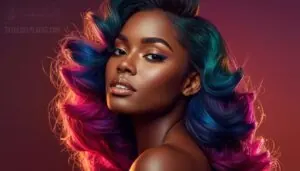
Ready to make a statement instead of blending in? Bold color can bring out the richness in your skin in ways that natural shades simply can’t. Here are five standout options worth considering.
Rich Burgundy
Think wine spilled into your hair — that’s Rich Burgundy. This jewel-tone red-purple thrives on warm and neutral undertones, though cool undertones can wear it with a purplier cast.
- Choose direct dye over heavy lightening
- Strand-test for porosity
- Add a gloss for shine
- Refresh with color-depositing conditioner
Style Burgundy Hair with Warm Highlights, pair gold jewelry, and touch up every 4-6 weeks.
Warm Copper Red
If burgundy felt moody, Warm Copper Red brings the heat. This glossy, molten shine flatters medium to deep brown skin with orange-red brilliance.
Warm Copper Red brings the heat, its glossy molten shine lighting medium to deep brown skin with orange-red brilliance
Ask for copper base pigment with gold undertones — glazes deepen the sheen. Pair with cream or teal clothing, gold jewelry, and peachy makeup.
Combat brassiness with cool-water washes and purple-tinted products. Touch up every 4-8 weeks.
Juicy Plum
Copper’s heat has its charm, but Juicy Plum brings jewel-toned mystery instead. This berry-redwood mix suits mid to dark bases, deepening in sun and brightening indoors.
Cool and neutral undertones make it pop; warm skin still glows against it. Pre-lighten to level 9-10, use color-depositing conditioner, and rinse cold to fight fading.
Vibrant Violet
If plum feels moody, Vibrant Violet turns up the volume. This shade reads true purple with brownish-orange anthers of contrast in the pigment itself, creating rich violet hair dye that pops against medium-to-deep skin.
Violet hair balayage keeps roots low-maintenance, while violet hair highlights woven through dark strands add dimension without full commitment.
Pastel Lavender
Where violet brings drama, Pastel Lavender brings dreaminess. This dusty, gray-toned purple needs pre-lightening to pale blonde first, but it rewards cool or neutral undertones with gorgeous hair color and skin tone balance.
Try lavender balayage over ash brown for softer grow-out, or soft lavender waves for editorial flair. Use color-safe products and cold rinses for lavender hair fade prevention.
Flattering Highlights and Balayage Ideas
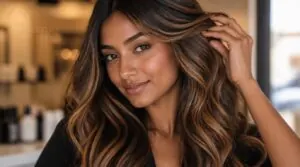
If solid color feels like a big commitment, highlights and balayage give you dimension without going all in. These techniques let light and shadow work together, framing your face while blending naturally as your hair grows out. Here are five combinations worth asking your colorist about.
Caramel Highlights
Think sunlight caught mid-strand.
Caramel highlights use amber-to-gold tones painted mid-shaft, usually 2-6 levels lighter than your base, for that lived-in glow. Balayage or foilayage placement keeps things natural, while hand-painting avoids harsh lines. They shine brightest on medium-to-dark brown bases (levels 5-7) and warm skin, though a honey mix softens contrast beautifully.
Warm Honey Balayage
When gold, amber, and honey mix freehand across your strands, the result feels like hair that’s spent all summer outside.
Warm Honey Balayage builds a sun-kissed gradient from root to end, matching warm undertones beautifully. Grow-out stays smooth, no harsh lines. Pair it with regular glosses, and those honey blonde tones keep glowing between salon visits.
Ash Brown Balayage
If warmth isn’t your friend, ash steps in with cool ash tones that tame brassiness fast.
Hand painted placement creates face framing highlights and a smooth grow-out effect, flattering deep skin tones especially. Book toning sessions every 6–8 weeks to keep hair color and skin tone balance intact and fading at bay.
Milk Tea Balayage
Picture cream stirred slowly into tea, and you’ve got the essence of milk tea balayage: a creamy beige base with soft highlights a few inches from the roots. This neutral-to-warm mix flatters olive and caramel complexions beautifully.
Hand-painted placement gives that sun-kissed effect while keeping upkeep low, since the smooth grow-out means fewer salon visits.
Vibrant Purple Tips
Ready to break the rules a little? Vibrant purple tips turn dark hair into a statement, coloring just the last 1–3 inches for bold contrast without a full commitment.
Short black hair with vibrant purple tips looks especially striking. Semi-permanent formulas fade gracefully over 4–6 weeks—match undertones (warm skin, deep berry; cool, blue-purple), rinse cool, and skip heat on the tips.
Maintain Hair Color and Shine
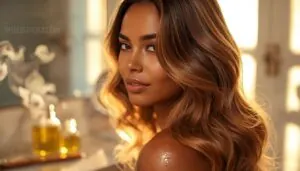
Picking the right shade is only half the job, since keeping it looking fresh takes a little know-how too.
Color, whether it’s a subtle balayage or a bold violet, needs the right care to stay vibrant and healthy between salon visits.
Here’s what you need to know to protect your investment and keep your color looking salon-fresh.
Choose Color-Safe Products
That gorgeous shade you just paid for deserves better than a random bottle off the shelf. Choose a sulfate-free color-safe shampoo with gentle cleansing agents, then follow with a UV-protective conditioner and weekly treatment mask.
- Protects vibrancy for up to 40 washes
- Shields against sun-triggered fading
- Keeps cuticles sealed with pH-balanced formulas
Small swaps, lasting shine.
Hydrate Curly Textured Hair
Product swaps only get you so far if your curls are thirsty underneath. Curly textured hair needs daily moisture, so reach for leave-ins with glycerin and seal with argan or coconut oil.
Deep condition weekly using a sulfate-free cleanser, and protect Curly Brown Hair with Sun-Kissed Highlights or Natural Dark Brown Coily Hair overnight with a silk bonnet.
Prevent Fading and Brassiness
Silk bonnets protect strands overnight, but keeping color true takes daily habits too. Wash with colorsafe shampoo, rinse cool to seal cuticles, and use a weekly toning mask to fight brassiness.
Swimmers need chelating shampoo after chlorine exposure. Purple shampoo tames warmth on cool bases, while UV spray and vibrant color maintenance routines keep curls glossy and fade-free.
Limit Heat and Sun
Sun and heat undo toning work fast, so treat protection like part of your color routine, not an afterthought.
- UV protection spray before outings
- Wide-brim physical hair cover for long days
- Air-dry in shade with low heat
Wash mornings or evenings, apply heat protectant for color-treated hair, and your sun-kissed highlights stay vibrant, low-maintenance, and fade-free.
Plan Regular Color Touch-Ups
Protecting your color outdoors only works if you’re keeping up with regular touch-ups underneath. Book salon visits every 4 to 8 weeks depending on how fast your roots grow in.
Regrowth management keeps warm and cool tones consistent, while color glosses between appointments fight brassiness and fading. Staying on schedule means your shade always looks intentional, never overdue.
Frequently Asked Questions (FAQs)
What hair color is best for dark brown skin?
As if there’s one universal "best" shade for every complexion out there — deeper skin actually glows brightest with rich, dimensional browns and jewel tones like glossy black, golden brown, or deep burgundy, matched to your undertone.
What color is best for dark brown skin?
Deep chocolate brown brings out radiant depth, while golden honey tones or warm caramel highlights add glow.
For contrast, try vibrant burgundy shades or cool ash contrast — both deliver rich, low-maintenance color that flatters dark skin beautifully.
What hair color to look younger?
Picture a client swapping flat black for Warm Golden Glow — instant lift. Match warm undertones with honey or caramel tones, cool undertones with Cool Soft Ash, for brighter, youthful skin-and-color balance that softens lines naturally.
What colors don’t look good on brown skin?
Steer clear of clashy beige tones, muted pastels, and neon fluorescents—they wash you out. Cool metallic washes and desaturated muddy browns flatten your glow, too, so lean warmer and richer instead.
Which color is perfect for brown skin?
There’s no single perfect shade — it comes down to undertone-based selection. Warm undertones glow in golden brown or copper red, cool undertones shine in ash brown or plum, and neutral undertones can pull off almost anything with the right balayage.
How often should brown skin touch up roots?
Roots don’t care about your calendar, but your mirror will. Most brown skin needs root touch-ups every 4 to 6 weeks, gray coverage every 3 to 5, and bold shades every 3 to 4 for lasting vibrancy.
Should brown skin avoid bleaching for color changes?
Not always. Full bleaching can trigger uneven, brassy results and even scalp irritation, so ask your colorist about depositing color, glazes, or balayage—safe lift techniques that add vibrant dimension without stripping your natural warmth.
How often should I get a professional color consultation?
Book a consultation once a year for undertone rechecks, or every 6-9 months if you’re rocking bold shades. Sun exposure, tanning, or fading color all shift undertone balance, so seasonal reassessment keeps your color and skin tone in sync.
Whats the cost difference between salon and box color?
Picture two friends: one grabs a $12 box kit, the other books a salon glaze. A year later, box color runs $650–$780, salon runs $1,290–$2,010 — though corrections can add $150–$400 to that box budget.
How do I transition from dark to lighter hair?
Ease in with gradual lightening techniques like balayage instead of all-over bleach. Low-damage bleaching, root shadow blending, and warm honey tones keep grow-out soft, sun-kissed, and low-maintenance while your color settles beautifully.
Conclusion
Worried that matching your undertone means playing it safe forever? It doesn’t. Once you know your undertone and depth, every shade here, from glossy chocolate to vibrant violet, becomes fair game, because the real magic lives in the formulation and the upkeep.
The best hair color for brown skin isn’t one fixed shade; it’s whichever one makes your skin glow like it was always meant to. That’s your power now.