
This site is supported by our readers. We may earn a commission, at no cost to you, if you purchase through links.

Your clipper blades heat up mid-cut, start tugging at hair, and sound like they’re grinding through gravel—all signs you’ve gone too long without oiling. Skip this simple step, and you’re looking at dull blades, an overworked motor, and cuts that pull instead of glide.
Most barbers oil their blades after every two to three haircuts, but the right frequency depends on how hard you work your clippers. Professional tools running through dozens of heads daily need oil every few hours, while home clippers used weekly can go longer between applications.
The difference between smooth, professional results and a frustrating, uncomfortable experience often comes down to those few drops of oil applied at the right time.
Table Of Contents
- Key Takeaways
- Why Oiling Clipper Blades is Essential
- How Often Should You Oil Hair Clippers?
- Signs Your Clippers Need Oiling
- Step-by-Step Guide to Oiling Clipper Blades
- Where to Apply Oil on Clipper Blades
- Choosing The Best Oil for Clippers
- Top 4 Oils for Hair Clipper Blades
- Maintenance Tips for Longer Blade Life
- Common Oiling Mistakes to Avoid
- Frequently Asked Questions (FAQs)
- Conclusion
Key Takeaways
- Oil your clipper blades after every two to three haircuts for professional use, weekly for home clippers, and every 2-4 weeks for occasional use to prevent friction, overheating, and premature blade wear.
- Proper oiling requires cleaning blades first, applying 2-4 drops directly on blade teeth where metal contacts metal, running clippers for 5-10 seconds to distribute the oil, then wiping away excess to prevent debris buildup.
- Use clipper-specific oil or mineral oil alternatives like baby oil—avoid motor oil, cooking oils, WD-40, and petroleum jelly because they gum up blades, attract hair, or corrode metal surfaces.
- Watch for warning signs like hot blades, loud grinding noises, hair pulling, or visible debris between teeth, which signal you need to oil immediately before permanent damage occurs.
Why Oiling Clipper Blades is Essential
You might think oiling your clipper blades is just another maintenance task, but it’s actually what keeps your entire cutting system from breaking down. Without proper lubrication, you’re setting yourself up for poor cuts, damaged equipment, and a lot of wasted money on replacements.
Here’s exactly why regular oiling isn’t optional—it’s the difference between clippers that last years and ones that die in months.
Regular oiling is the difference between clippers that last years and ones that die in months
Reducing Friction and Overheating
Every time you run your clippers without proper blade lubrication, friction between metal teeth generates excess heat that accelerates wear and shortens motor life. Clipper oil creates a protective film for friction control and heat management, maintaining thermal stability during extended sessions.
This simple blade maintenance step prevents overheating, preserves motor efficiency, and keeps your cutting tool performing reliably under continuous professional use. Regular maintenance also involves checking for methodological flaws to guarantee peak performance.
Ensuring Smooth and Precise Cutting
When blade lubrication is consistent, you get cleaner passes and fewer snags because friction reduction keeps teeth gliding smoothly through hair. Proper oiling frequency—often before each use—maintains blade alignment and cutting efficiency by preventing chatter and uneven strokes.
This clipper blade maintenance routine directly improves motor performance, giving you stable, professional results without constant touch-ups or guard adjustments.
Extending Blade and Motor Lifespan
Smooth cuts are just the start—proper lubrication techniques protect your investment long-term. When you apply clipper oil consistently, you’re managing blade wear and motor efficiency together:
- Friction reduction slows edge degradation and keeps blade teeth sharp longer.
- Lower motor load prevents overheating, reducing electrical stress and extending drive-mechanism life.
- Rust prevention shields exposed metal, preserving component integrity between clipper maintenance sessions.
Follow manufacturer-approved tool lubrication and maintenance protocols to optimize clipper blade maintenance outcomes and longevity factors.
Improving Hygiene and Cleanliness
Proper tool lubrication and maintenance does more than extend lifespan—it’s central to hygiene practices for grooming. Well-lubricated surfaces resist rust and simplify debris removal during sanitizing clipper sessions. When you oil regularly, you lower blade temperature, which cuts down moisture that invites microbial control issues.
Follow grooming tool care protocols that link cleaning solutions with clipper maintenance tips for supreme clipper care.
How Often Should You Oil Hair Clippers?

How often you oil your clippers depends on how much you use them. Someone cutting hair all day in a barbershop has different needs than someone trimming at home once a week. Regular maintenance, like learning how to apply proper lubrication techniques, keeps your clippers performing at their best between deeper cleanings.
Let’s break down the right oiling schedule based on your usage pattern. If you shave daily, oiling your electric razor after every few uses keeps the blades smooth and prevents friction buildup.
Frequency for Professional Daily Use
Running clippers all day means friction never stops working against you. When you’re handling client after client, daily oiling becomes your frontline defense against blade wear and heat buildup. High-volume salon practices demand a strict oiling frequency to keep your tool maintenance on point: Before your first appointment each morning, apply a few drops of clipper oil between the blade teeth to ensure smooth cutting from the start.
- Oil at the start of every shift to coat blades fresh
- Re-apply every 1-2 hours during continuous cutting
- Quick touch-up between clients when blades run hot or loud
Professional grooming relies on this rhythm—skip it, and you’ll feel the drag.
Frequency for Regular Home Use
If you’re cutting hair at home two to three times a week, your oiling schedules don’t need to match salon pace. Apply 1–2 drops of clipper oil per session to maintain clipper longevity and smooth performance.
After every cleaning, re-oil once blades dry—skipping this step accelerates wear. A consistent daily razor care routine helps maintain sharp edges and prevents moisture buildup that leads to rust.
These home use tips keep your tool maintenance simple without overdoing oil application on your hair clippers. You can also follow proper disinfecting techniques for razor blades to keep your clippers hygienic between regular oiling sessions.
Frequency for Infrequent or Occasional Use
Even if you only trim hair once or twice a month, you still need consistent oiling schedules every 2–4 weeks. Run a quick blade inspection before each session—rust or rough edges signal earlier oil application.
Apply one drop of clipper oil after cleaning to block corrosion, especially in humid or dusty spaces. Infrequent use doesn’t mean skipping lubrication; it means protecting idle blades from wear.
Adjusting Based on Manufacturer Guidance
Your owner’s manual isn’t a suggestion—it’s your blueprint for blade maintenance. Check the recommended lubrication schedules, oil application points, and exact clipper oil type before you start. Some models need post-cleaning lubrication, others require pre-use drops on blade teeth.
Track intervals in maintenance logs, inspect blades for heat or noise, and adjust frequency when switching between cordless and corded systems. Manufacturer tips override generic advice every time.
Signs Your Clippers Need Oiling
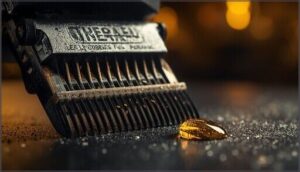
Even if you’ve fallen into a regular oiling routine, your clippers will tell you when they need attention. You’ll notice the warning signs during a cut—changes in sound, feel, or performance that signal friction is building up.
Here’s what to watch for so you can oil before your blades suffer real damage.
Blades Feeling Hot or Noisy
If your clippers sound like they’re grinding metal or the blades feel uncomfortably warm against your hand, you’re facing lubrication issues.
Heat reduction and friction control depend entirely on proper blade maintenance—without clipper oil, metal-on-metal contact creates excessive noise and heat buildup.
These symptoms signal blade wear accelerating fast, demanding immediate tool lubrication before permanent damage occurs.
Pulling, Snagging, or Uneven Cutting
When your blades tug at hair instead of gliding through smoothly, blade tooth inspection reveals a lack of proper lubrication. Friction reduction techniques become critical at this point—hair type considerations matter, too, since thicker hair amplifies the snagging effect.
Clipper blade alignment problems worsen without regular blade maintenance and clipper oil, compromising cutting edge maintenance and producing uneven passes that frustrate you and your clients.
Visible Debris or Build-Up on Blades
Look closely at your clipper blades under good lighting—if you spot hair fragments, oily residue, or product buildup lodged between the teeth, it’s time for debris removal and blade inspection.
That gunk increases friction, traps bacteria, and interferes with proper lubrication and rust prevention.
Regular cleaning methods and sanitation tips keep your tool lubrication routine effective and your hair clipper maintenance on point.
Step-by-Step Guide to Oiling Clipper Blades
Oiling your clipper blades isn’t complicated, but doing it right makes all the difference between a tool that runs smoothly for years and one that quits on you mid-cut. You need to follow a specific order—cleaning first, applying oil strategically, then letting the machine do the work of spreading it where it needs to go.
Here’s exactly how to oil your clippers the way professionals do it every single day.
Cleaning Before Oiling
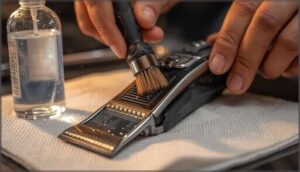
Before you reach for your clipper oil, always brush away loose hair and debris from the blade teeth using a dedicated cleaning tool. Wipe the surfaces with an alcohol-based solution—at least 70% isopropyl works best—to disinfect and remove residue.
Let the blades dry completely; trapped moisture under oil accelerates rust and compromises lubrication. Proper surface preparation and blade inspection guarantee your clipper maintenance routine delivers maximum protection.
Applying Oil Correctly to Blade Teeth
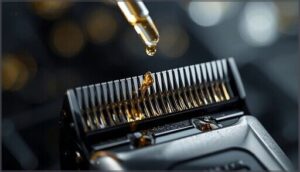
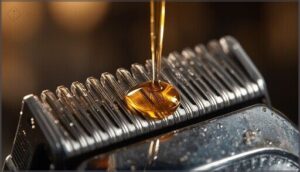
Once your blades are clean and dry, place 2–4 drops of clipper oil directly along the blade teeth from base to tip. Focus on the contact surfaces where the moving blade meets the stationary blade—that’s where friction reduction matters most.
Don’t drench them; proper tooth coating requires just enough lubrication to create a thin protective film without pooling or dripping onto surrounding surfaces.
Running Clippers to Distribute Oil

After applying oil, turn your clippers on at a low speed for 5–10 seconds to work the lubrication across all blade teeth and contact points. This distribution step prevents dry spots that compromise blade performance and motor efficiency.
Listen for smooth, quiet operation—that tells you the oil’s reaching the right places. If you hear grinding or feel excessive heat, stop immediately and recheck your clipper care and maintenance routine.
Wiping Away Excess Oil
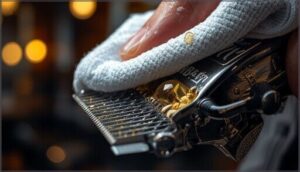
Once the oil has dispersed, grab a lint-free cloth and wipe down your blade surfaces to remove visible surplus. Excess oil attracts dust, lint, and hair clippings that clog teeth and compromise cutting performance.
Proper oil removal tips include:
- Use a damp or microfiber cloth to avoid leaving fibers between teeth
- Wipe along blade edges within minutes of lubrication
- Check for any lubricant residue that might transfer to skin or clothing
- Inspect contact points to confirm no dripping occurs during use
This final blade cleaning step keeps your clipper care and maintenance routine complete and prevents buildup that degrades tool performance over time.
Where to Apply Oil on Clipper Blades
Knowing where to apply oil is just as important as oiling itself. If you miss the key contact points, you’re wasting product and leaving friction unchecked.
Let’s break down the exact spots that need lubrication to keep your blades running smooth and cool.
Key Contact Points for Lubrication
Understanding where clipper oil goes makes all the difference in tool maintenance. Focus on five critical friction areas: the blade edge where teeth contact skin, pivot points connecting the blade to housing, the drive shaft interface linking to the motor, tension screws clamping the carriage, and the contact zone between moving and stationary blades.
These spots need consistent lubrication to keep your clippers running smoothly.
The 5-Drop Application Method
You’ll achieve consistent blade lubricity by placing one drop at each blade edge, two drops across mid-blade contact zones, and a final drop at the drive interface—this five-drop method ensures friction reduction without excess oil pooling.
After application, run your clippers briefly to distribute lubricant across all teeth, guaranteeing uniform oil distribution and peak clipper maintenance performance.
Oiling The Drive Mechanism
Your clipper’s drive mechanism demands attention beyond the blades—lubricating internal gears and bearings cuts friction reduction needs while safeguarding motor efficiency. Apply a small, precise amount of clipper oil to designated drive contact points, then run the unit briefly for even distribution.
This mechanism maintenance prevents stalling, reduces noise, and extends the life of your tool through proper gear protection and thorough clipper care and maintenance.
Choosing The Best Oil for Clippers

Not all oils are created equal for clipper maintenance. The right oil keeps your blades running cool and smooth, while the wrong one can gum up the works or damage your equipment.
Here’s what you need to know about choosing the best lubricant for your clippers.
Why Use Clipper-Specific Oil
You don’t want kitchen grease gumming up your blades. Clipper-specific oil is engineered to stay thin, resist oxidation, and penetrate the microscopic gaps between blade teeth where friction builds heat.
It minimizes residue, protects high-carbon steel from corrosion, and keeps your drive mechanism running smoothly.
Most manufacturers recommend it to maintain warranty coverage and deliver the precision cuts your clients expect.
Safe Alternatives (Mineral and Baby Oil)
When you’re in a pinch, mineral oil and baby oil can lubricate your clippers without causing harm. Mineral oil benefits include low viscosity and heat resistance, while baby oil uses the same mineral base with a hint of fragrance.
Both alternative lubricants reduce friction effectively and support clipper maintenance between professional oil runs—just apply sparingly to avoid buildup.
Oils and Lubricants to Avoid
While mineral oil works in a pinch, certain lubricants will wreck your blades fast. Never reach for motor oil—it gums up blade teeth and degrades existing lubricant. Skip cooking oils like vegetable or olive oil, which turn rancid and attract buildup. Avoid these entirely:
- WD-40 or penetrating oils (poor cutting performance)
- Vaseline or petroleum jelly (sticky, attracts hair)
- Lamp oils or kerosene (corrodes metal)
- Essential or fragrance oils (skin irritation)
- Automotive greases (too thick)
Top 4 Oils for Hair Clipper Blades
Now that you know what to look for in a clipper oil, let’s get specific.
Here are four proven options that barbers and home users rely on to keep their blades running smoothly. Each one delivers the right viscosity, safety, and performance you need without breaking the bank.
1. Wahl Clipper Blade Lubricating Oil
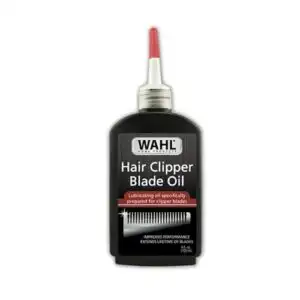
When you’re serious about clipper maintenance, Wahl’s 4-ounce synthetic oil composition stands out as the professional standard. This white mineral oil formula reduces friction between blade teeth while providing motor protection and rust prevention—critical for anyone running clippers daily.
Apply 1-3 drops at the blade corners using proper lubrication techniques, then run the clipper briefly to distribute evenly. It’s designed specifically for Wahl clippers but works across brands, keeping your blades sharp and your cuts smooth without the gummy buildup that ruins cheaper alternatives.
| Best For | Professional barbers and home users who want to extend clipper blade life and prevent overheating during regular grooming sessions. |
|---|---|
| Form | Bottle |
| Primary Use | Clipper blade lubrication |
| Formula Type | Synthetic oil |
| Volume | 4 fl oz |
| Scent | Unscented |
| Safety Features | Rust prevention |
| Additional Features |
|
- Reduces friction and heat buildup to keep blades sharp longer and prevent motor strain
- Works with Wahl and other brands, making it versatile for multiple clippers in your toolkit
- Simple application with just 1-3 drops needed per use, so the 4-ounce bottle lasts a long time
- Bottle can leak or get oily around the cap if not closed carefully after each use
- Requires reapplication every 15-20 minutes during extended grooming sessions
- Not suitable as a substitute with heavier oils like WD-40, which limits alternative options
2. Andis Clipper Oil
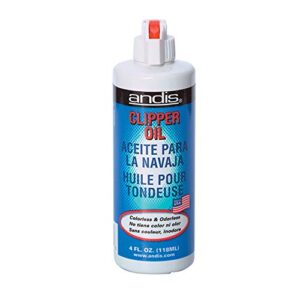
Andis Clipper Oil delivers a colorless, odorless mineral formula that keeps your blades running cool and quiet. The lightweight consistency disperses fast across blade teeth, cutting friction and preventing oxidation that shortens clipper longevity.
Apply one drop to each blade corner and the center, run the clipper briefly, then wipe excess—this simple blade lubrication routine keeps your cuts sharp and protects the drive mechanism.
At 4 fluid ounces, it’s compact enough for your station and works on both human and animal clippers without leaving sticky residue.
| Best For | Barbers, groomers, and home users who want to extend blade life and keep clippers running smoothly with minimal maintenance effort. |
|---|---|
| Form | Bottle |
| Primary Use | Clipper blade lubrication |
| Formula Type | Mineral oil |
| Volume | 4 fl oz |
| Scent | Odorless |
| Safety Features | Prevents oxidation |
| Additional Features |
|
- Reduces heat and noise during clipping while protecting blades from rust and wear
- Lightweight, odorless formula won’t leave sticky residue or stain clothing
- Works on both human and animal clippers with easy flip-spout application
- Only available in a single 4 oz size, which may not suit high-volume shops
- Requires reapplication after cleaning or every few clients for best results
- No guidance provided on potential skin sensitivities or allergic reactions
3. Johnson’s Baby Mineral Oil
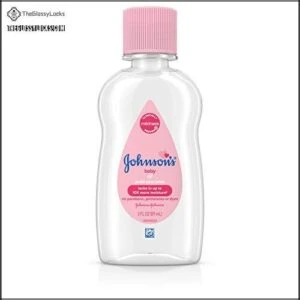
Johnson’s Baby Mineral Oil works as a lightweight, fragrance-free substitute when you need to lubricate your blades without specialty clipper oil. This hypoallergenic formula moisturizes skin and reduces friction between moving parts, making it safe for direct contact during cuts.
Apply one drop to blade corners and center, run the clipper briefly to distribute the mineral oil, then wipe excess to prevent hair attraction.
The 3-ounce bottle fits any station, and while it lacks rust inhibitors found in professional clipper maintenance products, it keeps blades smooth between proper oiling sessions.
| Best For | Barbers and stylists who need an affordable, skin-safe alternative to clipper oil for quick blade maintenance between professional servicing. |
|---|---|
| Form | Bottle |
| Primary Use | Skin moisturization |
| Formula Type | Pure mineral oil |
| Volume | 3 fl oz |
| Scent | Light fragrance |
| Safety Features | Hypoallergenic, dermatologist-tested |
| Additional Features |
|
- Hypoallergenic and fragrance-free formula is safe for direct skin contact during haircuts, reducing the risk of irritation or allergic reactions.
- Lightweight consistency lubricates blades effectively and distributes evenly with minimal product needed per application.
- Small 3-ounce bottle is compact and affordable, making it easy to keep at any station without taking up much space.
- Lacks rust inhibitors and specialized additives found in professional clipper oils, making it unsuitable as a long-term maintenance solution.
- Can attract hair clippings if excess oil isn’t wiped away properly, requiring extra cleanup steps.
- More expensive per ounce compared to larger mineral oil bottles, though the smaller size may be more convenient for some users.
4. Food Grade Mineral Oil Conditioner
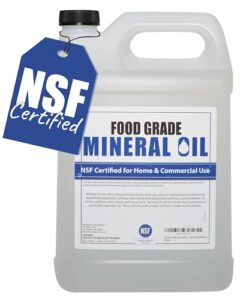
Food-grade mineral oil conditioners deliver dual-purpose functionality—you can lubricate clipper blades and condition wooden surfaces with the same bottle. These formulations meet FDA standards for incidental food contact, so they’re non-toxic when skin exposure occurs during cuts.
Apply sparingly to blade teeth to reduce friction without heavy residue buildup. The thin viscosity disperses quickly across moving parts, lowering heat generation between cleanings.
While not a replacement for high-frequency clipper maintenance oils, food-grade mineral oil offers a safe, accessible alternative when clipper oil runs out.
| Best For | People who want a multi-purpose oil that lubricates clipper blades while also conditioning cutting boards and wooden kitchen tools. |
|---|---|
| Form | Bottle |
| Primary Use | Wood conditioning |
| Formula Type | Food-grade mineral oil |
| Volume | 128 fl oz (1 gallon) |
| Scent | Odorless |
| Safety Features | Food safe, NSF Certified |
| Additional Features |
|
- Meets FDA standards for food contact, making it safe for use on clippers that might touch skin or around food prep areas
- Works as a light lubricant for blade teeth while doubling as a conditioner for wood surfaces like cutting boards and utensils
- Creates a thin protective film that reduces friction and heat without leaving sticky residue on blades
- Requires more frequent reapplication than dedicated clipper oils, especially in high-use situations
- Not designed specifically for clipper drive mechanisms, so it may not protect internal parts as well as manufacturer-recommended oils
- Some bottles arrive with damaged seals that can cause leaking during shipping
Maintenance Tips for Longer Blade Life
Oiling your blades is just one piece of the puzzle—if you want clippers that last years instead of months, you need to treat them right between cuts.
A few simple habits will protect your investment and keep those blades sharp enough to deliver clean fades every single time. Here’s what you need to build into your routine.
Regular Cleaning and Disinfection
Clean clipper blades after every use with a dedicated blade spray to remove hair and oils that dull your edge.
For professional settings, disinfect between clients using 70% isopropyl alcohol or manufacturer-approved solutions. Home users should follow weekly cleaning schedules.
Always dry blades completely before oiling—moisture dilutes lubricants and invites rust, undermining all your maintenance work.
Replacing Worn or Rusted Blades
Eventually, even oiled clipper blades wear out. Inspect them every month for rust spots, chipped teeth, or dulled edges—sharpness testing by gently running your thumb perpendicular to the blade reveals worn surfaces.
When hair clipper maintenance tips like cleaning and blade oil no longer restore performance, replacement costs pale against poor cuts.
Rust prevention and control matter, but damaged blade materials demand new blades for safety and precision.
Safe Storage Practices
Store your blades in a dry environment with blade guards to shield against nicks and moisture that invite rust. Cool temperature storage prevents oil from breaking down and keeps blade materials stable.
Label containers with blade type and service dates—this simple habit transforms tool care and maintenance from guesswork into precision. Proper storage between oiling sessions is rust prevention and control at its smartest.
Common Oiling Mistakes to Avoid

Even the best clippers won’t perform properly if you’re making simple oiling mistakes that damage blades or waste product. You might think you’re doing everything right, but a few common errors can shorten blade life and lead to frustrating cuts.
Let’s look at the most frequent mistakes and how to avoid them.
Over-Oiling or Under-Oiling
Finding the right oil balance isn’t rocket science, but it makes all the difference in clipper wear. Too much lubricant attracts dust and clogs blade teeth, while too little causes friction spikes and blade corrosion.
For solid hair clipper care, stick to these oiling schedules:
- Apply only 2–3 drops per session to avoid pooling
- Wipe excess immediately after distribution
- Re-oil after cleaning or every few cuts during heavy use
Using The Wrong Type of Oil
Grabbing the wrong bottle can cost you more than blade life—it can damage your clippers and irritate clients.
Non-clipper-specific oils leave sticky residues that trap hair and bacteria, while thick machinery lubricants hinder blade movement and reduce cutting efficiency. Cooking oils gum up teeth, and fragranced alternatives trigger skin irritation.
Stick to proper clipper oil or mineral oil alternatives to avoid contamination and friction problems.
Neglecting Blade Tooth Surfaces
You might focus on the blade base or hinge, but if you skip the tooth surfaces, you’re inviting blade tooth erosion and surface rust prevention problems. Debris builds between teeth, creating cutting edge maintenance nightmares—heat spikes, pulling, and corrosion.
Proper tooth surface lubrication preserves clipper blade geometry and keeps your cutting edges sharp. Don’t just oil moving parts; coat those teeth.
Forgetting to Oil After Cleaning
You just cleaned your clipper blades—don’t stop there. Forgetting oil application after cleaning routines invites blade rust and corrosion prevention failures fast.
Moisture and micro-particles stay trapped between teeth, cranking up friction during your next cut. Clipper oil seals those surfaces, preserving grooming tool lubrication and keeping maintenance schedules on track.
Post-clean oiling clippers isn’t optional—it’s how you protect your investment.
Frequently Asked Questions (FAQs)
Can you oil clippers while theyre cold?
Yes, you can oil clippers while they’re cold—just make sure they’re unplugged, completely dry, and debris-free. Cold oil is thicker, so spread it manually across blade teeth before distributing.
Does oil type affect cutting performance differently?
Different oils absolutely change how your clippers cut. Viscosity affects blade temperature and friction, while lubricant chemistry influences cutting smoothness.
Clipper oil outperforms alternatives because its formulation directly targets performance metrics professional barbers depend on daily.
How do you oil cordless versus corded clippers?
Both cordless and corded clippers require clipper oil on blade teeth and pivot points after each use, but cordless models often align oiling clippers with battery cycles while corded units may need lubrication every few haircuts.
Should you oil before or after blade alignment?
Most manufacturers recommend oiling clipper blades before blade alignment to reduce friction during adjustment.
Then, apply a light coat afterward to stabilize geometry and guarantee smooth cutting performance from first use.
What happens if you skip oiling for months?
Think of your clippers as a car running on empty—blades overheat from friction, rust forms, and cutting performance declines. Without regular clipper oil, you’re accelerating blade degradation and risking complete clipper failure.
Conclusion
You might think oiling every few cuts sounds excessive, but consider this: those few drops take under thirty seconds and save you from blade replacements that cost twenty times more.
How often should you oil hair clipper blades? After every two to three haircuts for professionals, weekly for home users.
Your clippers will run cooler, cut cleaner, and last years longer—all because you invested half a minute in maintenance that actually matters.