This site is supported by our readers. We may earn a commission, at no cost to you, if you purchase through links.

Most barbers I know keep their clipper blades running twice as long as they should. They’ll work through pulls, snags, and uneven fades before admitting it’s time for a change—usually after a client winces or a cut takes twenty minutes longer than normal.
The truth is, blade replacement isn’t just about maintaining sharp edges; it’s about protecting your clients, preserving your tools, and keeping your work consistent. Home users usually replace blades every 12 to 24 months, while professionals running clippers daily should swap them out every 6 to 12 months.
But these timelines shift based on hair texture, blade quality, and how well you maintain your equipment between cuts.
Table Of Contents
- Key Takeaways
- How Often Should You Replace Hair Clipper Blades?
- What Factors Affect Blade Lifespan?
- What Are Signs Your Clipper Blades Need Replacing?
- How Does Proper Maintenance Extend Blade Life?
- Can You Sharpen Clipper Blades Instead of Replacing?
- How Do Different Blade Materials Impact Replacement?
- What Happens if You Don’t Replace Blades Regularly?
- How Should You Clean and Store Clipper Blades?
- What Are Best Practices for Blade Replacement?
- Which Products Help Maintain Clipper Blades?
- Frequently Asked Questions (FAQs)
- How long do hair clipper blades last?
- How do you know when clipper blades need to be replaced?
- How often should I replace my Wahl blade?
- Are all clipper blades universal and interchangeable?
- How do you properly dispose of old blades?
- Can blade guards reduce blade wear over time?
- Do cordless clippers dull blades faster than corded?
- Should you replace both blades simultaneously or separately?
- Conclusion
Key Takeaways
- Home users should replace clipper blades every 12 to 24 months, while professional barbers need new blades every 6 to 12 months due to daily wear from high-volume cutting.
- Blade lifespan depends heavily on hair texture and quality—coarse or thick hair accelerates wear, while ceramic and titanium blades outlast stainless steel by staying sharper longer and resisting heat buildup.
- You’ll know it’s time to replace blades when your clipper pulls or snags hair, leaves uneven patches, produces excessive noise or vibration, or shows visible rust, nicks, and dents that cleaning can’t fix.
- Proper maintenance like oiling after every use, cleaning debris after each cut, and storing blades in dry conditions can extend blade life by roughly 50 percent before replacement becomes necessary.
How Often Should You Replace Hair Clipper Blades?
Your clipper blades won’t last forever, but how long they hold up depends entirely on how you use them.
Knowing when to sharpen or replace clipper blades can save you from frustrating haircuts and keep your tools performing like new.
A barber running twenty cuts a day will burn through blades much faster than someone trimming at home once a week. Let’s break down what you can expect based on your situation and how often you’re actually using those clippers.
Home Use Vs. Professional Use
Home users and barbers face completely different clipper blade replacement schedules. Your home clippers might last 12 to 24 months with weekly use, while professional clipper and trimmer blade maintenance demands replacement every 6 to 12 months due to daily shop wear.
Home clippers last 12 to 24 months with weekly use, while professional blades wear out in 6 to 12 months under daily shop demands
Blade replacement costs matter more when you’re running 15 to 30 cuts daily—blade wear accelerates fast under that workload, making user safety guidelines and professional clipper care essential.
It’s just as important to follow clipper blade maintenance tips to prolong performance and reduce replacement frequency.
General Replacement Timeline
Most clipper blades follow a replacement schedule of 6 to 12 months for active users, though blade wear patterns vary widely. Light home use can extend blade longevity factors to 2 or 3 years, while heavy professional work shortens blade durability considerably.
Clipper maintenance and regular sharpness testing help you catch dull blades early, but replacement blades eventually become necessary once clipper blade care can’t restore performance. Proper cleaning, oiling, and following a regular schedule for clipper blade replacement frequency will guarantee peak blade performance.
What Factors Affect Blade Lifespan?
You might think clipper blades wear out simply because you use them a lot, but there’s more to it than that.
Several factors work together to determine how long your blades will stay sharp and effective. Understanding what speeds up blade wear helps you plan better maintenance and know when replacement becomes necessary.
Frequency of Use
The more often you run your clippers, the sooner replacement blades become necessary. Daily professional use in a busy barbershop usually demands new blades every three to six months because usage patterns accelerate clipper wear.
Home users who trim hair weekly can extend blade sharpness for twelve to twenty-four months, while occasional users may wait even longer before blade durability declines enough to require fresh cutting edges.
Hair Type and Texture
The hair texture you cut plays a major role in how fast your clipper blades wear down. Coarse hair creates more friction on each pass, so blades dull faster than when you’re working with fine hair.
Curly hair has a tendency to snag as edges weaken, while thick density forces blades to cut higher volume per stroke, accelerating edge wear and shortening replacement intervals.
Blade Material and Quality
The blade material you choose directly determines edge retention and how long you’ll go between replacements.
Stainless steel blades offer solid durability and resist rust, while ceramic blades stay sharper longer and run cooler on thick hair.
Titanium blades add coating technology that boosts sharpness factors and wear resistance.
Carbon steel delivers exceptional cutting precision but needs more care to maintain blade durability.
Environmental Conditions
Where you keep your clippers matters more than you might think. Humidity effects and moisture prevention are critical for rust prevention—storing them in steamy bathrooms can shorten blade life by months.
Temperature control helps maintain alignment, while air quality free of dust and spray buildup reduces friction. Smart storage solutions like dry cabinets or sealed cases with silica gel packs prevent corrosion and keep your grooming tool maintenance routine simple.
Regular blade oil application extends the life of your razor while protecting sensitive skin, and following a complete razor blade care for sensitive areas shaving routine ensures both hygiene and comfort.
What Are Signs Your Clipper Blades Need Replacing?
Your clippers will tell you when they’re past their prime, but you need to know what to look for. Catching these warning signs early saves you from botched haircuts and frustrated clients.
Here are the four most reliable indicators that your blades need replacing.
Dull or Uneven Cutting
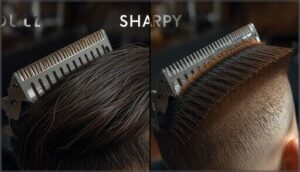
When your clipper leaves patchy results or forces you to go over the same spot multiple times, dull blades are usually the culprit. Uneven cuts appear as hard lines in fades or random long hairs mixed with shorter ones, signaling poor blade sharpness.
Hair texture impacts cutting techniques—thicker hair dulls edges faster. Regular clipper maintenance, including blade sharpening or replacement, restores hair clipper performance and cut quality.
Pulling or Snagging Hair
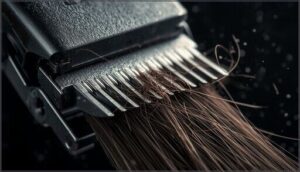
When your clippers tug or snag hair instead of gliding smoothly, dull blades are often to blame, but blade tension and blade alignment also play critical roles.
Incorrect blade tension creates drag, while misalignment exposes teeth unevenly. Hair preparation matters too—tangled or very long hair bunches up, overwhelming the cutting edge.
Loose clipper guards shift during use, creating rough edges that hook strands and produce sharp pulls on the scalp.
Excessive Noise or Vibration
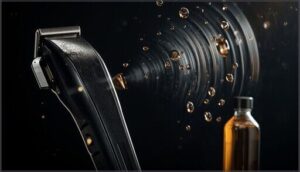
When your clipper sounds rougher or shakes harder than normal, motor wear and dull blades are often the culprits. Worn motor bearings create harsh vibration causes, while dry blades add friction and louder buzzing.
Oil your blades every few uses—this noise reduction step addresses blade wear before you need to replace blades entirely. Proper maintenance and blade balance keep your tool smooth and quiet.
Visible Rust, Nicks, or Dents
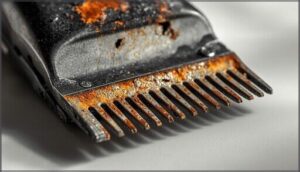
Orange or brown discoloration along the teeth signals corrosion prevention has failed, and rusty blades need immediate attention.
Rust removal rarely restores cutting edges fully, while dent repair often proves impossible once teeth bend or chip.
Run a quick blade inspection under bright light—nicks, pits, or visible signs of blade wear and damage mean it’s time to replace blades rather than risk dull blades and poor cuts.
How Does Proper Maintenance Extend Blade Life?
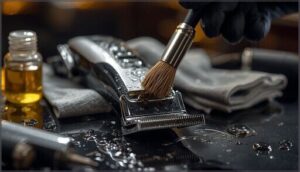
Taking care of your clipper blades isn’t just about keeping them clean—it’s about getting the most life out of them before you need to replace them.
Good maintenance can stretch your blade lifespan by roughly 50 percent compared to blades that don’t get regular attention. Here’s what you need to focus on to keep your blades sharp and working smoothly.
Cleaning Routine
After every haircut, brush loose hair off your blades with a nylon brush to prevent buildup between the teeth. Daily sanitizing with a clipper blade maintenance spray meets hygiene standards and protects against bacteria.
For deep cleaning, remove the blade set monthly and soak it in a blade cleaning solution, then dry thoroughly before storage. Proper clipper storage in a dry case prevents corrosion and keeps your clean blades sharp longer.
Lubrication and Oiling
Your blades stay sharp when you oil them after every use, cutting friction that wears down the cutting edges. Most clipper oil types are designed to handle high blade speeds without gumming up the mechanism. Apply 2 to 3 drops along the front teeth and run the clipper briefly to spread the lubricant.
- Use manufacturer-recommended clipper oil for best blade friction reduction and cooling performance.
- Follow lubrication schedules based on frequency—daily for professionals, monthly for home users.
- Wipe excess oil after application to prevent hair buildup and maintain clean blade care and cleaning standards.
Proper oiling techniques extend blade life substantially and keep your clipper maintenance routine simple.
Correct Blade Alignment
Alignment keeps both blades working together without snagging or scratching skin during every cut. Check blade positioning so the top blade sits about 1/32 inch behind the bottom blade, preventing nicks. Proper tooth alignment helps teeth track evenly across the cutting surface.
Gap settings affect how close you cut, so follow manufacturer guidelines. Regular alignment checks catch issues before they ruin a haircut or hurt someone.
Can You Sharpen Clipper Blades Instead of Replacing?
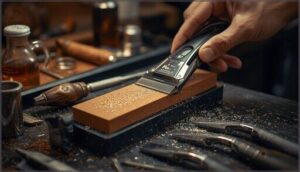
You don’t always have to replace clipper blades when they start to lose their edge. Sharpening can restore cutting performance and save you money, but it’s not a permanent fix.
Here’s what you need to know about when sharpening makes sense and when it’s time to invest in new blades.
When Sharpening is Appropriate
You can sharpen your clipper blades when blade inspection reveals the front and back rails still show a raised lip above the sole plate. Sharpening tools work best on dull blades with mild performance decline but no deep nicks or heavy rust.
Edge restoration through metal honing is appropriate when blade wear remains light and the cutting edges respond well to clipper refurbishment techniques.
Limits of Sharpening for Blade Longevity
Modern clipper blades can tolerate roughly 15 to 25 full sharpenings before metal fatigue and altered blade geometry make them unreliable. Each sharpening cycle removes metal, shortening teeth and changing edge retention.
Fine finishing blades with short teeth often reach sharpening limits after just 2 to 3 services. Eventually, dull blades lose proper contact, forcing you to invest in replacement blades instead of using blade sharpening techniques.
How Do Different Blade Materials Impact Replacement?
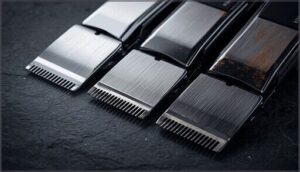
The material your blades are made from determines how long they’ll last and when you’ll need to replace them.
Different metals handle wear and heat in distinct ways, which affects their durability and maintenance needs. Let’s look at the most common blade materials and how each one impacts your replacement schedule.
Stainless Steel Vs. Ceramic Blades
When you’re weighing stainless steel blades against ceramic, you’re really looking at two different approaches to blade durability and edge retention. Ceramic stays sharp up to 70 percent longer and runs cooler thanks to heat resistance, but it’s brittle and pricey. Stainless steel withstands drops better and costs less upfront, though it needs more frequent blade replacement and generates more heat during long sessions.
The key differences between ceramic and stainless steel blades can be broken down into several categories:
- Edge Retention: Ceramic blades hold a sharp edge far longer than stainless steel, reducing how often you’ll need blade replacement
- Heat Resistance: Ceramic generates less friction and stays cooler on skin, while stainless steel heats up quickly during continuous cutting
- Blade Durability: Stainless steel blades resist impact and rough handling better, but ceramic can chip or shatter if dropped
- Noise Reduction: Ceramic clipper blades run quieter with smoother contact, while stainless steel produces more audible vibration
- Cost Comparison: Ceramic costs more initially but may save money over time through fewer replacements and less clipper maintenance
Carbon Steel and Titanium Options
Carbon steel clipper blades deliver outstanding cutting edge sharpness for detailed work, but they rust faster and need more clipper maintenance than titanium blades.
Titanium coating on replacement blades boosts steel durability and resists corrosion, keeping the cutting edge sharp longer under heavy use. While carbon steel fits precision cuts, titanium blades reduce how often you’ll need blade sharpening or full replacement in busy shops.
What Happens if You Don’t Replace Blades Regularly?
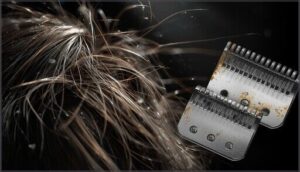
Skipping blade replacements might seem like a money-saver, but the consequences show up fast in your work and your equipment.
Worn blades create problems that go beyond just a bad haircut. Here’s what you’re really risking when you push those blades past their prime.
Impact on Haircut Quality
Worn clipper blades hurt cutting precision right where it shows. Dull blades skip finer hairs, leaving uneven cuts and patchy hair texture across the head.
Fade quality drops when blades can’t blend smoothly, creating harsh lines instead of soft gradients. You’ll chase dark spots with extra passes, but cutting efficiency still suffers.
Fresh blades keep haircut results consistent and professional-looking every time.
Risks of Skin Irritation or Injury
Dull blades don’t just cut poorly—they can scrape your skin, leaving red marks and clipper burns from excess friction and heat buildup. Contaminated blades spread skin infections between clients if you skip proper disinfection.
Worn edges also cause follicle damage, triggering razor bumps and ingrown hairs, especially with close fades. Even minor nicks break the skin barrier, inviting bacteria into deeper layers and turning routine grooming hygiene into a health risk.
Increased Wear on Clipper Motor
Your motor pays the price when you delay blade replacement—dull edges force it to fight through every cut, creating motor friction and heat damage that shortens its life.
Electrical stress from overload, bearing wear from vibration noise, and constant motor strain add up fast. Follow clipper maintenance tips and preventative maintenance schedules to avoid costly repairs.
Proper clipper blade maintenance tips keep blade wear from destroying your investment.
How Should You Clean and Store Clipper Blades?

Keeping your clipper blades in good shape isn’t just about cleaning them after each cut.
You also need to think about where and how you store them between uses. The right storage habits prevent rust, moisture damage, and premature wear that can shorten your blades’ lifespan.
Proper Storage to Prevent Corrosion
Proper storage keeps your blades sharp longer and rust free. After cleaning and drying each blade completely, apply a thin coat of clipper oil to create a protective barrier against moisture. Store your tools in a cool, dry space below 50 percent humidity—avoid bathrooms and damp basements where condensation forms overnight.
Follow these dry storage tips for blade preservation and corrosion prevention:
- Use a hard storage container with individual blade slots to prevent impact damage
- Add desiccant packs to your case for extra humidity control
- Keep clippers in a climate controlled drawer away from chemical fumes
- Wrap seldom used blades in oil brushed paper for long term protection
- Never store blades while damp or in unheated garages where temperature swings cause rust
These clipper blade maintenance tips and grooming tool care practices help prevent corrosion and extend your investment.
What Are Best Practices for Blade Replacement?

Replacing blades at the right time is only half the battle. You also need a system that keeps your clippers ready for action and prevents surprises during a cut.
Here’s how to stay ahead of blade wear through smart planning and routine checks.
Keeping Spare Blade Sets
You’ll save yourself headaches and keep your workflow smooth by maintaining a solid spare blade inventory. Professional barbers usually keep at least one backup blade strategy for every primary clipper, ensuring instant swaps during busy cuts. This clipper blade rotation approach spreads wear evenly and prevents emergency situations. Home users generally manage with one primary and one spare set—enough to replace blades without service interruptions.
| User Type | Minimum Spare Sets | Rotation Benefit |
|---|---|---|
| Home Barber | 1 spare per clipper | Replace blades without downtime |
| Busy Shop | 2+ sets per tool | Spread wear, extend lifespan |
| Mobile Work | Full backup kit | Handle unexpected damage |
| Detail Work | Dedicated premium set | Protect high-quality blades |
Smart blade storage solutions keep your backup blade strategy effective—store blades off the clipper, lightly oiled, in dry containers with silica gel packets to prevent rust. Emergency blade kits belong in every professional’s arsenal, because clipper blade maintenance tips mean nothing if you can’t access a fresh set mid-haircut. Proper blade care and cleaning of your spares, combined with preventative maintenance for clippers and thoughtful grooming tool upkeep, transforms your inventory into insurance against lost time and frustrated clients.
Scheduling Regular Inspections
Inspection schedules keep you ahead of blade problems before they wreck your cuts. Home barbers benefit from monthly blade checks to spot rust or dullness early, while busy shops inspect daily to catch wear before clients notice.
Track your findings in maintenance logs—note dates, performance issues, and oil changes—so replacement planning becomes straightforward instead of guesswork. Regular clipper testing during these sessions reveals signs of blade wear and damage you’d otherwise miss.
Training for At-Home and Professional Use
Training builds confidence whether you’re cutting hair at home or behind the chair. Home users should follow brand videos and original manuals that show safe blade changes and basic clipper blade maintenance tips, while new barbers need hands-on demos with popular models to master proper blade replacement procedures and barber techniques.
Key clipper safety and user guidance points include:
- Always unplug or power down before swapping blades
- Hold clippers with a relaxed grip, thumbs clear of teeth
- Disinfect blades after every client or use for home maintenance
Professional tips from licensing courses cover state sanitation rules and preventative maintenance schedules, so barbers learn when sharpening works and when replacement is the only safe call.
Which Products Help Maintain Clipper Blades?
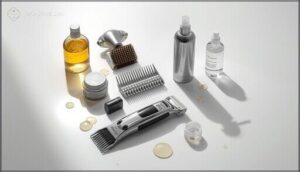
Using the right products keeps your blades cutting cleanly and lasting longer between replacements.
You don’t need a huge arsenal—just a few key items that protect against rust, friction, and bacteria buildup.
Here are the essential products every clipper owner should have on hand.
Blade Disinfectant Sprays
Disinfectant sprays designed for clipper blades offer a quick way to handle clipper sanitation between clients. Most aerosol products combine disinfectant efficacy with rust prevention, meaning one spray application combats germs while protecting metal surfaces.
You’ll want to coat the blades thoroughly, then let them air dry for the full contact time—usually around ten minutes—to achieve proper bacterial resistance and meet professional grooming tool maintenance standards.
Blade Lubricants and Oils
Regular lubrication forms the backbone of clipper blade maintenance tips, and choosing the right clipper oil matters. Most blade lubricants use refined mineral oil with low viscosity, allowing smooth friction reduction between moving teeth.
Proper blade coating after each use helps prevent rust while keeping edges sharp. Different lubricant types offer varying corrosion prevention, so oil blades consistently to extend their working life and maintain professional cutting performance.
Frequently Asked Questions (FAQs)
How long do hair clipper blades last?
Hair clipper blades usually last two to three years for home users cutting monthly, while professional barbers replace them every six to twelve months due to daily heavy use and maintenance demands.
How do you know when clipper blades need to be replaced?
You’ll notice blade wear signs when your clipper pulls hair instead of cutting cleanly, creates uneven patches, or heats up quickly—all signals that dull blades need immediate replacement.
How often should I replace my Wahl blade?
For home users, Wahl blades usually last two to three years with proper clipper maintenance.
Professional barbers need replacement every six to twelve months due to constant use, which accelerates blade wear factors.
Are all clipper blades universal and interchangeable?
No, clipper blades aren’t all universal.
Blade compatibility depends on specific clipper standards like the A5 system.
While some interchangeable blades fit multiple brands, many hair clippers require proprietary blade systems unique to their models.
How do you properly dispose of old blades?
Never toss old clipper blades in regular trash. Use sharps containers or sealed blade banks to protect sanitation workers.
Then explore local recycling programs or manufacturer take-back options for safe, eco-friendly disposal.
Can blade guards reduce blade wear over time?
Yes, guards reduce blade wear by lowering friction and protecting cutting edges from impact. They space the blade from dense hair, decrease repeated passes, and shield teeth from accidental bumps during clipper maintenance.
They also contribute to grooming tool longevity.
Do cordless clippers dull blades faster than corded?
Both power sources dull clipper blades at roughly the same rate when batteries stay charged and maintenance is consistent.
Motor power comparison shows cordless models with modern lithium batteries deliver similar torque and heat generation effects as corded clippers.
Should you replace both blades simultaneously or separately?
Even though replacement costs add up, always replace both clipper blades together as a matched blade set.
Synchronized wear and blade pairing guarantee dual blade benefits—the top blade and bottom blade deliver proper blade synchronization for clean cuts.
Conclusion
Some barbers think blade replacement is just another upsell, but it’s insurance against lost time and unhappy clients. Knowing how often you should replace hair clipper blades—and actually doing it—keeps your cuts clean, your tools reliable, and your reputation intact.
Track your usage, watch for warning signs, and don’t wait for a blade to fail mid-fade. Sharp blades aren’t a luxury; they’re the baseline for work that matters.
- https://bestbomg.com/blogs/news/how-long-do-hair-clippers
- https://barbersets.com/blogs/blogs/how-often-should-i-replace-clipper-blades
- https://prostylingtools.com/blogs/tutorials/how-long-do-wahl-clipper-blades-last
- https://allgroom.co.nz/blogs/clippers/how-often-blade-drive-replacement
- https://blog.wahlpro.com/blog/when-should-you-replace-your-professional-blades