This site is supported by our readers. We may earn a commission, at no cost to you, if you purchase through links. This content is for general informational and educational purposes only and is not a substitute for professional medical, dermatological, or nutritional advice.
That razor sitting in your shower probably owes you an apology. Most guys drag the same blade across their face for a month, wondering why shaving suddenly feels like a chore instead of a two-minute reset.
Here’s the thing: a blade doesn’t dull all at once. It’s a slow fade, a little more tug each day, until razor burn and patchy results become your new normal and you just accept it.
Knowing how often to replace razor blades isn’t about being fussy. It’s about matching your replacement schedule to your actual shaving habits, so every pass stays smooth, not just the first one.
Table Of Contents
- Key Takeaways
- How Often Should You Replace Razor Blades?
- What Affects Razor Blade Lifespan?
- Signs Your Razor Blade Needs Replacing
- Risks of Using Old Razor Blades
- How to Extend Razor Blade Life Safely
- Frequently Asked Questions (FAQs)
- How long do razor blades usually last?
- How to tell if a razor blade is dull?
- When should I throw away my razor?
- How often should I shave my pubic hair?
- What happens if you don’t change your razor blade often?
- How often to change razor blades?
- How often should you replace a safety razor?
- How often should a shave blade be replaced?
- How do you know if it’s time to change your razor blades?
- What are signs it’s time for a new razor?
- Conclusion
Key Takeaways
- Most blades are good for five to seven shaves, but daily shavers should just plan on swapping weekly since that math adds up fast.
- Let your skin be the judge, not the calendar—tugging, extra pressure, patchy results, or redness all mean it’s time for a new blade, no matter how many shaves you’ve counted.
- Rinsing under running water and drying your blade fully (instead of leaving it in a damp shower) can double how long it stays sharp by keeping rust and corrosion at bay.
- Sticking with an old blade isn’t just a worse shave, it raises real risks like micro-tears, ingrown hairs, and folliculitis from bacteria that can survive on blades for months.
How Often Should You Replace Razor Blades?
So how often should you actually swap that blade? The answer depends on how often you shave, what kind of razor you’re using, and a few other habits you might not think twice about. Here’s how to break it down for your exact routine.
If you’re noticing extra tugging or the occasional nick, it might be time to check out this guide on preventing razor irritation with proper blade care.
General Five-to-Seven-Shave Rule
Rarely does one rule fit every face, but five to seven shaves is the baseline. Blade sharpness fades based on:
- Blade count
- Hair thickness
- Water quality
- Storage conditions
- Usage frequency
Coarse hair and hard water push you toward five. Fine hair, soft water, and good razor blade care can stretch you toward seven. Watching for signs of a dull blade, like tugging or increased resistance, can help you time your next replacement more accurately than counting shaves alone.
Daily Shavers Replace Weekly
Shave every day and that five-to-seven count adds up fast, usually within a week. So weekly replacement just becomes the easy default.
Daily shaving speeds up blade dulling, since coarse hair and hard water pile on the wear. Swapping blades weekly keeps skin sensitivity in check, and cost-wise, it’s cheap insurance against nicks and razor burn.
Every-Other-Day Shaving Schedule
Skipping a day changes the math a bit. You’re looking at roughly 3-4 shaves a week, so that five-to-seven count stretches to 10-14 days instead of a hard weekly rule.
Watch your skin, though. Tugging, redness, or patchiness means the blade’s done early, regardless of the calendar.
Twice-Weekly Shaving Schedule
Only shaving twice a week? Your blade wear pace slows way down, so you’re often looking at 4-6 weeks per blade instead of counting shaves.
Edge upkeep still matters, though. Rinse well, dry fully, and keep your technique consistent, since 2-3 days of stubble means a heavier cutting load each session. Tugging or drag means it’s time, calendar be damned.
Five-Blade Cartridge Lifespan
Five blades sound fancy, but they still wear out fast. Fusion5 and ProGlide types last roughly 20 shaves before edge retention drops.
Hair thickness and water quality speed up dulling. Rinse well, dry fully, use a titanium nitride coating if you can. Follow a blade replacement schedule based on shaving frequency, not guesswork, and swap the cartridge once tugging starts.
What Affects Razor Blade Lifespan?
Ever wonder why your buddy gets a month out of a blade and you’re tossing yours after a week? It’s not bad luck, it’s a handful of everyday factors working against you. Here’s what actually shapes how long your blade stays sharp.
One sneaky culprit is leftover moisture, so check out these tips for making your razor blade last longer and make drying it off a habit, not an afterthought.
Razor Type and Blade Count
Not all razors age the same way. Blade count changes the math entirely, since more blades share the workload:
- Single-blade safety razors: sharper edge, fewer passes
- Cartridge razors (3-5 blades): built-in wear across heads
- Disposables: shortest blade lifespan overall
- Injector razors: single blade, quick swaps
- Straight razors: manual resharpening, not replacement
Razor type and blade count directly shape your replacement schedule.
Hair Thickness and Density
Think of your beard like a fingerprint, no two are exactly alike, and that affects blade wear more than you’d guess. Strand diameter matters: thick hair packs more material into each pass, so blades work harder. Density counts too. High scalp coverage means more strands per swipe, upping the blade load every stroke. Sparse, fine hair? Lighter work, longer blade lifespan. Dense, coarse growth wears blades faster, shortening how long they’ll perform well between changes, no matter how careful your shaving frequency is.
Shaving Surface Area
Bigger coverage means more work per stroke, plain and simple.
- Cartridge width (45-65mm) sets your max coverage per swipe
- Progressive geometry engages hair at different depths, boosting efficiency
- Pivot mechanisms adapt to contours, so nothing gets missed
- Flow-through design keeps blades clear, protecting sharpness longer
Full-face or head shaves burn through blades faster. More surface, shorter blade replacement schedule.
Shaving Pressure and Technique
Bad technique wears blades out faster than bad luck ever could.
Press too hard, and you’re forcing dull edges through hair instead of adjusting your angle, usually 30 to 45 degrees, or using light grip control and smooth, gliding strokes.
That heavy-handed habit invites razor burn and irritation, while gentle blade handling keeps sharpness intact longer.
Water, Drying, and Storage
Wet blades rust. Fast. After shaving, shake off excess water, air dry, and store somewhere ventilated, not a steamy cabinet.
- Trapped moisture breeds rust
- Humid drawers wreck edges
- Hard water speeds corrosion
Rinse under running water, never a soaking sink basin, then dry fully before storing. That one habit can double blade lifespan.
Signs Your Razor Blade Needs Replacing
Forget counting shaves, your skin will tell you when it’s time. A blade past its prime sends some pretty clear signals, if you know what to look for. Here’s what to watch out for.
Tugging or Pulling Hair
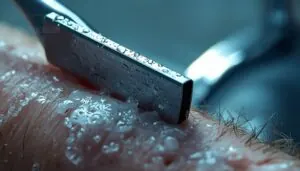
Feel your razor snagging instead of gliding? That’s tugging, and it’s your blade waving a white flag. Dull edges turn rounded, so hair (strong as copper wire) resists cutting.
Fix your angle, wet hair thoroughly, and shave with the grain. Still pulling? Time for a new blade.
Increased Shaving Pressure

Pressing harder to compensate? That’s your grip talking, not your skill. Dull blades need muscle to cut, forcing bad habits.
- Angle Adjustment to avoid over-steep contact
- Shorter Stroke Length for control
- Grain Alignment reduces resistance
- Pass Reduction limits pressure buildup
- Pressure Control prevents razor drag
Struggling this much means blade replacement, not more muscle.
Patchy or Uneven Results
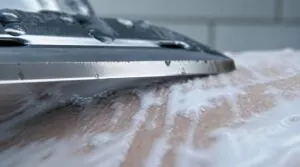
Muscling through a shave and still missing spots in the same stubborn areas? That’s a dull blade losing sharpness, not your technique. Poor lubrication quality, misaligned blades, or skipping exfoliation before shaving all worsen razor drag, but blade dullness is usually the root cause. Fresh blades with proper blade alignment and good razor head design deliver even, consistent coverage every pass.
Razor Burn and Redness
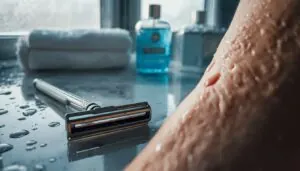
Skin turning red and angry after every shave? That’s often a dull blade dragging instead of cutting clean, forcing extra passes that wreck your skin barrier.
Pair fresh blades with good lubrication and proper shaving technique, then calm things down with a cooling aftershave balm, especially if you’ve got sensitive skin.
Rust, Chips, or Buildup
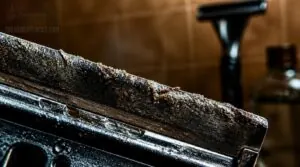
Once you spot orange specks, you’re already looking at active blade corrosion, and that clock doesn’t run backward.
Check weekly under good light for microscopic chips, gunky residue, or a rusty razor edge. Buildup removal is simple: rinse hot, dry fully. Corrosion factors like hard water speed things up, so blade sanitization with rubbing alcohol helps fight bacterial buildup and slow blade degradation.
Risks of Using Old Razor Blades
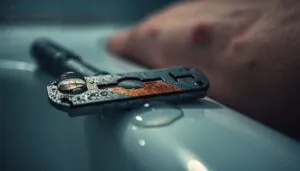
Still using that same blade week after week? Here’s the thing: it’s not just about a worse shave, it’s about what that dull edge can do to your skin. Let’s break down exactly what’s at stake.
Cuts and Microscopic Skin Tears
A dull blade doesn’t cut cleanly, it tears. That drags hair against skin, causing microscopic tears in your epidermal barrier. Nerve endings get hypersensitive fast, so you’ll feel every nick.
A dull blade doesn’t cut cleanly, it tears, leaving microscopic wounds your nerves feel instantly
Healing takes 3-5 days as collagen repair kicks in. Microscopic chips on aging blades multiply this damage with every pass, so tossing dull blades protects you from cuts your eyes can’t even see yet.
Razor Burn and Irritation
That burning, red rash isn’t random. Causes include dry shaving, rushing, going against the grain, and old blades dragging instead of cutting.
Symptoms range from stinging to bumps that last hours or days. Prevention starts with blade sharpness and better shaving technique. Treatment? Cold compress, aloe, or oatmeal baths for aftercare that actually helps.
Ingrown Hairs and Bumps
A dull blade doesn’t cut hair clean, it bends and tears it back into your skin. That’s how you get ingrown hairs: red bumps with a visible hair tip, sometimes tender or itchy. Curly or coarse hair? Up to three times more likely.
Fixes that work:
- Exfoliate 1-2x weekly (cuts risk ~45%)
- Warm compress before shaving
- Shave with the grain
- Skip old blades entirely
Folliculitis and Skin Infections
That old blade isn’t just dull, it’s a bacteria hotel. Staph aureus can survive on blades for months, and warm, damp bathrooms are basically a breeding ground. Result: folliculitis, red or pus-filled bumps around each follicle, sometimes itchy or tender.
Keep it in check: sterilize metal parts by boiling, soak plastic ones in alcohol, and always dry your razor fully after use.
Repeated Passes and Friction
Ever notice yourself going over the same spot three or four times? That’s your blade telling you it’s tired. Each extra pass builds heat and friction, causing razor drag and bending the edge slightly.
This cycle snags skin fibers, sparking irritation that feeds on itself, redness begets more pressure, more passes, more damage.
How to Extend Razor Blade Life Safely
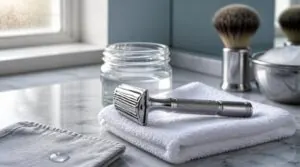
Good news: you don’t have to buy a new cartridge every week to stay safe. A few small habits can stretch your blade’s life without putting your skin at risk. Here’s what actually works.
Clean and Sanitize After Use
Want your blade to last? Rinse under hot water after every use to clear out gunk, then sanitize weekly with rubbing alcohol, this order matters, cleaning first, sanitizing second.
Skip sharing blades with anyone, that’s a bacteria buffet waiting to happen.
Good razor hygiene isn’t glamorous, but it’s what keeps folliculitis and infections off your shave routine.
Dry and Store Properly
Rinsing gets the gunk off, but drying is what actually fights rust. Shake off excess water, let it air dry before storage, cooling first to avoid condensation.
- Use ventilated, non-porous containers
- Skip damp bathroom shelves
- Control humidity to limit reabsorption
Dry storage cuts corrosion, extends blade longevity, and delays your next replacement.
Trim Long Hair First
Storage keeps rust away, but overgrown hair is what really wrecks a blade’s edge fast. Trim to 1/4 inch first, cutting time by 40%.
| Skip Trimming | Trim First |
|---|---|
| Blade wear | 3-4 passes |
| Dull in 2-3 shaves | 1-2 strokes, less friction |
Shorter hair means less pulling, fewer ingrown hairs, and calmer skin overall.
Never Share Razor Blades
Trimming saves your blade, but sharing it undoes all that work fast. Your razor is a single-person tool, full stop.
Gillette Venus is blunt about this: shared razors spread bacteria, cause skin infections, and trigger rashes, regardless of sex. Keep yours recognizable, keep it yours. No judgment if a roommate asks, just hand them a fresh one instead.
Dispose of Used Blades Safely
Under your sink isn’t the spot for a blade you’re done with. Loose blades slice bags and hands alike, so use a punctureproof container.
No sharps box? Improvise:
- Wrap the blade in cardboard
- Seal tightly with duct tape
- Label it "sharp objects"
- Check local disposal rules
Safe blade disposal protects your janitor, your trash bag, and your conscience.
Frequently Asked Questions (FAQs)
How long do razor blades usually last?
Funny how something that touches your face daily gets so little thought, until it’s dragging instead of gliding. Most blades last five to seven shaves, though hair type, water quality, and storage habits all shift that number up or down.
How to tell if a razor blade is dull?
Your blade is talking to you, so listen. A tugging sensation or razor drag instead of a clean glide, plus patchy shave results, rough feeling skin, visible rust, or needing increased pressure all signal blade dulling.
When should I throw away my razor?
Once you hit five to seven shaves, or notice tugging, extra pressure, or patchy results, it’s time. Don’t wait for rust. Your shaving frequency impact and blade care practices decide the exact week, but dullness signs always win.
How often should I shave my pubic hair?
Think of your skin like a garden bed: too much tilling and it never settles. Two to three times weekly works for most, balancing smoothness with recovery time, less irritation, and fewer ingrown hairs than daily shaving.
What happens if you don’t change your razor blade often?
Skip a blade replacement schedule and you’re asking for trouble: dulling causes tugging, worsening razor burn, ingrown hairs, and rising skin irritation. Old blades also raise bacterial infection risk, sometimes triggering folliculitis.
No judgment, just facts worth knowing.
How often to change razor blades?
As a rule of thumb, swap blades every 5 to 7 shaves, or weekly if you shave daily. Once dragging, tugging, or rust shows up, don’t wait, replace it to keep skin healthy and shaves smooth.
If hormones like DHT make facial hair a regular battle, this guide to a smooth face shave for women shows how fresh blades help.
How often should you replace a safety razor?
Swap safety razor blades every five to seven shaves, checking blade sharpness along the way. Coarse hair, daily shaving frequency, and skipped maintenance shorten that window, so let tugging or irritation guide your actual blade replacement schedule.
How often should a shave blade be replaced?
Ever notice your blade tugging more than it used to? That’s dulling in action. Replace it every 5 to 7 shaves, since shave frequency, hair type, and water quality all speed up blade wear and skin irritation.
How do you know if it’s time to change your razor blades?
Your blade’s talking to you, so listen. Tugging instead of gliding, extra pressure needed, patchy results, redness, or visible rust and buildup between blades all signal it’s time for blade replacement, no more squeezing out "one more shave.
What are signs it’s time for a new razor?
A tired blade tells on itself: it tugs instead of glides, sparks skin irritation, leaves a patchy shave, demands increased pressure, or shows rust buildup. Trust those signals over the calendar.
Conclusion
A dull blade is a quiet thief, stealing smoothness one shave at a time until you barely notice what’s gone. Knowing how often to replace razor blades gives that time back. Five to seven shaves, weekly if you’re daily, that’s your baseline, not a suggestion.
Your skin keeps score: tugging, redness, bumps, all receipts of a blade overstaying its welcome. Toss it before it costs you. A fresh blade isn’t a luxury. It’s respect, for your face and your five minutes.