This site is supported by our readers. We may earn a commission, at no cost to you, if you purchase through links. This content is for general informational and educational purposes only and is not a substitute for professional medical, dermatological, or nutritional advice.

That red, tender bump on your jawline two days after shaving isn’t a pimple. It’s a hair curling back under your skin instead of growing out, and I see it daily in patients who shave, wax, or have curly hair.
The mechanism is simple: dead skin cells seal the follicle shut, trapping the hair underneath and sparking inflammation that dermatologists call folliculitis.
Left untreated, that small bump can spread, scar, or leave a dark mark behind.
The right ingrown hair treatment recommendations stop that cycle early, calming the bump and helping the hair work its way out on its own.
Table Of Contents
- Key Takeaways
- Top 10 Ingrown Hair Treatments
- 1. High Roller Ingrown Hair Serum
- 2. Hyland’s PRID Drawing Salve
- 3. Mario Badescu Drying Blemish Lotion
- 4. Paula Choice BHA Liquid Exfoliant
- 5. Neosporin Original Triple Antibiotic Ointment
- 6. Cortizone 10 Maximum Strength Aloe Cream
- 7. Fur Ingrown Hair Oil
- 8. Neutrogena Oil Free Acne Face Wash
- 9. AHA Ingrown Hair Spray
- 10. Thayers Alcohol Free Witch Hazel Toner
- What Causes Ingrown Hairs
- Best At-Home Treatment Steps
- Ingredients That Actually Help
- Prevent Ingrown Hairs While Shaving
- When to See a Dermatologist
- Frequently Asked Questions (FAQs)
- Conclusion
Key Takeaways
- Ingrown hairs form when dead skin cells block the follicle opening, trapping the hair beneath the surface and triggering inflammation that can scar or darken the skin if left untreated.
- Salicylic acid (2% BHA) is your most targeted tool because it penetrates into the follicle itself, dissolving the keratin buildup that traps hairs before a bump even forms.
- Your shaving technique drives most recurring ingrown hairs — dull blades, stretching the skin, and shaving against the grain all push cut hairs below the surface where they curl back inward.
- See a dermatologist if a bump shows pus, spreading redness, or keeps returning in the same spot, as these signs point to infection or a chronic follicle issue that home treatment won’t resolve.
Top 10 Ingrown Hair Treatments
Not every ingrown hair treatment works the same way, and the right pick depends on what your skin actually needs.
If razor bumps keep coming back no matter what you try, switching to dermatologist-recommended beard grooming essentials might finally make a real difference.
These ten options cover a range of approaches — from chemical exfoliants to soothing antibiotic ointments — so there’s something here whether you’re dealing with a single stubborn bump or recurring irritation.
Here’s what made the list for 2026.
1. High Roller Ingrown Hair Serum
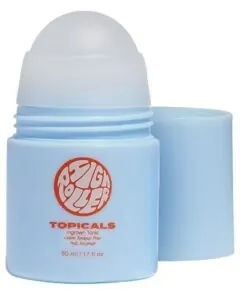
The High Roller Ingrown Hair Serum earns its spot at the top for good reason. Its roll-on applicator keeps application clean and targeted, delivering a lightweight formula packed with salicylic acid and glycolic acid — a BHA-AHA pairing that dissolves dead skin buildup and clears blocked follicles from two angles.
Zinc PCA and willow bark extract calm redness without clogging pores.
At $19.50 for 1.7 fl oz, it’s alcohol-free, fragrance-free, and vegan — solid credentials for sensitive, bump-prone skin.
| Best For | Anyone dealing with razor bumps, ingrown hairs, or post-shave irritation on the face, underarms, bikini line, or legs — especially those with sensitive skin who need a gentle but effective exfoliating treatment. |
|---|---|
| Active Ingredient | Salicylic & glycolic acid |
| Format | Roll-on serum |
| Container Size | 1.7 fl oz |
| Application Area | Face, underarms, bikini line, legs |
| Fragrance | Fragrance-free |
| Possible Side Effects | Mild irritation possible |
| Additional Features |
|
- The roll-on applicator makes application precise and hygienic — no messy fingers or wasted product
- Combines salicylic acid and glycolic acid for dual-action exfoliation that tackles ingrown hairs and smooths bumpy skin
- Free from alcohol, fragrance, parabens, and synthetic dyes, making it a safe pick for sensitive or reactive skin
- At $19.50 for 1.7 fl oz, it sits on the pricier end compared to similar drugstore options
- Some users may notice reduced effectiveness after several months of continuous use
- Can cause mild irritation for some — it’s best to start slow (2–3 times a week) and discontinue if redness or discomfort develops
2. Hyland’s PRID Drawing Salve
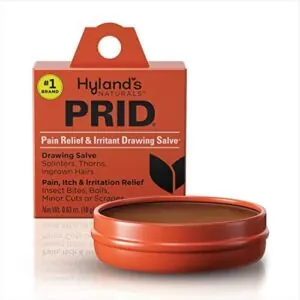
Where the High Roller targets follicles with acids, PRID takes a different approach entirely. Hyland’s PRID Drawing Salve is an old-school drawing salve — thick, tar-like, and unapologetically unglamorous — designed to coax trapped material, including ingrown hairs, upward through the skin.
Its natural botanical formula includes arnica, calendula, and echinacea, and it’s paraben-free with no known drug interactions. Clean the area, pat dry, apply a small amount. Just know: the strong odor and sticky texture aren’t for everyone.
| Best For | Anyone dealing with stubborn under-the-skin issues like ingrown hairs, splinters, or boils who prefers a natural, old-fashioned remedy over chemical-based treatments. |
|---|---|
| Active Ingredient | Herbal drawing compound |
| Format | Squeeze-tube ointment |
| Container Size | 18 g (0.63 oz) |
| Application Area | General first-aid use |
| Fragrance | Strong tar-like odor |
| Possible Side Effects | Hard-to-open lid |
| Additional Features |
|
- Natural botanical formula with arnica, calendula, and echinacea — paraben-free with no known drug interactions
- Versatile relief for boils, insect bites, minor cuts, and embedded foreign bodies like splinters or thorns
- Simple squeeze-tube application, made in the USA, and suitable for both home first-aid kits and basic animal care
- Strong, tar-like odor that many users find off-putting
- Thick, sticky texture makes it tricky to spread evenly, especially on small or precise areas
- The small tube lid can be frustratingly difficult to open
3. Mario Badescu Drying Blemish Lotion
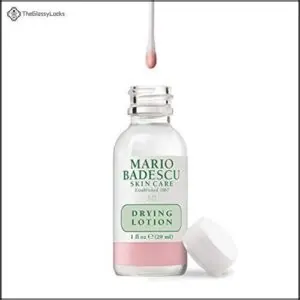
PRID pulls things out; this one dries them up. Mario Badescu’s Drying Blemish Lotion uses a bi-phase formula — a pink sediment layer of salicylic acid, sulfur, and zinc oxide sitting beneath a clear carrier. Dip a cotton swab into the pink layer only, dab it directly on the bump, and leave it overnight.
It won’t reach a deep cyst or blackhead, but for a raised, surface-level ingrown, it visibly reduces redness and size by morning.
| Best For | Anyone dealing with occasional, surface-level blemishes who wants a fast overnight solution that visibly shrinks pimples by morning. |
|---|---|
| Active Ingredient | Salicylic acid, sulfur, zinc oxide |
| Format | Bi-phase overnight lotion |
| Container Size | 1 fl oz |
| Application Area | Face, back, chest, neck |
| Fragrance | Strong medicinal scent |
| Possible Side Effects | Dryness or flaking |
| Additional Features |
|
- Works overnight — salicylic acid, sulfur, and zinc oxide work together to dry out raised blemishes while you sleep
- A tiny dab goes a long way, so the small 1 oz bottle lasts for months of spot treatments
- Free of sulfates, parabens, and phthalates, and it’s vegan and cruelty-free
- Only works on surface-level blemishes — won’t touch cystic acne or blackheads
- The bottle can’t be shaken or the two-layer formula loses effectiveness
- Has a strong medicinal smell and can cause dryness or flaking if you over-apply
4. Paula Choice BHA Liquid Exfoliant
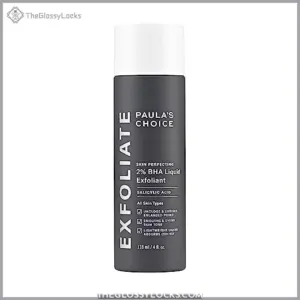
Where the Mario Badescu lotion dries up surface bumps overnight, this one works deeper — clearing the blockage that caused the bump in the first place.
Paula’s Choice 2% BHA Liquid Exfoliant uses salicylic acid, a beta-hydroxy acid that dissolves inside the follicle, loosening keratin plugs and dead cells before they trap a hair. The leave-on, fragrance-free liquid absorbs quickly and works under makeup. Use it 2–3 times weekly, not daily — salicylic acid increases sun sensitivity, so sunscreen is non-negotiable.
| Best For | Anyone dealing with persistent blackheads, clogged pores, or ingrown-prone skin who wants a gentle but effective daily exfoliant that goes beyond the surface. |
|---|---|
| Active Ingredient | 2% salicylic acid |
| Format | Leave-on liquid exfoliant |
| Container Size | 4 oz |
| Application Area | Face, all skin types |
| Fragrance | Fragrance-free |
| Possible Side Effects | Tingling or dryness |
| Additional Features |
|
- Salicylic acid works inside the follicle to clear blockages at the root, not just treat symptoms on top
- Fragrance-free, leave-on formula absorbs fast and layers easily under makeup or sunscreen
- Smooths texture and minimizes the look of pores with consistent use
- Daily use can cause dryness or flaking — 2–3 times a week is the safer starting point
- Increases sun sensitivity, making daily sunscreen a must (not optional)
- The bottle’s dispensing design tends to be messy and can waste product over time
5. Neosporin Original Triple Antibiotic Ointment
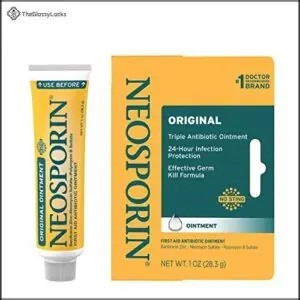
Infected bumps need a different approach entirely. When an ingrown hair becomes inflamed and starts collecting bacteria, Neosporin’s triple antibiotic formula — bacitracin zinc, neomycin sulfate, and polymyxin B sulfate — targets that infection directly, killing germs within 15 minutes.
Apply a thin layer 1–3 times daily until the bump clears. Its HeliDerm Technology locks in moisture while the antibiotics work, which helps skin repair itself faster. One caution: neomycin triggers allergic reactions in some people, so stop use if redness worsens.
| Best For | Anyone dealing with infected ingrown hairs or minor skin bumps who needs a fast-acting, over-the-counter antibiotic treatment to clear bacteria and support healing. |
|---|---|
| Active Ingredient | Triple antibiotic blend |
| Format | Antibiotic ointment |
| Container Size | 1 oz |
| Application Area | Cuts, scrapes, burns |
| Fragrance | Not specified |
| Possible Side Effects | Allergic reaction risk |
| Additional Features |
|
- Triple antibiotic formula kills 99.9% of germs within 15 minutes, making it effective against infected ingrown hairs
- HeliDerm Technology locks in moisture to speed up skin repair and reduce scarring
- Versatile and easy to keep on hand — fits in medicine cabinets, travel kits, or sports bags
- Contains neomycin, which can trigger allergic reactions in sensitive skin — watch for increased redness or irritation
- Leaves a greasy, shiny residue that can feel uncomfortable on visible skin or stain clothing
- Not suitable for deep or serious infections that require prescription-strength treatment
6. Cortizone 10 Maximum Strength Aloe Cream
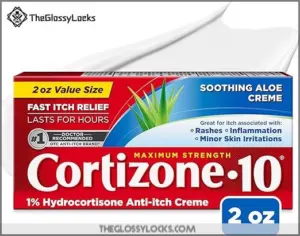
Itching is often the most maddening part of an ingrown hair, and Cortizone 10 targets that directly. Its 1% hydrocortisone active ingredient reduces inflammation and quiets the itch response within about five minutes.
For deeper hair health alongside skin relief, coconut oil’s keratin-binding benefits for hair strength can complement your ingrown hair prevention routine from the inside out.
The fragrance-free, dye-free formula also contains aloe barbadensis, which adds a cooling layer of relief without irritating already-sensitive skin.
Use it up to four weeks on stubborn, red bumps. Don’t apply it over broken skin or active infections — it soothes irritation, not bacterial overgrowth.
| Best For | Anyone dealing with itchy, inflamed skin from bug bites, rashes, or ingrown hairs who wants fast, no-frills OTC relief. |
|---|---|
| Active Ingredient | Hydrocortisone 1% |
| Format | Soothing cream |
| Container Size | 2 oz |
| Application Area | Bites, rashes, irritated skin |
| Fragrance | Fragrance-free |
| Possible Side Effects | Mild stinging on broken skin |
| Additional Features |
|
- 1% hydrocortisone delivers maximum-strength itch relief that kicks in within about five minutes
- Fragrance-free and dye-free formula with aloe makes it gentle enough for sensitive skin
- Compact 2 oz tube is easy to toss in a travel bag, first-aid kit, or camping pack
- The aloe cooling effect can cause mild stinging on broken or very sensitive skin
- Not a substitute for prescription treatments or anything involving skin infections
- Not recommended for children under 2 or for use over large body surface areas without a doctor’s okay
7. Fur Ingrown Hair Oil
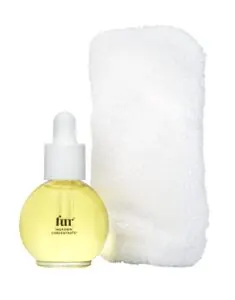
When ingrown hairs keep coming back despite your usual routine, an oil-based treatment can address the problem at the follicle level. Fur Ingrown Hair Oil combines tea tree oil and tamanu oil to reduce bacterial buildup and calm visible redness, while omega fatty acids soften the skin barrier so trapped hairs can surface more easily.
The chamomile-derived bisabolol soothes irritation without synthetic fragrance or parabens — making it a practical choice for sensitive or intimate areas. Apply daily as part of your routine.
| Best For | Anyone dealing with persistent ingrown hairs after shaving or waxing, especially those with sensitive or intimate skin who need a gentle, clean-formula solution. |
|---|---|
| Active Ingredient | Tea tree & tamanu oil |
| Format | Exfoliating oil |
| Container Size | 0.5 fl oz |
| Application Area | Intimate areas, scalp |
| Fragrance | No synthetic fragrance |
| Possible Side Effects | Tea tree sensitivity risk |
| Additional Features |
|
- Targets ingrown hairs at the follicle with a dual-action blend of tea tree and tamanu oil that fights bacteria and calms redness
- Clean, skin-friendly formula — free of parabens, synthetic fragrance, silicones, and dyes, and tested on sensitive skin including intimate areas
- Comes with a mini exfoliating finger mitt, making it a ready-to-use kit right out of the box
- At just 0.5 oz, the bottle runs out fast if you’re using it over larger areas regularly
- The premium price tag feels steep for the amount of product you get
- Those sensitive to tea tree oil or botanical ingredients should patch test first before committing to daily use
8. Neutrogena Oil Free Acne Face Wash
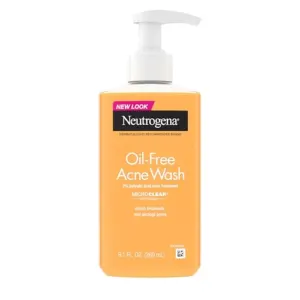
Salicylic acid doesn’t just fight acne — it’s one of the most effective ingredients for clearing the dead-cell buildup that traps hairs beneath the skin. Neutrogena Oil-Free Acne Wash delivers a 2% salicylic acid concentration in a foaming, oil-free formula that dissolves follicular debris without clogging pores.
Use it as a gentle daily cleanser over shaved areas. The noncomedogenic formula suits sensitive, acne-prone skin, though it can cause dryness, so follow with a fragrance-free moisturizer.
| Best For | People with oily, acne-prone skin who want a daily facial cleanser that actively treats and prevents breakouts while keeping pores clear. |
|---|---|
| Active Ingredient | Salicylic acid |
| Format | Foaming face wash |
| Container Size | 9.1 fl oz |
| Application Area | Face, oily/acne-prone skin |
| Fragrance | Noticeable scent |
| Possible Side Effects | Skin dryness |
| Additional Features |
|
- Contains 2% salicylic acid, which effectively clears existing acne, unclogs pores, and helps prevent future breakouts
- Oil-free and noncomedogenic formula makes it safe for sensitive and acne-prone skin without adding unwanted pore-clogging ingredients
- Doubles as a makeup remover and deep cleanser, making it a versatile addition to a daily skincare routine
- Can cause dryness with regular use, so pairing it with a moisturizer is pretty much a must
- The noticeable scent may be off-putting for those with fragrance sensitivities
- As a salicylic acid-based wash, it may be too drying or irritating for those with very dry or non-acne-prone skin types
9. AHA Ingrown Hair Spray
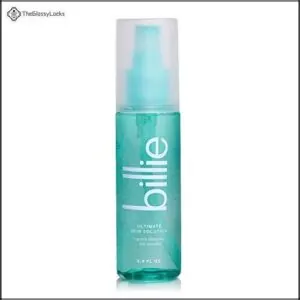
When you need to tackle razor bumps over a broad area — think inner thighs, legs, or bikini line — a spray format changes the game. This AHA + BHA spray combines glycolic acid with salicylic acid to dissolve dead skin cells and clear follicular blockages simultaneously, while aloe vera calms post-shave redness.
Apply it between shaves on clean, dry skin. Mild tingling is normal; avoid broken skin and don’t inhale closely.
| Best For | Anyone dealing with razor bumps, ingrown hairs, or rough skin texture across larger areas like the legs, inner thighs, or bikini line. |
|---|---|
| Active Ingredient | AHA/BHA (salicylic acid) |
| Format | All-over spray |
| Container Size | 3.4 fl oz |
| Application Area | Bikini line, underarms, legs |
| Fragrance | Not specified |
| Possible Side Effects | Mild burning sensation |
| Additional Features |
|
- Dual AHA BHA formula tackles ingrown hairs and unclogs pores at the same time
- Spray nozzle makes it easy to cover large or hard-to-reach areas quickly
- Aloe vera soothes post-shave redness while the acids get to work
- Can cause mild burning or tingling, especially right after shaving
- The aerosol mist shouldn’t be inhaled closely, so you need to be careful with application near the face or in small spaces
- Absorbs slowly and may leave a slightly sticky feeling on the skin
10. Thayers Alcohol Free Witch Hazel Toner
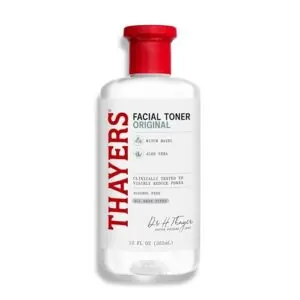
Witch hazel sits in a different lane from acid treatments — it’s a gentler option for days when your skin just needs to breathe. Thayers’ alcohol-free formula pairs witch hazel with aloe vera and glycerin to calm post-shave irritation without stripping your barrier.
It won’t replace a dedicated exfoliant, but as a daily toner or aftershave rinse, it keeps redness and oiliness in check while your skin recovers between treatments.
| Best For | Anyone with sensitive, acne-prone, or oily skin who wants a gentle daily toner or aftershave rinse that soothes without stripping. |
|---|---|
| Active Ingredient | Witch hazel |
| Format | Liquid toner |
| Container Size | 12 oz |
| Application Area | Face and body (aftershave) |
| Fragrance | Light natural fragrance |
| Possible Side Effects | Fragrance sensitivity |
| Additional Features |
|
- Alcohol-free formula with aloe vera and glycerin hydrates while calming irritation and redness
- Certified organic witch hazel from a single farm — vegan, cruelty-free, and dermatologist-tested
- Safe for daily use, including during pregnancy and for sensitive or reactive skin types
- Not a standalone moisturizer — dry skin types will need to follow up with a separate hydrator
- Light fragrance may be an issue for users who are highly sensitive to scents
- Packaging and label design can vary between shipments, which may be off-putting if you care about consistency
What Causes Ingrown Hairs
Ingrown hairs don’t just happen randomly — there are real, identifiable reasons your skin reacts the way it does after hair removal. Understanding what triggers them puts you in control, so you can make smarter choices before the next shave or wax. Here are the five most common causes worth knowing.
Shaving Too Closely
Shaving too closely leaves hair cut below the skin surface, giving it no clear path outward. As it regrows, it curls back into the follicle instead of rising straight up — triggering razor bumps and post-shave inflammation.
excessive blade pressure during close shaves can increase the risk of razor burn and micro‑cuts.
Common signs your technique is too aggressive:
- Burning or rawness right after shaving
- Small, acne-like bumps along the beard or bikini line
- Skin barrier trauma from repeated strokes
- Redness resembling a rash
- Tender, swollen follicles that won’t settle
Waxing and Plucking Irritation
Razors cut at the surface; waxing yanks hair from the root, stressing follicles and stripping skin cells.
| Method | Primary Stress | Result |
|---|---|---|
| Hot wax | Adhesive heat | Skin irritation |
| Strip wax | Traction pull | Micro-inflammation |
| Plucking | Root trauma | Follicle blockage |
That leaves skin raw and prone to post-wax infection risk. Apply a gentle ingrown hair treatment, and let micro-inflammation and itching fully subside.
Curly or Coarse Hair
Curly and coarse hair carries a structural disadvantage: the follicle itself is oval-shaped, so hair exits the skin at an angle rather than straight up. That mechanical springiness means a freshly cut strand can curl back and pierce the surrounding skin, triggering pseudofolliculitis barbae — inflamed bumps that signal a trapped hair beneath.
Dryness compounds the problem. Natural oils struggle to travel down a curved shaft, leaving the hair brittle and more prone to curling inward after any hair removal method.
Tight Clothing Friction
Curly hair’s tendency to curl back is only part of the story. What you wear afterward can make things much worse.
Tight clothing friction keeps fabric pressed directly against freshly irritated follicles. Seam placement over the inner thigh or bikini line concentrates pressure into small zones, while sweat increases moisture friction, softening your skin barrier and making abrasions more likely with every step.
- Leggings that grip during movement
- Waistbands pressing into shaved skin
- Rough seams over bend-prone areas
- Sweat-soaked fabric that stays in contact
- Heat trapped beneath tight panels
Dead Skin Buildup
Your skin renews itself on a roughly month-long cycle, but when shedding becomes uneven, dead cells pile up and mix with oil to form keratin plugs inside follicle openings. That congestion forces new hair to curl sideways rather than emerge cleanly. Dry skin worsens this — a weakened barrier makes shedding less uniform.
Regular chemical exfoliants like BHA or AHA clear the buildup before it traps hair.
Best At-Home Treatment Steps
Most ingrown hairs respond well to simple, consistent care you can do at home. Knowing the right steps — and the right order — makes a real difference in how quickly your skin clears up. Here’s what actually works.
Stop Shaving Temporarily
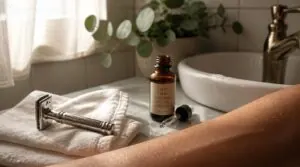
One of the simplest things you can do is put the razor down. Stopping shaving temporarily removes the mechanical irritation that keeps inflamed follicles aggravated, giving your skin barrier a real chance to recover.
Even a few days helps. Regrowth may feel rough at first, but that stubble discomfort fades as redness and tenderness ease — your signal that healing is underway.
Apply Warm Compresses

Holding a warm, moist washcloth against an ingrown hair bump for 10 to 15 minutes softens the skin and coaxes trapped hairs upward, calming follicle inflammation in the process.
Always test the temperature on your inner wrist first — it should feel comfortably warm, not hot. Around 40–45°C (104–113°F) is the safe range. A rice-filled sock, microwaved briefly, works well as a dry alternative.
Use Cold Compresses
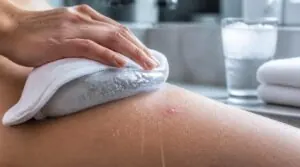
Cold works the opposite way warm does — it constricts blood vessels, cutting down swelling and dulling that raw, inflamed itch fast.
Always wrap your ice pack or gel pack in a thin cloth barrier before applying. Direct ice contact risks a cold burn. Keep sessions to 15–20 minutes, then let skin warm before reapplying. If you have Raynaud’s or poor circulation, skip cold compress therapy entirely.
Treat Redness and Itching
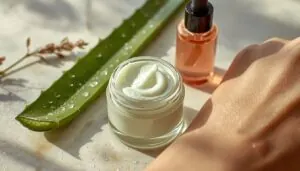
Redness and itch feed each other — scratch once, and the cycle starts.
A 1% hydrocortisone cream applied twice daily calms inflammation fast.
For itch relief without steroids, try pramoxine or colloidal oatmeal lotion to soothe irritated skin directly. Calamine lotion also quiets surface itching.
Witch hazel and aloe vera reduce redness gently between treatments.
Avoid Picking Bumps
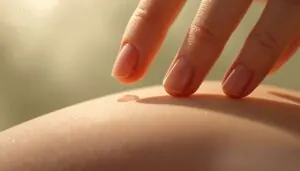
Picking feels satisfying — it never is. Every time you squeeze an ingrown bump, you break the skin barrier, giving bacteria a direct entry point and triggering a fresh inflammation cycle that keeps the area red far longer than if you’d left it alone.
Squeezing an ingrown bump breaks the skin barrier, inviting bacteria in and restarting the inflammation cycle all over again
That disruption can also cause lasting dark marks. Let the bump heal closed on its own.
Ingredients That Actually Help
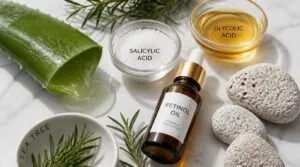
Not all skincare ingredients are created equal — especially concerning ingrown hairs. The right ones work by clearing blocked follicles, calming inflammation, or both, which makes choosing wisely a real difference-maker. Here are the ingredients most worth your attention.
Salicylic Acid
Few ingredients work as precisely on ingrown hairs as salicylic acid. As a BHA, it’s lipophilic — meaning it dissolves in oil — so it can actually penetrate deep into clogged follicles rather than just skimming the surface.
Once inside, its keratolytic action breaks down the dead-cell buildup, trapping the hair.
Look for 2% concentrations in leave-on serums for consistent results.
Glycolic Acid
Where salicylic acid works deep inside the follicle, glycolic acid targets the surface layer first. As an AHA chemical exfoliant, it has the smallest molecular size among its class, letting it penetrate more deeply than other acids.
- Breaks bonds between dead skin cells
- Speeds up cell turnover
- Clears pore debris and surface buildup
- Improves rough skin texture
- Boosts collagen production
That combination keeps follicles clear before hairs get trapped.
Lactic Acid
Glycolic acid gets the glory, but lactic acid brings something extra to the table.
As an AHA chemical exfoliant, it loosens dead skin cells that clog follicles — and its hygroscopic properties mean it draws moisture in while resurfacing, so your skin doesn’t feel stripped.
Its moderate pH around 3.86 makes it gentler than stronger acids, ideal for sensitive or reactive skin prone to ingrown bumps.
Niacinamide and Zinc
Where acids resurface, niacinamide and zinc calm what’s left behind.
Niacinamide (4–5%) strengthens the skin barrier by supporting ceramide synthesis and reducing transepidermal water loss — keeping irritated follicles hydrated rather than raw. It also dials down redness visibly.
Zinc PCA pairs well here, regulating sebum and offering anti-inflammatory support around active bumps, making both ingredients a reliable duo for bump reduction.
Hydrocortisone Cream
When a bump turns red, swollen, and relentlessly itchy, 1% hydrocortisone cream gives you fast relief.
This topical steroid works by narrowing local blood vessels, cutting inflammation at the source within hours.
Apply a thin layer once or twice daily for short-term localized swelling control — but don’t exceed four weeks, as prolonged use can thin the skin.
Prevent Ingrown Hairs While Shaving
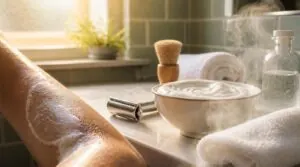
Shaving is one of the biggest culprits behind ingrown hairs, but a few small habit changes can make a real difference. The way you prep your skin, the tools you use, and how you treat skin afterward all factor into whether bumps form in the first place. Here’s what to do at each stage of your shaving routine.
Soften Skin First
Think of dry skin as a locked door — hair trying to emerge has nowhere to go. Spending 5–10 minutes under a warm shower before shaving softens both the hair shaft and the stratum corneum, reducing friction and the risk of follicular blockage.
A chemical exfoliant like 2% salicylic acid used beforehand dissolves keratin buildup and clears dead skin cells, giving new growth a clear path out.
Use Sharp Blades
A dull blade doesn’t just shave poorly — it tugs hair below the skin surface instead of cutting cleanly through it.
Replace blades every 3–5 shaves to maintain a sharp edge and rinse the razor frequently during each session to clear buildup.
Fewer passes means less friction on the follicle opening, which is exactly where ingrown hairs start.
Shave With The Grain
The direction you drag your razor matters more than most people realize. Run a finger across stubble — the smoothest direction is your grain. Shave with it, holding the blade at roughly a 30-degree angle with feather-light pressure.
For a smoother, more comfortable shave, try Derby straight razor blade packs for face shaving, made from Swedish steel with a chromium-ceramic, tungsten and platinum coating.
Three grain-direction habits that protect your follicles:
- Map your growth direction before the first stroke
- Use short, even passes without forcing the blade
- Let rich lather do the gliding, not your grip
Avoid Stretching Skin
Pulling skin taut feels instinctive — but it’s working against you. Stretched skin increases tension around follicles, raising your risk of razor bumps and post-shave irritation.
| Action | Stretched Skin | Relaxed Skin |
|---|---|---|
| Shaving | Higher bump risk | Cleaner, safer pass |
| Applying product | More redness | Less irritation |
| Cleansing | Added friction | Gentler contact |
Pat products on gently and keep the area relaxed throughout your routine.
Moisturize After Shaving
Shaving removes more than hair — it strips away the outermost skin cells, leaving the barrier temporarily exposed. Apply a fragrance-free moisturizer within minutes of patting dry.
Look for urea, jojoba, or shea butter to replenish what was lost. These ingredients lock in hydration without clogging follicles, reducing the dryness that makes ingrown hairs more likely to form.
When to See a Dermatologist
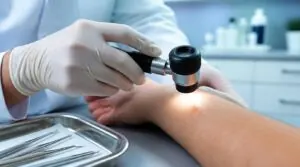
Most ingrown hairs clear up on their own with the right at-home care, but some situations genuinely call for a dermatologist’s input. Knowing when to make that call can save you from lasting damage like scarring or infection that’s harder to treat later. Here’s what to watch for.
Painful Swollen Bumps
When an ingrown hair bump grows larger, warmer and tender to the touch, that’s your skin signaling something beyond a routine irritation.
Inflamed follicles can escalate into boils — deep, pus‑filled infections caused by Staphylococcus aureus — or point toward hidradenitis suppurativa, a chronic condition causing painful nodules in skin folds.
Don’t wait; a dermatologist can prescribe anti‑inflammatory or antibiotic treatment before permanent scarring sets in.
Pus or Infection Signs
Pus is your clearest red flag. Look for thick, milky drainage that’s yellow, white, or green, often paired with a red streak spreading outward, fever, fatigue, or swollen lymph nodes.
- Pus color signals active bacterial infection
- Increasing pain beyond mild irritation
- Red streaking away from the bump
Bumps once mistaken for simple folliculitis can turn into something more serious—see a dermatologist promptly.
Frequent Recurring Ingrowns
Not every infection signal screams "emergency"—some just keep showing up, same spot, every few weeks. That pattern matters.
When one follicle keeps flaring, you’re often dealing with follicle pathway narrowing from repeated inflammation, plus localized keratin buildup clogging the exit. Daily friction makes it worse. A dermatologist can build targeted prevention strategies—often pairing salicylic acid with BHA AHA exfoliants—when home ingrown hair treatment alone isn’t breaking the cycle.
Dark Spots or Scarring
Recurring flares don’t just leave frustration behind — they leave marks. Post-inflammatory hyperpigmentation forms when melanin production spikes after follicle irritation, creating flat brown or gray-brown spots. UV exposure deepens them, so sunscreen isn’t optional.
Some bumps leave actual texture changes — atrophic pits from lost tissue, or raised hypertrophic scars from excess collagen. A dermatologist can distinguish discoloration from true scarring and recommend prescription retinoids or targeted brightening treatment.
Laser Hair Removal Options
Cutting hair removal short for good, laser hair removal works across hair growth cycles to weaken follicles long-term:
- Alexandrite (755nm) – lighter skin, dark hair
- Diode (810nm) – broad skin tones, deeper reach
- Nd:YAG (1064nm) – darker skin, safer depth
Device cooling mechanisms ease discomfort. Unlike IPL, lasers target follicle inflammation precisely—discuss skin tone safety during dermatologic consultation.
Frequently Asked Questions (FAQs)
Can ingrown hairs appear on the face?
Yes, ingrown hairs appear on the face regularly. After shaving, curly or coarse hair can curl back into the skin, triggering red, raised bumps — a condition called pseudofolliculitis barbae, or razor bumps.
Are ingrown hairs contagious or spreadable?
Ingrown hairs are not contagious. They develop from hair mechanics, not viruses or bacteria that spread person to person. If a bump becomes infected, the bacteria inside can transfer — but the ingrown hair itself won’t.
How long does an ingrown hair last?
How long is too long? Most uncomplicated cases resolve within 1–2 weeks. Infected or deep hair follicle inflammation — especially in high-friction zones like the pubic area — can push that healing timeline to 4–6 weeks.
Do ingrown hairs go away on their own?
Many ingrown hairs resolve on their own within a few days to two weeks, especially when shallow. Once the hair reaches the surface naturally, the bump settles and fades without treatment.
Can diet or hormones affect ingrown hairs?
Both can play a role. Hormonal imbalances — especially high androgens or insulin resistance — can thicken hair texture and increase skin oiliness, making follicles more prone to blockage after shaving.
Conclusion
Some people worry that treating ingrown hairs means adding a complicated routine. It doesn’t.
The right ingrown hair treatment recommendations come down to a few targeted steps—exfoliate consistently, shave smarter, and reach for proven ingredients like salicylic acid when a bump appears.
Your skin isn’t the problem; your method is. Change the method, and the bumps stop coming back. Small, deliberate habits repeated consistently will do more for your skin than any single product ever could.