This site is supported by our readers. We may earn a commission, at no cost to you, if you purchase through links.
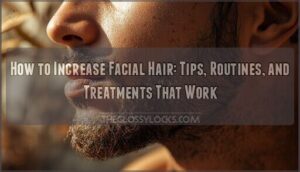
Thick beards catch eyes, but for many, that full growth never arrives on schedule. Blame genetics, hormones, even the day’s stress—all play a hand in how your facial hair comes in. Maybe your cheeks remain patchy despite your best efforts, or new strands fight their way through at a snail’s pace.
Understanding how to increase facial hair starts with decoding what shapes your beard’s potential. From the nutrients fueling every follicle to treatments that can nudge growth along, small shifts in daily habits—or advances in medicine—can help you shape the beard you want.
Table Of Contents
Key Takeaways
- Genetics, hormones, age, and certain medical conditions are the main forces that decide how and where your facial hair grows.
- Simple lifestyle choices—like eating nutrient-rich foods, exercising regularly, and getting good sleep—can help you grow healthier, fuller facial hair.
- Proper beard care, including washing, moisturizing, and gentle grooming, prevents damage and supports strong hair growth.
- Medical options like Minoxidil, microneedling, transplants, or hormone therapy are available, but it’s smart to see a dermatologist before trying advanced treatments.
What Determines Facial Hair Growth?
Facial hair growth doesn’t play by the same rules for everyone. Several key factors, from your genes to your everyday habits, set the pace and pattern. Let’s take a closer look at what truly shapes your beard journey.
Role of Genetics in Beard Development
When you look in the mirror and notice your beard’s thickness or patchiness, you’re really seeing the hand of genetics at work. Everything from gene variations and heritability rates to ethnic differences and growth timing is in play. Genetics set the blueprint—defining where your facial hair grows, how dense it gets, and how early it all starts.
The patterns for hair follicles are actually determined during embryonic development.
Impact of Hormones and Androgen Receptors
If genetics shaped your beard’s map, hormones and androgen receptors control the pace. Testosterone and especially DHT—2.5 times more potent at the follicle—work like keys, unlocking growth when receptor density and hormone balance align. Hormonal disorders or low levels can block this process, so even patchiness often traces back to what’s happening under your skin. The process is also influenced by androgen action on follicles.
- DHT boosts beard growth more than scalp hair growth.
- High receptor density means stronger follicular responses.
- Hormonal imbalance can change beard patterns.
Effects of Age and Ethnicity
Hormones aren’t the only piece of the puzzle—age and Ethnic Density shape your facial hair story just as strongly. Peak Growth often shows up between your mid-20s and 30s, slowing after 30 as androgen receptors respond less quickly. Follicular Anatomy and Hair Texture also vary across backgrounds, leading to differences you’ll see (and feel) every morning.
| Age Group | Typical Beard Changes |
|---|---|
| Teens | Patchy, wispy growth |
| 25–35 (Peak) | Densest facial hair |
| 40s–50s | Stable, minor thickening |
| 60+ | Coarser, more wiry texture |
Common Medical Conditions Affecting Growth
As years shape your beard’s texture, so can hidden medical forces. Maybe your follicles slow because of Androgen Deficiency, a Thyroid Disorder, or patchy gaps from Alopecia Barbae—an autoimmune condition attacking your hair roots.
Hirsutism and Hypertrichosis cause excess growth in some, while Follicle Damage leaves others with permanent hair loss. Medical treatments hinge on knowing what’s at work.
Natural Ways to Promote Facial Hair Growth

If you want your beard to look fuller and healthier, your daily choices matter more than you might think. There are a handful of simple habits that help set the stage for better facial hair growth.
Here’s what you’ll want to focus on next.
Optimizing Nutrition for Hair Health
Ever wonder why your beard won’t fill in, no matter what you try? The answer often hides on your plate. For stronger hair growth, zero in on these healthy habits:
- Prioritize high protein intake to build keratin and support testosterone
- Embrace fatty acids for thick, resilient strands
- Rethink your dietary patterns and balance calories to keep follicle growth on track
Essential Vitamins and Minerals for Growth
Picture beard growth as a team project inside your body—every vitamin counts. Vitamin D sparks new follicles, while biotin benefits cell growth for thicker whiskers. Zinc’s importance pops up anytime you see patchy growth, and iron deficiency is a sneaky culprit for shedding.
Round out your toolkit with antioxidant vitamins like C, A, and E to protect and energize follicles.
Benefits of Regular Exercise and Sleep
When you build healthy lifestyle habits—think steady exercise and quality sleep—you’re laying the groundwork for stronger facial hair. Regular workouts give your body a natural testosterone boost and increase blood circulation, delivering critical nutrients for follicle nourishment.
Meanwhile, clocking enough rest each night helps with hormone regulation. All together, these habits defend against hair loss and keep growth on track.
Managing Stress for Better Hair Growth
Stress can sneak up and shut down your progress—especially for facial hair. If cortisol climbs, hair growth stalls and nutrients stop flowing where they’re needed most. Want to give your beard the edge? Focus on:
- Daily stress reduction rituals
- Prioritizing sleep for hormone balance
- Nutrient-rich foods supporting regrowth
Less stress, more growth.
Effective Facial Hair Care Routines
Caring for facial hair takes more than just letting it grow. The right daily habits help you get the healthiest beard possible.
Here’s what to keep in mind as you build your routine.
Proper Washing and Conditioning Techniques

Think of your beard like a garden—you want good roots and healthy growth. Washing frequency matters: most find two to three washes a week keeps facial hair clean while preserving natural oils.
Use beard-specific shampoo, not harsh hair cleansers, for less irritation. Follow with conditioner to lock in moisture, prevent split ends, and keep your beard soft and manageable.
Using Beard Oils and Moisturizers

Want a softer, fuller beard? Beard oils—packed with essential oils, coconut oil, and other powerful oil ingredients—do more than tame stray hairs. They keep follicles healthy and skin hydrated, improving growth statistics over time.
When you moisturize daily with beard oils or a quality moisturizer, you’re nurturing your skin and supporting every hair’s strength from root to tip.
Brushing, Trimming, and Styling Tips

Once your beard is moisturized, daily brushing with a soft beard comb makes all the difference—just don’t overdo it, as too much brushing boosts shedding and split ends.
Trimming techniques matter, too: always trim dry using the right guard for your style preferences.
Routine grooming shapes your mustache or beard, helping maintain fullness and embracing current grooming trends.
Importance of Skin Care for Follicle Health

After brushing and trimming, your skin deserves attention too. Hydration matters—a healthy barrier keeps follicles thriving. Gently exfoliate to clear dead skin, making it easier for hair to sprout.
Moisturize daily to avoid dryness. Smart skin care protects against folliculitis and irritation, so always choose products that nourish, not harm.
Good habits, happy hair follicles, better growth.
Medical and Advanced Treatments for Beard Growth

Sometimes, growing a fuller beard calls for more than just patience and good habits. If you’re looking for stronger results, a few medical and sophisticated treatments may be worth considering.
Here’s what you can explore next.
Minoxidil (Rogaine) for Facial Hair
For many, Minoxidil (Rogaine) stands out among facial hair growth treatments, showing real promise with consistent use. Application protocols involve twice daily use on clean, dry skin, and measurable outcomes—often fuller or denser beard growth—can appear within 4–8 weeks.
Yet, treatment limitations and potential side effects of Rogaine, like skin irritation, are worth considering.
Microneedling and Dermarolling Methods
After using Minoxidil, some explore microneedling or a derma roller for more beard growth. These methods work by creating tiny skin channels to boost blood flow and growth factors—jump-starting follicle stimulation.
Research shows procedure variables like needle depth matter, and while clinical outcomes seem promising, adverse events from at-home use remind you to tread carefully. Research limitations do exist.
Hair Transplant Procedures Explained
Curious about how hair transplants boost facial hair? The FUE technique dominates in 2025, harvesting hair follicles for a natural look.
Graft survival rates stay high, but procedure costs can range from $4,000 to $16,000.
While patient demographics are widening, risks or complications remain low—especially when you work with an experienced dermatologist for hair loss and hair growth solutions.
Testosterone Therapy and Its Effects
When you start testosterone therapy, timing and dosage impact how soon you’ll notice new facial hair. Most people see thin hairs in the first few months, but full, lasting growth can take years. Genetic factors shape your results.
While boosting testosterone levels brings lasting changes, possible side effects—like acne or hair loss—mean it’s key to monitor therapy carefully.
Consulting a Dermatologist for Hair Loss
Ever wonder why some beard troubles just don’t quit, no matter what you try? That’s your cue to see a dermatologist. Through diagnosis methods like the pull test and medical history review, you’ll get to the root of hair loss.
From treatment options to prevention strategies, dermatological advice specific to facial hair pays off—despite consultation costs, real success stories start here.
Common Reasons for Poor Facial Hair Growth

Sometimes, facial hair just doesn’t grow the way you want it to. It can be frustrating, but you’re definitely not alone. Here are some common reasons why your beard might be stubborn.
Low Testosterone Levels
Think of testosterone as the main fuel for facial hair—without enough, growth is sluggish or patchy. As you age, testosterone levels drop, and so does facial hair density.
That’s the power behind “Testosterone’s Role” and “DHT Influence.” Even with normal hormones, genes can keep you growing sparse.
TRT Effects? Results vary, and new hair appears slowly.
Autoimmune Conditions Like Alopecia Barbae
Imagine losing chunks of your beard overnight—alopecia barbae, an autoimmune disorder, does just that. Your immune system targets hair follicles, stealing your whiskers and confidence. Stress triggers and genetic predisposition often lead the charge. While regrowth rates can feel uncertain, realistic hope comes from targeted treatments for alopecia areata barbae—like steroid injections—that show promising results for many men.
Alopecia barbae can make your beard vanish in patches, but focused treatments often spark new hope for regrowth
- Sudden, patchy hair loss
- Heightened emotional stress
- Hope in treatment efficacy
Scarring and Follicle Damage
Scar tissue isn’t just a scar—it can be a dead end for hair follicles. When scars replace healthy skin, follicle destruction often means no beard regrowth, even with time.
While hair transplants offer new hope for facial hair loss in these tough spots, prevention is best: gentle shaving and early care keep alopecia barbae and trauma from stealing future growth.
Potential Side Effects of Supplements and Treatments
Supplement reactions can sneak up—itchy rashes, upset stomach, or even lab test confusion. Minoxidil risks often include dryness and shedding early on, while testosterone can trigger acne or oily skin. Microneedling issues range from redness to mild bruising.
Long-term effects? Overusing supplements or prescription medications, especially those lacking FDA regulation, may cause headaches later. Caution keeps your progress safe.
Frequently Asked Questions (FAQs)
Can shaving make facial hair grow thicker?
Let’s unravel a classic shaving myth: does shaving really make facial hair grow thicker? Scientific evidence says no. Shaving only cuts hair at the surface, creating blunt ends that cause perceived thickness—but your hair follicles, growth rate, and density remain unchanged.
How long does facial hair take to fill in?
Facial hair growth timeline varies—most see fuller coverage between 2 to 4 months, though genetics and ethnic variations play big roles.
Hair stages, hormone levels, age, and lifestyle impact not just beard growth speed, but density and pattern.
Does smoking negatively affect beard growth?
Smoking slows beard growth by reducing blood flow to follicles and causing oxidative stress. Hormonal disruption and follicular damage lead to thinner, sparser hair. Over time, poor blood circulation and premature aging make healthy facial hair harder to maintain.
Are certain climates better for beard growth?
Funny how a cold snap hits just as your beard feels thin, right? Seasonal growth thrives under summer warmth, with more blood circulation and less dryness.
Humidity effects, temperature extremes, and latitude all shape how healthy that facial hair grows.
Can stress permanently stop facial hair growth?
Stress rarely leads to permanent loss of facial hair follicles, thanks to the body’s natural recovery. However, autoimmune triggers or scarring can cause lasting issues.
Effective stress management and therapeutic options often restore hair growth, reversing most damage.
Conclusion
Picture each beard as its own wild garden: some grow lush with little help, others need patient tending to thrive. While genetics set the stage, you have tools and choices to shape the outcome.
Learning how to increase facial hair involves understanding nutrition, care routines, and—if needed—medical options. Even if nature deals you a patchy start, consistent habits and science-backed steps can make a visible difference.
The journey is unique, but the possibilities are always yours to explore.