This site is supported by our readers. We may earn a commission, at no cost to you, if you purchase through links. This content is for general informational and educational purposes only and is not a substitute for professional medical, dermatological, or nutritional advice.

You step out of the pool, wrap yourself in a towel, and catch your reflection in the glass door. Your hair has a greenish tint that definitely wasn’t there this morning. Don’t panic—this happens to swimmers and color-treated hair all the time, and it’s fixable.
The green comes from oxidized copper in pool water or minerals binding to your hair shaft, not chlorine like most people think. Once you understand what’s causing that swampy hue, you can choose the right fix—whether that’s a clarifying shampoo, a DIY ketchup mask (yes, really), or a red-toned color corrector. The solution depends on your hair type, how severe the green is, and what caused it in the first place.
Table Of Contents
- Key Takeaways
- Causes of Green Hair and How It Happens
- Assessing Green Tones in Different Hair Types
- Shampoo Solutions to Neutralize Green Hair
- DIY Remedies to Remove Green Hair
- Preventing Green Hair in The Future
- Color Correction Techniques for Stubborn Green Tones
- Top 5 Products to Neutralize Green Hair
- Frequently Asked Questions (FAQs)
- What are the best products to use to neutralize green hair?
- Is there any way to prevent green hair from occurring?
- Does swimming cause green hair in all hair colors?
- Can green hair damage my hairs health?
- How long does green hair typically last?
- Does hair porosity affect green tone removal?
- Can I dye over green hair immediately?
- Will green hair return after one treatment?
- Conclusion
Key Takeaways
- Green hair comes from oxidized copper in pool water binding to your hair shaft, not chlorine, and the fix depends on your hair type and severity—clarifying shampoos strip surface buildup while red-toned products neutralize the green through color theory.
- Prevention beats damage control: wear a swim cap, rinse immediately after swimming, apply leave-in conditioner as a barrier, and consider a shower filter to remove minerals before they ever touch your hair.
- DIY remedies like ketchup masks, apple cider vinegar rinses, and crushed vitamin C tablets work by using red pigments or acids to break down copper deposits, but they won’t correct color as reliably as professional toners.
- High porosity hair (bleached or damaged) grabs and releases color faster than low porosity strands, which means your green removal strategy needs to match your hair’s absorption level or you’ll end up with uneven, unpredictable results.
Causes of Green Hair and How It Happens
So you’ve got green hair and you’re wondering how the heck this happened. Don’t worry—you’re not alone, and there’s actually a pretty solid science behind why your hair decided to go rogue.
If you’re already plotting your escape route, check out what color to dye over green hair to see which shades actually cover it without making things worse.
Let’s break down the most common culprits that turn your locks into an unintentional mermaid vibe.
Chlorine and Copper in Pool Water
Ever wonder why your hair goes green after a pool session? It’s not the chlorine acting alone—it’s oxidized copper lurking in that chlorinated water. When chlorine oxidizes copper from algaecides or plumbing (usually above 0.2-0.5 ppm), those metal ions latch onto your hair shaft and create that dreaded tint.
Green hair after swimming isn’t from chlorine alone—it’s oxidized copper from pool chemicals binding to your hair shaft
Here’s what’s happening in your pool water chemistry:
- Chlorine neutralization isn’t the answer—it actually activates copper, making swimming pool hair problems worse
- Metal sequestration products keep copper dissolved, stopping it from binding to your strands
- Copper removal through proper filtration addresses the root cause of green hair prevention
Hard Water and Mineral Buildup
If you’re dealing with hard water at home, you’re facing a sneakier culprit than chlorinated water. Hard water effects go beyond limescale on your kettle—calcium and magnesium create mineral buildup that amplifies copper buildup on your hair shaft.
That’s why scaling prevention matters: chelating shampoo or clarifying shampoo strips these deposited minerals through mineral removal, while water softening systems stop the problem before it starts.
Hair Dyeing Mistakes and Toner Issues
Switching gears from water issues, let’s talk about DIY disasters. Wrong Developer Ratios throw off your lift and can shift toward greenish hues—especially when you skip a strand test.
Toner Selection matters big time: using warm-toned formulas on cool dyes breeds brassiness, not Color Correction. Old toners lose their neutralizing punch, leaving Pigment Reactions unpredictable and your Color Neutralization game weak.
Sun Exposure and Environmental Factors
Beyond the pool, Mother Nature throws her own curveballs. UV damage from the relentless sun weakens your hair shaft, making mineral buildup stick harder and triggering seasonal color shift. Environmental pollutants—smog, hard water, chlorine spray from nearby pools—layer on your strands and react with light. Geographic variations matter too: coastal swimmers face different mineral challenges than landlocked folks, so your hair care after swimming needs a location-specific game plan.
- UV rays degrade follicles and accelerate oxidative stress on your scalp
- Heat exposure raises sebum production, mixing with minerals to alter dye reflects
- Airborne pollutants adhere to hair and shift pigments toward greenish hues
- Coastal water intensifies mineral deposits more than inland sources
- Summer months compound UV exposure, fast-tracking green tones in treated hair
Assessing Green Tones in Different Hair Types
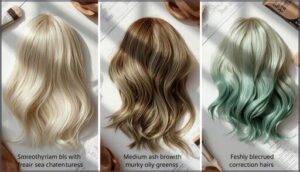
Not all green hair is created equal—what works for a platinum blonde won’t necessarily save your freshly bleached brunette situation.
The color, porosity, and processing history of your hair all play a role in how green shows up and how stubborn it’ll be to remove. Let’s break down what you’re actually dealing with so you can pick the right fix from the start.
Blonde Hair Turning Green
Your blonde hair turns green when copper from pool water latches onto hair proteins—think of it like metal staining your favorite white shirt. Chlorine accelerates this reaction, making that greenish tint even more noticeable on lighter strands.
The good news? Clarifying shampoo and color correction techniques can neutralize green hair fast, restoring your natural blonde brilliance. To further understand how to safeguard your hair, explore these essential hair protection strategies for swimmers.
Green Tones in Brown and Bleached Hair
Brown and bleached hair face different green hair challenges. Bleached strands grab copper deposits fast because they’re super porous—like a sponge soaking up minerals.
Brown hair usually shows green hair when you’ve skipped red fillers or used ash-toned dyes over brassy undertones. Hair pigment issues and toner applications gone wrong will leave you with that swampy vibe, but targeted hair color correction and mineral removal will neutralize green hair effectively.
Identifying Severity and Underlying Causes
Green Hair Assessment starts with spotting your color shift—is it a light sea-foam or deep emerald? Check whether your roots match your ends; uniform tones mean surface Mineral Buildup from Copper Damage, while uneven patches signal dye penetration.
Run a quick Porosity Testing (strand float test) to gauge absorption levels and plan your hair color correction and green hair removal strategy effectively.
Shampoo Solutions to Neutralize Green Hair

Shampoo can be your first line of defense when you’re dealing with green hair—no salon appointment required.
The right formula strips away buildup or deposits color-correcting pigments that cancel out those unwanted tones. Let’s break down which shampoos actually work and how to use them without drying out your hair.
Using Clarifying or Chelating Shampoos
Your best defense against stubborn green tones? Clarifying shampoo strips away chlorine and surface buildup, while chelating shampoos go deeper—using chelating agents like EDTA to grab copper and mineral deposits that cause that swampy hue.
Use them once or twice weekly, not daily, or you’ll dry out your hair.
Try Neutrogena AntiResidue Clarifying Shampoo or Malibu C Swimmers Wellness Hair Remedy for serious green hair removal. You can learn more about the key differences between shampoo types to make an informed choice for your hair needs.
Red Toning Shampoos for Green Neutralization
Here’s where color theory becomes your secret weapon: red toner sits opposite green on the color wheel, making red shampoo your go-to for green correction.
Products like Joico Color Infuse Red or John Frieda Radiant Red deposit warm pigments that cancel out cool green tones through hair pigmentation magic. Leave on for 3–5 minutes, rinse, and watch that swampy shade disappear!
How Often to Use and Aftercare Tips
Think of aftercare routines like brushing your teeth—consistency beats intensity every time. Here’s your frequency guidelines for hair maintenance after green neutralization:
- Use clarifying shampoo 1–2 times weekly to remove mineral buildup without stripping color
- Apply red toning shampoo twice per week when yellowing appears
- Deep condition every 7–10 days to restore moisture
- Always follow with color safe products to extend your results
DIY Remedies to Remove Green Hair
You don’t always need expensive salon products to tackle green hair—your kitchen probably has the solution. From pantry staples to medicine cabinet essentials, these DIY remedies work by balancing out those unwanted green tones naturally.
Let’s break down the most effective at-home treatments that actually get the job done.
Apple Cider Vinegar Rinses

Your kitchen cabinet holds a secret weapon against green hair—apple cider vinegar. Mix one part ACV with four parts water to restore your scalp’s pH to around 4.5, which helps strip away mineral buildup and chlorine residue.
After shampooing, massage this vinegar rinse through your hair, let it sit for two minutes, then rinse with cool water for enhanced shine.
Ketchup, Tomato Paste, or Tomato Juice Masks

Grab ketchup from your fridge—it sounds wild, but that red color directly counteracts green tones. Coat your hair like you’re applying a deep conditioner, cover with a shower cap, and wait 30-40 minutes before washing out. Tomato paste or tomato juice work the same way, using acid balance to break down stubborn mineral deposits.
- Ketchup benefits include immediate color correction without harsh chemicals
- Tomato paste adheres better for concentrated treatment on problem areas
- Juice masks spread easily but may require repeated applications
Lemon Juice, Baking Soda, and Club Soda Treatments

You can mix lemon juice with water for an acidic rinse that breaks down copper deposits, though you’ll want to dilute it well—straight citrus can dry your hair out fast.
Baking soda scrub acts as a gentle abrasive to lift surface buildup, and club soda rinse adds fizz that loosens oils. These natural neutralizers tackle causes of green hair without harsh chemicals, but they won’t correct color as reliably as targeted toners.
Vitamin C and Aspirin Methods

Crush vitamin C tablets into clarifying shampoo to create an oxidizing paste that dissolves semi-permanent green pigments—leave it on damp hair for 15 to 60 minutes depending on porosity. Aspirin dissolved in warm water combats chlorine’s alkalinity and helps break down copper buildup, though be mindful of vitamin interactions if combining both methods.
5 Ways Vitamin C and Aspirin Methods Reclaim Your Color Freedom:
- Crush 5–10 vitamin C tablets and mix with your clarifying shampoo for a powerful green neutralization paste
- Apply the mixture to damp hair, focusing on the greenest sections for targeted cellular uptake of oxidative agents
- Let it process for 15–60 minutes under a shower cap—the longer you wait, the more green pigments break down
- Dissolve 6–8 aspirin tablets in warm water and soak your hair to combat chlorine’s alkaline effects on color
- Follow with deep conditioning to restore moisture after these DIY hair remedies strip away unwanted tones
Preventing Green Hair in The Future
You’ve fought the green hair—now let’s make sure it never comes back. Prevention is way easier than damage control, and a few smart habits can keep your hair from turning into a science experiment again.
Here’s how to protect your color and sidestep the green hair trap for good.
Protective Measures for Swimmers
Ever wonder why green hair loves a pool party? Chlorine and metals sneak into every strand! You need Swim Cap Benefits—think of it as armor for your hair.
Pool Water Testing keeps those villains in check. Skin Protection Tips matter too: slather on leave-in conditioner, rinse off after swimming, and use Hair Shielding Methods for serious swimmers’ hair protection.
Shower Filters and Water Quality
With hard water lurking in your pipes, a shower head with built-in Water Purification is your secret weapon.
Filter Types like activated carbon tackle chlorine for swimmers’ hair protection, while KDF media takes care of Mineral Removal.
Ion exchange resins soften those sneaky minerals that mess with pH balance. Don’t wait—upgrade your shower now and stop green before it starts!
Proper Aftercare Post-Dyeing
Right after dyeing, your Post-Dye Routine makes or breaks Dye Longevity—so don’t skip the basics! Color Safe Products shield fragile strands while protecting your hard-won tone.
- Wash 2–3 times weekly with sulfate-free shampoo to lock in color
- Deep condition every 1–2 weeks to maintain Moisture Balance and Hair Porosity
- Apply heat protectant before styling to prevent cuticle damage
- Rinse after chlorine exposure to stop green from sneaking back in
Color Correction Techniques for Stubborn Green Tones

Sometimes the green tones in your hair just won’t budge, no matter how many clarifying shampoos you’ve thrown at them.
When you’re dealing with stubborn green that’s dug in deep, you need to bring out the big guns and use professional color correction techniques. Here’s how to tackle those persistent green tones and finally get your hair back to normal.
Applying Red-Based Dyes or Toners
When green just won’t budge, red dye application becomes your secret weapon. Choose a red hair dye at level 6 to 8—think LOreal Paris Colorista Red Hair Makeup—and apply it to clean, towel-dried hair.
Toner selection matters: opt for 6R or 7R shades with 20-volume developer. For porosity treatment, prepigment porous areas first. This color correction method neutralizes green while red shampoo maintains your fresh tone.
When to Avoid Purple and Blue Shampoos
Purple toner and blue toner won’t fix green hair—they’ll actually make things worse. Why? Because purple battles yellow, blue fights orange, but neither addresses green.
If your hair porosity is high from bleaching, you risk color damage and uneven patches from toner overuse. Product interactions with copper-based green tones create muddy results, plus scalp sensitivity can flare up. Skip these for actual hair toning strategies. For tailored guidance on timing based on your specific situation, how long to leave toner on brassy hair walks through variables like starting color and brassiness level that make all the difference.
Using Color Removers and Epsom Salt Baths
When regular shampoos fail, color remover types and Epsom salt baths give you the upper hand. These hair color correction methods target stubborn mineral buildup removal and unwanted dye molecules:
- Color removers use reducing agents to lift artificial pigment in 10 to 40 minutes
- Epsom salt soaks loosen copper deposits with magnesium sulfate
- Porosity matters—bleached hair absorbs faster, needs shorter timing
Deep condition after either treatment!
When to Seek Professional Help
If your DIY efforts keep falling short or your hair feels fried, it’s time for a salon consultation. Professional guidance protects you from further damage and delivers even results.
Here’s when a stylist should step in:
| Situation | Why You Need a Pro |
|---|---|
| Severe damage signs | Gummy, stretchy texture means compromised bonds |
| Multiple failed fixes | Guessing at hair color correction techniques worsens the problem |
| Dark, patchy green | Deep pigment needs targeted hair pigment correction |
| Upcoming event | Camera-ready color in one appointment |
| Scalp burning or rash | Medical-level hair emergency |
Stop layering methods to remove green hair at home—book that appointment!
Top 5 Products to Neutralize Green Hair
You’ve tried the DIY fixes and color correction techniques—now it’s time to bring in the big guns.
The right product can make all the difference when you’re battling stubborn green tones that just won’t quit. Here are five tried-and-true options that actually work to neutralize green hair and get you back to your natural (or chosen) color.
1. L’Oreal Paris Hair Dye
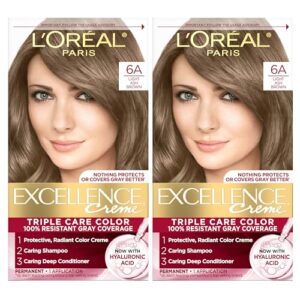
When green tones invade your hair, L’Oreal Paris Superior Creme comes to the rescue with its Pro-Keratin formula. This permanent dye offers 100% gray coverage while depositing rich pigments to counteract unwanted green.
The 6A Light Ash Brown shade works particularly well for neutralizing green because it includes cooler undertones that help balance out the discoloration. You’ll get a complete kit with colorant, developer, and conditioning care products—everything needed to reclaim your true hair color at home without the salon price tag.
| Best For | Anyone dealing with stubborn gray hair or unwanted green tones who wants salon-quality color at home with a formula that protects while it colors. |
|---|---|
| Hair Type | All hair types |
| Form | Creme |
| Size | 1.12 Pounds |
| Scent | Ammonia |
| Color Safe | Yes |
| Special Features | Gray coverage |
| Additional Features |
|
- Complete coverage of grays in one application, even the resistant ones that other dyes miss
- Comes with everything you need including after-care shampoo and conditioner to keep hair soft
- The ash brown shade neutralizes green tones while the Pro-Keratin complex prevents damage
- Strong ammonia smell during the coloring process that sticks around
- Can leave hair dry or brittle if you skip the deep conditioning step
- Not great for sensitive scalps and requires a strand test first to avoid reactions
2. Pureology Purple Shampoo For Blonde Hair
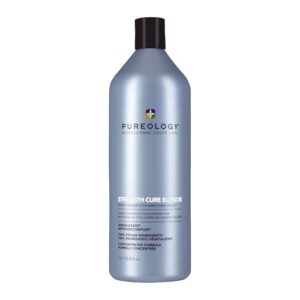
While L’Oreal delivers permanent pigment, sometimes you need a gentler approach—especially for blonde hair.
Pureology’s violet toning shampoo combats yellow-green brassiness without harsh chemicals. It uses Keravis plant protein and astaxanthin antioxidants to strengthen damaged strands while toning, making it sulfate-free and vegan-friendly.
Use it once or twice weekly to cancel out unwanted tones, but watch the timing—leaving it on too long can turn hair purple or blue instead of beautifully neutral.
| Best For | Blonde or lightened hair that needs gentle toning to neutralize yellow and orange brassiness while repairing damage. |
|---|---|
| Hair Type | Chemically-treated |
| Form | Liquid |
| Size | 33.8 Fl Oz |
| Scent | Orange |
| Color Safe | Yes |
| Special Features | Sulfate-free, vegan |
| Additional Features |
|
- Sulfate-free, paraben-free, and vegan formula is safe for color-treated and chemically damaged hair
- Contains strengthening ingredients like Keravis plant protein and astaxanthin antioxidants that repair split ends
- Effectively tones down unwanted warm tones without permanent pigment commitment
- Priced at $90, making it one of the more expensive purple shampoos on the market
- Can cause purple or blue discoloration if left on too long, requiring careful timing
- May stain skin and hands during application if not handled carefully
3. Joico Red Color Shampoo
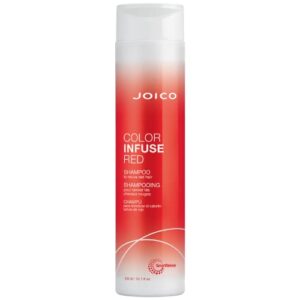
When purple shampoos miss the mark on green tones, you need the opposite side of the color wheel: red.
Joico Color Infuse Red Shampoo deposits warm pigments directly onto your hair shaft, counteracting green with copper and burgundy tones. Its Smart Release Technology keeps nourishing ingredients working between washes, strengthening strands while it tones.
Leave it on for 3-5 minutes before rinsing—don’t worry about daily use, though 1-3 times weekly maintains vibrancy without overdoing warmth. Just watch for staining on towels and skin!
| Best For | People with red, auburn, or warm brown hair struggling with unwanted green tones or fading color between salon visits. |
|---|---|
| Hair Type | All |
| Form | Liquid |
| Size | 10.1 Fl Oz |
| Scent | Citrus |
| Color Safe | Yes |
| Special Features | Keratin, shine boost |
| Additional Features |
|
- Deposits warm red pigments that neutralize green tones while boosting shine and vibrancy for up to 12 washes
- Smart Release Technology continuously nourishes hair with rosehip oil, green tea extract, and keratin between washes
- Strengthens strands and reduces breakage by over 2X while being gentle enough for 1-3 times weekly use
- Stains skin, towels, and bathroom surfaces easily if you’re not careful with rinsing and cleanup
- Contains sulfates that can strip freshly dyed hair if used too soon after coloring
- Not moisturizing enough on its own—you’ll need a good conditioner to keep hair from drying out
4. Avalon Organics Lemon Clarifying Shampoo
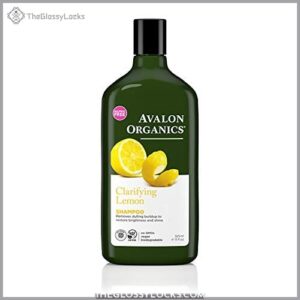
Sometimes your hair needs a hair reset before toning, and that’s where clarifying power comes in.
Avalon Organics Lemon Clarifying Shampoo strips away chlorine, mineral buildup, and product residue that trap green tones in your strands. Its lemon essential oil and quinoa protein formula works without sulfates, making it gentle enough for weekly use while still cutting through the gunk. Just lather, leave for 2-3 minutes, and rinse—follow with a deep conditioner since clarifying can temporarily dry things out!
| Best For | Anyone dealing with buildup, chlorine damage, or stubborn green tones who needs a deep clean without harsh sulfates. |
|---|---|
| Hair Type | Dry |
| Form | Liquid |
| Size | 11 Fluid Ounces |
| Scent | Lemon |
| Color Safe | Yes |
| Special Features | Paraben-free, recycled bottle |
| Additional Features |
|
- Removes chlorine, minerals, and product residue that trap green tones in hair
- Gentle sulfate-free formula with lemon oil and quinoa protein won’t strip hair like traditional clarifiers
- Clean ingredients that are EWG Verified, cruelty-free, and packaged in recycled materials
- Can be temporarily drying, so you’ll need to follow up with a good conditioner
- Doesn’t lather as much as sulfate shampoos, which might feel less satisfying
- Some users report inconsistent quality between batches and find the lemon scent too strong
5. Acure Clarifying Shampoo For Hair
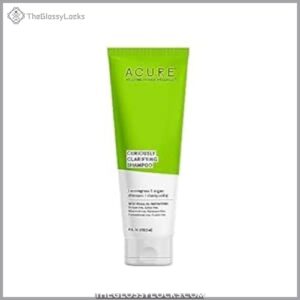
If your hair drinks up product buildup like a sponge, Acure’s lemongrass-infused clarifying shampoo cuts through the grime without stripping your color. This sulfate-free option uses argan oil to balance its deep-cleaning power, so you won’t end up with straw-dry strands after washing.
Use it once or twice weekly before applying your red toner—the clean slate helps pigment deposit evenly. Don’t worry about that strong lemongrass scent; it fades quickly and signals you’re genuinely purifying your scalp and removing those stubborn green-causing minerals!
| Best For | Anyone with product buildup, oily scalp, or color-treated hair who needs a deep clean without harsh sulfates—especially helpful before applying toners or treatments. |
|---|---|
| Hair Type | All |
| Form | Liquid |
| Size | 8 ounces |
| Scent | Lemongrass |
| Color Safe | Yes |
| Special Features | Sulfate-free, vegan |
| Additional Features |
|
- Removes buildup and excess oil while staying gentle on color-treated hair
- Sulfate-free formula with argan oil prevents the straw-dry feeling some clarifying shampoos cause
- Works for all hair types and helps create a clean base for better toner results
- Can dry out fine or thin hair if you use it more than once or twice a week
- Strong lemongrass scent isn’t everyone’s favorite
- Pricier than drugstore options and may leave some hair types feeling stripped without a good conditioner
Frequently Asked Questions (FAQs)
What are the best products to use to neutralize green hair?
Think of your green hair like a color wheel that’s gone rogue. Red-based toners, chelating shampoos, and clarifying formulas are your rescue squad—they neutralize those stubborn tones fast.
Is there any way to prevent green hair from occurring?
You can outsmart green hair before it even starts.
Protect your strands with a swim cap, rinse with fresh water before diving in, and use a leave-in conditioner as your shield.
Does swimming cause green hair in all hair colors?
Like a magnet to metal, copper in pool water clings most aggressively to blonde and bleached hair.
Brown and gray hair can still turn green, but lighter, porous strands show discoloration fastest.
Can green hair damage my hairs health?
Good news—the green tint itself won’t wreck your hair.
However, the copper and chlorine causing it can dry out your strands over time, especially if you’re not rinsing and conditioning properly.
How long does green hair typically last?
How long will that unwanted green stick around? Semi-permanent green dyes last roughly 4 to 6 weeks, while permanent versions stay vibrant for 4 to 8 weeks before noticeable fading kicks in.
Does hair porosity affect green tone removal?
Absolutely—porosity determines how fast your hair grabs and holds toning agents. High porosity strands soak up color quickly but release it sooner, while low porosity hair resists absorption entirely.
Can I dye over green hair immediately?
Don’t rush to dye over green hair. You risk muddy, unpredictable results because those underlying tones will clash with your new color.
A strand test reveals what’s really going to happen first.
Will green hair return after one treatment?
One corrective treatment can fade green tones temporarily, but they’ll likely reappear after your next swim or wash if mineral buildup persists.
Prevention and aftercare determine whether you’ll face that frustrating tint again.
Conclusion
An ounce of prevention is worth a pound of cure—but when green strikes, you’re not stuck with it. You’ve got clarifying shampoos, ketchup masks, red toners, and professional color correction in your arsenal.
Knowing how to neutralize green hair means you can jump into, experiment with color, and live boldly without fear of a swampy surprise. Protect your strands before swimming, rinse after pool sessions, and keep those reds on standby. Your hair, your rules.