This site is supported by our readers. We may earn a commission, at no cost to you, if you purchase through links. This content is for general informational and educational purposes only and is not a substitute for professional medical, dermatological, or nutritional advice.
That first patch of fuzz on your scalp can feel like a small miracle. Most patients notice fine, soft strands within two to four weeks of finishing treatment, and it’s often the first real sign your body is shifting back into recovery mode.
Growth won’t happen overnight, though. Follicles that spent months resting need time to cycle back into action, and factors like nutrition, scalp care, and even the specific chemo drugs you received all shape the pace.
Knowing how to regrow hair after chemo means understanding the timeline ahead and the steps that genuinely support your follicles along the way.
Table Of Contents
- Key Takeaways
- Yes—Hair Usually Regrows After Chemo
- Chemo Hair Regrowth Timeline
- How to Support Hair Regrowth After Chemo
- Gentle Care for New Post-Chemo Hair
- Treatments That May Help Chemo Hair Regrowth
- Frequently Asked Questions (FAQs)
- What is the fastest way to grow hair after chemo?
- What are the big 3 for hair regrowth?
- How did Princess Kate not lose her hair during chemo?
- What does hair look like when it grows back after chemo?
- What helps hair grow back faster after chemo?
- Can hair loss from chemo be reversed?
- What food is good for hair growth after chemo?
- How to remove chemo hair stubble?
- Can stress affect hair regrowth after chemotherapy?
- Are there specific hairstyles to avoid during regrowth?
- Conclusion
Key Takeaways
- Fine, soft regrowth typically appears within 2-4 weeks after chemo ends, with near-full coverage of 4-6 inches taking about 12 months.
- Regrowth pace depends on factors like nutrition, scalp inflammation, iron/zinc levels, and the specific chemo drugs used, so timelines vary between patients.
- Gentle care—sulfate-free shampoo, cool rinsing, avoiding heat styling, and delaying dye for six months—protects fragile new hair from damage.
- Treatments like topical or oral minoxidil, PRP, and laser therapy may speed regrowth, but always require oncologist approval before starting.
Yes—Hair Usually Regrows After Chemo

Losing your hair during chemo can feel like losing a part of yourself, but here’s the reassuring truth: for most people, it grows back. The timeline and texture can vary quite a bit from person to person. Here’s what actually shapes your regrowth journey, from typical patterns to signs worth flagging with your doctor.
Most people notice fine, fuzzy regrowth around the three-month mark, though it’s worth learning the signs of damaged hair follicles so you can tell normal slow regrowth apart from something that needs medical attention.
Losing your hair during chemo can feel like losing part of yourself, but for most people, it grows back
Typical Regrowth Expectations
Almost always, yes: hair follicle recovery begins once chemo stops disrupting the growth cycle. Expect fine, soft regrowth within 2-4 weeks, with texture, color, and density shifting unpredictably before settling.
- Softer, finer strands first
- Possible curl or wave changes
- Temporary color shifts
- Patchy, uneven coverage
- Gradual density buildup over months
Follicle cycling resets slowly, so patience matters most. Full restoration of scalp hair growth may take up to 12 months.
Slow Regrowth Causes
Not every scalp follows the same schedule. Telogen phase delays push follicles into prolonged rest, while follicle miniaturization produces thin, sparse strands. Nutrient delivery limits (low iron, zinc, or vitamin D) starve growing tissue. Scalp inflammation and medication-induced shedding add further disruption.
Each factor can extend hair thinning after cancer treatment, so recovery timelines genuinely vary between patients.
Temporary Vs Lasting Loss
Temporary hair loss usually resolves on its own, since chemo affects the follicle’s activity, not its structure.
Lasting loss happens when injury reaches the stem-cell region, causing scarring.
Watch for regrowth timing clues: early fuzz signals recovery, while no growth within the expected window raises concern about permanent loss indicators.
Texture change patterns—finer, curlier strands—are normal and don’t mean damage.
Chemo Drugs and Hair Loss
Anthracyclines (like doxorubicin) and taxanes often cause rapid, extensive shedding, since they target fast-dividing follicle matrix cells during the anagen phase. Alkylating agents carry similar risk.
Not everyone loses all their hair, though—drug type, dose, and schedule shape the outcome, and your own risk factors matter too. Chemotherapy-induced alopecia isn’t one-size-fits-all.
When to Ask Your Doctor
How do you know if regrowth needs a professional look? Worsening side effects, new rashes, or scalp pain warrant a call.
- Symptoms getting progressively worse, not staying the same
- Starting any new medication or over-the-counter product
- Unclear or delayed test results
- Signs of scalp infection or irritation
Don’t guess—medical counseling for hair loss clarifies your specific regrowth timeline and expectations.
Pairing that guidance with professional hair treatments you can do at home helps you support regrowth between appointments without overcomplicating your routine.
Chemo Hair Regrowth Timeline
Regrowth doesn’t happen overnight, but it does follow a fairly predictable path. Knowing what to expect at each stage can ease the wait and help you spot normal progress versus a reason to call your doctor. Here’s how your timeline usually unfolds, month by month.
First Soft Fuzz

That peach fuzz on your scalp isn’t a fluke, it’s vellus hair, fine and unpigmented. Expect thin fuzzy hair in patchy regrowth patterns, not even coverage.
| Feature | What to Expect |
|---|---|
| Texture | Soft, downy |
| Diameter | Very fine |
| Color | Lighter, unpigmented |
| Pattern | Patchy |
| Fate | Turning into terminal hair |
This stage signals your hair regrowth timeline has begun.
One to Three Months
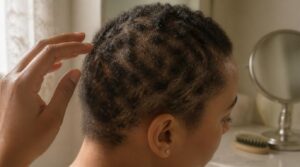
By week six or eight, that fuzz starts thickening into something you’d actually call hair growth after chemo. Texture changes fast here—soft strands turn coarser, sometimes curlier than before.
Patchy regrowth is still normal, so don’t panic over uneven spots. Your scalp may stay sensitive; skip harsh brushing.
Track progress weekly with photos, same lighting, same angle. Decreasing shedding signals follicles shifting into active growth.
Three to Six Months

This is where things get exciting. By month three, you’re likely working with 1 to 2 inches of growth—enough for a pixie cut. By six months, expect 2–3 inches.
- Density improves steadily
- Curl patterns often persist
- Gray or white shades may surface
- Growth averages 0.5 inch monthly
- Short hairstyles become realistic options
Hair regrowth medications like minoxidil can support this phase—ask your oncologist first.
One Year and Beyond

By twelve months, most people reach near-full coverage, with 4–6 inches of length. Follicle stabilization continues though, so texture changes and thickness gains can still occur into year two.
Genetic factors influence your final result. About 15% experience persistent thinning past a year—if that’s you, ask your oncologist about hair regrowth medications or further evaluation.
Eyebrows and Eyelashes

Losing brows and lashes—called madarosis—often feels more visible than scalp loss, since they frame your eyes and shield them from dust, sweat, and light.
Regrowth usually starts within weeks, though timing varies by follicle depth (lashes root just 2mm into skin). Expect brow direction and moisture-channeling function to return gradually.
This hair loss is usually temporary, mirroring your overall hair regrowth timeline.
How to Support Hair Regrowth After Chemo

Regrowth isn’t just something that happens to you—it’s something you can actively support. Your daily habits, from what’s on your plate to how well you sleep, play a real role in how your follicles rebuild. Here’s what to focus on.
Gentle Scalp Cleansing
Washing new growth calls for restraint, not routine. Surfactant selection matters most: choose a sulfate-free shampoo with mild cleansers instead of harsh detergents.
Use fingertips for scalp massage technique, light circles, never nails. Rinse with lukewarm water; cool water at the end curbs irritation.
Prevent residue buildup through thorough rinsing, and match cleansing frequency to comfort, not habit.
Protein for Keratin
Clean scalp care sets the stage, but regrowth still runs on protein. Keratin is built from amino acids, especially sulfur amino acids like cystine, which form keratin disulfide bonds that give hair its strength. Some of these are essential amino acids, meaning your diet must supply them. A nutrient-dense diet with complete protein sources gives follicles the raw material for durable, resilient strands.
Iron and Zinc Checks
Protein alone can’t rebuild follicles if you’re low on key minerals. Serum ferritin shows your iron stores, while plasma zinc gives a partial picture, since zinc homeostasis is tightly controlled. Ask your doctor about testing both, especially if regrowth feels slow.
High-dose iron can lower zinc, and vice versa, so mineral absorption interactions matter—supplement only with medical guidance and monitoring.
Omega-3 Rich Foods
Fatty fish deserves a spot on your plate. Salmon delivers about 4.5 g of EPA and DHA per 3-ounce serving, directly supporting scalp cell membranes.
Plant-based? Try these:
- Chia seeds (~5 g ALA/oz)
- Ground flaxseed
- Walnuts (~3.3 g ALA/cup)
- Mackerel
- Sardines
This nutrient-dense mix rounds out your micronutrient support for regrowth.
Sleep and Stress Support
While it’s tempting to focus only on shampoo and supplements, cortisol regulation matters too—chronic stress disrupts your hair cycle. Poor sleep worsens stress; stress worsens sleep. Break the cycle with consistent bedtime routines: deep breathing, guided imagery, or light stretching.
| Habit | Why It Helps | Try This |
|---|---|---|
| Sleep consistency | Regulates cortisol | Same bedtime nightly |
| Relaxation techniques | Eases anxiety | 10-min meditation |
| Stress management | Protects follicles | Journaling |
Gentle Care for New Post-Chemo Hair

Your new hair is fragile, more like a newborn’s than what you had before. Small daily habits make a real difference in how it grows back. Here’s what gentle care actually looks like.
Sulfate-Free Shampoos
Sulfate-free shampoo is worth switching to as new strands emerge. SLS and SLES strip natural oils your scalp needs, especially after chemo.
Look for gentle surfactant alternatives like cocamidopropyl betaine or sodium cocoyl isethionate, plus moisture-retaining additives such as panthenol and glycerin.
Expect a different lather pattern—less foam doesn’t mean less clean.
This swap helps with sensitive scalp compatibility and steadier hair regrowth during your post-chemotherapy care routine.
Cool Rinsing and Drying
Rinsing with lukewarm or cool water clears residue without stripping fragile new growth. Cooler temperatures ease scalp tightness and calm irritation at the surface.
Pat—don’t rub—with a clean microfiber towel, squeezing gently to limit breakage. Dry promptly afterward; lingering dampness invites itch and odor. This differs from scalp cooling systems like DigniCap, which target hair loss prevention during infusion, not post-wash care.
Avoid Heat Styling
Blow dryers and flat irons put fragile new hair at real risk. Steam forms when heat hits dampness, so always dry fully first.
- Skip heat when possible
- Use lowest effective temperature
- Limit tool contact time
- Apply heat protectant spray
- Air-dry or finger-style instead
Thermal styling damage compounds shedding already tied to hair texture change during regrowth.
Delay Dye and Bleach
New hair after chemo is still forming its structure, so skip color and bleach entirely for at least six months. Bleach can widen the cuticle and weaken keratin bonds already under repair.
If you’re dying for color, wait for a demi-permanent option later—it’s lower damage than permanent dye or bleach. Ask your dermatologist before any chemical treatment.
Protect Scalp From Sun
Bald or thinning scalp skin sunburns fast—there’s little hair to block UV. Choose wide-brimmed hats for scalp, neck, and face coverage, and reapply broad-spectrum sunscreen (SPF 30) every two hours outdoors, more often if sweating.
Avoid peak UV hours, 10 AM to 2 PM, when possible. Even cloudy days call for protection—this simple habit belongs in your regular scalp care routine.
Treatments That May Help Chemo Hair Regrowth

Patience helps, but you don’t have to wait it out with your hands tied. Several treatments can support your follicles as they wake back up, from topical options to newer procedures. Here’s what’s worth knowing before you talk to your doctor.
Minoxidil After Chemo
When regrowth feels slower than you’d like, topical minoxidil often becomes the first option your dermatologist suggests.
- Available in 2% or 5% strength
- Apply once or twice daily to a dry scalp
- Expect possible shedding before thicker growth
- Watch for scalp irritation or redness
Consistency drives results—missed applications weaken the signal to follicles. Oral minoxidil exists too, but needs cardiovascular monitoring first.
Scalp Cooling Systems
Some patients choose prevention over regrowth—that’s where scalp cooling therapy comes in, worn during infusions rather than after.
The DigniCap Cooling System circulates chilled coolant through a snug cap, pulling heat from the scalp while sensors track temperature continuously. This coldcap efficacy translates to roughly 50% less hair loss. Proper cap contact matters most; a loose fit lets warm air in, undermining the whole cooling effect.
Low-Dose Oral Minoxidil
Swallowing a pill beats massaging in foam for many post-chemo patients, which is why oral minoxidil is gaining ground.
Doses run 0.25 mg to 5 mg daily, titrated up based on results and tolerance.
- Hypertrichosis — unwanted hair growth, seen in 15-20% of users
- Fluid retention — swelling, occurring in up to 10%
- Cardiovascular symptoms — dizziness, palpitations, monitored closely
Your doctor grips dosing carefully, especially after docetaxel-related regrowth struggles.
PRP and Laser Therapy
Beyond pills and foam, some clinics offer platelet-rich plasma (PRP) injections—your own blood, spun to concentrate platelets, then injected in small points across thinning areas.
Photobiomodulation (low-level laser caps) adds red or near-infrared light, often paired with PRP in combined protocols.
Home devices offer convenience; clinic lasers offer controlled dosing. Both need repeated sessions—evidence remains preliminary, so treat these as adjuncts, not guarantees.
Oncologist Approval First
Before starting anything on this list, loop in your oncologist. Medical clearance protects against medication interaction risks with your active chemotherapy regimen.
Your doctor screens for scalp health issues, confirms safe treatment timing, and coordinates with your dermatology team. Post-chemotherapy hair recovery shouldn’t derail cancer treatment—getting the sequence right, with real specialist communication, keeps oncology treatment side effects from complicating your hair regrowth treatment plan.
Frequently Asked Questions (FAQs)
What is the fastest way to grow hair after chemo?
No single trick works alone.
Clinician-approved topical minoxidil, proper protein intake for keratin production, and gentle follicle stimulation together speed things along fastest—always paired with patience, since regrowth follows its own biological timeline regardless of effort.
What are the big 3 for hair regrowth?
One patient combined all three and saw fuzz by week five: minoxidil, ketoconazole shampoo, and gentle scalp care. These support postchemotherapy recovery through consistent application, reduced inflammation, and protection—paired with protein-rich nutrition for keratin synthesis and steady growth.
How did Princess Kate not lose her hair during chemo?
Kate said she skipped scalp cooling entirely—her "preventative" regimen likely caused less severe follicle damage.
Regimen variability and individual biology matter, too; some drugs cause thinning, not total loss, letting styling coverage maintain her fuller, camera-ready look.
What does hair look like when it grows back after chemo?
Funny enough, it rarely comes back looking the same. Expect fine, colorless vellus hair first, often patchy, followed by thicker growth with possible chemo curls, shifting color, and gradually filling brows and lashes.
What helps hair grow back faster after chemo?
Good nutrition, gentle scalp care, and adequate sleep speed follicle recovery. Protein helps with keratin production, while iron and zinc correct deficiencies that stall regrowth.
Post-chemo, minoxidil can shorten the timeline—always with oncologist approval before starting anything new.
Can hair loss from chemo be reversed?
Yes, in most cases. Follicle recovery mechanisms resume once chemo ends, restarting normal growth cycles.
Chemotherapy-induced alopecia is usually temporary, though texture change variations and thinner density sometimes occur. Permanent alopecia risks remain low, mostly tied to specific drug-specific hair loss patterns like docetaxel.
What food is good for hair growth after chemo?
Load up on lean protein, eggs, and beans for amino acid intake, plus iron-rich meat with vitamin C for absorption hacks.
Add zinc-rich snacks like pumpkin seeds, salmon for omega-3 scalp benefits, and skip biotin unless deficient.
How to remove chemo hair stubble?
Electric clippers with a longer guard work best on fragile stubble; moisten the scalp first.
Wet shaving offers a closer finish—use sensitive-skin gel, one direction only. Skip shaving if tender; try gentle wiping or lint rollers instead, then moisturize and protect with sunscreen.
Can stress affect hair regrowth after chemotherapy?
Think of stress as a storm cloud over a garden: it can raise cortisol, disrupt the hair growth cycle, and fuel inflammation. This slows nutrient absorption and recovery, so calmer days and better sleep genuinely help regrowth flourish.
Are there specific hairstyles to avoid during regrowth?
Tight braids, buns, and extensions raise traction alopecia risk by pulling on fragile follicles. Skip aggressive detangling and high-heat styling, too. Loose styles protect regrowth best, avoiding chemical processing until strands regain strength and thickness.
If shedding follows a recent illness or major stressor rather than styling habits, understanding what disrupts the hair growth cycle can help you set realistic expectations for regrowth.
Conclusion
Regrowth moves like spring after a long winter—quiet, slow, then suddenly everywhere. Learning how to regrow hair after chemo means trusting that rhythm instead of rushing it.
Your follicles are rebuilding on their own schedule, not yours. Feed them well, handle new strands gently, and loop your oncologist in before adding treatments.
Give it patience and consistency, and that first soft fuzz will grow into something that feels entirely, unmistakably like you again.