This site is supported by our readers. We may earn a commission, at no cost to you, if you purchase through links. This content is for general informational and educational purposes only and is not a substitute for professional medical, dermatological, or nutritional advice.
Your beard traps more than compliments. Sebaceous glands under facial hair work overtime, pumping out sebum that mixes with sweat, dead skin, and whatever product you applied that morning. Add friction from a collar rubbing all day, and you’ve got a breeding ground for breakouts hiding beneath the hair.
Most guys blame a new razor or a bad shave. Often the real culprit sits closer to home: a dirty pillowcase, a comb that hasn’t seen alcohol in months, or a cleanser that’s quietly clogging pores.
The fix doesn’t require a dermatology degree, just the right habits. Natural remedies for beard acne, paired with smarter hygiene, can calm your skin without harsh chemicals or a trip to the pharmacy.
Table Of Contents
- Key Takeaways
- What Causes Acne Under Your Beard?
- Beard Hygiene Routine for Acne-Prone Skin
- Natural Remedies for Beard Acne
- Diet and Lifestyle for Clearer Beard Skin
- Preventing Beard Acne and Seeking Treatment
- Frequently Asked Questions (FAQs)
- How to get rid of acne on a beard?
- How do you get rid of beard pimples?
- Does Beard oil cause acne?
- What causes beard acne?
- How do you get rid of beard acne naturally?
- What causes pimples on the beards?
- How to get rid of facial hair with acne?
- What is the best medicine for beard acne?
- How does stress affect beard acne?
- Are hormonal changes linked to beard acne?
- Conclusion
Key Takeaways
- Beard acne mostly comes from trapped sebum, sweat, and bacteria, so dirty pillowcases, combs, and razors are often bigger culprits than a new blade or bad shave.
- A consistent routine—gentle twice-daily cleansing, weekly exfoliation, and sanitized tools—does more to clear your skin than any single product ever will.
- Natural options like diluted tea tree oil, aloe vera, raw honey, and green tea compresses can calm breakouts, but give them two to three months before expecting real results.
- Diet, hydration, and sleep quietly shape your skin too, so cutting high-glycemic foods, eating zinc-rich meals, and getting 7-9 hours of sleep all support clearer skin from the inside out.
What Causes Acne Under Your Beard?
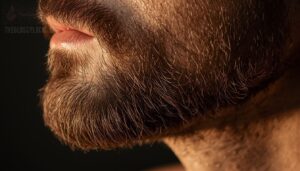
Your beard traps more than just crumbs from lunch. Underneath all that hair, your skin grips oil, moisture, and bacteria in ways clean-shaven faces never do. Here’s what’s actually going on beneath the surface.
That trapped buildup can inflame hair follicles into stubborn breakouts, which is why so many guys turn to beard oil for acne-prone skin to keep things balanced.
Excess Sebum and Clogged Pores
Since sebaceous glands sit right under that facial hair, they’re working overtime, pumping out sebum that traps dead skin cells before they can shed properly.
Mix that with a comedogenic product, and pores clog fast:
- Enlarged pores from oil buildup
- Disrupted skin pH feeding bacteria
- Sebum plugs forming blackheads
- Oily skin trapping daily debris
When a follicle becomes fully blocked, it can develop into a whitehead, while a partially blocked follicle plug oxidizes and darkens into a blackhead. Proper beard hygiene and oil regulation methods keep clogged pore treatment simple, not surgical.
Sweat, Friction, and Product Buildup
Sweat under a beard isn’t just uncomfortable, it’s fuel. Moisture creates a humid pocket where bacteria thrive, while skin friction rises 2 to 5 times during activity, dragging product residue across pores. Combing while damp spreads that film further.
Rinse sweat promptly, wipe residue from tools, and let your beard dry fully to keep buildup in check.
Ingrown Hairs and Razor Bumps
Once the film settles in, the next enemy is your razor. Shave against the grain or drag a dull blade too close, and hairs curl back into skin instead of growing out, that’s a razor bump in the making.
Prevention beats treatment: shave with direction, sharp blades, and minimal strokes. If a bump forms anyway, warm compresses for 10-15 minutes plus gentle exfoliation and beard combing help trapped hairs release before they scar.
Bacterial Versus Fungal Folliculitis
Razor bumps heal, but that itchy, pustule-studded rash under your jawline? That’s likely folliculitis, and it comes in two flavors.
Bacterial infection (usually Staph) causes painful, inflamed papules.
Fungal infection, often Malassezia, brings relentless itching that mimics bacteria, fooling many.
Since they look alike, skin swabs confirm the culprit.
Guessing wrong means antibiotics that won’t touch a yeast problem.
Poor Beard and Tool Hygiene
Rarely do men think about what’s living on their comb. Salon tools test between 1.8 and 3.7 million CFU per swab, and Staph aureus alone makes up nearly 28% of it.
Beyond cleaning, mastering proper straight razor angle technique reduces nicks that let bacteria slip past your skin’s natural barrier.
Cross-contamination happens fast, sharing a trimmer for one minute can transfer pathogens. Skip sterilized tools and proper beard hygiene, and you’re reinoculating your face daily with the same bacteria you’re trying to clear.
Beard Hygiene Routine for Acne-Prone Skin
Your skin under there isn’t just hiding—it’s working overtime, trapping oil, sweat, and bacteria in a space you can’t always see. Fixing that takes more than a quick rinse and a comb-through. Here’s the routine that actually keeps acne-prone beard skin clear.
Gentle Twice-Daily Beard Cleansing
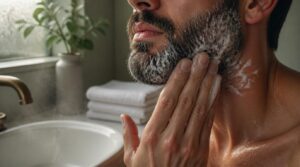
Twice daily washing with a gentle noncomedogenic cleanser keeps sebaceous glands from clogging pores. Use a nickel-sized amount, work it into skin and roots with lukewarm water, never hot.
Rinse thoroughly, 15 to 30 seconds until water runs clear. Pat dry, don’t rub, and airdry linens to cut microbial buildup between washes.
Exfoliating Without Irritating Skin
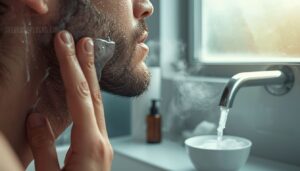
Since dead skin cells trap oil beneath facial hair, twice-weekly exfoliation with salicylic acid clears buildup without stripping your skin barrier.
- Apply gently in small circular motions for 30 seconds
- Rinse with lukewarm water, never hot
- Follow with moisturizer plus SPF
Patch test new products first. Overdoing it backfires, so let redness guide your frequency.
Cleaning Combs, Razors, and Trimmers
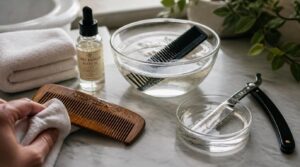
Your grooming tools touch your skin daily, so dirty ones mean constant reinfection.
Scrub wood combs with a damp cloth and mild soap, never soak them. Soak plastic combs 3-5 minutes, then brush debris loose. Rinse razors under hot water, dip blades in 70% isopropyl alcohol for 30 seconds, then oil and air-dry. Store everything clean and dry to stop cross-contamination.
Washing Pillowcases and Towels

Sleeping face-down in bacteria you scrubbed off yesterday ruins the purpose. Swap pillowcases every two to three days, using hot water washing to cut microbial load.
Rotate towels after roughly three uses, not weekly. Skip fabric softener, it coats fibers with residue that clogs pores. Choose gentle wash cycles and let a second rinse clear leftover soap before it touches your beard again.
If you’re unsure how often to swap out your towel, this guide on how often to wash your hair towel explains why a dirty one can worsen flaking and itch.
Choosing Non-Comedogenic Grooming Products

Non-comedogenic" on a label means little until you check the ingredients yourself. Scan for a comedogenic rating of 2 or lower, and favor noncomedogenic oils like jojoba or argan in your beard oil, shampoo, shampoo, and conditioner. Watch for added fragrance too, it’s a common irritant. Formulation matters as much as the active ingredient, so read labels, don’t just trust the packaging.
Natural Remedies for Beard Acne

Once your hygiene routine is locked in, natural remedies can speed up the healing process even further. Your kitchen and medicine cabinet likely already hold a few acne-fighting allies. Here are five worth adding to your rotation.
Diluted Tea Tree Oil
Diluted tea tree oil earns its reputation honestly: at a 5% dilution, it rivals benzoyl peroxide for clearing lesions, with fewer side effects. Mix one part oil to 19 parts jojoba or grapeseed carrier oil.
Apply 3-4 times weekly to clean skin, patch-testing your forearm first. Expect visible improvement within 2-3 months. Never use it undiluted.
Pure Aloe Vera Gel
If tea tree oil feels too intense for daily use, aloe vera gel is your gentler follow-up. It’s 99.5% water, so it hydrates without clogging pores, while glucomannan calms redness and helps skin barrier protection.
Apply pure gel twice daily after cleansing. Its mildly acidic pH (around 4.5) suits sensitive, irritated beard skin without disrupting proper beard hygiene.
Raw Honey Masks
Aloe calms things down. Honey goes further, pulling double duty as a natural antimicrobial that helps clear bacteria while soothing irritated follicles.
Pick raw, unfiltered honey since processing strips the enzymes doing the real work. Patch test on your forearm first, then spread a thin layer over clean beard skin for 10 to 20 minutes before rinsing with warm water.
Moisturize after. Your skin barrier just worked hard and deserves the follow-up.
Green Tea Skin Compresses
Your morning brew doubles as skincare. Green tea’s catechins, especially EGCG, fight inflammation and target C. acnes bacteria.
- Cool brewed tea fully
- Cleanse beard gently first
- Apply with clean cloth
- Pat dry, don’t rub
Hold the compress several minutes. Skip concentrated extracts, mild brewed tea only.
Witch Hazel and Vinegar Cautions
Since astringents can backfire, treat witch hazel and apple cider vinegar with respect. Always dilute, patch test first, and moisturize after. Watch for irritation signs like burning or redness.
| Remedy | Prep | Watch For |
|---|---|---|
| Witch hazel | Cotton pad, gentle wipe | Dryness |
| ACV | Dilute before applying | Stinging |
| Both | Patch test 24hrs | No improvement in 7 days |
Diet and Lifestyle for Clearer Beard Skin

Your skin doesn’t stop at your beard line—what you eat and how you live show up there too. Topical treatments only go so far if your daily habits keep feeding the problem. Here’s what actually moves the needle from the inside out.
Choose Low-Glycemic Foods
What you eat under that beard shows up on your skin. Your glycemic index ranks carbs by blood sugar impact, low GI (1-55) means slow digestion and steadier sugar levels. Choose peppers, apples, and chickpeas over processed foods, sugary drinks, and dairy products.
High-glycemic eating spikes acne risk by 58%. Stay hydrated too, it helps skin health directly.
Eat Zinc-Rich Foods
Minerals matter more than most men realize for breakouts. Zinc helps immune defense and cell repair, both key for clearing beard acne.
Zinc-rich foods include:
- Oysters (24mg per serving)
- Beef and shrimp
- Pumpkin seeds
- Legumes and nuts
Aim for 11mg daily. Pair with vitamin C for better absorption. Deficiency shows up as slow healing or persistent flare-ups.
Stay Hydrated and Limit Alcohol
Your skin is mostly water, so treat it that way. Dehydration darkens urine and dries skin, worsening irritation under your beard.
Aim for pale yellow urine as your daily check. Water intake helps circulation and repair; alcohol consumption speeds fluid loss, undercutting your skin hydration efforts.
Cut back on drinks, dilute sugary ones, and hydrate consistently. Small habits, real payoff.
Prioritize Sleep and Skin Repair
Your beard doesn’t repair itself while you’re awake. Deep sleep phases trigger skin regeneration, so aim for 7-9 hours nightly.
Pair your sleep habits with a natural anti-aging skincare routine tailored to your skin type to give that overnight regeneration the best possible foundation.
Poor sleep hygiene raises cortisol, worsening breakouts. Keep evenings dark, screens dimmed, and your room cool.
This helps melatonin’s antioxidant activity and genuine overnight repair, not just rest.
Preventing Beard Acne and Seeking Treatment

Clearing up beard acne is one thing. Keeping it gone is a different skill entirely, built on small habits repeated daily. Here’s what that actually looks like in practice.
Shave With Clean, Sharp Blades
A dull blade doesn’t cut, it drags, and dragging is what inflames follicles. Sharp, clean blades cut hair in one pass instead of tugging it, which cuts irritation by roughly 30%.
A dull blade drags and inflames, but a sharp one cuts cleanly, slashing irritation by roughly 30 percent
Rinse blades after every stroke to clear residue. Whatever your tool, treat blade sharpness and razor blade hygiene as non-negotiable, since dirty edges undo your whole beard hygiene routine.
Prevent Ingrown Beard Hairs
Once blades are sorted, hair growth direction matters just as much. Trim in the direction your hair grows, never against it, to stop curling back into skin.
Keep beard length controlled with regular trimming, every 2-3 weeks, using clean tools. Longer stubble ingrown? Switch to a trimmer instead of razor-free shaving until follicles calm down.
Maintain a Consistent Routine
Getting your trimmer technique right won’t stick if the rest of your routine wobbles. Wash your beard at the same two times daily, use a noncomedogenic cleanser in consistent amounts, and moisturize right after. Set cues like "post-shower" build habit checkpoints.
Change one product at a time and track results for weeks, not days, before judging what’s working.
Recognize Scarring and Infection
Consistency keeps mild bumps in check, but you still need to spot trouble. Watch for spreading redness, warmth, or painful swelling that worsens with touch.
Pus drainage, honey-colored crusting, or a rash multiplying across follicles points to active folliculitis, not simple acne under a beard.
Fever or red streaks means urgent care, not more waiting.
When Natural Remedies Fail
Six weeks of diligent care and no change? That’s your cue. Diluted tea tree oil or honey masks won’t touch bacterial folliculitis or hormonal breakouts, they’re simply the wrong tool.
Book a dermatologist consultation. You may need topical retinoids, oral antibiotics, or isotretinoin for stubborn cases. Recognizing treatment failure early, and adjusting course, prevents scarring you can’t reverse later.
Frequently Asked Questions (FAQs)
How to get rid of acne on a beard?
Your beard hides the breakout, not the cause. Fix it with a beard wash routine, weekly exfoliation, and diluted tea tree oil, proven to cut acne-causing bacteria and calm irritated follicles fast.
How do you get rid of beard pimples?
Clear beard pimples with twice-daily gentle cleansing, diluted tea tree oil, aloe vera gel, or warm compresses. Skip picking. Add weekly exfoliation and zinc-rich foods, and scars stay off the table while your skin actually heals.
Does Beard oil cause acne?
Yes, but only sometimes. Overapplying heavy, comedogenic oils (coconut, certain fragranced blends) traps dead skin cells and sweat under hair, clogging follicles. Choosing noncomedogenic beard oils like jojoba or argan, applied sparingly, rarely triggers breakouts.
What causes beard acne?
Your sebaceous glands overproduce sebum, trapping dead skin cells beneath facial hair. This clogs pores, invites bacterial overgrowth, and fuels ingrown hairs. Add poor hygiene or fungal overgrowth, and breakouts multiply fast under your beard.
How do you get rid of beard acne naturally?
Harsh chemicals irritate, gentle nature heals.
Tea tree application at 5% cuts lesions 43%. Pair aloe vera gel, a raw honey mask, and witch hazel toner with steady beard hygiene, zinc-rich foods, and green tea compresses for real results.
What causes pimples on the beards?
Trapped sebum, dead skin cells, and bacterial overgrowth beneath hair follicles spark most beard breakouts. Add hormonal fluctuations, genetic predisposition, stress-induced breakouts, or environmental pollutants, and clogged pores turn into full-blown pimples fast.
How to get rid of facial hair with acne?
Cleanse twice daily with a salicylic acid wash, warm-compress before shaving with sharp blades, and apply diluted tea tree oil. If bumps persist past six weeks, consider laser hair removal or see a dermatologist.
What is the best medicine for beard acne?
Think of your skin like soil: benzoyl peroxide and salicylic acid clear the weeds, while tea tree oil and aloe vera soothe growth. Combine both with dermatologist guidance for stubborn, cystic, or scarring beard acne.
How does stress affect beard acne?
Stress spikes cortisol, driving stress-induced sebum increase beneath your beard. This cortisol oil link clogs follicles, fuels inflammation, and triggers stress-related flares.
Poor sleep and rushed grooming become behavioral triggers too, so managing stress and staying hydrated genuinely calms breakouts.
Are hormonal changes linked to beard acne?
Rising androgen levels, surging sebum, clogged pores: hormone triggers drive breakouts from puberty through adult acne. Testosterone boosts oil production under your beard, so recurrent flares often signal a hormonal balance issue worth checking.
Conclusion
Some guys assume beard acne means shaving off years of growth. Test that theory and you’ll find the truth: consistent care beats a razor every time.
Clean tools, gentle cleansing, and smart natural remedies for beard acne calm irritated skin without stripping your face’s defenses. Give these habits two to four weeks before judging results.
Skin repairs on its own schedule, not yours. Stay patient and consistent, and that clear jawline becomes your new normal.
- https://evanalexandergrooming.com/blogs/the-den/understanding-and-treating-beard-pimples-a-comprehensive-guide
- https://badassbeardcare.com/blogs/news/beard-acne-explained-why-it-happens-and-how-to-stop-it
- https://joefinncollection.com/blogs/article/how-to-get-rid-of-beard-acne-a-black-man-s-skincare-guide