This site is supported by our readers. We may earn a commission, at no cost to you, if you purchase through links.
Your hair looks freshly washed in the morning, but by lunch, those roots are already slick with oil. You’re not alone—millions deal with overactive sebaceous glands that turn every great hair day into a greasy disappointment.
The frustrating part? Most conditioners designed for “normal” hair actually make the problem worse, loading your strands with silicones and heavy moisturizers that cling to your scalp. The right oily hair conditioners work differently, using lightweight, pH-balanced formulas that hydrate your ends without triggering excess sebum production.
We’ve tested dozens of products to find the ones that actually deliver on their promises, bringing you expert-backed picks that balance your scalp’s oil production while keeping your hair soft, detangled, and full of volume.
Table Of Contents
- Key Takeaways
- Causes of Oily Hair and Scalp
- Key Features of Conditioners for Oily Hair
- Beneficial Ingredients for Oily Hair Conditioners
- How to Choose The Right Conditioner
- Top 10 Conditioners for Oily Hair
- 1. Rahua Voluminous Hair Conditioner
- 2. Truss Equilibrium Hydrating Conditioner
- 3. GK Hair Balancing Conditioner
- 4. Just Nutritive Oily Hair Conditioner
- 5. Yes To Tea Tree Scalp Conditioner
- 6. EcoLove Natural Hair Conditioner
- 7. Moroccan Oil Natural Hair Conditioner
- 8. Garnier Coconut Leave In Conditioner
- 9. Ouai Leave In Hair Conditioner
- 10. Loreal Paris Clay Rebalancing Conditioner
- Proper Application Techniques for Oily Hair
- Common Conditioner Mistakes to Avoid
- Benefits of Using The Right Conditioner
- Tips for Maintaining Healthy, Oil-Free Hair
- Frequently Asked Questions (FAQs)
- Do I still need to use conditioner if I have oily hair?
- How often should I use an oily hair conditioner?
- Can conditioner make my oily hair worse?
- What ingredients should I look for in an oily hair conditioner?
- Can I use a regular conditioner if I have oily hair?
- Can I use conditioner on my scalp daily?
- Do leave-in conditioners work for oily hair?
- Should I switch conditioners seasonally for oiliness?
- Are DIY conditioners effective for oily hair?
- How long until I see oil reduction results?
- Conclusion
Key Takeaways
- Oily hair conditioners work best when they’re lightweight and water-based, skipping heavy silicones and oils that clog your follicles and trigger your scalp to overproduce sebum in compensation.
- Apply conditioner only from mid-shaft to ends—never at your roots—because your scalp already produces enough natural oil, and adding product there just makes the grease worse.
- Ingredients like tea tree oil, clay, and witch hazel actively control sebum production while maintaining moisture balance, giving you volume without that slick, weighted-down feeling by lunchtime.
- Most people sabotage their results by overconditioning, skipping the final rinse, or using formulas designed for dry hair—stick to 1-3 applications weekly with thorough cool-water rinsing to keep buildup from destroying your progress.
Causes of Oily Hair and Scalp
Your scalp’s oil production isn’t random—it’s driven by specific triggers you can actually identify and address. From overwashing that backfires to hormonal shifts and lifestyle factors, understanding these causes helps you pick the right conditioner formula.
Here’s what’s really making your hair greasy, and why it matters for your product choices.
Overwashing and Its Effects
Ironically, washing your oily hair daily can backfire. Overwashing strips your scalp’s natural oils, triggering sebaceous glands to overproduce sebum as compensation.
Washing oily hair too often strips natural oils and triggers your scalp to overproduce sebum in compensation
This disrupts oil regulation and washing frequency balance, leaving roots greasy while ends turn brittle. Harsh cleansers compromise scalp barrier health, inviting irritation and throwing off sebum control.
Smart hair care for oily hair means finding your sweet spot—not scrubbing away the problem.
Hormonal and Genetic Factors
Your hormone regulation and genetic predisposition set your oil balance baseline long before you pick a shampoo. Androgen effects on sebaceous glands drive sebum production, explaining why some families share greasy roots. If your genes leave you with thin, oily strands, choosing a volumizing shampoo designed for fine hair can lift roots without adding extra weight from heavy conditioners or silicones.
Genome-wide studies confirm heritable variations in scalp care needs—your DNA influences whether you’ll battle oily hair daily or breeze through with minimal hair care for oily hair, affecting overall hair health and hair growth patterns. Understanding scientific study methods can provide insights into the intricacies of genetic predisposition and its effects on hair health.
Diet, Stress, and Environment
Beyond genetics, what you eat, how you handle stress, and your surroundings shift oil regulation daily. High-glycemic diets and refined carbs spike sebum through insulin pathways, while omega-3s can dial down oiliness—nutrition effects matter for scalp care.
Stress management influences cortisol-driven gland activity, and environmental factors like humidity and pollution worsen grease. Switching to an organic shampoo and conditioner set can help balance oil production while keeping harsh chemicals away from stressed scalps.
Lifestyle changes targeting diet, sleep, and stress improve hair health and hair hydration naturally. Pairing these habits with the right moisturizing hair oils matched to your porosity level can further boost hydration and overall hair vitality.
Product Buildup and Improper Care
Product residue and improper rinsing contribute more to greasiness factors than most people realize. Heavy, silicone-rich hair conditioners create conditioner film within 24 to 72 hours, clogging follicles and trapping sebum against the scalp. Without regular clarifying steps, product buildup disrupts microbial balance and makes oily hair worse.
- Scalp clogging from pore-blocking ingredients increases visible oil
- Inadequate rinsing leaves measurable residue affecting scalp health
- Layered buildup reduces aeration and oil control effectiveness
- Non-water-based formulas create persistent follicle blockage over time
Key Features of Conditioners for Oily Hair
Not every conditioner works for oily hair, and the wrong formula can leave your scalp greasier than before. You need specific features that balance oil production without stripping your hair or weighing it down.
Here’s what separates the right conditioners from the ones that’ll sabotage your routine.
Lightweight and Water-Based Formulas
You need conditioners that won’t drag your hair down like yesterday’s bad decisions. Water-based formulas deliver hair hydration without the greasy aftermath, using humectants like glycerin to lock in moisture while your scalp breathes freely. Look for lightweight conditioners formulated for menopausal hair that prioritize moisture retention without suffocating your follicles.
These lightweight formulas maintain pH balance between 4.5 and 6.5, keeping your sebaceous glands from overreacting and turning your roots into an oil slick by noon.
Oil-Free and Silicone-Free Options
Silicone-free formulas break free from buildup that clogs your follicles and weighs hair down. These formulations use plant-derived proteins and polyquaternium polymers for slip without greasiness, while avoiding dimethicone and cyclopentasiloxane entirely. Pair these lightweight options with sulfate-free cleansers and best products for smooth hair to lock in moisture without sacrificing volume.
- You’ll dodge clogged follicles that trap oil and suffocate your scalp
- Water-based solvents deliver scalp comfort without heavy residue
- Plant proteins and betaine provide detangling power minus the film
- Your sebaceous glands won’t overcompensate for stripped moisture
- Lightweight esters moisturize without triggering oil control panic
Volumizing and Non-Greasy Benefits
Lightweight conditioners deliver serious volumizing effects by reducing weighty residue that flattens your strands at the roots. You’ll notice improved oil control and root lift within two to four weeks as non-greasy formulas let your hair breathe without triggering compensatory sebum production.
These best conditioners for oily hair give you a voluminous look and scalp balance, minus the slick finish that screams “I need another wash.
PH-Balanced and Gentle Ingredients
Your scalp’s natural pH hovers between 4.5 and 5.5—when hair conditioners match that sweet spot, they protect barrier integrity instead of wrecking it.
Gentle formulas with mild surfactants like cocamidopropyl betaine strip less oil, while fragrance-free, non-irritant preservatives prevent the inflammation that triggers your sebaceous glands to pump out more grease.
That’s scalp health you can actually measure.
Beneficial Ingredients for Oily Hair Conditioners

The right ingredients can turn a conditioner from a greasy nightmare into a scalp-balancing solution. When you’re dealing with oily hair, you want active compounds that regulate sebum production without stripping your strands completely dry.
Here are the key ingredients that actually work to keep excess oil in check while maintaining healthy, bouncy hair.
Tea Tree Oil and Peppermint Oil
Tea tree oil and peppermint oil deliver a one-two punch against oily hair, slashing sebum while keeping your scalp fresh. Tea Tree Conditioner harnesses antimicrobial power to tackle scalp inflammation, while peppermint oil boosts blood flow for better balance.
These Essential Oil Benefits aren’t just aromatic therapies—they’re proven Oil Control Methods that work without heavyweight residue, making them essential Natural Hair Remedies in hair conditioners for oily hair.
Clay and Apple Cider Vinegar
Your sebaceous glands don’t stand a chance against kaolin and bentonite clays—they absorb excess oil on contact, leaving hair clean without stripping natural moisture. Apple cider vinegar normalizes scalp pH, curbing sebum overproduction while smoothing cuticles for shine.
Clay Benefits and Vinegar Uses transform your hair care routine for oily hair:
- Kaolin clay eliminates slickness after washing
- Bentonite improves scalp microenvironment through adsorption
- Diluted vinegar provides glide-in detangling without heaviness
- Clay-based best conditioners for oily hair rinse clean, avoiding buildup
These Natural Remedies deliver Oil Absorption and Scalp Balance without compromise.
Aloe Vera and Witch Hazel
You need hydration without the grease—aloe vera delivers exactly that with polysaccharides that soothe while maintaining a non-greasy feel. Witch hazel acts as a natural astringent, tightening scalp pores and controlling oil production.
These scalp soothers replace heavy silicones in best conditioners for oily hair, giving you lightweight hair moisturizing that fits your hair care routine for oily hair.
Aloe Vera Benefits and Witch Hazel Properties work together, providing Oil Control Methods without sacrificing moisture.
Lightweight Plant Oils
Jojoba and argan oils mimic sebum without the heavy residue that flattens your hair—small amounts provide slip and manageability while maintaining volume. These natural ingredients evaporate quickly, avoiding the follicle-clogging film you’d get from heavier emollients.
Lightweight formulas with properly balanced plant oils deliver hair volumizers benefits, giving you oil control methods through best conditioners for oily hair that support detangling without increasing scalp oiliness.
How to Choose The Right Conditioner
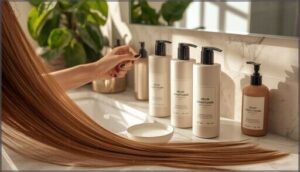
You can’t just grab any conditioner off the shelf and expect it to work for oily hair. The right choice depends on your specific hair texture, how much moisture your strands actually need, and what’s happening at your scalp level.
Let’s break down what you should look for so you can stop guessing and start getting results.
Matching Conditioner to Hair Type
Your hair’s natural structure dictates which conditioner formulas actually work. Fine, oily hair demands lightweight, water-based options that won’t collapse your strands, while silicone-free formulations prevent the greasy buildup that sabotages volume.
Consider these compatibility factors:
- Hair porosity determines how quickly your strands absorb product
- Scalp analysis reveals whether your sebaceous glands need balancing agents
- Hair texture guides weight tolerance in conditioner formulas
- Testing windows require 2–4 weeks to assess oil control and manageability
Assessing Moisture and Scalp Needs
You can’t fix what you don’t measure. Check your scalp moisture by observing shine patterns and post-wash sensation—tightness signals dehydration, while persistent slickness reveals excess sebum levels.
Hair porosity affects transepidermal loss and moisture permeability, determining whether your oily hair needs hydration or oil control.
This scalp care and health assessment guides you toward conditioners that actually balance, not sabotage, your hair hydration tips.
Top 10 Conditioners for Oily Hair
You’ve narrowed down what to look for in a conditioner, so now it’s time to see which products actually deliver. The following picks balance oil control with lightweight hydration, giving your hair volume without the grease.
Each option brings something different to the table, from clarifying clays to botanical extracts that reset your scalp’s sebaceous glands.
1. Rahua Voluminous Hair Conditioner
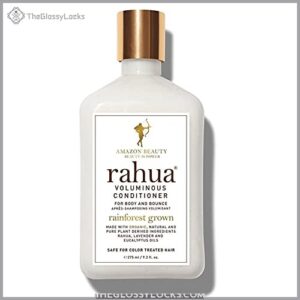
If you’re serious about breaking free from grease without losing your hair’s bounce, the Rahua Voluminous Conditioner delivers plant-powered hydration that won’t betray your roots.
This silicone-free formula harnesses Rahua oil, shea butter, and quinoa to detangle and strengthen fine to medium hair while keeping sebaceous glands in check.
At $38.00 for 9.3 fl oz, it’s a premium investment in hair volumizing that actually respects oily scalps. Apply mid-length to ends only, rinse thoroughly, and watch your hair defy gravity between washes.
| Best For | People with fine to medium, oily hair who want lightweight hydration and natural volume without the grease or heaviness that typical conditioners leave behind. |
|---|---|
| Hair Type | Fine to medium |
| Form | Liquid |
| Size | 9.3 Fl Oz |
| Price | $38.00 |
| Special Features | Sulfate-free, color-safe, cruelty-free |
| Key Benefit | Weightless hydration |
| Additional Features |
|
- Silicone-free formula with Rahua oil and quinoa won’t weigh down roots or trigger excess oil production
- Extends time between washes by balancing scalp oils while adding bounce and manageability
- Clean, cruelty-free ingredients that are color-safe and gentle enough for daily use
- Expensive at $38 for a 9.3 oz bottle, which adds up if you’re conditioning regularly
- Packaging issues reported by some buyers, including open caps and spilled product during shipping
- Not ideal for very thick or coarse hair types that need heavier conditioning
2. Truss Equilibrium Hydrating Conditioner
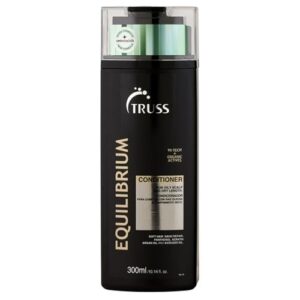
When your scalp runs on overdrive but your ends plead for mercy, the Truss Equilibrium Hydrating Conditioner targets this maddening split personality with keratin, argan oil, and avocado oil in a surprisingly lightweight cream.
Product comparison reveals its true advantage—this balancing formula hydrates dry ends while refusing to fuel oily scalp chaos, making hair conditioners for combination types finally make sense.
At 12.1 ounces for around mid-range pricing, it offers real hair hydration without the greasy aftermath, though some users report mixed results on manageability and scent appeal.
| Best For | People with combination hair who struggle with an oily scalp and dry, frizzy ends and want a lightweight conditioner that hydrates without adding grease or buildup. |
|---|---|
| Hair Type | Textured |
| Form | Cream |
| Size | 12.1 oz |
| Price | Not listed |
| Special Features | Natural ingredients |
| Key Benefit | Balances oily scalp |
| Additional Features |
|
- Balances oily scalp and dry ends with keratin, argan oil, and avocado oil in a lightweight, non-greasy formula
- Reduces frizz and detangles hair while leaving it soft and smooth without weighing it down
- Works well for mid-lengths and ends on fine or easily weighed-down hair when used sparingly
- Scent may not appeal to everyone and could irritate sensitive scalps due to fragrance
- Some users report mixed results on manageability and detangling effectiveness
- Limited long-term feedback and potential for formulation variations by region or batch
3. GK Hair Balancing Conditioner
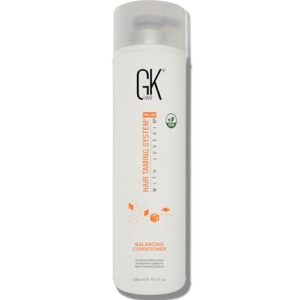
You’ll find GK Hair Balancing Conditioner targets your oily hair struggles with pH-restoring chemistry and plant-based volumizers that strengthen without sulfates or parabens.
This 33.8-ounce bottle delivers oil control and improved hair texture while maintaining scalp health through gentle cleansing agents, making it one of the best hair conditioners for daily use after shampooing.
At $48.36, it prevents hair thinning and adds shine, though some GK Hair reviews mention dispenser issues from cold-weather shipping and polarizing scent preferences that challenge its otherwise solid balancing act.
| Best For | People with oily scalp and fine to normal hair who want lightweight conditioning that controls grease without weighing hair down. |
|---|---|
| Hair Type | All |
| Form | Liquid |
| Size | 33.8 Fl Oz |
| Price | $48.36 |
| Special Features | Gluten-free, no parabens/sulfates |
| Key Benefit | Removes oil and grease |
| Additional Features |
|
- Balances pH and removes oil buildup while still adding shine and softness to hair
- Free from sulfates, parabens, and gluten, plus safe for color-treated hair
- Large 33.8 oz bottle provides good value for daily use
- Dispenser can malfunction if product freezes during shipping
- Higher price point at $48.36 may not fit every budget
- Scent and texture aren’t universal favorites among users
4. Just Nutritive Oily Hair Conditioner
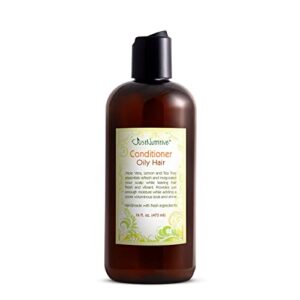
You’re looking at a 16-ounce solution that strips grease without the weight—Just Nutritive Oily Hair Conditioner addresses oily hair with jojoba seed oil, sunflower oil, and grapeseed oil in a conditioner formulation that prioritizes scalp refreshment over heavy emollients.
At $26.99, this liquid formula delivers hair nourishment through product ingredients that support hair oil control while detangling mid-lengths, making it one of the best conditioners for oily hair when you need lightweight hydration.
Reviews confirm it’s among the best hair conditioners for volume-seekers wanting oily hair solutions without buildup.
| Best For | People with oily or fine hair who want lightweight hydration and volume without the grease or heaviness that typical conditioners leave behind. |
|---|---|
| Hair Type | All |
| Form | Liquid |
| Size | 16 Fl Oz |
| Price | $26.99 |
| Special Features | Natural, paraben-free |
| Key Benefit | Removes excess oil |
| Additional Features |
|
- Removes excess oil and buildup while keeping hair soft, shiny, and detangled without weighing it down
- Made with natural oils like jojoba, sunflower, and grapeseed that nourish hair without adding greasiness
- Free of parabens, dyes, and artificial ingredients, plus it’s color-safe so it won’t strip your hair color
- Some users report the product stops working as well after a few weeks or months of use
- You might need extra products like dry oil to keep frizz under control throughout the day
- Results vary quite a bit from person to person, so it might not work for everyone with oily hair
5. Yes To Tea Tree Scalp Conditioner
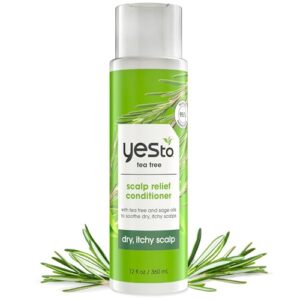
You need pH-balanced hair care that doesn’t compromise on scalp health—Yes To Tea Tree Scalp Conditioner delivers tea tree oil and sage in a 12-ounce formula that targets irritation while controlling sebaceous gland output, making it one of the best conditioners for oily hair at under $10.
This dermatologist-tested option combines over 95% natural ingredients with clarifying action that soothes dry scalp in eight days, offering gentle formulas without parabens or silicones for oil control methods that respect your hair’s natural balance.
| Best For | People with oily or irritation-prone scalps who want a natural, budget-friendly conditioner that balances oil production without harsh chemicals. |
|---|---|
| Hair Type | Dry |
| Form | Conditioner |
| Size | 12 oz |
| Price | Not listed |
| Special Features | Cruelty-free, pH-balanced |
| Key Benefit | Soothes itchy scalp |
| Additional Features |
|
- Tea tree oil and sage naturally soothe scalp irritation while controlling excess oil
- Over 95% natural ingredients with no parabens, SLS, or silicones
- Dermatologist-tested and cruelty-free at an affordable price point
- Some users found it drying rather than hydrating for their hair type
- Doesn’t completely eliminate dryness or flaking for everyone
- Mixed results depending on individual scalp conditions
6. EcoLove Natural Hair Conditioner
You want vegan plant extracts without heavy emollients—EcoLove Natural Hair Conditioner provides 17.6 ounces of organic herb-enriched formula with tea tree and peppermint oils that balance scalp pH while supporting your hair texture, whether curly, wavy, or straight, making it a standout in product comparison for those seeking natural hair care products.
This cruelty-free conditioner moisturizes without weighing down oily hair, though some users find the scent intense. At $11.28, it delivers scalp balance through lightweight conditioning that respects sebaceous gland function.
| Best For | People with normal to oily hair who want a vegan, lightweight conditioner that balances scalp oil without synthetic additives or animal-derived ingredients. |
|---|---|
| Hair Type | Curly, normal, oily, straight, wavy |
| Form | Liquid |
| Size | 17.6 oz |
| Price | $11.28 |
| Special Features | Vegan, cruelty-free, organic |
| Key Benefit | Balances pH level |
| Additional Features |
|
- Natural formula with tea tree and peppermint oils helps control scalp oiliness while keeping hair soft and detangled
- Works across all hair types—curly, wavy, straight—without weighing down roots or leaving greasy residue
- Cruelty-free and certified organic at an affordable $11.28 for 17.6 ounces
- The essential oil scent can be too strong for some users
- May not provide enough moisture if you’re used to richer, non-vegan conditioners
- Not ideal if you’re sensitive to tea tree or peppermint oils
7. Moroccan Oil Natural Hair Conditioner
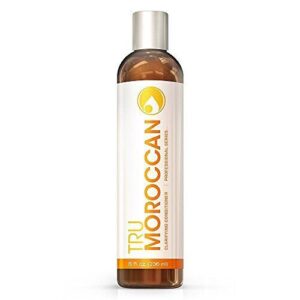
Tru Moroccan’s 8-ounce formula uses natural ingredients and sulfate-free conditioning to address oily scalp issues without weighing hair down. Product reviews show mixed results for thick or curly hair textures.
You’ll find organic argan-based compounds that moisturize color-treated strands while controlling sebaceous activity—great if your scalp tends toward excess oil production.
At under $15, this vegan conditioner repairs damaged cuticles and reduces tangles, but some users report the scent fades quickly and effectiveness diminishes over time, so assess your hair care priorities before committing.
| Best For | Anyone with color-treated hair dealing with an oily scalp who wants a budget-friendly, vegan conditioner that moisturizes without heavy buildup. |
|---|---|
| Hair Type | Color treated, dry, oily |
| Form | Cream |
| Size | 8 oz |
| Price | Not listed |
| Special Features | Sulfate-free, vegan, organic |
| Key Benefit | Controls oily scalp |
| Additional Features |
|
- Sulfate-free and made with natural, organic ingredients that are gentle on color-treated hair
- Controls oily scalp and itchiness while repairing dry, damaged strands
- Affordable at under $15 for 8 ounces and reduces tangles for easier combing
- May not work well for thick, curly, or very tangly hair types
- Effectiveness can diminish over time and scent doesn’t last long
- Some users find it too heavy or greasy, and it may not fully eliminate dandruff or frizz
8. Garnier Coconut Leave In Conditioner
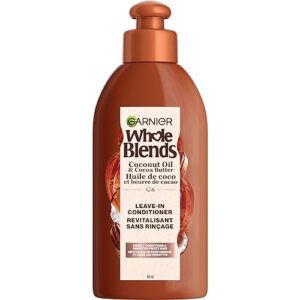
Garnier’s 5.1-ounce coconut formula breaks typical leave-in rules for oily hair—apply it to damp mid-lengths and ends only, skipping your scalp entirely to avoid grease buildup.
The sulfate-free blend uses coconut oil and cocoa butter for 24-hour frizz control without paraben residue, though fine-haired users report occasional root heaviness if overused.
At under $10, this lightweight option detangles and adds shine when you use a dime-sized amount, but skip clarifying shampoo weekly to prevent product accumulation that undermines its oil-balancing benefits.
| Best For | People with oily roots and dry ends who need frizz control without weighing down their hair, as long as they apply it only to mid-lengths and ends. |
|---|---|
| Hair Type | Frizzy |
| Form | Liquid |
| Size | 5.1 Fl Oz |
| Price | Not listed |
| Special Features | Paraben-free |
| Key Benefit | 24 hour frizz control |
| Additional Features |
|
- Budget-friendly at under $10 with 24-hour frizz control and a paraben-free, sulfate-free formula
- Lightweight coconut oil and cocoa butter blend absorbs quickly without heavy greasiness when used sparingly
- Adds shine and detangles effectively with just a dime-sized amount on damp hair
- Can cause root heaviness and buildup if applied to the scalp or used in excess amounts
- Packaging lacks a pump or seal, making dispensing messy and inconvenient
- Requires weekly clarifying shampoo to prevent product accumulation, adding an extra step to your routine
9. Ouai Leave In Hair Conditioner
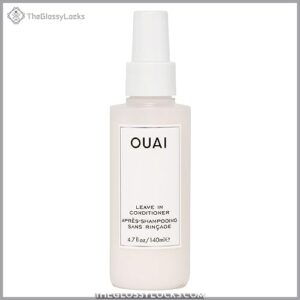
Ouai’s 4.7-ounce leave-in formula targets oily hair with a water-based design that dries fast and won’t trigger excess sebum production at your roots.
Apply a pea-sized amount to mid-lengths and ends only—reviewers with fine, oily hair report shine and detangling without greasiness when you stick to minimal doses.
The heat protection reaches 450°F, and the gluten-free, paraben-free ingredients support daily styling.
At $32, it’s pricier than drugstore options, but careful application keeps your hair lightweight and frizz-free between clarifying washes.
| Best For | People with fine or oily hair who need lightweight detangling and heat protection without root buildup. |
|---|---|
| Hair Type | Straight |
| Form | Cream |
| Size | 4.7 oz |
| Price | $32.00 |
| Special Features | Gluten-free, paraben-free |
| Key Benefit | Heat protectant |
| Additional Features |
|
- Water-based formula dries quickly and won’t weigh down oily or fine hair when you use a small amount
- Protects against heat damage up to 450°F while smoothing frizz and flyaways
- Gluten-free and free of parabens, sulfates, and phthalates for cleaner ingredient-conscious styling
- At $32 for 4.7 oz, it’s expensive compared to drugstore leave-ins and can run out quickly
- Using too much product makes roots greasy, so you need to be careful with application
- The scent can be strong for some users, and it may not hold up well in extreme humidity
10. Loreal Paris Clay Rebalancing Conditioner
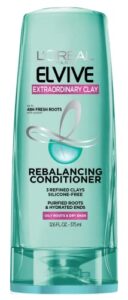
L’Oreal Paris Clay Rebalancing Conditioner uses three refined clays—kaolin, montmorillonite, and Moroccan lava—to absorb sebum at the roots while hydrating dry ends, giving you up to 48 hours of balanced, fresh hair.
At around $7 for 12.6 ounces, it’s a budget-friendly option for oily hair that delivers real oil control and scalp health benefits.
Apply mid-lengths to ends only, rinse thoroughly with cool water, and you’ll notice improved hair balance without sulfate concerns or heavy buildup that sabotages your styling routine.
| Best For | People with oily roots and dry ends who want a lightweight conditioner that balances their hair without weighing it down or breaking the bank. |
|---|---|
| Hair Type | Dry, Oily |
| Form | Liquid |
| Size | 12.6 oz |
| Price | Not listed |
| Special Features | Lightweight |
| Key Benefit | Purifies and hydrates |
| Additional Features |
|
- Uses three refined clays to absorb excess oil at the roots while keeping ends hydrated for up to 48 hours
- Budget-friendly at around $7 for 12.6 ounces, making it accessible for regular use
- Lightweight formula won’t leave buildup or greasiness when applied correctly to mid-lengths and ends
- Contains sulfates and isn’t color-safe, so it may fade dyed hair faster than gentler formulas
- Strong scent can be overwhelming for some users and may linger longer than expected
- Can cause scalp greasiness or skin breakouts for certain users, especially if applied too close to the roots
Proper Application Techniques for Oily Hair
You’ve picked out the perfect lightweight conditioner, but if you’re slapping it on like you’d for dry hair, you’re sabotaging your results. The way you apply conditioner matters just as much as the formula itself when you’re dealing with oily roots.
Here’s how to condition without adding extra grease to your scalp.
Focusing on Hair Ends, Not Roots
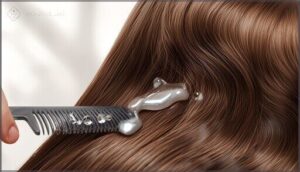
Your scalp produces enough oil on its own—don’t suffocate it with conditioner. Apply product only from mid-shaft to hair ends, where porosity increases and moisture actually belongs. This targeted approach maintains scalp balance while addressing maturation patterns that leave ends drier.
End care tips for ideal product distribution:
- Stop conditioner application at least two inches from your roots
- Concentrate on the last three to four inches of hair length
- Use a wide-tooth comb to distribute product evenly through ends
- Focus extra attention on visibly dry or damaged end sections
- Rinse hair upside-down to prevent conditioner backflow toward scalp
Correct Amount and Frequency
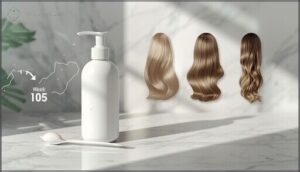
Less is more when managing oily hair—precision beats overuse every time. For short to medium hair, a pea-sized amount targets mid-lengths and ends without triggering scalp overproduction. Longer hair needs slightly more but never at roots. Frequency control matters as much as conditioner amount for maintaining hair moisture and scalp balance.
Dial back immediately if your hair feels heavy—that’s your scalp demanding freedom from product overload.
| Hair Length | Recommended Amount & Frequency |
|---|---|
| Short to Medium | Pea-sized; 1–2 times weekly |
| Long Hair | Slightly more than pea-sized; 1–2 times weekly |
| Daily Washers | Skip conditioner some days; alternate mid-length application |
| Adjustment Signs | Reduce if hair feels weighed down within 24–48 hours |
Rinsing Thoroughly With Cool Water
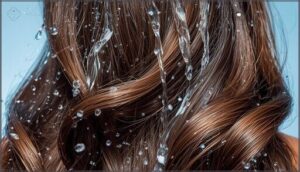
After conditioner application, temperature control becomes your secret weapon against excess oil. Cool water below 68°F seals the hair cuticle, reducing friction and delivering smoother, shinier results while minimizing scalp inflammation.
This rinse temperature removes residual hair conditioners more effectively than warm water, preventing product buildup that sabotages oily hair solutions. Your scalp’s sebum production drops immediately, giving you real control over greasiness without harsh stripping.
Common Conditioner Mistakes to Avoid
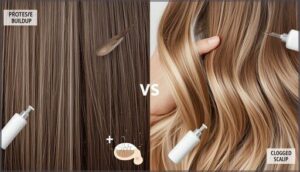
Even with the right conditioner for oily hair, you can still end up with greasy, flat strands if you’re making a few common application errors. These mistakes disrupt your scalp’s natural sebum balance, leave residue behind, or weigh your hair down when you’re trying to add volume.
Let’s break down the missteps that sabotage your routine so you can get the lightweight, fresh results you’re after.
Overconditioning and Product Overuse
You can smother your hair with too much of a good thing. Overconditioning creates product buildup that clogs follicles and triggers scalp irritation, making oily hair even greasier.
Watch for overuse signs like increased shine at roots, strand dullness, or visible hair residue along your hairline.
Stick to conditioner limits of 2-3 times weekly, applying only to mid-lengths and ends to avoid hair product overuse.
Not Rinsing Out Completely
You rush through your rinse, and that’s when product accumulation sabotages your clean. Residue buildup from incomplete rinsing leaves a slick film on your hair shaft, trapping sebum and pollutants that intensify greasiness within hours. This barrier clogs follicles, triggering scalp irritation and blocking your oily hair from breathing.
Spend an extra 30 seconds rinsing cool water through your lengths—thorough removal prevents that waxy, flat finish and keeps hair conditioners from backfiring on your frizz control goals. Understanding hair care basics is essential for maintaining healthy and clean hair.
Using Heavy or Incompatible Formulas
Thick, oil-rich hair conditioners strangle your volume before lunch, creating a greasy residue that escalates oil imbalance. Formula incompatibility occurs when heavy silicones trap sebum, provoking scalp irritation and product buildup that worsens your hair care routine instead of fixing it.
- Silicone-heavy formulas seal in pollutants, causing dullness and follicle clogging
- Non-water-based conditioners leave a waxy film that flattens roots within 24 hours
- Incompatible pH disrupts the scalp microbiome, triggering rebound oiliness as compensation
Lightweight, oil-free hair moisturizer preserves frizz control without sabotaging your oily hair.
Benefits of Using The Right Conditioner
When you use the right conditioner for oily hair, you’re not just masking the problem—you’re actively rebalancing your scalp and giving your hair the freedom it needs to thrive.
The benefits go beyond basic conditioning, addressing everything from excess sebum to lackluster volume. Here’s what the right formula can do for you.
Balances Oil and Reduces Greasiness
You’ll notice a difference when you use pH-balanced, lightweight formulas designed for oil control methods. These hair conditioners work by preserving your scalp’s natural acidity, which directly reduces excess sebum from sebaceous glands.
Silicone-free options prevent that weighted feeling on fine, oily hair, while clarifying steps paired with scalp balancing conditioners measurably decrease surface grease without stripping essential moisture from your hair strands.
Detangles Without Weighing Down
Your hair smoothing benefits begin when you apply water-based, lightweight formulas from mid-length to ends. These silicone-free conditioners create slip for gentle detangling without residue, so you’ll comb through knots effortlessly.
pH balance keeps cuticles smooth and manageable, while non-greasy finishes preserve volume at your roots. That’s exactly what scalp balancing needs for oily hair conditioner success.
Adds Volume and Controls Frizz
Volumizing conditioners with panthenol and polyquaternium polymers create lift at your roots without greasy buildup—independent tests show measurable root elevation after four weeks.
Root lifters with kaolin clay absorb surface oil, boosting body while frizz fighters maintain cuticle alignment in humid air.
You’ll break free from flat, flyaway hair when pH-balanced, oil-free formulas deliver hair smoothing and voluminous results simultaneously.
Supports Scalp and Hair Health
Beyond volume, your conditioner promotes long-term hair health and scalp care. Tea tree oil modulates scalp microbiome balance, reducing Malassezia flares, while niacinamide aids sebum regulation and barrier repair around each hair follicle.
Combine with scalp massage for enhanced nutrient delivery, and you’ll foster stronger hair growth and maintenance. Clinical observations link zinc, omega-3s, and proper scalp treatment to measurable hair strengthening over time.
Tips for Maintaining Healthy, Oil-Free Hair

Using the right conditioner is only half the battle—keeping your hair oil-free requires a few smart habits that go beyond your shower routine. Your scalp produces sebum naturally, but certain practices can help you stay ahead of excess oil without stripping your hair completely.
Here are four essential strategies to keep your hair fresh, voluminous, and balanced between washes.
Weekly Clarifying Treatments
Your scalp deserves a reset. Weekly clarifying treatments break free from product buildup and excess sebum that weigh down your oily hair, restoring scalp balance and preventing rebound oil production.
- Clarifying shampoos with citric acid or chelators dissolve residue without stripping protective moisture
- Use 1-2 sessions weekly for aggressive oil control, less for moderate concerns
- Follow with lightweight, oil-free conditioner on ends only
- Balance sebum regulation with post-clarifying scalp treatment for ideal hair growth and maintenance
Scalp Care and Gentle Handling
Mechanical stress is your enemy. Regular scalp massage boosts blood flow to hair follicles, strengthening roots while calming overactive sebaceous glands. Switch to sulfate-free, pH-balanced cleansers that respect your scalp health without triggering rebound oil. Never brush wet strands, and always use a wide-tooth comb for gentle detangling.
| Scalp Health Practice | Benefit | Frequency |
|---|---|---|
| Scalp massage | Stimulates blood flow, improves follicle health | Daily, 2-3 minutes |
| Sulfate-free cleansing | Prevents irritation, balances oil | Every wash |
| Wide-tooth combing | Reduces breakage, minimizes scalp stress | As needed when dry |
| Weekly exfoliation | Controls sebum, removes buildup | Once weekly |
Incorporating Dry Shampoo Between Washes
Between washes, dry shampoo benefits your routine by absorbing excess sebum from hair texture and scalp health zones. Starches or powders neutralize visible oil on strands, extending your cycle by one to three days.
However, overuse creates product residue that clogs follicles and disrupts oil absorption. For oily hair conditioning tips and hair styling and management, apply sparingly, then brush through to distribute evenly and prevent buildup.
Avoiding Excessive Touching and Brushing
Every time you run your fingers through oily hair, you transfer sebum from scalp to strands—cutting hand-to-head contact drops grease by up to 30 percent. Gentle brushing with a wide-tooth comb protects follicular cleanliness while limiting oil transfer and scalp irritation.
Smart hair handling for your hair care routine:
- Brush twice daily max—over-brushing raises cuticle damage by 15 percent and spreads oil faster.
- Wash hands before touching hair—hand hygiene blocks bacterial transfer that triggers irritation.
- Choose wide-tooth combs after washing—gentle brushing reduces breakage without redistributing sebum.
These hair care tips work across all hair types when you pair them with the right hair conditioning tips.
Frequently Asked Questions (FAQs)
Do I still need to use conditioner if I have oily hair?
Yes, you need conditioner even with oily hair. Lightweight, water-based formulas on mid-lengths and ends prevent frizz, support moisture balance, and maintain hair health without triggering excess oil production at your scalp.
How often should I use an oily hair conditioner?
For oily hair, condition just the mid-lengths and ends 1–3 times weekly. Skip the scalp to prevent buildup.
Fine hair benefits from lighter product rotation, while thicker strands can handle more frequent moisture.
Can conditioner make my oily hair worse?
Absolutely. Heavy formulas or conditioner overuse can trigger grease accumulation and product buildup on your scalp, disrupting oil regulation. Wrong application worsens scalp sensitivity, making hair types appear greasier and compromising hair growth within your hair care routines.
What ingredients should I look for in an oily hair conditioner?
Think of your scalp like a thermostat—you need ingredients that dial down oil without stripping moisture.
Look for lightweight humectants, natural moisturizers, and gentle formulas with tea tree oil or clay that won’t trigger rebound greasiness.
Can I use a regular conditioner if I have oily hair?
You can, but regular conditioner often contains silicones that weigh down oily hair and worsen buildup.
Choose lightweight, sulfate-free formulas designed for your hair type, and apply only to ends—never roots.
Can I use conditioner on my scalp daily?
Daily moisture on the scalp? Here’s the truth: most people experience buildup when applying conditioner to their scalp every day, disrupting oil balance and hair porosity—gentle rinsing alone won’t prevent greasiness or follicular issues.
Do leave-in conditioners work for oily hair?
Leave-in conditioners can work for oily hair types when you choose lightweight, water-based formulas. Apply only to mid-lengths and ends—never the scalp—to maintain hair oil control without triggering excess sebum production or unwanted buildup.
Should I switch conditioners seasonally for oiliness?
Your scalp balance shifts with humidity effects—hot months ramp up oil production, so rotating to ultra-light conditioner formulas makes sense. Cooler seasons tolerate slightly richer products.
Seasonal switching keeps your hair type comfortable year-round.
Are DIY conditioners effective for oily hair?
Homemade recipe variations using natural ingredients like apple cider vinegar show temporary oil control mechanisms through scalp pH balance, but commercial conditioners outperform DIY conditioner safety and consistency for long-term hair health.
How long until I see oil reduction results?
You’ll generally notice visible results within one to two weeks of consistent product use, as improved scalp balance and greasiness control take effect.
Individual hair growth, hair health, and baseline oiliness influence your exact oil reduction timeline.
Conclusion
Your hair doesn’t have to choose between hydration and grease-free roots. The right oily hair conditioners deliver both, using lightweight formulas that nourish your ends while respecting your scalp’s natural balance.
Apply them strategically, rinse thoroughly, and pair them with smart habits like clarifying treatments and minimal touching.
You’ll break free from that midday oil slick and finally experience hair that stays fresh, voluminous, and manageable from morning through night.
- https://www.youtube.com/watch?v=BRDQh8YjGEY
- https://howl.me/cm7zZ3ndwC4
- http://link.purewow.com/join/youngish-intext
- https://health.clevelandclinic.org/benefits-of-caffeine-for-skin-care
- https://academichelpexpress.blog/2024/08/please-use-the-bulleted-points-and-the-rubric-below-to-guide-your-work-your-pa/