This site is supported by our readers. We may earn a commission, at no cost to you, if you purchase through links.
Your skin doesn’t need a chemistry degree to clear up—it needs the right natural allies. When synthetic treatments leave you with redness, peeling, or that tight, stripped feeling, your skin is sending a clear message: something’s not working.
Organic acne solutions tap into plant-based antimicrobials, gentle exfoliants, and soothing botanicals that address breakouts without declaring war on your skin barrier. Tea tree oil targets bacteria while aloe calms inflammation, and willow bark delivers salicylic acid the way nature intended.
These ingredients work with your skin’s biology, not against it, offering a path to clearer skin that doesn’t sacrifice your comfort or long-term skin health.
Table Of Contents
- Key Takeaways
- What Causes Acne and Why Go Organic?
- Key Benefits of Organic Acne Solutions
- Most Effective Organic Acne Ingredients
- Top 8 Organic Acne Solutions to Try
- Natural Ways to Prevent Acne Breakouts
- Organic Solutions for Acne Scars
- Frequently Asked Questions (FAQs)
- How long do organic treatments take to work?
- Can organic solutions cause skin irritation or allergies?
- Which organic ingredients work best for sensitive skin?
- Are organic acne products safe during pregnancy?
- How much do quality organic acne treatments cost?
- Can organic products treat severe cystic acne?
- How long until organic treatments show results?
- Are organic acne solutions safe during pregnancy?
- Do organic products work for all skin types?
- Can I combine organic and prescription acne treatments?
- Conclusion
Key Takeaways
- Organic acne treatments work by using plant-based antimicrobials like tea tree oil and natural salicylic acid from willow bark to target bacteria and unclog pores without stripping your skin’s protective barrier or causing the harsh side effects common with synthetic treatments.
- Your breakouts stem from a combination of excess oil production, bacterial overgrowth, inflammation, and hormonal triggers—factors that organic ingredients address through gentle exfoliation, antimicrobial action, and barrier support rather than aggressive chemical intervention.
- Clinical evidence shows that ingredients like 5% tea tree oil can match benzoyl peroxide’s effectiveness in reducing acne lesions, while rosehip oil, niacinamide, and vitamin C help fade post-acne marks and scars through collagen synthesis and melanin reduction.
- Effective acne prevention requires a holistic approach combining low-glycemic nutrition, stress management, consistent gentle skincare routines, and patience—most organic treatments need 8 to 12 weeks of daily use before you’ll see meaningful improvement in your skin.
What Causes Acne and Why Go Organic?
Acne doesn’t just appear out of nowhere—it develops when your pores become clogged with oil, dead skin cells, and bacteria, triggering inflammation that shows up as pimples, blackheads, or cysts. Hormones, stress levels, and diet can exacerbate these issues.
Many people are now stepping away from harsh synthetic treatments and exploring gentler, plant-based alternatives. Let’s look at what’s really happening beneath your skin and why organic solutions are gaining ground in acne care.
Excess Oil Production and Clogged Pores
Your skin’s sebum excretion rates rise sharply during puberty—up to 59% higher than in clear skin. This excess oil mixes with dead cells, triggering microcomedone formation deep in follicles before you see anything on the surface. Follicular obstruction follows when:
- Sebum composition shifts, lowering protective linoleic acid
- Ductal cells overgrow, narrowing pore openings
- Diet and sebum interact—high-glycemic foods spike oil output
- Keratin plugs trap bacteria, setting the stage for acne
That’s where organic skincare with natural ingredients and gentle formulas can help break the cycle without harsh chemicals. These can develop into visible acne lesions.
Role of Bacteria and Inflammation
Once pores clog, Cutibacterium acnes dominates—making up 90% of follicular bacteria in acne-prone skin. These strains trigger a cytokine cascade through TLR2 pathways, flooding your tissues with IL-1β, IL-8, and TNF-α that drive redness and swelling.
Rising antibiotic resistance—erythromycin jumped from 10% to 44% in sixteen years—worsens inflammatory dysbiosis. The bacteria is considered the most dominant flora within the sebaceous glands.
That’s why natural ingredients that support microbiome diversity offer safer acne treatment for long-term skin health.
Hormonal Triggers and Lifestyle Factors
Your hormones don’t act alone—androgens spike sebum while IGF-1 amplifies breakouts. Dietary glycemic load matters too: values above 175 increase your acne risk 21-fold, and dairy consumption raises circulating IGF-1 even further.
Stress and acne feed each other through cortisol surges, and poor sleep quality multiplies your odds of moderate-to-severe flare-ups by 1.8 times.
Smart skincare practices and acne prevention strategies targeting these triggers offer real relief.
Risks of Synthetic Acne Treatments
While conventional treatments promise quick fixes, they often come with serious trade-offs. Antibiotic resistance now affects up to 60% of C. acnes strains, and benzoyl peroxide causes swelling or burning in over a third of users. Isotretinoin carries systemic effects, including inflammatory bowel disease risk, while drospirenone-based hormonal treatments increase venous thrombosis by 65%. Even preservatives and fragrances trigger contact dermatitis, especially on inflamed acne-prone skin.
Conventional acne treatments carry serious risks—from antibiotic resistance affecting 60% of bacteria to blood clots and severe skin reactions
- Your antibiotics stop working when resistant bacteria take over
- Birth control pills for acne can lead to dangerous blood clots
- Prescription retinoids leave your face burning and peeling for weeks
- Hidden allergens in acne products turn treatment into irritation
Key Benefits of Organic Acne Solutions
Choosing organic acne solutions offers real advantages beyond just avoiding harsh chemicals. These plant-based treatments work with your skin’s natural processes to address breakouts while minimizing the irritation that synthetic ingredients often cause.
Let’s look at four key benefits that make organic options worth considering for acne-prone skin.
Gentle, Non-Irritating Formulas
When your face reacts to everything, finding the right treatment can feel like walking through a minefield. Organic acne products offer gentle skin support through mild cleansers and barrier-friendly formulas that won’t trigger irritation. Studies show ceramide and niacinamide moisturizers reduce redness while fighting breakouts, and fragrance-free options minimize allergic reactions. Non-comedogenic organic skincare products deliver skin hydration and allergen minimization—keeping your complexion clear without the sting.
| Feature | Traditional Products | Organic Acne Treatment Products |
|---|---|---|
| Irritation Risk | High (sulfates, fragrances) | Low (plant-based, fragrance-free) |
| Barrier Support | Often strips natural oils | Maintains hydration and ceramides |
| Allergen Potential | Common sensitizers present | Minimized through clean formulas |
Plant-Based Antibacterial Properties
Beyond soothing inflamed skin, organic ingredients actively fight the bacteria behind your breakouts.
Tea tree oil inhibits Cutibacterium acnes at just 0.25% concentration, while green tea catechins damage bacterial cell walls and boost antibiotic effectiveness.
Aloe vera’s antibacterial compounds disrupt enzyme function, and plant-based fatty acids—like linoleic acid from propolis—target acne bacteria at 16 μg/mL, even resistant strains.
Deep Cleansing and Pore Detoxification
Cleansing starts with drawing out impurities from deep within your pores. Activated charcoal detox methods and clay mask benefits work together—kaolin and bentonite absorb excess oil and bacteria, while herbal steam therapy softens debris for easier removal.
Exfoliation techniques using willow bark dissolve trapped sebum without harsh stripping.
These natural cleansing rituals in face cleansers, masks, and scrubs support genuine acne treatment and prevention by targeting the root cause: clogged pores.
Reducing Acne Scars Naturally
Scars don’t have to be permanent reminders. Organic skincare leverages vitamin C serums and natural chemical peels to fade post-acne discoloration, while rosehip oil aids scar tissue remodeling through essential fatty acids.
Herbal scar treatments with aloe vera and niacinamide provide a collagen production boost, gradually improving texture and tone.
These natural acne treatment options offer genuine acne treatment and prevention alongside natural skincare solutions that respect your skin’s healing process.
Most Effective Organic Acne Ingredients
Not all organic ingredients work equally well for clearing acne. Some botanicals have solid research behind them, while others rely more on tradition than science.
Here’s a look at five organic ingredients that can actually make a difference in your skincare routine.
Tea Tree Oil for Breakouts
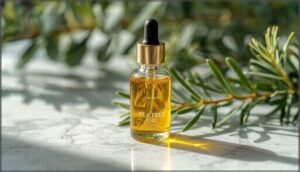
Tea tree oil stands out among natural acne treatment options because studies show a 5% TTO concentration reduces breakouts nearly four times more than placebo. Application methods matter—you’ll want twice-daily use for best results, though mild irritation can occur.
Here’s what makes this organic acne product work:
- Kills acne-causing bacteria directly
- Calms inflammation in active blemishes
- Works comparably to common synthetic treatments
- Offers gentler side effects for most skin types
Willow Bark and Natural Salicylic Acid
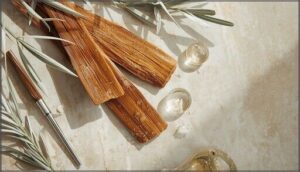
Willow bark delivers salicylic acid, a proven acne-fighter that unclogs pores by dissolving the “glue” holding dead cells together. You’ll find this natural ingredient in concentrations of 0.5–2% in organic skincare products, working to reduce blackheads and whiteheads without harsh synthetics.
| Salicylic Benefits | Willow Sourcing | Natural Exfoliation |
|---|---|---|
| Reduces comedones | Derived from Salix bark | Promotes desquamation |
| Comedolytic action targets clogs | Standardized extracts | BHA peels at 20–30% |
| Comparable to glycolic acid | Plant-based alternative | Less post-procedure redness |
| Works on noninflammatory lesions | Organic formulations | Keratolytic properties |
| First-line acne treatment | Natural skin care option | Lipophilic penetration |
Soothing Power of Lavender and Oat

Lavender essential oil addresses inflammation and bacteria head-on, reducing breakouts while normalizing your skin’s oil and moisture balance. When paired with colloidal oatmeal, you get a powerhouse duo that soothes irritation and bolsters your skin’s protective barrier.
- Lavender oil decreases inflammatory lesions and fights P. acnes bacteria effectively
- Colloidal oat calms dryness, roughness, and itch through anti-inflammatory action
- Together, they offer gentle cleansing without stripping your skin’s natural defenses
Rosehip Seed Oil for Skin Repair
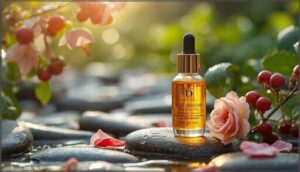
After soothing irritation with lavender and oat, you’ll want to repair visible damage left behind. Rosehip seed oil brings vitamin C and linoleic acid to your organic skincare routine, targeting hyperpigmentation treatment and scar reduction naturally.
Its regular application lightens flat, dark acne marks, improving discoloration over time—making it a standout among acne treatment solutions for organic acne products that promote true skin care healing.
African Black Soap’s Purifying Benefits
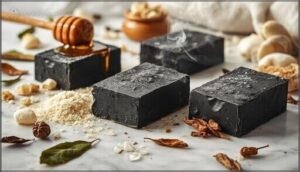
Moving beyond oils, African black soap uses plant ash and natural abrasives to target the skin microbiome and exfoliating effects you need.
Its soap ingredients—sulfur, honey, and ash—deliver antimicrobial power against acne-causing bacteria while gently scrubbing away dead cells.
Regular lather quality keeps pores clear, reduces inflammation, and fades acne scarring, making it a standout among natural acne products for thorough organic skin care and acne treatment solutions.
Top 8 Organic Acne Solutions to Try
If you’re ready to put these ingredients to work, there are several organic formulations on the market that combine effective botanicals with gentle, skin-friendly bases.
The products below represent a range of treatment types, from exfoliants and cleansers to targeted spot treatments and oils.
Each one offers a different approach to managing breakouts, so you can find what fits your skin’s needs.
1. Salicylic Acid Facial Exfoliant Liquid

If you’re dealing with stubborn breakouts, a 2% salicylic acid facial exfoliant liquid offers targeted BHA exfoliation that reaches deep into your pores. Paula’s Choice Skin Perfecting 2% BHA Liquid stands out among acne products for its pH-optimized formula—sitting between 3.2 and 3.8—which maximizes pore penetration without harsh scrubbing.
You’ll notice smoother skin texture as it dissolves the sebum and dead cells clogging your follicles. This organic beauty product fits easily into your skincare routine, though you should start slowly and always pair it with sunscreen to protect your acne and skin health journey.
Best For: People with acne-prone, oily, or combination skin who want to unclog pores, smooth rough texture, and reduce breakouts without harsh scrubbing.
- Penetrates deep into pores to dissolve sebum and dead skin cells, effectively clearing blackheads and preventing new breakouts
- PH-optimized formula (3.2-3.8) maximizes effectiveness while being gentler than lower-pH alternatives
- Improves overall skin appearance by evening out tone, smoothing fine lines, and refining pore visibility over time
- Can cause dryness, irritation, or burning if overused or applied to sensitive skin without gradual introduction
- Requires consistent sunscreen use since exfoliation increases skin’s vulnerability to sun damage
- Price point may be higher compared to other salicylic acid products, and results require patience over several weeks
2. Natural Organic Acne Skin Treatment
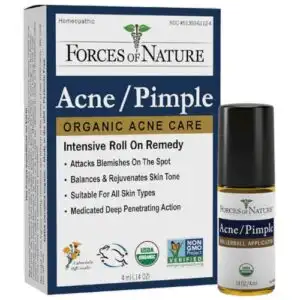
You can reach for a USDA Certified Organic rollerball treatment that combines homeopathy with essential oils to target breakouts fast. Forces of Nature’s natural acne medicine penetrates deep to remove excess sebum and dead skin cells, soothing inflammation quickly without synthetic additives.
It’s made from organic produce and natural ingredients for skin that work on pimples, blackheads, and whiteheads across your face and body.
While the marigold scent can feel strong and overuse may cause dryness, this organic treatment type offers a gentler alternative to conventional spot treatments for all skin types.
Best For: People looking for a certified organic spot treatment who prefer plant-based ingredients over synthetic chemicals and don’t mind a strong herbal scent.
- USDA Certified Organic formula combines homeopathic medicine with soothing essential oils, backed by research showing natural ingredients like tea tree oil can reduce acne lesions by 40-60% in clinical trials
- Fast-drying rollerball design makes it easy to apply as either a spot treatment or preventative measure on face and body without mess
- Generally gentler on skin than conventional treatments, with fewer reported side effects like dryness and irritation compared to benzoyl peroxide
- Strong marigold and herbal scent that some users find overpowering or unpleasant
- Can cause dryness if overused, requiring careful application to avoid irritation
- May not work on deeper, under-the-skin blemishes or cystic acne, and some users report no visible improvement
3. Organic Acne Relief Skin Care
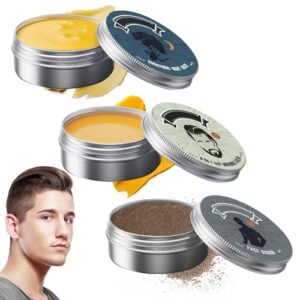
If you’re looking for plant-based relief that doesn’t strip your skin, organic acne products designed for sensitive complexions can make a difference. Gentle formulations with natural antibacterials work to calm inflammation while supporting pore detoxification, helping you manage breakouts without harsh synthetic chemicals.
Many organic beauty products now include botanical extracts that address both active acne and scar reduction, offering natural skincare that respects your skin’s barrier. These acne skin care solutions provide a kinder approach, especially when you need skin care products for acne scars that won’t trigger further irritation.
Best For: People with sensitive or acne-prone skin who want a gentler, plant-based approach to managing breakouts and post-acne marks without relying on harsh synthetic ingredients.
- Natural antibacterial ingredients like tea tree oil and willow bark help reduce acne-causing bacteria and inflammation while promoting gentle exfoliation to keep pores clear.
- Formulations often include soothing botanicals and essential fatty acids that support skin barrier repair and can fade post-acne discoloration over time.
- Generally well-tolerated with fewer harsh side effects compared to conventional treatments, making them suitable for daily use on reactive or easily irritated skin.
- Results can take several weeks of consistent use to become noticeable, requiring more patience than some fast-acting chemical treatments.
- Effectiveness varies significantly by individual skin type and product formulation, with some users experiencing minimal improvement or allergic reactions to certain plant extracts.
- Quality and authenticity concerns exist in the organic skin care market, with some products receiving mixed feedback about whether they deliver on their natural ingredient claims.
4. Natural Acne Face Cream Set
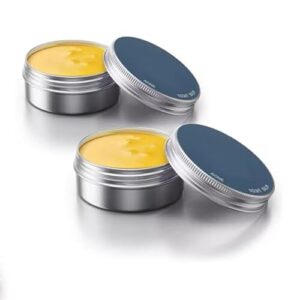
A well-designed natural acne face cream set combines the antibacterial power of herbal extracts with non-comedogenic oils like rosehip and sunflower seed, giving you a complete routine that won’t clog your pores.
Clinical treatment periods of three to eight weeks with herbal efficacy trials show that plant-based safety doesn’t mean sacrificing results—these organic acne products can match standard therapies in reducing lesions.
You’ll find moisturizing creams for barrier support alongside targeted spot treatment, creating a balanced approach to natural skincare that targets both active breakouts and long-term skin health.
Best For: People with mild-to-moderate acne who prefer plant-based skincare and want a multi-step routine that reduces breakouts without harsh chemicals or pore-clogging ingredients.
- Clinical studies show herbal anti-acne creams can match the effectiveness of standard antibiotic treatments like clindamycin gel in reducing lesions over 3–8 weeks.
- Formulated with non-comedogenic oils (sunflower, rosehip, grapeseed) that support your skin barrier and won’t trigger new breakouts, plus many include anti-inflammatory botanicals to calm redness.
- Multi-step sets address both active acne and post-breakout marks, offering antibacterial extracts for lesions and brightening ingredients for hyperpigmentation in one cohesive routine.
- Results take time—most clinical trials require consistent twice-daily use for at least three weeks before you see significant improvement.
- Individual results vary widely depending on your skin type, acne severity, and how your skin reacts to specific plant extracts.
- Limited long-term safety data compared to conventional acne treatments, and some formulations may not disclose full ingredient lists or concentrations.
5. Natural Acne Clearing Skin Cream
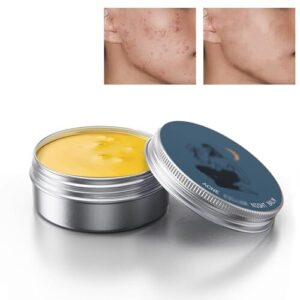
Natural acne clearing skin creams work through multiple pathways at once—targeting excess sebum, bacterial overgrowth, and inflammation without stripping your skin. These plant-based formulas deliver salicylic acid benefits at gentler concentrations, making whole acne treatment accessible for sensitive skin.
Clinical trials show herbal cream efficacy with plant extracts reducing lesions by over 90% in six weeks, while propolis cream effects combine antimicrobial and soothing actions.
Cream mechanisms that blend natural ingredients for skin—like tea tree and aloe—support acne prevention with excellent cream safety profiles, avoiding the harsh side effects of synthetic options.
Best For: People with mild to moderate acne who want effective treatment without the dryness and irritation of harsh synthetic products, especially those with sensitive or combination skin.
- Clinically proven plant extracts reduced acne lesions by over 90% in six weeks while causing fewer side effects than benzoyl peroxide
- Multiple active botanicals work together to control oil, fight bacteria, and calm inflammation in one product
- Natural formulations with aloe and antioxidants keep skin hydrated and protected instead of stripped and damaged
- Some users report a strong scent that can be off-putting during application
- Mixed results across different skin types, with a few customers experiencing breakouts or greasiness
- Concerns about product authenticity and consistency, with some receiving what they describe as ineffective versions
6. African Black Soap Acne Treatment
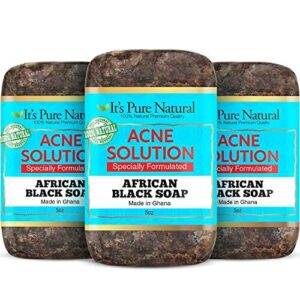
African black soap comes from West African traditions, blending plantain ash, shea butter, and palm oils into a deep-cleansing bar. In one survey, 82.6% of users treating acne reported satisfaction with this natural ingredient for skin.
However, soap pH often sits between 7 and 10—higher than your skin’s natural 4.5 to 5.5—which can trigger skin irritation or dryness if you overuse it. Ingredient comedogenicity matters too: coconut and palm oils may clog pores in some people.
Clinical evidence remains limited, so pair it with a gentle skin care routine and watch for reactions.
Best For: People with oily or acne-prone skin looking for a natural, deep-cleansing option who are willing to monitor their skin’s reaction and pair the soap with a good moisturizer.
- Contains natural antibacterial ingredients that laboratory studies show can inhibit acne-causing bacteria more effectively than some medicated soaps
- Provides deep pore cleansing to remove excess oil and debris while shea butter helps maintain some moisture balance
- Over 80% of acne users in surveys reported satisfaction, with many noting improvements in breakouts and dark spots over time
- High pH (7-10) can disrupt your skin’s natural barrier and cause dryness, irritation, or increased sensitivity with frequent use
- Lacks robust clinical trial evidence for acne treatment, and some ingredients like coconut and palm oils may clog pores in certain individuals
- Can trigger allergic reactions or irritation in people with sensitive skin, and the coarse texture may be too abrasive for some users
7. Rosehip seed oil for skincare
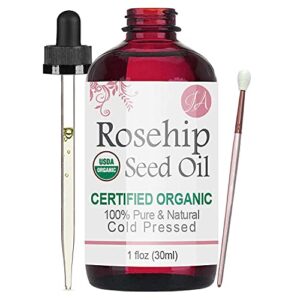
Rosehip seed oil is a standout choice for those seeking a multi-tasking approach to acne and scars. Its unique composition, rich in omega fatty acids and botanical ingredients, calms inflamed acne lesions and supports scar healing.
Clinical reviews highlight its strengths: reducing redness, improving discoloration, and defending your skin barrier. With a favorable safety profile and practical application—a few drops pressed into damp skin—it seamlessly fits into a gentle, organic skincare routine without harsh chemicals.
Best For: People with acne-prone or aging skin who want a natural oil that reduces breakouts, fades scars and dark spots, and provides deep hydration without harsh chemicals.
- Clinically shown to speed up scar healing and reduce redness—one study found 73% of users had no lingering redness after 6–12 weeks, versus 50% without treatment.
- Packed with omega-3 and omega-6 fatty acids plus natural vitamin A derivatives that calm inflammation, support your skin barrier, and help fade post-acne marks.
- Versatile and affordable at $9.99—works as a facial moisturizer, hair treatment, or nail care product, and comes in a UV-protected amber bottle to preserve quality.
- Has a strong, earthy smell that some users find unpleasant, so it’s not ideal if you prefer fragrance-free or lightly scented products.
- May cause breakouts or clogged pores for a small number of acne-prone users due to its moderately comedogenic rating—patch testing is a smart move.
- Can stain clothing if you apply too much or don’t let it absorb fully, and the dropper design isn’t as convenient as a pump for everyday use.
8. Pure Tea Tree Essential Oil
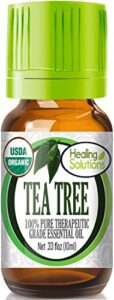
Tea tree essential oil brings proven antimicrobial mechanisms to your acne treatment regimen, targeting bacteria that fuel breakouts. Clinical efficacy studies show 5% formulations can match benzoyl peroxide in reducing lesion counts, though irritation risks increase at higher concentrations.
That’s why topical dilution matters—mix one or two drops with a carrier oil to keep strength around 1–2% for daily use on oily skin. Product formulations in this range balance effectiveness with gentleness, making tea tree a practical addition to natural skin care products without harsh side effects.
Best For: People with oily or acne-prone skin looking for a natural antimicrobial treatment that’s gentler than benzoyl peroxide when properly diluted.
- Clinical studies show 5% tea tree oil matches benzoyl peroxide for reducing acne lesions, with fewer reports of dryness and peeling
- USDA Organic certification and GCMS purity testing ensure you’re getting authentic, unadulterated oil without fillers or additives
- Works as a multi-purpose product for skin, hair, and aromatherapy—not just limited to acne treatment
- Requires dilution to 1–2% with a carrier oil for safe daily facial use, adding an extra prep step to your routine
- Some customers report leakage issues with packaging and find the scent too strong or medicinal
- Improper storage can cause oxidation that increases irritation risk and reduces effectiveness over time
Natural Ways to Prevent Acne Breakouts
Prevention is often the best medicine for keeping your skin clear. While organic treatments work wonders on existing breakouts, a few lifestyle adjustments can help you avoid acne in the first place.
Here are four natural strategies that address the root causes of acne, from what you eat to how you care for your skin.
Low Glycemic Diet and Nutrition
What you eat can shape your skin’s future. Research shows that lowering glycemic load reduces blemishes by up to 52%, largely by improving insulin resistance and hormonal marker changes.
Dairy consumption effects are also notable—milk and ice cream may worsen acne.
For better skin health, focus on anti-inflammatory nutrients like omega-3s, vegetables, and whole grains as part of your healthy eating and skin care routine.
Stress Reduction Techniques
Your skin feels stress almost as much as your mind does. When cortisol rises, your sebaceous glands pump out more oil, triggering breakouts.
Integrated acne treatment starts by calming stress hormones through wellness practices like:
- Mindfulness meditation to lower cortisol by 23%
- CBT therapy for breaking stress-triggered picking cycles
- Yoga benefits and sleep hygiene for skin balancing
These techniques support your skin care routine from within.
Consistent, Gentle Skincare Routine
Beyond managing stress, your daily habits make all the difference. A consistent, gentle skincare routine—cleansing twice daily with non-comedogenic formulas—protects acne-prone skin without triggering inflammation.
Routine simplicity beats complexity; pairing plant-based cleansers with comprehensive acne treatment and sun protection prevents post-inflammatory marks.
Skin balancing takes six to eight weeks, so stick with your regimen and watch your complexion transform.
Consulting With a Dermatologist
Despite your best organic skin care efforts, stubborn acne often needs professional help. Only 30% of acne patients consult a dermatologist, yet 86.7% of treatment plans get improved with specialist care.
Referral guidelines recommend seeing a dermatology expert when two treatment courses fail or scarring develops.
Teledermatology benefits include convenient access, while medication changes and patient trust help guarantee you’re following evidence-based skin treatment protocols.
Organic Solutions for Acne Scars

Acne scars can linger long after your breakouts have cleared, leaving behind discoloration and uneven texture that affects your confidence. The good news is that several organic ingredients have demonstrated real potential to fade these marks and promote skin regeneration.
Below, you’ll find four evidence-based natural solutions that can help restore your skin’s clarity and tone over time.
Vitamin C and Skin Brightening
If you’re battling acne discoloration, topical concentrations of vitamin C between 5% and 10% offer proven melanin reduction by interrupting pigment formation at the cellular level. This powerhouse ingredient works through multiple pathways:
- Neutralizes UV-triggered free radicals that darken post-acne marks
- Inhibits tyrosinase, the enzyme driving excess pigmentation
- Boosts collagen synthesis to improve scar texture
- Provides photoprotection synergy when paired with sunscreen
Choose stabilized formulas for consistent skin-brightening results.
Aloe Vera Gel for Healing
When you’re looking for gentle post-acne healing, aloe vera gel delivers collagen-boosting compounds that clinical trials link to faster wound closure—burns healed roughly nine days quicker than standard care. Its anti-inflammatory mechanisms aid orderly tissue repair, potentially minimizing scar formation on acne-prone skin. Apply a thin layer one to three times daily, but patch-test first: mild irritation or contact dermatitis can occur in sensitive individuals.
| Aloe Vera Mechanisms | Clinical Evidence | Topical Application |
|---|---|---|
| Boosts collagen synthesis & cross-linking | Burns healed ~9 days faster vs. controls | Apply thin layer 1–3×/day |
| Reduces inflammatory cell infiltration | 87% wound closure in case series | Patch-test before full use |
| Enhances growth factors (TGF-β) | Improved diabetic wound outcomes (2025 RCT) | Leave 5–10 min or overnight |
| Supports extracellular matrix deposition | No significant acne-scar RCT data yet | Combine with retinoids/peels |
Tamanu Oil for Regeneration
If you’re seeking true skin regeneration, tamanu oil deserves a place in your natural acne care routine. Laboratory models show it accelerates fibroblast migration and collagen density, translating to faster wound closure—sometimes within fourteen hours—and improved post-acne scar texture.
Its bioactive compounds deliver anti-inflammatory action while remaining only slightly comedogenic, so patch-test before layering it into your skin care products regimen.
Niacinamide for Even Skin Tone
Niacinamide addresses uneven tone left behind by breakouts through a proven mechanism: it blocks pigment transfer from melanocytes to surface cells. Clinical trials show 4% formulations lighten post-inflammatory hyperpigmentation (PIH) and melasma with fewer side effects than hydroquinone, while 2% concentrations reduce sebum by week two and shrink pore appearance.
This botanical ingredient benefits acne-prone skin by calming inflammation and strengthening your barrier, making it a safe, multitasking addition to skin care products for clearer, more uniform tone.
Frequently Asked Questions (FAQs)
How long do organic treatments take to work?
Most acne-prone skin begins showing initial improvement within four to six weeks of consistent, plant-based formulas.
Full clearance generally requires eight to twelve weeks, though individual factors and complete acne treatment approaches affect natural acne care maintenance needed.
Can organic solutions cause skin irritation or allergies?
Despite their natural appeal, plant-based skin care products can paradoxically provoke allergic reactions.
Essential oil risks include documented contact allergen prevalence in formulations marketed for acne-prone skin, necessitating patch testing and careful irritant identification, especially with atopic dermatitis.
Which organic ingredients work best for sensitive skin?
For reactive complexions, aloe vera and colloidal oatmeal lead as Barrier-Friendly Ingredients—studies show measurable calming and hydration gains.
Niacinamide at 2–5% offers Anti-Inflammatory Botanicals strength without irritation, making these PlantBased Formulas ideal ChemicalFree Beauty choices.
Are organic acne products safe during pregnancy?
Many pregnancy-safe labels promise chemical-free beauty, but concentrated essential oils in organic formulations carry unquantified risks.
Professional guidance is needed, especially when ingredient concentration exceeds typical cosmetic levels, to protect both mother and baby.
How much do quality organic acne treatments cost?
Quality organic acne treatments range from $7–$18 for entry-level cleansers to $20–$40 for mid-range serums, with premium solutions reaching $48–$ Budget options deliver solid cost per use when results match your skin’s needs.
Can organic products treat severe cystic acne?
When severe cystic acne knocks, organic products can’t always answer the door alone. Evidence shows they work best as adjuncts alongside proven systemic options like isotretinoin, not stand-alone cystic acne treatments.
How long until organic treatments show results?
You’ll likely notice initial skin changes after about 4 weeks, but most organic acne treatments require 8 to 12 weeks of consistent treatment adherence before showing meaningful improvement in breakouts and skin care results.
Are organic acne solutions safe during pregnancy?
Pregnancy brings particular ingredient absorption concerns. Proper product labeling and professional guidance matter most, since limited evidence exists for fetal safety of many botanical acne treatments despite organic certification claims on skin care products.
Do organic products work for all skin types?
Organic acne solutions don’t work universally. Skin type variability means comedogenicity and irritation potential differ across individuals. Limited evidence confirms one-size-fits-all claims, so acne-prone skin care requires individualized regimens designed to your skin conditions.
Can I combine organic and prescription acne treatments?
Natural and medical treatments can work together, yet product layering demands careful ingredient timing. Monitor skin for irritation risks when combining alternative acne treatment with prescriptions, ensuring safe, effective care.
Conclusion
You could spend years chasing the next miracle cream, only to find your skin angrier than when you started. Or you could recognize that organic acne solutions aren’t about idealism—they’re about partnership.
Your skin already knows how to heal itself; it just needs the right support. Tea tree oil, willow bark, and rosehip aren’t magic bullets, but they’re honest allies.
Sometimes the most radical choice is simply listening to what your skin’s been telling you all along.
- https://onlinelibrary.wiley.com/doi/abs/10.1111/ajd.12465
- https://www.sciencedirect.com/science/article/pii/S2950306X25000020
- https://www.frontiersin.org/journals/medicine/articles/10.3389/fmed.2021.662640/full
- https://www.dermatologytimes.com/view/evaluating-the-efficacy-and-safety-of-organic-acids-in-chemical-peels-for-acne
- https://pmc.ncbi.nlm.nih.gov/articles/PMC12051088/