This site is supported by our readers. We may earn a commission, at no cost to you, if you purchase through links. This content is for general informational and educational purposes only and is not a substitute for professional medical, dermatological, or nutritional advice.

That dark spot on your cheek didn’t appear overnight. It started with a pimple, a few summers of sun, or a pill you took years ago, and your skin has kept the record ever since.
Most hyperpigmentation skin treatments work, but only when they match the cause. A solar lentigo, a post-breakout mark, and melasma each respond to different ingredients and timelines, and the wrong choice may darken them further. Some spots also deserve a dermatologist’s eye before you buy anything.
Here’s how to tell what you’re dealing with, which treatments fit your skin tone, and which ten products can help.
Table Of Contents
- Key Takeaways
- Causes and Types of Hyperpigmentation: When to Seek Care
- Hyperpigmentation Treatments: OTC Ingredients Vs. Prescription Options
- Professional Hyperpigmentation Treatments: Benefits, Risks, and Skin Tone Considerations
- Hyperpigmentation Skin Care Routine: Sunscreen, Aftercare, and Treatment Timelines
- Top 10 Products for Hyperpigmentation Treatment and Supportive Care
- 1. La Roche-Posay Brightening Face Cleanser
- 2. Paulas Choice 2% BHA Exfoliant
- 3. Topicals Faded Brightening and Clearing Serum
- 4. CeraVe PM Facial Moisturizing Lotion
- 5. CeraVe Hydrating Facial Cleanser For Dry Skin
- 6. La Roche-Posay Mela B3 Serum
- 7. CeraVe Skin Renewing Night Exfoliator
- 8. Neutrogena Hydro Boost Gel Cream Set
- 9. Neutrogena Hydro Boost Water Gel Moisturizer
- 10. EltaMD UV Clear Face Sunscreen
- Frequently Asked Questions (FAQs)
- What is the best treatment for skin hyperpigmentation?
- How do Koreans get rid of hyperpigmentation?
- What worsens hyperpigmentation?
- Can I permanently get rid of hyperpigmentation?
- How long until hyperpigmentation fades with treatment?
- Can hyperpigmentation come back after successful treatment?
- Are professional treatments better than at-home products?
- Whats the difference between chemical peels and lasers?
- Does hyperpigmentation treatment work on all skin tones?
- Can hyperpigmentation come back after treatment?
- Conclusion
Key Takeaways
- Your dark spot’s cause (sun damage, a past breakout, melasma, or a medication) decides which treatment works, so identify it first and see a dermatologist before treating any spot that changes size, shape, or color, bleeds, or itches.
- Daily broad-spectrum sunscreen of SPF 30 or higher matters more than any serum you own, and a tinted iron oxide formula can help if you have melasma, since visible light can darken it.
- Over-the-counter options like vitamin C, niacinamide, and azelaic acid usually take 8 to 24 weeks, so if they haven’t worked after 3 to 6 months, ask about prescriptions like hydroquinone, which shouldn’t go past three months without supervision.
- Irritation can cause new dark marks, especially on darker skin, so add one active at a time, choose professional treatments by skin tone (a Nd:YAG laser is usually safer than IPL for darker tones), and expect to keep up maintenance because spots can return.
Causes and Types of Hyperpigmentation: When to Seek Care
Dark patches on your skin can have several different causes, and knowing which one you have helps you choose a safe next step. Below, you’ll find the most common types, from sun damage to medication effects. We’ll also cover when to seek care, so you know when a spot deserves a closer look.
Once you know the cause, a guide on how to lighten dark spots on skin can help you match ingredients to your type of pigmentation and build a gentle daily routine.
Sun-Induced Dark Spots
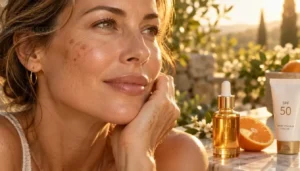
A flat brown spot on your face or hands may be a solar lentigo, often called an age spot. UV light triggers your pigment cells to make extra melanin, and years of sun damage can leave patches of hyperpigmentation. Beyond UV rays, high-energy visible light also causes oxidative stress in skin and can contribute to pigmentation changes.
Daily sunscreen (SPF 30+) helps prevent new spots. Vitamin C can help fade existing ones. A laser or peel may also help.
Post-Inflammatory Hyperpigmentation

Sun isn’t the only trigger. Postinflammatory hyperpigmentation appears after your skin is injured or inflamed, such as from acne, eczema, a bug bite, or a razor bump. The flat brown patch may fade in months, but deeper pigment can last years.
Daily sunscreen helps. Retinoids, vitamin C, or a gentle chemical peel may speed fading. Avoid picking spots.
Melasma and Hormonal Changes

Hormones can trigger pigment changes too. Melasma causes symmetrical brown or gray-brown patches on your cheeks, forehead, upper lip, or chin. It often appears during pregnancy or with estrogen-containing birth control, though it can occur without either.
Sunlight and visible light can darken it. Wear sunscreen daily. Retinoids or hydroquinone may help, but it can persist or return.
Medication-Related Pigment Changes

Some medicines can darken your skin too. Minocycline, hydroxychloroquine, amiodarone, and certain chemotherapy drugs may cause blue-gray, brown, or slate-colored patches. Sun exposure can make them worse.
Don’t stop a prescribed medicine on your own. Ask your prescriber first. Stopping the drug often helps, though fading can take months. Retinoids or hydroquinone may help leftover hyperpigmentation.
When to Seek Care
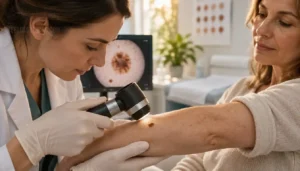
A spot that changes size, shape, or color needs a dermatologist consultation, since melanoma can look like an age spot. Bleeding, crusting, or persistent itching deserves prompt attention too.
The AAD advises seeing a dermatologist if darkening spreads quickly, appears on your palms or inside your mouth, or comes with fatigue.
Before trying professionalgrade treatments, book a dermatological consultation first.
Hyperpigmentation Treatments: OTC Ingredients Vs. Prescription Options
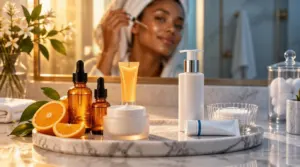
Most dark spots respond to OTC treatments first. Vitamin C, niacinamide, and azelaic acid slow melanin (pigment) production, but they work gently, so expect 8 to 24 weeks. Differin Gel, a gentler OTC take on retinoids, can also help fade marks left after breakouts.
If OTC treatments haven’t worked after 3 to 6 months, ask a dermatologist about prescriptions. Hydroquinone is professionalgrade and works faster, but it can irritate, so don’t use it past three months without supervision.
| Option | Typical timeline |
|---|---|
| Vitamin C | 8 to 24 weeks |
| Azelaic acid 10% | 8 to 24 weeks |
| Differin Gel | About 12 weeks |
| Hydroquinone | 4 to 8 weeks |
Prescription tretinoin and stronger azelaic acid exist. Your dermatologist can match options to your skin tone.
Professional Hyperpigmentation Treatments: Benefits, Risks, and Skin Tone Considerations
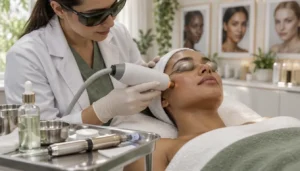
When creams and serums aren’t enough, a dermatologist can offer stronger options. Below, you’ll find three professional treatment types, along with what each may offer, the risks to know about, and how your skin tone can change the safest choice. Reading them first can help you ask better questions at your visit.
Whatever treatment you choose, daily sun protection matters afterward, and gentle zinc oxide formulas, like these sunscreen lotions for babies, suit sensitive, post-procedure skin.
Chemical Peels for Dark Spots
Chemical peels can fade dark spots by speeding up how fast your skin sheds pigmented cells. Glycolic acid peels and other alpha hydroxy acids work on the surface. Salicylic acid peels may suit oily skin. Medium-depth TCA peels treat stubborn pigment.
If your skin is darker, mandelic acid is gentler. Kojic acid beforehand may lower your risk of new dark patches.
Lasers and IPL by Skin Tone
The same light that clears dark spots on fair skin can create new ones on darker skin tones. That’s why skin type matters most here.
IPL therapy (intense pulsed light) works well for Fitzpatrick types I to IV, though type IV needs test spots first. Types V and VI face higher burn risk. A Nd:YAG 1064 nm laser peel is usually safer, so ask your dermatologist about it.
Microdermabrasion, Dermabrasion, and Microneedling
Not every resurfacing tool treats hyperpigmentation the same way. Microdermabrasion only polishes the outermost skin, so it may help very recent surface spots. Dermabrasion goes deeper but can trigger inflammation and darken skin, especially in darker tones.
Microneedling often works best. It can break up pigment and boost collagen, with low risk when done correctly.
Hyperpigmentation Skin Care Routine: Sunscreen, Aftercare, and Treatment Timelines

Sunscreen does more for dark spots than any serum you own. Without it, other treatments can stall.
Without daily sunscreen, even your best serum can’t fade dark spots, because sun protection matters more than any product you own
Each morning, use a broad-spectrum SPF 30 or higher. Choose a tinted formula with iron oxides if you have melasma, since visible light can darken it. Reapply about every two hours outdoors. UVA reaches you through windows, so don’t skip it indoors.
Add one active at a time, such as azelaic acid or retinoids, and cut back if you notice burning or peeling. Irritation can trigger new hyperpigmentation.
After a peel or laser, follow your clinician’s instructions and wait until your skin has healed before restarting actives.
Expect several weeks to months of steady use before you see fading. Melasma may return, so plan on ongoing maintenance.
Top 10 Products for Hyperpigmentation Treatment and Supportive Care
Choosing products can feel overwhelming when you’re treating dark spots. The list below pairs cleansers, treatments, and moisturizers with one daily sunscreen, so you can build a routine that works for your skin. Patch test anything new first, and talk with your dermatologist if your spots don’t improve.
1. La Roche-Posay Brightening Face Cleanser
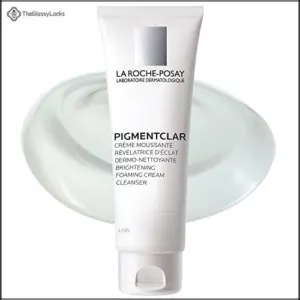
A gentle cleanser can set the tone for your whole routine, and La Roche-Posay’s Pigmentclar Brightening Foaming Cleanser is a good example. It uses lipo-hydroxy acid (LHA), a salicylic acid derivative, to loosen dull surface cells. It contains no beads or particles, so it exfoliates without scrubbing.
Use a pea-sized amount on damp skin, massage, then rinse well. More product just makes extra foam and may leave your skin feeling tight. It also removes makeup and suits combination and mature skin.
If your skin is very sensitive, you may feel mild burning. Patch test first. Skip it if your skin is extremely dry, and watch for irritation with retinoids or peels.
| Best For | People with combination, mature, or sensitive skin who want a gentle, non-scrubbing cleanser that helps fade dark spots and dullness while also removing makeup. |
|---|---|
| Product Type | Foaming cleanser |
| Key Ingredients | Lipo-hydroxy acid (LHA) |
| Skin Type | Combination, mature, sensitive |
| Fragrance | N/A |
| Application | Damp skin, rinse off |
| Patch Test | Recommended |
| Additional Features |
|
- Uses a non-bead LHA exfoliant that loosens dull surface cells without scrubbing.
- Helps reduce visible dark spots and even out skin tone with consistent use.
- Removes makeup, cleans deeply without drying, and is suitable for the whole family, including teens.
- May cause mild burning on very sensitive skin, so a patch test is recommended.
- Using more than a pea-sized amount creates extra foam and can leave skin feeling tight.
- Not designed for extremely dry skin and may not fully address severe dryness.
2. Paulas Choice 2% BHA Exfoliant
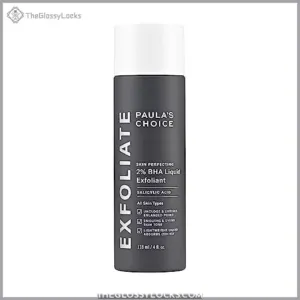
After cleansing, a targeted exfoliant can help with both breakouts and the marks they leave behind. Paula’s Choice 2% BHA Liquid Exfoliant uses salicylic acid, a beta hydroxy acid (BHA) that works inside oil-filled pores. It may speed up cell turnover, which can help fade post-inflammatory hyperpigmentation and clear blackheads.
The formula is non-abrasive, fragrance-free and paraben-free. Apply it to dry skin and don’t rinse. Give it 10 to 20 minutes to absorb before your next step.
Start every other day. You may see temporary purging or irritation, especially if your skin is sensitive. Always wear sunscreen, since BHA can make your skin more sun sensitive.
| Best For | People of any skin type who want to clear blackheads, shrink the look of enlarged pores, and even out dull or marked skin with a gentle leave-on exfoliant. |
|---|---|
| Product Type | Liquid exfoliant |
| Key Ingredients | 2% salicylic acid (BHA) |
| Skin Type | All skin types |
| Fragrance | Fragrance-free |
| Application | Dry skin, leave-on |
| Patch Test | N/A |
| Additional Features |
|
- Unclogs pores and clears blackheads and closed comedones for smoother-looking skin
- Brightens tone and helps fade marks left behind by breakouts
- Fragrance-free, paraben-free, and non-abrasive, so it suits all skin types
- May cause temporary irritation or purging, especially on sensitive skin
- Makes skin more sensitive to the sun, so daily sunscreen is a must
- Needs to go on dry skin and sit for 10 to 20 minutes before your next step
3. Topicals Faded Brightening and Clearing Serum
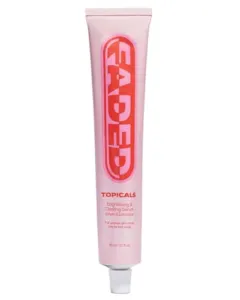
If dark spots linger, Topicals Faded Brightening and Clearing Serum may help. It combines 4% niacinamide, 3.5% tranexamic acid, 1% azelaic acid and 1% kojic acid, so it targets pigment in several ways at once.
Brand testing found 92% of users saw improved dark spots within two weeks. Results vary, though.
Apply it after cleansing and before moisturizer, on spots or your full face. Don’t use it on the same night as a BHA exfoliant, AHAs, retinols or tretinoin. It’s dermatologist-tested and free from dyes and synthetic fragrances. If you’re pregnant, check with your doctor first.
| Best For | People with stubborn dark spots or uneven skin tone who want a fragrance-free serum they can use on targeted spots or across the whole face. |
|---|---|
| Product Type | Brightening serum |
| Key Ingredients | Niacinamide, tranexamic, azelaic, kojic acids |
| Skin Type | N/A |
| Fragrance | No synthetic fragrance |
| Application | After cleansing, before moisturizer |
| Patch Test | N/A |
| Additional Features |
|
- Dermatologist-tested and free from dyes, animal testing, and synthetic fragrances
- Contains azelaic acid and niacinamide for antioxidant and anti-inflammatory action
- Goes on after cleansing and before moisturizer, and works for spot treatment or full-face use
- Not recommended alongside AHAs, BHAs, retinols, or tretinoin
- Strong sulfur-like odor from glutathione may be unpleasant
- The small 1.76 oz tube may not last long for some users
4. CeraVe PM Facial Moisturizing Lotion
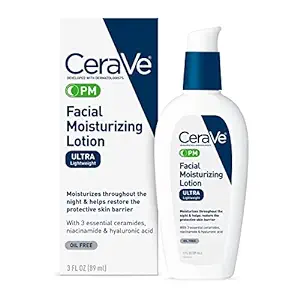
Active serums like Topicals Faded can leave your skin dry or tight, so it helps to finish the night with a gentle moisturizer. CeraVe PM Facial Moisturizing Lotion pairs three ceramides (NP, AP and EOP) with hyaluronic acid, a moisture-binding ingredient, to support skin barrier repair.
It also contains niacinamide, which may calm redness and help with pigmentation reduction over time. That can even out your skin tone and ease hyperpigmentation.
The formula is oil-free, fragrance-free and non-comedogenic, so it’s less likely to clog pores. Its MVE technology releases hydration slowly overnight. Apply it liberally to your face and neck after your serum. Use it every night.
| Product Type | N/A |
|---|---|
| Key Ingredients | N/A |
| Skin Type | N/A |
| Fragrance | N/A |
| Application | N/A |
| Patch Test | N/A |
| Additional Features |
|
5. CeraVe Hydrating Facial Cleanser For Dry Skin
A gentle cleanser matters more than you might think when you’re treating dark spots. Harsh washing can irritate skin and may trigger post-inflammatory hyperpigmentation, which is darkening that follows inflammation.
CeraVe Hydrating Facial Cleanser contains three ceramides (1, 3, 6-II), hyaluronic acid, and glycerin. Ceramides are lipids that help your skin barrier hold moisture. The lotion-like formula is non-foaming, fragrance-free, non-comedogenic, and developed with dermatologists. It’s also National Eczema Association certified, so it can suit sensitive skin.
Use it morning and night on normal to dry skin. It may feel rich if your skin is very oily, and may miss heavy makeup.
| Best For | People with normal to dry, sensitive, or eczema-prone skin who want a gentle, hydrating cleanser for face, body, and hands, especially while treating dark spots, since harsh washing can irritate skin. |
|---|---|
| Product Type | Hydrating cleanser |
| Key Ingredients | Three ceramides, hyaluronic acid, glycerin |
| Skin Type | Normal to dry, sensitive |
| Fragrance | Fragrance-free |
| Application | Morning and night |
| Patch Test | N/A |
| Additional Features |
|
- Contains three ceramides (1, 3, 6-II), hyaluronic acid, and glycerin to help the skin barrier hold moisture.
- Fragrance-free, paraben-free, non-comedogenic, and non-foaming, so it cleanses without stripping or drying the skin.
- National Eczema Association certified and developed with dermatologists, making it suitable for sensitive skin.
- May not fully remove heavy makeup for some users.
- The lotion-like formula may feel too rich for very oily skin.
- People with specific allergies should check the ingredients, since it contains ceramides and hyaluronic acid.
6. La Roche-Posay Mela B3 Serum
How do you fade stubborn dark spots? La Roche-Posay Mela B3 Serum pairs patented Melasyl with 10% niacinamide. Melasyl works early in melanin production, so it can help prevent new pigment from forming. Niacinamide helps maintain an even tone.
85% of subjects saw significant reduction in dark spots after 8 weeks. It targets sun spots, age spots, and post-acne marks, and it’s suitable for all skin tones.
You may need at least 4 weeks of consistent use to see changes.
It contains fragrance, which is allergy-tested but may feel strong. If your skin is very sensitive, it can burn or irritate, so patch test first.
| Best For | People dealing with stubborn dark spots from sun, aging, or past breakouts who want a serum that works on all skin tones and types, including sensitive skin, and who are willing to use it consistently for several weeks. |
|---|---|
| Product Type | Brightening serum |
| Key Ingredients | Melasyl, 10% niacinamide |
| Skin Type | All skin types and tones |
| Fragrance | Contains fragrance |
| Application | N/A |
| Patch Test | Recommended |
| Additional Features |
|
- Targets a range of dark spots, including sun spots, age spots, and post-acne marks, with 10% niacinamide and patented Melasyl.
- In a clinical study, 85% of subjects saw a significant reduction in dark spots after 8 weeks.
- Suitable for all skin tones and types, and allergy-tested for added peace of mind.
- Can cause burning or irritation on very sensitive skin, so a patch test is wise.
- Contains fragrance, which some people find too strong.
- Visible results can take at least 4 weeks of consistent use.
7. CeraVe Skin Renewing Night Exfoliator
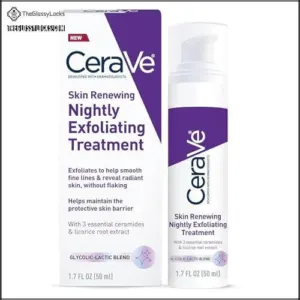
Say you’ve had stubborn dark marks from old breakouts for months, and your skin gets cranky with strong acids. A gentler nightly option may suit you.
CeraVe Skin Renewing Night Exfoliator uses a 5% mix of glycolic and lactic acids. These are alpha hydroxy acids (AHAs), which loosen dull, pigmented cells so fresh skin can surface. That can help fade dark spots and boost radiance over time.
It also contains three essential ceramides, hyaluronic acid and licorice root extract to support your barrier and brighten tone. The formula is fragrance-free and non-comedogenic.
Apply it to clean, dry skin in the evening. Wear sunscreen by day, since AHAs can make skin more sun-sensitive. Patch test first, because very sensitive skin may still sting. Results vary.
| Best For | People with sensitive or acne-prone skin who want a gentle nightly exfoliant to fade dark spots and improve radiance and texture. |
|---|---|
| Product Type | Night exfoliator |
| Key Ingredients | Glycolic and lactic acids, ceramides |
| Skin Type | All skin types |
| Fragrance | Fragrance-free |
| Application | Evening on dry skin |
| Patch Test | Recommended |
| Additional Features |
|
- Uses a gentle 5% blend of glycolic and lactic acids to exfoliate and help fade dark spots
- Contains three essential ceramides, hyaluronic acid, and licorice root extract to support the skin barrier, add moisture, and brighten tone
- Fragrance-free, paraben-free, and non-comedogenic, and suitable for all skin types
- May cause irritation or burning on very sensitive skin, so a patch test is advised
- Packaging can arrive crushed, and some users have trouble dispensing the product
- Results vary, and some users see no visible exfoliation or experience skin purging
8. Neutrogena Hydro Boost Gel Cream Set
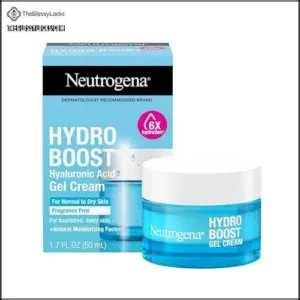
Hydration that lasts up to 48 hours can make a real difference when you’re using retinoids or exfoliants, which may leave skin dry and flaky. Neutrogena Hydro Boost Gel Cream Set aims to deliver that. Its water-like gel-cream texture absorbs fast and layers under sunscreen or makeup without pilling.
The formula uses sodium hyaluronate and glycerin to draw water into skin, while dimethicone helps slow moisture loss. It’s fragrance-free, dye-free, noncomedogenic and allergy-tested, so it suits sensitive and acne-prone skin. The set also includes a travel-size Hydrating Gel Cleanser.
It has no depigmenting ingredients, so it won’t fade dark spots. Very sensitive skin may burn, and oily skin may want more oil control. Patch test first.
| Best For | People with dry, sensitive, or acne-prone skin who want a lightweight, fragrance-free moisturizer that layers well under sunscreen and makeup, especially while using drying products like retinoids or exfoliants. |
|---|---|
| Product Type | Moisturizer and cleanser set |
| Key Ingredients | Sodium hyaluronate, glycerin, dimethicone |
| Skin Type | Dry, sensitive, acne-prone |
| Fragrance | Fragrance-free |
| Application | N/A |
| Patch Test | Recommended |
| Additional Features |
|
- Water-like gel-cream texture absorbs fast without a greasy feel and wears well under makeup and sunscreen without pilling.
- Delivers up to 48 hours of hydration and helps diminish dry lines within two weeks.
- Fragrance-free, dye-free, noncomedogenic, and allergy-tested, with a travel-size Hydrating Gel Cleanser included in the set.
- May cause a burning sensation for some people with very sensitive skin, so a patch test is wise.
- Not made for extremely oily skin and may not offer enough oil control.
- Has no depigmenting ingredients, so it won’t fade dark spots, and some users feel the price is less valuable than alternatives.
9. Neutrogena Hydro Boost Water Gel Moisturizer
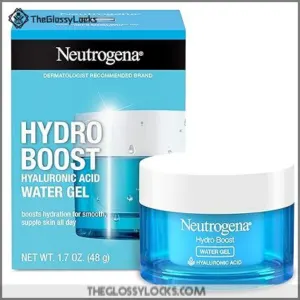
Want hydration that doesn’t feel heavy? This water gel may be your answer.
Neutrogena Hydro Boost Water Gel Moisturizer uses hyaluronic acid, a molecule that binds water to your skin, for 24-hour hydration. The formula is non-comedogenic, meaning it shouldn’t clog pores, and it feels cooling and non-greasy. It absorbs quickly, so it layers well under makeup and brightening serums.
It doesn’t treat dark spots on its own, and it has no SPF, so you’ll still need sunscreen. It also contains fragrance, which can irritate sensitive skin. Patch test it on your arm first if your skin’s sensitive. The 1.7 fl oz jar costs €17.77.
| Best For | People with normal, dry, oily, or combination skin who want a lightweight, cooling daily moisturizer that layers well under makeup. |
|---|
- Hyaluronic acid delivers 24-hour hydration for fresh, dewy-looking skin.
- Non-comedogenic, non-greasy gel that absorbs quickly and suits every skin type.
- Helps control shine in an oily T-zone while preventing dryness in combination skin.
- Contains fragrance, which may irritate or cause breakouts on sensitive skin.
- Has no SPF, so you still need a separate sunscreen.
- The small 1.7 fl oz jar may need frequent repurchasing for heavy users.
10. EltaMD UV Clear Face Sunscreen
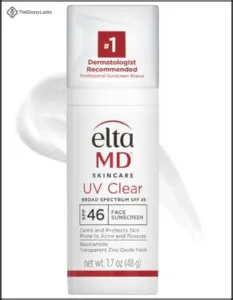
Skip sunscreen, and your dark spots may come back.
EltaMD UV Clear is an SPF 46 sunscreen that pairs 9% zinc oxide with 7.5% octinoxate. Together, they offer broad spectrum light coverage and UV protection. It adds 5% niacinamide, which can help reduce discoloration.
The formula is oil-free, fragrance-free, and non-comedogenic, so it shouldn’t clog pores or worsen post-inflammatory marks. It can sit over vitamin C or retinoids, and the airless pump needs 10 to 15 pumps.
Apply it 15 to 30 minutes before going outside. Reapply every two hours, or after sweating or swimming. Daily use helps prevent hyperpigmentation.
Frequently Asked Questions (FAQs)
What is the best treatment for skin hyperpigmentation?
No single miracle cream erases dark spots overnight.
For hyperpigmentation, hydroquinone with retinoids works best in clinical studies. Azelaic acid and kojic acid are gentler options. Laser treatments may help, but daily sunscreen matters most.
How do Koreans get rid of hyperpigmentation?
Koreans combine daily broad spectrum sunscreen with gentle layers of niacinamide, azelaic acid, kojic acid, and L-ascorbic acid. You’d use them gradually, since they may fade dark spots slowly, and cleanse your skin thoroughly first.
What worsens hyperpigmentation?
Sun damage is the biggest trigger, since UV and visible light darken spots and melasma. Picking at acne, over-exfoliation, harsh retinoids, and chemical peels can inflame skin, and inflammation can leave marks.
Can I permanently get rid of hyperpigmentation?
You may hear that fading means failure, but it doesn’t. Hyperpigmentation rarely disappears for good. Daily sunscreen and melanin inhibition can keep skin lightening results, though IPL therapy or laser resurfacing may still need maintenance.
How long until hyperpigmentation fades with treatment?
Most hyperpigmentation treatment shows early change in 8 to 12 weeks, and visible fading often takes three to six months. Melasma may need longer. Daily sunscreen matters, since sun exposure can bring spots back.
Can hyperpigmentation come back after successful treatment?
Yes, it can. Melasma and post-inflammatory hyperpigmentation return most often, usually after unprotected sun damage, hormonal shifts, or stopping maintenance care.
Daily sunscreen, gentle skin barrier repair, and consistent hyperpigmentation prevention can lower your risk.
Are professional treatments better than at-home products?
In one study, combination therapy produced a 9% partial response rate, beating topicals alone at 4%. Professional dermatology, like chemical peels, laser treatments and microneedling, works faster, while OTC products fade spots slowly. Pairing both usually helps most.
Whats the difference between chemical peels and lasers?
Chemical peels use acids to loosen pigmented surface cells, while laser treatments target melanin with light. Both support pigmentation reduction and skin resurfacing, but an ablative laser removes skin layers, so you’ll need longer healing.
Does hyperpigmentation treatment work on all skin tones?
Picture a dark spot on skin like a drop of ink on cloth. Yes, treatment can fade it on every skin tone. But darker skin, rich in melanin, can darken further if irritated, so you’ll need gentle products and a dermatologist’s guidance.
Can hyperpigmentation come back after treatment?
Yes, hyperpigmentation can return faster than you can say "dark spot." Sun damage, hormones, and inflammation drive it.
Melasma treatment needs ongoing maintenance, postinflammatory care calms irritation, and daily sunscreen protects all your treated skin.
Conclusion
An estimated 50 million people worldwide live with melasma, and many spend months using the wrong products. Don’t be one of them. The best hyperpigmentation skin treatments match your spot’s cause and your skin tone, and they need patience, often three to six months.
Wear broad-spectrum sunscreen every day, because sun can undo your progress. If a spot changes shape, bleeds, or looks unusual, see a dermatologist. Steady, patient care beats quick fixes every time.