This site is supported by our readers. We may earn a commission, at no cost to you, if you purchase through links.

Your skin doesn’t need a chemistry lab to clear up—sometimes the most effective acne treatments grow in gardens, sit in your pantry, or come straight from nature. While prescription medications have their place, research shows that many organic compounds possess antimicrobial, anti-inflammatory, and sebum-regulating properties that target acne at its source.
These natural remedies work with your skin’s biology rather than against it, offering gentler alternatives that won’t strip your protective barrier or trigger the irritation cycle many harsh products create.
Understanding what actually causes your breakouts—from hormonal shifts to dietary triggers—helps you choose remedies that address your specific situation, not just mask symptoms temporarily.
Table Of Contents
- Key Takeaways
- Acne Causes Explained
- Natural Acne Remedies
- Home Remedies for Acne
- Acne Prevention Tips
- Organic Skin Care Routine
- Frequently Asked Questions (FAQs)
- What is the best natural remedy for acne?
- How did I cured my acne naturally?
- How to cure acne prone skin naturally?
- What herb gets rid of acne?
- How long before seeing results from natural remedies?
- Are organic treatments safe during pregnancy?
- Which essential oils should never mix together?
- Can organic treatments work alongside prescription medications?
- Can organic remedies help hormonal cystic acne?
- How long until natural treatments show results?
- Conclusion
Key Takeaways
- Natural remedies like tea tree oil, aloe vera, and green tea target acne through antimicrobial and anti-inflammatory properties without the harsh barrier-stripping effects of synthetic treatments, though results typically appear after 4-8 weeks of consistent use.
- Hormonal fluctuations, high-glycemic foods, and stress drive acne by increasing sebum production and inflammation—addressing these root causes through diet modifications and stress management proves more effective than surface-level symptom treatment.
- A gentle twice-daily cleansing routine with non-comedogenic products protects your skin barrier better than aggressive washing, which paradoxically triggers compensatory oil overproduction and worsens breakouts.
- While organic treatments show promise for mild to moderate acne, individual responses vary significantly, and severe or persistent cases require dermatologist supervision to determine whether natural remedies can complement or should defer to prescription medications.
Acne Causes Explained
Acne doesn’t just appear out of nowhere—it develops when specific internal and external factors disrupt your skin’s natural balance. Understanding what triggers breakouts helps you address the root causes rather than just treating symptoms.
Several key factors work together to create the conditions where acne thrives, and recognizing these patterns gives you better control over your skin health.
Hormonal Imbalance Effects
When your hormones shift, your skin often responds with unwanted breakouts. Hormonal changes affect sebum production, and the consequences can be frustrating. Androgen excess is a primary driver, ramping up oil output and clogging pores.
Women with PCOS acne experience this at much higher rates, with studies showing a 43% prevalence compared to 21% in others. Additionally, menstrual flares affect about 63% of acne-prone women as estrogen modulation and rising progesterone narrow follicles before periods. The progesterone rise mid-cycle stimulates sebum production.
Stress amplifies these hormonal triggers by releasing androgens. Even insulin influence plays a role, promoting ovarian androgen synthesis that worsens breakouts.
Poor Diet Consequences
Your diet shapes your skin’s future more than you might think. High glycemic foods spike blood glucose and insulin, ramping up sebum production and inflammation amplification. Research shows dietary glycemic load above 175 increases acne odds twentyfold.
High-glycemic foods spike insulin and sebum production, with dietary loads above 175 increasing acne risk twentyfold
Dairy products worsen breakouts by triggering insulin resistance, while nutrient deficiencies and poor gut health from processed foods strip away your skin’s natural defenses against blemishes. A meta-analysis found a positive association exists between milk consumption and acne risk.
Stress and Lifestyle Factors
While food plays its part, stress hormones take center stage in triggering breakouts. Research on female medical students found higher perceived stress directly correlated with worse acne severity.
Your body reacts to occupational stressors and poor sleep quality by ramping up cortisol and sebum production. Physical activity helps—regular exercise lowers baseline stress hormones over time.
Even smoking habits show surprising links to acne patterns, though the downsides far outweigh any apparent benefits.
Skin Care Routine Importance
Beyond managing stress, your skin care routine becomes the daily framework that determines whether breakouts flourish or fade. A consistent regimen matters more than you might expect—research shows twice-daily cleansing with mild products reduces lesion counts better than washing once or three times daily.
Cleansing frequency affects barrier protection, so overwashing strips natural oils and triggers compensatory sebum production. Adherence success depends on product selection: choose non-comedogenic formulas for skin hydration and limit skin exfoliation to twice weekly.
Your skincare cleansing routine requires consistency, not intensity, for effective skin treatment.
Natural Acne Remedies

Natural remedies offer a gentler approach to managing acne, working with your skin’s biology rather than against it. Many plant-based ingredients contain compounds that reduce inflammation, fight bacteria, and balance oil production without the harsh side effects of synthetic treatments.
Let’s look at four natural options that have shown real promise in clearing acne-prone skin.
Aloe Vera Benefits
Aloe vera isn’t just a soothing gel, it’s a clinical powerhouse for acne. Its wound healing properties accelerate recovery while reducing inflammation around blemishes. You’ll notice less redness, improved skin hydration, and even scar reduction with consistent use. Studies pairing aloe with tretinoin showed considerably fewer lesions after eight weeks, and its safety profile makes it suitable for most skin types, though you should patch-test first if you’re prone to skin irritation.
- Calms inflamed acne lesions while maintaining ideal moisture
- Speeds re-epithelialization for faster healing
- Reduces post-acne hyperpigmentation naturally
- Fortifies your skin’s barrier without clogging pores
Tea Tree Oil Uses
You’ve likely heard of tea tree oil as an acne treatment, and the evidence backs it up. This antibacterial powerhouse targets acne bacteria directly, with 5% oil concentration reducing lesions by over 40% in clinical trials. It delivers inflammation reduction while working as an antiinflammatory agent on your skin.
However, safety concerns exist—concentrations above 5% increase skin irritation risk without added benefit. For practical application, always dilute it properly and patch-test first, especially if you’re sensitive to essential oils.
Green Tea Advantages
Green tea stands out as one of the most studied natural acne treatments, thanks to its star compound EGCG. This powerhouse ingredient offers antimicrobial action against acne bacteria while providing antioxidants that calm inflamed skin. Studies show it delivers impressive sebum reduction, lowering oil production by up to 60% within weeks. The best part? You’ll benefit most from:
- Topical formulations reducing inflammatory lesions by an average of 11 lesions
- Dose-dependent anti-inflammation effects, with higher concentrations showing stronger results
- Excellent formulation safety, with no serious side effects reported in clinical trials
When choosing products, look for concentrations between 3-7% for best skin health improvements.
Jojoba Oil Properties
Think of jojoba oil as your skin’s twin—its wax esters mirror the natural sebum in your pores, making it ideal for organic acne treatment. This clever match helps regulate oil without triggering breakouts. Studies show it delivers impressive acne reduction, cutting lesions and sebum by roughly 23% in four weeks. Its anti-inflammatory punch calms redness while supporting barrier repair, and skin tolerance remains excellent across most skin types.
| Jojoba Oil Benefit | How It Helps Your Skin |
|---|---|
| Sebum Similarity | Balances oil production naturally |
| Anti-Inflammatory | Reduces redness and irritation |
| Barrier Repair | Strengthens your skin’s protective layer |
Home Remedies for Acne
You don’t always need expensive products to treat acne, many effective solutions are already in your kitchen. Simple ingredients like apple cider vinegar, honey, and gentle exfoliants can help reduce breakouts when used correctly.
Here’s how to prepare and apply these home remedies safely for clearer skin.
Apple Cider Vinegar Treatment

Apple cider vinegar might seem like your skin’s secret weapon, but here’s what you need to know. ACV antimicrobial action targets acne-causing bacteria, yet clinical research gaps mean we don’t have solid proof it works better than proven treatments.
Dilution best practices matter—mix one part ACV with three or four parts water before applying. Skip this step, and you’re risking skin barrier impact, burns, and irritation.
These application adverse effects aren’t worth it when safer organic acne treatment options exist. Always patch-test first and consider consulting your dermatologist.
Honey Face Mask Benefits

Raw honey offers more than sweetness—it’s backed by science for acne care. Laboratory studies show honey inhibits acne bacteria growth by over 90% at low concentrations, while clinical trial results demonstrate accelerated wound healing effects and reduced inflammation. You’ll benefit from honey’s antibacterial properties that target breakouts, plus skin barrier function improvements that lock in moisture. However, irritation and allergies can occur in sensitive individuals, so patch-test first.
Simple honey face mask applications for skin care:
- Apply raw manuka honey directly to clean skin, leave for 15-20 minutes, then rinse with lukewarm water for gentle antibacterial treatment.
- Mix one tablespoon honey with yogurt or oatmeal to create a soothing herbal remedies mask that exfoliates while calming inflamed acne lesions.
- Combine honey with cinnamon powder for enhanced antimicrobial action, targeting stubborn breakouts without harsh chemicals or drying effects.
DIY Face Mask Recipes

You’ve seen how honey works wonders—now let’s build on that foundation with complete DIY face mask recipes for acne treatment. Mix 1 teaspoon turmeric powder with 2 tablespoons yogurt and 1 teaspoon honey for anti-inflammatory home remedies targeting breakouts.
For sensitive skin care, blend ground oatmeal with milk overnight, creating a gentle natural remedies paste.
These ingredient sourcing guide essentials offer mask application tips that work with your skin’s biology, though allergy considerations matter—always patch-test new recipe customization ideas before full mask storage advice implementation.
Exfoliation Techniques

Building on simple masks, exfoliation takes your routine deeper. Chemical exfoliants like salicylic acid reduce sebum and unclog pores without scrubbing, while gentle mechanical methods—think oatmeal-based scrubs—offer physical lift. Enzyme peels from pineapple or papaya dissolve dead cells naturally.
Start with twice-weekly facial exfoliation methods to avoid over-exfoliation, which damages your skin barrier. Listen to your skin: redness signals you’ve gone too far. Proper exfoliation frequency aids pore detoxification and keeps breakouts at bay through gentle skin care.
Acne Prevention Tips

Preventing acne isn’t just about what you put on your skin, it’s also about what you put in your body and how you manage daily stress. Small lifestyle changes can make a real difference in keeping breakouts under control.
Here are four evidence-based strategies that work with your body’s natural processes to reduce acne flare-ups.
Low-Glycemic Index Diet
When your insulin levels spike after eating refined carbs or sweets, your skin pays the price through increased oil production and inflammation. A low-glycemic diet addresses hormonal acne at its root by improving insulin sensitivity and helping with weight management. Here’s how your food choices make a difference:
- Replace white bread and pastries with steel-cut oats, lentils, and quinoa to keep blood sugar steady
- Choose berries over candy bars to minimize sugar impact on your complexion
- Fill half your plate with non-starchy vegetables for sustained energy and clearer skin
Omega-3 Rich Foods
Blood sugar control is just part of the equation—your skin also needs anti-inflammatory fuel. Oily fish like salmon and mackerel deliver EPA/DHA intake that research shows can reduce acne lesions by calming inflammation and supporting insulin regulation.
If fish isn’t your thing, walnuts, chia seeds, and flaxseeds offer plant-based dietary sources. Studies suggest supplementation efficacy too, with 1,000–2,000 mg daily improving skin health for many.
Stress Management Techniques
Managing stress isn’t optional—it directly impacts your skin. Research shows that during high-stress periods, 100% of students developed acne lesions, with nearly half experiencing moderate severity. When stress drops, so does acne.
You’ve got science-backed options. Mindfulness exercises and meditation benefits are real: eight-week programs considerably lowered cortisol, a stress hormone tied to breakouts. Breathing methods—just 5–10 minutes daily—ease tension fast. Yoga practices calm both mind and body, reducing hormonal triggers and lifestyle factors that fuel acne.
Don’t overlook sleep quality either. Poor sleepers face 33 times higher acne risk compared to those resting well. Stress journaling, cognitive behavioral therapy, and relaxation techniques all improve stress and acne outcomes. Pick what resonates with you and stick with it—your skin will notice.
Exercise and Skin Health
While sweating during exercise won’t worsen your acne if you cleanse properly, the real benefits run deeper. Regular movement lowers inflammation markers like CRP and IL-6, which fuel breakouts, and boosts blood flow for faster skin repair.
Exercise also improves metabolic health and insulin sensitivity, reducing sebum production.
A complete approach matters: shower soon after workouts, wear breathable fabrics, and support your skin microbiome with gentle post-exercise cleansing for best skin health.
Organic Skin Care Routine
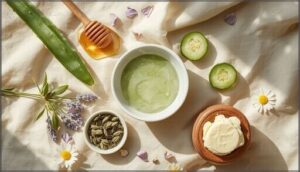
Building an effective organic skin care routine doesn’t require complicated steps or expensive products. The key is choosing gentle, natural ingredients that work with your skin’s biology rather than against it.
Let’s look at four essential components that can help you maintain clearer, healthier skin.
Gentle Cleansing Methods
Think of your skin barrier like a shield—scrubbing too hard or washing too often breaks it down. That’s why gentle cleansing is key to fighting acne without causing harm.
You should cleanse twice daily max—morning and evening—using a mild, non-comedogenic cleanser. Choose fragrance-free, pH-balanced face cleansers that won’t strip your natural oils. Use lukewarm water and massage gently with your fingertips for 20–30 seconds, then pat dry. Avoiding irritants like harsh scrubs protects your skin while keeping pores clear.
| Do This | Skip That |
|---|---|
| Use natural face cleansers twice daily | Wash more than twice—it triggers oil overproduction |
| Apply with fingertips in circles | Scrub with brushes or rough cloths |
| Rinse with lukewarm water | Use hot water—it damages your Skin Barrier |
| Pat dry with soft towel | Rub vigorously after facial cleansing |
Probiotic Supplements Benefits
Your gut and skin communicate through the gut-skin axis, and probiotic supplements can shift that conversation in your favor. Research shows 12-week oral probiotic use reduced acne severity scores and total lesion counts considerably compared to control treatments.
Specific strains like Lactobacillus rhamnosus lower inflammation by targeting cytokines that fuel breakouts. Topical postbiotics containing fermented Lactobacillus plantarum also decrease sebum production and water loss after just four weeks. The safety profile remains excellent—trials report minimal side effects.
Think of probiotics as reinforcements for your skin microbiome, addressing inflammation reduction from within while fermented foods offer similar gut-balancing benefits.
Vitamin a Rich Foods
Your skin craves vitamin A to regulate oil production and speed cell turnover, but choosing the right sources matters. Retinol from animal foods absorbs at 30% efficiency within an hour, while carotenoids from plants lag below 5%, making animal sources more potent for skin health benefits.
- Sweet potatoes and carrots deliver over 200% of your daily value from beta-carotene, naturally converted to retinol without toxicity risk.
- Beef liver and fatty fish provide preformed retinol that aids acne-fighting keratinization, though portions exceeding safe upper limits (3,000 micrograms daily) can trigger dermatitis.
- Spinach and dried apricots offer gentler provitamin A absorption, ideal when vitamin A deficiency compromises your skin’s barrier function.
Balance is key—both insufficient and excessive levels disrupt skin health, so aim for the recommended 700-900 micrograms daily through herbal remedies and natural skincare strategies.
Rosehip Seed Oil Uses
Rosehip oil delivers a powerful one-two punch for acne-prone skin, combining sebum regulation with inflammation reduction in a single, natural ingredient. Rich in linoleic acid (35–55% composition), this oil restores your skin barrier while decreasing compensatory oil overproduction that triggers breakouts. You’ll notice acne scars softening within 4–8 weeks when you apply 2–3 drops twice daily to clean, damp skin.
| Rosehip Oil Benefit | Timeline for Results |
|---|---|
| Acne treatment & lesion reduction | 6–12 weeks |
| Acne scarring & hyperpigmentation | 8–12 weeks |
| Skin barrier repair | 2–6 weeks |
For practical application in natural skincare, patch-test first—those provitamin A compounds work hard.
Frequently Asked Questions (FAQs)
What is the best natural remedy for acne?
An ounce of prevention is worth a pound of cure,” and that wisdom rings especially true for acne treatment.
Tea tree oil, applied at 5% concentration, reduces inflammatory lesions as effectively as benzoyl peroxide without harsh side effects.
How did I cured my acne naturally?
You can clear acne naturally by applying tea tree oil and honey masks, eating a low-glycemic diet, managing stress, and getting enough sleep.
These lifestyle changes and natural acne treatments help restore your skin’s balance.
How to cure acne prone skin naturally?
You’ll heal acne-prone skin naturally through a whole-body approach: gentle cleansing with tea tree oil or honey, plant-based ingredients like green tea and aloe vera, plus herbal remedies that support your skin microbiome and promote scar reduction.
What herb gets rid of acne?
Like a shield against breakouts, tea tree oil targets acne-causing bacteria effectively.
You can also apply diluted neem, basil, or thyme directly to blemishes—these herbal antibacterials reduce inflammation and balance oil production naturally.
How long before seeing results from natural remedies?
Most natural acne ingredients show Initial Improvement Time around 4–6 weeks with Treatment Consistency, though Long-Term Efficacy depends on Severity Dependence and which Modality Matters.
Herbal treatments for acne work gradually, letting natural skincare support lasting results.
Are organic treatments safe during pregnancy?
While many assume all natural products are automatically pregnancy-safe, that’s not true—some botanicals pose fetal risk. Most organic acne treatments work well during pregnancy, but skip tea tree and undiluted essential oils.
Choose gentle options like aloe vera, honey, and jojoba oil for skin concerns.
Always consult your healthcare provider about herbal remedies and acne actives before starting any natural skincare routine.
Which essential oils should never mix together?
Certain essential oil combinations pose real risks for your skin. Phenol-rich oils like clove, oregano, and cinnamon bark should never be mixed together—they create cumulative irritation and allergy potential that can worsen acne and trigger severe breakouts.
Can organic treatments work alongside prescription medications?
Surprisingly, combining organic acne treatments with prescription medications can actually improve your results—but only under dermatologist supervision.
Herbal acne treatment methods may boost efficacy while reducing drug interaction risks, cumulative irritation, and enabling dosage reduction, ultimately boosting patient satisfaction.
Can organic remedies help hormonal cystic acne?
Organic acne solutions can reduce inflammation and support hormonal balance in PCOS-related breakouts.
Herbs for acne like tea tree oil and aloe vera show promising long-term efficacy, though they won’t replace prescription treatments for severe cystic cases.
How long until natural treatments show results?
A teen applying tea tree oil twice daily saw fewer breakouts by week four.
Generally, you’ll notice initial improvement within 4–8 weeks with consistent application, though full clearance takes 3–6 months depending on acne severity.
Conclusion
Think of your skin as a garden—when you nourish it with the right ingredients, it naturally flourishes. These organic skin remedies for acne work alongside your body’s healing mechanisms, not against them.
Clearing acne takes patience and consistency, much like cultivating healthy soil before expecting blooms. Results vary between individuals, so monitor how your skin responds, adjust your approach accordingly, and consult a dermatologist if breakouts persist despite your efforts.
- https://pubmed.ncbi.nlm.nih.gov/17314442/
- https://pmc.ncbi.nlm.nih.gov/articles/PMC6298394/
- https://www.dermatologytimes.com/view/evaluating-the-efficacy-and-safety-of-organic-acids-in-chemical-peels-for-acne
- https://www.precisionnutrition.com/all-about-acne-nutrition
- https://www.webmd.com/skin-problems-and-treatments/acne/features/period