This site is supported by our readers. We may earn a commission, at no cost to you, if you purchase through links.
That razor bump showing up the day before a big event isn’t bad luck—it’s biology working against your shaving routine. Ingrown hairs form when a strand curls back into the skin instead of growing outward, triggering inflammation that looks and feels like a tiny, stubborn infection.
People with coarse or curly hair deal with this more often, but the wrong technique or a dull blade can cause the same problem on any skin type.
The good news: ingrown hair bumps are largely preventable with the right prep, tools, and aftercare.
Here’s exactly what dermatologists recommend.
Table Of Contents
- Key Takeaways
- Causes and Risk Factors for Ingrown Hair Bumps
- How to Prepare Skin Before Hair Removal
- Shaving and Hair Removal Techniques to Prevent Bumps
- Post-Hair Removal Care to Prevent Ingrown Hairs
- Effective Exfoliation and Moisturizing Strategies
- Top 10 Products to Prevent Ingrown Hair Bumps
- 1. Topicals Ingrown Hair Serum Roll On
- 2. Hylands PRID Drawing Salve Skin Irritation Relief
- 3. Mario Badescu Drying Lotion
- 4. Paula’s Choice Salicylic Acid Exfoliant
- 5. Neosporin Original Triple Antibiotic Ointment
- 6. Cortizone 10 Maximum Strength Itch Relief Cream
- 7. Fur Ingrown Oil Concentrate
- 8. Cetaphil Acne Relief Body Wash
- 9. Billie Ultimate Skin Solution AHA Spray
- 10. Thayers Alcohol Free Witch Hazel Toner
- Frequently Asked Questions (FAQs)
- How to stop getting ingrown hair bumps?
- How do you prevent ingrown hairs?
- What are the causes and symptoms of ingrown hair?
- What to do if you get ingrown hairs on your scalp?
- How do you treat a swollen ingrown hair?
- How do you get rid of razor bumps & ingrown hairs?
- How do I get rid of ingrown hair on my face?
- Why do I keep getting ingrown hair bumps?
- How do you stop ingrown hairs from forming?
- How do you get rid of ingrown hair lumps?
- Conclusion
Key Takeaways
- Ingrown hairs form when curly or coarse hair curls back into the skin after shaving, and using a single-blade razor with short, grain-following strokes is the most effective way to stop that from happening.
- Prep matters as much as technique — softening hair with warm water for 3–5 minutes and exfoliating with salicylic or glycolic acid a few times a week keeps follicles clear before bumps even start.
- What you do right after shaving — rinsing with cool water, applying a fragrance‑free ceramide moisturizer within 10 minutes, and wearing loose breathable fabric — directly shapes whether bumps form or stay away.
- When bumps do appear, warm compresses held for 10–15 minutes soften the skin and help the trapped hair surface naturally; picking at bumps transfers bacteria and turns minor irritation into real infection.
Causes and Risk Factors for Ingrown Hair Bumps
Ingrown hairs don’t just happen randomly — certain things make them far more likely. Knowing what’s working against your skin is the first step to stopping bumps before they start.
From shaving technique to hair texture, common ingrown hair causes and how to prevent them reveal exactly why some people deal with bumps constantly while others rarely do.
Here’s what actually drives the problem.
Hair Type and Curl Pattern
Your curl classification matters more than you might think.
Coily and curly hair grow from angled follicles, so the follicle angle naturally guides each strand back toward the skin after a close shave. That’s the root cause of pseudofolliculitis barbae.
Coarse vs fine hair plays a role too — thicker strands push harder against the skin.
Ethnic predisposition is real, making consistent follicle care and ingrown hair prevention especially important.
Avoiding tight clothing friction can reduce ingrown hair risk.
Shaving and Hair Removal Methods
Hair type sets the stage, but your removal method often pulls the trigger.
Multi-blade razors are a common culprit — they lift hair below the skin surface before cutting, which is exactly how razor bumps start. Blade sharpness matters too; dull edges tug instead of slicing. Waxing technique, shaving frequency, depilatory safety, and laser reduction each carry their own ingrown hair prevention trade‑offs worth understanding.
Consider that laser reduces ingrown hairs as an effective long‑term option.
Skin Friction and Tight Clothing
Your removal method isn’t the only trigger — what you wear afterward matters too. Tight leggings, shapewear, and elastic band pressure push growing hairs sideways into the skin, fueling razor bumps and folliculitis.
Fabric choice and seam placement along the inner thigh or bikini line add constant rubbing. Heat and sweat under synthetic materials block follicle openings, making ingrown hair prevention harder without clothing rotation.
Improper Skin Care Habits
What you put on your skin — and what you skip — shapes your ingrown hair risk just as much as clothing does. Three habits that quietly work against you:
- Skipping cleansing before shaving leaves oil and residue to trap cut hairs.
- Over-scrubbing weakens the skin barrier, inviting more inflammation.
- Heavy moisturizers and comedogenic oils block follicles, turning routine shaving into a razor bumps setup.
Harsh soaps and inconsistent exfoliation compound the problem.
How to Prepare Skin Before Hair Removal

before hair removal matters just as much as how you remove it.
Prepping your skin the right way can mean the difference between a smooth result and a week of angry bumps.
Here’s where to start.
Cleansing and Softening Hair
Warm water is your first line of defense. Running warm water over the area for 3–5 minutes softens each hair shaft, making it far less likely to curl inward after cutting. Follow that with a pH‑Balanced Cleanser — fragrance‑free, sulfate‑free — to clear oils and residue without stripping your skin’s barrier.
| Step | What to Use | Why It Matters |
|---|---|---|
| Warm Water Hydration | 95–104°F water, 3–5 min | Softens hair, reduces razor drag |
| Gentle Cleanse | pH‑Balanced Cleanser | Clears follicle-blocking residue |
| Shave Product | Slip‑Enhancing Shave Oil | Cushions blade, prevents deep cuts |
| Conditioning Agents | Glycerin or shea butter | Keeps hair pliable throughout |
| Pre‑Shave Routine Timing | End of warm shower | Peak hair softness = fewer razor bumps |
Exfoliating to Remove Dead Skin Cells
Exfoliating is your secret weapon against razor bumps. It clears the dead skin cap that traps newly growing hairs beneath the surface. Here’s how to do it right:
- Use Chemical Acid Timing — apply AHAs or BHAs 2–3 times weekly
- Try Physical Scrub Methods — sugar scrubs once weekly on legs
- Choose Sensitive Skin Formulas — softer bristles for bikini line
- Follow smart Exfoliation Frequency — never daily; skin needs recovery time
- Get Layered Acid Benefits — glycolic smooths surface, salicylic clears follicles
Moisturizing for Skin Barrier Protection
Moisturizing is the step most people skip — and it’s the one that quietly does the most work.
Apply a ceramide rich cream or barrier repair lipid blend within minutes of shaving. Petrolatum occlusive barriers cut water loss dramatically, keeping skin supple. Hyaluronic acid hydration plumps follicle openings, while urea moisturizing benefits soften rough texture.
Make moisturizing after shaving the non-negotiable last step in your skin care routine.
Shaving and Hair Removal Techniques to Prevent Bumps
The way you remove hair matters just as much as how often you do it.
Small changes to your technique can make a real difference in whether bumps show up or stay away.
Here’s what actually works.
Using Single-Blade Razors
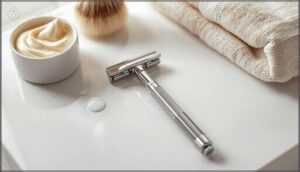
If razor bumps are a recurring problem, your razor choice matters more than you think. A single-blade razor makes one clean cut without lifting and slicing hair below skin level — that’s what triggers ingrown hairs.
Focus on blade angle (about 30 degrees), edge sharpness, grip comfort, and guard design. These shaving techniques for sensitive skin dramatically reduce irritation and keep skin care for shaved skin manageable.
Shaving With The Grain

Think of your hair as a one-way street — shaving against traffic causes accidents. Hair growth mapping helps you identify which direction each patch grows, because it changes across your neck, jaw, and cheeks.
Shaving with the grain reduces razor bumps and ingrown hair substantially. Combine that with proper lather consistency and skin tension management, and every pass becomes noticeably smoother.
Gentle, Short Strokes
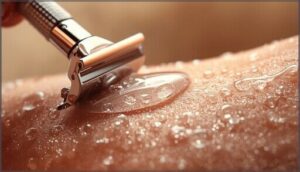
Short strokes are your skin’s best defense against razor bumps. Each pass should cover only a few centimeters — this keeps pressure control consistent and gives you real command over blade angle and stroke length.
- Use light pressure and let the razor’s weight guide it.
- Rinse every few strokes for blade cleanliness.
- Apply generous product lubrication before each pass.
- Limit repeat strokes over the same spot.
- Slow your pace on curved areas.
Forcing the blade increases friction and dulls it faster, so check out these razor blade sharpening tips for women’s safety razors to keep your edge lasting longer.
Proper Razor Maintenance and Replacement

Even perfect technique breaks down when your blade is dull. A blade sharpening schedule — swapping cartridges every five to seven shaves — is one of the most overlooked shaving tips for preventing razor bumps and razor burn.
Rinse your single-blade razor under warm water after every stroke, disinfect with alcohol, and store it upright using proper storage drying solutions to preserve that edge.
Considering Electric Trimmers or Alternative Methods
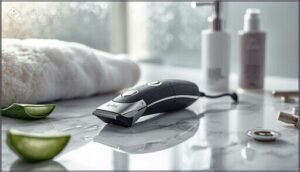
If your blade game is already on point, the next upgrade is switching tools entirely.
An electric shaver with Guard Length Selection keeps hair just above skin level — that small buffer stops coils from curling back in.
Choosing between Rotary vs Foil matters too: rotary heads handle curved areas better.
Look for Sensitive Skin Mode and Waterproof Trimmer Benefits for shower use, softening hair mid‑trim.
Post-Hair Removal Care to Prevent Ingrown Hairs
What you do right after hair removal matters just as much as your technique during it. Your skin is more vulnerable in those first few minutes and hours, so a little care goes a long way toward keeping bumps from forming.
Here’s what to do to give your skin the best chance at staying smooth and clear.
Rinsing With Cool Water
Finishing your shave with a 20- to 30-second cool water rinse does more than just feel invigorating. It triggers mild vasoconstriction, narrowing small blood vessels and visibly dialing down redness and razor burn within minutes.
This inflammation reduction gives cut hairs a clearer path out, lowering your folliculitis risk. Ignore the pore tightening myth — what you’re actually getting is calmer, less puffy skin that’s ready for what comes next.
Applying Fragrance-Free Moisturizers
Once you’ve rinsed, timing post-shave moisturizing matters more than most people realize. Apply a fragrance-free moisturizer within 5 to 10 minutes while skin is still slightly damp.
Dermatologists recommend layering with exfoliants only after skin has settled. For application technique, use clean hands and gentle circular motions.
Choosing barrier ingredients like ceramides, glycerin, or hyaluronic acid prevents skin irritation and helps ingrown hair treatment long‑term.
Avoiding Picking or Scratching Bumps
Picking at bumps feels satisfying in the moment, but dermatologists warn it’s one of the fastest paths to folliculitis and razor burn.
Every touch transfers bacteria, turning minor skin irritation into a real infection.
Try cool compress relief to calm the urge.
Fingernail trimming, the stress ball distraction method, or the glove barrier technique during idle moments all reinforce mindful hand habits that protect healing skin.
Exfoliating Between Shaves
Keeping follicles clear between shaves is one of the most effective ingrown hair treatment and prevention habits you can build. Timing frequency matters: wait 24 to 48 hours post-shave before exfoliating again.
For acid types, glycolic acid suits most skin, while salicylic acid works better for oily areas. Patch testing any new product first prevents unnecessary irritation.
Leave-on sprays beat harsh scrubbing every time.
Wearing Loose, Breathable Clothing
What you wear right after hair removal matters more than most people realize. Dermatologists consistently point to fabric choice benefits and fit timing as underrated skin care steps.
For the first 24–48 hours, choose:
- Loose cotton or bamboo for airflow optimization
- Moisture management fabrics to reduce sweat buildup
- Soft, seam‑free fits to prevent folliculitis and skin irritation
Tight synthetics can push regrowing hairs sideways, triggering ingrown hair formation fast.
Effective Exfoliation and Moisturizing Strategies

Keeping skin clear between hair removal sessions comes down to two habits: exfoliating consistently and staying moisturized. The right routine stops dead skin cells from trapping hairs before they even become a problem.
Here’s what actually works.
Using Chemical Exfoliants (AHAs/BHAs)
Chemical exfoliants are your best defense against ingrown hairs. Glycolic acid clears dead cells off the surface, while salicylic acid dives into follicles to unclog them from within — that combination AHA‑BHA approach addresses the problem at two levels.
Chemical exfoliants fight ingrown hairs on two fronts: glycolic acid clears the surface while salicylic acid unclogs follicles from within
Stick to 5–7% glycolic acid two to three times per week. Mind your sun‑sensitivity management by applying SPF after use, and always check application timing strategies — never apply acids right after shaving.
Gentle Physical Scrubs
Physical scrubs work best when you treat them as a complement to chemical exfoliants, not a replacement. Particle size matters — fine sugar or oat‑based scrubs are gentler on ingrown‑prone skin than coarse salt. Apply with light fingertip pressure using circular motions 2–3 times per week, never directly over inflamed bumps.
- Tools & formats: Sugar scrubs, exfoliating gloves, or soft cloths suit bikini line and legs best
- Frequency & timing: Exfoliate the evening before shaving or waxing — not immediately after
- Skin suitability: Skip direct scrubbing on active, painful bumps to avoid worsening irritation
Daily Hydration With Non-Comedogenic Creams
Moisturizing daily is one of the simplest things dermatologists recommend for preventing ingrown hairs.
Fragrance-free formulas with lightweight humectants like glycerin and barrier repair ingredients like ceramides — they hydrate without clogging follicles.
Application timing matters: apply to slightly damp skin right after exfoliation or shaving.
Consistent skin care routines that maintain skin pH balance keep follicles soft and regrowth smooth.
Top 10 Products to Prevent Ingrown Hair Bumps
The right products can make a real difference in dealing with stopping ingrown hairs before they start.
From targeted serums to gentle exfoliating washes, there are options that work at every stage — prevention, treatment, and recovery.
Here are ten dermatologist-recommended picks worth keeping in your routine.
1. Topicals Ingrown Hair Serum Roll On
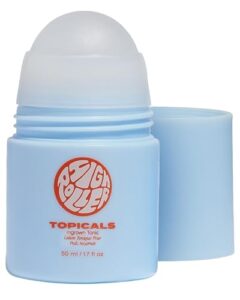
The Topicals High Roller Ingrown Hair Serum Roll-On ($26) is one of the more thoughtfully formulated options out there. It combines glycolic acid and salicylic acid to clear dead skin from the surface and inside pores — so trapped hairs can grow out straight. Niacinamide helps fade dark spots left behind by old bumps, while allantoin and centella asiatica calm redness fast.
The roll-on design means targeted, hygienic application — no messy fingers. Use it two to three times weekly on dry skin after hair removal.
| Best For | Anyone dealing with ingrown hairs, razor bumps, or irritation after shaving—especially those with sensitive skin. |
|---|---|
| Skin Concern | Ingrown hairs & razor bumps |
| Skin Type | Sensitive skin |
| Paraben-Free | Yes |
| Fragrance-Free | Yes |
| Product Format | Roll-on serum |
| Key Ingredient | Salicylic & glycolic acid |
| Additional Features |
|
- Easy roll-on applicator keeps things clean and simple
- Vegan, cruelty-free, and free of harsh additives
- Soothes, exfoliates, and brightens skin in tricky areas like armpits and bikini line
- Results can take a few months to show up
- Some users report irritation or sensitivity
- Pricey for a small bottle
2. Hylands PRID Drawing Salve Skin Irritation Relief
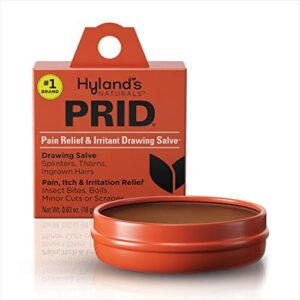
If you prefer a more natural approach, Hylands PRID Drawing Salve is worth considering. This classic ointment uses ingredients like ichthammol, arnica, and calendula to help draw out trapped hairs and calm irritation.
The thick, petrolatum-based formula stays put under a bandage, making it easy to spot‑treat stubborn bumps overnight. Many people reach for PRID when they want gentle relief from redness, swelling, or the discomfort that sometimes comes with ingrown hairs—especially when other options feel too harsh.
| Best For | Anyone looking for a gentle, natural way to soothe minor skin irritations, ingrown hairs, or boils without harsh chemicals. |
|---|---|
| Skin Concern | Boils & skin eruptions |
| Skin Type | All skin types |
| Paraben-Free | Yes |
| Fragrance-Free | Not stated |
| Product Format | Topical ointment |
| Key Ingredient | Natural active ingredients |
| Additional Features |
|
- Made with natural active ingredients and free of parabens
- Helps draw out splinters, ingrown hairs, and soothe skin eruptions
- Easy to apply directly to the affected area and stays put under a bandage
- Has a strong smell that some people might not like
- Results may take longer compared to other over-the-counter options
- Not suitable for deep wounds, animal bites, or serious burns
3. Mario Badescu Drying Lotion
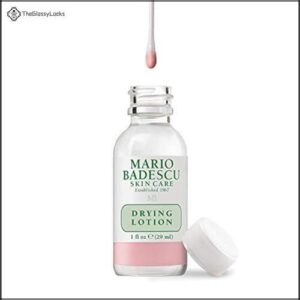
For stubborn spots that need quick attention, Mario Badescu Drying Lotion stands out. This blend of salicylic acid, sulfur, and zinc oxide targets surface bumps by drying them out overnight.
You dab the pink sediment directly onto blemishes—think of it as a targeted dot treatment that calms redness and shrinks bumps fast. It’s best for isolated ingrown hairs or razor bumps, especially if you want something that works while you sleep. Just remember, it can be drying, so use sparingly on sensitive skin.
| Best For | People who want a quick, targeted solution for occasional surface blemishes or breakouts. |
|---|---|
| Skin Concern | Blemishes & acne |
| Skin Type | All skin types |
| Paraben-Free | Yes |
| Fragrance-Free | Not stated |
| Product Format | Spot treatment lotion |
| Key Ingredient | Salicylic acid & sulfur |
| Additional Features |
|
- Works overnight to dry out pimples and reduce redness
- Vegan, cruelty-free, and free from harsh chemicals
- Easy to use as an emergency spot treatment
- Can cause dryness or irritation if overused
- Leaves a visible pink residue on the skin
- Not effective for severe or deep cystic acne
4. Paula’s Choice Salicylic Acid Exfoliant
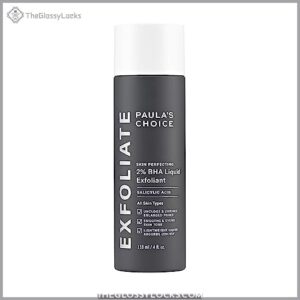
If you want steady, preventative care for ingrown hairs, Paula’s Choice Skin Perfecting 2% BHA Liquid Exfoliant is worth considering. Its thin, water-like texture makes it easy to apply after shaving, especially on tricky spots like the bikini line or underarms.
The 2% salicylic acid penetrates pores, clearing dead skin and freeing trapped hairs.
You’ll notice smoother, brighter skin with regular use—just start slow and always pair with sunscreen, since exfoliation can make your skin more sensitive to sunlight.
| Best For | Anyone dealing with clogged pores, blackheads, or ingrown hairs who wants a gentle, leave-on exfoliant for smoother, clearer skin. |
|---|---|
| Skin Concern | Enlarged pores & blackheads |
| Skin Type | All skin types |
| Paraben-Free | Yes |
| Fragrance-Free | Yes |
| Product Format | Leave-on liquid exfoliant |
| Key Ingredient | 2% BHA salicylic acid |
| Additional Features |
|
- Unclogs pores and reduces blackheads with 2% salicylic acid
- Fragrance-free and suitable for most skin types, including acne-prone skin
- Lightweight, easy-to-apply formula works well after shaving
- Can cause initial redness or stinging, especially for sensitive skin
- Results take time—patience is needed for noticeable changes
- Increases sun sensitivity, so you must use sunscreen daily
5. Neosporin Original Triple Antibiotic Ointment
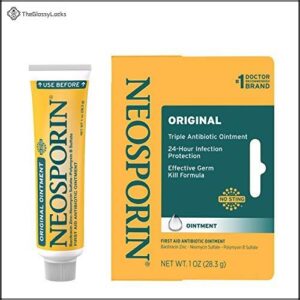
Protection matters when you’re dealing with irritated, broken skin from ingrown hairs. Neosporin Original Triple Antibiotic Ointment blends bacitracin zinc, neomycin sulfate, and polymyxin B for broad infection prevention.
You only need a fingertip-sized amount on minor bumps or open spots after shaving.
Its petrolatum base keeps the area moist, supporting natural repair and minimizing scar formation.
For travel or home kits, this 1 oz tube is handy.
Just remember—don’t use it on deep wounds or if you’re allergic to its ingredients.
| Best For | People who need quick, reliable infection protection for minor cuts, scrapes, or irritated skin at home or on the go. |
|---|---|
| Skin Concern | Minor cuts & burns |
| Skin Type | All skin types |
| Paraben-Free | Not stated |
| Fragrance-Free | Not stated |
| Product Format | Antibiotic ointment |
| Key Ingredient | Neomycin, bacitracin, polymyxin B |
| Additional Features |
|
- Offers broad-spectrum antibiotic coverage for minor wounds
- Helps minimize scarring with HeliDerm Technology
- Portable and easy to use for travel or outdoor activities
- Can leave a greasy residue on skin
- May stain clothes if not covered properly
- Not suitable for deep or severe wounds
6. Cortizone 10 Maximum Strength Itch Relief Cream
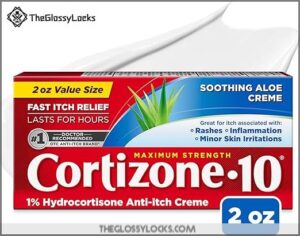
When ingrown hairs leave skin red, inflamed, and itchy, Cortizone 10 Maximum Strength Itch Relief Cream can calm things down fast. Its 1% hydrocortisone — the highest strength available over the counter — works by reducing the inflammatory chemicals causing that burning itch. You’ll feel relief in under ten minutes.
The aloe-infused, fragrance-free formula is gentle enough for sensitive skin.
Apply a thin layer up to three times daily, but keep use short-term.
It’s not a fix for the ingrown itself, just the irritation around it.
| Best For | Anyone dealing with itchy, irritated skin from ingrown hairs, eczema, or mild rashes who needs fast, gentle relief. |
|---|---|
| Skin Concern | Itch & inflammation |
| Skin Type | Adults & children 2+ |
| Paraben-Free | Not stated |
| Fragrance-Free | Yes |
| Product Format | Cream |
| Key Ingredient | 1% hydrocortisone & aloe |
| Additional Features |
|
- Works quickly—relieves itch in about five minutes
- Gentle, fragrance-free formula with soothing aloe
- Suitable for both adults and kids ages 2
- Not meant for severe skin issues or long-term use
- Some users report packaging problems
- Doesn’t treat the underlying cause of ingrown hairs
7. Fur Ingrown Oil Concentrate
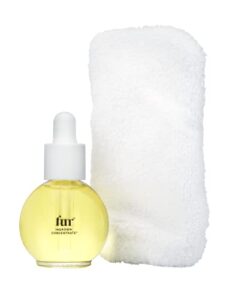
Fur Ingrown Oil Concentrate takes a plant-based approach to a stubborn problem.
This 14 ml spot treatment blends coconut, tamanu, and jojoba oils with tea tree and bisabolol to soften trapped hairs, clear pores, and calm irritation without harsh acids or drying alcohols.
Apply few drops directly to affected areas after showering and let it absorb.
Used consistently after shaving or waxing, it helps prevent future bumps while conditioning skin.
At $34, it’s a small but targeted investment in smoother skin.
| Best For | Anyone dealing with ingrown hairs from shaving, waxing, or friction—especially those with sensitive skin. |
|---|---|
| Skin Concern | Ingrown hairs & irritation |
| Skin Type | Sensitive skin |
| Paraben-Free | Yes |
| Fragrance-Free | Yes |
| Product Format | Exfoliating oil |
| Key Ingredient | Chamomile & omega fatty acids |
| Additional Features |
|
- Calms redness and irritation fast with chamomile and plant-based oils
- Clean formula—no parabens, silicones, or artificial fragrance, safe for sensitive and intimate areas
- Absorbs quickly without leaving skin greasy
- At 0.5 fl. oz., the bottle runs out fast if you’re using it on larger areas
- $34 is a bit steep for the amount you get
- You’ll likely need to reorder pretty often to keep results going
8. Cetaphil Acne Relief Body Wash
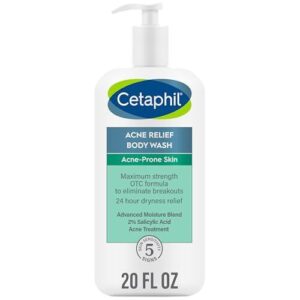
Cetaphil Acne Relief Body Wash does double duty — clearing bumps while keeping skin hydrated. Its 2% salicylic acid dissolves the dead skin cells that trap hairs beneath the surface, making it especially useful on the chest, back, and shoulders.
What sets it apart is the moisture blend of glycerin, shea butter, and soybean oil, so your skin doesn’t feel stripped after each wash. It’s fragrance-free, dermatologist-tested, and at $8.67 for 20 oz, it’s genuinely hard to beat.
| Best For | Anyone dealing with body acne, bacne, or keratosis pilaris who wants to treat breakouts without drying their skin out. |
|---|---|
| Skin Concern | Acne & blemishes |
| Skin Type | Sensitive & acne-prone |
| Paraben-Free | Yes |
| Fragrance-Free | Yes |
| Product Format | Body/face wash |
| Key Ingredient | 2% salicylic acid & shea butter |
| Additional Features |
|
- 2% salicylic acid gets to work on clogged pores, blackheads, and body breakouts without feeling harsh
- Glycerin, shea butter, and soybean oil keep skin moisturized — no tight, stripped feeling after your shower
- Fragrance-free, hypoallergenic, and dermatologist-tested, so it plays nice with sensitive skin
- Doesn’t lather much, which can feel a little odd if you’re used to a sudsy wash
- Can leave a slightly greasy residue that some people find doesn’t rinse off cleanly
- The bottle design makes it frustrating to get the last bit of product out
9. Billie Ultimate Skin Solution AHA Spray
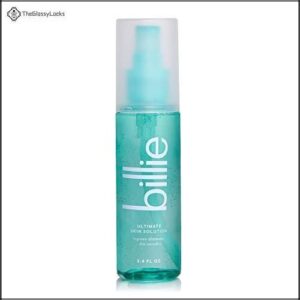
A well-placed spray can do a lot of heavy lifting. Billie’s Premium Skin Solution combines salicylic acid with AHAs to chemically exfoliate skin between shaves — keeping follicles clear before trapped hairs become inflamed bumps.
Aloe vera, glycerin, and panthenol keep things calm and hydrated, so you’re not trading razor bumps for dry, tight skin.
Spritz it on clean, dry skin two to three times a week.
At $6.50 for 3.4 oz, it covers legs, underarms, and bikini line efficiently.
| Best For | Anyone dealing with ingrown hairs or razor bumps who wants a simple, affordable spray that works on both face and body. |
|---|---|
| Skin Concern | Ingrown hairs & razor bumps |
| Skin Type | All skin types |
| Paraben-Free | Yes |
| Fragrance-Free | No |
| Product Format | Spray |
| Key Ingredient | AHAs & BHAs |
| Additional Features |
|
- Salicylic acid and AHAs team up to keep pores clear and prevent ingrowns before they start
- Aloe vera and panthenol soothe skin without leaving it dry or tight
- At $6.50, it’s an easy, budget-friendly add to your post-shave routine
- The scent is strong — some people find they have to hold their breath while spraying
- Over-spraying can irritate skin, so a little restraint goes a long way
- Doesn’t work equally well for everyone — a few users see no improvement or notice more irritation
10. Thayers Alcohol Free Witch Hazel Toner
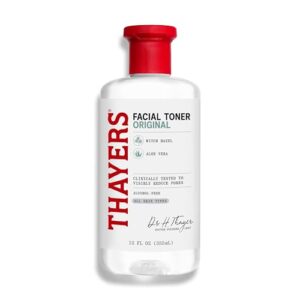
Thayers Alcohol-Free Witch Hazel Toner combines witch hazel extract, aloe vera, and glycerin in a lightweight, watery formula that soothes irritation right after shaving without the sting of alcohol-based toners.
The witch hazel calms redness, glycerin keeps skin flexible so new hairs can break through cleanly, and aloe eases post-shave discomfort.
Use it on a cotton pad after hair removal on legs, underarms, or the bikini line.
It’s gentle enough for daily use, including on sensitive skin.
| Best For | Anyone with sensitive skin who wants a gentle, alcohol-free toner for daily use or post-shave care. |
|---|---|
| Skin Concern | Pores & skin texture |
| Skin Type | Sensitive skin |
| Paraben-Free | Not stated |
| Fragrance-Free | Not stated |
| Product Format | Liquid toner |
| Key Ingredient | Aloe vera |
| Additional Features |
|
- Soothes and hydrates skin without the sting — aloe vera and glycerin do the heavy lifting
- Gentle enough for sensitive skin and safe for daily use on face, legs, or bikini line
- Vegan, cruelty-free, and dermatologist-tested, so you know what you’re putting on your skin
- Won’t do much for dark spots or acne scars if that’s your main concern
- The scent is very subtle — almost unnoticeable, which may disappoint some people
- Results vary; not everyone will see a noticeable difference in skin texture or pore appearance
Frequently Asked Questions (FAQs)
How to stop getting ingrown hair bumps?
Stopping ingrown hairs comes down to few key habits: smarter shaving technique, consistent skin prep, and the right products.
Small changes make a real difference, and you’ll notice results quickly.
How do you prevent ingrown hairs?
The secret to never getting ingrown hairs is almost counterintuitive: slow down and do less. Shave with the grain, exfoliate regularly, moisturize daily, and swap multi-blade razors for single-blade ones.
What are the causes and symptoms of ingrown hair?
Ingrown hairs happen when a hair curls back into the skin instead of growing outward. You’ll usually notice small red bumps, itching, or pus-filled pustules — especially after shaving or waxing.
What to do if you get ingrown hairs on your scalp?
Your scalp can trap hairs just like any other area. Apply a warm compress for 10 to 15 minutes daily, gently exfoliate with a salicylic acid shampoo, and avoid picking at bumps.
How do you treat a swollen ingrown hair?
A swollen ingrown hair usually calms down with a warm, damp washcloth pressed to the area for 10–15 minutes a few times daily.
This softens skin and helps the trapped hair surface naturally.
How do you get rid of razor bumps & ingrown hairs?
To get rid of razor bumps and ingrown hairs, use warm compresses daily, exfoliate gently with salicylic acid, and avoid picking. Topical benzoyl peroxide helps reduce bacteria and inflammation fast.
How do I get rid of ingrown hair on my face?
Facial ingrown hairs respond well to warm compresses held for 10–15 minutes daily, gentle circular exfoliation, and a dab of 1% hydrocortisone cream to calm redness while the trapped hair works its way out.
Why do I keep getting ingrown hair bumps?
Ingrown hairs often come down to hair type, shaving habits, or skin buildup.
Curly or coarse hair curls back into the skin easily, and dull razors or shaving against the grain make things worse.
How do you stop ingrown hairs from forming?
The fix is almost annoyingly simple: shave with the grain, use a single-blade razor, exfoliate regularly, and moisturize after.
Most ingrown hairs form because of one skipped step in that routine.
How do you get rid of ingrown hair lumps?
Warm compresses applied for 10–15 minutes soften the skin and coax the trapped hair upward. Follow with gentle exfoliation using salicylic acid to clear dead cells blocking the surface.
Conclusion
Preventing ingrown hair bumps isn’t about perfecting one step—it’s about building a consistent routine that works with your skin, not against it. Prep carefully, shave smart, and follow through with the right aftercare.
Small shifts in technique and product choice make a real difference over time. Your skin reacts to what you give it. Give it the right tools, the right habits, and it will reward you with fewer bumps and smoother results.