This site is supported by our readers. We may earn a commission, at no cost to you, if you purchase through links. This content is for general informational and educational purposes only and is not a substitute for professional medical, dermatological, or nutritional advice.

That tight, hot sting that hits seconds after the razor leaves your skin is your body’s inflammatory response to blade-induced skin trauma. It’s not just discomfort. It’s your stratum corneum signaling damage, and it happens far more often than it should.
Razor burn on legs is almost always preventable. The problem isn’t shaving itself. It’s the small decisions made before, during, and after that determine whether your skin stays calm or flares up red and raw.
The right preparation, technique, and products make the difference between irritated skin and a clean, comfortable shave every time.
Table Of Contents
- Key Takeaways
- What Causes Razor Burn on Legs and How to Recognize It
- How to Prepare Your Legs Before Shaving
- Shaving Techniques and Razor Care That Prevent Irritation
- How to Soothe Razor Burn and Support Skin Healing
- Top 10 Products for Preventing and Soothing Razor Burn on Legs
- 1. Cortizone 10 Aloe Itch Relief Cream
- 2. La Roche-Posay Cicaplast Healing Balm
- 3. Tend Skin Solution Razor Bump Treatment
- 4. eos Sensitive Skin Shave Cream
- 5. iS Clinical Hydra Cool Face Serum
- 6. FlexiKold Gel Ice Pack for Injuries
- 7. Aquaphor Healing Ointment Advanced Therapy Protectant
- 8. Aquaphor Healing Balm Stick Skin Protectant
- 9. Aquaphor Ointment Body Spray for Dry Skin
- 10. CeraVe Moisturizing Cream for Dry Skin
- Frequently Asked Questions (FAQs)
- How long should you wait between shaves?
- Do certain fabrics make razor burn worse?
- Is sun exposure safe after shaving legs?
- Are there dietary changes that help prevent razor burn?
- How long does razor burn typically last?
- Can electric razors reduce leg razor burn?
- Does shaving frequency increase razor burn risk?
- Can tight clothing worsen existing razor burn?
- Are certain skin types more prone to razor burn?
- Conclusion
Key Takeaways
- Razor burn is almost always caused by preventable factors — dull blades, missing lubrication, or poor technique — not by shaving itself.
- A two-to-three-minute warm water soak, gentle exfoliation, and a generous layer of shaving cream before you pick up the razor significantly cut friction and skin trauma.
- Shaving with the grain, using short controlled strokes, and rinsing the blade every two passes reduces follicle irritation and the redness that follows.
- When irritation does set in, fragrance-free barrier creams, 1% hydrocortisone, and aloe vera support faster healing — but the skin needs two to seven days of recovery before the next shave.
What Causes Razor Burn on Legs and How to Recognize It
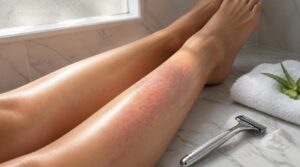
Razor burn on legs rarely happens by chance — it almost always traces back to a specific, identifiable cause. Knowing what triggers it gives you the control to stop it before it starts. Here’s what to look for.
Tracing your flare-ups to their root — whether it’s skipping warm water, using the wrong oil for your skin type, or letting blade pressure creep up — is exactly what effective razor burn preparation helps you do before you ever pick up a razor.
Blade Friction
When your blade is dull or you’re pressing too hard, friction at the skin-blade interface spikes with every stroke. That friction scrapes the stratum corneum, triggering redness and burning almost immediately.
A sharp razor blade improves razor glide and cuts cleanly rather than dragging.
Good razor blade hygiene and a light shaving technique keep friction from building with each pass.
Dry Shaving
Friction also spikes when there’s no lubrication layer between the razor and your skin. Dry shaving forces the blade to drag across dry stratum corneum with every stroke, abrading your skin barrier even when your blade is sharp.
Moisturizing your legs and softening the skin with warm water before you shave reduces that resistance a lot and limits unnecessary mechanical stress.
Improper Technique
Even with proper prep, poor shaving technique adds friction on its own. Three mistakes drive most of it:
- Holding the razor at the wrong blade angle
- Pressing too hard instead of using light, controlled strokes
- Shaving against the direction of hair growth
Let a sharp razor do the work, and match your stroke direction to each section of your leg.
Redness And Burning
Those technique mistakes show up fast as redness and burning along the shaved area. Blade contact triggers a localized inflammatory response in your skin’s upper layers, making it look flushed and feel hot.
Most mild cases clear within a day or two. A soothing anti-inflammatory agent like aloe or a fragrance-free moisturizing balm aids skin barrier repair and redness reduction.
Itchy
Why does your skin itch after shaving? Nerve endings stay reactive long after blade contact ends, even when redness looks mild.
- Apply itch relief immediately after rinsing skin
- Moisturize with fragrance-free options to restore your barrier
- Use anti-inflammatory treatment like hydrocortisone for persistent itch
- Pick sensitive skin care products without added fragrance
Keeping your skin well hydrated cuts irritation quickly.
Tender Bumps
Tender bumps form when blade friction irritates hair follicles, especially if you’re shaving with a dull razor or pressing too hard. They feel sore to the touch and center on follicles rather than spreading as flat redness.
Ingrown hairs and repeated follicle stress also raise your risk, so shaving with the grain and keeping your skin moisturized helps prevent them.
How to Prepare Your Legs Before Shaving

Before you pick up a razor, prep directly reduces how much friction your skin has to handle. Warm water softens hair, cutting the force needed for a clean pass. Aim for two to three minutes of contact.
Here’s what to do:
- Soak in warm water for two to three minutes to soften hair and skin.
- Gently exfoliate to clear loose dead skin that causes drag.
- Apply a generous layer of shaving cream to cushion the blade.
- Use a new razor to reduce traction and pulling.
- Shave in the direction of hair growth on your first pass.
Moisturize lightly beforehand only if your legs are very dry. Well-hydrated skin gives the blade a smoother surface to glide across.
Shaving Techniques and Razor Care That Prevent Irritation
Your razor does the work, but your habits decide the outcome. Before you shave, exfoliate gently to clear dead cells and lift hair for a cleaner cut. Apply shaving cream generously so the blade glides without pulling.
Your razor does the work, but your habits decide the outcome
| Habit | Why It Matters |
|---|---|
| Use a new razor | Sharp blades cut cleanly with less drag |
| Shave with the direction of hair growth | Reduces follicle trauma and redness |
| Use short, controlled strokes | Limits repeated contact on one area |
| Rinse the blade every two strokes | Clears buildup that increases friction |
| Keep the razor head flat | Improves even edge contact |
After shaving, replace dull blades regularly and rinse your razor, then dry it to prevent corrosion. Don’t skip moisturizer; it restores your skin’s barrier.
How to Soothe Razor Burn and Support Skin Healing
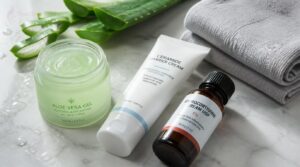
Once irritation sets in, your goal shifts from prevention to protection. Don’t re-traumatize the area; give the repair process room to work.
Apply a hydrocortisone cream to reduce redness and itch. Aloe vera cools and soothes without clogging pores. Moisturize with barrier repair creams containing ceramides, and stick to fragrance-free options to avoid adding more irritants.
Four steps that support faster healing:
- Avoid shaving the area until redness fully clears
- Moisturize twice daily to reduce moisture loss
- Apply a cool compress to ease burning
- Choose fragrance-free options to minimize further irritation
Occlusive balms seal micro-injuries and lock in moisture, giving your barrier what it needs to rebuild. A few consistent days of care matter more than any single product.
Top 10 Products for Preventing and Soothing Razor Burn on Legs
The right products make a real difference in both preventing and calming razor burn on your legs. Whether you need pre-shave lubrication, targeted bump treatments, or post-shave moisture, there’s something on this list for every stage of your routine. A good pre-shave oil for legs creates a slick barrier that helps the razor glide smoothly and cuts down on friction-related irritation.
These ten options are clinically sound, widely available, and worth keeping in your rotation.
1. Cortizone 10 Aloe Itch Relief Cream
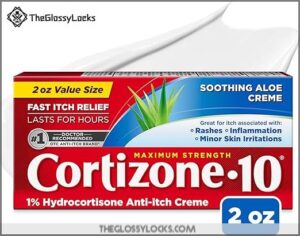
When your legs feel like they’re on fire after shaving, 1% hydrocortisone does the heavy lifting. Cortizone 10 Aloe Itch Relief Cream delivers maximum OTC anti-itch strength, calming the inflammatory response driving burning and itch within minutes. Apply it early; timing matters when inflammation is active.
The fragrance-free, dye-free formula pairs hydrocortisone with aloe to ease the tight, dry feeling after shaving. It’s rated above 4.7 out of 5 stars and holds the number one dermatologist-recommended OTC anti-itch ranking.
At $5 to $7 for a 2 oz tube, it’s an affordable, evidence-backed option for fast post-shave relief.
| Best For | Anyone dealing with post-shave irritation, razor burn, or itchy skin conditions like eczema or insect bites who wants fast, dermatologist-backed relief without fragrances or dyes. |
|---|---|
| Product Form | Cream |
| Usage Phase | Post-Shave |
| Primary Benefit | Itch Relief |
| Sensitive Skin | Yes |
| Key Ingredient | Hydrocortisone 1% |
| Application Area | Face + Body |
| Additional Features |
|
- Maximum-strength 1% hydrocortisone starts calming itch and inflammation within five minutes of application
- Fragrance-free, dye-free formula with aloe makes it gentle enough for sensitive, irritated skin
- Affordable at $5–$7 for a 2 oz tube, and safe for adults and children ages 2 and up
- Can cause a burning or stinging sensation on particularly sensitive or delicate skin areas
- Some users find the aloe formula too intense for very sensitive skin
- Tubes ship without a safety seal, which may be a concern for some buyers
2. La Roche-Posay Cicaplast Healing Balm
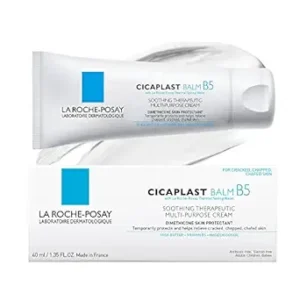
Where Cortizone 10 grips the itch, La Roche-Posay Cicaplast Healing Balm shifts focus to rebuilding what shaving strips away. Its 5% panthenol and madecassoside formula hydrates, soothes, and actively helps your skin barrier after the mechanical stress of shaving.
The 1% dimethicone forms a protective layer that reduces water loss from freshly shaved skin, while the Tribioma prebiotic complex also works to restore your natural moisture barrier over time. La Roche-Posay Thermal Spring Water adds selenium for antioxidant protection on compromised skin.
Apply a generous layer twice daily post-shave to clean, dry skin. It’s fragrance-free, paraben-free, and suitable for most sensitive skin, though use extra caution on acne-prone areas given the occlusive ingredients.
| Best For | Anyone dealing with post-shave dryness, irritation, or a compromised skin barrier who wants a fragrance-free, clinically-minded balm safe for sensitive skin — including babies and children. |
|---|---|
| Product Form | Balm |
| Usage Phase | Post-Shave |
| Primary Benefit | Barrier Repair |
| Sensitive Skin | Yes |
| Key Ingredient | Panthenol 5% |
| Application Area | Face + Body |
| Additional Features |
|
- Combines panthenol, madecassoside, and Tribioma to actively repair and strengthen the skin barrier after shaving
- Fragrance-free, paraben-free, and dermatologist-tested, making it a solid option for sensitive or reactive skin
- Versatile enough for face, body, and sensitive areas across all ages, from newborns to adults
- Very thick, occlusive texture can feel heavy on the face and may trigger breakouts on acne-prone skin
- Small tube (1.35 oz) for the price, with many users finding the cost hard to justify for the amount you get
- The protective, sealing formula isn’t ideal for oily skin types who need lighter post-shave care
3. Tend Skin Solution Razor Bump Treatment
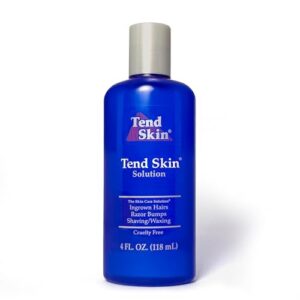
The Cicaplast balm rebuilds your skin barrier, but when bumps are already forming, Tend Skin Solution takes a different approach. Its keratolytic formula targets dead-skin buildup at the follicle level, the actual cause of ingrown hairs and persistent bumps.
Apply it with a cotton ball post-shave, covering all affected areas evenly. The liquid format spreads easily across large areas. Use it nightly until bumps clear, then cut back to maintain results. One small bottle usually lasts for several months.
The alcohol content can sting, so patch test first. If dryness or peeling follows, you’ll want to cut back and follow with a moisturizer.
| Best For | Anyone dealing with ingrown hairs, razor bumps, or razor burn after shaving or waxing on the face, neck, legs, underarms, or bikini line. |
|---|---|
| Product Form | Liquid |
| Usage Phase | Post-Shave |
| Primary Benefit | Ingrown Prevention |
| Sensitive Skin | Use With Caution |
| Key Ingredient | Keratolytic Formula |
| Application Area | Face + Body |
| Additional Features |
|
- Targets the root cause of ingrown hairs by breaking down dead-skin buildup at the follicle level
- Easy to apply with a cotton ball and spreads quickly across large areas
- A small bottle lasts months, making it a cost-effective long-term solution
- The alcohol content can sting or burn, especially on sensitive skin
- Strong scent that some users find unpleasant
- Overuse can dry out skin, requiring a moisturizer to prevent irritation
4. eos Sensitive Skin Shave Cream
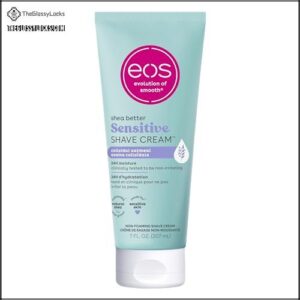
Tend Skin Solution targets bumps after they form. eos Sensitive Skin Shave Cream works earlier in the process, reducing the blade friction that causes irritation to begin with.
Its fragrance-free colloidal oatmeal formula is gynecologist-tested for the bikini line, underarms, and legs. Shea butter, shea oil, and aloe build a lubricating layer that lets your razor glide instead of drag, cutting the micro-friction behind razor burn. 24-hour hydration follows each shave, keeping your skin calm long after you rinse.
Apply it wet or dry, and leave it on or rinse it off based on your preference. Some users find the cream thick, so start with a thin, even layer.
| Best For | Anyone with sensitive skin who wants to prevent razor burn and irritation on the legs, underarms, or bikini line before it starts. |
|---|---|
| Product Form | Cream |
| Usage Phase | Pre-Shave |
| Primary Benefit | Friction Reduction |
| Sensitive Skin | Yes |
| Key Ingredient | Colloidal Oatmeal |
| Application Area | Legs + Bikini + Underarms |
| Additional Features |
|
- Fragrance-free, gynecologist-tested formula is gentle enough for intimate areas
- Works wet or dry, rinse-off or leave-on, for flexible use
- Shea butter, aloe, and colloidal oatmeal deliver 24-hour hydration after every shave
- Some users find the consistency too thick for easy, even application
- Can be difficult to rinse off completely
- Opinions on value for money are mixed, with some feeling the price doesn’t match the quantity
5. iS Clinical Hydra Cool Face Serum
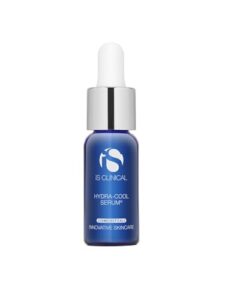
eos controls pre-shave prep. The iS Clinical Hydra Cool Face Serum steps in post-shave, targeting the cooling and soothing your skin needs after blade contact on legs.
Its formula includes panthenol and antioxidant actives that work together to calm redness and support skin healing after mechanical irritation. Hyaluronic acid draws moisture into the outer skin layer, which helps reduce that tight, dehydrated feeling after shaving. The cooling sensation on application temporarily eases burning, giving irritated skin quick relief.
Apply a thin, even layer after shaving and let it fully absorb before moisturizing. At $67, it’s a premium option; if you’re prone to breakouts, patch-test it first, as it doesn’t suit every skin type.
If your skin still feels tender, avoid going over the same spot twice and check these shaving irritation prevention tips for gentler habits.
| Best For | Anyone with dehydrated or post-shave irritated skin who wants fast cooling relief and deep hydration after shaving. |
|---|---|
| Product Form | Serum |
| Usage Phase | Post-Shave |
| Primary Benefit | Cooling + Hydration |
| Sensitive Skin | Patch Test First |
| Key Ingredient | Hyaluronic Acid |
| Application Area | Face + Body |
| Additional Features |
|
- Cools and soothes skin on contact, giving quick relief from post-shave burning and redness
- Hyaluronic acid delivers immediate hydration, leaving skin soft and less tight
- Antioxidant actives and panthenol work together to calm irritation and support skin recovery
- At $67, it’s a premium price that may not suit every budget
- May trigger breakouts, so patch testing is recommended before regular use
- Not suitable for all skin types, as some users may experience irritation
6. FlexiKold Gel Ice Pack for Injuries
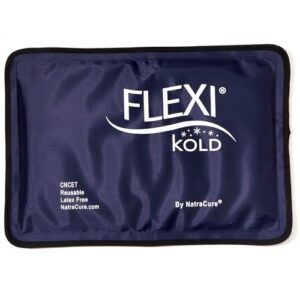
A gel ice pack might not be the first thing you reach for after shaving, but it should be. The FlexiKold stays flexible when frozen, so it conforms to the curves of your legs rather than sitting rigid against them. Its double-sealed nylon exterior won’t leak, keeping your skin clean and dry during contact.
Apply it as soon as you first notice burning, for the best effect. Always wrap it in a thin cloth first, and keep each session under 10 minutes. At around $20, it stays cold for 20 to 40 minutes, giving you enough time to reduce redness and blunt that burning sensation before it can worsen.
| Best For | Anyone who experiences razor burn, redness, or inflammation after shaving and wants a flexible, leak-proof ice pack that molds to the body. |
|---|---|
| Product Form | Ice Pack |
| Usage Phase | Post-Shave |
| Primary Benefit | Cold Therapy |
| Sensitive Skin | Yes |
| Key Ingredient | Flexible Cooling Gel |
| Application Area | Legs + Body |
| Additional Features |
|
- Stays flexible when frozen, so it wraps naturally around legs, knees, and other curved areas
- Double-sealed nylon exterior prevents leaking, keeping skin dry during use
- Affordable at around $20 and effective for reducing post-shave redness and burning
- Must be wrapped in a cloth before skin contact, adding a small extra step
- Should not be used for more than 10 minutes at a time
- Some users find it loses its cold faster than the manufacturer suggests, sometimes under 30 minutes
7. Aquaphor Healing Ointment Advanced Therapy Protectant
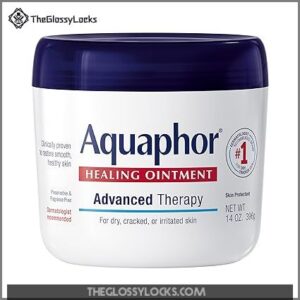
Aquaphor Healing Ointment’s 41% petrolatum formula creates a protective film over freshly shaved skin, locking in moisture and reducing friction from clothing against the surface. That barrier effect directly experiences the dryness and burning sensation that razor contact leaves behind.
The formula also includes glycerin, panthenol, and bisabolol, which work together to support skin barrier repair without irritating sensitized tissue. It’s free of fragrance and preservatives, making it a reliable option when your legs are already compromised after shaving.
Apply a thin layer to clean, dry skin immediately after you shave. Avoid excess buildup, especially in warm or humid conditions, where heavy occlusion can feel uncomfortable.
If irritation lingers, this guide on how long razor burn typically lasts on the face can help you tell normal healing from something worth worrying about.
| Best For | Anyone with sensitive, post-shave skin who needs a fragrance-free, protective ointment to soothe dryness, irritation, and minor cuts or burns. |
|---|---|
| Product Form | Ointment |
| Usage Phase | Post-Shave |
| Primary Benefit | Moisture Lock |
| Sensitive Skin | Yes |
| Key Ingredient | Petrolatum 41% |
| Application Area | Face + Body |
| Additional Features |
|
- The 41% petrolatum formula creates a strong moisture barrier that protects freshly shaved skin from dryness and friction.
- Enriched with glycerin, panthenol, and bisabolol to actively support skin barrier repair without triggering irritation.
- Free from fragrances and preservatives, making it safe for sensitive or compromised skin.
- The occlusive formula can feel greasy or sticky, especially in warm or humid conditions.
- May stain clothing due to its heavy, petrolatum-based texture.
- Some users find absorption slow and the texture less comfortable than lighter alternatives.
8. Aquaphor Healing Balm Stick Skin Protectant
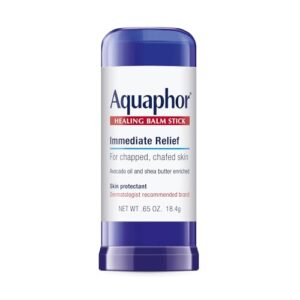
Carrying a protective barrier into your shave routine doesn’t have to mean a messy jar. This 0.65-ounce stick applies a thin, even layer of petrolatum, avocado oil, and shea butter directly to your legs before the blade passes, which reduces surface friction and the micro-tears that cause post-shave burning and redness. Its occlusive base keeps your skin more hydrated during the shave, not just after.
The formula is hypoallergenic, fragrance-free, and paraben-free, so sensitive skin works well with it. Apply only over the shave zone to avoid residue buildup, and patch-test first if you’re prone to contact irritation. It’s FSA/HSA eligible and available at most major retailers.
| Best For | Sensitive or reactive skin types who want a no-mess way to reduce friction and protect their skin barrier during shaving. |
|---|---|
| Product Form | Stick |
| Usage Phase | Pre-Shave |
| Primary Benefit | Pre-Shave Protection |
| Sensitive Skin | Yes |
| Key Ingredient | Petrolatum + Shea |
| Application Area | Legs |
| Additional Features |
|
- Stick format means clean, precise application with no greasy hands or jar mess
- Petrolatum, avocado oil, and shea butter work together to reduce friction and keep skin hydrated during the shave
- Hypoallergenic, fragrance-free, and paraben-free — safe for sensitive or easily irritated skin
- At 0.65 ounces, the stick is smaller than many buyers expect
- Some users feel the price doesn’t match the amount of product you get
- A few users report a faint scent despite the fragrance-free claim
9. Aquaphor Ointment Body Spray for Dry Skin
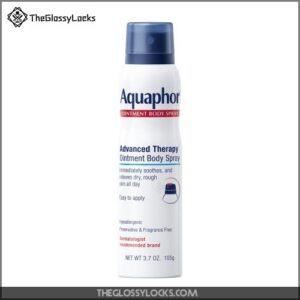
The spray format changes everything for post-shave care. Instead of rubbing an ointment into irritated skin, you just spray and let the water-free formula do its work. Petrolatum forms an occlusive barrier that locks in moisture and cuts friction-related dryness, which is exactly what compromised post-shave skin needs.
The 3.7-ounce bottle reaches arms, legs, and awkward spots quickly. It’s hypoallergenic, fragrance free, and preservative free, so sensitive skin tolerates it well. Bisabolol and provitamin B5 support barrier restoration without added irritants.
One practical note: clean the nozzle regularly to prevent clogging, and confirm you’ve covered the full area evenly before dressing.
| Best For | Anyone managing post-shave irritation, eczema, or chronically dry skin who wants a hands-free, no-fuss way to apply a fragrance-free, barrier-restoring ointment. |
|---|---|
| Product Form | Spray |
| Usage Phase | Post-Shave |
| Primary Benefit | Skin Hydration |
| Sensitive Skin | Yes |
| Key Ingredient | Petrolatum + Lanolin |
| Application Area | Arms + Legs |
| Additional Features |
|
- The spray format lets you cover arms, legs, and hard-to-reach spots quickly without rubbing irritated skin
- Water-free, fragrance-free, and hypoallergenic — well-suited for sensitive or compromised skin
- Petrolatum-based formula creates a lasting occlusive barrier that keeps skin hydrated all day
- The nozzle can be inconsistent, dispensing too much or too little product at once
- The thick formula clogs the nozzle over time if you don’t clean it regularly
- Some users find the finish oily or greasy, which may not suit everyone
10. CeraVe Moisturizing Cream for Dry Skin
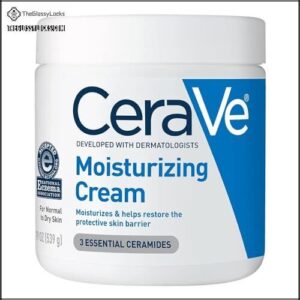
Your skin’s barrier function takes a hit every time you shave. CeraVe Moisturizing Cream restores it using ceramides to seal in moisture and cut post-shave irritation. Its MVE Technology delivers steady hydration after shaving for a full 24 hours, which is especially useful if your legs are chronically dry.
| Feature | Benefit | Best For |
|---|---|---|
| Ceramides | Repairs barrier function | Dry, reactive skin |
| Fragrance-free formula | Reduces irritation risk | Sensitive post-shave legs |
| MVE Technology | Sustained 24-hour hydration | Daily moisturizing routine |
Apply it while your skin is still slightly damp after shaving. It absorbs without heavy residue, keeping razor glide smooth on your next shave.
Frequently Asked Questions (FAQs)
How long should you wait between shaves?
There’s no fixed rule here. Wait until your skin isn’t red, itchy, or tender from your last shave. For most people, that’s two to seven days, but your sensitivity level and shaving technique both matter.
Do certain fabrics make razor burn worse?
Yes. Think of freshly shaved legs as an open wound.
Synthetic fabrics trap heat, create friction, and worsen irritation quickly. Choose breathable clothing like loose, soft cotton to minimize rubbing and help your skin recover.
Wearing tight or rough fabrics after shaving can lead to razor burn and ingrown hairs, making recovery slower and more uncomfortable.
Is sun exposure safe after shaving legs?
After shaving, your legs have a compromised skin barrier, making them more UV-sensitive than usual. Post-shave inflammation worsens with sun exposure, prolonging redness and raising hyperpigmentation risk. Wait until all tenderness calms, then apply sunscreen.
Are there dietary changes that help prevent razor burn?
You are what you eat, and this truly applies to your skin. Dietary changes that increase omega-3 fatty acids, zinc, and vitamin C can strengthen epidermal barrier function, maintain skin hydration, and reduce baseline inflammation.
How long does razor burn typically last?
Most cases of razor burn clear up in 2 to 3 days. Mild irritation fades within hours, but severe cases linger up to a week, unlike razor bumps, which can take two to three weeks.
Can electric razors reduce leg razor burn?
An electric shaver isn’t a magic fix, but it can meaningfully reduce blade-to-skin friction across your legs. The real difference still comes down to your skin’s prep, your technique, and how carefully you apply pressure.
Does shaving frequency increase razor burn risk?
Yes, it can. Frequent shaving prevents your skin barrier from recovering between sessions, and cumulative blade friction compounds that damage. Pair high frequency with a dull blade, and you’re almost guaranteed irritation on your legs.
Can tight clothing worsen existing razor burn?
Tight clothing can really worsen razor burn on legs by trapping heat and sweat, deepening skin irritation. During your skin’s follicle rest period, wear loose clothing to reduce friction and allow the redness to clear.
Are certain skin types more prone to razor burn?
Some skin controls shaving friction less gracefully than others. If you have sensitive or dry skin, your compromised skin barrier and low hydration already make you far more vulnerable to irritation, redness, and razor burn.
Conclusion
Like a craftsman who respects the sharpness of their tools, razor burn on legs prevention starts with deliberate intention, not luck or accident. Good preparation softens the path. Technique keeps the blade honest. The right products restore what friction takes away. Small choices, made consistently, protect your skin from the cycle of damage and recovery. Your legs don’t need to pay a price for smooth skin. They just need the right routine, followed every time.