
This site is supported by our readers. We may earn a commission, at no cost to you, if you purchase through links.

Your face is an oil slick by 10 AM, so you’ve ditched the moisturizer—because why add more grease to the situation, right? Wrong. Here’s the plot twist nobody tells you: skipping moisturizer actually makes oily skin worse.
When you strip your skin of hydration, it panics and cranks up sebum production like a fire hose. (It’s trying to protect itself, bless its heart.)
Should you moisturize oily skin in the morning? Absolutely—but not with the heavy cream your dry-skinned friends swear by. The secret is choosing lightweight formulas packed with ingredients like niacinamide and hyaluronic acid that hydrate without turning your face into a glazed donut. Get your morning routine right, and you’ll spend less time blotting and more time looking like an actual human.
Table Of Contents
- Key Takeaways
- Should You Moisturize Oily Skin in The Morning
- How Moisturizing Affects Oil Production
- Choosing The Best Morning Moisturizer
- Step-by-Step Morning Routine for Oily Skin
- Top 5 Moisturizers for Oily Skin
- Key Ingredients to Look For
- Tips to Control Shine Throughout The Day
- Common Mistakes in Oily Skin Moisturizing
- Frequently Asked Questions (FAQs)
- Should I use moisturizer in the morning if I have oily skin?
- Is it okay to skip moisturizer if I have oily skin?
- How often should you moisturize oily skin?
- What to do if my face is oily in the morning?
- Can diet changes reduce morning oily skin?
- Does humidity affect oily skin moisturizer choice?
- Should oily skin use night cream differently?
- How often should oily skin exfoliate weekly?
- Do retinoids require extra morning moisturizer application?
- Conclusion
Key Takeaways
- Skipping moisturizer on oily skin actually makes things worse because dehydrated skin panics and overproduces sebum to compensate—you need lightweight, oil-free formulas with niacinamide or hyaluronic acid to keep your face from turning into a grease slick by midday.
- The key is choosing gel-based or water-based moisturizers that hydrate without clogging pores, because oil and hydration aren’t the same thing—your skin needs both to maintain a healthy barrier and prevent that vicious cycle of rebound oiliness.
- Morning moisturization should happen after gentle cleansing and before sunscreen (which is non-negotiable), using ingredients like niacinamide to regulate oil production, ceramides to strengthen your skin barrier, and hyaluronic acid for lightweight hydration.
- Common mistakes that sabotage oily skin include over-cleansing (which strips your barrier), using heavy fragranced creams (hello, clogged pores), and skipping sunscreen—your routine needs balance and consistency, not deprivation.
Should You Moisturize Oily Skin in The Morning
Yes, you absolutely should moisturize oily skin in the morning—and I’m not just saying that because I want you to buy more skincare products (okay, maybe a little). The problem is, most people with oily skin think moisturizer is the enemy, when it’s actually the missing piece that keeps your face from turning into an oil slick by 10 AM.
The trick is picking a lightweight moisturizer for oily skin that hydrates without clogging pores—gel formulas and oil-free lotions work best.
Let’s bust some myths, get into what dermatologists actually recommend, and talk about why morning moisturization might just save your skin’s life (dramatic, but true).
Common Myths About Oily Skin and Moisturizers
Misinformation runs wild in the context of oily skin care—and it’s honestly costing you your best skin. The biggest myth? That moisturizing makes your face greasier.
- Wrong.
Skipping moisturizer actually triggers your skin to overproduce oil to compensate for dryness (ironic, right?).
Another lie: oily skin types don’t need hydration. But here’s the truth—oil and hydration aren’t the same thing, and your skin needs both. For more details, you can learn about the importance of for oily skin.
Expert Recommendations for Morning Skincare
So what do derms actually recommend for morning skincare on oily skin? Simple: cleanse gently, apply a lightweight moisturizer (yeah, really), then sunscreen.
Your skin types need different product reviews, but the skincare routine framework stays consistent. Oil control starts with hydration—not deprivation. Most facial care mistakes happen because you’re fighting your skin instead of working with it.
Morning skincare isn’t rocket science, but it does require abandoning your fear of moisturizer. For more guidance on customizing your skincare routine, consider dermatologist-recommended products specific to oily skin.
Benefits of Morning Moisturization for Oily Skin
Now that you’re ready to embrace morning moisturizing, here’s what actually happens when you do it right:
- Oil control improves because hydrated skin doesn’t panic-produce sebum
- Your barrier strengthens, reducing inflammation and breakouts
- Makeup sits smoother on properly moisturized skin
- Sun protection works better when layered over lightweight hydration
Balanced skin hydration equals less shine—not more.
How Moisturizing Affects Oil Production

Here’s the thing—your skin isn’t just oily skin because it hates you (though it might feel that way at 2 PM when you’re shiny enough to reflect sunlight).
The relationship between moisture and oil production is way more complicated than “oily skin = skip moisturizer.” Let’s break down what’s actually happening under the surface, because understanding this will change how you treat your face forever.
Difference Between Sebum and Hydration
Your oily skin isn’t confused—it’s actually severely dehydrated skin. Sebum (that waxy, oily goop your sebaceous glands produce) creates a surface film that prevents water loss, but here’s the kicker: sebum doesn’t equal hydration.
Hydration refers to water content stored in your skin’s outer layers—the stratum corneum, specifically. Two totally different things working together to maintain your skin barrier and oil balance!
How Moisture Balance Impacts Oiliness
The counterintuitive truth: your skin’s moisture levels directly control oil regulation—when hydration balance drops, your skin barrier panics and sebum control goes haywire. Think of it as a thermostat for oily skin, where moisturizer recalibrates your glands to stop freaking out.
When your skin’s hydration drops, your skin barrier panics and oil production goes haywire—moisturizer recalibrates that thermostat
Adequate hydration tells your skin, “Hey, we’re good here!”—so it quits flooding your face with emergency oil. Skin health depends on this equilibrium, and most oil control methods ignore it completely.
Risks of Skipping Moisturizer for Oily Skin
Skipping moisturizer creates a vicious cycle—dehydration triggers your skin to panic-produce oil, and boom, you’re shinier than before. Moisture loss weakens your skin barrier, leaving it vulnerable to irritants while your pores get clogged from that oil imbalance spiral.
Here’s what happens when you ditch morning hydration for oily skin:
- Rebound oil production floods your face by midday (thanks, dehydration effects!)
- Compromised skin barrier can’t defend against acne-causing bacteria and pollution
- Pore clogging intensifies as compensatory sebum mixes with dead skin cells
- Increased sensitivity makes every skincare product feel like it’s attacking you
- Accelerated aging sneaks in through transepidermal water loss—yikes
Choosing The Best Morning Moisturizer
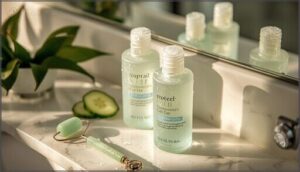
So you’re finally convinced your oily skin needs moisture—congrats on making it this far.
Now comes the fun part: finding a moisturizer that won’t turn your face into an oil slick by 10 AM. Let’s break down what actually works (and what’s just expensive snake oil in a pretty jar).
Key Ingredients for Oily Skin
What makes a good oily-skin moisturizer? Hunt for these powerhouses—they hydrate without adding grease, and your pores won’t stage a revolt.
| Ingredient | What It Does for Oily Skin |
|---|---|
| Niacinamide | Cuts sebum production (2-5%), shrinks pores, calms redness |
| Hyaluronic Acid | Delivers lightweight hydration—1000x its weight in water |
| Ceramides | Rebuilds barrier, stops reactive oil overproduction |
Bonus: salicylic acid dissolves pore gunk, omega fatty acids soothe inflammation. *Science, baby.
*
Oil-free and Non-comedogenic Formulas
Labels can be liars—but oil free and noncomedogenic are your best bets for oily skin.
Oil free means no mineral or plant oils clogging your pores; noncomedogenic claims the formula won’t trigger breakouts.
Water-based moisturizer formulas deliver hydration without sabotaging your skin barrier or moisture balance.
Check ingredient lists—silicones beat heavy oils every time.
Lightweight Textures Vs. Heavy Creams
Gel moisturizers hit your skin and vanish in 30 seconds—water-based emulsions blend with your natural oils for breathable hydration.
Heavy creams? They pack 20 to 40 percent oil content, sit on oily skin like a greasy film, and wreck your texture. Lightweight formulas support your skin barrier without clogging pores or tanking oil control.
Texture matters more than you think.
Step-by-Step Morning Routine for Oily Skin
Alright, so you’ve got the right moisturizer—now what? A morning routine for oily skin isn’t rocket science, but the order and technique actually matter (shocking, I know).
Here’s how to layer everything without turning your face into an oil slick by noon.
Gentle Cleansing Methods

Look, your oily skin doesn’t need warfare—it needs a gentle face wash that actually respects your skin pH balance. Use lukewarm water (not scalding hot, please) and cleanse for about 30 seconds max.
A non-stripping, low-pH formula works wonders for oil control tips without triggering that annoying rebound grease-fest. Your morning skincare routine starts here, and yes, you’ll moisturize after—hydrating is non-negotiable.
Proper Toner and Serum Application
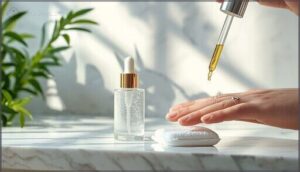
After cleansing, swipe alcohol-free toner first—it resets your skin pH balance and preps for product absorption. Wait about 60 seconds (seriously, don’t rush), then apply your serum.
Water-based formulas with niacinamide or hyaluronic acid work magic for oil control methods without the grease. Pat them in gently, don’t drag. This serum layering technique maximizes toner benefits before you lock everything in with moisturizer.
Applying Moisturizer for Optimal Absorption

After your serum sinks in, warm a pea-sized amount of moisturizer between your fingertips—this improves absorption rates and spreadability. Apply while skin’s still slightly damp to lock in those hydration levels.
Pat (don’t rub!) from your face center outward, boosting moisture retention without disrupting your skin barrier. Wait two minutes before sunscreen, or you’ll get pilling. *Trust me, learned that one the hard way.
*
Sunscreen as a Final Step
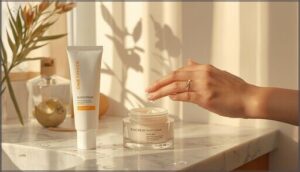
Once your moisturizer absorbs—roughly two minutes—slap on that broad-spectrum sunscreen with SPF 30 or higher. And yes, you need it even on cloudy days (UV rays don’t care about weather).
Use a nickel-sized amount for face and neck, choosing gel-based formulas for oil control tips that actually work. Non-comedogenic options keep your morning skincare routine shine-free while protecting against sun damage.
Top 5 Moisturizers for Oily Skin
Alright, you’ve done the hard work—now you need a moisturizer that actually gets it. Not all formulas are created equal, and some will leave you looking like a glazed donut by noon (not the goal).
Here are five dermatologist-approved options that hydrate without turning your face into an oil slick.
1. Tatcha Water Cream Moisturizer
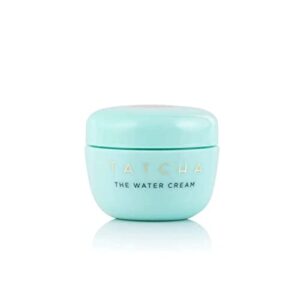
Want a water-burst texture that doesn’t leave your face looking like a grease slick? Tatcha’s Water Cream delivers oil-free hydration that actually absorbs—no sticky aftermath.
This gel-based formula uses Japanese botanicals (green tea, rice, algae) and a Hadasei-3 complex to perfect pores while keeping you hydrated.
The trade-off? It’s expensive as hell for a 10ml travel size, and some users report sketchy air pockets in the container. But for oily skin mornings, it layers under makeup without turning you into a disco ball.
| Best For | People with oily or combination skin who want lightweight hydration that won’t clog pores or mess up their makeup. |
|---|---|
| Skin Type | Oily/Combination |
| Formula Type | Water-based cream |
| Non-Comedogenic | Yes |
| Key Ingredient | Japanese botanicals |
| Price Range | Premium |
| Texture Finish | Non-greasy |
| Additional Features |
|
- Oil-free gel texture absorbs quickly without any greasy residue or stickiness
- Japanese botanicals and Hadasei-3 complex help tighten pores and smooth texture
- Works well under makeup and provides all-day hydration without shine
- Extremely expensive for just 10ml (travel size only)
- Some users report quality control issues like air pockets or missing product in containers
- No safety seal on some products, which raises hygiene concerns
2. Naturium Niacinamide Face Moisturizer Cream
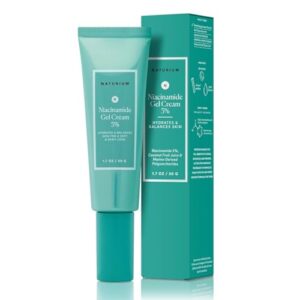
Budget-friendly hydration with science to back it up? Naturium’s 5% niacinamide gel-cream is your wallet’s best friend. The formula pairs niacinamide with coconut fruit juice and marine polysaccharides—hydrating without the grease-factory aftermath that plagues oily complexions.
It’s fragrance-free, vegan, dermatologist-tested, and absorbs like a dream under sunscreen. The catch? Only 1.7 ounces per jar, so you’ll restock faster than you’d like. Still, for pore-refining hydration that won’t trigger breakouts, it’s ridiculously effective.
| Best For | Anyone with oily or combination skin who wants pore-minimizing hydration that won’t clog pores or feel heavy under makeup. |
|---|---|
| Skin Type | All skin types |
| Formula Type | Gel-cream |
| Non-Comedogenic | Yes |
| Key Ingredient | 5% Niacinamide |
| Price Range | Mid-range |
| Texture Finish | Dewy |
| Additional Features |
|
- 5% niacinamide helps fade dark spots and even out skin tone while keeping skin balanced
- Lightweight gel-cream texture absorbs fast and layers perfectly under sunscreen without pilling
- Clean formula that’s vegan, fragrance-free, and gentle enough for sensitive or blemish-prone skin
- Small 1.7 oz size means you’ll need to repurchase frequently if using twice daily
- May not provide enough moisture for very dry skin types on its own
- Requires patch testing if you have specific allergies or reactive skin
3. La Roche Posay Effaclar Mat Moisturizer
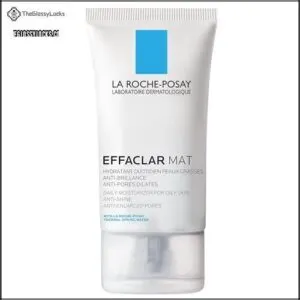
The mattifying superstar from La Roche-Posay delivers with Sebulyse technology—fancy talk for we’ll absorb your shine before lunch. Effaclar Mat combines LHA, perlite, silica, and glycerin to improve texture, tighten pores, and keep you matte for hours.
The velvety, non-greasy formula absorbs fast, won’t clog pores, and works beautifully under makeup. Downsides? It’s $39.99 for barely two ounces—ouch. But if you’re fighting midday grease and enlarged pores, this oil-free gem actually delivers on its promises.
| Best For | People with oily or combination skin who need all-day shine control and a smooth base for makeup. |
|---|---|
| Skin Type | Oily/Sensitive |
| Formula Type | Mattifying moisturizer |
| Non-Comedogenic | Yes |
| Key Ingredient | Lipo-Hydroxy Acid |
| Price Range | Premium |
| Texture Finish | Matte |
| Additional Features |
|
- Long-lasting matte finish that actually controls oil throughout the day
- Won’t clog pores and absorbs quickly without any greasy residue
- Helps minimize pore appearance while providing lightweight hydration
- Pretty expensive at $40 for only 2 ounces of product
- Not ideal for anyone with dry skin—it’s designed specifically for oily types
- Small bottle size means you’ll run through it faster than you’d like
4. Neutrogena Hydro Boost Water Gel Moisturizer

At under twenty bucks, this drugstore hero packs sodium hyaluronate—aka hyaluronic acid‘s fast-absorbing cousin—that plumps skin without the grease. The ultra-lightweight gel sinks in fast, delivers 24-hour hydration (clinically proven, not just marketing fluff), and won’t clog your pores.
Perfect under makeup, gentle enough for acne-prone skin, and dermatologist-tested. The downside? Some users hate the scent, and 1.7 ounces feels stingy. But honestly, if you want real hydration without looking like you rubbed butter on your face, Neutrogena nailed it.
| Best For | Normal to oily skin types looking for lightweight, 24-hour hydration that absorbs quickly and won’t clog pores or leave a greasy finish. |
|---|---|
| Skin Type | Normal to Oily |
| Formula Type | Hydro boost gel |
| Non-Comedogenic | Yes |
| Key Ingredient | Hyaluronic acid |
| Price Range | Affordable |
| Texture Finish | Non-greasy |
| Additional Features |
|
- Fast-absorbing hyaluronic acid gel that delivers clinically proven 24-hour hydration without heaviness
- Non-comedogenic and dermatologist-tested formula that works well under makeup and for acne-prone skin
- Affordable drugstore option that strengthens your skin’s moisture barrier
- Not ideal for dry skin types that need richer moisture
- Some users find the fragrance overpowering or unpleasant
- Small 1.7 oz size feels expensive for the amount you get
5. Paula’s Choice Oil Free Face Moisturizer
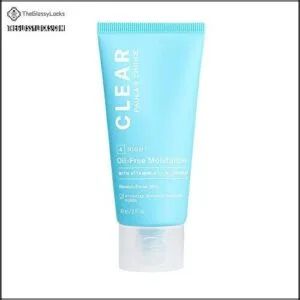
This $39 gel glides on like water, dries down invisible—and actually works. You get niacinamide to tighten pores and control oil, plus a triple ceramide blend that fortifies your barrier without the grease.
Hyaluronic acid keeps you hydrated, antioxidants from blueberries calm redness. Perfect under makeup, fragrance-free, non-comedogenic—basically built for oily, acne-prone skin.
The catch? Some find it too lightweight for drier patches, and it’s pricier than drugstore picks. But if sensitivity’s your issue, Paula’s nailed it.
| Best For | People with oily, acne-prone, or sensitive skin who want effective hydration without heaviness or breakouts. |
|---|---|
| Skin Type | Acne-prone/Sensitive |
| Formula Type | Oil-free moisturizer |
| Non-Comedogenic | Yes |
| Key Ingredient | Hyaluronic acid |
| Price Range | Premium |
| Texture Finish | Lightweight |
| Additional Features |
|
- Oil-free formula with niacinamide and ceramides that hydrates without clogging pores or leaving residue
- Calms redness and inflammation while being fragrance-free and gentle enough for sensitive skin
- Works perfectly under makeup and layers well with other products
- May not provide enough moisture for very dry or dehydrated skin types
- Higher price point at $39 compared to drugstore alternatives
- Requires regular use to see the best pore-minimizing and oil-control results
Key Ingredients to Look For
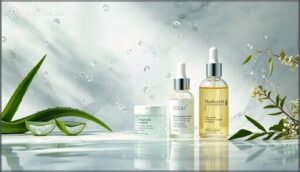
Look, not all moisturizer ingredients are created equal—some actually work with oily skin instead of against it.
The right stuff can hydrate without making you look like you deep-fried your face (gross, I know).
Here’s what you should be hunting for on those ingredient labels.
Hyaluronic Acid and Glycerin for Hydration
Hyaluronic acid holds up to 1000 times its weight in water—hello, instant plumpness without greasiness. Pair it with glycerin, and you’ve got hydration gold.
Here’s why this duo works:
- Glycerin pulls moisture from the air straight to your skin
- Hyaluronic acid locks it in, preventing water loss
- Together, they balance moisture without triggering excess oil production
Your oily skin finally gets hydrated without feeling like an oil slick.
Niacinamide for Oil Control
Niacinamide is your secret weapon against that midday shine—because it actually tells your skin to chill out on sebum production. This powerhouse ingredient doesn’t just blot oil, it regulates it.
| Niacinamide Benefits | What It Does for Your Oily Skin |
|---|---|
| Sebum Reduction | Cuts excess oil production over time |
| Pore Minimization | Tightens openings, smooths texture |
| Oil Regulation | Normalizes flow throughout the day |
| Skin Barrier | Strengthens defenses, reduces irritation |
Look for moisturizers with 2-10% niacinamide for oil control that actually lasts.
Ceramides for Barrier Support
Ceramides rebuild your lipid barrier—yes, even oily skin needs that. They lock in water retention without making you greasy, which stops your face from overproducing oil to compensate (finally).
Here’s what ceramide benefits bring to your moisturizer:
- Seal gaps between skin cells to prevent moisture escape
- Boost skin resilience against environmental stress
- Strengthen barrier function so actives don’t irritate
- Support steady hydration without heaviness
- Reduce sensitivity over time with consistent use
Tips to Control Shine Throughout The Day

So you’ve nailed your morning moisturizer—congrats, you’re halfway to beating the grease! But here’s the thing: that shine can creep back faster than your ex when they see you thriving.
Let’s talk about keeping your face matte and fresh all day long without resorting to blotting papers every thirty seconds (because who’s got the time?).
Adjusting Moisturizer Amount Seasonally
Honestly, your oily skin doesn’t need the same amount of moisturizer year-round—shocker, right? In summer, you’ll want a lighter gel or water-based formula to dodge that greasy-sweaty combo nobody asked for.
Winter? Bump it up to a slightly richer lotion because indoor heating is brutal (and your skin barrier will thank you). Spring and fall sit somewhere in the middle—moderate hydration keeps things chill.
High humidity means dial back to a thin layer; dry climates or cranked-up heating call for a thicker nighttime application. Your skin type variations demand flexibility, not a one-size-fits-all approach.
Avoiding Pore-clogging Makeup and Skincare
Your moisturizer might be solid, but layering pore-clogging makeup on top? That’s self-sabotage. Non-comedogenic formulas are non-negotiable for oily skin—heavy oils like coconut or mineral oil trap debris and turn your face into a breakout factory.
Here’s your pore minimizing game plan:
- Choose oil-free foundations and primers that don’t suffocate your skin—silicones in moderation are fine, but skip isopropyl myristate entirely.
- Double-cleanse at night for proper makeup removal—leftover product plus sebum equals acne hell.
- Add regular skin exfoliation (salicylic acid works wonders) to prevent buildup that clogs pores faster than you can say “skincare routines.”
Oil control starts with smart product selection, not skipping your moisturizer.
Common Mistakes in Oily Skin Moisturizing
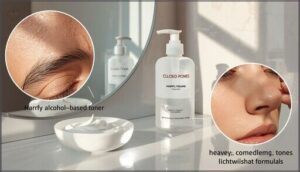
Look, even dermatologists mess up their skincare routines sometimes—oily skin just makes the margin for error, like, ridiculously small.
You might think you’re doing everything right, but a few sneaky mistakes can send your sebaceous glands into overdrive (and nobody wants that).
Here are the most common ways people accidentally sabotage their oily skin in the morning.
Over-cleansing or Skipping Moisturizer
Want to know what tanks your skin barrier damage faster than anything? Over-cleansing—because scrubbing your face like a frying pan triggers oil imbalance and moisture loss.
Then you skip moisturizer (classic move), which kicks dehydration effects into overdrive. Your oily skin freaks out, pumps out more sebum, and boom—pore clogging city.
Your skincare routine shouldn’t feel like punishment, you need balance and moisturizing.
Using Heavy or Fragranced Creams
Slapping a heavy cream on oily skin? That’s like waterproofing a swimming pool—your pores are already working overtime. Occlusive formulas trap sweat and sebum, turning your face into a grease factory.
And fragranced moisturizers? One to five percent of people develop fragrance sensitivity (hello, skin irritation and redness). Check product labeling for “fragrance-free”—because skincare products shouldn’t burn.
Ignoring Sunscreen in The Morning
Skipping sunscreen in your morning routine? You’re practically inviting sun damage to the party—and it RSVP’d with wrinkles, hyperpigmentation, and skin cancer risk.
UV protection isn’t optional for oily skin. Slap on a broad-spectrum sunscreen with SPF 30 minimum after your moisturizer. Gel formulas work brilliantly here—they won’t turn your face into an oil slick while blocking UVA and UVB rays.
Daily habits matter.
Frequently Asked Questions (FAQs)
Should I use moisturizer in the morning if I have oily skin?
Yes, absolutely—here’s why. Your skin cranks out extra sebum when it’s dehydrated, making you look like a grease factory.
Morning moisture with oil-free formulas keeps your daily routine balanced and prevents acne-prone skin disasters.
Is it okay to skip moisturizer if I have oily skin?
No—skipping moisturizer triggers rebound oiliness. Your skin compensates for dehydration by cranking out more sebum, wrecking oil regulation and pore health.
Hydration needs exist even with oily skin. Use lightweight, acne-friendly formulas for proper skin balance.
How often should you moisturize oily skin?
Twice daily—morning and night—keeps oily skin balanced.
Your skin needs consistent hydration to regulate oil production, prevent breakouts, and maintain barrier function.
Think of it like feeding your cat: skip meals, chaos ensues.
What to do if my face is oily in the morning?
Cleanse gently with a foaming cleanser or gel cleanser, follow with lightweight moisturizer—yes, even on oily skin!—then apply broad-spectrum sunscreen.
Blotting papers tackle shine midday without triggering more oil production.
Can diet changes reduce morning oily skin?
Overhauling your whole pantry won’t magically vanish that morning shine overnight—but yeah, cutting refined carbs, downing more water, and loading up on omega-threes can actually dial down oil production for some oily skin types.
Does humidity affect oily skin moisturizer choice?
Absolutely—humidity cranks up surface moisture and shine, so your moisturizer choice matters.
In sticky weather, swap heavy creams for gel-based formulas with hyaluronic acid or niacinamide to maintain moisture balance without greasiness.
Should oily skin use night cream differently?
Should your nighttime skincare differ from morning? Yes—choose a lightweight night cream with niacinamide or ceramides for skin barrier repair and pore minimization tips, balancing hydration without triggering excess oil control methods needed for acne-prone skin.
How often should oily skin exfoliate weekly?
For oily skin care, exfoliate two to three times weekly with chemical exfoliants like salicylic acid.
This exfoliation frequency promotes oil regulation and pore minimization while protecting your skin barrier—just watch for redness or dryness.
Do retinoids require extra morning moisturizer application?
Yes—retinol can make skin barrier fragile, so buffering techniques with moisturizer help manage retinoid dryness.
Your acne-prone skin still needs barrier support and sunscreen afterward, especially for oily skin management.
Conclusion
The best offense is a good good defense—and for oily skin, that means hydrating to stop your face from overproducing oil in the first place. Should you moisturize oily skin in the morning? Hell yes.
Ditch the grease-phobia, grab a lightweight gel with niacinamide, and watch your skin chill out. Your T-zone will thank you. Your makeup will actually stay put. And you’ll finally stop looking like you deep-fried your face by noon.