This site is supported by our readers. We may earn a commission, at no cost to you, if you purchase through links. This content is for general informational and educational purposes only and is not a substitute for professional medical, dermatological, or nutritional advice.
Dry skin isn’t just about forgetting to moisturize. Cold air strips ceramides from your skin barrier by up to 40 percent, and the moment you step inside, your heating system drops humidity below 30 percent—finishing the job the weather started.
Your skin never gets a break.
Most people respond by layering on whatever lotion is nearby, not realizing that the wrong ingredients can quietly make things worse.
Effective skin care for dry skin comes down to understanding what your barrier actually needs: the right humectants, emollients, and occlusives working together—plus knowing which common ingredients to cut entirely.
Table Of Contents
- Key Takeaways
- Common Causes of Dry Skin
- Essential Skin Care Ingredients for Dry Skin
- Best Daily Routine for Dry Skin
- Top 10 Products for Dry Skin
- 1. Cetaphil Hydrating Gentle Face Cleanser
- 2. Aquaphor Healing Ointment Skin Protectant
- 3. The Ordinary Hyaluronic Acid B5 Serum
- 4. Neutrogena Hydro Boost Water Gel Moisturizer
- 5. La Roche-Posay Anthelios SPF 60 Sunscreen
- 6. CeraVe Hydrating Cleanser Bar
- 7. AmLactin Intensive Healing Body Lotion
- 8. Neutrogena Ultra Gentle Cream Foam Face Wash
- 9. Olay Regenerist Micro Sculpting Cream
- 10. CeraVe Hydrating Facial Cleanser
- Expert Tips to Manage and Prevent Dry Skin
- Frequently Asked Questions (FAQs)
- What skincare is best for dry skin?
- What is a proper skin care routine for dry skin?
- What skin treatment is best for dry skin?
- What is a good skin care routine for dry skin?
- What should I do if I have dry skin?
- What should I wear if I have a dry skin?
- Do you need a skin-care routine for dry skin?
- How do you treat dry skin and keep it hydrated?
- Will a toner dry out my skin?
- Is vitamin C okay for dry skin?
- Conclusion
Key Takeaways
- Cold air and indoor heating work together to strip ceramides from your skin barrier and drop humidity below 30%, making environmental control—like using a humidifier—just as important as the products you apply.
- Effective dry skin care requires layering three ingredient types in order: humectants like hyaluronic acid to draw in moisture, emollients like ceramides to repair the barrier, and occlusives like petrolatum to seal everything in.
- Common ingredients including alcohol denat, fragrance (listed as parfum), and harsh sulfate cleansers actively damage your skin barrier and can quietly worsen dryness even when you’re consistent with your routine.
- Dry skin isn’t always a surface problem—hormonal shifts, thyroid dysfunction, diabetes, and conditions like eczema can drive moisture loss from within, meaning persistent dryness warrants a dermatologist evaluation, not just a heavier moisturizer.
Common Causes of Dry Skin
Dry skin doesn’t just happen out of nowhere — there’s almost always something driving it. Whether it’s your environment, your habits, or something going on inside your body, the triggers are more varied than most people realize.
Once you’ve pinpointed what’s causing the dryness, building a skincare routine designed specifically for dry skin can make a real difference in how your skin looks and feels.
Here are the most common culprits worth knowing about.
Environmental Factors (weather, Humidity, Heating)
Weather is one of the most underrated culprits behind dry skin. Cold air holds less moisture, and winter temperatures can deplete ceramides in your skin barrier by up to 40 percent. Indoor heating dryness makes things worse, dropping humidity below 30 percent. Wind-induced dehydration, low humidity impact, and seasonal humidity shifts all compound the problem, leaving your skin tight, rough, and starved for moisture.
low humidity increases evaporation accelerates skin dehydration.
Skin Barrier Damage
Beyond weather, your skin barrier itself can break down from the inside out. A lipid imbalance—particularly filaggrin deficiency—disrupts ceramide production, triggering pH disruption and microbiome impact that accelerates water loss.
Think of ceramides as your barrier’s mortar; without them, hyaluronic acid can’t do its job.
Ceramides are your skin barrier’s mortar; without them, even hyaluronic acid cannot hold moisture in place
Fortunately, barrier repair mechanisms respond well once you identify the root cause and intervene early. Maintaining a healthy skin barrier relies on the “bricks and mortar” system of ceramides, cholesterol, and fatty acids, as explained in the skin barrier repair overview.
Over-Cleansing or Over-Exfoliation
Your routine itself can quietly become the problem. Harsh cleansers strip natural oils daily, while aggressive exfoliation methods disrupt skin barrier protection before recovery can begin.
Dry skin tolerates exfoliation just once or twice weekly — anything beyond that accelerates breakdown. Understanding the Barrier Recovery Timeline (usually 1–4 weeks) and following patch testing protocols helps you avoid active ingredient interactions that quietly deepen dryness.
Aging and Hormonal Changes
Your skin’s moisture levels are deeply tied to your hormones. As estrogen drops during menopause, your skin barrier weakens — women lose roughly 30% of collagen within the first five years.
Andropause moisture decline follows a similar path in men. Thyroid skin dryness, elevated cortisol from chronic stress, skin aging, all quietly accelerate skin hydration loss long before visible changes appear.
Underlying Health Conditions
Sometimes your skin is sending a message your mirror can’t decode. Certain health conditions quietly disrupt your skin barrier from the inside out:
- Diabetes Dryness — high blood sugar pulls fluid from cells, leaving skin parched
- Thyroid Skin Changes — hypothyroidism slows cell turnover, creating rough, scaly patches
- Eczema Barrier Issues — defective barriers accelerate moisture loss
- Psoriasis Scaling & Kidney Xerosis — both drive chronic dryness requiring dermatologist‑guided medical review
Essential Skin Care Ingredients for Dry Skin
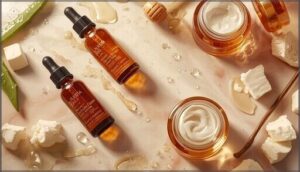
Not all moisturizers are created equal, and for dry skin, the ingredients list is everything.
right ones work together to pull in water, seal it in, and repair the barrier that keeps your skin from losing moisture in the first place.
key ingredients to look for — and a few to avoid.
Humectants (Hyaluronic Acid, Glycerin)
Think of humectants as your skin’s personal water magnets. Hyaluronic acid and glycerin are the reference point here — hyaluronic acid‘s water binding capacity lets it hold up to 1,000x its weight in moisture, while glycerin’s formulation concentration (around 15%) meaningfully outperforms lower doses.
Molecular weight impact matters too — combine sizes for synergistic layering across skin depths.
| Humectant | Key Benefit |
|---|---|
| High-weight HA | Surface hydration |
| Low-weight HA | Deep epidermal repair |
| Glycerin (15%) | Barrier strengthening |
| Both combined | Multi-layer moisture lock |
Both are safe for all skin types and won’t clog pores — look for them in any quality hydrating serum or moisturizing products.
Emollients (Ceramides, Squalane)
Emollients are your barrier’s repair crew. Ceramides — which make up 50% of your skin’s outer lipid layer — hold cells together like mortar between bricks, sealing moisture in while blocking irritants out.
Squalane complements them beautifully: it penetrates easily, fills lipid gaps without greasiness, and has a comedogenic rating of just 1 out of 5. Together, these hydrating ingredients deliver real barrier repair synergy.
Occlusives (Petrolatum, Shea Butter)
moisture’s last line of defense—sealing everything underneath so it can’t escape.
Petrolatum creates a near-impermeable barrier, achieving up to 99% TEWL reduction on dry, compromised skin.
Shea butter occlusion works similarly but breathes slightly more, thanks to its rich fatty acid profile.
For maximum skin moisture retention and barrier support, apply your moisturizer while skin is still damp.
Ingredients to Avoid (Alcohol, Fragrance)
Some ingredients actively work against dry skin—and alcohol denat tops that list. It strips natural oils, raises water loss by up to 20%, and accelerates fine lines. SD 40 solvent weakens barrier proteins with repeated use. Hidden fragrance labels like parfum mask synthetic allergen triggers that cause irritation within 30 minutes.
Avoid these barrier-weakening additives:
- Alcohol denat and SD 40 solvent in toners or serums.
- Parfum or "fragrance" hiding undisclosed allergens.
- Synthetic linalool and geraniol in "natural" labels.
- Ethanol-heavy, alcohol-free toner impostors above 10%.
- Harsh cleansers with masking fragrances labeled "unscented".
Best Daily Routine for Dry Skin
Building a daily routine when you have dry skin isn’t complicated — it just has to be intentional. Every step you take, from your morning cleanse to your nighttime wind-down, is a chance to either support your skin barrier or set it back.
Here’s what a solid dry-skin routine actually looks like.
Gentle Cleansing Methods

Cleansing dry skin wrong is like mopping a floor with sandpaper — you’re solving one problem while creating another.
Stick to lukewarm water, limit showers to 5–10 minutes, and use a hydrating cleanser suited to your skin’s needs.
| Cleanser Type | Best For |
|---|---|
| Cream Cleanser | Sensitive, flaky dry skin |
| Oil Cleansing | Heavy makeup, very dry skin |
| Micellar Water | Quick, no-rinse cleansing |
Non‑foaming formulas and alcohol‑free options with plant‑based ingredients preserve your skin’s natural lipids without stripping them away.
Applying Hydrating Toners and Serums
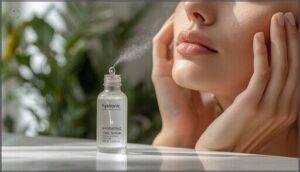
Once your skin is cleansed, apply your toner while it’s still lightly damp — that moisture helps pull hydration deeper.
Try the patting technique with clean hands, or cotton pad, in gentle upward strokes.
Spray application works great on busy mornings.
For your hydrating serum — two to three drops of hyaluronic acid are plenty — follow the layering order: toner‑first, then wait 30 seconds before serum.
Moisturizing Techniques
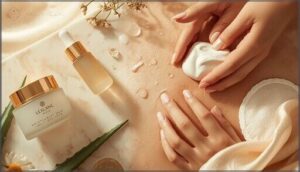
Now that your serum is absorbed, lock it in. Apply moisturizer on damp skin — Gentle Drying means patting, not rubbing — then follow the Layering Order: humectants first, emollients next, occlusives last.
Spot Targeting thicker balms on dry cheeks or around eyes keeps oilier zones balanced. Frequency Scheduling, twice daily minimum helps skin barrier repair best.
Sun Protection for Dry Skin
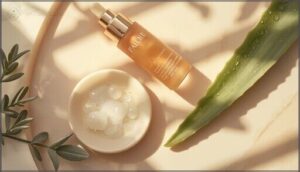
Once your moisturizer is sealed in, don’t skip sunscreen — it’s the step that protects everything underneath.
For dry skin, look for Hydrating SPF Formulas with barrier-friendly filters like ceramides or hyaluronic acid, and always choose non-alcoholic sunscreens.
Mineral vs chemical both work well; SPF 30 broad spectrum is your daily minimum.
Reapplication frequency matters: every two hours outdoors keeps protection consistent.
Nighttime Skincare Steps

Your nighttime routine is where real repair happens. Start with double cleansing — an oil cleanser first, then a creamy cleanser — to remove buildup without stripping.
Toner prep sets the stage for your hydrating serum, which works best on slightly damp skin.
Lock everything in with a rich night cream for skin barrier repair and protection, or try the slugging method on extra-dry nights.
Top 10 Products for Dry Skin
Finding the right products for dry skin doesn’t have to feel like a guessing game.
These picks cover everything from gentle cleansers to rich moisturizers, all chosen with dry skin’s specific needs in mind.
Here are ten dermatologist-friendly options worth adding to your routine.
1. Cetaphil Hydrating Gentle Face Cleanser
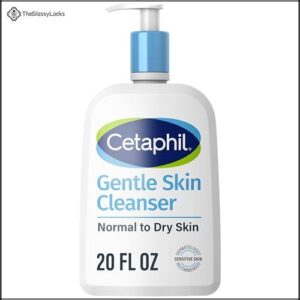
If your cleanser is stripping your skin dry, it’s working against you. The Cetaphil Hydrating Gentle Face Cleanser is clinically proven to cleanse without disrupting your skin’s natural moisture barrier — and that’s a meaningful distinction.
Enriched with glycerin, panthenol (B5), and niacinamide (B3), it soothes while it cleans.
You can even use it without water, wiping it off for up to 48 hours of sustained hydration.
Fragrance‑free, non‑comedogenic, and dermatologist‑recommended — it’s a reliable daily foundation for dry, sensitive skin.
| Best For | Anyone with dry, sensitive, or acne-prone skin who wants a gentle daily cleanser that hydrates while it cleans. |
|---|---|
| Fragrance-Free | Yes |
| Skin Type | Dry to Normal |
| Key Ingredient | Niacinamide, Glycerin |
| Non-Comedogenic | Yes |
| Dermatologist Tested | Yes |
| Product Type | Cleanser |
| Additional Features |
|
- Cleans without stripping — actually leaves skin feeling hydrated, not tight
- Packed with skin-loving ingredients like niacinamide, B5, and glycerin
- Works for sensitive skin, rosacea, and even around the eyes
- No lather or foam, so it can feel like nothing’s happening even when it is
- Might not cut through heavy makeup or thick sunscreen on its own
- The no-rinse method takes some getting used to if you’re used to a foamy wash
2. Aquaphor Healing Ointment Skin Protectant
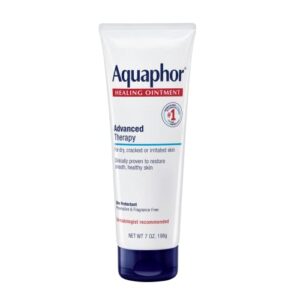
Aquaphor Healing Ointment is your skin’s emergency repair kit — the one you reach for when nothing else is cutting it. Its 41% petrolatum base locks in moisture without fully blocking oxygen, which means your skin can still breathe while it heals.
Glycerin, panthenol, and bisabolol work together to soothe and restore.
At $12.97 for a 7 oz tube, it’s clinically proven to repair dry, cracked skin on hands, feet, lips, and more — fragrance-free and non-comedogenic.
| Best For | Anyone dealing with seriously dry, cracked, or irritated skin who wants one versatile product that works on hands, feet, lips, and face. |
|---|---|
| Fragrance-Free | Yes |
| Skin Type | Dry/Compromised |
| Key Ingredient | Petrolatum, Glycerin |
| Non-Comedogenic | Yes |
| Dermatologist Tested | Yes |
| Product Type | Skin Protectant |
| Additional Features |
|
- Clinically proven to heal dry, cracked skin — it actually delivers on the promise
- Fragrance-free and non-comedogenic, so it’s gentle enough for sensitive skin and won’t clog pores
- Incredibly versatile — replaces your hand cream, foot cream, and lip balm all in one tube
- The thick, ointment texture can feel greasy if you use too much
- Not a great fit for oily skin types — it’s heavy by design
- You only get one size option (7 oz tube), which isn’t ideal if you want something travel-sized
3. The Ordinary Hyaluronic Acid B5 Serum
If your skin is thirsty at a cellular level, The Ordinary Hyaluronic Acid B5 Serum knows exactly how to answer. It combines five forms of hyaluronic acid — working at different depths — with 5% panthenol to draw in moisture and actually keep it there.
At $9.90 for a 30ml bottle, it’s remarkably well‑formulated for the price. Apply a few drops to damp skin before your moisturizer, morning and evening, and you’ll notice plumper, smoother texture within weeks.
| Best For | Anyone with dry, sensitive, or dehydrated skin who wants a no-fuss, affordable serum that delivers real hydration without breaking the bank. |
|---|---|
| Fragrance-Free | Yes |
| Skin Type | Normal to Dry |
| Key Ingredient | Hyaluronic Acid |
| Non-Comedogenic | Not Stated |
| Dermatologist Tested | Yes |
| Product Type | Serum |
| Additional Features |
|
- Five types of hyaluronic acid work at different skin depths, so you’re getting hydration that actually reaches where it counts
- Ceramides and Pro-Vitamin B5 don’t just add moisture — they help your skin hold onto it longer
- At $9.90, it punches way above its weight compared to pricier serums with similar ingredients
- Can leave a slightly sticky feeling, especially if you apply too much
- Needs to go on damp skin — skip that step and you won’t get the full effect
- Very dry skin types may still need a heavier moisturizer on top to seal everything in
4. Neutrogena Hydro Boost Water Gel Moisturizer
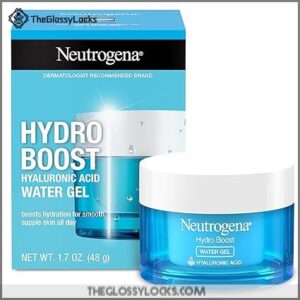
Oily skin needs hydration too — and the Neutrogena Hydro Boost Water Gel delivers exactly that without the greasy aftermath.
Its water-gel texture absorbs almost instantly, leaving your skin feeling refreshed rather than coated.
The formula is built around hyaluronic acid, clinically shown to lock in moisture for 24 hours and boost hydration five times compared to untreated skin.
It’s oil-free, non-comedogenic, and safe for acne-prone skin — so you don’t have to choose between hydration and clear pores.
At $19.97, it’s a smart daily investment.
| Best For | Anyone with oily, combination, or acne-prone skin who wants real hydration without the greasy, heavy feeling. |
|---|---|
| Fragrance-Free | No |
| Skin Type | Normal to Oily |
| Key Ingredient | Hyaluronic Acid |
| Non-Comedogenic | Yes |
| Dermatologist Tested | Yes |
| Product Type | Moisturizer |
| Additional Features |
|
- Hyaluronic acid locks in moisture for a full 24 hours, keeping skin plump without clogging pores
- Oil-free and non-comedogenic, so it works great even if you’re breakout-prone
- The water-gel texture absorbs fast and feels weightless — no residue, no shine
- Some people find the scent a bit much, and there’s no fragrance-free version
- At 1.7 oz for $19.97, the bottle runs out quicker than you’d hope
- The gel finish can feel slightly tacky on certain skin types, especially in humidity
5. La Roche-Posay Anthelios SPF 60 Sunscreen
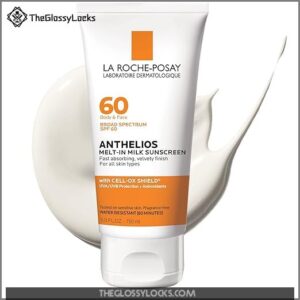
Sun protection isn’t optional — it’s the step that holds your entire routine together.
La Roche-Posay Anthelios SPF 60 is one I recommend with confidence, especially if your skin leans sensitive or reactive.
Its Cell-Ox Shield technology pairs broad-spectrum UVA/UVB filters with antioxidants that fight free radical damage, while thermal spring water soothes as it protects.
The oil-free, fast-absorbing formula sits comfortably under makeup without tackiness.
Water-resistant for up to 80 minutes, it transitions seamlessly from morning routine to outdoor activity.
| Best For | Anyone with sensitive, reactive, or condition-prone skin (think eczema or rosacea) who wants solid daily sun protection that won’t mess with their makeup or weigh their skin down. |
|---|---|
| Fragrance-Free | No |
| Skin Type | Sensitive/All |
| Key Ingredient | Cell-Ox Shield |
| Non-Comedogenic | Not Stated |
| Dermatologist Tested | Yes |
| Product Type | Sunscreen |
| Additional Features |
|
- SPF 60 broad-spectrum coverage with Cell-Ox Shield technology that fights UV damage and free radicals at the same time
- Lightweight, oil-free formula that absorbs fast and sits comfortably under makeup
- Water-resistant up to 80 minutes, so it holds up whether you’re running errands or spending time outside
- Costs more than your average drugstore sunscreen
- Might leave a slight tackiness if you don’t give it enough time to set
- A few customers have reported receiving it unsealed, which is worth keeping in mind
6. CeraVe Hydrating Cleanser Bar
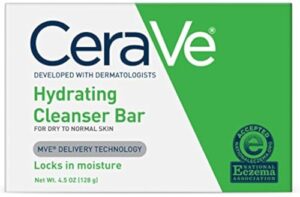
Most cleansers quietly strip your skin while promising to care for it — this one actually delivers on both.
The CeraVe Hydrating Cleanser Bar earns its place in a dry skin routine because it cleanses without disrupting your barrier. It contains three essential ceramides alongside hyaluronic acid, and 5% CeraVe Moisturizing Cream works to retain moisture as you wash. Fragrance-free and non-comedogenic, it’s gentle enough for eczema-prone or sensitive skin. At $6.84, it’s one of the most practical investments you can make.
| Best For | Anyone with dry, sensitive, or combination skin who wants a gentle daily cleanser that moisturizes while it washes. |
|---|---|
| Fragrance-Free | Yes |
| Skin Type | Dry/Sensitive |
| Key Ingredient | Ceramides |
| Non-Comedogenic | Yes |
| Dermatologist Tested | Yes |
| Product Type | Bar Soap |
| Additional Features |
|
- Cleanses without stripping — ceramides and hyaluronic acid keep your skin barrier intact
- Fragrance-free and non-irritating, so it plays nice with eczema, rosacea, and sensitive skin
- At $6.84, it’s hard to beat the value for a dermatologist-developed formula
- Not the best pick for oily skin — the added moisture may feel like too much
- Some users notice a faint scent straight from the bar, even though it doesn’t stick around after rinsing
- A solid bar format isn’t everyone’s preference compared to a liquid cleanser
7. AmLactin Intensive Healing Body Lotion
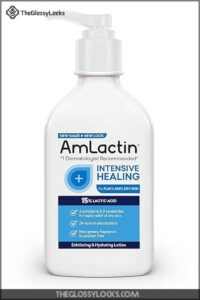
When your skin is rough, flaky, or battling keratosis pilaris, you need more than basic hydration — you need something that works at the cellular level.
AmLactin Intensive Healing Body Lotion delivers that with 15% lactic acid, a clinically effective AHA that gently resurfaces dead skin without scrubbing.
Paired with ceramides to reinforce your skin barrier, glycerin, and petrolatum for lasting moisture, it provides immediate and 24-hour relief.
It’s fragrance-free, non-greasy, and genuinely effective for persistently dry, textured skin.
| Best For | Anyone dealing with rough, flaky skin or keratosis pilaris who wants a no-scrub exfoliator that actually pulls double duty as a moisturizer. |
|---|---|
| Fragrance-Free | Yes |
| Skin Type | All Types |
| Key Ingredient | Lactic Acid AHA |
| Non-Comedogenic | Not Stated |
| Dermatologist Tested | Yes |
| Product Type | Body Lotion |
| Additional Features |
|
- 15% lactic acid gently resurfaces dead skin without any scrubbing — real results without the effort
- Ceramides help rebuild your skin barrier, so the hydration actually sticks around for 24 hours
- Fragrance-free, paraben-free, and safe for sensitive skin — a clean formula that doesn’t cut corners
- The smell is a real dealbreaker for some — users report an ammonia-like odor that’s hard to ignore
- Can feel sticky right after applying, so give it a minute before getting dressed
- It’s pricier than most drugstore lotions, which adds up if you’re using it daily
8. Neutrogena Ultra Gentle Cream Foam Face Wash
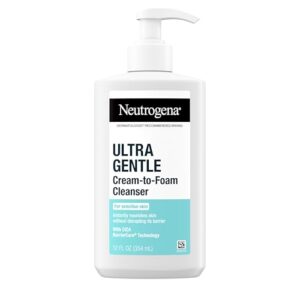
AmLactin supports your body, your face deserves its own gentle approach.
The Neutrogena Ultra Gentle Cream Foam Face Wash is a smart pick for dry or sensitive skin. At just $9.97, it starts as a creamy formula, then transforms into a light foam that lifts dirt and makeup without stripping your moisture barrier.
Glycerin draws hydration in while CICA calms irritation.
It’s fragrance‑free, sulfate‑free, and safe for twice‑daily use — exactly what dry skin needs.
| Best For | People with dry, sensitive, or combination skin who want a simple, affordable daily cleanser that won’t irritate or strip moisture. |
|---|---|
| Fragrance-Free | Yes |
| Skin Type | Dry/Sensitive |
| Key Ingredient | Glycerin, CICA |
| Non-Comedogenic | Yes |
| Dermatologist Tested | Yes |
| Product Type | Cleanser |
| Additional Features |
|
- Fragrance-free and hypoallergenic — great for reactive or easily irritated skin
- Glycerin and CICA work together to hydrate and soothe while you cleanse
- At $9.97 for 12 oz, it’s an easy daily staple that won’t break the bank
- The rich, creamy texture may feel too heavy for oily skin types
- Might not cut through heavy makeup without a little extra effort
- Some users notice an unexpected smell despite it being labeled fragrance-free
9. Olay Regenerist Micro Sculpting Cream
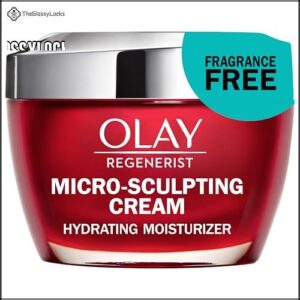
If your skin needs more than just basic hydration, the Olay Regenerist Micro Sculpting Cream steps things up. It combines triple collagen peptide, hyaluronic acid, niacinamide, and panthenol in a lightweight gel‑cream that absorbs without greasiness.
Clinical data shows it can improve firmness by 12.3 % over 12 weeks and visibly reduce deep wrinkles in four weeks.
At around $36, it’s a dermatologist‑friendly pick that works morning and night, making it a practical upgrade for anyone dealing with persistent dryness and early signs of aging.
| Best For | Anyone dealing with persistent dryness, loss of firmness, or early signs of aging who wants a no-fuss cream that pulls double duty as a day and night moisturizer. |
|---|---|
| Fragrance-Free | Yes |
| Skin Type | All Types |
| Key Ingredient | Collagen Peptide |
| Non-Comedogenic | Not Stated |
| Dermatologist Tested | Yes |
| Product Type | Face Moisturizer |
| Additional Features |
|
- Packs a solid lineup — collagen peptides, hyaluronic acid, and niacinamide all in one jar
- Clinically shown to visibly firm skin in a week and reduce deep wrinkles in four weeks
- Fragrance-free and free of parabens and synthetic dyes, so it’s gentle enough for sensitive skin
- Doesn’t perform as well around the eye area
- Results can vary — if you’re already using similar actives, you might not notice much difference
- Some users simply don’t see the firming or wrinkle benefits, so it’s not a guaranteed win for everyone
10. CeraVe Hydrating Facial Cleanser
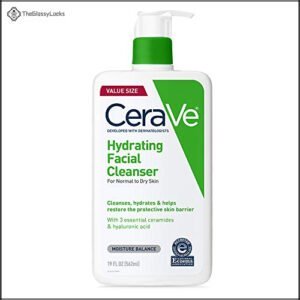
If you want something that does the heavy lifting without the hefty price tag, the CeraVe Hydrating Facial Cleanser at $16.97 is worth your attention.
It combines hyaluronic acid, glycerin, and three essential ceramides — NP, AP, and EOP — to cleanse without stripping your barrier.
The patented MVE technology releases moisturizing ingredients slowly, delivering 24‑hour hydration long after you’ve rinsed off.
It’s fragrance‑free, non‑comedogenic, and accepted by the National Eczema Association — reliable, straightforward protection your dry skin can count on daily.
| Best For | Anyone with normal to dry or sensitive skin who wants a simple, no-fuss daily cleanser that actually keeps skin hydrated without breaking the bank. |
|---|---|
| Fragrance-Free | Yes |
| Skin Type | Normal to Dry |
| Key Ingredient | Ceramides, Hyaluronic Acid |
| Non-Comedogenic | Yes |
| Dermatologist Tested | Yes |
| Product Type | Face Wash |
| Additional Features |
|
- Packed with hyaluronic acid, glycerin, and three ceramides — it cleans and hydrates at the same time
- MVE technology keeps moisture going for a full 24 hours after you wash your face
- Fragrance-free and non-comedogenic, so it plays nicely with sensitive and acne-prone skin
- Not a great fit for oily skin types — it’s just too rich
- The non-foaming texture throws some people off since it doesn’t feel like a "real" cleanser
- You might need to use more product than expected to feel like your face is actually clean
Expert Tips to Manage and Prevent Dry Skin

Managing dry skin isn’t just about what you put on your face — it’s also about the habits you build around it.
Lifestyle shifts can make a bigger difference than any product on the shelf.
Here are five expert-backed tips to help you protect your skin and keep dryness from coming back.
Using a Humidifier at Home
Think of a humidifier as a quiet ally for your skin barrier while you sleep. Keeping indoor humidity between 40 and 60 percent is one of the simplest dry skin management strategies you can adopt.
Use distilled water, run it overnight in your bedroom, and clean the tank daily — these small humidifier maintenance habits make your skin hydration techniques genuinely more effective.
Wearing Protective Clothing
Your fabric choice matters more than most people realize. The right clothing acts as a second skin barrier, shielding sensitive, parched skin from friction and environmental stress.
- Opt for loose-fitting cotton as your go-to allergy-friendly textile
- Use a layering strategy: cotton or silk under wool or polyester
- Wear gloves when washing dishes or handling chemicals
- Choose climate-specific garments like scarves and gloves in cold, windy weather
- Select hypoallergenic detergents as part of your clothing care routine
Avoiding Hot Showers and Harsh Soaps
Hot water feels luxurious, but it’s one of the sneakiest causes of skin dryness. Keep showers to 5–10 minutes using warm water — Water Temperature Control is that simple.
Fragrance-Free Soaps and gentle cleansers without thick lather protect your moisture barrier, while harsh cleansers strip it bare. After showering, always use the Pat Dry Technique: press, don’t rub.
Staying Hydrated Internally
skin is a reflection of what’s happening inside your body. Drinking enough water daily helps skin cell moisture from within — and pairing that with omega-3s from salmon or walnuts genuinely strengthens your skin barrier.
In summer, your fluid needs climb, so drink more water consistently. These internal-topical hydration techniques work best together, making them among the most effective skin hydration solutions available.
Adjusting Routine Seasonally
Your skin care routine shouldn’t stay the same year-round — environmental factors shift dramatically each season, and your skin notices.
- Winter Cream Switch – Swap to richer emollient creams; add a Winter Humidifier in your bedroom.
- Spring Exfoliation – Gently remove winter buildup before shifting to lighter formulas.
- Summer Moisturizer – Choose lightweight hydrating options that won’t clog pores.
- Year-Round SPF – A dermatologist recommended non-negotiable for winter skin care and beyond.
Frequently Asked Questions (FAQs)
What skincare is best for dry skin?
Your best allies are Rich Textures, ceramides, and hyaluronic acid — paired with a hydrating cleanser, Body Moisturizers, Healing Balms, Soothing Formulas, Hydrating Masks, and daily sunscreen.
What is a proper skin care routine for dry skin?
A proper skin care routine for dry skin focuses on Barrier Repair, smart Layering Strategy, and consistent moisture.
Cleanse gently, layer hydrating serums, seal with cream, and protect with SPF daily.
What skin treatment is best for dry skin?
For dry skin, the best treatment layers a hydrating cleanser, hyaluronic acid serum, and ceramides-rich moisturizer to support skin barrier repair — simple lifestyle adjustments and professional treatments complete the approach.
What is a good skin care routine for dry skin?
A solid skin care routine starts with a hydrating cleanser, followed by hyaluronic acid serum, then moisturizer.
Use a sunscreen moisturizer combo daily and practice gentle evening cleansing to support your skin barrier overnight.
What should I do if I have dry skin?
Start with the basics: swap your cleanser for a hydrating cleanser, layer hyaluronic acid underneath a rich moisturizer, and protect your skin barrier daily.
When in doubt, a Professional Dermatology Consultation clears up the guesswork fast.
What should I wear if I have a dry skin?
Choose soft, breathable fabrics like cotton, bamboo, or silk — they reduce friction and keep irritation at bay.
Avoid rough wool directly on skin, and always wash new clothes before wearing them.
Do you need a skin-care routine for dry skin?
Yes — and the simpler, the better. A consistent skin care routine for dry skin helps repair your barrier, lock in moisture, and prevent the tight, flaky feeling before it starts.
How do you treat dry skin and keep it hydrated?
Treating dry skin means layering the right ingredients—humectants, emollients, and occlusives—to lock in moisture and support barrier repair.
An integrated approach combining gentle cleansing, consistent moisturizing, and lifestyle tweaks delivers sustained hydration that actually lasts.
Will a toner dry out my skin?
It depends on the formula. Alcohol-free toners with hyaluronic acid and barrier-repair ingredients actually hydrate your skin, while alcohol-heavy or fragrance-free formulas can strip moisture and compromise your skin barrier.
Is vitamin C okay for dry skin?
Vitamin C is absolutely fine for dry skin when used correctly.
Opt for gentler derivative forms like Magnesium Ascorbyl Phosphate, start at 10–15% concentration, and always follow with a rich, occlusive moisturizer to lock hydration in.
Conclusion
The right ingredients protect. The right routine restores. The right habits prevent the cycle from starting over.
Effective skin care for dry skin isn’t about using more products—it’s about using the right ones, in the right order, with an understanding of what your barrier actually needs.
When you treat your skin with that kind of precision and consistency, you’re not just managing dryness. You’re giving your skin the conditions it needs to genuinely heal.