This site is supported by our readers. We may earn a commission, at no cost to you, if you purchase through links. This content is for general informational and educational purposes only and is not a substitute for professional medical, dermatological, or nutritional advice.
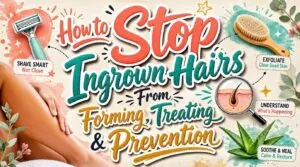
Most razor bumps aren’t caused by bad luck—they’re caused by geometry. Curly and coarse hair has a natural curve that, once cut below the skin line, redirects growth back into surrounding tissue rather than outward. Multi-blade razors make this worse by using a lift-and-cut mechanism that slices hair below the surface, leaving a sharp tip primed to penetrate the follicle wall.
Hormonal factors compound the problem: elevated androgens thicken the hair shaft, increasing stiffness and resistance to normal outward growth.
Stopping ingrown hairs from forming means addressing each of these mechanisms—through preparation, technique, and consistent exfoliation that keeps the follicle pathway clear.
Table Of Contents
- Key Takeaways
- Why Ingrown Hairs Form
- Prepare Skin Before Hair Removal
- Shave to Prevent Ingrowns
- Exfoliate Without Irritating Skin
- Top 5 Ingrown Hair Products
- Treat Bumps and Prevent Infection
- Frequently Asked Questions (FAQs)
- Will I ever stop getting ingrown hairs?
- Can diet affect how often ingrown hairs develop?
- Does stress influence ingrown hair frequency or severity?
- Are ingrown hairs more common during certain seasons?
- Can swimming or sweating worsen existing ingrown hairs?
- Do ingrown hairs go away completely on their own?
- Conclusion
Key Takeaways
- Curly and coarse hair curves back into the skin after cutting, and multi-blade razors make this worse by slicing hair below the surface — so switching to a single-blade razor and shaving with the grain directly cuts your ingrown hair risk.
- Prep isn’t optional: 60–120 seconds of warm water, a pH-balanced cleanser, and a ceramide moisturizer before your razor even touches skin are what keep follicles clear and the barrier intact.
- Chemical exfoliants — specifically 1–2% salicylic acid or 5–10% glycolic acid used two to three times weekly — dissolve the keratin buildup that traps hairs beneath dead skin cells.
- Hormones, seasonal friction, tight clothing, and stress all drive ingrown formation beneath the surface, so lasting prevention means addressing your biology and daily habits, not just your shaving technique.
Why Ingrown Hairs Form
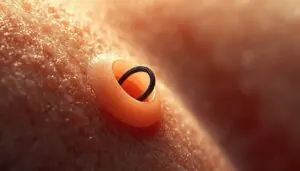
Ingrown hairs don’t just happen randomly — there are specific biological and behavioral triggers that set the whole process in motion. Understanding what’s working against your skin helps you make smarter choices before you ever pick up a razor. Here are the five key reasons ingrown hairs form in the first place.
Your razor technique matters more than you might think — shaving direction and ingrown hair prevention are closely linked, and small habit changes can make a real difference.
Curly and Coarse Hair
Curly or coarse hair is structurally wired to cause problems after shaving. Because these strands grow in curved patterns, a freshly trimmed hair can loop back and pierce the skin instead of exiting cleanly.
Coarse hair compounds this — its thicker diameter and rougher cuticle create more resistance at the follicle opening, making inward regrowth nearly three times more likely.
High-risk Body Areas
Hair type sets the stage, but body location seals the deal. Certain zones combine dense follicle packing, frequent friction, and directional hair growth in ways that consistently trap regrowth.
- Beard area — pseudofolliculitis barbae affects men with coarse facial hair, where curved strands loop back after each shave.
- Bikini line — tight waistbands and course hair create prime conditions for entrapment.
- Underarms — multidirectional hair growth makes shaving in one clean direction nearly impossible.
- Legs — fine, widespread hair across large surface areas increases cumulative ingrown risk.
Tight Clothing Friction
Location matters, but what covers your skin matters just as much. Tight clothing increases skin temperature by roughly 2°C, pressing hair back toward the follicle before it can emerge cleanly. Research indicates that varying skin friction coefficients occur across different body regions.
| Clothing Factor | Mechanism | Ingrown Hair Risk |
|---|---|---|
| Fit tension | Expands fabric-to-skin contact area | High |
| Knit texture | Creates uneven surface friction | Moderate |
| Seam pressure points | Concentrates rubbing over follicles | High |
| Moisture friction increase | Sweat raises skin-fabric adhesion | Very High |
| Polyester blend | Higher friction against dry skin | Moderate |
When sweat enters the equation, fabric-skin friction intensifies — wet skin sticks harder, and every movement drags the fabric across the same irritated zone repeatedly, compromising your skin barrier and trapping regrowth.
Deep Hair Removal Risks
Tight clothing sets the stage — but how you remove hair can make things considerably worse. Waxing, epilating, and multi-blade razors pull the hair shaft below the skin surface, creating a sharp tip that pierces sideways during regrowth. That’s what starts the cycle of ingrown hairs, folliculitis, and eventual scarring.
- Multi-blade razors use a "lift-and-cut" mechanism that slices hair beneath the skin line.
- Waxing removes hair at the root, leaving a fine, sharp regrowth tip.
- Laser hair removal reduces ingrown hairs by up to 90% but carries risks including laser burns and skin pigment changes.
- Electrolysis destroys individual follicles permanently but requires proper infection risk management during healing.
- Paradoxical hair growth — increased regrowth after laser — is rare but documented, requiring treatment adjustments.
Choosing gentler methods isn’t about preference. It’s about scarring prevention strategies that protect your skin long-term.
Hormonal Hair Thickness
What’s happening beneath your skin doesn’t start with a razor — it starts with hormones. High testosterone and androgens thicken the hair shaft, making each strand stiffer and more prone to curling back into skin. Estrogen extends the growth phase, influencing diameter.
Meanwhile, cortisol and thyroid imbalances shift follicles toward shedding, while insulin-related changes compound the cycle — all quietly driving coarse hair and ingrown hairs.
Prepare Skin Before Hair Removal
Most ingrown hairs don’t start at the razor — they start before you even pick it up. What you do in those two minutes before shaving can make or break how your skin responds. Here’s what your prep routine should include.
Warm Water Softening
Warm water is one of the simplest tools you have against ingrown hairs. Applying warm water for 60–120 seconds before shaving raises your skin’s surface temperature, softens the outer skin layer, and makes hair shafts more flexible — reducing the resistance a blade encounters during cutting.
Pairing this warm-water prep with a razor designed for thick, ingrown-prone skin takes the guesswork out of getting a clean, irritation-free shave.
Keep the water warm but not hot. Overheating your skin triggers redness and dryness, which actually increases your ingrown hair risk post-shave.
Gentle Pre-shave Cleansing
Cleansing your skin before shaving does more than remove dirt — it sets the foundation for a smooth, ingrown-free result. A gentle foaming cleanser removes oil, debris, and dead surface buildup that would otherwise increase razor friction and clog pores mid-shave.
Choose a pH-balanced, non-stripping formula, ideally fragrance-free, to preserve your skin barrier support without triggering irritation.
Shaving Cream Timing
Timing your shaving cream correctly is a small step that makes a measurable difference. Apply it to wet skin immediately after cleansing, then wait 30 to 120 seconds before your first stroke — this softens the hair shaft and reduces the friction that drives hairs inward.
| Hair Type | Recommended Sit Time | Key Benefit |
|---|---|---|
| Fine or soft | 30 seconds | Sufficient softening, minimal drying risk |
| Medium stubble | 60 seconds | Balanced moisture window and hair softening |
| Coarse or thick | 2–3 minutes | Maximum shaft softening before razor contact |
Don’t let the cream dry — a dried lather loses its lubricating barrier and increases tug, the exact condition that raises your risk of ingrown hairs.
Moisture Barrier Protection
Your skin barrier is your first line of defense — and shaving weakens it.
Apply a noncomedogenic moisturizer containing ceramides, glycerin, or dimethicone immediately after cleansing to lock in hydration before your razor ever touches skin. This occlusive layer reduces friction, reinforces barrier repair, and keeps the stratum corneum pliable enough for hair to exit cleanly during regrowth.
Avoid Dry Shaving
Dry shaving is one of the fastest ways to trigger ingrown hairs. Without shaving gel or pre-shave oil, the razor drags directly across unlubricated skin, forcing you to repeat passes that cut hair unevenly. That friction disrupts skin barrier support, leaving follicles vulnerable.
Always prep with warm water and lubrication — avoid razor drag at every step.
Shave to Prevent Ingrowns
How you shave matters just as much as how often you shave. Small technique changes can cut your ingrown hair risk dramatically, and the right tools make that even easier. Here’s what actually works.
Shave With The Grain

Shaving with the grain — moving your razor in the same direction your hair naturally grows — is one of the most effective ways to reduce ingrown hairs.
Still, even careful shavers nick themselves occasionally, and because facial skin is so richly supplied with blood vessels, it helps to know how to stop bleeding from shaving cuts quickly.
Hold the blade at roughly a 30-degree angle, let its weight do the work, and maintain consistent lather coverage so the razor glides cleanly without dragging or cutting hair below the skin surface.
Use Light Short Strokes
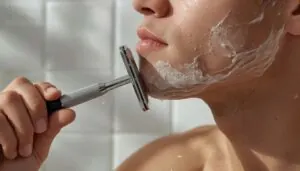
Once you’ve mastered shaving with the grain, how you move the razor becomes just as important as the direction.
Short strokes — roughly 2 to 3 cm — prevent the blade from dragging across too much skin in one sweep, which reduces tugging that pulls hairs sideways instead of cutting them cleanly.
Light pressure control lets the blade glide rather than dig in, limiting micro-cuts that inflame follicles and trigger ingrown hairs.
- Keep strokes short and deliberate to maintain a consistent blade angle across each small section.
- Rinse the blade after every two or three strokes to clear buildup and cut more evenly.
- Avoid repeated passes over the same spot — one clean stroke is enough if your lather and pressure are right.
- Finish with a gentle pass using almost zero pressure to smooth remaining stubble without aggravating the skin.
This blade rinse cadence keeps cuts consistent and reduces the number of passes you need overall.
Choose Single-blade Razors
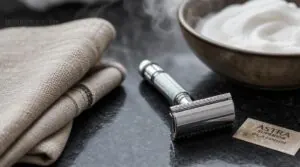
The tool you reach for matters as much as the technique.
Whether you’re trimming clippers every few weeks in a shop or just a couple times a year at home, knowing how to sharpen clipper blades properly keeps cuts clean and your equipment lasting longer.
Single-blade safety razors cut hair at the skin surface rather than pulling it upward and slicing it below — which is exactly how multi-blade razors create ingrown hairs. Guard geometry controls blade exposure, keeping the edge at a consistent angle that reduces micro-cuts and follicle inflammation.
Try Electric Trimmers
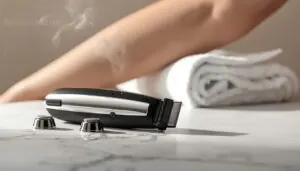
If a single-blade razor still feels too close for comfort, electric trimmers are worth considering. They cut hair above the skin surface, eliminating the lift-and-cut mechanism that drives ingrown hairs. Three features make them particularly effective:
- Adjustable guard lengths control how short hair is cut.
- Contour head designs follow curved body areas precisely.
- Dry trimming reduces follicle irritation from wet-shave friction.
Replace Dull Blades Often
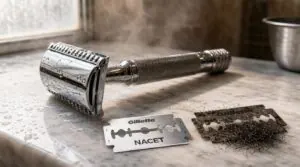
A dull blade doesn’t just underperform — it actively works against you. When the edge degrades, you press harder, make more passes, and drag friction across skin already stressed from shaving.
Replace blades every five to seven shaves to maintain a clean cut, reduce razor burn, and keep ingrown hairs from forming where hair is left jagged beneath the surface.
Exfoliate Without Irritating Skin

Exfoliation is one of the most effective tools you have against ingrown hairs — but done wrong, it can make things worse. The key is knowing which methods actually clear blocked follicles without stripping your skin barrier. Here’s how to do it right.
Exfoliate Two to Three Times
Exfoliate two to three times per week to keep dead skin cells from sealing over your follicles after hair removal. Oily skin tolerates three sessions well; drier or sensitive skin does better at two.
- Space skin exfoliation away from shaving days
- Wait 24 hours after hair removal before exfoliating
- Apply gentle, even pressure — never scrub hard
- Moisturize immediately after to support your skin barrier
- Reduce frequency if tightness or redness appears
Use Salicylic Acid
Salicylic acid is your follicle’s best ally against ingrown hairs. At 1% to 2% concentration, it penetrates pores and dissolves the keratin buildup that traps hair beneath dead skin cells.
Choose leave-on serums or liquids for maximum contact time. Wait at least a day after hair removal before applying, then follow with moisturizer and sunscreen to protect your barrier.
Try Glycolic Acid
Glycolic acid works differently than salicylic acid — it’s an alpha hydroxy acid that weakens bonds between dead skin cells, letting them shed before they can seal a follicle shut. At 5% to 10% concentration, it penetrates deeper than most AHAs, clearing surface buildup that traps hairs.
Apply it in your evening skin care routine, since glycolic acid increases sun sensitivity greatly. Always follow with sunscreen the next morning.
Delay Scrubs After Shaving
Freshly shaved skin isn’t ready for a scrub. Wait 24 to 48 hours before applying any physical exfoliant, because shaving creates micro-irritation that leaves the skin barrier vulnerable. Adding friction too soon worsens redness and increases your risk of ingrown hairs.
Once your skin feels calm and non-tender, your post-shave exfoliation routine can safely resume.
Moisturize After Exfoliating
Exfoliation strips away dead skin, but it also removes some of your skin’s natural oils. Apply moisturizer immediately after exfoliating — within minutes — so you lock in hydration before the barrier weakens further. Pat gently rather than rubbing, since freshly exfoliated skin is more sensitive.
For an extra hydration boost, try smoothing on a hyaluronic acid serum before your moisturizer, one of several glowing skin care secrets worth building into your routine.
At night, use a richer barrier moisturizer containing humectants like glycerin or panthenol to support overnight skin repair.
Top 5 Ingrown Hair Products
The right product can make a real difference when technique alone isn’t enough. Whether you’re dealing with stubborn bumps or trying to stay ahead of them, these five options cover the most effective approaches available. Here’s what’s worth keeping in your routine.
1. Topicals High Roller Ingrown Hair Serum
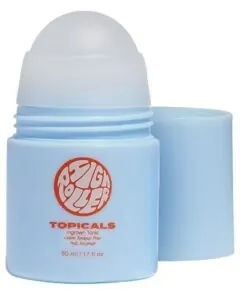
The Topicals High Roller Ingrown Hair Serum combines salicylic acid and glycolic acid in a roll-on format, targeting follicle-blocking keratin plugs and dead skin buildup directly. Its BHA and AHA pairing works beneath and across the skin surface simultaneously. The formula also includes zinc PCA, allantoin, and centella asiatica to calm post-shave inflammation without alcohol or fragrance.
At $26 for 50 mL, apply it two to three times weekly on clean, dry skin, then layer sunscreen — acids increase photosensitivity.
| Best For | Anyone dealing with razor bumps, ingrown hairs, or post-shave irritation on the face, underarms, bikini line, or legs — for both men and women. |
|---|---|
| Product Format | Roll-on serum |
| Net Volume | 1.7 fl oz |
| Key Ingredient | Salicylic & Glycolic Acid |
| Skin Suitability | All skin types |
| Primary Benefit | Reduces razor bumps & ingrowns |
| Target Area | Face, underarms, bikini, legs, neck |
| Additional Features |
|
- The salicylic and glycolic acid combo tackles ingrowns from two angles, exfoliating both inside the pore and across the skin surface.
- Roll-on format keeps things clean and easy — no messy fingers, no wasted product.
- Free from alcohol, fragrance, and parabens, so it’s gentler on sensitive or irritated skin.
- At $26 for 50 mL, it’s pricier than a lot of drugstore alternatives that do a similar job.
- Results aren’t guaranteed — some people see the benefits fade after a few months or don’t notice much improvement at all.
- You have to wait for it to fully dry before getting dressed or applying other products, which can slow down your routine.
2. Paulas Choice Two Percent BHA Liquid Exfoliant
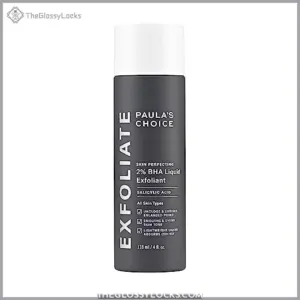
Where the High Roller targets multiple acids, Paula’s Choice 2% BHA Liquid Exfoliant narrows its focus — one ingredient, salicylic acid, at a clinically effective concentration. It works inside the pore lining to dissolve keratin plugs before trapped hairs form. The leave-on formula absorbs quickly without rinsing, and its pH of 3.2–3.8 keeps it effective yet gentle enough for daily use.
At $25.90 for 4 oz, apply it to clean skin using a cotton round, and follow with sunscreen.
| Best For | Anyone dealing with clogged pores, blackheads, or uneven texture who wants a simple, no-fuss daily exfoliant without a long ingredient list. |
|---|---|
| Product Format | Topical ointment |
| Net Volume | 18g |
| Key Ingredient | Ichthammol & Silicea |
| Skin Suitability | General skin use |
| Primary Benefit | Draws out embedded debris |
| Target Area | Face and body |
| Additional Features |
|
- One targeted ingredient — 2% salicylic acid — that actually gets inside the pore and clears out the gunk before it becomes a problem.
- Fragrance-free, paraben-free, and gentle enough for daily use on all skin types, including sensitive skin. Even gentle formulas work best when paired with smart habits, so this guide on how to exfoliate your body properly can help you avoid overdoing it.
- Works well layered with other actives like niacinamide or tretinoin, and sits nicely under makeup once it’s absorbed.
- New users may notice some tingling, flaking, or dryness in the first week or two while skin adjusts.
- Daily sunscreen becomes non-negotiable — salicylic acid increases photosensitivity, so skipping SPF is a real risk.
- The dispenser can be a little messy and wasteful, and it’s easy to accidentally use too much, which can lead to irritation.
3. Aloe Hydrocortisone Itch Relief Cream
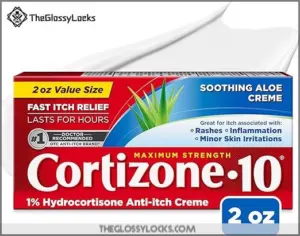
Paula’s Choice controls prevention inside the pore — but once inflammation and itching appear, you need something that works on the surface. That’s where aloe hydrocortisone cream earns its place.
With 1% hydrocortisone as the active ingredient, it temporarily blocks the itch-inflammation cycle triggered by irritated follicles. The aloe barbadensis base calms redness without clogging pores. It’s fragrance-free and dye-free, making it safe for sensitive skin. Apply a thin layer to affected areas and avoid use on broken or infected skin.
| Best For | Anyone dealing with itchy skin from bug bites, eczema, rashes, or irritants who needs fast, no-fuss relief without a bunch of added chemicals. |
|---|---|
| Product Format | Bi-phase liquid |
| Net Volume | 1 fl oz |
| Key Ingredient | Salicylic Acid, Sulfur & Zinc Oxide |
| Skin Suitability | All skin types |
| Primary Benefit | Dries surface blemishes overnight |
| Target Area | Face, back, chest, neck |
| Additional Features |
|
- Works fast — relief kicks in within five minutes
- Fragrance-free and dye-free, so it plays nice with sensitive skin
- Compact enough to toss in a bag, first aid kit, or camping pack
- The aloe formula can sting on really sensitive or broken skin
- Not safe for kids under two
- Only treats symptoms on the surface — won’t address the underlying cause of chronic conditions
4. Billie AHA Ingrown Hair Spray
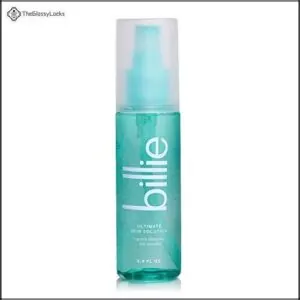
When surface-level hydrocortisone isn’t enough and your skin needs chemical exfoliation, the Billie AHA Ingrown Hair Spray steps in. It combines AHAs and salicylic acid (a BHA) to dissolve keratin buildup and free trapped hairs below the skin surface.
Aloe vera calms post-shave redness while the spray nozzle covers hard-to-reach areas like the bikini line without rubbing.
At $17.17 for 3.4 fl oz, it’s dermatologist-approved for all skin types, including sensitive. Expect results after several weeks of consistent use.
| Best For | Anyone dealing with stubborn ingrown hairs or razor bumps, especially in sensitive areas like the bikini line. |
|---|---|
| Product Format | Leave-on liquid |
| Net Volume | 4 fl oz |
| Key Ingredient | 2% Salicylic Acid |
| Skin Suitability | All skin types |
| Primary Benefit | Exfoliates & unclogs pores |
| Target Area | Face and pores |
| Additional Features |
|
- AHA salicylic acid combo actually gets into the skin and clears out the buildup causing ingrowns
- Spray nozzle makes it easy to hit awkward spots without having to rub anything in
- Dermatologist-approved for all skin types, aloe vera keeps it from being too harsh
- The smell is pretty strong — you’ll want to spray it in a well-ventilated spot and keep it at arm’s length
- New users might feel a mild sting or tingle, especially on sensitive skin
- Don’t expect overnight results — it takes a few weeks of consistent use to really see a difference
5. Thayers Original Witch Hazel Facial Toner
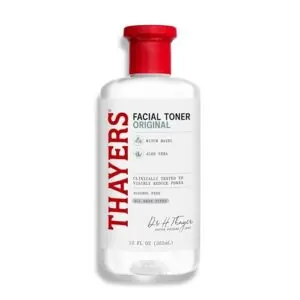
Rounding out this list, Thayers Original Witch Hazel Toner offers a gentler approach to bump prevention. Its alcohol-free formula combines witch hazel, aloe vera, and glycerin to purify pores, reduce inflammation, and hydrate without clogging follicles — a critical balance for ingrown-prone skin.
Apply it after shaving as a soothing aftershave toner to calm redness and minimize pore appearance. At 12 oz, it’s a practical daily option, though some skin types may need a follow-up moisturizer.
| Best For | People with sensitive or ingrown-prone skin who want a gentle, alcohol-free toner that soothes after shaving without stripping moisture. |
|---|---|
| Product Format | Antibiotic ointment |
| Net Volume | 1 oz |
| Key Ingredient | Bacitracin, Neomycin & Polymyxin B |
| Skin Suitability | Minor wound skin |
| Primary Benefit | Prevents wound infection |
| Target Area | Minor wounds anywhere |
| Additional Features |
|
- Alcohol-free formula hydrates while it cleanses — no dry, tight feeling after use
- Pulls triple duty as a toner, aftershave, and pre-manicure nail cleanser
- Dermatologist tested, vegan, and cruelty-free for peace of mind
- Some skin types will still need a moisturizer on top
- The scent is pretty subtle — not for anyone who wants something more noticeable
- Packaging can vary, so what arrives may not match what’s pictured
Treat Bumps and Prevent Infection
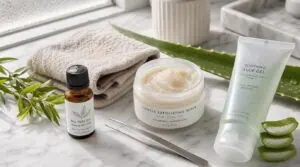
Getting an ingrown hair is frustrating enough — making it worse is even easier than you’d think. The way you treat a bump in the first 24 to 48 hours can be the difference between a quick recovery and a stubborn infection. Here’s exactly what to do.
Apply Warm Compresses
A warm compress is one of the simplest tools you can use to calm skin inflammation and soften tissue around stubborn razor bumps. Soak a clean washcloth in warm — not scalding — water, wring it out, and apply it gently for 10 to 15 minutes. Repeat sessions as needed once the skin cools down.
Lift Visible Hair Loops
Once the skin softens, use the Sterile Tweezers Technique to free a visible ingrown hair loop — never dig beneath the follicle. The Pressure Control Method means pressing lightly around the bump, not directly on it, to guide the loop upward safely.
- Sterilize tweezers with alcohol before any contact.
- Apply gentle loop release; stop immediately at resistance.
- Rinse and moisturize for proper post-lift skin care.
Avoid Picking or Popping
Picking or popping an ingrown hair feels instinctive, but it’s the fastest way to make things worse. Every time you break the skin, you’re opening a direct entry point for bacteria, which can turn a minor bump into a deeper infection.
Picking an ingrown hair opens the skin to bacteria, turning a minor bump into a deeper infection
Avoid it entirely — use Warm Compress Application and the Sterile Tweezers Technique instead.
Watch Infection Warning Signs
Once you stop picking, shift into observation mode — because an ingrown hair can quietly become a bacterial infection if you’re not paying attention.
Watch for redness spreading outward, increasing warmth, and swelling that tightens the surrounding skin. Pus formation — thick, yellow, or white discharge — signals active infection. Worsening pain or fever means bacteria may be spreading beyond the follicle, requiring a topical antibiotic or professional care.
Know When to See Dermatologists
Most ingrown hairs resolve with consistent skin care prevention — but some won’t.
If persistent bumps keep returning in the same area, or deep nodules feel firm and tender under the skin, it’s time to see dermatologists. Scarring changes, treatment failure with OTC products, or signs of spreading infection all signal that professional care to treat ingrown hairs is the smarter next step.
Frequently Asked Questions (FAQs)
Will I ever stop getting ingrown hairs?
For some people, yes — with the right approach. Laser hair reduction and electrolysis long-term can dramatically reduce frequency. Adjusting your skin prep, hormonal balance, and hair removal method makes a real, lasting difference.
Can diet affect how often ingrown hairs develop?
Oddly enough, what’s on your plate won’t make a hair curl — but diet shapes skin inflammation, hydration, and barrier strength, all of which affect how your skin guides regrowth.
Does stress influence ingrown hair frequency or severity?
Yes, stress directly worsens ingrown hair frequency and severity. Cortisol skin impact drives inflammation, slows healing, and impairs infection resistance — making each trapped hair follicle more reactive, longer-lasting, and prone to escalating into painful skin irritation.
Are ingrown hairs more common during certain seasons?
Yes — season shapes your skin. Summer sweat inflames follicles, winter dryness traps regrowth, and spring’s wardrobe shifts increase friction. Each shift creates new conditions for razor bumps to form.
Can swimming or sweating worsen existing ingrown hairs?
Both swimming and sweating can worsen existing ingrown hairs. Sweat clogs pores, chlorine dries skin, and swimsuit chafing inflames trapped follicles. Rinse promptly, pat dry, and apply a non-comedogenic moisturizer after activity.
Do ingrown hairs go away completely on their own?
Most ingrown hairs resolve on their own within days to two weeks. The hair follicle naturally works the trapped hair free as skin irritation calms, requiring no intervention beyond warm compresses and leaving the bump alone.
Conclusion
Think of the follicle as a one-way door—when hair curls back instead of pushing through, it forces that door completely off its hinges.
The real science to stop ingrown hairs from forming isn’t complicated: soften the skin, shave with the grain, exfoliate consistently with salicylic or glycolic acid, and replace dull blades before they drag.
Apply these steps in sequence and you’re not just treating bumps—you’re permanently eliminating the conditions that create them.