This site is supported by our readers. We may earn a commission, at no cost to you, if you purchase through links. This content is for general informational and educational purposes only and is not a substitute for professional medical, dermatological, or nutritional advice.

One appointment can take four to eight hours, and that’s just the start. Sisterlocks come with a price tag that runs from $500 to $2,500+, plus a retightening visit every few weeks.
So what are sisterlocks, and why do people sign up anyway? Dr. JoAnne Cornwell, a San Diego State University professor, created them in 1993. Her patented interlocking method builds tiny, uniform locs that you can pull into a bun or a side-swept style in under ten minutes.
Your hair type, your budget, and your patience all matter here. Here’s what to know before you book.
Table Of Contents
Key Takeaways
- Sisterlocks are tiny, uniform locs that Dr. JoAnne Cornwell created in 1993 using a patented interlocking method that only certified consultants can install and maintain, so you can’t do them yourself.
- You’ll need to budget four to eight hours for installation, $500 to $2,500+ up front (more if your hair is short), and a retightening visit around $112 every 4 to 6 weeks.
- They work best on 4A, 4B, and 4C hair, but looser curls can work too once you’ve grown 2 to 3 inches, and a consultant makes the final call after checking your hair and scalp.
- Expect locs that can last over ten years and style in under ten minutes, but you’ll also face risks like traction alopecia from tight retightenings and up to 60% hair loss if you take them out.
Sisterlocks Explained: Origins and Loc Comparisons
Why do Sisterlocks look so different from the locs you grew up seeing? It comes down to where they started. In 1993, Dr. JoAnne Cornwell, a professor at San Diego State University, developed this hair locking technique to create tiny, manageable locs without chemicals or extensions.
Sisterlocks trace back to 1993, when a San Diego professor, Dr. JoAnne Cornwell, created a chemical-free way to grow tiny, easy-to-manage locs
The big difference is method. Sisterlocks use a patented interlocking method with a specialized tool, working from the ends toward the root. Traditional locs are usually thicker and form through palm rolling, twisting, or freeforming.
Smaller, uniform locs mean more styling options. Think updos, braids, and curls that thicker locs can’t easily pull off. Cornwell refined the system over many years so it could work across a broad range of African-textured hair types while keeping the locs stylable.
One catch: only certified consultants can install and maintain them. That means no DIY shortcuts, so skip the video tutorials. If you want to understand your locs between appointments, a hair loc maintenance book can explain washing, retwisting, and general care for other loc styles.
Who Can Get Sisterlocks?

Short answer: probably you can. Sisterlocks suit 4A, 4B, and 4C hair best, since tighter coils lock faster and hold well. Looser curls or relaxed hair can work too once you’ve grown 2 to 3 inches of natural hair.
Age and lifestyle rarely get in the way. Swim, sweat, interview, repeat. A certified consultant makes the final call after checking your hair and scalp.
Sisterlocks Installation Process and Costs

Getting Sisterlocks isn’t a quick afternoon appointment, and it isn’t a small expense. Below, we’ll walk through what installation involves and what you’ll pay up front and over time. Knowing both now will save you from sticker shock and scheduling surprises later.
Consultation and Professional Installation
Imagine this: Dana shows up for her consultation with freshly shampooed, product-free hair, ready to say yes.
Instead, her certified consultant checks her curl pattern, scalp, and about two inches of new growth, then installs a handful of sample locks.
Forty-five minutes later, Dana knows if this works for her, and she leaves with a quote and a timeline.
Installation Costs and Retightening Expenses
Once Dana has her quote, the numbers start to feel real. Expect an installation cost of $500 to $2,500+, depending on your length, density, and location. Short hair costs more. At four inches or less, fees start around $2,000.
Then comes upkeep. Retightening averages $112 per visit, and you’ll want one every 4-6 weeks. Skip past eight weeks and your roots will complain.
Sisterlocks Care, Styling, and Long-Term Maintenance

A steady routine does most of the hair maintenance with Sisterlocks, and it’s lighter than you’d think. Wash every one to two weeks with a residue-free, sulfate-free shampoo, then separate the roots with your fingertips so locs don’t merge.
Stick to your retightening interval of four to eight weeks. Wait much longer and new growth tangles, especially at the nape, which costs you time and money.
Wear a satin bonnet at night, a simple protective style, since cotton drinks your moisture. Keep products watery and sparing, because heavy creams cause slippage and frizz.
Styling takes under ten minutes: buns, ponytails, side-swept layers. That hair versatility is a real perk. Add a daily multivitamin for hair growth promotion, and you’re set.
4 Sisterlocks Hair and Scalp Care Essentials
Your Sisterlocks need less gear than you’d think, and some of it isn’t even for your hair. Here are four picks, from a scalp-soothing astringent to a mug you’ll be glad to have during those long installation sessions. Think of them as a starter kit that keeps your scalp calm and your routine simple.
1. Sea Breeze Sensitive Skin Astringent

Think of it as a reset button for your scalp. Sea Breeze Sensitive Skin Astringent wasn’t made for locs, but its cleansing and softening ingredients lift oil and buildup from between your locs.
Dilute it with equal parts water first. Then dab it onto your scalp with a cotton ball, or use a spray bottle, and skip soaking the locs themselves. Expect a cool tingling sensation. Some people love it, others find it too intense, so test a small patch first.
It can dry you out, so follow with a moisturizer. And if you’ve got a stubborn scalp condition, this isn’t your fix, because it’s not formulated for medical conditions. See a doctor instead.
| Best For | People with sensitive skin who want a gentle, cooling cleanse that removes oil, dirt, and light makeup residue and keeps pores feeling clean. |
|---|---|
| Brand | Sea Breeze |
| Product Type | Sensitive skin astringent |
| Best For | Sensitive skin needing a gentle, cooling cleanse |
| Size | N/A |
| Primary Use | Lifting oil and buildup from scalp |
| Main Drawback | Cooling sensation may be too intense |
| Additional Features |
|
- Cleansing and softening ingredients lift oil, dirt, and makeup residue
- Suitable for sensitive skin without causing irritation
- Leaves skin feeling fresh and healthy, with a cool tingling sensation
- May not remove heavy or waterproof makeup completely
- The cooling sensation may be too intense for some users
- Not formulated for acne treatment or medical skin conditions
2. OKAY Pure Natural Olive Oil
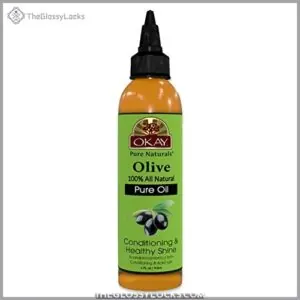
Picture wash day ending with a tight, flaky scalp and heavy butter that will gum up your micro locs. Reach for plain olive oil instead.
This one is 100% cold-pressed olive oil, with no fillers, silicones, or parabens. A 4 oz bottle runs about $9, and it absorbs fast without greasy residue.
Try it these ways:
- Massage a few drops into your scalp after hair washing to ease dryness.
- Seal ends and locs lightly to keep moisture in.
- Warm it, apply, cap for 30 minutes, then shampoo out.
- Mix equal parts with water after shampooing, wait 5 minutes, rinse.
- Stir in honey for a nourishing mask.
| Brand | N/A |
|---|---|
| Product Type | N/A |
| Best For | N/A |
| Size | N/A |
| Primary Use | N/A |
| Main Drawback | N/A |
| Additional Features |
|
3. Woman of Faith Pottery Coffee Mug

Picture hour six of an installation day, when your scalp is tender and your patience is thinner than a wet strand. A warm drink helps.
This 14-oz stoneware mug from Cathedral Art is handcrafted, with a raised front design and a message on the back. It measures 5" x 4" x 3.5", and it’s microwave and dishwasher safe, so reheating cold coffee between appointments is easy.
Be realistic, though: each mug varies slightly, and a few buyers report weak adhesive.
| Best For | Women of faith who want a sturdy, handcrafted 14-oz stoneware mug for hot drinks and are happy with a little natural variation in each piece. |
|---|---|
| Brand | Cathedral Art |
| Product Type | Stoneware mug |
| Best For | Women of faith wanting a handcrafted mug |
| Size | 14 oz, 5″ x 4″ x 3.5″ |
| Primary Use | Holding hot drinks |
| Main Drawback | Each piece varies slightly |
| Additional Features |
|
- Handcrafted stoneware with a raised front design and a message on the back
- Holds about 14oz and is microwave and dishwasher safe, so reheating and cleanup are easy
- Compact at 5" x 4" x 3.5", from the Cathedral Art brand
- Each mug varies slightly in appearance because it is handcrafted
- Some customers report mixed results with the adhesive quality
- A few customers feel it is not great value for the money
4. Handcraft Blends Natural Avocado Carrier Oil
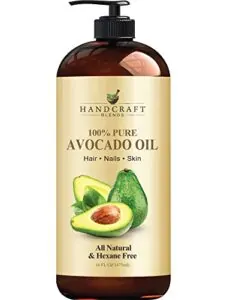
Want moisture between retightenings without a greasy mess?
Handcraft Blends Natural Avocado Carrier Oil costs $9.99 and is 100% pure, unfiltered avocado oil. It’s cold-pressed, so it skips hexane, and it’s free from alcohol, parabens, and sulfates. Vitamin E and fatty acids soften your scalp and strands, while the lightweight texture absorbs fast.
Go easy on buildup. A few drops on your scalp is plenty, because residue is harder to wash out of tiny locs. Since it has no preservatives, store it somewhere cool and dark. It’s also a handy carrier for essential oils, but keep it topical only. Your future self, staring at a sticky scalp, will happily thank you for the restraint.
| Best For | People with tiny locs or natural hair who want a lightweight, pure oil to moisturize the scalp and strands, or to use as a carrier for essential oils. |
|---|
- 100% pure, unfiltered avocado oil that is free from alcohol, parabens, and sulfates
- Contains vitamin E and fatty acids that soften the scalp, hair, face, and body
- Lightweight texture that absorbs fast and doubles as a carrier oil for essential oils
- Contains no preservatives, so it needs to be stored somewhere cool and dark
- Too much can cause buildup that is hard to wash out of tiny locs, so only a few drops should be used
- Intended for topical use only and not formulated as fragrance-free
Frequently Asked Questions (FAQs)
What are the downsides of sisterlocks?
Nothing says "low maintenance" like a hairstyle you service every 4 to 6 weeks for 3 to 6 hours at $80 to $250 a visit. Add tight retightenings, and traction alopecia becomes a real risk.
Can you take Sisterlocks out completely?
Yes, you can, but it takes patience. Unlocking each loc by hand can take one to three weeks, and shedding or breakage may cost you up to 60% of your hair. Newer locks come undone more gently.
How long do sisterlocks last?
With steady care, your Sisterlocks can last well over ten years. They aren’t permanent, but they’re a real long-term hair investment. Expect retightening every 4-6 weeks, and plan on about two years for full maturation.
Can you swim or exercise with Sisterlocks?
Yes, you can do both. Mature locks handle pools, oceans, and workouts fine. Give new installs time to settle before swimming, and ask your practitioner. Rinse off chlorine or salt, then dry thoroughly, especially at the roots.
Can Sisterlocks be dyed or colored safely?
Yes, but wait until your locs are fully mature, usually one to two years. Coloring earlier risks slippage and unraveling. Do a 48-hour patch test, then have a Sisterlocks-savvy colorist handle it.
Do Sisterlocks affect sleeping, and what protection helps?
Sisterlocks don’t wreck your sleep, but cotton pillowcases can wreck your locs. Wear a satin bonnet or scarf every night, add a silk or satin pillowcase as backup, and never go to bed with wet hair.
Conclusion
Plan the hours, protect the budget, and respect your hair. That’s the real answer to what are sisterlocks: a commitment dressed up as a hairstyle. You’ll spend money and sit through appointments, but you’ll wake up to a morning routine that takes minutes.
Find a certified consultant, ask about retightening before you book, and keep your scalp happy. Do that, and your patience pays off with years of low-maintenance locs. Your bun will thank you.