This site is supported by our readers. We may earn a commission, at no cost to you, if you purchase through links.

You know that moment when you catch a glimpse of your hair in a store window and it looks like you stuck your finger in a socket? Frizzy and poofy hair has a way of showing up right when you need it least—humid days, rushed mornings, or after you’ve tried every product in your bathroom.
It’s not always about what you did wrong, either. Sometimes your hair’s just built for drama. But here’s the thing: understanding why your hair rebels is the first step to taming it. Let’s cut through the fluff and get you back in control.
Table Of Contents
- Key Takeaways
- Why is My Hair So Frizzy and Poofy?
- Common Causes of Frizzy, Poofy Hair
- Best Routine to Prevent Frizzy, Poofy Hair
- Effective Styling Tips for Smoother Hair
- Top 4 Products to Tame Frizz and Poof
- Frequently Asked Questions (FAQs)
- How can I prevent frizz in humid conditions?
- Are there any home remedies that can help with frizzy hair?
- Can certain hairstyles contribute to frizziness?
- Is there a specific hair type that is more prone to frizz?
- Are there any long-term solutions for managing frizzy hair?
- How does diet affect frizzy, poofy hair?
- Can stress levels make hair more frizzy?
- Are there supplements that help reduce frizz?
- Does water quality impact hair texture and frizz?
- What role do hormones play in hair frizz?
- Conclusion
Key Takeaways
- Frizz happens when your hair cuticle lifts and lets humidity flood in, which means managing moisture balance and porosity is the real game-changer, not just piling on more products.
- Overwashing with hot water, using sulfate-heavy shampoos, and heat styling above 320°F all wreck your cuticle and spike porosity, so dialing back frequency and temperature prevents most of the damage before it starts.
- Your wash-to-bed routine matters more than any single product—switching to microfiber towels, silk pillowcases, and air-drying cuts friction and keeps cuticles sealed while you sleep.
- Genetic factors like EDAR and keratin gene variants hardwire your hair’s texture and frizz tendencies from birth, which means working with your natural structure beats fighting it every time.
Why is My Hair So Frizzy and Poofy?
You’ve probably stood in front of the mirror wondering why your hair looks like it has its own agenda. The truth is, frizz and poofiness aren’t just bad luck—they’re your hair responding to specific triggers.
Frizzy, poofy hair isn’t random—it’s your hair reacting to hidden triggers, not just bad luck
Let’s break down what’s actually happening so you can finally take control.
The Science Behind Frizz and Poofiness
Frizz happens when your hair cuticle lifts and roughens, scattering light and making strands look dull. Humidity floods the hair shaft with moisture, swelling the cortex and raising those cuticle layers even more.
Damaged protein structure, high hair porosity, and friction from brushing all worsen the chaos. It’s basically your hair rebelling against moisture balance, and understanding this gives you real control over frizzy hair and texture.
Hair Structure and Porosity
Your hair structure decides how frizz-prone you’re. The cuticle layer protects the cortex, where keratin proteins and protein lamellae create strength.
Hair porosity measures how easily moisture sneaks in—high porosity means your cuticle’s wide open, soaking up humidity fast.
Hydrogen bonds hold keratin structure together, but water breaks them, throwing off moisture balance. That’s the real villain behind poof.
Genetic Factors Influencing Hair Texture
You inherited more than your mom’s eyes. Variants in the EDAR gene shape follicle structure, while FGFR2 and KRT genes mess with keratin proteins in your hair shaft. TCHH gene polymorphisms control curl patterns and shaft rigidity.
These hereditary traits determine your hair texture and porosity before you even pick up a bottle. Gene expression writes the frizz story—you’re just living it.
Common Causes of Frizzy, Poofy Hair
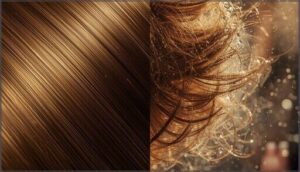
You’re doing everything right, but your hair still looks like it stuck its finger in a socket. What gives? The truth is, frizz isn’t random—it’s your hair reacting to something in your routine or environment.
Let’s break down the biggest culprits so you know exactly what you’re up against.
Overwashing and Hot Water
You know that squeaky-clean feeling after a hot shower? It’s actually stripping your scalp balance and triggering major cuticle damage. Here’s what overwashing does to your hair moisture:
- Depletes natural oils, leaving strands dry and frizzy
- Hot water raises hair porosity, making moisture control impossible
- Lifts the cuticle, creating friction and rough texture
- Triggers rebound oil production from your scalp
- Disrupts frizz prevention by removing protective barriers
Wash 2–3 times weekly with lukewarm water instead.
Using The Wrong Shampoo or Conditioner
The bottles lining your shower might be sabotaging your smoothness goals. Shampoo ingredients like sulfates strip natural oils from porous hair, while certain conditioner formulas cause buildup in low-porosity strands.
Hair product interactions matter—mismatched sulfate-free shampoo with heavy conditioners creates uneven frizz. Wrong combinations disrupt your cuticle, inviting humidity straight in. Try porosity testing to find your match.
Heat Styling and Chemical Treatments
Blow-dryers, flat irons, and those salon treatments? They’re secretly wrecking your cuticle integrity. Chemical processing hikes up hair porosity, letting humidity soak right in. Thermal damage from heat styling above 180°C breaks down keratin bonds, leaving you frizzier than before.
Here’s what’s happening:
- Heat styling weakens protein structure, reducing hair strength by up to 50%
- Chemical hair treatments increase porosity and moisture absorption
- Repeated thermal damage causes cuticle lifting and microfissures
- Skipping thermal protection accelerates cuticle breakdown
The combo of chemical processes and heat styling? That’s double trouble for poofiness.
Environmental Factors (Humidity, Dryness, Pollution)
Step outside and the weather takes control. Humidity swells your hair shaft, letting moisture sneak in and trigger poofiness. Dry air sucks hydration right out, leaving static frizz behind. Air pollution deposits particles that rough up your cuticle, making frizz worse.
Climate control indoors helps, but real frizz prevention means building better hair hydration and damage defense year-round.
Rough Towel-Drying and Aggressive Routines
You’re wrecking your hair before you even reach for a product. Rubbing with a rough towel lifts the cuticle and creates friction that leads straight to frizz control nightmares. That aggressive routine triggers hair breakage and damage fast.
Switch to gentle blotting with microfiber towels instead. Pat and squeeze—never rub. Your hair care routine starts the second you step out of the shower.
Best Routine to Prevent Frizzy, Poofy Hair
You’ve identified the culprits making your hair frizzy and poofy. Now it’s time to flip the script with a solid routine that actually works.
Here’s how to build a wash-to-bed system that keeps your hair smooth, hydrated, and under control.
Optimizing Your Wash Schedule

You don’t need to wash your hair every day. In fact, overwashing strips natural oils and triggers more frizz. Fine or oily hair? Try every 1-3 days. Coarser, curly types thrive on 1-3 times weekly.
Use sulfate-free shampoo, condition mid-lengths to ends, and rinse with cooler water to seal the cuticle.
Weekly deep conditioning balances moisture and keeps porosity in check.
Gentle Drying and Detangling Techniques
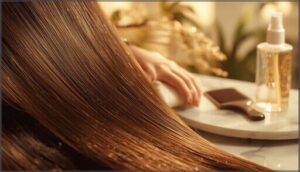
After washing, skip the rough rubbing—it wrecks your cuticle. Blot with microfiber towels or a cotton tee to cut friction and static.
While hair’s damp, mist on detangling sprays and comb from ends up with a wide-tooth tool. Air drying beats heat every time. If you need speed, diffuse on low.
Gentle combing is your ticket to taming frizzy hair without the poof.
Deep Conditioning and Leave-in Treatments
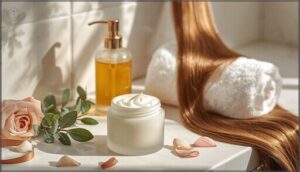
Once a week, slather on a protein-rich hair mask to rebuild your strands from the inside. These deep conditioning treatments restore moisture balance and cut porosity—the real frizzy hair solutions you’ve been missing.
After every wash, smooth a leave-in conditioner mid-length to ends. It seals cuticles all day, blocking humidity and static without the weight.
Nighttime Care and Pillowcase Choice

Your pillowcase matters more than you think. Cotton creates friction all night, lifting cuticles and wrecking your work. Switch to silk pillowcases or satin fabrics—they cut breakage by up to 30% and keep your hair smooth while you sleep.
Before bed, apply a light leave-in conditioner and try loose braids for overnight styling. These frizzy hair solutions work while you rest:
- Use satin pillowcase or silk alternatives for friction reduction
- Apply lightweight moisturizing and hydrating leave-in treatment before sleep
- Try protective overnight styling like loose braids or low buns
- Wash bedding weekly to remove oil buildup affecting hair health benefits
- Keep room humidity below 60% for better sleep hygiene and hair care tips
Effective Styling Tips for Smoother Hair

You’ve got the routine down—now it’s time to style smarter. The right techniques can lock in moisture and keep frizz from creeping back in.
Here’s what actually works when you’re ready to style.
Applying Leave-in Conditioners and Oils
Lock in moisture while your hair’s still damp—that’s when leave-in conditioner and hair oil work best. Focus product on mid-lengths and ends to dodge greasy roots. For frizzy hair, product layering matters: start light, then seal with serum or oil for frizz prevention.
| Product Type | Best Application Timing |
|---|---|
| Leave-in Conditioner | On damp, freshly washed hair |
| Hair Serum | After leave-in, before styling |
| Hair Oil | Last step to seal moisture |
| Moisturizing Cream | Mid-lengths on damp strands |
| Detangling Spray | Before combing wet hair |
This hair care tips approach keeps cuticles smooth without buildup.
Using Heat Protectants and Limiting Heat Styling
Your flat iron can hit 450°F—that’s why thermal protection matters. Spray heat protectant on damp hair before styling to shield strands and slash heat damage prevention worries.
But here’s the real heat styling and damage truth: limit hot tools to once or twice weekly. Lower temps (320–356°F) mean less frizzy hair and fewer fried ends. Your styling tool safety starts with smart heat protectant choices and knowing when to skip the blow-dryer entirely.
Embracing Air-Drying and Heat-Free Methods
Air drying tips start here: skip the blow-dryer and let your hair breathe. Heat-free styling keeps your natural hair care game strong and preserves hair elasticity—exactly what frizz prevention needs.
- Pat damp hair with a microfiber towel to cut friction and tame frizzy hair fast.
- Apply leave-in conditioner or curl cream while wet to seal the cuticle against humidity.
- Sleep on satin pillowcases to maintain moisture overnight.
- Practice gentle detangling with a wide-tooth comb during your haircare routine.
Your strands stay flexible, smooth, and damage-free when you ditch heat styling for good.
Protective Hairstyles and Accessories
Braids, buns, and twists shield your strands from friction and lock in moisture—protective styles can slash breakage by half when you wear them for two to eight weeks.
Swap cotton pillowcases for satin or silk versions to cut overnight frizz. Choose smooth hair ties and slides over rough elastics. Wrap your hair in silk scarves before bed to beat humidity and keep styling damage at bay.
Top 4 Products to Tame Frizz and Poof
You’ve got the knowledge—now you need the right tools to back it up. I’ve handpicked four products that actually work to keep frizz and poof under control.
These aren’t random picks—they’re the ones I reach for when my own hair decides to rebel.
1. Curlsmith Frizz Control Shampoo
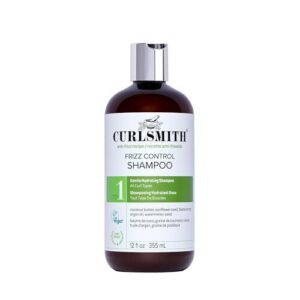
You need a shampoo that actually fights frizz, not one that makes promises and leaves you disappointed. Curlsmith Frizz Control Shampoo delivers with Blackcurrant Seed Oil and Coconut Butter that work together to soften frizzy hair while keeping your curls defined.
It’s sulfate-free, vegan, and gentle enough for daily use without stripping your hair texture. The blend helps shield against humidity and tames flyaways.
Plus, it’s safe for color-treated hair, so you won’t sacrifice your shade for smoother strands.
| Best For | Anyone with curly, coily, or wavy hair looking for a gentle, sulfate-free shampoo that controls frizz and flyaways without drying out their hair. |
|---|---|
| Hair Type | All curl types |
| Primary Benefit | Reduces frizz |
| Form | Liquid |
| Size | 12 oz |
| Special Formula | Vegan |
| Key Ingredient | Blackcurrant Seed Oil |
| Additional Features |
|
- Packed with nourishing ingredients like Blackcurrant Seed Oil and Coconut Butter that soften and moisturize while fighting frizz
- Vegan, cruelty-free, and safe for color-treated hair, so you can feel good about what you’re using
- Gentle enough for frequent use and works well against humidity without stripping your curls
- May not work for every hair type—some users experienced dryness instead of moisture
- Only comes in a 12 oz size, and several reviewers wish it came in larger bottles
- A few people had issues with the packaging making it hard to get the product out
2. Chi Thermal Protection Hair Spray
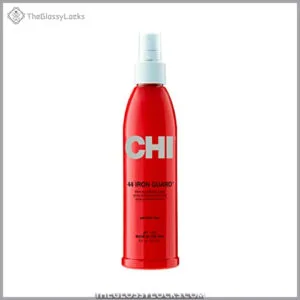
Before you reach for that flat iron, grab Chi Thermal Protection Hair Spray. This heat protectant forms a barrier between your hair and styling tools, preventing damage that makes frizz worse.
It’s packed with ceramic and proteins that strengthen strands while you straighten or curl. The lightweight formula won’t weigh down your hair or leave sticky residue.
You can use it on damp or dry hair—just spray evenly before heat styling. It works for all hair types and helps control frizz while adding shine. Your styling products should protect, not punish.
| Best For | People who regularly use heat styling tools and want to protect their hair from damage while keeping it smooth and shiny. |
|---|---|
| Hair Type | All hair types |
| Primary Benefit | Heat protection |
| Form | Spray |
| Size | 8 oz |
| Special Formula | Paraben-free |
| Key Ingredient | Ceramic and proteins |
| Additional Features |
|
- Shields hair from heat damage and helps prevent frizz
- Works on all hair types, including 4c and color-treated hair
- Lightweight formula adds shine without leaving sticky residue
- Some users find the scent unpleasant or too strong
- May cause stickiness if used with certain hair oils or products
- The 8-ounce bottle may feel small for frequent users
3. Ouai Hair Oil Protector

Ever feel like your hair rebels in humidity? Ouai Hair Oil Protector steps in with serious frizz control methods. This multitasking oil shields against heat up to 450°F—so you can style without fear. Thanks to silicone effects, it smooths cuticles and locks out moisture.
I like to warm a pea-sized drop in my hands and glide it through mid-lengths to ends. Hair oil benefits? Shine, softness, and less poof. Try this oil application technique for sleek, manageable hair—even when the weather’s wild.
| Best For | People with normal hair looking for a lightweight, multitasking oil to control frizz and protect against heat styling. |
|---|---|
| Hair Type | Normal hair |
| Primary Benefit | Frizz control |
| Form | Oil |
| Size | 0.45 oz |
| Special Formula | Paraben-free |
| Key Ingredient | Ama oil |
| Additional Features |
|
- Shields hair from heat damage up to 450°F, perfect for frequent styling.
- Adds noticeable shine and smoothness without weighing hair down.
- Can be used on wet or dry hair, and works well for quick touch-ups.
- Small bottle size may not last long, especially for thick or long hair.
- Can leave oil residue on hands if not washed after use.
- Price is on the higher side compared to similar products.
4. Kitsch Satin Pillowcase for Hair and Skin
Want an easy fix for frizzy hair that doesn’t involve another bottle in your bathroom? Switch up your pillowcase materials. Satin benefits are real—Kitsch’s Satin Pillowcase cuts friction reduction overnight, helping you wake up with smoother hair texture and fewer tangles.
It’s wrinkle-free, cooling, and gentle on skin, too. I’ve seen clients swear by it for better hair health and sleep patterns. If you’re tired of poofy mornings, this little swap is a hair management revolution.
| Best For | Anyone looking to reduce hair frizz and skin creasing overnight, especially those with textured hair or sensitive skin. |
|---|---|
| Hair Type | All hair types |
| Primary Benefit | Reduces frizz |
| Form | Pillowcase |
| Size | 26 x 9 inches |
| Special Formula | Satin material |
| Key Ingredient | Polyester satin |
| Additional Features |
|
- Smooth satin surface helps minimize hair tangles and breakage
- Cooling, breathable feel works for all seasons
- Wrinkle-free and gentle on skin, supporting smoother mornings
- Needs gentle washing and air-drying to keep the satin soft
- Zipper closure may be uncomfortable for some sleepers
- Not ideal for people who prefer cotton or natural fabrics
Frequently Asked Questions (FAQs)
How can I prevent frizz in humid conditions?
Humidity Control is your secret weapon. Use Frizz Fighters like an anti-frizz serum or leave-in conditioner. Seal in moisture balance with hair serums.
Switch to silk accessories—think pillowcases or scarves. These keep frizzy hair in check.
Are there any home remedies that can help with frizzy hair?
You’d think frizzy hair is a cosmic joke, right? But home fixes like Coconut Oil Treatments, Aloe Vera Masks, Apple Cider Rinses, and Honey Humectants actually work.
These natural oils and moisturizing treatments smooth, soften, and control poof.
Can certain hairstyles contribute to frizziness?
Absolutely—tight ponytails, braids, and heavy updos can cause hairstyle friction and lift the cuticle, making frizzy hair worse.
Loose styles, protective buns, and satin accessories help with frizz prevention, especially in high humidity or for porous hair texture.
Is there a specific hair type that is more prone to frizz?
Curly and coarse hair types battle frizz most. High porosity lets moisture sneak in, swelling the cuticle. Chemical treatments crack that door wider.
Your curl pattern and hair texture determine how visible the frizz becomes.
Are there any long-term solutions for managing frizzy hair?
Yes. Stick with sulfate-free shampoo, deep condition weekly, and use leave-in serums daily. Silk pillowcases prevent friction overnight.
Regular trims stop split ends from spreading frizz. Consistency beats quick fixes every time.
How does diet affect frizzy, poofy hair?
Your diet plays a sneaky role in hair texture. Omega 3 benefits include better hydration status, while vitamin deficiencies mess with nutrient absorption.
Gut health affects hair health—what you eat shows up in your strands. Understanding the importance of scientific study methods can help identify key factors in hair health.
Can stress levels make hair more frizzy?
Studies show chronic stress elevates cortisol, which disrupts scalp health and moisture balance.
Stress hormones can worsen hair texture and frizz by affecting oil production, making frizz prevention harder in humid conditions or when hair damage exists.
Are there supplements that help reduce frizz?
While omega-3 benefits and biotin supplements show promise for overall hair health and wellness, solid evidence linking them to frizz reduction is thin.
Focus on topical hair hydration and protecting against hair damage instead.
Does water quality impact hair texture and frizz?
Water hardness and pH levels absolutely affect hair texture. Mineral buildup from hard water damages cuticles, increases hair porosity, and worsens frizzy hair—especially in humidity. Even your tap water impacts hair hydration and manageability.
What role do hormones play in hair frizz?
Ever notice your frizzy hair gets worse during stressful weeks or hormonal shifts?
Hormone imbalance directly affects your hair texture and porosity. Thyroid effects, cortisol impact, and estrogen influence all mess with moisture retention and strand structure.
Conclusion
You might think figuring out why your hair is so frizzy and poofy means you’re stuck with high-maintenance routines forever. Not true. Once you understand your hair’s structure and what triggers the chaos, you can build a simple system that works.
Swap a few products. Adjust how you dry and style. Protect it at night. The rebellion stops when you stop fighting your hair’s nature and start working with it instead.
- https://www.reddit.com/user/Big_Maize9984/
- https://www.byrdie.com/microfiber-hair-towel-6944423
- https://www.medicinenet.com/why_are_sulfates_bad_for_you/article.htm
- https://academichelpexpress.blog/2024/08/please-use-the-bulleted-points-and-the-rubric-below-to-guide-your-work-your-pa/
- https://x.com/godofprompt/status/1990526288063324577