This site is supported by our readers. We may earn a commission, at no cost to you, if you purchase through links. This content is for general informational and educational purposes only and is not a substitute for professional medical, dermatological, or nutritional advice.
You run your fingers through your hair and it feels like straw—stiff, rough, and refusing to move the way it should. That texture isn’t just annoying; it’s your hair sending an SOS signal that something’s off balance. Whether it’s the products you’re using, the water you’re washing with, or damage you didn’t realize was happening, stiff hair usually has a clear culprit behind it.
The good news? Once you understand what’s making your hair rigid and uncooperative, you can reverse the damage and get back to soft, manageable strands. Most causes are fixable with some smart adjustments to your routine and the right products in your arsenal.
For example, if your hair color looks different in sunlight than you expected, understanding how black hair can look brown in the light helps you pick products that work with your natural undertones.
Table Of Contents
- Key Takeaways
- What Causes Hair to Become Stiff?
- How Does Stiff Hair Feel and Look?
- How Can I Soften Stiff Hair?
- Which Products Help With Stiff Hair?
- How to Prevent Hair From Becoming Stiff
- Frequently Asked Questions (FAQs)
- How often should I shampoo my hair?
- What is the best way to protect my hair from the sun?
- How can I tell if I am using too much protein in my haircare regimen?
- Are there any treatments that can help repair my hair?
- What are the benefits of a professional trim?
- Can diet or nutrition affect hair stiffness?
- Does water temperature impact hair texture?
- How long does it take to reverse stiff hair?
- Are there any DIY home remedies for stiff hair?
- Can hormonal changes cause sudden hair stiffness?
- Conclusion
Key Takeaways
- Stiff hair typically results from product buildup, hard water minerals, protein overload, or heat damage—all fixable with clarifying shampoos, balanced moisture treatments, and reduced heat styling
- Your hair type and porosity determine how it absorbs and retains moisture, so matching products to your specific texture (curly, straight, or coily) prevents stiffness and breakage
- Deep conditioning weekly, rotating between protein and moisture treatments, and washing every 2-3 days keeps hair soft without stripping natural oils or causing buildup
- Prevention beats correction—limit heat to under 300°F, protect hair from sun and chlorine with UV sprays and swim caps, and get regular trims every 6-8 weeks to stop split ends from traveling up the shaft
What Causes Hair to Become Stiff?
Stiff hair doesn’t just happen out of nowhere—there’s always a reason behind it. Whether it’s something you’re doing to your hair or factors beyond your control, identifying the cause is the first step to fixing it.
If you’re also dealing with hair breakage and split ends, the underlying causes might be connected to what’s making your hair stiff.
Let’s break down the most common culprits so you know exactly what you’re dealing with.
If your strands stretch significantly before snapping back into place, it could point to protein deficiency or moisture imbalance, so check out this guide on what causes stretchy hair and how to fix it.
Product Buildup and Residue
Product buildup is one of the biggest culprits behind stiff, lifeless hair. When styling products don’t rinse out completely, they leave residue that weighs your strands down and kills their natural bounce.
Here’s what causes residual product buildup:
- Silicone-rich leave-in conditioners create a glossy film that reduces elasticity
- Heavy creams and butters coat each strand with a sticky, dull layer
- Styling gels with high polymer content leave tacky residue that resists washing
- Finishing serums accumulate at the tips, causing stiffness and frizz
A clarifying shampoo strips away buildup, restoring your hair’s softness and movement.
Ingredients such as mineral oil and silicones are major contributors to persistent product buildup that can affect your hair’s feel and health.
Hard Water and Mineral Deposits
Hard water might be sabotaging your hair even when you’ve cut back on products. Calcium and magnesium minerals cling to each strand, creating a rough film that robs your hair of softness.
This mineral buildup acts like invisible armor—blocking moisture and leaving you with that crunchy, stiff texture. Water softening systems or chelating shampoos can strip away these deposits and restore your hair’s natural bounce.
You can learn more about how calcium and magnesium minerals in hard water impact hair and other household issues.
Protein Overload in Haircare
When you load up on strengthening treatments, you risk tipping your strands into protein overload—where hair becomes stiff, brittle, and uncooperative. Your hair needs moisture levels to balance protein, especially if you have low hair porosity that holds onto keratin and wheat protein longer.
- Hydrolyzed proteins build up on hair fibers and block natural movement
- Overuse creates a coarse, straw-like texture after washing
- Hair breakage increases due to lost elasticity and flexibility
- Clarifying shampoos offer protein removal to restore hair repair
Excess Sebum and Scalp Issues
Your scalp’s sebum production can backfire when overactive glands pump out too much oil. That grease mixes with dust and sweat to form sticky plugs that clog follicles and trap dirt along your strands.
High sebum levels also feed Malassezia yeast, triggering dandruff, itch relief problems, and scalp health issues that leave hair feeling heavy, coated, and stiff despite regular washing.
Heat and Chemical Damage
Blow-dryers cranked above 450°F scorch your cuticle, leaving brown marks and lifted scales that kill shine. Chemical processing—bleach, perms, relaxers—breaks disulfide bonds deep in the cortex, spiking porosity and triggering protein damage that turns strands rigid. Heat styling fries keratin from within, stripping elasticity you need for movement.
Both paths demand cuticle repair and keratin restoration to undo chemical burns and heat damage.
Start by identifying your hair porosity so you can choose treatments that actually penetrate damaged strands instead of sitting on the surface.
Environmental Factors (Sun, Chlorine, Pollution)
Outside your bathroom, the real villains lurk. Sunlight oxidizes hair pigment and dries strands fast, spiking protein crosslinking that stiffens coils and curls exposed to UV rays. Chlorine strips cuticles during swimming, while salt water magnifies the damage. Hard water coats each strand in mineral film, and air pollution dumps environmental toxins that choke moisture out.
Sun, chlorine, hard water, and pollution attack your hair from the outside, oxidizing strands and choking out moisture
- Sun damage fades color and raises roughness you’ll feel instantly
- Chlorine effects from pools leave your hair brittle and parched
- Water quality issues create buildup that weighs everything down
- Pollution clogs cuticles, blocking hydration your strands desperately need
Hair Type and Porosity
Your hair texture and porosity determine how moisture moves in and out. Curls and coils trap less water naturally, making stiffness show up fast. Low porosity locks moisture out with tight cuticles, while high porosity lets it escape through gaps.
Porosity tests reveal your cuticle care needs—matching products to your hair type restores moisture balance and fixes that rigid feel.
| Porosity Level | Moisture Behavior |
|---|---|
| Low | Absorbs slowly, resists products |
| Medium | Balanced retention, easy styling |
| High | Absorbs fast, loses quickly |
| Damaged High | Feels dry, breaks easily |
| Protein-Overloaded | Stiff, brittle, unmanageable |
How Does Stiff Hair Feel and Look?
Stiff hair isn’t just about texture—it’s something you can feel the moment you run your fingers through your strands. It’s rigid, coarse, and refuses to cooperate when you’re trying to style it.
Let’s break down what you’re actually dealing with so you can spot the signs and understand how it affects your hair.
Signs and Symptoms of Stiff Hair
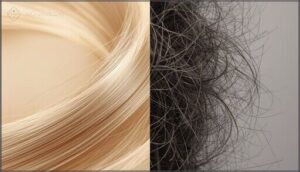
You’ll know your hair’s gone stiff when it feels rough like cotton and won’t bend without a fight. Strands lose their bounce and grip textures they never did before.
Look for dry ends that frizz into straw-like chaos, tight clumps that resist smoothing, and a scalp that’s either bone-dry or weirdly oily with flaky buildup trailing behind.
Differences by Hair Texture (Curly, Straight, Coily)
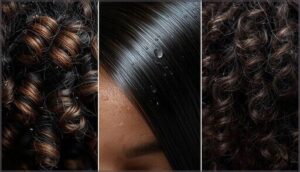
Stiffness hits every texture differently. Curly hair often feels rigid when buildup settles unevenly across varying strand sizes, choking off bounce. Straight hair gets coated by mineral deposits or heavy silicones, losing its natural swing. Coily texture stiffens fast when protein overshadows moisture—those tight spirals need balance or they’ll snap instead of stretch.
Porosity matters too: high-porosity curls soak up and lose hydration quickly, while low-porosity strands resist water until you open the cuticle.
Impact on Manageability and Styling
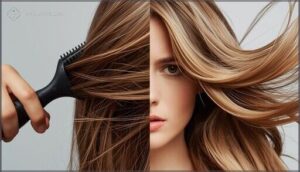
When your hair won’t cooperate, styling becomes a battle. Stiff strands resist brushes and combs, refuse to hold curls, and snap mid-style because they’ve lost elasticity.
Frizz spikes uncontrollably while manageability vanishes—you’re wrestling tangles instead of shaping movement.
Hair texture dictates which styling challenges hit hardest, but rigid fibers always mean more breakage, fewer options, and frustration every time you reach for a tool.
How Can I Soften Stiff Hair?

Softening stiff hair takes a shift in how you treat it—less heat, more moisture, and smarter product choices. You don’t need a complete overhaul, just a few targeted changes that give your hair what it’s been missing.
Here’s what actually works to bring back that soft, touchable feel.
Deep Conditioning and Moisturizing Treatments
When your strands feel like straw, it’s time to fight back with serious hydration. Deep conditioning restores moisture balance your hair desperately needs. Here’s how to reclaim softness:
- Apply a hair mask to damp hair for 10-20 minutes weekly
- Use heat to boost penetration and optimize moisturizing effects
- Focus treatment on dry ends where stiffness lives
- Pair with hair oil therapy between sessions for lasting hydration
Clarifying Shampoos and Product Rotation
Moisture alone won’t fix buildup. Your hair care routine needs a reset. Clarifying shampoos strip away stubborn residue from styling products, hard water minerals, and excess oils that choke your strands. Gentle cleansing restores scalp balance without over-drying.
Rotate your hair products weekly for lasting results:
| Wash Day | Product Type |
|---|---|
| Week 1 | Clarifying shampoo for buildup removal |
| Week 2 | Moisturizing shampoo |
| Week 3 | Clarifying benefits return |
| Week 4 | Gentle formula |
| Ongoing | Product rotation prevents stiff hair |
Watch for dullness or sticky residue—that’s your signal to clarify.
Reducing Protein in Your Routine
Too much protein leaves hair feeling like straw. If your clarifying shampoo revealed rigid strands, protein overload might be your culprit. Balance moisture levels with your hair porosity in mind:
- Swap protein-heavy treatments for moisture-rich masks every 2–3 weeks
- Choose protein-free conditioners labeled “moisturizing” or “hydrating”
- Rotate hair products—alternate protein and moisture formulas
- Track your hair care routine changes over 1–3 weeks
Protein alternatives restore flexibility fast.
Proper Washing Frequency
Your wash cycle matters more than you think. Overwashing strips protective oils and triggers stiff hair, while underwashing lets buildup win. Finding your sweet spot keeps hair moisture balanced and scalp health in check.
| Hair Type | Ideal Shampoo Timing |
|---|---|
| Oily/Fine | Every 1–2 days |
| Normal | Every 2–3 days |
| Dry/Curly | Every 3–4 days |
Water quality affects your hair care routine—hard water needs chelating shampoos. Track your hair maintenance over two weeks to dial in what works.
Air Drying and Gentle Handling
Ditch the blow dryer and let gravity do the work. Air Drying Tips start with microfiber towels that blot without friction—rubbing triggers Hair Stiffness Causes by raising cuticles. Gentle Combing when damp prevents breakage, while satin pillowcases reduce overnight stress.
Hair Porosity dictates drying time: low takes hours, high dries fast. This Hair Care shift protects Hair Elasticity, locks in Hair Moisturizing, and delivers lasting Hair Health Tips.
Which Products Help With Stiff Hair?
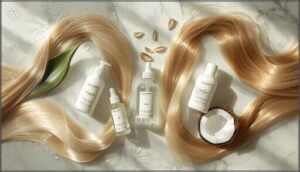
The right products can make a real difference when you’re dealing with stiff, uncooperative hair. You’ll want to look for formulas that restore moisture, remove buildup, and protect your strands from further damage.
Here’s what actually works to bring softness and movement back to your hair.
Recommended Shampoos and Conditioners
Your hair products can either rescue stiff strands or make things worse. Here’s what to reach for:
- Sulfate free shampoos preserve moisture without stripping your scalp dry
- Hydrating formulas with glycerin and ceramides restore natural pliability
- Gentle conditioners seal the cuticle for lasting softness
- Color protection systems prevent fade while keeping hair moisturizing on track
Balance is everything when choosing hair care for stiff hair.
Leave-in Treatments and Hair Masks
Leave-in treatments deliver nonstop moisture between washes, while hair masks provide intensive hair repair when stiffness takes over.
Apply leave-in moisture from mid-lengths to ends on damp strands—skip the scalp to dodge buildup. Use hair masks weekly with hydrating ingredients like argan oil or behentrimonium chloride.
Treatment frequency matters: consistent use softens texture and prevents hair damage without weighing you down.
Heat Protectants and UV Protection
Think of heat protectants as armor against styling damage—they create a heat barrier that shields strands up to 450°F while smoothing cuticles. Silicones and polymers deliver ingredient benefits that prevent stiff hair and breakage.
Pair them with a UV shield spray when you’re facing sunlight to block color fade and dryness. Apply before heat styling, then reapply UV protection after swimming.
Product Ingredients to Look for and Avoid
Your ingredient labels hold the key to softer, healthier hair. Seek out moisture-rich formulas with argan oil, keratin, and glycerin to restore balance, while gentle shampoos near a hair pH of 4.5–5.5 keep cuticles smooth. Skip the sulfates and heavy silicones that trigger buildup—they mess with your moisture balance and leave strands feeling like straw instead of silk.
- Natural oils (jojoba, argan) seal in hydration without weight
- Protein (hydrolyzed keratin) strengthens when balanced with moisture
- Ceramides and panthenol rebuild barriers and boost slip
- Avoid sulfates that strip oils and roughen cuticles
- Skip heavy mineral oil that creates stubborn buildup
How to Prevent Hair From Becoming Stiff

Once you’ve softened your stiff hair, you don’t want to end up back where you started. Prevention is all about building habits that protect your strands before damage sets in.
Here’s how to keep your hair healthy, flexible, and free from that rigid, coarse feeling.
Limiting Heat and Chemical Exposure
Your hair doesn’t stand a chance when you blast it daily with heat styling tools or pile on chemical overload from dyes and relaxers. Cut back on flat irons and curling wands—keep heat below 300°F and always use thermal protection sprays.
Space out chemical treatments by at least eight weeks. Protective styling and gentle haircare routines stop heat damage control issues before they wreck your strands.
Protecting Hair From Sun and Chlorine
Sun protection and chlorine damage aren’t just summer worries—they’re year-round battles for hair health. Wet your strands with clean water before diving in; this cuts chlorine absorption by up to 80 percent. Slap on a swim cap or apply leave-in conditioner as a barrier.
After pool time, rinse immediately and use UV sprays outdoors to shield against hair breakage and stiffness.
Regular Trims and Scalp Care
Snipping split ends every six to eight weeks stops hair breakage before it climbs the shaft, keeping your cuticle smooth and preventing stiffness. Regular cuts remove damaged ends that trap product, so your hair health rebounds faster and styling feels smooth again.
A quick scalp massage during trim schedules boosts blood flow and clears buildup that weighs strands down.
Maintaining a Balanced Haircare Routine
Beyond regular trims, your haircare routine optimization needs balance to lock in daily hydration and prevent stiffness. Gentle combing distributes scalp oils naturally, while hair masking weekly replenishes lost moisture. Rotating products every few weeks stops residue buildup, and adding scalp massage boosts circulation for better hair health and wellness.
Here’s your maintenance plan:
- Wash 2-3 times weekly with gentle formulas that preserve natural oils
- Alternate protein treatments with deep conditioning to maintain flexible structure
- Apply leave-in conditioners with humectants for lightweight moisture retention
- Use hair oil benefits strategically after washing to seal cuticles and smooth strands
Frequently Asked Questions (FAQs)
How often should I shampoo my hair?
Don’t get lathered up—there’s no one-size-fits-all washing frequency. Most people thrive with shampooing every two to three days, balancing scalp oil production and hair moisture while preventing product buildup that causes stiffness.
What is the best way to protect my hair from the sun?
Shield your strands with hair sunscreen sprays containing UV filters, wear protective hats during peak hours, and use leave-in conditioners with sun protection. Reapply every few hours and rinse after swimming for maximum hair damage prevention.
How can I tell if I am using too much protein in my haircare regimen?
Ironically, products marketed to strengthen hair can backfire. If your strands snap with minimal stretch during elasticity tests or feel strawlike after conditioning, you’re likely dealing with protein overload requiring immediate moisture balance restoration.
Are there any treatments that can help repair my hair?
Yes. Bond rebuilding treatments repair broken links deep in your hair, while deep conditioning restores moisture and elasticity. Clarifying masks remove buildup, and protein treatments strengthen strands when used correctly.
What are the benefits of a professional trim?
A professional trim removes split ends that travel up the shaft, preventing stiff hair and damage.
Regular haircut maintenance promotes scalp health, improves styling versatility, and protects your hair cuticle for long-term care.
Can diet or nutrition affect hair stiffness?
What you eat can leave your hair begging for relief. Nutrient deficiency, low protein, and poor mineral balance drain moisture and weaken hair texture, while smart dietary changes and hair supplements restore flexibility and support hair growth.
Does water temperature impact hair texture?
Water temperature shapes how your hair feels. Hot water lifts the cuticle and strips moisture, causing dryness and stiffness.
Lukewarm washes protect natural oils, while cool rinses seal the cuticle for smoother texture.
How long does it take to reverse stiff hair?
Think of your strands like a dry sponge—recovery time depends on damage depth.
Most see hair texture improvement in two to four weeks with consistent moisture restoration, clarifying treatments, and gentle handling techniques.
Are there any DIY home remedies for stiff hair?
Yes—homemade conditioners using coconut oil or avocado treatments can soften stiff hair naturally.
These hair masks restore moisture, improve hair texture, and offer effective hair repair without harsh chemicals or expensive salon visits.
Can hormonal changes cause sudden hair stiffness?
Absolutely. Hormone imbalance—like thyroid issues, menopause effects, or pregnancy changes—can shift your hair texture overnight. Cortisol impact from stress dries strands out, while estrogen dips trigger dryness and stiff hair.
For more insight, explore why your hair suddenly won’t hold curls when texture changes accompany hormonal shifts.
Conclusion
The irony? You’ve been trying so hard to make your hair behave that you might’ve caused the stiffness yourself. Between product overload, heat damage, and hard water buildup, your good intentions can backfire fast.
But now you know exactly why your hair is so stiff and how to undo it. Swap out a few products, dial back the protein, protect those strands—and watch that stubborn texture transform back into something you actually want to touch.