This site is supported by our readers. We may earn a commission, at no cost to you, if you purchase through links.
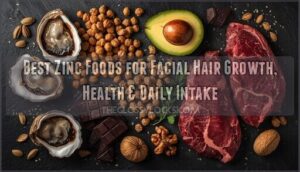
A patchy beard often gets blamed on genetics, and sometimes that’s fair. But zinc deficiency is a surprisingly common culprit that most people never consider. Studies suggest up to 17% of the global population doesn’t get enough zinc—and your beard pays the price before almost anything else does.
Zinc drives the cell division inside your hair follicles, keeps testosterone conversion running properly, and helps your body produce the keratin that gives each strand its thickness and strength.
The right zinc foods for facial hair growth can make a measurable difference, and most of them are already sitting in a normal grocery store.
Table Of Contents
- Key Takeaways
- Why Zinc Matters for Facial Hair Growth
- Top Zinc-Rich Foods for Facial Hair
- How Zinc Supports Beard Thickness and Health
- Daily Zinc Needs and Safe Intake
- Tips for Adding Zinc Foods to Your Diet
- Frequently Asked Questions (FAQs)
- Can zinc reduce facial hair?
- What foods are high in zinc for hair growth?
- What foods boost facial hair?
- Can zinc improve patchy beard areas effectively?
- How long until zinc affects beard growth?
- Does zinc work differently for younger men?
- Can stress deplete zinc levels in men?
- Does cooking reduce zinc content in foods?
- Conclusion
Key Takeaways
- Zinc deficiency affects up to 17% of people globally and is one of the most overlooked reasons your beard grows in patchy or thin.
- Foods like oysters, pumpkin seeds, lentils, and eggs can cover your daily zinc needs (around 11mg for men) without relying on supplements.
- Zinc powers the hormones and cell division that drive facial hair growth, so getting enough can visibly improve beard density within 3–6 months.
- Don’t overdo it — staying under 40mg daily keeps you safe, and pairing zinc with copper prevents the nutrient imbalances that come from going too hard on supplements.
Why Zinc Matters for Facial Hair Growth
Zinc does more for your beard than most people realize. It works behind the scenes on everything from hair follicle strength to the hormones that actually drive facial hair growth.
From testosterone balance to follicle health, essential vitamins for beard growth explain exactly why zinc belongs at the top of your supplement list.
Here’s what you need to know about how it all connects.
Zinc’s Role in Hair Follicle Health
Your hair follicles are constantly dividing — and zinc fuels that process. Without enough of this mineral, cell division slows, follicle strength drops, and zinc deficiency and hair loss become very real risks.
Zinc absorption aids keratin production, keeping each strand thick and resilient. Poor mineral balance means follicles slip into rest mode early, stalling hair growth before it ever starts.
Research has found that disruptions in are closely linked.
Impact on Testosterone and Facial Hair
Zinc doesn’t just feed your follicles — it powers your androgen production too. Low zinc means lower testosterone, and lower testosterone means a thinner, patchier beard. That’s the zinc deficiency effects nobody warns you about.
Zinc hormone balance keeps your body converting testosterone into DHT, the signal that drives real facial hair growth. Zinc rich foods make that whole system run stronger.
Research has shown that zinc deficiency and hair loss are closely related, with proper zinc intake supporting healthy hormone regulation and hair growth.
Signs of Zinc Deficiency Affecting Beard Growth
When testosterone dips from zinc deficiency, your beard feels it fast. Beard thinning patterns show up first — patches along the jawline, fuzzy edges where sharp lines used to be.
Zinc deficiency symptoms don’t stop there. Hair growth cycles stall, so old hairs shed while new ones take forever to replace them.
Nutrient imbalances like this are why zinc-rich foods matter more than most guys realize.
Top Zinc-Rich Foods for Facial Hair
What you eat directly shapes how well your beard can grow. The good news is that zinc shows up in more foods than you’d expect, and some of them might already be sitting in your kitchen.
Here are the best zinc-rich foods to add to your plate.
Egg yolks are a smart addition too, since they support hair health in ways worth exploring through these hair thinning prevention methods.
Oysters and Shellfish

If you want to boost your beard game, oysters are your secret weapon. Six medium oysters pack 32–40 mg of zinc — more than triple what most men need daily. That’s serious shellfish nutrition.
Crab and lobster deliver solid seafood zinc too, with crab offering around 6.5 mg per serving. Oyster benefits go further because this zinc is highly bioavailable, meaning your body actually uses it.
Pumpkin Seeds and Nuts
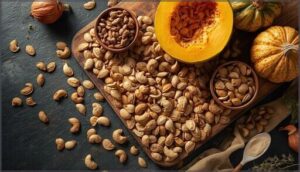
Pumpkin seeds are a quiet powerhouse in any zinc-rich diet. One ounce delivers 2–3 mg of zinc, covering roughly 20–25% of your daily intake tips goal.
Cashews add another 1.6 mg per ounce, making nuts a smart snack for hair growth promotion.
Pumpkin seed benefits stack up fast — toss them into salads or yogurt to boost nutritional value and nutrient absorption effortlessly.
Lentils, Moong Dal, and Legumes

Legumes are low-key beard builders hiding in plain sight. A half cup of cooked lentils gives you about 1.3 mg of zinc — solid for a plant-based source.
Moong dal benefits go further, adding biotin and protein to the mix.
Explore lentil recipes, chickpea stews, or mixed bean varieties to fuel your zinc-rich diet and support real hair growth promotion through pulse health.
Eggs and Dairy Products

Quiet powerhouses, eggs and dairy deserve a spot in your zinc-rich diet. Two eggs deliver about 1.3 mg of zinc — mostly from the yolk — while egg nutrition also brings biotin and protein to fuel hair growth.
Yogurt advantage? One cup gives roughly 1.7 mg. Cheese options and milk alternatives add more, making dairy benefits real nutrition for hair without needing zinc supplements.
Spinach, Dark Chocolate, and Other Plant Sources

Don’t sleep on plant zinc sources — they’re more powerful than most people realize. A half cup of cooked spinach delivers zinc plus iron and vitamin C, all working together for hair growth. Dark chocolate with 70 to 85 percent cocoa packs about 3.3 mg per 100 grams.
For vegan zinc sources, tofu and tempeh also contribute, though plant zinc bioavailability improves when you combine foods strategically.
How Zinc Supports Beard Thickness and Health

Zinc doesn’t just feed your beard—it builds it from the inside out. It works on three key levels that most people never think about.
Here’s how each one plays a role in giving you thicker, healthier facial hair.
Cell Growth and Hair Follicle Strength
Think of your hair follicles as tiny factories — zinc keeps them running. It fuels follicle cell division, powers keratin production for real hair shaft strength, and drives tissue repair when follicles get worn down. Your zinc-rich diet becomes your edge.
- Antioxidant defense shields follicle cells from oxidative damage
- Cell growth keeps the growth phase active longer
- Zinc promotes facial hair density from root to tip
Hormonal Regulation for Facial Hair
Zinc is basically your hormone traffic controller. It keeps testosterone levels steady, moderates DHT regulation through 5-alpha reductase, and maintains thyroid function so your follicles stay in growth mode longer. Androgen signaling depends on this balance — and zinc-rich foods deliver it naturally.
| Hormone | Zinc’s Role | Facial Hair Impact |
|---|---|---|
| Testosterone | Maintains production | Fuller, denser beard |
| DHT | Modulates 5-alpha reductase | Stronger follicle signaling |
| Thyroid (T3) | Aids T4 conversion | Sustained growth phase |
Immune Function and Hair Growth
Beyond hormones, your immune system quietly runs the show for beard health. Zinc deficiency weakens immune cell regulation, leaving follicles vulnerable to inflammation and oxidative stress that cut growth cycles short. Here’s what zinc does for your follicles:
- Reduces chronic inflammation that shrinks follicles
- Aids oxidative stress management to protect hair-forming cells
- Helps mitigate autoimmune response targeting the hair bulb
- Keeps immune function balanced so follicles stay in active growth
Zinc-rich foods are your frontline defense.
Daily Zinc Needs and Safe Intake

Getting your zinc intake right is the difference between a thriving beard and one that’s stuck in neutral. Too little holds you back, too much creates a whole new set of problems, and the sweet spot is closer than you think.
Here’s what you need to know about hitting that target safely.
Recommended Zinc Intake for Men and Women
Most men need about 11 mg of zinc daily, while women need around 8 mg. And here’s the encouraging part: you’re probably already hitting those intake guidelines through food alone.
Understanding your daily allowance means you can focus on zinc-rich foods like meat, legumes, and seeds to naturally meet your zinc dosage without overthinking it. Nutrient balance, not excess, drives real results.
Risks of Zinc Deficiency and Overdose
Getting the balance right matters more than you think. Zinc deficiency symptoms like hair thinning, low testosterone, and fatigue can quietly stall your beard goals.
But zinc toxicity is just as real — overdose risks kick in past 40mg daily, and chronic zinc supplementation above that triggers nutrient imbalance, copper loss, and weakened immunity. More isn’t always the move.
Zinc toxicity kicks in past 40mg daily, draining copper and weakening the immunity you depend on
Balancing Zinc With Other Nutrients (e.g., Copper)
Too much zinc without enough copper is a real problem — and that’s exactly where nutrient balance gets overlooked. Zinc competes with copper absorption in your gut, so pushing zinc too high quietly drains copper over time.
- Aim for a zinc copper ratio of 8–15:1
- Pair zinc supplements with 1–2mg copper daily
- Zinc-rich foods like oysters naturally support mineral intake for hair health
Tips for Adding Zinc Foods to Your Diet

Knowing which foods are rich in zinc is one thing—actually getting them onto your plate consistently is where the real work happens. A few simple shifts in how you shop, cook, and pair your meals can make a big difference in how much zinc your body actually absorbs.
Here’s what to keep in mind as you start building zinc into your daily routine.
Easy Meal Ideas With Zinc-Rich Ingredients
Fitting zinc-rich foods into your day doesn’t have to feel like a chore. Start with zinc breakfast ideas like a spinach omelet or Greek yogurt topped with pumpkin seeds — both hit around 3mg before noon.
For healthy lunch options, a chickpea salad or lentil wrap works perfectly. Zinc-rich snacks like roasted pumpkin seeds or trail mix keep levels steady between meals.
Combining Zinc Foods for Maximum Absorption
Smart pairing unlocks zinc bioavailability your beard follicles actually crave. Meal planning around nutrient synergy — not just single foods — is what separates real results from spinning your wheels. Here’s how to stack your zinc-rich diet for maximum impact:
- Squeeze lemon over lentils for phytate reduction and better mineral absorption
- Pair beans with beef to boost zinc bioavailability from plant sources
- Soak legumes overnight to break down phytates blocking nutrition and hair growth
- Skip tea during zinc-rich meals to protect mineral balance
- Space zinc rich foods across lunch and dinner for steady follicle support
When to Consider Zinc Supplements for Facial Hair
Food should always come first, but sometimes zinc-rich foods alone don’t cut it. If you’re noticing patchy beard growth, increased shedding, or slow facial hair progress despite eating well, zinc deficiency might be the culprit.
A dose of 15–30 mg promotes hair growth without pushing past safe limits. Talk to your doctor before starting zinc supplementation — timing and zinc dosage matter more than most people realize.
Frequently Asked Questions (FAQs)
Can zinc reduce facial hair?
Zinc won’t eliminate facial hair, but it can help with hormone balance.
For women dealing with hirsutism or zinc deficiency, the right zinc dosage may modestly reduce unwanted facial hair over time.
What foods are high in zinc for hair growth?
Your best allies for hair growth are oysters, pumpkin seeds, lentils, eggs, and beef.
These zinc-rich foods fuel follicles, fight zinc deficiency, and keep your nutrient balance solid for real results.
What foods boost facial hair?
Oysters, eggs, pumpkin seeds, and lentils are powerhouse picks for beard nutrition. These zinc-rich foods fuel hair growth by supporting testosterone and keeping facial hair follicles strong and active.
Can zinc improve patchy beard areas effectively?
If your patchy beard isn’t filling in, zinc deficiency could be the quiet culprit.
Correcting low zinc promotes hair regeneration and follicle strength, helping sparse facial hair grow more evenly over time.
How long until zinc affects beard growth?
Don’t expect overnight magic. If you’re fixing a zinc deficiency, Beard Growth Cycle timelines mean Hair Follicle Repair and Facial Hair Regrowth usually take 3 to 6 months of consistent Zinc Supplementation to show real, visible results.
Does zinc work differently for younger men?
Yes, zinc works differently for younger men. With youthful hormones already running strong, zinc deficiency matters more than zinc supplementation.
Fixing low zinc levels restores testosterone and aids facial hair growth — extra zinc won’t boost what’s already there.
Can stress deplete zinc levels in men?
Absolutely. When stress hits, your body triggers a stress response that actively pulls zinc out of your bloodstream — depleting your zinc levels fast and quietly setting the stage for nutrient deficiency.
Does cooking reduce zinc content in foods?
Cooking lowers zinc content only slightly. Zinc’s heat stability means the mineral itself doesn’t break down — but boiling causes zinc loss into water.
Steaming or baking preserves better zinc retention overall.
Conclusion
Shall we talk results? The men who stop blaming their mirror and start filling their plates with zinc foods for facial hair are the ones who actually see change.
Oysters, pumpkin seeds, lentils—these aren’t fancy secrets. They’re your daily leverage. Zinc drives the follicle machinery that genetics alone can’t override.
Get your intake right, stay consistent for at least eight weeks, and let your beard say what your patience earned.