This site is supported by our readers. We may earn a commission, at no cost to you, if you purchase through links. This content is for general informational and educational purposes only and is not a substitute for professional medical, dermatological, or nutritional advice.

Your hair has been through it. Maybe a bleach session gone sideways, maybe years of flat irons, and now the ends drink up dye like a sponge while your roots barely notice. That’s high porosity talking, and it’s why the best hair color for damaged hair isn’t the boldest shade on the swatch card.
Here’s the good news: gentler formulas exist, and some even rebuild internal bonds as they color. Picking the right one, prepping your strands two weeks ahead, and caring for them afterward keeps your color rich and your hair intact. You get the shade you want without the straw.
Start with the formulas.
Table Of Contents
- Key Takeaways
- Gentle Hair Color Options for Damaged Hair: Which Formulas Cause The Least Damage
- How Hair Porosity Affects Color Absorption on Damaged Strands
- Strengthening Damaged Hair Before and After Coloring
- 10 Best Hair Colors for Damaged Hair
- Keeping Color Vibrant Without Further Damage: Care, Touch-Ups, and Heat Protection
- Frequently Asked Questions (FAQs)
- What hair color is best for damaged hair?
- What hair colors are good for damaged hair?
- What hair color does the least damage to your hair?
- Which color is good for previously damaged hair?
- What is the best color for damaged hair?
- Can hair dye damage split ends?
- How do you protect your hair from color damage?
- What are the best products for damaged hair?
- What are the best hair dyes?
- What is the best henna color for damaged hair?
- Conclusion
Key Takeaways
- Choose gentle, ammonia-free demi-permanent or semi-permanent color, ideally with bond-building technology, because these formulas coat your hair instead of blasting it open.
- Check your porosity first with the water test, since damaged strands soak up dye fast and unevenly, so apply color to your ends last to avoid muddy or patchy results.
- Start two weeks before coloring with bond-building treatments, weekly protein balanced by deep conditioning masks, and a break from heat tools so your strands can handle the dye.
- Keep your color vibrant by washing only two or three times a week with sulfate-free shampoo, using heat protectant under 350°F, and only touching up your roots every six to eight weeks.
Gentle Hair Color Options for Damaged Hair: Which Formulas Cause The Least Damage
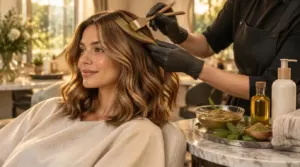
Formula matters most when your hair is already fragile. Gentle hair coloring starts with a smart pick. Think of damaged hair as a worn-out sweater. You wouldn’t toss it in a hot wash, right?
After you shampoo, a moisturizing rinse-out is the natural next step, and this guide to the best conditioner for dry hair can help you pick one.
Fragile hair is like a worn-out sweater, so you wouldn’t toss it in a hot wash, and your color choice shouldn’t be harsh either
Demi-permanent and semi-permanent dyes are your softest bets. They coat the hair instead of blasting it open, so you keep more control and less risk. Ammonia-free formulas add moisture-rich ingredients that cushion each strand.
Look for bond-building technology in the box too. It helps hair damage repair while you color, which feels like a cozy hug for your ends.
Prefer zero chemicals? Henna is a plant-based option worth a look. Pair any choice with sulfate-free shampoos, and you’re set. Your hair deserves pure kindness, not chaos.
How Hair Porosity Affects Color Absorption on Damaged Strands
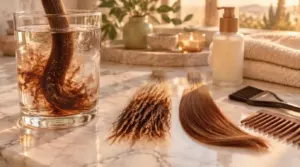
Once you’ve picked a soft formula, check your hair porosity. It decides how color behaves. Damaged strands have lifted cuticles, so they drink dye fast and unevenly.
If you’re unsure where your strands fall, a simple water absorption hair test shows in minutes how porous your hair really is before you color.
Try this quick home test:
- Drop a clean strand into a glass of water.
- Floating after two minutes means low porosity.
- Sinking fast means high porosity.
- Sinking slowly means medium porosity.
Those porous ends grab dark shades like a thirsty sponge, so they often turn muddy or patchy. Your roots stay lighter, which feels frustrating, but you’ve got control.
If you want to even things out, matching your roots to your porous ends is easier with a hair dye color chart for choosing the right shade that accounts for lighter roots.
Apply color to your ends last, using gentle hair coloring methods. A leave-in helps hair moisture balance and hair cuticle protection, while hair shaft repair helps pigment settle evenly. Your color will thank you.
Strengthening Damaged Hair Before and After Coloring
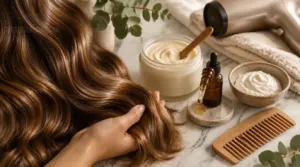
Porous hair needs backup, so build it before the color goes on. Start two weeks ahead with bond building technology. It rebuilds the internal links that coloring snaps, and your strands will feel sturdier fast.
Then balance things out:
- Protein treatments for damaged hair once a week, no more, so strands stay strong but not stiff.
- A deep conditioning mask between protein days for hair moisture balance.
- Heat tools on pause, because hair breakage prevention starts with giving your ends a break.
- A bond treatment right after you rinse out color.
Not sure how much protein your hair wants? Watch it. Mushy and stretchy means it needs protein. Brittle and rough means it needs moisture.
If your hair is low porosity, choose small hydrolyzed proteins and space them out, since protein treatments for low porosity hair work best when they don’t pile up on the surface.
Keep that routine going afterward, and your color will sit on stronger, smoother hair.
10 Best Hair Colors for Damaged Hair
Your strands are prepped, so let’s pick the color. Look for an ammoniafree formula with moisture rich dyes, and your hair will thank you. Here’s what our list covers:
- Demi-permanent shades like Igora Vibrance
- Henna and semi-permanent options
- Color depositing conditioners for gentle refreshes
Each pick helps prevent hair breakage and works alongside bondbuilding technology, so your color stays soft.
Keeping Color Vibrant Without Further Damage: Care, Touch-Ups, and Heat Protection

Most color fading starts in the shower, so rinse with cool water and wash only two or three times a week. Pair a sulfate-free shampoo with a color-safe conditioner, and you’ve got solid hair color fading control working for you.
Your hair porosity matters here. High-porosity strands release pigment fast, so a weekly bond-building mask helps with hair shaft strengthening and hair elasticity improvement. Stretchy, bouncy hair holds color longer.
Heat protection is non-negotiable. Spray a protectant before every blow-dry, and keep tools under 350°F.
For touch-ups, only color your roots every six to eight weeks. Glaze the lengths instead of recoloring them. A gloss refreshes your shine between appointments, no stress added. Gentle, safe, and totally in your control.
Frequently Asked Questions (FAQs)
What hair color is best for damaged hair?
Think of damaged hair as a thirsty sweater: it needs gentle handling. Choose ammoniafree dyes in a vegan formula, ideally demi-permanent. Match it to your hair porosity for real breakage prevention and smarter damage control.
What hair colors are good for damaged hair?
Go gentle, friend. Ammonia-free formulas with conditioning technology, like semi-permanent or demi-permanent shades, protect your hair health.
Pick soft black, deep chocolate, ash brown or pastels, then add sulfate-free shampoos for lasting damaged hair repair.
What hair color does the least damage to your hair?
Temporary rinses and semi-permanent dyes do the least damage, since they only coat your hair. Want lasting color instead? Choose ammoniafree formulas, moisturerich dyes, a bond enforcing system, keratin antibreakage care, and hair protein restoration.
Which color is good for previously damaged hair?
Worried color will wreck your fragile strands? It won’t, if you choose gently. Go semi-permanent or demi-permanent, both ammonia-free, and apply carefully to avoid scalp irritation.
Then protect it with sulfate-free shampoos and hair masks.
What is the best color for damaged hair?
Think of damaged hair as a worn knit sweater: it needs a gentle touch. Go semi-permanent or demi-permanent, with ammonia-free dye in darker shades. No harsh lightening, so your strands stay happy.
Can hair dye damage split ends?
Think dye is harmless if your ends already look rough? Not quite. Color opens your cuticle and loosens protein bonds, so ends fray faster. Book a trim first, choose gentle, damage reducing formulas, and keep up hair hydration.
How do you protect your hair from color damage?
Start with protein enrichment using keratin or silk protein, then add hair oil treatments before dyeing. Choose demi-permanent color, use heat protection, switch to sulfatefree shampoos, wait 48 hours between washes. Don’t skip hair masks!
What are the best products for damaged hair?
Your hair is begging for a miracle, and these deliver! Olaplex No. 3 rebuilds bonds, K18 works as a protein treatment, and Briogeo’s mask boosts moisture retention. Pair them with sulfatefree shampoos for cuticle sealing.
What are the best hair dyes?
Try ammonia-free options like Clairol Natural Instincts for gentle coverage, or Madison Reed if you want clean ingredients and keratin. Arctic Fox adds vivid color without harsh chemicals. Bond builder technology keeps your strands happy.
What is the best henna color for damaged hair?
Copper-red natural henna is your best pick. It conditions while it colors, so damaged strands feel stronger.
Always choose hypoallergenic labels, expect gentle application without scalp irritation, and enjoy scalp protection plus hair follicle nourishment.
Conclusion
Hair grows about half an inch a month, so the strands you color today will stick around for months. Treat them kindly. The best hair color for damaged hair is the one that respects your bonds, matches your porosity, and comes with a solid aftercare plan.
Prep early, color gently, and shield your ends from heat. Do that, and your hair stays soft, shiny, and strong while your shade stays truly gorgeous. You’ve got this.