This site is supported by our readers. We may earn a commission, at no cost to you, if you purchase through links. This content is for general informational and educational purposes only and is not a substitute for professional medical, dermatological, or nutritional advice.
You reach for your shaving cream and the can sputters, empty again, right when you’re already running late. So you grab what’s on hand, maybe body wash, maybe nothing at all, and hope your skin doesn’t pay for it later. That gamble usually ends in razor burn.
Here’s the thing: shaving cream never was the magic ingredient. What your razor actually needs is slip and cushion, and plenty of everyday products deliver both without the synthetic fragrance that irritates sensitive skin.
From kitchen-cabinet oils to your regular conditioner, these unscented shaving cream alternatives for razor glide are simpler, gentler, and often already sitting in your bathroom.
Table Of Contents
- Key Takeaways
- 5 Best Unscented Shaving Cream Alternatives
- Best Natural Oils for Razor Glide
- Best Shaving Alternatives by Skin Need
- How to Shave Without Shaving Cream
- How to Choose a Fragrance-Free Substitute
- Frequently Asked Questions (FAQs)
- What can I use instead of shaving cream while shaving?
- What ingredients should sensitive skin avoid completely?
- How long do homemade alternatives stay fresh?
- Which alternatives work best for electric razors?
- Do any alternatives help prevent ingrown hairs?
- Can I reuse the same alternative on multiple body areas?
- Do unscented alternatives work with disposable razors too?
- How long does an opened bottle stay effective?
- Can pregnant or nursing individuals safely use these alternatives?
- Will these substitutes stain towels, tubs, or clothing?
- Conclusion
Key Takeaways
- Shaving cream isn’t essential — what your razor really needs is slip and cushion, which everyday products like conditioner, aloe, lotion, and oils can provide without irritating fragrances.
- Different body areas call for different substitutes: gentle options like aloe or conditioner work best for sensitive skin like your face and bikini line, while thicker lotions or oils suit legs and rough patches.
- Technique matters as much as product choice — soften hair with warm water, apply a generous layer, shave with the grain, rinse often, and moisturize while skin is still damp.
- Always check ingredient labels for hidden fragrances, patch test new products behind your ear for 24-72 hours, and confirm your razor’s waterproof rating before wet-shaving with oils or lotions.
5 Best Unscented Shaving Cream Alternatives
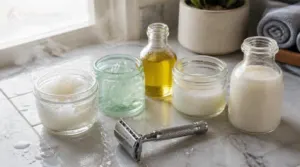
Out of shaving cream? Your bathroom cabinet probably has you covered already. Here are five gentle, fragrance-free swaps that keep your razor gliding smoothly.
Whatever you choose, remember to shave with the grain in light, gentle strokes and rinse your blade often — small habits that, paired with these tips for preventing razor burn on sensitive skin, make a noticeable difference.
Unscented Hair Conditioner
That bottle in your shower isn’t just for your hair. Unscented conditioner coats each strand with cationic agents, cutting resistance so the blade glides instead of drags.
Glycerin pulls moisture into skin, and the residue forms a protective layer against redness. Unscented versions keep sensitive skin calm, and it’s budget-friendly enough for daily legs, arms, or bikini line touch-ups.
Pure Aloe Vera Gel
Conditioner not your style? Pure aloe vera gel is another gentle route, mostly water with skin-healing polysaccharides that calm and repair.
It’s naturally anti-inflammatory, cuts razor burn by 35%, and locks in hydration as you shave. Choose fragrance-free formulas to skip irritation, and you’ve got a soothing, unscented shave gel built for sensitive skin.
Fragrance-Free Body Lotion
Already have body lotion at home? Grab the fragrance-free kind and skip the razor cream altogether.
A thick layer creates a protective barrier, cutting drag by 35% versus plain water.
- Hypoallergenic, noncomedogenic formulas won’t clog pores
- Glycerin locks in skin hydration
- Apply thin, don’t fully rub in
Look for fragrance-free formulations with ceramides, since these lipids help repair and maintain the skin barrier.
Moisturizing while shaving helps your skin barrier from the start.
Gentle Unscented Body Wash
Shower time doubles as shave time when your body wash is fragrance free and gentle enough for daily use. Look for pH balanced cleansing formulas with soothing agents like aloe or oat.
They preserve your skin barrier while creating enough slip for a clean glide, no separate product needed.
Natural Shaving Oils
When plain oils feel too heavy, purpose-made shaving oils split the difference. These blends mix carrier oils like sunflower or sesame with vitamin E for skin hydration, sometimes adding chamomile or citrus for scent-free freshness.
Massage 4-6 drops into damp skin for ten seconds, wait a minute, then shave. They work on electric razors too (1-2 drops), cutting friction without the mess.
Best Natural Oils for Razor Glide

If your kitchen or bathroom cabinet has a bottle of oil in it, chances are it can double as a shaving aid. Natural oils give you slip and skin support without any added fragrance to trigger irritation. Here are five worth keeping in your shower caddy.
Coconut Oil
That jar in your kitchen doubles as a razor’s best friend.
A splash of coconut oil can soften stubble before you shave, but pairing that prep with an IPX7-rated shaver built for active lifestyles means shower shaving stays effortless and mess-free.
Lauric acid gives coconut oil antimicrobial properties that fight bacteria and calm razor burn. Its medium-chain fatty acids sink into skin fast, boosting hydration (one study showed a 148% moisture jump) while forming a protective barrier for smooth razor glide.
Bonus: it’s shelf-stable for months.
Extra-Virgin Olive Oil
Your kitchen’s fanciest bottle earns its keep here too. Extra-virgin olive oil comes from purely mechanical pressing, no chemical shortcuts, which keeps its antioxidant content intact. Strict standards cap free acidity at 0.8% and test peroxide value to confirm freshness.
That quality control translates to real skin protection: research shows a 30% drop in razor burn.
Jojoba Oil
Here’s a fun fact: jojoba oil isn’t really an oil. It’s 98% wax, which is why your skin drinks it in without feeling greasy.
Jojoba oil is actually 98% wax, letting skin absorb it without any greasy residue
That wax-like composition creates a genuine protective barrier, cutting friction for smoother razor glide. It mimics natural sebum, so moisturizing benefits and antimicrobial properties come standard. Still, patch test first, since even gentle formulas need a skin tolerance check.
Grapeseed Oil
Winemakers’ leftovers make surprisingly good skin care. Grapeseed oil is light, odorless, and packed with omega-6 fatty acids plus vitamin E for antioxidant support.
- Lightweight, non-greasy texture
- Sufficient slip for smooth razor glide
- Vitamin E for skin hydration
- Cold-pressed extraction preserves nutrients
- Odorless, ideal for unscented shaving cream alternatives
Among natural oils, it’s a solid pick when you want emolliency without heaviness.
Hemp Seed Oil
Hemp seed oil brings serious nutrition to your razor routine. Its fatty acid profile runs 54-57% linoleic acid, plus omega-3s, giving skin real conditioning power beyond basic razor glide enhancers.
That 3:1 omega-6 to omega-3 ratio helps skin stay hydrated and eases irritation. Buy small bottles though. Oxidative stability is weak, so refrigerate it and use within months for the freshest natural shaving options.
Best Shaving Alternatives by Skin Need

Not every part of your body has the same shaving needs, and your skin will tell you exactly what it wants. A product that works wonders on your legs might irritate your face or underarms. Here’s how to match the right alternative to the area you’re working on.
Sensitive Facial Skin
Your face reacts fast, tightness, stinging, that "why does everything burn" feeling. Skip fragrance entirely and lean on soothing ingredients like aloe vera, which cuts razor burn by 35%. Patch test first.
Best picks:
- Aloe vera gel
- Unscented conditioner
- Fragrance-free lotion
- Jojoba oil
- Grapeseed oil
Gentle cleansing beforehand keeps your barrier calm.
Leg and Body Shaving
Legs and arms need more coverage, so body wash or lotion wins for razor glide over larger areas. Warm water softens hair fast, then apply a thick layer without rubbing in.
| Product | Best For | Key Benefit |
|---|---|---|
| Body wash | Daily shaving | Cushioning barrier |
| Lotion | Dry skin | 35% less drag |
| Coconut oil | Rough patches | Antibacterial glide |
Rinse blades often, moisturize damp skin after.
Underarm and Bikini Areas
Underarms and bikini lines pack 150-200 follicles per square centimeter versus 50-80 on legs, plus hair growing in five directions. This calls for hypoallergenic options like aloe vera or unscented conditioner, not lotion. Shave in short strokes, following each direction pattern.
Underarm skin loses 40% barrier function from sweat, so gentle products prevent irritation better than fragranced ones.
Razor Burn-Prone Skin
If your skin flares up after every pass, treat razor burn prevention as non-negotiable, not optional.
- Choose aloe vera for anti-inflammatory relief
- Apply hydrocortisone on stubborn irritation
- Skip fragranced products entirely
- Rinse blades constantly for reduced friction damage
- Moisturize immediately with hypoallergenic options
Sharper blades and razor lubrication matter more here than anywhere else on your body.
Budget-Friendly Daily Shaving
Nearly everything in your kitchen already doubles as razor lubrication. Coconut oil and shea butter cost pennies per shave compared to $8-14 creams, and unscented conditioner stretches even further. Household substitutes cut cleanup too.
Pair them with blade reuse, safety razors last 5-7 shaves per blade, and you’ve got gentle shaving solutions that keep budget-conscious users smooth without sacrificing skin comfort.
How to Shave Without Shaving Cream
Picking the right alternative is only half the job. Technique determines whether you get a smooth, comfortable shave or an irritated mess. Here’s exactly how to use these substitutes for the best possible glide.
Soften Hair With Warm Water

Warm water is your first move, and it matters more than you’d think. It opens the cuticle, softening hair so any shaving substitute glides on and works.
- Use 95-105°F water
- Soak 1-2 minutes
- Let follicles open
- Prep for razor glide
- Boosts skin hydration
Apply a Generous Slick Layer
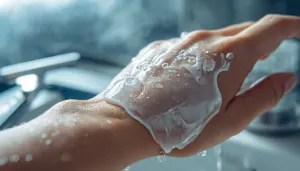
Coverage counts more than product choice here. Skip the thin swipe, go glossy but not dripping, that’s roughly 1-2 grams for your face, 3-4 for legs or underarms.
This lubricating layer cuts razor stroke resistance up to 40%, fills tiny skin irregularities, and regulates skin temperature by insulating against blade friction. Reapply every few strokes to keep that protective barrier intact.
Shave With Hair Growth

Direction matters as much as your lubricating layer. Rub fingertips over stubble first; the smoothest path reveals your grain. This grain direction mapping cuts irritation by roughly 30% and prevents up to 80% of ingrown hairs.
Always shave with the grain on your first pass. It’s the foundation of a solid multi-pass technique, reducing friction and setting up safer, closer strokes later.
Rinse After Every Razor Stroke

A clogged blade drags, and drag means irritation. Rinse after every razor stroke under warm water to clear hair and residue, keeping razor glide consistent.
- Angle the blade, let water flow through
- Rinse more often with oils (they build up fast)
- Wipe skin before your next pass
This habit protects your lubricating layer and cuts friction all shave long.
Moisturize While Skin is Damp

Timing matters as much as the product. Pat skin gently, leaving it damp, not dripping, then moisturize within a minute or two. That thin water layer helps carry emollients deeper, boosting damp skin absorption and locking hydration in before evaporation steals it.
Skip hot water though, it strips oils and weakens your skin barrier, undoing all that postshave soothing you just earned.
How to Choose a Fragrance-Free Substitute
Not every unscented product is created equal, and picking the right one takes a bit more than reading "fragrance-free" on the front label. Your skin, your razor, and your routine all play a role in what works best for you. Here’s what to check before you commit to a substitute.
Check Fragrance-Free Ingredient Labels
Labels lie sometimes, so trust the ingredient list, not the front of the bottle. Scan for "fragrance" or "parfum" anywhere, plus vague terms like "aroma" or "essential oil blends." Do an ingredient transparency check against the brand’s website too.
- Hidden fragrance hiding behind "natural scent"
- Vague "aroma" callouts
- Undisclosed essential oil blends
- Mismatched INCI lists
- Unverified label claims
Prioritize Hypoallergenic Formulas
Ingredient checks matter, but certification takes the guesswork further. Look for the Asthma & Allergy Friendly seal or ALLERGY UK approval, both requiring lab testing before licensing. These programs verify allergen safety through real protocols, not marketing.
| Certification | What It Confirms |
|---|---|
| ALLERGY UK | Zero reaction in 100% of test subjects |
| Asthma & Allergy Friendly | Meets air quality/allergen standards |
| ISO17025 Lab Testing | Verified allergen assessment |
Patch Test Before Shaving
Certifications narrow the field, but your skin gives the final verdict.
Patch test before shaving anything new: dab a pea-sized amount behind your ear, leave it untouched, and check at 24, 48, and 72 hours. Redness or itching means stop. No reaction? You’re cleared for smooth razor glide and real skin barrier protection.
Confirm Electric Razor Compatibility
Wet-shaving with oils or lotion? Check your razor’s waterproof rating first. Anything below IPX7 risks internal damage.
Confirm the charging port seal stays sealed when damp, and run a quick voltage compatibility test if you’re traveling abroad.
Verify blade head fit matches your model exactly, since ill-fitting heads reduce razor glide and skin hydration benefits alike.
Consider Cleanup and Shelf Life
Longevity matters as much as glide. Unopened conditioner keeps 2-3 years; coconut oil, sealed and dark, lasts 3-5. Aloe fades fast, just days unrefrigerated.
- Store oils airtight, away from light
- Refrigerate aloe for a residue-free rinse
- Skip fridge storage for conditioner
- Watch for rancid smell or discoloration
Temperature stability protects texture, so keep everything cool, dry, and sealed between shaves.
Frequently Asked Questions (FAQs)
What can I use instead of shaving cream while shaving?
Reach for unscented conditioner, aloe gel, body wash, or natural oils like coconut and jojoba. Each creates a slick barrier for smoother razor glide, cutting friction and softening hair when shaving cream isn’t around.
What ingredients should sensitive skin avoid completely?
Your skin remembers every irritant you’ve ever used, and it holds a grudge. Skip synthetic fragrances, drying alcohols, sulfates, parabens, and formaldehyde releasers. These trigger redness fast. Choose fragrance-free, hypoallergenic formulas that build a real protective barrier instead.
How long do homemade alternatives stay fresh?
Shelf life depends on ingredients, not luck.
Oil-based blends with rosemary or vitamin E resist oxidation for months unrefrigerated.
Water-based versions? They spoil fast, sometimes in two weeks, needing refrigerated storage and airtight containers to slow bacterial growth and preserve microbiological safety.
Which alternatives work best for electric razors?
Think of a foil razor like a screen door: anything thick gets trapped in the mesh. Aloe vera gel and conditioner glide clean without residue, unlike oils, which risk blade buildup and clogged foils over time.
Do any alternatives help prevent ingrown hairs?
Yes. Aloe vera and coconut oil form a soothing barrier that softens follicles, cutting razor burn up to 35% and easing ingrown hair prevention while promoting cleaner glide and calmer, healthier-looking skin.
Can I reuse the same alternative on multiple body areas?
One jar, five zones, zero fuss. A fragrance-free, hypoallergenic formula like baby oil or aloe gel offers safe multi-area reuse, just adjust the amount: thin on your face, generous on legs, for consistent hydration and glide everywhere.
Do unscented alternatives work with disposable razors too?
Disposable razors pair well with these lubricants. Conditioner and aloe rinse clean without clogging blades, while coconut oil and lotion cut friction and boost razor glide, giving you smooth, protected skin without any drag or resistance.
How long does an opened bottle stay effective?
Sealed and stored right, most opened bottles keep their 6 to 12 month shelf life. Aloe vera stays potent refrigerated, while oils and lotions resist oxidation best in cool, dark spots with tightly capped lids.
Can pregnant or nursing individuals safely use these alternatives?
Most fragrance-free options, like unscented conditioner, aloe vera, or coconut oil, pose low risk since skin absorption stays minimal.
Pregnancy hormones raise sensitivity, so patch test first.
Skip menthol or salicylic acid, and check with your doctor if unsure.
Will these substitutes stain towels, tubs, or clothing?
Yes, some can leave a mark. Oils like coconut or olive can leave permanent yellow stains on towels, while conditioner may build up on tub surfaces. Rinse fabrics fast for a residue-free rinse and easier cleanup.
Conclusion
Next time that can sputters empty, you won’t panic, because your bathroom shelf already holds the answer. Conditioner, aloe, oil, whatever suits your skin, these unscented shaving cream alternatives for razor glide protect just as well as any drugstore can.
The real secret was never the foam. It was slip, cushion, and paying attention to your skin’s actual needs. Master that, and every shave feels easy, close, and calm.