This site is supported by our readers. We may earn a commission, at no cost to you, if you purchase through links. This content is for general informational and educational purposes only and is not a substitute for professional medical, dermatological, or nutritional advice.

Your skin isn’t oily because you washed it wrong. Genetics drive up to 81% of your baseline sebum production, and hormones set the dial from there. That blotting paper at 2 p.m.? Blame biology, not laziness.
Here’s the problem: most people respond by scrubbing harder, stripping their barrier, and triggering rebound oiliness that makes everything worse. The fix isn’t aggression. It’s technique, timing, and the right ingredients working together.
Learning how to properly cleanse oily skin means mastering gentle products, smart frequency, and post-wash care that keeps oil in check without punishing your face.
Table Of Contents
- Key Takeaways
- What Causes Oily Skin?
- How Should You Cleanse Oily Skin?
- Which Ingredients Help Control Excess Oil?
- What Oily Skin Cleansing Mistakes Matter?
- How Should You Care for Skin Afterward?
- Frequently Asked Questions (FAQs)
- What is the 4 2 4 rule in skincare?
- Why is my face greasy even after I wash it?
- What causes oily skin in females?
- How can I clear my oily skin naturally?
- Can oily skin benefit from facial oils?
- How does weather affect oily skin cleansing?
- Should I use hot or cold water?
- Can over-cleansing make oily skin worse?
- Do clay masks help control oil production?
- Can facial oils actually reduce oily skin?
- Conclusion
Key Takeaways
- Genetics drive up to 81% of baseline sebum production, so oily skin is biology—not poor hygiene—and the goal is working with your skin type, not fighting it.
- Overcleansing backfires: stripping your skin barrier with harsh products, hot water, or too-frequent washing triggers rebound oiliness, so gentle cleansing twice daily with lukewarm water is the dermatologist-backed standard.
- Technique and ingredients matter more than force: use a pH-balanced, noncomedogenic cleanser with 30 seconds of circular massage, then rely on actives like salicylic acid and niacinamide for real oil control.
- Post-wash care is critical—apply an oil-free, barrier-supportive moisturizer to damp skin within 60 seconds of cleansing, since skin can lose up to 25% more water in that hour without it.
What Causes Oily Skin?

Oily skin isn’t random—it has clear, identifiable causes. Two main drivers are responsible for most cases: your biology and your environment. Understanding both is the first step toward actually managing them.
Once you’ve pinpointed which of these factors is behind your shine, choosing the right facial care products for oily skin becomes much easier.
Genetics and Hormones
Behind chronically oily skin, genetics account for up to 81% of your baseline sebum production. Androgens drive sebaceous gland activity, and shifts in androgen-estrogen balance, triggered by puberty or your menstrual cycle, directly affect sebum regulation.
Even the stress hormone cortisol can boost oil output. If hormonal acne runs in your family, your glands likely share that same high-output wiring.
Environmental and Lifestyle Triggers
Genetics loads the gun, but your environment pulls it. Heat raises sebum output by roughly 10% per degree Celsius, and humidity slows evaporation so oil sits visibly on your skin. Stress spikes cortisol, pushing your glands harder.
A high-glycemic diet elevates insulin signaling linked to increased oil production, and if you’re sleeping poorly, endocrine regulation suffers too.
How Should You Cleanse Oily Skin?
Cleansing oily skin isn’t complicated, but the details matter more than you’d think. Getting it right means choosing the right products, following a technique that actually works, and knowing how often to do it. Here’s what to focus on.
If you’re unsure which oils suit oily skin, this guide to the best natural oils for skin cleansing breaks down your options.
Choose a Gentle Cleanser
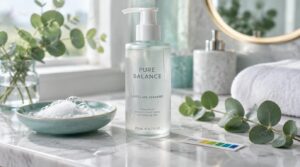
Picture that tight, squeaky feeling after washing your face. That sensation isn’t clean, it’s stripped.
A gentle face wash preserves skin barrier protection while still removing surface oil effectively. Look for a pH balanced cleanser in gel or foaming form, and pick noncomedogenic products so you don’t trade oiliness for clogged pores. A nonirritating cleanser keeps rebound oiliness in check.
Follow Proper Cleansing Steps

Once you’ve got the right cleanser, technique matters just as much. Wet your face first, then apply your gentle face wash to damp skin so it spreads evenly.
Massage in small circular motions for about 30 seconds, focusing on the T-zone where sebaceous glands are densest. Rinse thoroughly, because lingering surfactant residue keeps skin looking oily. Pat dry, don’t rub.
If you’re unsure which formula suits your skin type, this guide to choosing a facial cleanser breaks it down by ingredient and concern.
Cleanse at The Right Frequency

Usually, oily skin does best with twice daily cleansing: morning and night. Night is non-negotiable, clearing the day’s sebum, sunscreen, and particulates before they interact with fresh oil. And since oily skin often means daily sunscreen, knowing how often to reapply sunscreen keeps that layer from mixing with excess sebum later in the day.
After a sweaty workout, a double cleanse makes sense, but that’s the exception, not the rule. Over-washing triggers rebound oiliness, so if your skin feels tight after cleansing, you’re overdoing it.
Which Ingredients Help Control Excess Oil?

Ingredient selection shapes how effectively you manage oil throughout the day. Two actives stand out: salicylic acid penetrates pores to dissolve excess sebum at the source, while niacinamide visibly reduces oil transfer and calms related inflammation at the skin’s surface. Both work best in lightweight, oil-free formulas that don’t add unnecessary residue.
For sustained sebum control, prioritize:
- Zinc to help regulate oil-producing pathways and reduce shine
- Lightweight humectants like glycerin to prevent rebound oiliness from dehydration
- Silica or kaolin clay to physically absorb surface oil
Stick to noncomedogenic products throughout your entire routine, not just your cleanser. A single pore-clogging moisturizer can undercut almost everything. When every layer avoids comedogenic ingredients, your actives have a better environment to actually work.
What Oily Skin Cleansing Mistakes Matter?

Here’s a stat worth sitting with: dermatologists estimate that overcleansing drives a meaningful share of oily-skin complaints, because stripping the barrier can trigger rebound oil. You wash more, you get shinier. That’s the trap. The American Academy of Dermatology’s guide to controlling oily skin echoes this: gentle washing twice a day beats constant scrubbing.
Overcleansing strips your skin barrier and triggers rebound oil, so washing more often only makes you shinier
The mistakes that matter most aren’t exotic. They’re daily habits working against you:
| Mistake | What It Does |
|---|---|
| Hot water + harsh scrubbing | Weakens the barrier, ramps up oiliness |
| Skipping a full rinse | Leaves surfactant film, feels greasy fast |
| Wrong cleanser texture | Creamy formulas leave residue; harsh foams strip |
Notice the pattern? Both extremes fail. A pH-balanced cleanser used with lukewarm water beats aggressive washing every time. Check the comedogenicity of anything that lingers on your skin, and choose noncomedogenic products so residue doesn’t clog follicles. Control comes from precision, not force.
How Should You Care for Skin Afterward?

Here’s a number worth remembering: studies suggest your skin can lose up to 25% more water in the hour after cleansing if you skip moisturizer. That post-wash window matters.
Apply your oil-free moisturizer to damp skin within 60 seconds of cleansing. It locks in hydration before evaporation wins. If your face feels tight or squeaky afterward, your cleanser is too harsh, and that tightness often triggers rebound oiliness within hours.
Your post-cleanse checklist:
- Pat dry with a clean towel, never rub
- Apply treatment actives before heavier creams
- Choose a barrier-supportive moisturizer with ceramides
- Finish mornings with broad-spectrum SPF 30+
- Patch test anything new on your jaw first
This simple sequence protects your skin hydration balance without clogging pores. Non-comedogenic skincare isn’t marketing fluff; it’s your filter for every product that touches your face.
Frequently Asked Questions (FAQs)
What is the 4 2 4 rule in skincare?
What is the 4 2 4 rule in skincare? It’s a cleansing method: massage cleanser for 4 minutes, let it sit for 2, then rinse for 4, giving surfactants time to emulsify oil.
Why is my face greasy even after I wash it?
Your glands keep producing sebum regardless of cleansing, so shine returns fast. Over-washing, hot water, or a residue-forming cleanser disrupts your skin barrier, triggering compensatory oil. Hormones, humidity, and heavy products add to it.
What causes oily skin in females?
Oily skin often starts in your genes, which account for up to 81% of the difference. Add hormone shifts, androgens, PCOS, heat raising sebum by 10% per degree Celsius, stress, and high-glycemic diets.
How can I clear my oily skin naturally?
How can I clear my oily skin naturally? Start with a gentle cleanser twice daily, lukewarm water only. Add niacinamide for oil control, salicylic acid for pores, and choose noncomedogenic skincare products.
Can oily skin benefit from facial oils?
Can oily skin benefit from facial oils? Yes. Like dissolves like: facial oils such as jojoba oil and argan oil dissolve sebum without stripping your barrier. Choose lightweight, noncomedogenic skincare, then rinse thoroughly. Jojoba oil is especially helpful because it’s anti-inflammatory and can help regulate sebum production.
How does weather affect oily skin cleansing?
How does weather affect oily skin cleansing? Heat increases sebum by 10 per degree Celsius, and humidity keeps sweat-oil emulsions slick. Adjust seasonally: gentler cleansers in cold, thorough oil-dissolving cleansing in humid heat.
Should I use hot or cold water?
Hot or cold water? Neither extreme. Use lukewarm water. Heat increases sebum by 10 per degree Celsius, and hot water strips skin hydration, disrupting your skin pH balance. Cool water works, but lukewarm is dermatologist recommended.
Can over-cleansing make oily skin worse?
Yes, though not by literally "making more oil." Over-cleansing strips your skin barrier, triggering irritation and rebound oil production that reads as shine. Dermatologist recommended: cleanse twice daily, gently, then prioritize skin barrier repair.
Do clay masks help control oil production?
Clay masks deliver surface oil absorption, not true sebum reduction. Your glands keep producing oil regardless. Use them weekly, not daily, within your oily skin care routine, and consider a dermatologist consultation for lasting control.
Can facial oils actually reduce oily skin?
Picture a thermostat: turning on a lamp doesn’t change the room’s temperature. Facial oils work similarly. They soften skin and curb water loss, but they don’t switch off sebum production. Your skin oil balance is set by hormones and genetics, not surface products. Some oils can even worsen clogs. Skip them for oil-free formulas and gentle exfoliation instead.
Conclusion
Eighty-one percent of your oil production is written into your DNA, which means your goal isn’t to fight your skin type but to work with it.
That’s the real lesson in how to properly cleanse oily skin: gentle formulas, consistent timing, and barrier-supporting aftercare beat harsh scrubbing every time.
Your sebaceous glands won’t change, but your results can.
Master the technique, respect your biology, and that 2 p.m. shine finally starts to lose its grip.