This site is supported by our readers. We may earn a commission, at no cost to you, if you purchase through links. This content is for general informational and educational purposes only and is not a substitute for professional medical, dermatological, or nutritional advice.

Dark circles aren’t just a sign you stayed up too late. They form through at least half a dozen distinct mechanisms, and treating the wrong one wastes both your time and money.
What causes dark circles under eyes varies person to person. Yours might trace back to genetics, a structural shadow from bone and fat changes, or an iron deficiency quietly affecting your circulation. The blue tint a vascular issue creates looks nothing like the brown discoloration from excess melanin, and each reacts to completely different treatments.
Knowing your type is the first step toward fixing it.
Table Of Contents
- Key Takeaways
- Why Do Dark Circles Form Under Eyes?
- How Can You Identify Dark Circles?
- Can Deficiencies or Health Problems Cause Them?
- How Can You Reduce Dark Circles?
- When Should You See a Doctor?
- Frequently Asked Questions (FAQs)
- How do I get rid of dark circles under my eyes?
- What deficiency causes dark under-eye circles?
- Do dark circles go away?
- Do dark circles under eyes mean liver problems?
- Can hormonal changes trigger or worsen dark circles?
- Do dark circles affect children and teenagers differently?
- Are dark circles linked to excessive screen time?
- Does diet directly affect dark circle appearance?
- Conclusion
Key Takeaways
- Dark circles form through multiple distinct mechanisms — including genetics, aging anatomy, vascular changes, allergies, and nutritional deficiencies — so identifying your specific type is essential before any treatment can work.
- The color and behavior of your dark circles reveal their cause: blue-purple tones point to visible blood vessels, brown or gray suggests excess melanin, and darkness that fades when you lift your lower lid indicates structural shadow.
- About one in four people with persistent dark circles has a treatable underlying cause, such as iron deficiency anemia, thyroid dysfunction, or vitamin B12 deficiency, making a medical check worthwhile before assuming it’s purely cosmetic.
- Treatment should match the cause — topical retinoids and vitamin C address pigmentation, dermal fillers correct hollow tear troughs, laser therapy targets vascular or pigmented types, and lifestyle changes like sleep elevation and SPF help prevent further darkening.
Why Do Dark Circles Form Under Eyes?
Dark circles don’t have a single cause. Multiple factors can work alone or together to create discoloration and shadowing under your eyes. Understanding which ones apply to you is the first step toward addressing them effectively.
From genetics to lifestyle habits, pinpointing your triggers makes it easier to evaluate whether a dark circles remedy like baking soda and lemon is worth trying or just hype.
Genetics and Natural Pigmentation

Heredity shapes how much melanin your periorbital skin produces and where it deposits. Genetic predisposition explains why dark circles often run in families, appearing even with adequate sleep or hydration.
Melanin deposition in thin lower eyelid skin makes inherited pigmentation especially visible there. It’s a stable biological trait, not a temporary condition you can fully address with lifestyle changes alone.
Aging and Facial Anatomy
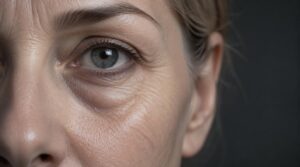
While genetics sets your baseline, aging gradually reshapes the anatomy directly beneath your eyes. Collagen loss and skin thinning reduce support in the lower eyelid, allowing fat pads to shift forward and deepen the groove between lid and cheek.
This groove, called a tear trough deformity, creates shadow rather than pigment. The darkness comes from contour change, not new pigment.
Allergies and Vascular Changes

While anatomy explains contour-based shadows, allergies add a vascular layer. They trigger histamine release, causing vasodilation and blood pooling under thin periorbital skin.
Three mechanisms intensify the darkness:
- Vascular congestion shifts skin tone toward blue/purple.
- Allergy-induced inflammation keeps vessels persistently dilated.
- Rubbing from itching causes minor capillary injury and lasting discoloration.
Sleep and Lifestyle Factors

Allergies aren’t the only trigger. Not getting enough sleep raises cortisol, disrupts circulation, and causes periorbital fluid retention under your eyes. Sleep deprivation effects accumulate fast: a few short nights deepen discoloration visibly. Cooling depuffing under-eye gel pads can temporarily constrict blood vessels and reduce that fluid buildup after restless nights.
Restoring your skin’s barrier overnight with a soothing after-shave balm for nighttime routines can help counteract cortisol-driven dryness before it dulls your complexion by morning.
Circadian rhythm disruption from irregular schedules shifts blood-flow patterns further. Alcohol, stress-related fatigue, and late-night screen use compound this by delaying melatonin and cutting total sleep time.
Blocking out light entirely with a blackout sleep mask can reinforce melatonin production and help reset a disrupted circadian rhythm faster.
Sun, Rubbing, and Inflammation

Acting on periorbital skin, sun exposure deepens pigmentation by stimulating melanin production, and repeated UV sessions compound this.
Excessive rubbing of the eye area adds mechanical trauma, breaking capillaries and releasing pigment. Both trigger an inflammatory response that raises vascular permeability and darkens the under-eye tone. Applying a cooling eye mask for puffiness can help calm that inflammatory cycle, reducing both swelling and the vascular discoloration that follows.
Chronic allergic inflammation doesn’t stay transient. It shifts baseline skin color toward persistent darkness.
Injury and Bruising

Two things happen when blunt trauma strikes your cheek or periorbital region: blood leaks into surrounding tissue, and hemoglobin breaks down, producing pigments that discolor skin from purple to brown. This injury-related bruising usually appears one-sided and patchy rather than diffuse.
It’ll clear within days to weeks, separating it from the stable, symmetric dark circles tied to genetics or aging.
How Can You Identify Dark Circles?

Picture yourself tilting your face side to side under bathroom lighting, uncertain whether you’re seeing a shadow or something real. That uncertainty is exactly where identification starts.
Under eye discoloration isn’t one thing. Infraorbital dark circles vary by source, and the way yours behave under different light reveals which type you have:
- Blue-purple tone signals vessels visible beneath thin skin under eyes
- Brown or gray coloring suggests periorbital hyperpigmentation
- Darkness that fades when you lift your lower lid points to structural shadow
- Itching, redness, and daily fluctuation suggest allergy-induced inflammation
- Sudden onset after a bump indicates localized bruising
If your discoloration stays consistent day after day regardless of sleep or light angle, a pigment or anatomic trait is more likely.
Can Deficiencies or Health Problems Cause Them?

Roughly one in four people with persistent dark circles has an identifiable nutritional or systemic cause, and that’s worth knowing before you blame genetics.
Before blaming genetics, know that one in four persistent dark circles has a treatable nutritional or systemic cause
Iron deficiency and anemia reduce the oxygen your blood carries, making skin appear paler overall. When your under-eye skin is already thin, that pallor increases contrast and makes veins more visible. Vitamin B12 and folate deficiencies work through the same mechanism, producing anemia-related pallor that worsens appearance.
Thyroid dysfunction alters skin tone and texture, sometimes making periorbital pigmentation more pronounced. Kidney disease disrupts fluid balance, causing puffiness that stretches tissue and changes how root vessels look.
If your circles developed suddenly or come with fatigue, hair loss, or swelling, an root medical condition may be contributing.
How Can You Reduce Dark Circles?

Reducing dark circles depends on identifying what’s driving them. Your options range from simple daily habits to clinical interventions, depending on severity and cause. Here’s what’s available at each level.
Home Care and Prevention
Most dark circles respond to consistent daily habits.
Sleep position matters: elevating your head reduces overnight fluid pooling beneath the eyes. Managing your allergies with antihistamines directly limits congestion-driven vascular darkening.
Apply broad-spectrum SPF 30+ around your eyes every morning to slow UV-driven pigmentation. Stay hydrated, reduce sodium intake, and avoid rubbing to minimize puffiness and inflammation that deepen shadows.
Medical and Cosmetic Treatments
When home remedies fall short, clinical options deliver real results. Three treatments worth discussing with your dermatologist:
- Topical retinoids and prescription hydroquinone target pigment and thin skin.
- Laser therapy targets vascular or pigmented causes depending on wavelength.
- Dermal fillers correct hollow tear troughs that cast shadows.
Vitamin C serums complement these medical treatment options by suppressing melanin production between appointments.
When Should You See a Doctor?

Most cases respond to the strategies above, but some patterns point to a hidden medical condition worth evaluating.
| Sign | Recommended Action |
|---|---|
| Rapid darkening in one eye | Seek prompt evaluation |
| Eye pain, redness, or vision change | Treat as urgent |
| Excessive swelling that doesn’t resolve | Book a clinical visit |
| Systemic symptoms: fevers or weight loss | See a doctor soon |
| Dark circles after starting a new medication | Report to your physician |
Allergy-induced inflammation and iron deficiency anemia are two treatable causes that often go undetected. If your dark circles correlate with broader skin or hormonal changes, those correlates of severity extend the concern beyond cosmetics. Persistent worsening despite lifestyle changes deserves a dermatologist’s assessment.
Frequently Asked Questions (FAQs)
How do I get rid of dark circles under my eyes?
Treatment depends on the cause. Topical lightening agents like retinol or vitamin C help with pigmentation. Better sleep, sun protection, and cold compresses reduce puffiness. Persistent circles often require medical treatment options from a dermatologist.
What deficiency causes dark under-eye circles?
Ironically, the culprit is often internal. Iron deficiency causes anemia, making your skin paler and under-eye veins more visible. Low vitamin K impairs clotting, causing bruising that deepens periocular discoloration. An iron-rich diet helps a lot.
Do dark circles go away?
Do dark circles go away? It depends on the root cause. Lifestyle-related circles often improve with better sleep and hydration. Structural or inherited pigmentation rarely resolves on its own and usually needs more targeted treatment.
Do dark circles under eyes mean liver problems?
Yellow is the true alarm, not shadow alone. Dark circles under the eyes rarely signal a liver disorder. Genetics, sleep deprivation, and allergies are far more common root causes of dark circles under eyes.
Can hormonal changes trigger or worsen dark circles?
Yes, hormonal changes can. Estrogen and progesterone shift melanocyte activity and promote fluid retention, both of which can deepen the under-eye shadow. Thyroid hormone imbalances affect skin circulation similarly. Pregnancy and menstruation are recognized triggers.
Do dark circles affect children and teenagers differently?
Children and teenagers can develop dark circles without aging-related skin thinning. Heredity, allergies, and sleep deprivation are the most common drivers, while nasal congestion and frequent eye rubbing can worsen visibility of root blood vessels.
Are dark circles linked to excessive screen time?
Screen time works like a chain reaction: eye strain and fatigue reduce your blink rate, while late-night use triggers sleep deprivation. That lost sleep is what actually darkens your under-eye appearance, not the screen itself.
Does diet directly affect dark circle appearance?
Your diet doesn’t directly change under-eye pigmentation. But iron deficiency anemia, chronic dehydration, and inflammation from poor nutrition can make dark circles more visible by altering vascular tone and fluid balance beneath thin periorbital skin.
Conclusion
Studies show nearly 60% of people treating dark circles never identify their actual cause first, so they cycle through products that don’t match their problem.
Knowing what causes dark circles under eyes specific to your situation changes that. Whether yours trace back to pigmentation, vascular changes, aging anatomy, or something systemic, the fix begins with the right diagnosis. Stop guessing. One accurate assessment saves months of wasted effort and gets you visibly closer to a real result.