This site is supported by our readers. We may earn a commission, at no cost to you, if you purchase through links. This content is for general informational and educational purposes only and is not a substitute for professional medical, dermatological, or nutritional advice.

Most people treat their skin the way they treat a car: they notice something’s wrong only when it starts breaking down. A congested pore, a patch of uneven tone, persistent dryness that no drugstore cream seems to fix. By then, the center barrier has often been compromised for months.
Effective facial care treatments work best before you reach that point, and the difference between results and wasted money usually comes down to matching the right modality to your specific skin type and concern. A glycolic acid peel and an LED session are not interchangeable, even when both claim to brighten.
This guide gives you the clinical reasoning to choose correctly.
Table Of Contents
- Key Takeaways
- Most Effective Professional Facial Treatments Compared
- How to Choose a Facial Treatment by Skin Type and Concern
- Facial Treatment Benefits, Risks, Costs, and Recommended Frequency
- Top 10 Products for At-Home Facial Care
- 1. CeraVe Skin Renewing Night Cream
- 2. Kiehls Facial Fuel Mens Cream
- 3. The Ordinary Glycolic Acid Toner
- 4. Kiehls Ultra Pure Hyaluronic Serum
- 5. Origins GinZing Brightening Eye Cream
- 6. CeraVe Salicylic Acid Renewing Cleanser
- 7. La Roche Posay Redness Reducing Cream
- 8. Neutrogena Hydro Boost Water Gel Moisturizer
- 9. SkinMedica Brightening Treatment Pads For Face
- 10. SkinMedica AHA BHA Exfoliating Face Wash
- How to Maximize and Maintain Facial Treatment Results
- Frequently Asked Questions (FAQs)
- What is the most effective facial treatment?
- How to take 10 years off your face?
- What do Koreans use against wrinkles?
- What is the best type of facial for aging skin over 50?
- How often should I schedule professional facials?
- Are facial treatments safe during pregnancy?
- Whats the difference between retinol and tretinoin?
- Can I combine multiple facial treatments together?
- How long do facial treatment results last?
- Are facial treatments safe during pregnancy or breastfeeding?
- Conclusion
Key Takeaways
- The effectiveness of any facial treatment depends on matching the treatment’s mechanism—exfoliation, hydration, LED, or collagen stimulation—to your specific skin type and concern, since even high-quality treatments can irritate or underdeliver when mismatched.
- Aftercare is where most results are won or lost: protect your compromised barrier for five to seven days after peels or resurfacing by avoiding actives, heat, and sweating, and wear daily SPF to prevent UV-driven hyperpigmentation.
- Professional treatments cost roughly $60–$120 for basic facials, $100–$300 for peels and microdermabrasion, and $200–$500+ for medical-grade procedures, with most people benefiting from sessions every four to six weeks to match the skin’s renewal cycle.
- Consistent at-home care—ceramide moisturizers, gentle exfoliants introduced gradually, and daily sunscreen—can extend professional treatment results by 30–40%, while stacking multiple actives during recovery will shorten them.
Most Effective Professional Facial Treatments Compared
Because professional facial treatments vary widely in mechanism, knowing what each targets helps you make better-informed decisions for your skin health maintenance and overall skin care.
For instance, enzyme exfoliation vs. chemical peels illustrates how two seemingly similar treatments work through entirely different mechanisms on your skin.
Exfoliation facials use glycolic or salicylic acid to remove surface corneocytes, improving texture and clarity. Hydration facials apply humectants and occlusive layers to reduce transepidermal water loss, leaving skin temporarily plumped. For at-home maintenance between treatments, a glycolic salicylic acid face serum can extend the texture-refining effects of professional exfoliation facials.
LED light therapy targets redness and inflammation through specific wavelengths, though effects often aren’t long-lasting without continued care. Anti-aging facials stimulate collagen remodeling via professional-strength actives and controlled exfoliation depths that exceed typical at-home cosmetic procedures.
Understanding what each effective facial care treatment actually does, rather than just its name, gives you a reliable foundation for working through dermatology and making confident cosmetic choices.
How to Choose a Facial Treatment by Skin Type and Concern
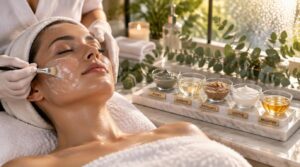
Choosing the right treatment starts with understanding what your skin actually needs. The wrong match—even a high-quality treatment—can irritate, worsen, or simply underdeliver. Work through these five steps to narrow your options with confidence.
Assess Your Skin Type
Assessment of your skin type starts with careful observation in natural daylight, without any products on your face. Notice whether you feel tightness (dry skin), see visible shine (oily skin), or experience both in different facial zones (combination skin).
If you’re consistently reactive to new product formulas or ingredients, you likely have sensitive skin. These distinctions guide every treatment decision.
Match Treatment To Concern
Once you know your skin type, you can match treatment to concern precisely. Acne-prone skin calls for treatments that limit comedone formation and reduce bacterial activity, not generic exfoliants. If redness is your driver, anti-inflammatory modalities outperform keratolytics.
Custom facials designed around your specific concern, sometimes mapped with skin mapping technologies, align far better with dermatologist recommendations than menu-based selections.
Compare Treatment Options
Once you’ve matched your concern to a category, comparing specific treatments becomes much clearer. Ablative laser resurfacing delivers stronger skin rejuvenation than chemical peels but carries longer downtime.
For acne treatment, mechanical extraction paired with LED differs from salicylic peels. Antiaging facials using radiofrequency reach deeper dermis than superficial options, helping you evaluate effective facial care treatments with real confidence.
Consider Sensitivity And Tone
Frequently, sensitive skin reacts to actives with delayed irritation, making your tolerance checks unreliable. Keep these four priorities in mind:
- Introduce one new product at a time
- Prioritize skin barrier repair before layering acids
- Use low-concentration formulas for redness reduction
- Track skin tone evening progress over weeks, particularly in deeper skin tones
Skin sensitivity management requires consistent and sustained attention.
Plan Aftercare And Maintenance
Commit to postprocedure care before you book anything. After chemical exfoliation or resurfacing, your skin barrier repair window is roughly five to seven days, so don’t reintroduce retinoids or acids until tightness and redness fully settle. During that healing window, reaching for a ceramide skin barrier repair cream can help replenish lipids and calm sensitivity without disrupting recovery.
Daily SPF is non-negotiable during cosmetic procedure recovery because UV exposure deepens hyperpigmentation. Once irritation resolves, reintroduce actives gradually for lasting skincare regimen optimization.
Facial Treatment Benefits, Risks, Costs, and Recommended Frequency

Before committing to any treatment, you’ll want to understand exactly what you’re getting into across five key dimensions. Benefits, risks, costs, frequency, and aftercare each shape how well a treatment works for you in the long run. The sections below break each one down so you can plan with confidence.
Treatment Benefits
Professional facial treatments deliver measurable results across multiple skin concerns. Depending on the modality you choose, you’ll likely notice:
- Accelerated skin rejuvenation through chemical or enzymatic exfoliation that clears dull surface cells
- Meaningful skin texture improvement and collagen stimulation from controlled resurfacing procedures
- Targeted pigmentation correction and enhanced skin hydration via ingredient infusion
These compounding effects make consistent treatment worthwhile.
Potential Risks
Imagine you’ve just left a glycolic peel appointment with patchy redness that deepens into post-inflammatory hyperpigmentary hyperpigmentation over the following weeks. It’s a real risk for deeper skin tones.
Aggressive exfoliation, extractions, or combining multiple actives in one session can compromise your skin barrier, trigger irritant contact dermatitis, or introduce bacteria into opened pores. You should always seek out qualified professionals.
Typical Costs
Costs vary more than you’d expect, shifting with location, credentials, and treatment type. Three common price tiers to guide your planning:
- Basic or express facials: $60 to $120
- Chemical peels and microdermabrasion: $100 to $300
- Medical-grade clinic treatments: $200 to $500 or more
Add-ons often push totals higher, and package pricing can reduce your per-session spend over a full course.
Recommended Frequency
Frequency isn’t one-size-fits-all. For acne-focused effective facial care treatments, you’ll usually start with sessions every two to four weeks, then scale back once skin stabilizes.
Custom facials for hydration or preventive skincare work well every four to eight weeks. Your skin type and tolerance guide every adjustment, because rushing intervals before full barrier recovery will slow your skin health maintenance.
Aftercare Requirements
Postprocedure recovery begins the moment you leave the treatment chair. For the first 24 to 48 hours, avoid heat, sweating, and active ingredients like retinoids or AHAs.
Your barrier’s temporarily compromised, so use barrier repair products: a gentle cleanser and fragrance-free moisturizer. Photosensitivity protection means daily SPF.
Downtime considerations and consistent skin health maintenance shape how long your results last.
Top 10 Products for At-Home Facial Care
Professional treatments work best when backed by consistent at-home care. The right products can extend your results by 30–40% and reduce the need for touch-ups over time. Here are ten dermatologist-recommended options worth building into your routine.
A dermatologist-recommended skincare set takes the guesswork out of building a routine that actually complements your in-office results.
1. CeraVe Skin Renewing Night Cream
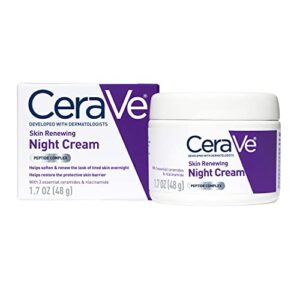
Many affordable night creams promise barrier repair, but CeraVe Skin Renewing Night Cream delivers it, backed by over 35,000 verified reviews averaging 4.7 stars. Its formula combines three essential ceramides (1, 3, and 6-II), hyaluronic acid, and biomimetic peptides that restore up to 50% of natural skin lipids, visibly softening fine lines and rough texture overnight.
MVE Technology releases these ingredients gradually over 24 hours, sustaining your skin’s hydration well past application.
It’s fragrance-free and non-comedogenic, so it works for dry, sensitive, oily, and acne-prone skin. Note that a recent reformulation removed adenosine, and some sensitive users report mild stinging, so patch test it first.
| Best For | Anyone seeking an affordable, dermatologist-developed night cream that suits a wide range of skin types, including dry, oily, sensitive, and acne-prone. |
|---|---|
| Product Form | Night cream |
| Key Active | Ceramides, Hyaluronic Acid, Peptides |
| Skin Type | Dry, sensitive, oily, acne-prone |
| Primary Concern | Barrier repair, fine lines |
| Usage Time | Nighttime only |
| Texture | Rich cream |
| Additional Features |
|
- Contains three essential ceramides plus hyaluronic acid and biomimetic peptides that work together to restore the skin’s natural barrier and reduce fine lines overnight
- MVE Technology releases moisturizing ingredients gradually over 24 hours, keeping skin hydrated long after you apply it
- Fragrance-free and non-comedogenic formula is gentle enough for sensitive skin and won’t clog pores
- A recent reformulation removed adenosine, an ingredient many users valued for its anti-aging benefits
- Some people with sensitive skin report a mild stinging sensation, so a patch test is a smart first step
- The jar does not include an inner protective seal, which may be a concern for those who prefer tamper-evident packaging
2. Kiehls Facial Fuel Mens Cream
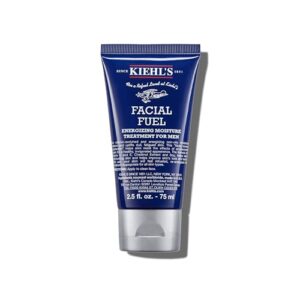
Where the CeraVe handled your overnight recovery, Kiehl’s Facial Fuel takes over each morning. Its caffeine, Vitamin C, and Chestnut Extract combination energizes tired-looking skin by constricting blood vessels to visibly reduce puffiness while neutralizing surface free radicals.
The lightweight, non-greasy formula absorbs quickly without leaving residue, and it’s paraben and sulfate-free, so it doubles as a post-shave treatment. At $33.00 for 3.2 ounces, it’s reasonably priced.
If your skin’s very dry, it won’t fully replace a richer overnight moisturizer.
| Best For | Men who want a lightweight daily moisturizer that energizes skin in the morning and doubles as a post-shave treatment. |
|---|---|
| Product Form | Daily moisturizer |
| Key Active | Caffeine, Vitamin C, Chestnut Extract |
| Skin Type | All skin types (men) |
| Primary Concern | Puffiness, dullness |
| Usage Time | Morning |
| Texture | Lightweight, non-greasy |
| Additional Features |
|
- Caffeine, Vitamin C, and Chestnut Extract work together to reduce puffiness and dullness while protecting skin from free radicals.
- Absorbs quickly without greasiness or residue, making it easy to layer under other products.
- Paraben and sulfate-free formula is gentle enough to use right after shaving.
- Not rich enough to replace a heavier moisturizer for men with very dry skin.
- At $33.00 for 3.2 ounces, some customers find it pricey for the amount you get.
- Product size can vary, so double-check the ounce count before buying.
3. The Ordinary Glycolic Acid Toner

The Kiehl’s Facial Fuel takes care of your mornings, but for chemical exfoliation at night, The Ordinary’s 7% glycolic acid toner is hard to beat. At $13 for 240 mL, it’s one of the best-value exfoliants you’ll find.
Glycolic acid accelerates cell turnover by breaking bonds that hold dead cells to the skin’s surface, progressively improving skin texture, tone, and hyperpigmentation. Research on 10% formulations shows meaningful dark spot reduction within four weeks, so this 7% concentration delivers real results with a lower irritation risk.
Start at 2-3 evenings weekly. Patch test first, and always follow with SPF 30+ the next morning since freshly exfoliated skin is much more photosensitive. Avoid layering with retinoids or other exfoliating acids on the same night.
| Product Form | Serum |
|---|---|
| Key Active | 1.5% Sodium Hyaluronate |
| Skin Type | Dry, fragrance-sensitive |
| Primary Concern | Dryness, dehydration |
| Usage Time | Morning and evening |
| Texture | Lightweight gel |
| Additional Features |
|
4. Kiehls Ultra Pure Hyaluronic Serum
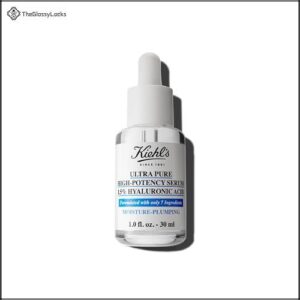
Consider Kiehl’s Ultra Pure 1.5% Hyaluronic Acid Serum if your skin drinks up hydration but resents fragrance. Its seven-ingredient formula centers on concentrated sodium hyaluronate, which binds water and delivers visible plumping within about a week of consistent use. Clinical testing reports +89% immediate hydration, and independent analysis confirms the formula is free of comedogenic triggers, so it won’t clog pores.
The texture matters, too. It’s a lightweight, fast-absorbing gel that layers cleanly under moisturizer, sunscreen, or even eye cream, and you can mix a few drops into liquid foundation to sheer out coverage while boosting hydration.
Apply 2–3 drops to damp skin morning and evening, then seal with moisturizer. If you use strong acids or retinoids, wait a minute or two between steps.
| Best For | People with dry, fragrance-sensitive skin who want a minimalist hyaluronic acid serum that layers well under makeup or other skincare. |
|---|---|
| Product Form | Eye cream |
| Key Active | Vitamin C, Niacinamide, Caffeine |
| Skin Type | All skin types |
| Primary Concern | Dark circles, puffiness |
| Usage Time | Morning and evening |
| Texture | Lightweight tinted cream |
| Additional Features |
|
- Seven-ingredient formula with 1.5% sodium hyaluronate delivers visible plumping within about a week
- Lightweight gel absorbs quickly and layers cleanly under moisturizer, sunscreen, or eye cream
- Can be mixed into liquid foundation to boost hydration and sheer out coverage
- Formulated specifically for dry skin, so it may not suit other skin types
- Requires layering with other serums or creams for a complete routine
- Only 2 ounces, so frequent twice-daily use means repurchasing relatively often
5. Origins GinZing Brightening Eye Cream
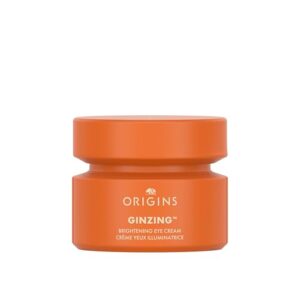
The Origins GinZing Brightening Eye Cream targets dark circles with vitamin C, niacinamide, and caffeine, a combination supported by clinical testing for ingredient efficacy. In a 12-week trial with 33 women, 86% showed visibly reduced dark circles, and caffeine’s vasoconstrictive effect helps diminish puffiness.
You’ll also get an immediate cosmetic boost from the lightweight tint, which reviewers praise for its brightening effect. Shade selection matters here: choose Cool or Warm based on your undertone, since the wrong tone can look ashy or orange under concealer.
Apply it mornings and nights; a small amount spreads further than you’d expect. The formula is ophthalmologist tested and safe for contact lens wearers, though sensitive skin should patch test first, as some users report mild burning.
| Best For | People with dark circles and under-eye puffiness who want a lightweight, tinted eye cream that brightens instantly and wears well under makeup. |
|---|---|
| Product Form | Facial cleanser |
| Key Active | 0.5% Salicylic Acid, Ceramides |
| Skin Type | Oily, acne-prone, congested |
| Primary Concern | Clogged pores, acne |
| Usage Time | As needed |
| Texture | Gel-to-foam |
| Additional Features |
|
- Clinically supported formula with vitamin C, niacinamide, and caffeine that reduced dark circles for 86% of trial participants
- Lightweight tint delivers an immediate brightening effect and absorbs quickly without a heavy film
- Ophthalmologist tested and safe for contact lens wearers, with Cool and Warm shades to match different undertones
- Customer feedback is mixed on long-term effectiveness and whether it justifies the $40 price
- Some users report burning sensations or skin irritation, so sensitive skin should patch test first
- Shade selection requires careful undertone matching, as the wrong tone can look ashy or orange under concealer
6. CeraVe Salicylic Acid Renewing Cleanser
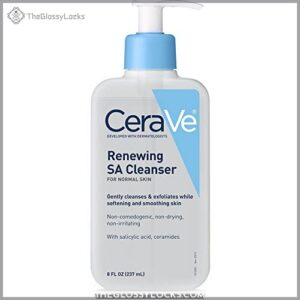
If you’re worried that salicylic acid will leave your skin tight and flaky, this cleanser combats that concern directly. CeraVe Salicylic Acid Renewing Cleanser pairs 0.5% salicylic acid, which loosens the bonds between dead skin cells inside your pores, with three essential ceramides, niacinamide, and hyaluronic acid to protect your barrier while it works.
The gel-to-foam formula contains no gritty beads, so you get consistent micro-exfoliation without physical irritation. It’s fragrance-free, non-comedogenic, and dermatologist-developed, priced at $11.99 for 10.4 ounces.
Apply it to damp skin, rinse, and follow with moisturizer. Expect possible purging during the first four to six weeks, and wear sunscreen daily since salicylic acid increases sun sensitivity.
| Best For | People with oily, acne-prone, or congested skin who want chemical exfoliation without stripping their moisture barrier. |
|---|---|
| Product Form | Redness corrector cream |
| Key Active | Ambophenol, Neurosensine |
| Skin Type | Sensitive, dry, combination |
| Primary Concern | Redness, skin reactivity |
| Usage Time | Morning and evening |
| Texture | Light cream |
| Additional Features |
|
- Combines salicylic acid with ceramides and hyaluronic acid, so it clears pores without drying out your skin
- Fragrance-free, non-comedogenic, and dermatologist-developed — a safe pick for sensitive or reactive skin types
- Affordable at $11.99 for 10.4 ounces and eligible for FSA/HSA payment
- May trigger a purging phase — temporary breakouts or irritation — during the first four to six weeks of use
- Not ideal for very dry or sensitive skin without easing in slowly and always following with moisturizer
- Stubborn blackheads and texture issues take consistent long-term use, and results will vary
7. La Roche Posay Redness Reducing Cream
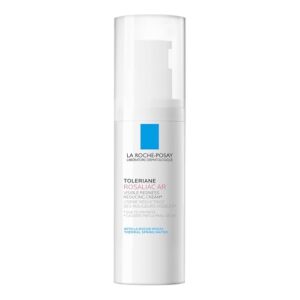
Skeptical about a green-tinted cream sitting comfortably under makeup? That concern is fair, but the slight green tint here does real optical work, instantly neutralizing visible red tones through light reflectors before you apply anything else on top.
The formula relies on ambophenol and neurosensine to address microvascular irregularities and calm skin reactivity, while its fragrance-free, preservative-free base keeps irritation risk low. Clinical data shows a 20% redness reduction over four weeks, with most users reporting visible improvement. Apply it morning and evening after cleansing.
It’s not intensely hydrating, so dry skin types need a separate moisturizer afterward. Heavy serums applied before it cause pilling.
| Best For | People with sensitive, dry, or combination skin prone to visible redness, flushing, or reactive skin who want a calm, irritant-free formula they can wear under moisturizer or makeup. |
|---|---|
| Product Form | Water gel moisturizer |
| Key Active | Sodium Hyaluronate |
| Skin Type | Oily, combination, acne-prone |
| Primary Concern | Hydration, shine control |
| Usage Time | Morning and night |
| Texture | Ultra-lightweight gel |
| Additional Features |
|
- The green tint neutralizes redness on contact, giving immediate visual correction before the rest of your routine goes on.
- Free from preservatives, parabens, fragrance, and drying alcohol, making it a safe pick for easily irritated skin.
- Airtight, valve-sealed packaging keeps the formula uncontaminated without needing preservatives.
- Not hydrating enough to stand alone — dry skin types will need a moisturizer on top.
- Heavy serums or treatments applied underneath cause the product to pill.
- The dispenser nozzle can be finicky, and the green pigment may accumulate in dry, cracked skin areas.
8. Neutrogena Hydro Boost Water Gel Moisturizer
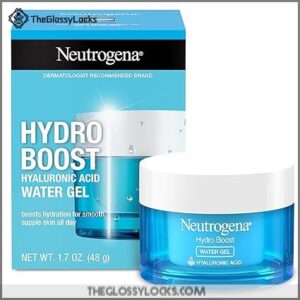
Lightweight hydration is often what oily and combination skin truly needs, not a rich cream that sits heavily on top. The Neutrogena Hydro Boost Water Gel delivers that through sodium hyaluronate’s crosslinked network, which locks moisture directly into your stratum corneum for up to 24 clinically proven hours. Its ultra-lightweight gel texture absorbs quickly, cools the skin, and leaves no greasy residue, making it a reliable base under your sunscreen or makeup.
Apply one to two pumps on clean skin each morning and night. You’ll notice initial tackiness, but it settles fully within minutes. Since this formula contains no SPF, pairing it with a broad-spectrum sunscreen remains truly essential for complete daily protection.
| Best For | People with oily, combination, or acne-prone skin who want a lightweight, non-greasy moisturizer that delivers long-lasting hydration without clogging pores. |
|---|---|
| Product Form | Exfoliating pads |
| Key Active | 10% Glycolic Acid, LTN Complex |
| Skin Type | All skin types |
| Primary Concern | Hyperpigmentation, uneven tone |
| Usage Time | Daily |
| Texture | Pre-soaked pads |
| Additional Features |
|
- Clinically proven 24-hour hydration from a fast-absorbing, water-gel formula that cools and refreshes the skin
- Non-greasy and noncomedogenic, making it ideal for oily and acne-prone skin types
- Strengthens the skin’s moisture barrier and helps reduce shine in oily T-zones
- Contains no SPF, so a separate sunscreen is required for complete daily sun protection
- The signature fragrance can be too strong for those with scent sensitivities
- The small jar size makes the cost per ounce higher than larger moisturizer formats
9. SkinMedica Brightening Treatment Pads For Face
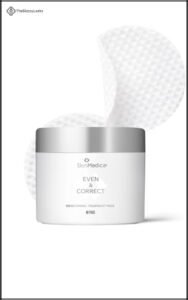
Persistent hyperpigmentation rarely yields to a single ingredient, and that’s where the multi-pathway brightening approach behind these pads stands out. The formula pairs 10% Glycolic Acid with a proprietary LTN Complex, combining lotus seed extract, tranexamic acid, and niacinamide to interrupt pigment production at several points simultaneously.
Each alcohol-free, hydroquinone-free pad delivers both chemical and manual exfoliation, improving your skin’s ability to absorb the serums and treatments that follow. Clinical data documents up to 40% improvement in hyperpigmentation after twelve weeks of daily use.
Worth noting: the formula does contain fragrance, which can irritate sensitive skin, and you may feel a mild tingle early on. Also, some users report little change in brown spots, so results do vary.
| Best For | Anyone dealing with persistent hyperpigmentation or uneven skin tone who wants a daily exfoliating treatment without hydroquinone, retinol, or alcohol. |
|---|
- Targets pigment production through multiple pathways using glycolic acid, tranexamic acid, niacinamide, and lotus seed extract together
- Alcohol-free and hydroquinone-free, making it a gentler option for those avoiding harsh or controversial ingredients
- Preps skin for better absorption of serums and treatments, adding value to your broader skincare routine
- Contains fragrance, which can irritate or trigger reactions in sensitive skin
- Results aren’t guaranteed — some users see little to no improvement in brown spots
- The initial tingling sensation may be off-putting, especially for first-time acid users
10. SkinMedica AHA BHA Exfoliating Face Wash
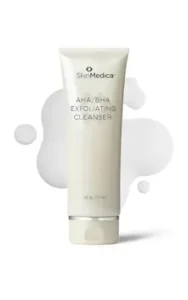
If the brightening pads address tone, this wash grips texture. SkinMedica’s AHA BHA Exfoliating Face Wash pairs 10% glycolic and 2% salicylic acids with fine exfoliating particles to clear congested pores and remove dry, flaky skin from your face, neck, and chest. Salicylic acid works inside pores to dissolve sebum and reduce microcomedones, while glycolic acid accelerates cell turnover within two to four weeks.
The formula also includes panthenol and bisabolol to condition as it cleanses. You won’t need much per use. If you have sensitive skin, start two to three times weekly, and always follow it with sunscreen and a separate moisturizer.
| Best For | People looking to improve uneven skin texture and congested pores who don’t mind following up with a separate moisturizer. |
|---|
- Combines chemical exfoliation (AHA and BHA acids) with fine physical particles for a thorough yet efficient cleanse
- Panthenol and bisabolol help condition skin during the cleansing process, reducing unnecessary harshness
- A little goes a long way, making the 6-ounce tube last longer than you’d expect
- Not ideal for sensitive skin without a gradual introduction, as some users report a burning sensation
- Provides no moisturizing benefit on its own, so a separate moisturizer is always required afterward
- Fragrance is inconsistent across users, with some noticing an off-putting petroleum-like smell
How to Maximize and Maintain Facial Treatment Results
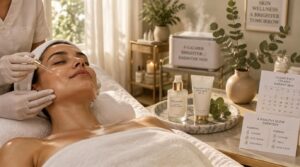
Those ten products are most effective when your routine is structured around your treatment schedule. Consistency of use is what turns a single facial into lasting improvement, not just the treatment itself.
Consistency of use is what turns a single facial into lasting improvement, not the treatment itself
During postprocedure recovery, resist stacking actives. Your skin barrier function suffers when you layer too many exfoliants in the same window, and that irritation will cut your results short faster than you’d think.
Keep these habits in place between sessions:
- Apply daily SPF every morning, even indoors, to protect against UV-driven discoloration
- Limit strong actives to alternating nights during your maintenance phase
- Support skin health maintenance with a ceramide moisturizer after any exfoliant
- Schedule professional facial treatments every four to six weeks to sustain visible, long-term skin improvement
Frequently Asked Questions (FAQs)
What is the most effective facial treatment?
There’s no single most effective facial treatment for everyone. Match the mechanism to the concern: acne needs comedolytic pathways, hyperpigmentation needs melanin-targeting approaches. Suited facials built around your specific skin type consistently outperform generic options.
How to take 10 years off your face?
Here’s the irony: you can’t buy a decade back in one visit.
Real skin rejuvenation stacks treatments, combining laser resurfacing, chemical peels, fillers, and collagen stimulation with daily SPF for measurable, lasting antiaging facial results. The best outcomes also depend on matching each procedure to your skin type, which is why understanding facial rejuvenation for your skin matters before starting any treatment plan.
What do Koreans use against wrinkles?
If you’re looking at Korean antiaging facial habits, you’ll find daily sunscreen, retinoids paired with vitamin C and niacinamide, gentle AHA/BHA exfoliation, and in-clinic wrinkle reduction through botulinum toxin, lasers, and chemical peels.
What is the best type of facial for aging skin over 50?
Wondering which facial actually works after 50? RF microneedling leads for laxity, with ablative lasers for deep wrinkles. Superficial peels suit mild dullness. Collagen stimulation continues for months, so plan maintenance.
How often should I schedule professional facials?
You might assume one schedule fits everyone, but your skin type and goals set the timing. Most people benefit from professional facial treatments every four to six weeks, matching your skin’s renewal cycle; treat active breakouts more frequently initially.
Are facial treatments safe during pregnancy?
Like a garden under new light, your skin changes in pregnancy, so choose gentleness. Most gentle facials are safe if you avoid retinoids, hydroquinone, and strong peels. Schedule noninvasive treatments in your second trimester, favor azelaic acid, and consult qualified professionals first.
Whats the difference between retinol and tretinoin?
You’ll find retinol is gentler because your skin converts it into active retinoic acid, slowing results. Tretinoin works directly, delivering faster cell turnover, but prescription-strength potency brings more initial dryness and irritation.
Can I combine multiple facial treatments together?
Yes, but you must space them out. Gentle pairings like LED therapy with hydration facials work well, yet combining chemical peels and microneedling invites irritation. Alternate sessions, personalize your routine, and follow professional facial treatments guidance.
How long do facial treatment results last?
You’ll see a classic facial glow for about a week, while microneedling results last six to twelve months. Your maintenance intervals, sun protection, and skin type all determine the longevity of effects.
Are facial treatments safe during pregnancy or breastfeeding?
Consider Maria, who booked a glycolic peel at eight weeks pregnant: her esthetician rescheduled, recommending gentler options instead. Most topical treatments are safe, but avoid retinoids and invasive procedures. Consult your clinician first.
Conclusion
Think of your skin as a ledger, every treatment and skipped night of sleep recorded in its surface.
The most effective facial care treatments aren’t the priciest ones; they’re the ones matched to your skin type, your concern, and your willingness to follow through with aftercare.
Choose deliberately, start conservatively, and maintain consistency between appointments.
Your skin keeps the score, and with the right plan, that ledger starts working in your favor.
- https://jddonline.com/a-randomized-double-blind-split-face-study-comparing-the-efficacy-and-tolerability-of-three-retinol-based-products-vs-three-tretinoin-based-products-in-subjects-with-moderate-to-severe-facial-photodam
- https://softservices.com/massindex/concerns/mature-skin/is-higher-retinol-more-effective-for-anti-aging
- https://optimadermatology.com/2025/12/04/8-skincare-trends-to-watch-in-2026