
This site is supported by our readers. We may earn a commission, at no cost to you, if you purchase through links. This content is for general informational and educational purposes only and is not a substitute for professional medical, dermatological, or nutritional advice.
You spent months planning your transplant, and you’ve waited longer for the grafts to take. Now the gray patches are staring back, and a bottle of dye is sitting in your cabinet.
Put it down. Applying beard dye after beard transplant surgery too early can burn the skin, shed fresh grafts, and undo the work you paid for. The safe window opens weeks after your procedure, and it depends on what your skin shows, not what the calendar says.
You can still get the color you want. Here’s when your beard is ready, what to avoid, and how to dye it without risking a single graft.
Table Of Contents
- Key Takeaways
- When is It Safe to Dye Your Beard After a Transplant?
- What Are The Risks of Dyeing a Transplanted Beard Too Soon?
- Are Ammonia-Free or Natural Beard Dyes Safer After a Transplant?
- How Can You Apply Beard Dye Safely After a Transplant?
- How Should You Care for Your Transplanted Beard After Dyeing?
- Frequently Asked Questions (FAQs)
- How long after transplant can I dye hair?
- How long does it take for a beard transplant to heal?
- Will transplanted hair turn gray?
- How long does dying your beard last?
- Can beard dye affect transplant success rates?
- Do gray hairs grow differently after transplants?
- Should you dye before or after trimming?
- How often can you safely dye transplanted beards?
- Does sun exposure affect dyed transplanted hair?
- How often can you dye a transplanted beard?
- Conclusion
Key Takeaways
- You shouldn’t dye your beard until your skin is fully healed, with no scabs, redness, or tenderness, and your surgeon has cleared you, which usually means waiting at least 4 to 6 weeks and ideally 8 to 12 weeks for permanent color.
- Dyeing too soon can burn fragile skin, trigger allergic reactions (often from PPD), shed new grafts, and slow healing, so you risk the results you paid for.
- Ammonia-free and natural dyes are gentler but not risk-free, so you’ll need to patch test behind your ear for 48 hours before every application, even with products you’ve used before.
- Once you’re cleared, apply dye with a soft brush on healed skin, limit it to every 6 to 8 weeks, and protect your skin afterward with a cool rinse, gentle products, moisturizer, and sun protection.
When is It Safe to Dye Your Beard After a Transplant?
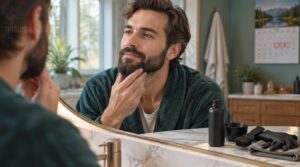
Your new beard is fragile, and dye is not worth the risk until your follicles are ready. You’ll want to hit two checkpoints first, so don’t skip either one. Here’s what you need to know before you reach for that bottle.
If your beard has a reddish tint you’d like to tone down, this guide on how to turn a red beard to black naturally covers gentler options to try while you wait.
Recovery Milestones Before Dyeing
Most patients can’t rush the healing timeline, so don’t try. Scabs should be gone by days 10 to 14, and redness, flaking, and pain should be absent. Dye becomes realistic at 4 to 6 weeks, once grafts are anchored.
If you want permanent color, it’s generally better to wait until 8 to 12 weeks and choose ammonia-free permanent formulas applied off the skin.
Follicle stabilization continues for months, so keep up your posttransplant care. Do a patch test, because dye sensitivity can appear suddenly.
Getting Your Surgeon’s Clearance
Healing markers matter, but your surgeon makes the final call. Book a surgeon consultation before any dye touches your beard, even a toner.
Bring this checklist:
- No redness or scabbing
- No tenderness
- Visible regrowth
- Your healing timeline confirmed
Approval protects follicle viability and your posttransplant care. Get it again before every patch test and session. Skipping it risks your results.
If you’re weighing other natural options for your scalp routine, this roundup of the best castor oils for hair growth can help you choose one gentle enough to patch test safely.
What Are The Risks of Dyeing a Transplanted Beard Too Soon?
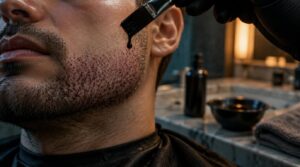
Dyeing too early can undo months of patience and put your transplanted beard at real risk. Your new follicles are still fragile, and the wrong move now costs you density later. Here are the four problems you need to watch for, so you stay in control of your results.
Skin Irritation And Burns
Picture a fresh sunburn, then rub bleach into it. That’s what beard dye can do to newly transplanted skin. Ammonia and peroxide trigger chemical burns and contact dermatitis, leaving redness, stinging, and swelling.
Dyeing a freshly transplanted beard is like rubbing bleach into a sunburn, because ammonia and peroxide can burn fragile new skin
Worse, the damage doesn’t stop at the surface. Harsh chemical exposure can cause follicle damage, setting back your healing timeline. Rinse with lukewarm water immediately.
Allergic Reactions
Burns aren’t the only threat. Your immune system can turn on beard dye too, and a hair dye allergy can hit hours or even days after application.
Paraphenylenediamine (PPD) is the usual culprit. It can trigger contact dermatitis with facial swelling, blisters, and weeping sores. Run a patch test 24 to 48 hours before every application. Stop at the first sign of redness or itching.
If you’ve reacted before, switching to a PPD-free beard dye may be gentler, though you should still patch test every time.
Premature Hair Shedding
Dyeing too soon can turn a normal shedding phase into a bigger setback. Chemicals inflame fragile skin and can stall hair regrowth.
If your scalp feels sensitive during a shed, it helps to know whether salicylic acid and hyaluronic acid can be used together before adding anything new to your routine.
Watch for these warning signs:
- Extra hairs falling out
- Redness around grafts
- Stinging or itching
- Slower regrowth than expected
- A delayed anagen growth phase
Dye isn’t one of your hair thinning solutions. Protect your transplant recovery and wait.
Delayed Skin Healing
Because your beard transplant leaves thousands of tiny open wounds, chemical exposure too early stalls the repair. PPD blocks skin cells from closing those gaps, so your transplanted follicles stay vulnerable longer. Rushing risks infection and wasted grafts.
Don’t gamble. Wait until your surgeon clears you, usually around 12 weeks, then run a patch test first. Patience protects your investment.
Are Ammonia-Free or Natural Beard Dyes Safer After a Transplant?
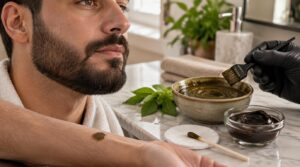
Most surgeons make you wait 4 to 6 weeks before any natural dye touches your face, and that clock matters more than the label on the box.
So, are gentler options safer? Yes, but only somewhat. Ammonia-free formulas use milder alkalizers, which means less pH shock to healing skin and a lower risk of follicle damage. Pure plant dyes like henna sit on the hair instead of penetrating it, so they stress new grafts less.
Here’s the catch. Natural doesn’t mean risk-free. Many "natural" products hide metallic salts or PPD, and even pure henna can trigger an allergic reaction. A reaction can threaten graft survival, so always patch test first.
Treat dye as cosmetic procedure aftercare: get surgeon clearance first.
How Can You Apply Beard Dye Safely After a Transplant?
Once your doctor clears you, how you apply the dye matters just as much as when. You can protect every graft you paid for with two simple habits. Here’s what you need to do, step by step.
Patch Testing Before Each Use
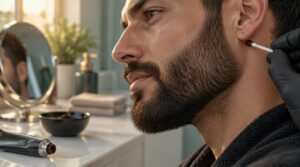
Think a tube you’ve used a hundred times is safe? Patch testing before every application protects your grafts, because dye sensitivity and chemical sensitivity can appear without warning.
Run your hair dye allergy test like this:
- Dab a little dye behind your ear.
- Leave it unwashed for 48 hours.
- Watch for redness, itching, or swelling.
Skip it, risk follicle damage.
Gentle Application on Healed Skin
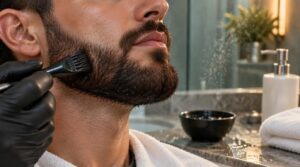
Your grafts are fragile, so treat the brush like a feather. Gentle Application on Healed Skin means a soft-bristled brush, strokes in the direction of growth, and tapping instead of dragging. Keep the angle shallow.
Watch for burning or redness, a sign of chemical sensitivity. Finish with a cool water rinse, pat dry, then apply fragrance-free moisturizer. That’s postoperative care.
How Should You Care for Your Transplanted Beard After Dyeing?
Dyeing day isn’t the finish line.
What you do next decides how your color, and your grafts, hold up. Strong hair transplant aftercare keeps the skin calm and your color lasting longer.
Follow these five steps:
- Finish with a cool water rinse right after dyeing to flush out residue.
- Wash gently with a mild, sulfate-free shampoo.
- Moisturize daily with argan or jojoba oil to support pigment retention.
- Shield your face from sun with a hat or doctor-approved sunscreen.
- Skip saunas, hot tubs, and hard workouts for a few days.
Check your skin daily. Redness, itching, swelling, or sudden shedding can signal chemical sensitivity. Don’t wait it out. Stop using beard dye and call your surgeon right away. Protect your work.
Frequently Asked Questions (FAQs)
How long after transplant can I dye hair?
Waiting feels like an eternity, but your beard can’t afford a shortcut. Skip beard dye for 12 weeks, minimum.
Your dye sensitivity peaks while graft survival is on the line. Follow your postoperative care plan.
How long does it take for a beard transplant to heal?
Your beard transplant heals on the surface within 7 to 10 days, once scabs fall off and redness fades. Grafts anchor firmly by day Full transplant recovery takes 10 to 12 months, so protect your investment.
Will transplanted hair turn gray?
Yes, they will. Your transplanted follicles keep the genetic code of the donor area, so hair pigmentation fades on that timeline. After a beard transplant, you’ll see gray when your donor hair would have.
How long does dying your beard last?
Forever? Hardly. Your color fades in 2–6 weeks, and roots show by week three.
For better color retention with hair dye after transplant, choose gentle ammoniafree dyes, protect graft survival, and try daily postdye moisturizing.
Can beard dye affect transplant success rates?
Most surgeons wait 4 to 6 weeks, since no trials link beard dye to your transplant success rate. Still, early chemical exposure can briefly inflame healing skin, cause follicle trauma, and disrupt your transplant recovery.
Do gray hairs grow differently after transplants?
Gray hairs grow differently after transplants only in one way: donor pigment rules. Your transplanted follicles keep their original hair pigmentation, so they gray on the donor schedule, not your beard’s. Expect some mismatch, then use beard dye.
Should you dye before or after trimming?
Trimming first looks neater? Skip it. Beard dye goes on before trimming, since longer hairs boost color retention and cover evenly.
Trim afterward, within posttransplant styling restrictions, for chemical irritation prevention when dyeing transplanted hair.
How often can you safely dye transplanted beards?
Think of your new beard as a young orchard, not a lawn. After 12 weeks, apply beard dye every 6–8 weeks.
Spacing limits chemical exposure, protecting transplanted follicles during transplant recovery while color stays rich.
Does sun exposure affect dyed transplanted hair?
Yes, and it’s costly. UV damage accelerates hair dye fading and photobleaches your beard dye, while stressing transplanted follicles during early growth. Wear a hat, limit direct sun, and use beard oil with UV filters.
How often can you dye a transplanted beard?
Once your transplant has fully healed, around six months, limit full dyeing to once every eight weeks. Beard dye puts stress on transplanted follicle viability, so root touch-ups between sessions are your safer move.
Conclusion
Your new beard is a young garden, and harsh dye is frost. Let the roots settle in first.
Wait for fully healed skin, get your surgeon’s clearance, and patch test every single time. Choose gentle formulas, apply with care, and keep your skin calm afterward. Handled this way, beard dye after beard transplant surgery covers the gray without costing you a single graft.
You earned this beard. Protect it, then color it with total confidence.