This site is supported by our readers. We may earn a commission, at no cost to you, if you purchase through links. This content is for general informational and educational purposes only and is not a substitute for professional medical, dermatological, or nutritional advice.

Your skin sheds roughly 30,000 dead cells every minute, replacing its entire outer layer approximately every 28 days. Yet most people undermine this natural renewal process by either doing too much or skipping essential steps altogether. The difference between skin that glows and skin that struggles often comes down to mastering a handful of non-negotiable basics: proper cleansing that doesn’t strip your barrier, targeted serums that actually penetrate, consistent hydration, and daily sun protection.
These foundational steps work with your skin’s biology rather than against it. When you understand the why behind each step—not just the what, you’ll stop wasting money on products that contradict each other and start building a routine that delivers visible results.
Table Of Contents
Key Takeaways
- Your skin’s natural 28-day renewal cycle works best with four essential steps—proper cleansing, targeted serums, consistent hydration, and daily SPF 30+—rather than elaborate routines that often contradict each other.
- Double cleansing at night removes 99% of surface debris without stripping your barrier, while morning routines focus on protection and evening routines shift toward repair with actives like retinoids that reduce wrinkle depth by 6–12% over 12 weeks.
- Skipping moisturizer because you have oily skin backfires—lightweight, non-comedogenic formulas prevent your skin from overproducing sebum, and twice-daily moisturizing beats once-a-day routines by 20–30% for hydration retention.
- Sunscreen isn’t negotiable even indoors—broad-spectrum SPF 30+ blocks 97% of UVB rays and cuts new sun spots by 15–20% in high-risk groups when applied daily and reapplied every two hours outdoors.
Essential Steps in a Basic Skin Care Routine
You don’t need an elaborate ten-step routine to see real results—most people get by with four essential moves that protect and nourish their skin.
These core steps create a foundation that works whether you’re dealing with acne, dryness, or just want to maintain what you’ve got.
Here’s what actually matters in your daily lineup.
Cleansing—Oil-Based and Water-Based Methods

Your cleanser sets the stage for everything that follows. Oil cleansing dissolves makeup and sunscreen while maintaining your skin’s natural pH balance—far gentler than traditional soap. Follow with a water-based cleanser to sweep away remaining impurities.
This double cleansing method, especially beneficial in your nighttime routine, removes 99% of surface debris without stripping your skin’s protective moisture barrier. Your morning routine usually needs just one water-based wash.
Applying Antioxidant Serums or Creams

After cleansing, antioxidant serums become your frontline defense against free radicals and oxidative stress. Apply them on damp skin—studies show this timing boosts absorption by 20–30%—then let them work their magic:
- Vitamin C serums reduce UV-induced damage by 36–40% when used consistently
- Morning application shields you before sunscreen, doubling your protection
- Niacinamide formulations calm inflammation and fade hyperpigmentation within weeks
Layer thin to thick for maximum benefit.
Moisturizing for Hydration
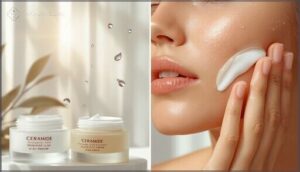
Once those antioxidants sink in, lock them down with a moisturizer—your skin barrier‘s best friend. Ceramide-rich formulas slash transepidermal water loss by 25–40% over four weeks, while hyaluronic acid pulls moisture into your skin within hours.
Twice-daily moisturizing beats once-a-day routines by 20–30% for hydration levels and moisture retention. Don’t skip this step—it’s non-negotiable.
Moisturize twice daily—it boosts hydration and retention by up to 30% over once-a-day routines, so never skip it
Daily Sun Protection With SPF 30+

After hydration comes your non-negotiable shield: broad-spectrum sunscreen with SPF 30+. This step blocks 97% of UVB rays and slashes your skin cancer risk while defending against premature aging. Apply it every morning—even indoors—and reapply every two hours outdoors.
- Broad-spectrum formulas guard against UVA and UVB damage
- SPF 30+ reduces cumulative UV exposure by roughly 30% over six months
- Daily application cuts new sun spots by 15–20% in high-risk groups
- Mineral-based options stay stable for hours under real sun conditions
- Reapplication maintains over 90% protection during extended outdoor time
Morning Vs. Nighttime Skin Care Steps

Your skin has different needs depending on the time of day, and tailoring your routine to morning and evening makes a real difference in results.
Morning routines focus on protection—shielding your skin from UV damage and environmental stressors you’ll face throughout the day.
Evening routines shift toward repair, giving your skin the chance to recover and regenerate while you sleep.
Key Differences Between AM and PM Routines
Your morning skin care routine shields you from environmental damage, while your nighttime skin care routine focuses on repair. In the AM, 88% of users prioritize UV prevention with broad-spectrum SPF and morning serums rich in antioxidants. At night, your basic skin care shifts to renewal—37% incorporate retinoids or acids, and night moisturizers lock in active ingredients.
| Routine Phase | Primary Goal | Key Product Type |
|---|---|---|
| Morning | Protection & defense | SPF 30+ sunscreen |
| Evening | Repair & regeneration | Retinoids or AHAs |
| Both | Clean foundation | Cleansing techniques |
Double Cleansing and Overnight Treatments
If you’re serious about clearing away the day’s buildup, double cleansing—oil-based followed by water-based—can slash sebum and impurities by up to 60%. Pair that with overnight treatments like retinoids or peptide serums, and you’ll see 6–12% wrinkle depth reduction over 12 weeks. Night moisturizers with ceramides boost barrier repair by 15–30%, making your nighttime skin care routine far more powerful than your morning skin care routine alone.
| Treatment Type | Active Ingredient | Typical Result (12 weeks) |
|---|---|---|
| Retinoid Therapy | Tretinoin or adapalene | 60–70% report smoother texture |
| Peptide Serum | 2–5% peptide complex | 6–12% wrinkle depth reduction |
| Overnight Masks | Hyaluronic acid or niacinamide | 20–50% hydration increase |
| Night Moisturizers | Ceramides | 15–30% barrier improvement |
| Skin Exfoliation | AHAs or BHAs | 30% pore debris reduction |
Choosing The Right Products for Your Skin
Your skin deserves more than guesswork—it needs products that match its unique chemistry and challenges. What works for your friend’s dry patches might leave your oily T-zone looking like a slip-and-slide, which is why understanding your specific needs comes first.
Let’s break down how to spot quality formulations, decode ingredient lists, and sidestep the traps that keep you cycling through half-empty bottles.
Understanding Skin Types and Concerns
You can’t choose the right products until you understand your skin type and its unique concerns. About 40% of adults deal with dry skin, while 20–25% struggle with sensitive skin that reacts to almost everything. Skin classification isn’t just about categories—it’s about identifying what your skin truly needs:
- Dry skin shows reduced barrier function and loses moisture 15–25% faster than normal skin
- Hyperpigmentation affects 30–50% of adults without proper sun protection over five years
- Rosacea treatment requires specialized care, as it impacts 1–5% of the population with persistent redness
Understanding skin types helps you target solutions that actually work for your specific skin concerns and solutions.
Evaluating Ingredients and Product Labels
You deserve to know what you’re putting on your face. In the U.S., the FDA requires ingredient lists in descending order by weight, so you can spot what’s really inside. Look for third-party certifications like EWG Verified or COSMOS—these correlate with better labeling transparency.
About 60–75% of products now disclose fragrance allergens, helping you avoid hidden irritants and make safer skincare choices backed by actual ingredient safety standards.
Common Mistakes to Avoid
Even well-intentioned skincare routines stumble over avoidable mistakes. About 35% of people skip patch-testing new products, doubling their irritation risk. Product misuse—like layering acids after retinoids or applying under-dosed sunscreen—undercuts your routine’s effectiveness.
Watch for ingredient interactions and sunscreen errors that compromise protection. Routine inconsistencies matter too: skipping SPF reapplication or using expired actives can trigger breakouts and barrier disruption.
Top 5 Products for Basic Skin Care Steps
You’ve learned the fundamentals of building a smart skin care routine. Now it’s time to talk about what actually works.
Here are five dermatologist-recommended products that cover your essential steps—cleansing, moisturizing, and sun protection—without the guesswork.
1. Daily Face Moisturizer Cream
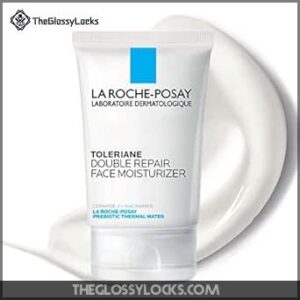
Your skin’s moisture barrier is your frontline defense—and a quality daily face moisturizer cream keeps it intact. La Roche-Posay’s formula combines Ceramide-3, Niacinamide, and Glycerin to deliver long-lasting skin hydration while supporting your skin’s microbiome.
Clinical trials show ceramide-containing moisturizers reduce water loss by 15–25% after four weeks, translating to visibly healthier, more resilient skin.
This lightweight, oil-free option fits seamlessly into any skin care routine—morning or night—absorbing fast without clogging pores. It’s moisturizing without the heaviness, making moisture balance simple for all skin types, even sensitive or acne-prone complexions.
| Best For | Anyone with sensitive, combination, or acne-prone skin looking for a lightweight daily moisturizer that hydrates without feeling heavy or greasy. |
|---|---|
| Skin Type | All skin types |
| Formulation | Oil-free |
| Fragrance | Fragrance-free |
| Comedogenic | Non-comedogenic |
| Brand | La Roche-Posay |
| Size | 3.2 ounces |
| Additional Features |
|
- Clinically proven ingredients like Ceramide-3 and Niacinamide strengthen your skin’s barrier and reduce water loss by up to 25% in four weeks
- Fast-absorbing, oil-free formula works great under makeup and won’t clog pores or trigger breakouts
- Fragrance-free and non-comedogenic, so it’s gentle enough for reactive or sensitive skin with minimal irritation risk
- The price point may feel steep compared to drugstore alternatives, especially for a 3.2-ounce bottle
- Very dry skin types might need something richer—this lightweight texture may not provide enough moisture on its own
- Can feel slightly sticky right after application and may pill if you use too much product at once
2. Neutrogena Hydro Boost Face Moisturizer
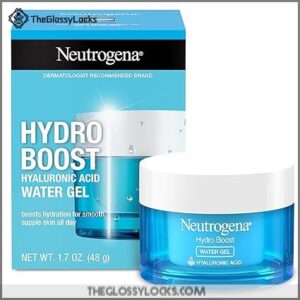
For oily or combination skin types, Neutrogena Hydro Boost shifts the hydration conversation. Its gel-cream texture delivers hyaluronic acid—holding up to 1,000 times its weight in water—without feeling greasy or heavy.
Clinical data shows a 15–20% increase in moisture retention after four weeks, which strengthens your skin barrier while keeping shine in check.
This moisturizer slots perfectly into morning and nighttime routines, absorbing quickly so you won’t compromise product efficacy or delay your sunscreen. It’s facial hydration that actually feels weightless.
| Best For | People with oily or combination skin who want lightweight, all-day hydration without the greasy feel or clogged pores. |
|---|---|
| Skin Type | Normal to oily |
| Formulation | Non-greasy |
| Fragrance | Signature fragrance |
| Comedogenic | Non-comedogenic |
| Brand | Neutrogena |
| Size | 1.7 oz |
| Additional Features |
|
- Gel-cream formula absorbs fast and doesn’t leave residue, so you can layer sunscreen or makeup right after
- Hyaluronic acid delivers real moisture retention—clinical studies show 15–20% improvement after consistent use
- Non-comedogenic and dermatologist-tested with minimal irritation reports (under 1% sensitivity rate)
- The signature fragrance can be too strong for some people and may trigger reactions if you’re scent-sensitive
- At 1.7 oz, the bottle runs out quickly for the price compared to drugstore alternatives
- Not moisturizing enough for very dry skin—you’ll likely need something richer in winter months
3. Lightweight Daily Face Moisturizer Cream
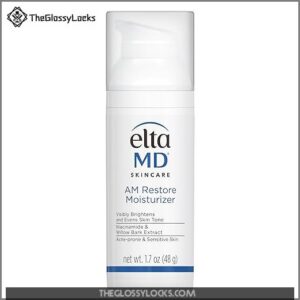
When you need something adaptable enough for both morning and nighttime routines without compromising absorption, lightweight formulas become your safest bet. Products featuring vitamin B3 (niacinamide) at 2–5% improve epidermal elasticity by 8–11% over eight weeks—translating to genuine skin protection and hydration.
Their non-greasy feel aids comfortable daily moisture delivery, particularly for acne-prone or sensitive complexions. Just remember that if you have extremely dry skin, you might pair this with a richer occlusive layer before bed to lock everything in.
| Best For | People with oily, acne-prone, or sensitive skin who want daily hydration without the greasy feel—though those with very dry skin may need to layer it with something heavier at night. |
|---|---|
| Skin Type | Dry and sensitive |
| Formulation | Oil-free |
| Fragrance | Fragrance-free |
| Comedogenic | Non-comedogenic |
| Brand | EltaMD |
| Size | 1.7 Fluid Ounces |
| Additional Features |
|
- Oil-free and non-comedogenic, so it won’t clog pores or trigger breakouts in most users.
- Vitamin B3 (niacinamide) helps improve skin elasticity and barrier function over time.
- Fragrance-free formula reduces irritation risk, making it gentle enough for sensitive skin types.
- At $48 for 1.7 ounces, it’s on the expensive side and may not last long with daily use.
- If you have extremely dry skin, this lightweight formula alone might not provide enough moisture—you’ll likely need an additional occlusive layer.
- Packaging issues during shipping have been reported, which can be frustrating given the price point.
4. Coppertone Zinc Oxide Sunscreen Lotion
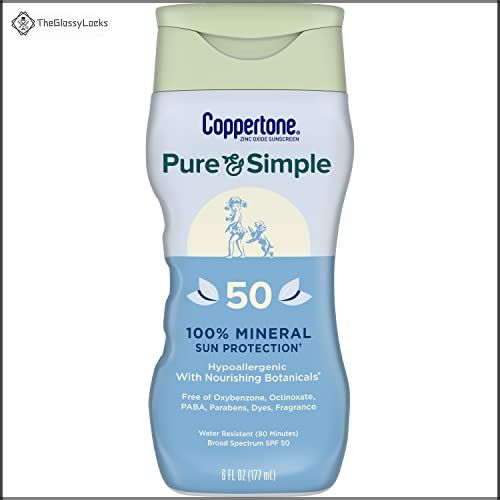
After locking in hydration with your moisturizer, mineral sunscreen becomes your last line of defense—and Coppertone’s zinc oxide formula delivers powerful UV defense strategies without chemical filters.
At 24% concentration, it offers broad-spectrum skin protection and maintains water resistance for 80 minutes, meeting FDA standards for safe, effective sun protection.
The trade-off? You might see a slight white cast, especially on deeper tones. Still, micronized particles reduce visible tint while preserving zinc oxide benefits, making it a reliable choice for your daily skin care routine.
| Best For | People with sensitive skin who want reliable mineral-based sun protection, especially for outdoor activities like swimming or exercising. |
|---|---|
| Skin Type | Sensitive skin |
| Formulation | Zinc oxide based |
| Fragrance | Fragrance-free |
| Comedogenic | Hypoallergenic |
| Brand | Thinkbaby |
| Size | 6 fluid ounces |
| Additional Features |
|
- High 24% zinc oxide concentration provides strong broad-spectrum UVA/UVB protection without chemical filters
- Water-resistant for 80 minutes, making it practical for active use and long outdoor sessions
- Hypoallergenic formula skips common irritants like fragrance, parabens, and oxybenzone, reducing reactions for sensitive skin
- Can leave a noticeable white cast on darker skin tones despite micronized particles
- Thick texture makes it harder to blend in compared to lighter chemical sunscreens
- Some users report stickiness and difficulty washing it off completely
5. Milky Hydrating Face Cleanser
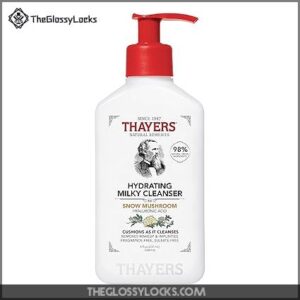
Your morning skin care routine starts here—THAYERS Milky Hydrating Face Cleanser combines snow mushroom and hyaluronic acid in a pH-balanced formula that won’t strip your skin. Studies show milky cleansers reduce dryness by 18% compared to foaming alternatives, and this gentle cleanser maintains barrier integrity while lifting impurities.
You’ll notice less tightness after washing, especially if you’ve got dry or sensitive skin. Apply it to damp skin morning and night, then follow with your moisturizer—it’s fragrance-free, non-comedogenic, and sets the stage for everything that comes next.
| Best For | People with dry or sensitive skin who want a gentle, hydrating cleanser that removes makeup and impurities without leaving their face feeling tight or stripped. |
|---|---|
| Skin Type | Dry and sensitive |
| Formulation | Milky liquid |
| Fragrance | Fragrance-free |
| Comedogenic | Non-comedogenic |
| Brand | THAYERS |
| Size | 9.9 ounces |
| Additional Features |
|
- Milky formula with snow mushroom and hyaluronic acid delivers noticeable hydration—studies show an 18% reduction in dryness compared to foaming cleansers
- PH-balanced and fragrance-free, so it won’t irritate sensitive skin or disrupt your skin barrier
- Works for daily use morning and night, and it’s gentle enough to prep your skin before makeup or moisturizer
- May struggle with heavy or waterproof makeup—you might need a separate makeup remover first
- Thicker texture isn’t everyone’s preference, especially if you’re used to lightweight gel cleansers
- Results vary by person, so not everyone will see the same hydration boost or skin improvements
Frequently Asked Questions (FAQs)
How often should I exfoliate my skin?
Like tending a garden, exfoliating demands balance—not too often, not too little. For most skin types, dermatologists recommend 1–3 times weekly.
Gentle chemical exfoliants suit combination skin, while sensitive types benefit from once-weekly routines.
Can I skip moisturizer if I have oily skin?
Even with oily skin, you shouldn’t skip moisturizer. Lightweight, non-comedogenic formulas help maintain your skin barrier function and prevent overproduction of sebum, which can worsen shine and breakouts when skin feels stripped.
What order should I apply my skincare products?
A patient once asked if she should put sunscreen before or after moisturizer.
The correct skincare routine sequence—from thinnest to thickest—ensures maximum absorption: cleanser, toner, serum, moisturizer, then sunscreen last.
Do I need separate eye cream or just moisturizer?
You don’t need a separate eye cream if your regular moisturizer works well for you. However, if you’re over 40 or concerned about fine lines, targeted eye products with peptides or retinoids can offer modest benefits.
How long should I wait between applying each product?
You don’t need to wait forever between products—most steps take just 30 to 60 seconds.
Actives like vitamin C or retinoids benefit from a brief one- to two-minute pause for ideal skin absorption.
Conclusion
Here’s what separates skin that merely functions from skin that thrives: consistency. The basic skin care steps outlined here aren’t groundbreaking—they’re fundamental. Your barrier won’t repair itself if you cleanse aggressively one day and skip moisturizer the next.
Sun damage accumulates silently. But stick with these morning and night protocols for eight weeks, and you’ll witness cellular turnover working exactly as designed.
No shortcuts. No exceptions. Just biology doing what it does best.