This site is supported by our readers. We may earn a commission, at no cost to you, if you purchase through links. This content is for general informational and educational purposes only and is not a substitute for professional medical, dermatological, or nutritional advice.

Your bathroom counter tells a story. That jumble of half-used serums, mystery creams, and impulse purchases from last year? It reflects what most people experience: skincare confusion. The beauty industry floods us with contradictory advice, miracle ingredients, and 12-step routines that feel more exhausting than effective.
But here’s what I’ve learned from treating thousands of patients—great skin doesn’t require complexity. It requires the right information applied consistently. A complete skin care guide cuts through the noise by focusing on what actually works: proven ingredients, proper technique, and products matched to your specific needs.
Whether you’re dealing with stubborn acne, premature aging, or simply want healthier skin, the foundation starts with understanding what your skin truly needs and how to deliver it.
Table Of Contents
Key Takeaways
- Great skin comes from consistency with proven ingredients, not complexity—cleanse twice daily with pH-balanced formulas, layer serums thinnest to thickest, and finish every morning with broad-spectrum SPF 30+ to prevent 80–90% of visible aging.
- Your skin type determines product choices: oily skin needs lightweight gel moisturizers and salicylic acid, dry skin requires ceramide-rich creams, combination skin demands zone-specific treatment, and sensitive skin thrives with fragrance-free, mineral-based formulas.
- Advanced ingredients like retinoids boost collagen by 90% in six months, vitamin C serums brighten skin 20–40% in twelve weeks, and niacinamide cuts redness 15–25% in six weeks—but introduce one active at a time to avoid barrier damage.
- Most people waste money on wrong products because they skip the basics: identify your specific skin concerns, apply products in correct order (water-based before oil-based), and see a dermatologist when over-the-counter treatments fail after 8–12 weeks or new moles appear.
How to Build Your Daily Skincare Routine
Building a solid skincare routine doesn’t have to be complicated. Your skin responds best to consistency, not complexity, and the right order matters more than you might think.
Here’s how to structure your morning and evening routines for healthier, more protected skin.
Morning Skincare Routine Steps
Your morning skincare routine builds on five core steps that work together to protect and prep your skin.
Start with cleansing tips that preserve your barrier, then apply toner benefits to balance pH. Layer hydration boosters through serums, follow with eye cream, and seal everything with moisturizer.
Always finish with sunscreen—your non-negotiable final shield against daily damage.
Cleanser – First Step to Clean Skin
Cleanser types matter more than you think. Foam cleansers work well for oily skin, while cream-based formulas protect dry complexions. Aim for a gentle cleansing product with a skin pH near 5.5—it’ll keep your barrier intact.
Cleansing frequency? Twice daily is enough; overdoing it raises water loss by 12–18%. Massage your face for 30 seconds with lukewarm water, and you’re set for the rest of your skincare routine.
Toning to Balance Skin PH

After cleansing, your skin’s pH balance can drift above 5.5 for up to two hours. That’s where toners step in. A pH-balanced skin toner—ideally between 4.5 and 5.5—restores your acid mantle within 10 to 20 minutes, supporting barrier function and reducing water loss by 6–12%.
Look for fragrance-free formulas with humectants, then follow with your moisturizer to lock it all in.
Serum Application for Targeted Treatment

Once your skin is balanced, serums deliver 60–70% more active ingredients than moisturizers. That concentration has an impact. Apply water-based formulas first, then oil-based—this order boosts skin penetration by 15–25%.
Three serums worth your time:
- Vitamin C (10–20%) for collagen and brightness over 12 weeks
- Hyaluronic acid for 30–50% deeper hydration within a month
- Retinoids (0.025–0.1%) to smooth fine lines by 20–50% over six months
Eye Cream for Delicate Areas

Around your eyes, the skin is three times thinner—just 0.5 mm—making it prone to dryness and wrinkles. That’s why delicate skin needs its own hydrating eye cream.
Look for caffeine to reduce puffiness or hyaluronic acid for moisture. Pat a pea-sized amount gently along the orbital bone, never rubbing.
This gentle eye care tip protects one of your most sensitive areas.
Moisturizer to Lock in Hydration

After serums sink in, your moisturizer seals everything beneath. Humectants like glycerin pull water into skin, boosting hydration by up to 40% after four weeks. Ceramides rebuild your skin barrier, cutting water loss by 30% in clinical trials.
Choose a lightweight gel for oily skin or a richer cream for dry types. Apply twice daily—morning and night—for best results.
For oily or sensitive skin, mineral-based sunscreen gels vs. creams break down the key differences to help you find a formula that hydrates without clogging pores.
Sunscreen – Essential Final Step

Every morning, your last skincare layer should be sunscreen—no exceptions. Daily use of SPF 30+ cuts melanoma risk by 24% over your lifetime, and dermatologists see this protection work firsthand. Here’s why the importance of sunscreen can’t be overstated:
Daily SPF 30+ isn’t optional—it cuts melanoma risk by 24% and remains your non-negotiable final defense against lifetime damage
- UV protection blocks 90% of non-melanoma skin cancers when you apply it consistently.
- SPF values drop by half if you skimp—use a full ounce for your face and neck.
- Apply after moisturizer to preserve 90% of labeled protection and prevent dilution.
- Reapply every two hours outdoors to maintain coverage and avoid sunburn.
Broad-spectrum formulas guard against UVA aging and UVB burns. Make daily application your non-negotiable final step, and your skin will thank you for decades.
Evening Skincare Routine Differences

Your nighttime facial routine repairs damage while you sleep. Gentle cleansing removes makeup and pollution, and then you can layer nighttime products like retinoids or AHAs—actives your skin absorbs best overnight. Evening exfoliation one to three times weekly reduces roughness by 14–28% after eight weeks.
Overnight masks boost hydration by 20–35%, sealing in your skincare for morning and night.
| Morning Focus | Nighttime Skincare Steps |
|---|---|
| Protection | Repair |
| Lightweight | Richer textures |
| Sunscreen last | Skip SPF |
| Antioxidants | Retinoids, peptides |
Product Application Order Guidelines

Applying products in the right order boosts absorption and effectiveness. Layering your skincare routine from thinnest to thickest ensures each ingredient reaches your skin properly. Follow this sequence for best results:
- Cleanser – removes oil and debris
- Toner – balances pH
- Serum placement – targets concerns
- Eye cream – delicate-area care
- Moisturizer then sunscreen – seals and protects
Proper product application improves skin texture by maximizing ingredient penetration.
Identifying Your Skin Type and Concerns

Your skin is as unique as you are, and understanding its type is the foundation of any effective routine. Knowing whether your skin is oily, dry, combination, sensitive, or normal helps you choose products that actually work instead of wasting money on the wrong ones.
Let’s walk through the main skin types, common concerns, and when it’s time to get professional help.
Oily Skin Characteristics and Needs
Your face shines within hours of washing—that’s oily skin at work. Overactive sebaceous glands produce two to three times more sebum than normal skin types, enlarging pores and triggering breakouts.
You’ll need lightweight, gel-based cleansers and oil-free moisturizers to maintain oil balance without stripping hydration. Salicylic acid helps with pore minimization, while niacinamide reduces sebum production by up to 35% with consistent use.
Dry Skin Signs and Solutions
Tight skin that flakes after washing signals dryness—transepidermal water loss increases by 20–40% when your skin barrier weakens. Winter humidity below 40% worsens this cycle, leaving you itchy and rough-textured.
Fix it with ceramide-rich moisturizers and lipid-replenishing cleansers that restore barrier function. Hydrating ingredients like glycerin and urea work within one to two weeks, relieving tightness while your skincare routine rebuilds resilience.
Combination Skin Care Approach
Combination skin demands a smarter strategy—your T-zone produces sebum two to three times faster than your cheeks, so you can’t treat your whole face the same way. Zone treatment with lightweight, non-comedogenic moisturizers keeps oily areas clear while humectant-rich formulas rescue dry patches.
Here’s your custom routine:
- Cleanse with balanced pH (5.5) gel formulas that won’t strip protective lipids or trigger rebound oil production in your T-zone
- Apply niacinamide 2–5% serums to regulate barrier function and reduce transepidermal water loss across all zones within eight weeks
- Spot-treat with salicylic acid 2% on congested areas two to three times weekly, avoiding over-drying mistakes that worsen combination patterns
Your dermatologist can map moisture control needs if seasonal humidity shifts—ranging 15–30%—leave you guessing which skincare routine tips actually work.
Sensitive Skin Product Requirements
If your skin flushes, stings, or itches easily, you likely need hypoallergenic formulas. Fragrance-free, dye-free products cut irritation by 20–30% compared to scented versions—sensitive skin affects up to half of adults, so you’re not alone. Your dermatologist will recommend gentle cleansers near pH 5.5, mineral sunscreens with zinc oxide, and ceramide-rich moisturizers that rebuild your barrier within four weeks.
| Product Type | What to Choose |
|---|---|
| Cleanser | Fragrance-free, non-foaming, pH 5.5 |
| Moisturizer | Ceramide or occlusive formulas |
| Sunscreen | Mineral (zinc oxide or titanium dioxide) |
| Serum | Niacinamide or peptides, no essential oils |
| Avoid | Fragrances, dyes, harsh surfactants |
Normal Skin Maintenance Tips
Even balanced, comfortable skin deserves protection. Your dermatologist recommends a gentle cleanser twice daily, a hydrating moisturizer with ceramides, and broad-spectrum SPF 30+ sunscreen every morning—this trio keeps your skin pH balance near 5.5 and reduces photoaging risk by 24–40% over ten years.
Drink 1.5–2 liters of water daily and sleep seven to nine hours; those habits alone improve barrier function within weeks.
Common Skin Concerns to Address
You’re not alone—over 60% of adults face at least one facial skin concern, from acne to dark spots. Hyperpigmentation shows up in 30–50% of people after breakouts, and sun damage drives 80–90% of visible aging.
- Acne treatment with topical retinoids cuts lesion counts by 40–60% in three to six months
- Facial redness from rosacea or eczema improves with gentle, fragrance-free care
- Skin inflammation and dark spots fade faster with targeted serums and daily SPF 30+
When to See a Dermatologist
When should you schedule a dermatologist referral? New or changing moles, rashes lasting beyond two weeks, or severe acne demand professional dermatological care. About one in five adults notices a new mole annually—early skin cancer detection saves lives.
| Condition | When to Seek Care | Expected Outcome |
|---|---|---|
| Moderate-to-severe acne | Over-the-counter products fail after 8–12 weeks | 40–70% lesion reduction with prescription acne management |
| Pediatric dermatology needs | Persistent eczema, birthmarks near eyes/airways | Specialist guidance prevents complications in children |
| Suspicious moles or lesions | Any change in size, color, or shape | Dermoscopy improves skin cancer diagnosis accuracy by 20–30% |
| Chronic skin infections | Fungal, bacterial, or viral issues unresponsive to initial treatment | Culture-guided therapy improves cure rates markedly |
Dermatological health affects quality of life—don’t delay when skin conditions persist or worsen.
How Skin Changes With Age and Environment
Time and your surroundings shape your skin more than genetics alone. Collagen loss accelerates after forty, while UV exposure drives up to 80% of visible aging skin changes. Pollution, indoor dryness, and temperature swings weaken your skin barrier, affecting skin health across every skin type.
- Photoaging effects: UV rays break down collagen, deepening wrinkles and spots over decades
- Environmental impact: Urban pollution increases wrinkle depth by 15–20% in five to ten years
- Hydrating needs shift: Aging skin holds less moisture, requiring richer antiaging moisturizers and gentler exfoliation
- Barrier protection: Cold, heat, and low humidity raise dryness and sensitivity, demanding year-round defense
Top 5 Essential Skincare Products Reviewed
You don’t need a cabinet full of products to see real results. The essentials come down to solid hydration and reliable sun protection—two things your skin can’t do without.
Here are five dermatologist-backed products that deliver on those basics without the guesswork.
1. Daily Face Moisturizer Cream
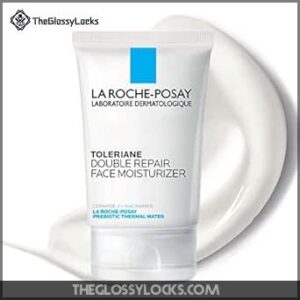
Your skin loses water all day—up to 35% more in dry climates—so a daily face moisturizer isn’t optional. It’s your frontline defense.
Look for formulas with ceramides, glycerin, or hyaluronic acid; they boost hydration by 20–60% within weeks and restore your moisture balance. Cream-based moisturizers cut water loss by up to 40%, locking in what serums deliver.
For best results, choose fragrance-free, non-comedogenic options that absorb fast and layer well in your morning and evening skin care routines.
| Best For | People with sensitive or acne-prone skin who want lightweight, fast-absorbing hydration that won’t clog pores or irritate their face. |
|---|---|
| Skin Type | All skin types |
| Formulation | Oil-free |
| Weight | 3.2 ounces |
| Fragrance | Fragrance-free |
| Brand | La Roche-Posay |
| Age Range | Adult |
| Additional Features |
|
- Combines ceramides, niacinamide, and glycerin to repair your skin barrier while delivering all-day moisture without feeling heavy or greasy.
- Fragrance-free and non-comedogenic formula works under makeup and reduces irritation risk by up to 35% compared to scented moisturizers.
- Fast absorption (under 2 minutes) means you can layer it into your routine without waiting around or dealing with a sticky finish.
- Higher price point than drugstore alternatives, which might not fit every budget for daily use.
- May not provide enough richness for very dry skin—you might need to layer or switch to something heavier in winter.
- Can pill if you apply too much product at once, so you’ll need to find the right amount for your skin.
2. Neutrogena Hydro Boost Face Moisturizer
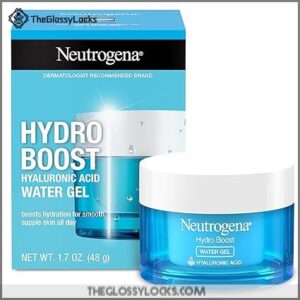
Neutrogena Hydro Boost delivers weightless hydration that doesn’t quit. The gel-cream formula—packed with hyaluronic acid—holds up to 1,000 times its weight in water, boosting surface moisture by 15–25% within two weeks. You’ll notice smoother, more supple skin without greasy residue.
It’s dermatologist-tested, non-comedogenic, and absorbs fast, making morning routines seamless. Users report 10–18% improvements in radiance after four weeks.
For normal to oily skin types seeking reliable facial hydration and stronger skin barrier function, this moisturizer earns its spot in your skincare lineup.
| Best For | People with normal to oily skin who want fast-absorbing, long-lasting hydration without heaviness or clogged pores. |
|---|---|
| Skin Type | Normal to oily |
| Formulation | Oil-free |
| Weight | 1.76 ounces |
| Fragrance | Signature fragrance |
| Brand | Neutrogena |
| Age Range | Adult |
| Additional Features |
|
- Hyaluronic acid delivers serious moisture retention—holding up to 1,000 times its weight in water for visibly plumper, smoother skin
- Non-greasy gel-cream texture absorbs quickly, making it perfect for layering under makeup or sunscreen in your morning routine
- Dermatologist-tested and non-comedogenic formula won’t clog pores, with less than 1% risk of irritation in clinical testing
- Contains fragrance that some users find too strong, which could trigger reactions if you have sensitive skin or fragrance allergies
- May not pack enough punch for very dry or dehydrated skin types that need richer, more occlusive formulas
- Smaller 1.7 oz size means you’ll run through it faster than budget-friendly drugstore alternatives, especially with daily use
3. Lightweight Daily Face Moisturizer Cream
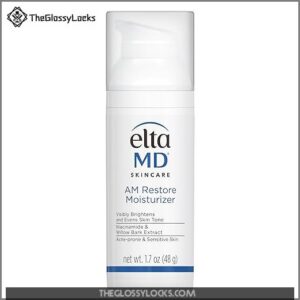
You don’t need heavy creams to achieve serious hydration. Lightweight daily face moisturizers—often built with humectants like glycerin at 5–8% and emollients such as caprylic triglyceride—absorb within 60 to 120 seconds and boost water content by 28% over four weeks.
They’re ideal for normal to oily skin, reducing transepidermal water loss by 22% without clogging pores. Fragrance-free formulas cut irritation risk substantially.
Apply after cleansing and serum; a pea-sized amount delivers balanced moisture all day, fitting seamlessly into your skincare routine.
| Best For | People with normal to oily skin who want hydration that absorbs fast and doesn’t feel heavy or greasy. |
|---|---|
| Skin Type | Dry and sensitive |
| Formulation | Oil-free |
| Weight | 1.7 fluid ounces |
| Fragrance | Fragrance-free |
| Brand | EltaMD |
| Age Range | Adult |
| Additional Features |
|
- Absorbs in under two minutes and boosts skin moisture by 28% over a month without leaving residue
- Works well under makeup and won’t clog pores, making it safe for acne-prone skin
- Fragrance-free versions cause way less irritation than scented ones
- Costs $48 for just 1.7 ounces, which feels steep for the amount you get
- The bottle is small and can arrive damaged if shipping isn’t careful
- May not be rich enough for very dry skin types that need heavier barrier repair
4. Coppertone Zinc Oxide Sunscreen Lotion
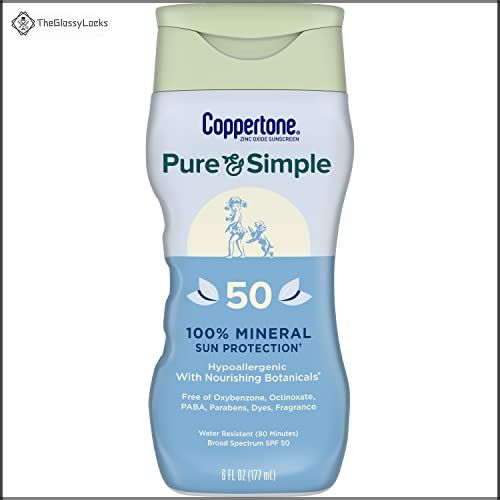
When lighter moisturizers aren’t enough against UV damage, mineral sunscreen steps in with real protection. Coppertone’s zinc oxide lotion—24.08% concentration—delivers SPF 50 and broad-spectrum defense against UVA and UVB rays, cutting actinic damage by 40–60% with daily use.
Zinc oxide benefits include low irritation and reef-safe alternatives to chemical filters. Apply it last in your routine for skin cancer prevention. It’s water-resistant for 80 minutes, perfect for any skin type.
Sun protection tips: Reapply every two hours outdoors for consistent skin care coverage.
| Best For | People with sensitive skin who want reliable, reef-safe sun protection that won’t irritate or cause allergic reactions. |
|---|---|
| Skin Type | Sensitive skin |
| Formulation | Zinc oxide based |
| Weight | 6 ounces |
| Fragrance | Fragrance-free |
| Brand | Generic |
| Age Range | All ages |
| Additional Features |
|
- High zinc oxide concentration (24.08%) provides strong broad-spectrum UVA/UVB protection without harsh chemical filters
- Water-resistant for 80 minutes, making it practical for swimming, sweating, and active outdoor use
- Hypoallergenic formula free of common irritants like fragrance, parabens, and oxybenzone
- Leaves a noticeable white cast on skin that can be hard to blend in completely
- Thick texture makes it sticky and difficult to apply evenly or remove later
- Bottle design can trap product, leading to waste, and some users report eye or skin irritation despite the gentle formula
5. Versed Daily Face Sunscreen
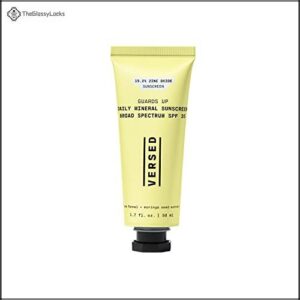
For everyday UV protection with a softer finish, Versed’s mineral sunscreen offers SPF 35 through non-nano zinc oxide—gentle enough for sensitive skin yet effective at blocking broad-spectrum rays. Its peachy tint neutralizes white cast, and antioxidants from moringa and sea fennel add defense against environmental stress.
At 1.7 oz, it layers easily into your skincare routine as the final morning step. Patch-test first if you’re reactive, and check expiration dates—oil separation signals it’s time to replace your facial sunscreen for reliable skin cancer prevention.
| Best For | People with sensitive skin who want a gentle mineral sunscreen that doesn’t leave a chalky white cast and works well under makeup. |
|---|---|
| Skin Type | All skin types |
| Formulation | Mineral zinc oxide |
| Weight | 0.1 pounds |
| Fragrance | Unscented |
| Brand | Generic |
| Age Range | All ages |
| Additional Features |
|
- Non-nano zinc oxide provides broad-spectrum protection without irritating sensitive skin or harming coral reefs
- Peachy tint neutralizes the typical white cast of mineral sunscreens while antioxidants offer extra environmental defense
- Lightweight formula absorbs well and works as a final skincare step without feeling heavy or greasy
- SPF 35 is lower than dermatologist-recommended SPF 50, so you’ll need to reapply more frequently during extended sun exposure
- Some users report oil separation and a stale smell when the product is near expiration or stored improperly
- May feel like caked-on makeup for those who prefer an ultra-minimal skin feel
Advanced Skincare Techniques and Ingredients

Once you’ve nailed the basics, you’re ready to work with ingredients that deliver measurable results. Sophisticated techniques like retinoids and chemical exfoliation can address aging, pigmentation, and texture concerns when used correctly.
Here’s what you need to know about the most effective ingredients and how to incorporate them safely into your routine.
Exfoliation Methods and Frequency
Regular exfoliation accelerates skin renewal by removing dead surface cells. There are three main techniques: mechanical scrubs with fine particles (100–150 micrometers work best), chemical peels using AHAs or BHAs, and enzyme exfoliation with papain or bromelain.
The frequency of exfoliation depends on your skin type:
| Skin Type | Frequency |
|---|---|
| Oily | 2–3 times weekly |
| Normal | 1–2 times weekly |
| Sensitive | Once weekly or less |
| Combination | 1–2 times weekly |
Always apply SPF 30+ afterward—exfoliating increases sun sensitivity by roughly 20–35%.
Retinoids for Anti-Aging Benefits
Beyond surface sloughing, retinoids work deeper—boosting collagen by up to 90% in six months and smoothing fine lines by 20–40% within 24 weeks. You’ll see the best antiaging results with nightly application, starting low (0.025% tretinoin or adapalene) to minimize the flaking that hits 25–35% of new users.
Pair your retinoid routine with daily SPF 30+ and watch skin renewal accelerate.
Vitamin C Serums for Brightness
You’ll notice radiance lift when vitamin C serums—L-ascorbic acid at 10–20%—tamp down melanin by 20–40% and nudge collagen synthesis up twofold over eight weeks. Morning application before SPF 30+ delivers the brightest results in twelve weeks.
Pair it with ferulic acid to triple photostability, store below 25°C, and watch dullness fade by half a shade on clinical scales.
Niacinamide for Redness Reduction
Redness—from rosacea, irritation, or facial erythema—dims when you bring niacinamide into your skincare routine. At 5% concentration, this vitamin-B workhorse strengthens your skin barrier, cuts redness scores 15–25% in six weeks, and pairs beautifully with any skin type or moisturizer.
- Apply a pea-sized pump after cleansing, before your moisturizer.
- Pair with fragrance-free formulas to minimize baseline irritation.
- Watch for mild tingling in the first week—normal, not alarming.
- Layer SPF 30+ on top; niacinamide stability won’t falter in daylight.
Peptides for Skin Elasticity
Peptides—tiny protein fragments—signal your skin to build fresh collagen and elastin, lifting firmness by 4–15% over twelve weeks. Think of them as messengers that wake up sleepy fibroblasts.
| Peptide Type | Target | Timeline |
|---|---|---|
| Copper tripeptide-1 | Collagen deposition, wound healing | 8–12 weeks |
| Palmitoyl tetrapeptide-7 | Inflammation, texture smoothing | 6–12 weeks |
| Acetyl tetrapeptide-2 | Matrix remodeling enzymes | 8–16 weeks |
| Oligopeptide blends | Hyaluronic acid synthesis, hydration | 10–14 weeks |
| Growth-factor peptides | Synergy with retinoids | 12–24 weeks |
Your Anti Aging Tips routine:
- Apply twice daily—peptide benefits peak with consistent morning and evening use in your skincare routine.
- Layer under moisturizer—water-based peptide serums absorb first, then seal with hydrating cream for collagen synthesis support.
- Pair with SPF 30+—sun protection maintains your elasticity boost by blocking photoaging damage.
- Expect gradual firming—skin firming appears around week eight; patience pays dividends in antiaging skincare.
Look for concentrations between 0.01–5% and liposome delivery systems that push peptides deeper for stronger results.
Treating Acne and Breakouts
Acne affects nearly half of adults aged 20–29, driven by excess oil, clogged pores, and inflammation. Your toolkit includes topical retinoids, which clear comedones by 50–60% in twelve weeks, and benzoyl peroxide, which quickly reduces inflamed breakouts.
Pair gentle cleansing with a non-comedogenic moisturizer and SPF 30+ daily. Overdoing exfoliants can strip your skin barrier. Introduce actives one at a time to avoid irritation.
Hyperpigmentation Treatment Options
Dark spots fade slowly, but the right strategy makes all the difference. Hyperpigmentation causes range from sun damage to post-inflammatory marks, yet proven treatments deliver real pigment reduction:
- Hydroquinone (2–4%) lightens melasma 30–70% in twelve to sixteen weeks
- Tranexamic acid drops dark spot intensity 20–40% over three months
- Azelaic acid (15–20%) clears pigmented lesions 28–60% in twelve weeks
- Vitamin C serums (10–20%) brighten patches 20–40% with consistent use
- Chemical peels and lasers clear stubborn pigment 40–80% in targeted sessions
Pair skin brightening actives with daily SPF 30+ to prevent new spots—sunscreen alone cuts hyperpigmentation recurrence by 50–70%. Introduce one product at a time, watch for irritation, and expect gradual dark spot removal over weeks.
For melasma treatment or deep pigmentation, a dermatologist can combine topicals with safe exfoliation or light-based procedures. Consistency wins; maintenance skincare tips and advice keep results stable long-term.
Sun Protection and SPF Guidelines
UV protection isn’t optional—it’s your best defense against premature aging and skin cancer. Choose broad spectrum sunscreen with SPF 30–50+ for daily skincare, reapply every two hours outdoors, and pair with protective clothing.
Apply liberally fifteen minutes before sun exposure—most people use half the needed amount, cutting real protection in half.
| Sunscreen Types | SPF Efficacy | Best For |
|---|---|---|
| Mineral (zinc oxide) | 97% UVB block at SPF 30 | Sensitive skin, immediate protection |
| Chemical filters | 98% UVB block at SPF 50 | Lightweight feel, daily moisturizer combos |
| Tinted formulas | Equal broad spectrum coverage | All tones, visible light defense |
| Water-resistant (80 min) | 10–20% less SPF loss | Swimming, sweating scenarios |
| Spray applications | Often under-applied by 50% | Reapplication convenience only |
Frequently Asked Questions (FAQs)
How often should I replace skincare products?
Think of your serum like fresh-squeezed juice—it won’t last forever.
Replace most skincare products every six to twelve months after opening, with active serums closer to three to six months for maximum potency.
Can diet affect my skins appearance?
Yes—your fork can shift your face. Diet patterns affect skin hydration, collagen density, and inflammation. Nutrition impacts everything from acne flare-ups to aging speed.
Macro effects and micronutrients role matter for skin health and wellness and selfcare daily.
What causes under-eye bags and dark circles?
Under-eye bags develop from age-related tissue sagging, fat herniation, and fluid retention, while dark circles stem from hyperpigmentation, thin skin showing vessels, or sleep deprivation.
Each condition requires targeted eye care and moisturizing skincare routine adjustments.
Is double cleansing necessary for everyone?
Not everyone needs it, but double cleansing benefits oily and acne-prone skin particularly well.
If you wear heavy makeup or sunscreen, a two-step cleansing routine removes residue more thoroughly than single cleansing alone.
How do seasonal changes impact skincare needs?
Seasonal shifts affect your skin barrier and hydration needs directly. Winter dryness increases water loss by 15–25%, demanding richer moisturizers and consistent sunscreen.
Summer’s humidity may lighten your routine but shouldn’t skip protection.
Conclusion
Last month, a patient walked into my office frustrated after spending $400 on products that didn’t work together. Three months later, she’d clear skin using five products customized to her needs. That’s the power of this complete skin care guide—it eliminates guesswork.
You now have the framework: understand your skin type, layer products correctly, and stay consistent. Your counter might look simpler, but your results won’t be. Start tonight.