This site is supported by our readers. We may earn a commission, at no cost to you, if you purchase through links. This content is for general informational and educational purposes only and is not a substitute for professional medical, dermatological, or nutritional advice.
Most people blame stress or genetics when they notice hair thinning—and sometimes they’re right. But when clumps gather in your drain faster than usual, or bare patches appear where thick hair once grew, the scalp itself often tells a more specific story.
Scalp conditions causing hair loss range from fungal infections like tinea capitis to autoimmune disorders where your own immune system targets hair follicles. Some leave follicles dormant but intact, meaning regrowth remains possible. Others trigger permanent scarring—replacing live follicle tissue with fibrous scar tissue that no treatment can reverse.
Knowing which type you’re dealing with changes everything about how it’s treated.
Table Of Contents
- Key Takeaways
- Scalp Conditions That Cause Hair Loss
- Fungal and Infectious Scalp Problems
- Inflammatory Scalp Conditions and Shedding
- Autoimmune and Scarring Scalp Disorders
- Symptoms That Need Medical Diagnosis
- Treatment and Scalp Care Options
- Frequently Asked Questions (FAQs)
- Is there a scalp condition that causes hair loss?
- What scalp condition can cause hair loss?
- Is there a scalp fungus that causes hair loss?
- What autoimmune disease causes scalp issues?
- What does autoimmune hair loss look like?
- Can hair loss from scalp conditions be reversed?
- How long does recovery take after treatment?
- What early warning signs should I watch for?
- Are there natural remedies for scalp-related hair loss?
- When should I see a dermatologist immediately?
- Conclusion
Key Takeaways
- Scarring alopecia permanently replaces hair follicles with fibrous tissue, making early diagnosis the only real window for preserving regrowth potential.
- Scalp texture reveals the stakes: smooth, shiny bald patches signal irreversible scarring, while thinning without surface change suggests follicles are dormant but still salvageable.
- Fungal, bacterial, and autoimmune triggers each require distinct treatments, so identifying the cause—not just the symptom—determines whether hair can return.
- Shedding that starts two to three months after stress, illness, or hormonal shifts often points to telogen effluvium, a temporary condition where follicles stay intact and recovery follows once the trigger resolves.
Scalp Conditions That Cause Hair Loss
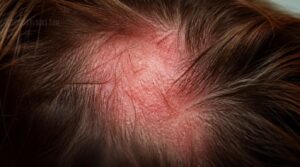
Your scalp can lose hair for many different reasons, and not all of them look or feel the same. Some causes inflame the skin, some attack hair follicles directly, and some leave lasting damage while others don’t. Here’s a closer look at the main categories you should know about.
Inflammation in particular plays a surprisingly complex role — scalp inflammation causes and treatment can vary widely, shaping whether the hair loss you experience is temporary or permanent.
Inflammatory Scalp Disorders
Inflammation is often the body’s overreaction to a problem it’s trying to fix, and on the scalp, that overreaction can cost you hair.
Skin inflammation disrupts follicle function, causing scalp itchiness, redness, and visible lesions. Conditions like discoid lupus produce scaly lupus scalp patches, while folliculitis decalvans carries real folliculitis decalvans risks through repeated flares. Left untreated, cumulative follicle damage becomes permanent. Various inflammatory scalp conditions can trigger these destructive cycles. Scarring alopecia prevention depends on early dermatology care—catching inflammation before it destroys follicles for good.
Fungal Scalp Infections
While inflammation damages from within, fungi attack from outside — and they spread fast.
Tinea capitis, or scalp ringworm, travels through direct contact with infected people, animals, or shared items like combs. Fungi grow best in warm, moist environments, so sweaty scalps under hats are especially vulnerable.
Three common dermatophyte transmission routes:
- Person-to-person contact
- Animal carriers
- Contaminated surfaces or objects
Candida can also infect the scalp, especially through small cuts.
Autoimmune Scalp Disease
Sometimes the body’s own defenses turn against the scalp. In alopecia areata, the immune system sends T-cells to attack hair follicles, causing smooth, round patches—usually nonscarring hair loss.
Discoid lupus works differently: scaly, disc-shaped plaques inflame and damage follicles. Some autoimmune disorders even cause blistering scalp lesions. Left active long enough, this immune assault can lead to permanent follicle destruction.
Scarring Versus Non-scarring Loss
Once an immune attack or infection runs unchecked, the real question becomes whether your follicles survive it.
Scarring alopecia replaces follicles with fibrosis—permanent, no regrowth. Non-scarring alopecia leaves follicles dormant but intact, so treating the cause can restore hair. Scalp texture often signals which: smooth, shiny patches usually mean scarring; thinning without surface change suggests non-scarring damage.
Scarring alopecia replaces follicles forever, while non-scarring leaves them dormant—and your scalp’s texture reveals which fate your hair faces
Temporary Versus Permanent Shedding
Not all shedding signals permanent loss. Telogen effluvium usually begins two to three months after a trigger — stress, illness, or rapid weight loss — then gradually resolves once that trigger is removed. Follicles stay intact, so regrowth is possible.
Permanent loss follows a different pattern: progressive miniaturization, finer hairs, and no spontaneous recovery without treatment.
Fungal and Infectious Scalp Problems
Not all hair loss comes from genetics or stress. Sometimes germs are the real culprit, working their way into your scalp and follicles. Here’s what to watch for with these infections.
Tinea Capitis Ringworm
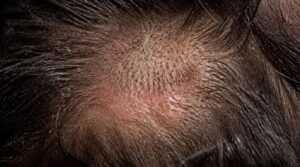
Tinea capitis is a fungal infection, not a worm, despite the name "ringworm." It targets hair shafts directly, causing scalp shaft breakage and itchy, flaky patches.
Two patterns dominate: black dot ringworm, where stubble breaks at the surface, and gray patch presentation, where spores coat hairs above the scalp. Severe cases trigger a kerion, with pus-filled nodules and lymph node swelling behind the ears or neck.
Bacterial Folliculitis
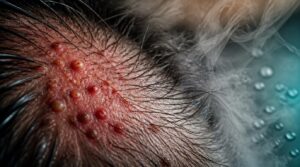
Bacterial folliculitis starts when damaged or blocked hair follicles become infected. The main culprit is Staphylococcus aureus, but hot tub exposure can trigger Pseudomonas aeruginosa instead.
Overwashing can strip the scalp’s natural barrier and trigger excess oil production, creating conditions where bacteria thrive — explore how over-cleansing affects scalp oil balance to better understand this cycle.
Common triggers include:
- Friction or occlusion blocking follicle openings
- Scalp irritation from tight headwear
- Contact with poorly treated warm water
Severe cases develop painful scalp boils. Without medical treatment, scarring may permanently damage follicles.
Secondary Syphilis Hair Loss
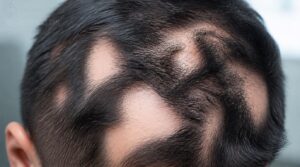
Syphilis doesn’t always announce itself with obvious signs. During the secondary stage, some people develop a distinctive "moth-eaten" hair loss — irregular, patchy thinning that can mimic alopecia areata. Only 3–7% of syphilis cases involve this symptom, so it’s easily missed.
Because it’s non-scarring, follicles survive intact. With antibiotic treatment, regrowth usually begins within 8–12 weeks.
Impetigo-related Scalp Irritation
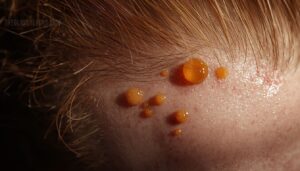
Impetigo brings honey-colored crusting to the scalp — itchy, weeping patches that worsen through scratching.
Watch for these key dermatological symptoms:
- Scalp lesion spreading via autoinoculation to nearby skin
- Itching-scratch cycle that reopens sores and thickens crusts
- Lymph node swelling near the infected hairline
- Bacterial contagion risks from shared towels or clothing
These skin lesions spread easily through direct skin contact.
Signs of Infection
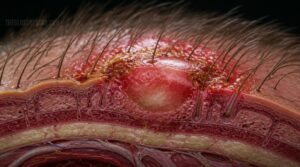
A red, swollen patch that feels warm to the touch usually signals more than dry skin. Scalp heat and localized scalp tenderness point to active infection, not simple irritation. Honey-colored crusts, oozing skin lesions, or itchy flaky patches need attention too.
If you notice lymph node swelling along your neck or develop systemic fever symptoms, see a doctor promptly — these signs suggest the infection has spread beyond the scalp.
Inflammatory Scalp Conditions and Shedding

Itchy, flaky scalps often point to inflammation rather than infection. This kind of irritation can quietly damage follicles and speed up shedding if left unchecked. Here’s what usually causes it, and what the symptoms usually look like.
Seborrheic Dermatitis
A yeast called Malassezia fuels this common scalp condition, thriving where sebum production runs high. You’ll notice itchy, flaky patches with greasy yellow scale, often appearing symmetrically on both sides of the scalp.
Cold weather often triggers flares, while sun and summer warmth calm things down. Since it’s chronic and relapsing, lasting control depends on medicated shampoos used consistently, not just during visible flares.
Scalp Psoriasis
Unlike dermatitis’s greasy yellow scale, psoriasis plaques are sharply defined, scaly silvery patches with skin thickening, often spreading past the hairline.
Flare-up patterns usually move through:
- Mild scaling
- Thick plaque buildup
- Scalp irritation and redness
Severe flares can cause temporary shedding. Tracking these patterns helps faster diagnosis and better long-term scalp health.
Severe Dandruff and Itching
Psoriasis plaques are easy to spot, but plain dandruff can be sneaky and harder to pin down.
It usually starts with Malassezia yeast overgrowth, feeding on scalp oil and triggering flaking and itch. Oilier scalps feed more yeast.
Scratching makes it worse, breaking skin and fueling itch-induced inflammation. That cycle—itch, scratch, irritate—keeps flakes coming. Spotting your flake pattern early protects scalp health.
Follicle Inflammation
That itch-scratch cycle doesn’t stop at the surface. Broken skin lets bacteria reach hair follicles, triggering follicular barrier disruption and inflammation.
Watch for:
- Small follicle-centered bumps
- Tenderness from deep follicle abscesses
- Perifollicular cell accumulation
- Superficial lesion progression into deeper tissue
- Scarring risk factors like repeated trauma
Topical treatments can target early-stage scalp inflammation before permanent hair follicle damage sets in.
Plaques, Scales, and Redness
Raised, scaly silvery patches with sharply defined red borders are hallmark signs of scalp psoriasis. On lighter skin tones, plaques appear bright red; on darker tones, they shift toward purple or gray.
The scale feels rough and dry — prone to cracking and bleeding. Itching and pain often follow, especially when thick fissures develop from scratching inflamed skin.
Autoimmune and Scarring Scalp Disorders
Some scalp conditions go deeper than surface inflammation — they involve your immune system turning against your own hair follicles. When that happens, the damage can be permanent if it’s not caught early. Here are the key autoimmune and scarring disorders you should know about.
Alopecia Areata Patches
Alopecia areata is an autoimmune condition where your immune system mistakenly attacks hair follicles, creating smooth, round patches of hair loss with clear borders. The scalp skin looks normal — no redness, no scarring.
Dermoscopy often reveals black and yellow dots within patches, while exclamation-point hairs at patch edges signal active disease. Hair regrowth is possible, as follicles aren’t permanently destroyed.
Lichen Planopilaris
Unlike alopecia areata, lichen planopilaris destroys follicles permanently — making early recognition critical. It causes smooth white bald patches where follicle openings disappear entirely. Redness and perifollicular scale cluster at patch edges during active disease.
Trichoscopy confirms absent follicle openings and tubular scale. Eyebrows can thin too. This scarring alopecia won’t reverse, so prompt diagnosis matters.
Scleroderma Scalp Changes
Scleroderma can leave a stripe of ivory porcelain plaque across the scalp — hardened, waxy skin where hair simply stops growing. Fibrosis damages follicles beneath the surface, distorting shafts into twisted pili torti before breaking them entirely.
Dermoscopy reveals absent follicular openings on a whitish background, with peripheral vascular patterns marking the active lesion edge. This progressive scarring alopecia expands gradually, making early diagnosis essential.
Permanent Follicle Damage
Once a follicle fills with scar tissue, fibrosis blocks regrowth permanently. Three mechanisms drive this:
Understanding how follicle depth affects outcomes is explained well in this guide on whether hair grows back over a tattoo, since ink placement rarely reaches the dermal layer where fibrosis takes hold.
- Fibrosis replaces functional follicle tissue
- Stem cell depletion at the bulge ends regeneration
- Follicle miniaturization progresses toward full destruction
That’s why early treatment matters — catching scarring alopecia before permanent patches expand gives your follicles a genuine chance.
Smooth or Shiny Bald Spots
Bare scalp catches light differently than haired skin — sebaceous glands keep the surface oily, creating that glassy sheen you might notice under bright lighting.
In alopecia areata, these smooth, reflective patches often have sharply defined edges where hair transitions abruptly to bare skin. The scalp texture feels taut, sometimes tender, with no scaling to interrupt the shine.
Symptoms That Need Medical Diagnosis
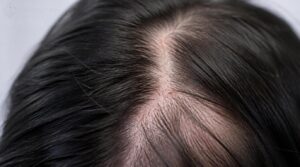
Some scalp symptoms are easy to brush off, but certain signs genuinely warrant a closer look from a dermatologist. Your scalp can’t always tell you what’s wrong on its own — that’s what a proper diagnosis is for. Watch for any of these warning signs that shouldn’t be ignored.
Patchy Bald Areas
When patchy bald areas appear suddenly, that’s your scalp signaling something worth investigating. Alopecia areata usually produces round, smooth patches — sometimes coin-sized — that can develop overnight.
Redness patterns and scalp tenderness help distinguish autoimmune causes from infectious ones. Thinning patches of hair paired with a shiny surface suggest follicle damage. Don’t wait; early evaluation shapes your treatment options greatly.
Broken Hair Stubs
Smooth patches point to shedding from the root, but broken hair stubs tell a different story. The shaft itself snaps, leaving short, uneven fragments clustered near the scalp.
Trichorrhexis nodosa — where weak "nodes" form along the hair strand — is a common culprit. Chemical treatments and aggressive combing cause cuticular disruption, making shafts fracture repeatedly at the same points.
Painful Scalp Bumps
Broken stubs signal shaft damage, but bumps signal something deeper. A tender lump on your scalp could be folliculitis, where bacteria like Staphylococcus aureus infect a damaged follicle, or a pilar cyst that’s become inflamed.
Shingles produces burning, localized eruptions. Contact dermatitis from hair dyes causes hive-like bumps. Any swollen, warm, or throbbing bump warrants evaluation.
Burning or Tenderness
Bumps hurt when pressed, but burning feels different — it’s there even when nothing touches your scalp.
Sensory nerve irritation from inflammation causes that stinging, "hot-skin" discomfort. Conditions like seborrheic dermatitis, lichen planopilaris, and folliculitis all inflame nerve endings near hair follicles.
Tenderness lasting over two weeks, especially alongside redness or scaling, signals an active process that can silently damage follicles over time.
Sudden Excessive Shedding
When handfuls of hair appear on your pillow or brush, telogen effluvium is often responsible — pushing follicles into the resting phase of the hair growth cycle all at once.
Trigger timing matters: shedding usually starts 2–3 months after stress, illness, or postpartum hormonal shifts.
- Diffuse thinning across the scalp, not patches
- Nutrient deficiency links to iron or protein
- Recovery follows once the trigger resolves
Treatment and Scalp Care Options

Treatment depends on what’s actually causing your hair loss — and the good news is that most scalp conditions respond well once you find the right approach.
Your options range from simple daily habits to prescription medications and clinical procedures. Here’s a look at the main treatment and scalp care paths worth knowing about.
Understanding what causes dark circles under eyes can help you choose the right treatment path, since genetic shadows respond differently than those driven by iron deficiency or bone structure.
Medicated Shampoos
Medicated shampoos don’t just clean — they treat the scalp directly. Each formula targets a specific driver of irritation or shedding.
| Active Ingredient | Target Condition | Key Benefit |
|---|---|---|
| Ketoconazole | Seborrheic dermatitis | Controls yeast overgrowth |
| Coal tar | Scalp psoriasis | Slows abnormal skin turnover |
| Salicylic acid | Heavy scaling | Lifts flakes keratolytically |
Contact time matters — leave the shampoo on for several minutes. Rinsing immediately reduces effectiveness. Overuse can cause dryness, so follow frequency guidelines carefully.
Antifungal Scalp Treatments
When yeast is driving your scalp problems, targeted antifungals make a real difference. Ketoconazole, selenium sulfide, and zinc pyrithione each reduce Malassezia overgrowth through different mechanisms — so the right choice depends on your specific condition.
Pairing an antifungal with salicylic acid lifts thick scale first, letting the active ingredient actually reach the scalp. Leave the product on for several minutes — contact time determines effectiveness.
Anti-inflammatory Medications
When inflammation is driving your hair loss, the treatment depends on how deep the problem goes. Topical corticosteroids — applied as foams, gels, or solutions — calm redness and scaling directly at the scalp without heavy systemic exposure.
For autoimmune conditions like alopecia areata, doctors may prescribe biologics that block cytokines such as TNF-alpha or specific interleukins. These target inflammation precisely, though they’re reserved for severe cases due to infection risk.
Hair Regrowth Therapies
When follicles are still viable, several therapies can encourage them to produce hair again. Platelet-rich plasma injections deliver concentrated growth factors directly into thinning areas, while low-level laser therapy uses red light to support follicle activity non-invasively. Microneedling creates microchannels that improve topical absorption.
Exosome signaling and peptide growth factors represent newer regenerative approaches targeting follicle repair at a cellular level.
Gentle Scalp Care Habits
Hot water strips the scalp’s natural oils, worsening irritation. Simple daily habits protect vulnerable follicles.
- Rinse with lukewarm water to avoid over-drying
- Massage shampoo in gentle circular motions using fingertips, not nails
- Apply conditioner to lengths and ends only, keeping it off the scalp
- Detangle wet hair carefully with a wide-tooth comb, starting at ends
Washing too often disrupts scalp moisture balance. Adjust frequency to your scalp’s needs.
Frequently Asked Questions (FAQs)
Is there a scalp condition that causes hair loss?
A healthy scalp can quietly work against itself. Yes, scalp conditions do cause hair loss — from fungal infections and autoimmune attacks to chronic inflammation that disrupts follicle health and halts normal regrowth.
What scalp condition can cause hair loss?
Several scalp conditions can disrupt hair growth. Seborrheic dermatitis, scalp psoriasis, tinea capitis, alopecia areata, and bacterial folliculitis are among the most common culprits, each affecting follicles differently and requiring distinct treatment approaches.
Is there a scalp fungus that causes hair loss?
Yes — and it’s more common than you’d think. Tinea capitis, a dermatophyte infection, invades hair shafts directly, causing them to break off near the scalp and leave patchy, scaly areas behind.
What autoimmune disease causes scalp issues?
Alopecia areata, lichen planopilaris, and discoid lupus are the main autoimmune conditions affecting the scalp. Each triggers immune-driven follicle inflammation, but only alopecia areata usually allows regrowth. The others risk permanent scarring alopecia.
What does autoimmune hair loss look like?
Your scalp sends quiet signals. Smooth, round patches appear suddenly, with exclamation point hairs tapering at the base. The follicles stay intact — non-scarring regrowth remains possible.
Tingling often precedes loss. Nail pitting can accompany these autoimmune disorder flares.
Can hair loss from scalp conditions be reversed?
Whether it can be reversed depends largely on follicle preservation. Non-scarring conditions — like seborrheic dermatitis or telogen effluvium — often allow full hair regrowth once the trigger is controlled. Scarring disorders cause permanent loss.
How long does recovery take after treatment?
Recovery speed depends on the cause. Inflammation often eases within days to weeks, but hair density lags behind — follicles need months to fully restart. Expect early changes around 3 months, fuller results by 6–
What early warning signs should I watch for?
Watch for sudden excessive shedding, scalp redness, or patches of broken hairs. Itching that worsens over days, swollen neck lymph nodes, or spreading scale all signal that something needs prompt medical evaluation.
Are there natural remedies for scalp-related hair loss?
Some remedies show promise. Rosemary oil, diluted in a carrier oil, may support hair regrowth. Ensuring adequate iron, zinc, and protein intake helps hair follicle health. Tea tree oil offers natural antifungal support.
When should I see a dermatologist immediately?
Seek care right away if you notice sudden bald patches, a non-healing scalp sore, severe pain, or a rapidly spreading rash. Fever alongside any scalp symptom is an emergency signal.
Conclusion
Your scalp has been trying to get ahead of the problem all along. The right diagnosis changes everything—because scalp conditions causing hair loss don’t all follow the same rules. Some respond quickly to medicated shampoos or antifungals. Others need targeted, long-term treatment before follicles recover.
Acting early keeps more options open. Don’t wait until bare patches become permanent answers. Your scalp is speaking—now’s the time to actually listen.