This site is supported by our readers. We may earn a commission, at no cost to you, if you purchase through links. This content is for general informational and educational purposes only and is not a substitute for professional medical, dermatological, or nutritional advice.
That small, angry bump after shaving seems harmless—until it isn’t. An infected ingrown hair can escalate from minor irritation to a throbbing, pus-filled lesion within days, and most people make it worse by doing exactly what feels natural: squeezing it. Bacteria like Staphylococcus aureus colonize the blocked follicle fast, turning inflammation into a genuine skin infection.
Treating infected ingrown hairs safely means knowing what you’re dealing with, cleaning correctly, and recognizing the handful of signs that mean home care won’t cut it. The right steps make the difference between a few days of healing and a problem that keeps coming back.
Table Of Contents
Key Takeaways
- Squeezing an infected ingrown hair pushes bacteria deeper and worsens the infection, so leave it alone and let it drain on its own.
- A warm compress applied three to four times daily, followed by salicylic acid or benzoyl peroxide, handles most mild cases without a doctor visit.
- Spreading redness, red streaks, fever, or a soft squishy bump are signs home care won’t cut it — see a doctor before the infection spreads.
- Shaving with the grain, exfoliating three times a week, and replacing your razor every five to seven shaves are the most reliable ways to prevent ingrown hairs from coming back.
Spot Infected Ingrown Hair Symptoms
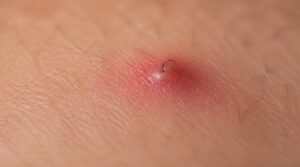
Knowing what an infected ingrown hair looks like is the first step to handling it correctly. Some symptoms are easy to dismiss, but a few key signs tell you when something more serious is going on. Here’s what to watch for.
If you’re unsure whether your bump has crossed that line, recognizing infected ingrown hair symptoms early can save you from a lot of unnecessary guessing.
Red Swollen Bumps
A red, swollen bump is often the first visible sign of an infected ingrown hair. It develops when a curled hair triggers an inflammatory response inside the follicle, sending blood flow and immune cells to the area. The skin around it looks raised, feels firm, and turns noticeably red — sometimes deepening in color over the first day or two.
This reaction isn’t random. Bacterial colonization moves in once the follicle is compromised, and the infection can push deeper if left alone. Folliculitis — a common result — forms when bacteria spread along multiple follicles, making bumps appear in clusters rather than alone. If the infection deepens, it can manifest as large swollen bumps or pus-filled blisters.
Here’s what the progression usually looks like:
- A small, firm lump forms just under the skin
- Redness and swelling build around the follicle
- Warmth develops as blood flow increases
- The bump becomes tender to the touch
- The healing process timeline stalls if bacteria aren’t controlled
Keeping the skin barrier protected throughout this stage matters — avoid picking or pressing the bump, which risks pushing bacteria deeper and delaying recovery.
Pus-filled Pustules
Once a bump becomes infected, it can fill with pus. Pus-filled pustules from an infected ingrown hair look like small, raised blisters — often less than 5mm — with a white or yellow center sitting on a red base.
That yellowish fluid is your immune system at work, flooding the site with white blood cells to fight bacterial colonization.
Warm Painful Skin
Beyond the visible pus, another clear signal is warm, painful skin. When your immune system sends blood rushing to fight the infection, the area becomes noticeably hot to the touch — warmer than the surrounding skin.
- Heat staying localized to one bump signals a contained infection
- Spreading warmth beyond the original spot suggests deeper skin inflammation
- Tenderness that worsens with pressure or movement points to active swelling
Itching and Tenderness
Warmth and pain often bring a companion: itching and tenderness. An infected ingrown hair triggers your body to release chemical mediators that fire up itch signals in the skin’s sensory neurons. The result is that persistent urge to scratch. Resist it. Scratching creates small tears called excoriations, which only add soreness on top of existing inflammation.
Hydrocortisone cream can quiet that itch without worsening folliculitis or skin irritation.
Spreading Redness Signs
One sign that’s easy to miss: spreading redness. An infected ingrown hair doesn’t always stay contained to one small spot. Instead, the expanding red patch can push outward into surrounding skin as inflammation intensifies.
That shift from localized irritation to broader skin redness, especially alongside worsening swelling and heat, means the infection may no longer be contained — and it’s time to act.
Clean The Area Safely
Before you touch anything, how you clean the area matters more than you might think. Skipping a step here can push bacteria deeper and make things worse. Here’s what to do first.
Wash Hands First

Before you touch the affected area, wash your hands thoroughly. Wet them under clean, running water, apply soap, and scrub for at least 20 seconds — covering your palms, between your fingers, and under your nails.
This simple step helps prevent cross-contamination and keeps bacteria from spreading into an already vulnerable follicle. Rinse completely, then dry your hands before moving on.
Use Mild Soap
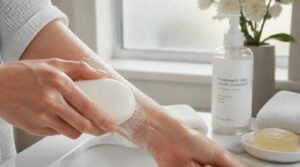
Once your hands are clean, reach for a fragrance-free mild soap to wash the affected area. Harsh soaps can strip the skin’s barrier and irritate an already inflamed follicle.
For stubborn or recurring cases, exploring professional ingrown hair removal methods can help you understand when gentle washing isn’t enough and a dermatologist’s care is the safer path.
A gentle cleanser — bar, liquid, or syndet — keeps the area clean without stinging tender skin. Look for moisturizing surfactants like glycerin, which clean without leaving your skin tight or dry.
Pat Skin Dry

After washing, how you dry matters just as much as how you clean.
Leaving your tools damp in the shower is one of the fastest ways to grow bacteria, so always air dry them completely outside the bathroom — something covered in depth in this guide to exfoliating mitt vs washcloth hygiene and care.
Pat skin dry with a soft, clean towel rather than rubbing. Rubbing creates friction on already irritated skin and can worsen inflammation around the follicle.
- Use a soft, clean cloth to avoid microabrasion
- Apply light patting pressure — never press hard into bumps
- Remove excess moisture fully to prevent chafing from clothing
- Use a dedicated towel to reduce reintroducing bacteria
Avoid Squeezing Bumps
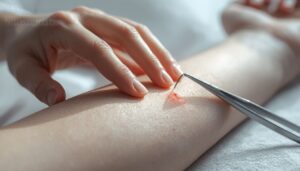
Squeezing an infected ingrown hair is one of the worst things you can do for it. It breaks your skin barrier, pushes bacteria deeper, and turns a minor bump into a bigger problem.
Leave the bump alone. Let it drain naturally. If it needs freeing, that’s a job for sterilized tweezers — not your fingers.
Disinfect Tools Carefully
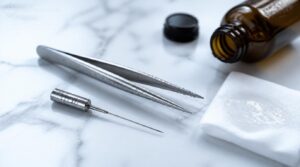
Any tool you use on your skin needs to be properly disinfected first.
Wipe sterilized tweezers or a sterile needle with rubbing alcohol, then let them stay visibly wet for the full contact time listed on the product — don’t rush it. Rinse with warm soapy water afterward and air dry completely before use.
Treat It at Home
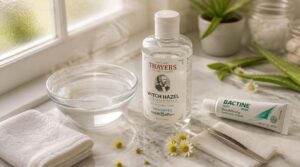
Most infected ingrown hairs don’t need a doctor visit right away. You can calm the irritation and help your skin heal with a few simple steps at home. Here’s what actually works.
Apply Warm Compresses
A warm compress is your first real line of defense against an infected ingrown hair. Soak a clean washcloth in warm water — around 45°C (113°F) — wring it out, and press it gently on the area for 10 to 15 minutes, three to four times a day. That warmth increases blood flow, softens skin around the hair follicle, and helps draw pus closer to the surface.
Test the temperature on your wrist first. If it stings, it’s too hot. Re-dip the cloth mid-session to keep heat consistent — a cooling compress loses its effect quickly.
Use Salicylic Acid
Once the compress has softened the skin, salicylic acid can do the deeper work. This beta hydroxy acid is oil-soluble, so it gets inside clogged follicles and loosens the buildup trapping the hair. Use a 0.5%–2% leave-on product — a serum, gel, or pad — dabbed directly onto the bump after cleansing on dry skin.
Here’s what it targets:
- Dead skin buildup blocking the follicle opening
- Excess surface oil keeping the bump inflamed
- Keratin plugs that prevent the hair from emerging
Don’t layer it with glycolic or other acids in the same routine — that combination increases irritation without improving results. If your skin feels dry or raw, drop back to two or three applications per week. Avoid applying it to broken skin entirely.
Try Benzoyl Peroxide
Salicylic acid clears the path — benzoyl peroxide takes care of what’s left behind: the bacteria making that bump angry and inflamed. It works through oxidative antibacterial action, killing bacteria without triggering resistance the way antibiotics can.
Use a 2.5% or 5% strength product — higher doesn’t mean better, just more irritation. Apply a thin layer directly onto the bump once daily.
Soothe With Aloe Vera
Once benzoyl peroxide calms the bacteria, aloe vera steps in to handle the discomfort. Its cooling, anti-redness relief makes it one of the most practical home remedies for an infected ingrown hair.
- Skin soothing after each treatment step
- Gentle moisture barrier support without clogging pores
- Daily application safe for sensitive skin
Apply a thin layer to the inflamed bump and let it absorb fully.
Moisturize Noncomedogenic Skin
After using aloe vera, don’t skip moisturizing. Choose a noncomedogenic moisturizer — one formulated to hydrate without clogging follicles. Look for lightweight, oil-free options with glycerin, hyaluronic acid, or niacinamide. These support your skin barrier without trapping bacteria.
If you’re using salicylic acid or benzoyl peroxide nearby, a thin moisturizing layer prevents excessive dryness. Patch test any new product first.
Top 4 Ingrown Hair Products
The right product can make a real difference when you’re dealing with stubborn ingrown hairs. Some options work better than others depending on your skin type and where the problem shows up. Here are four worth keeping in your routine.
1. Paula’s Choice Salicylic Acid Liquid Exfoliant
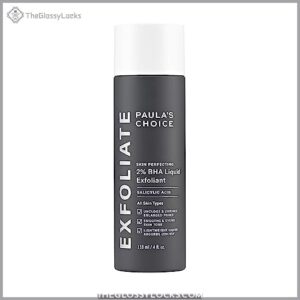
One product worth keeping in your routine is Paula’s Choice 2% BHA Liquid Exfoliant. It uses salicylic acid, an oil-soluble acid that gets into pores and dissolves the dead skin buildup that traps hairs beneath the surface. It’s fragrance-free, paraben-free, and gentle enough for daily use.
Apply it after cleansing, let it absorb, then follow with moisturizer.
It won’t extract an existing ingrown, but it helps keep follicles clear so fewer form.
| Best For | Anyone dealing with blackheads, clogged pores, or rough skin texture who wants a gentle, fragrance-free daily exfoliant. |
|---|---|
| Size | 1.7 fl oz |
| Key Ingredient | Salicylic & Glycolic Acids |
| Formula Type | Roll-on gel serum |
| Fragrance-Free | Yes |
| Primary Concern | Ingrown hairs & razor bumps |
| Paraben-Free | Yes |
| Additional Features |
|
- Salicylic acid goes deep into pores to clear out buildup and reduce blackheads
- Fragrance-free and paraben-free, so it’s easy on sensitive skin
- Smooths texture and brightens tone over time with regular use
- Makes your skin more sensitive to the sun, so SPF is a must
- Can cause some purging or flaking when you first start using it
- The dispenser packaging tends to be a bit messy and wasteful
2. Aloe Hydrocortisone Itch Relief Cream
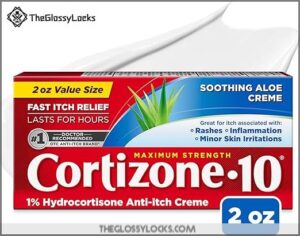
When itching from an ingrown hair becomes hard to ignore, this cream can help. The 1% hydrocortisone formula works as a topical anti-inflammatory, temporarily calming redness and the urge to scratch. Combined with aloe vera, it soothes irritated skin without clogging pores.
It’s fragrance-free, dye-free, and fast-acting — usually within five minutes. Apply a small amount to the affected area after cleaning your skin. Don’t use it on children under two, and keep applications short-term.
| Best For | Anyone dealing with itchy, irritated skin from ingrown hairs, bug bites, eczema, or run-ins with poison ivy who wants fast, no-fuss relief. |
|---|---|
| Size | 18 grams |
| Key Ingredient | Ichthammol & Silicea |
| Formula Type | Topical ointment |
| Fragrance-Free | Not stated |
| Primary Concern | Ingrown hairs & skin eruptions |
| Paraben-Free | Yes |
| Additional Features |
|
- Works quickly — most people feel relief within five minutes
- Clean formula with no fragrance or dyes, so it won’t further irritate sensitive skin
- Compact size makes it easy to toss in a travel bag or first aid kit
- The aloe can cause a slight stinging sensation if your skin is extra sensitive
- Not safe for kids under two years old
- Best used short-term, not as an everyday solution
3. Billie Ingrown Preventing AHA Spray
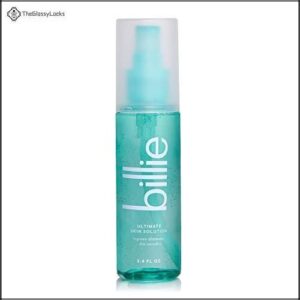
If razor bumps keep showing up after every shave, the Billie Ingrown Preventing AHA Spray is worth keeping on hand. It combines AHAs, BHAs, and salicylic acid to dissolve skin buildup and unclog follicles before trapped hairs become a problem. Aloe vera in the formula soothes redness right after application.
The all-over spray nozzle makes it easy to cover larger areas without touching the skin. It’s vegan, paraben-free, and dermatologist-approved for all skin types — including sensitive skin.
Its skin-restoring formula pairs beautifully with moisturizing shaving creams that protect your skin’s natural barrier, keeping irritation at bay long after the razor is put away.
| Best For | Anyone who deals with frequent razor bumps or ingrown hairs and wants a hands-free, easy-to-apply solution for smoother skin after shaving. |
|---|---|
| Size | 1 fl oz |
| Key Ingredient | Salicylic Acid & Sulfur |
| Formula Type | Bi-phase liquid |
| Fragrance-Free | No |
| Primary Concern | Surface blemishes & breakouts |
| Paraben-Free | Yes |
| Additional Features |
|
- Combines AHAs, BHAs, and salicylic acid to tackle ingrown hairs before they start
- Aloe vera soothes redness and irritation right after you apply it
- The spray nozzle covers large areas quickly without you having to touch the skin
- Can sting on application, especially on sensitive or intimate areas
- Strong fumes if you over-spray — worth using in a ventilated space
- Absorbs a bit slower than some competing products
4. Thayers Original Witch Hazel Facial Toner
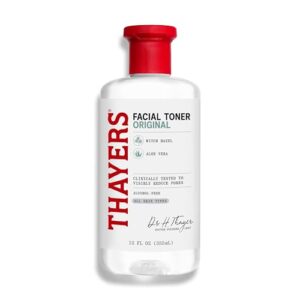
Witch hazel has been a skin-care staple for generations — and for good reason. Thayers Original Witch Hazel Facial Toner pairs hamamelis virginiana extract with aloe vera and glycerin to calm irritated follicles and reduce redness without stripping moisture. The alcohol-free, 12 oz formula won’t dry out sensitive post-shave skin.
Apply it with a cotton pad after cleansing to tone and balance skin. It’s dermatologist-tested, vegan, and cruelty-free — a simple, effective step for daily maintenance.
| Best For | Anyone who wants a gentle, no-fuss toner that calms and balances skin without the harshness of alcohol — great for sensitive, oily, or post-shave skin. |
|---|---|
| Size | 4 oz |
| Key Ingredient | Beta Hydroxy Acid |
| Formula Type | Leave-on liquid |
| Fragrance-Free | Yes |
| Primary Concern | Blackheads & clogged pores |
| Paraben-Free | Yes |
| Additional Features |
|
- Alcohol-free formula keeps skin hydrated while still toning and minimizing pores
- Works for way more than just toning — aftershave, makeup prep, sunburn relief, even nail care
- Dermatologist-tested, vegan, and cruelty-free, so it checks a lot of boxes
- The scent is pretty subtle, which won’t work for people who want something with more of a fragrance
- Drier skin types may still need a moisturizer on top to feel fully comfortable
- Packaging can vary, so what shows up might not match what you see online
Know When to See Doctor

Home care works well for mild cases, but some ingrown hairs need a doctor’s attention. Knowing when to stop treating it yourself can prevent a small problem from turning into a serious one. Watch for these warning signs.
Red Streaks Appear
Red streaks spreading away from an infected ingrown hair are a serious warning sign. This pattern often signals cellulitis or lymphangitis — bacterial infections that move beyond the follicle into surrounding skin and lymph vessels.
If you notice streaks growing hour by hour, seek medical treatment immediately. Antibiotics are usually needed to stop the bacterial infection from spreading further.
Fever or Chills
Streaks are alarming, but a fever above 100°F paired with chills takes things to another level entirely.
- Fever triggers signal your immune system is fighting systemic infection
- Chills response means your body is shivering to raise its temperature
- Monitor with a thermometer — oral temperature reads about 0.4°C lower than core
- Seek oral antibiotic treatment immediately for staph infections or cellulitis
Pain Gets Worse
A fever and chills demand immediate action, but worsening pain deserves equal attention. If your infected ingrown hair starts hurting more — not less — over time, that’s your body signaling something is wrong.
Inflammatory pressure and nerve irritation build as the infection deepens. Friction and moisture keep the cycle going, breaking down tissue and intensifying pain. See a doctor.
Abscess Needs Draining
Sometimes pain alone isn’t the full picture. If the area feels soft and squishy — that’s abscess fluctuance — a pus pocket has likely formed beneath the skin. At that point, home care won’t clear it.
A dermatologist will perform incision and drainage, numbing the skin first, then making a small sterile cut to release the pus. After draining, the cavity may need packing to heal properly from the inside out.
- Post-drainage care includes keeping the wound covered with sterile gauze
- A topical antibiotic cream may be applied to reduce reinfection risk
- A culture follow-up helps identify the bacteria if the infection is severe or recurring
Infection Keeps Returning
An infected ingrown hair that keeps coming back isn’t just bad luck. Biofilm formation lets bacteria hide inside the follicle, surviving treatment and restarting infection once conditions allow. Incomplete antibiotic courses or the wrong prescription can leave resistant bacteria behind.
Recurring infected ingrown hairs aren’t bad luck—bacterial biofilm hides in follicles, surviving treatment and waiting to strike again
See a dermatologist — they can culture the site, address chronic inflammation, and build a plan that actually breaks the cycle.
Prevent Future Infected Ingrowns

Treating an ingrown hair is only half the job. The real win is making sure it doesn’t keep coming back. A few simple habit changes go a long way.
Before changing your routine, it helps to clean and de-rust your razor blades properly so you’re starting fresh with tools that won’t make things worse.
Shave With Hair Growth
Shaving with the grain is one of the simplest changes you can make to prevent infected ingrown hairs from forming in the first place. When you shave against hair growth, cut hairs can curl back and pierce the skin, triggering inflammation.
- Always shave in the direction hair naturally grows
- Use short, single strokes — don’t drag the razor back repeatedly
- Apply a moisturizing shave gel to reduce friction and protect follicles
- Rinse the blade between each pass to clear debris
- Moisturize after shaving to keep the skin barrier intact and reduce irritation
Use Sharp Razors
A dull blade is one of the most overlooked causes of infected ingrown hair. Replace your razor blade every 5–7 shaves to keep the edge clean and sharp.
A fresh blade cuts hair cleanly above the skin, reducing the trauma that traps hair inside the follicle and invites bacterial infection through micro-cuts.
Exfoliate Three Times Weekly
Dead skin is one of the quiet reasons ingrown hairs keep coming back.
Exfoliate three times weekly — but not all at once. Space sessions across the week to give your skin time to recover. Use salicylic acid or a gentle chemical exfoliant over a harsh exfoliating scrub.
Watch for redness or tightness. Those are signs to scale back.
Wear Loose Clothing
What you wear matters more than most people think. Tight jeans or leggings press fabric against your skin constantly, creating friction that irritates healing follicles.
Loose-fitting clothing gives your skin room to breathe and recover. Choose breathable, smooth-seam fabrics and avoid tight waistbands over the affected area. Less contact means less irritation — and a better chance for your skin barrier to heal.
Consider Laser Hair Removal
If ingrown hairs keep coming back no matter what you try, laser hair removal may be worth considering. A series of 4–6 sessions can reduce ingrown hairs by up to 90% by targeting the hair follicle directly.
Here’s what shapes your results:
- Wavelength selection — 755 nm, 810 nm, or 1064 nm lasers are matched to your skin tone and hair type
- Skin cooling — built-in cooling protects your epidermis while heat reaches the follicle
- Pulse duration — energy delivery is timed precisely to heat the follicle without damaging surrounding skin
- Suitability criteria — darker hair on lighter skin responds best, though modern devices treat a wider range of skin tones
Treatment sessions are spaced 4–8 weeks apart to catch follicles in their active growth phase. It’s a long-term investment, but for anyone dealing with recurring infected bumps, it’s one of the most effective tools for preventing ingrown hairs for good.
Frequently Asked Questions (FAQs)
How long do infected ingrown hairs take to heal?
Most infected ingrown hairs heal in 1 to 4 weeks. Deeper cysts or abscesses can take 4 to 6 weeks, even with treatment. Antibiotics usually clear bacterial complications within 7 to 10 days.
Are certain skin types more prone to infections?
Not all skin is built the same. Those with diabetes, weakened immunity, or conditions like eczema face higher infection risk — their skin barrier breaks down faster, letting bacteria gain the upper hand more easily.
What role does diet play in skin inflammation?
What you eat can quietly fuel or fight skin inflammation. Diets high in sugar spike insulin, triggering inflammatory signals. Omega-3 fatty acids help calm that response, while a Mediterranean-style eating pattern promotes clearer, calmer skin overall.
Can ingrown hairs spread to surrounding hair follicles?
One bump won’t stay contained forever. Bacteria can migrate from an inflamed follicle into adjacent ones, triggering follicle cluster spread — turning a single ingrown hair into a chain of irritated, infected hair follicles.
Is it safe to use antibiotic cream without a prescription?
It’s not always safe. Antibiotic creams require a prescription in many countries. Using them without a physician’s guidance risks misdiagnosis, delayed treatment, and antibiotic resistance — a growing concern even with topical antibiotics.
Conclusion
That angry bump was never just a bump—it was your skin sending a clear signal. Treating infected ingrown hairs correctly means listening early, cleaning the area properly, and knowing when home care has its limits.
Sharp razors, consistent exfoliation, and the right products keep most problems from starting. But when redness spreads or pain deepens, a doctor is the right next step.
Your skin heals faster when you work with it, not against it.