This site is supported by our readers. We may earn a commission, at no cost to you, if you purchase through links. This content is for general informational and educational purposes only and is not a substitute for professional medical, dermatological, or nutritional advice.
That small, angry bump under your skin that won’t quit — you know the one. It throbs when you touch it, looks like a pimple, and somehow often appear in the worst possible spot right before an important day.
An ingrown hair happens when a strand curls back and pierces the surrounding skin instead of growing outward, triggering your immune system to treat it like an invader. The result: redness, swelling, and sometimes a pus-filled lesion that’s begging you to do something.
Knowing how to extract an ingrown hair safely — without turning a minor irritation into an infected wound — changes everything. Here’s exactly how to do it.
Table Of Contents
- Key Takeaways
- What is an Ingrown Hair
- Why Ingrown Hairs Happen
- Prepare Skin Before Extraction
- How to Extract Ingrown Hair
- Top 8 Ingrown Hair Aftercare Products
- 1. Cortizone 10 Maximum Strength Aloe Cream
- 2. Aquaphor Maximum Strength Itch Ointment
- 3. Aveeno Hydrocortisone Anti Itch Cream
- 4. Softsoap Coconut Body Scrub
- 5. Almooni Natural Egyptian Loofah Sponge
- 6. Original Kessa Exfoliating Glove
- 7. Keratosis Pilaris Exfoliating Body Scrub
- 8. AmLactin Daily Nourish Lotion
- Prevent Future Ingrown Hairs
- Frequently Asked Questions (FAQs)
- How do you get rid of ingrown hair?
- What is an ingrown hair?
- How do ingrown hairs develop?
- How do you get rid of ingrown hair with aspirin?
- Can ingrown hairs cause permanent scarring or discoloration?
- How long do ingrown hairs typically take to heal?
- Are certain body areas more prone to ingrown hairs?
- Can hormones or genetics influence ingrown hair frequency?
- Whats the difference between ingrown hairs and razor bumps?
- Can ingrown hairs resolve without any treatment?
- Conclusion
Key Takeaways
- Prep before you touch the bump: wash your hands, press a warm compress on the area for 10–15 minutes, and sterilize your needle and tweezers with rubbing alcohol — skipping this is how minor irritation becomes an infected wound.
- If you can see the hair loop, slide a sterile needle underneath it and lift gently; if you can’t see it, stop — digging blindly pushes the hair deeper and opens the door for bacteria.
- Shaving too close with a multi‑blade razor is one of the biggest triggers because each blade cuts the hair below the skin surface, where the sharp tip curls back inward as it regrows.
- Exfoliate two to three times a week to keep dead skin from capping your follicles, and always follow with a fragrance‑free moisturizer — consistency here prevents most ingrown hairs before they start.
What is an Ingrown Hair
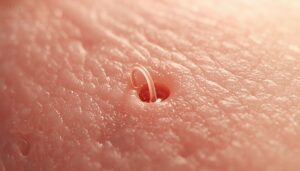
An ingrown hair happens when a strand curls back and grows into the skin instead of breaking through the surface. Your body treats it like a foreign invader, which is why you end up with redness, swelling, and sometimes a small pocket of pus. Here’s what that actually looks like — and how to tell what you’re dealing with.
If you’re prone to this cycle of irritation, these tips for preventing ingrown hair bumps can help you break it before it starts.
Trapped Hair Beneath Skin
When hair can’t find its way out, it does the next best thing — it turns back in. Each hair grows from a hair follicle, a tiny tunnel in your skin. If that tunnel gets blocked by dead skin cells or keratin buildup, the hair curves back and pierces the follicle wall, burrowing beneath the surface.
Your immune system treats that trapped hair like a splinter — a foreign body that doesn’t belong. It sends inflammatory signals rushing to the site, causing a raised, tender bump to form. Fluid can accumulate, mix with skin cells, and slowly develop into a small ingrown hair cyst.
Consider warm compress therapy to help soften the cyst before attempting removal.
Common Signs and Symptoms
Once that inflammatory response kicks in, your skin starts sending clear distress signals.
The most common is a pimple-like bump — raised, tender, and often red.
You might notice painful swelling that worsens when pressed, a burning sensation early on, or throbbing pain as inflammation deepens.
In infected cases, warmth radiates from the site alongside yellow or white pus.
Redness, Bumps, and Itching
Redness is usually the first thing you notice — a small, irritated patch that signals your immune cells rushing to treat the trapped hair as an intruder. The bump follows, starting soft, then firming as fluid builds beneath the skin.
Itching often peaks during this inflammatory stage, and scratching only worsens the redness, particularly on lighter skin tones where inflammation contrasts sharply.
Pus Versus Simple Irritation
Not every ingrown hair looks the same. A simple irritation stays red and slightly raised — no fluid, no pressure, and it fades within a week or two. When bacteria enter the follicle, though, the bump transforms into a pus-filled pustule: yellow or white fluid visible at the center, a warm red halo spreading outward, increasing tenderness.
Watch for these infection signs:
- Yellow or white pus concentrated at the bump’s center, resembling a pimple-like bump
- Redness spreading beyond the original bump boundary
- Skin that feels warm or hot to the touch
- Pain that worsens over time rather than gradually improving
Why Ingrown Hairs Happen
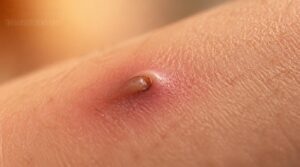
Ingrown hairs don’t just happen randomly — there’s usually a specific reason your skin is reacting this way. Understanding what’s triggering them puts you in a much better position to stop them before they start. Here are the most common culprits to know about.
Shaving Too Closely
Shaving too close is one of the most common triggers. When you pull the skin taut and drag a multi-blade razor across it, each blade cuts the hair progressively shorter — sometimes below the skin surface. As the hair regrows, that sharp tip curls inward and pierces surrounding tissue.
A sharp single-blade razor, used without stretching the skin, cuts cleanly at the surface and greatly reduces that risk.
Waxing and Tweezing Irritation
Waxing and tweezing pull hair from the root, and that force often damages the follicle wall. A weakened follicle can’t guide regrowth cleanly, so the new hair curls inward.
Waxing dermatitis — redness, swelling, and peeling — is a real risk, especially if fragranced products or alcohol-based toners touch the freshly waxed skin.
Use fragrance-free moisturizers to calm the area immediately after.
Curly or Coarse Hair
Hair structure itself is one of the biggest ingrown-hair risk factors. Curly hair follicles emerge at angles as shallow as 6° to 35° rather than near-vertical, so regrowth naturally bends back toward the skin.
- Coarse strands average over 74 μm in diameter, creating a sharper tip after cutting
- Curved follicles produce retrocurved regrowth that pierces the follicle wall
- Sebum struggles to coat strands past the first bend point, leaving hair brittle and prone to breakage beneath the surface
Tight Clothing Friction
What you wear after hair removal matters more than most people realize. Tight clothing friction forces fabric against freshly treated skin continuously, and the shear forces created during movement press hair tips back into follicles before they can emerge cleanly.
| Clothing Factor | Ingrown Hair Risk | ||
|---|---|---|---|
| Reduced fabric airflow | Traps heat and moisture, softening skin | Increased shear forces | Redirects regrowing hairs inward |
| Moisture retention | Softened skin tears more easily under friction | ||
| Pressure concentration | Compresses follicles, blocking upward hair growth |
Opt for loose, breathable cotton instead.
Dead Skin Buildup
Your skin sheds roughly 30,000–40,000 cells every hour, and when that turnover slows — which happens naturally with age — keratin buildup creates a tough physical lid over follicles. That’s why regular skin exfoliation matters:
- Dissolves the keratin layer trapping hair
- Restores healthy cell turnover
- Keeps follicle openings clear for clean regrowth
Prepare Skin Before Extraction
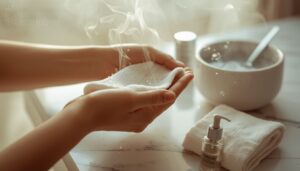
Before you touch the ingrown hair, a little prep work goes a long way toward keeping things safe and effective. Rushing straight to extraction without softening the skin first is one of the most common mistakes people make. Here’s exactly what to do before you pick up any tools.
Start by cleansing the area with warm water to loosen debris, much like the routine upkeep described in this guide to clearing stray hair buildup, which helps you appreciate why keeping things clean matters before any extraction.
Wash Hands Thoroughly
Before you touch the ingrown hair site, wash your hands for at least 20 seconds with soap and running water. Scrub between your fingers, under your nails, and across the backs of your hands — that’s where bacteria hide. Dry with a clean paper towel. If you plan to use nitrile gloves, wash first, then glove up.
Apply Warm Compress
With clean hands ready, soak a cotton washcloth in warm — not hot — water. Test it on your inner wrist first; it should feel comfortably warm, never scalding.
For an eco-friendly alternative, try reusable DIY muslin wax strips that can be washed and used again.
Press it against the area for 10 to 15 minutes. This opens pores and increases blood flow to the site, pulling the trapped hair gradually toward the surface.
Soften Skin and Hair
The warm compress has done the heavy lifting — now help your skin and hair go the rest of the way. Applying jojoba or grape seed oil directly to the area mimics your skin’s natural oils, softening both the follicle wall and the hair shaft without leaving residue behind.
- Jojoba oil absorbs quickly and softens trapped hair
- Grape seed oil hydrates without greasiness
- Tea tree oil reduces sebum and soothes irritation
- Glycolic acid loosens dead cells blocking the follicle
- Lactic acid dissolves the outer skin layer gently
Enzyme exfoliants like glycolic or lactic acid work especially well here — they clear the path without scrubbing.
Sterilize Needle and Tweezers
Before the needle touches anything, it needs to be fully sterile. Dip a fine-tipped needle and tweezers in rubbing alcohol and let them soak for at least two minutes. Don’t wipe them dry — air-drying preserves the disinfection.
Prefer single-use needles when possible; once a sterile needle contacts skin, it’s no longer sterile.
Stop if Hair is Hidden
If the hair isn’t visible beneath the surface, stop the extraction. Digging blindly with a sterile needle or sterile tweezers won’t free the hair — it will push it deeper and open a path for bacteria.
Hidden hairs need time and warm compresses, not force.
Redness, swelling, or pus means infection is setting in; see a dermatologist.
How to Extract Ingrown Hair
Once your skin is prepped and your tools are sterile, you’re ready for the most important part. The steps below walk you through exactly how to free that trapped hair without causing extra damage. Follow each one carefully, and you’ll get the job done cleanly and safely.
Lift Visible Hair Gently
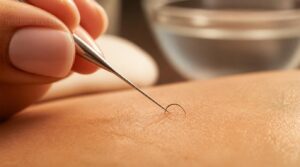
Once the hair loop is visible at the surface, thread a sterile needle underneath it rather than pressing down into the skin.
Slide the tip gently beneath the loop and lift upward — the goal is to pop the hair free, not dig.
Use minimal force. If the loop doesn’t release easily, stop and reapply a warm compress.
Tweeze Only Protruding Hair
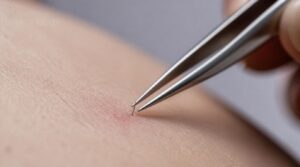
Once the needle has freed the loop, switch to your tweezers and grasp only the portion of hair that’s visibly protruding above the skin.
Don’t dig after hair you can’t see — that’s how minor irritation becomes a real wound. If the hair doesn’t come free within two or three gentle attempts, stop and let more time pass.
Pull With Hair Growth
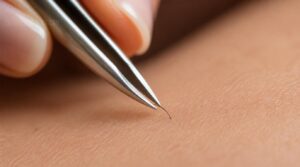
Once you’ve got the hair tip between your tweezers, pull along the grain — meaning in the exact direction the hair naturally grows out of the skin. A steady, gentle tug is all it takes.
Matching the follicle angle reduces breakage and guides the hair out cleanly, without forcing surrounding tissue to absorb unnecessary stress.
Avoid Digging Into Skin
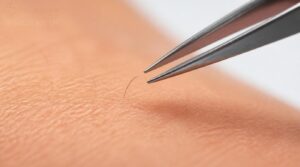
Digging for a hair you can’t see is where most extractions go wrong. If the tip isn’t visible, stop immediately — probing deeper risks tearing tissue, driving bacteria further in, and triggering scarring. Limit yourself to three gentle attempts. If the hair won’t release, it needs a dermatologist, not more pressure.
If the hair won’t release after three gentle attempts, stop — a dermatologist should finish what pressure cannot
Clean The Area Afterward
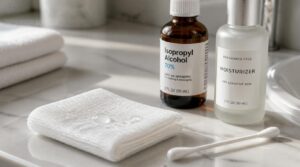
Once the hair is out, treat the site like a small wound — because that’s exactly what it is.
Rinse with lukewarm water (around 98°F) for 30 seconds, then pat dry with a sterile gauze pad.
Apply 70% isopropyl alcohol using a cotton swab directly on the extraction point, let it air-dry completely, and follow with a fragrance‑free moisturizer.
Top 8 Ingrown Hair Aftercare Products
Once the hair is out, what you put on your skin next makes all the difference. The right products can calm irritation, prevent infection, and help your skin recover faster. Here are eight aftercare products worth keeping on hand.
1. Cortizone 10 Maximum Strength Aloe Cream
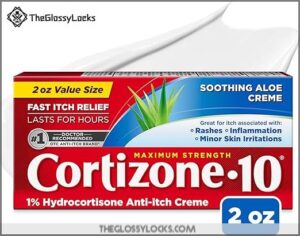
After extraction, your skin needs help calm down fast. Cortizone 10 Maximum Strength Aloe Cream delivers 1% hydrocortisone — the highest concentration available over the counter — to cut redness and itching at the source.
Apply a thin layer up to three or four times daily.
The aloe vera and 10 moisturizers work alongside the hydrocortisone to soothe and rehydrate irritated tissue.
Don’t use it for more than seven consecutive days without checking with a provider.
| Best For | Anyone dealing with post-extraction skin irritation, bug bites, mild rashes, or conditions like eczema and poison ivy who wants fast, over-the-counter relief in a portable, easy-to-use format. |
|---|---|
| Product Form | Cream |
| Net Weight | 2 oz |
| Key Ingredient | Hydrocortisone 1% + Aloe |
| Fragrance | Fragrance-Free |
| Primary Benefit | Itch Relief |
| Sensitive Skin | Yes (Ages 2+) |
| Additional Features |
|
- Maximum-strength 1% hydrocortisone targets itching and redness at the source, with noticeable relief in about five minutes
- Aloe vera and moisturizing ingredients soothe and rehydrate irritated skin at the same time
- Fragrance-free, dye-free formula is gentle enough for adults and kids ages 2 and up
- The aloe cooling effect can cause mild burning or stinging on very sensitive or broken skin
- Not meant for extended use — limit to seven consecutive days without checking with a provider
- Only suitable for minor irritations; not a replacement for prescription treatments or infected skin
2. Aquaphor Maximum Strength Itch Ointment
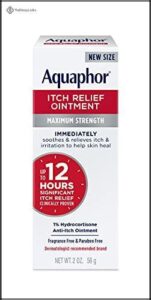
Cortizone 10 controls the surface itch well, but sometimes you need something that goes a step further in protecting the skin barrier while it heals. That’s where Aquaphor Maximum Strength Itch Ointment earns its place. It combines 1% hydrocortisone with petrolatum and panthenol, so it relieves itching for up to 12 hours while sealing moisture in.
Apply a thin layer up to four times daily, and avoid covering broken or unhealed skin.
| Best For | Anyone dealing with persistent itching from eczema, insect bites, or outdoor irritants who also wants to support skin healing with a moisture-locking barrier. |
|---|---|
| Product Form | Cream |
| Net Weight | 2 oz |
| Key Ingredient | Hydrocortisone 1% |
| Fragrance | Fragrance-Free |
| Primary Benefit | Itch Relief |
| Sensitive Skin | Yes (Hypoallergenic) |
| Additional Features |
|
- Combines 1% hydrocortisone with petrolatum and panthenol for both itch relief and barrier protection
- Up to 12 hours of itch relief per application, reducing how often you need to reapply
- Fragrance-free, paraben-free, and hypoallergenic — gentle enough for sensitive skin
- Pricier than generic 1% hydrocortisone options that offer similar active-ingredient strength
- Ointment texture can feel greasy, which may not suit everyone for daytime use
- Not safe for use on open or unhealed wounds, limiting its versatility
3. Aveeno Hydrocortisone Anti Itch Cream
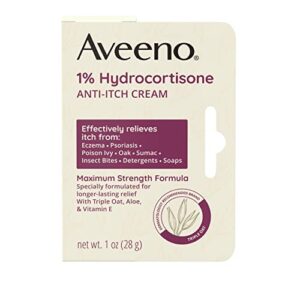
Where Aquaphor leans heavily on occlusion, Aveeno takes a different approach. Its Triple Oat complex — oat kernel flour, oil, and extract — works alongside 1% hydrocortisone to calm inflammation and restore the skin’s moisture barrier simultaneously. Aloe vera and Vitamin E round out the formula, reducing redness without fragrances or dyes that could irritate freshly extracted skin.
Apply up to three to four times daily. The fragrance-free, non-comedogenic formula absorbs quickly, making it a solid option for sensitive or acne-prone areas.
| Best For | People dealing with eczema, psoriasis, insect bites, or contact irritation who want fast-acting itch relief without fragrances or dyes that could further aggravate sensitive skin. |
|---|---|
| Product Form | Cream |
| Net Weight | 1 oz |
| Key Ingredient | Hydrocortisone 1% + Triple Oat |
| Fragrance | Fragrance-Free |
| Primary Benefit | Itch Relief |
| Sensitive Skin | Yes |
| Additional Features |
|
- The 1% hydrocortisone works quickly to reduce inflammation and itch, while Triple Oat, aloe vera, and Vitamin E help restore the skin barrier at the same time
- Fragrance-free, dye-free, and non-comedogenic — safe for sensitive and acne-prone skin, including on kids
- Light, fast-absorbing texture leaves little to no residue, so it’s comfortable for everyday use
- Only meant for short-term use — applying it too long can thin the skin over time
- Won’t help with bacterial, viral, or deeper fungal infections, so a doctor’s visit may still be needed
- At just 1 oz, the tube runs out quickly if you’re treating a larger area or dealing with a chronic condition
4. Softsoap Coconut Body Scrub
Once your skin has been treated and calmed, keeping it smooth between sessions comes down to consistent exfoliation. Softsoap Coconut Body Scrub pairs jojoba butter and crushed coconut extracts with fine exfoliating beads to gently lift dead skin cells that can trap new hairs before they surface.
Use it two to three times weekly on unbroken skin. Avoid applying it over any freshly extracted or open areas — the beads can aggravate sensitive tissue and slow healing.
| Best For | Anyone looking to maintain smooth, soft skin between exfoliation sessions, especially those with oily skin who want a dual-purpose body and light facial cleanser. |
|---|---|
| Product Form | Body Wash |
| Net Weight | 15 oz |
| Key Ingredient | Jojoba Butter + Coconut |
| Fragrance | Tropical Scent |
| Primary Benefit | Cleansing + Moisture |
| Sensitive Skin | No (Strong Fragrance) |
| Additional Features |
|
- Jojoba butter and coconut extracts deeply moisturize while the fine exfoliating beads gently remove dead skin cells
- Creamy, tropical-scented lather makes for a pleasant, spa-like shower experience
- Works well for daily use on the body and light cleansing for oily facial skin
- Priced higher than most standard body washes, which may not suit every budget
- The fragrance can be overwhelming for those sensitive to strong scents
- Exfoliating beads may be too harsh for very sensitive, irritated, or broken skin
5. Almooni Natural Egyptian Loofah Sponge
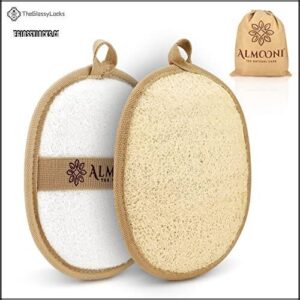
The Almooni Natural Egyptian Loofah Sponge takes a different approach than a scrub formula. Its dual-sided design — firm loofah on one face, soft terrycloth on the other — lets you adjust pressure based on how your skin feels that day. The loofah side buffs away dead cells that block emerging hairs, while the terrycloth side cleanses without additional friction.
Use it two to three times weekly, and hang it between sessions to dry completely, which limits bacterial buildup.
| Best For | Anyone who wants a natural, adjustable exfoliation tool that works for both face and body, whether you’re dealing with ingrown hairs, rough patches, or just want smoother skin. |
|---|---|
| Product Form | Loofah Pad |
| Net Weight | 2.75 oz |
| Key Ingredient | Egyptian Loofah |
| Fragrance | Unscented |
| Primary Benefit | Physical Exfoliation |
| Sensitive Skin | Use With Caution |
| Additional Features |
|
- Dual-sided design gives you real control — firm loofah for deep exfoliation, soft terrycloth for gentler cleansing
- Made from 100% natural Egyptian loofah and packaged in a biodegradable pouch, so it’s a genuinely eco-conscious pick
- Quick-drying loop and anti-fray edging make it easy to hang and keep fresh between uses
- The soft terrycloth side can be hard to grip when you’re using the hand strap
- May develop a mild odor when left to dry, so proper ventilation is a must
- At 8.5 × 6 inches per pad, it runs smaller than a standard sponge, which might catch some buyers off guard
6. Original Kessa Exfoliating Glove
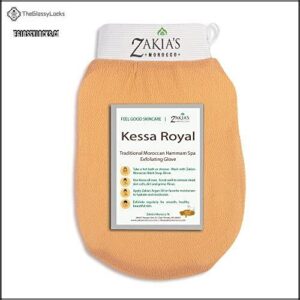
Switching from a sponge to a glove changes how you control pressure.
The Original Kessa Exfoliating Glove is made from 100% viscose crepe fabric, giving it a texture firm enough to lift dead skin without scratching.
Soak it fully before use — dry skin will feel too rough.
Wear it two to three times weekly, pulling in short strokes along hair growth to free trapped tips.
Replace it annually as the weave loosens over time.
| Best For | Anyone dealing with rough, bumpy skin, keratosis pilaris, or those who regularly use self-tanner and want a simple, chemical-free way to exfoliate. |
|---|---|
| Product Form | Exfoliating Glove |
| Net Weight | 0.63 oz |
| Key Ingredient | Viscose Crepe Fabric |
| Fragrance | Unscented |
| Primary Benefit | Physical Exfoliation |
| Sensitive Skin | Use With Caution |
| Additional Features |
|
- Lifts dead skin effectively using just water, no chemicals needed
- Gentle enough for regular use (2–3x weekly) while still improving texture and circulation
- Helps self-tanner come off evenly and preps skin to absorb moisturizer better
- Must be completely wet before use — dry application can feel uncomfortably harsh
- May cause redness or irritation on sensitive or thin skin
- Loses effectiveness over time and needs to be replaced about once a year
7. Keratosis Pilaris Exfoliating Body Scrub
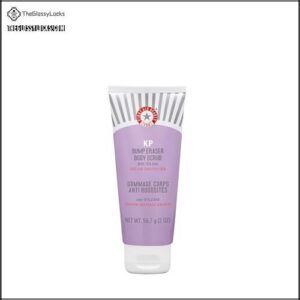
When ingrown hairs cluster around rough, bumpy skin, chemical exfoliation does work a simpler needle can’t. The Keratosis Pilaris Exfoliating Body Scrub combines a 10% AHA combination of glycolic and lactic acids with pumice buffing beads — dissolving keratin plugs while physically lifting dead skin in one step.
Use it one to two times weekly in the shower. Its pH of 4.25–4.7 keeps acid action effective without stripping your barrier. Moisturize afterward, as dryness is a common side effect.
| Best For | Anyone dealing with keratosis pilaris, ingrown hairs, or rough "strawberry legs" who wants a gentle but effective dual-action exfoliant safe for sensitive skin. |
|---|---|
| Product Form | Scrub |
| Net Weight | 2 oz |
| Key Ingredient | 10% AHA + Pumice Beads |
| Fragrance | Fragrance-Free |
| Primary Benefit | Chemical + Physical Exfoliation |
| Sensitive Skin | Yes (Alcohol-Free) |
| Additional Features |
|
- Combines chemical (10% AHA) and physical (pumice) exfoliation in one step, tackling KP bumps and rough texture more thoroughly than either method alone
- Free from alcohol, fragrance, parabens, and sulfates — making it a solid pick for reactive or sensitive skin
- Works double duty as a post-wax scrub to prevent ingrown hairs and boost serum absorption
- Can cause dryness, so you’ll need to follow up with a moisturizer every time
- Results aren’t guaranteed — people with severe KP may see little to no improvement
- Not suitable for broken or irritated skin, which can limit use during active flare-ups
8. AmLactin Daily Nourish Lotion
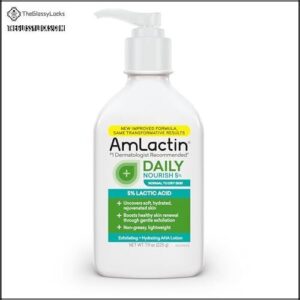
AmLactin Daily Nourish Lotion does double duty — it moisturizes and exfoliates in a single step. Its 5% lactic acid dissolves dead skin cells that trap hairs beneath the surface, while ceramides and niacinamide strengthen your skin barrier rather than compromise it.
Apply it daily after showering. The fragrance-free, fast-absorbing formula won’t clog pores or leave residue. Expect mild stinging on freshly shaved skin — that’s normal. Results build with consistent use, not overnight.
| Best For | Anyone dealing with dry, rough skin or keratosis pilaris who wants a simple daily moisturizer that exfoliates and hydrates at the same time. |
|---|---|
| Product Form | Lotion |
| Net Weight | 7.9 oz |
| Key Ingredient | 5% Lactic Acid |
| Fragrance | Fragrance-Free |
| Primary Benefit | Moisturizing + Exfoliation |
| Sensitive Skin | Yes (Patch Test Advised) |
| Additional Features |
|
- Combines gentle exfoliation and deep moisturizing in one step, making it easy to simplify your skincare routine
- Fragrance-free, dye-free, and loaded with skin-barrier ingredients like ceramides and niacinamide — great for sensitive skin
- Works on both face and body to smooth rough patches and improve skin tone over time
- Can sting on freshly shaved skin or any open cuts, so timing your application matters
- The lactic acid gives it a mildly sour, clinical smell that some people find off-putting
- Results aren’t instant — you need to use it consistently every day before you’ll notice a real difference
Prevent Future Ingrown Hairs
Once you’ve dealt with an ingrown hair, the last thing you want is to go through it again. A few consistent habits can make a real difference in how often they show up. Here’s what actually helps.
Shave With Hair Growth
The direction your hair grows isn’t random — and shaving against it is one of the fastest ways to create ingrown hairs. Run your fingers across your stubble: smooth means with the grain, resistance means against it. Shaving with the grain reduces skin irritation by roughly 30% and prevents about 80% of ingrown hairs before they start.
Use Sharp Clean Razors
A dull blade doesn’t just shave poorly — it tugs hair instead of cutting it cleanly, leaving behind sharp, uneven tips that curl back and re-enter the skin. That’s one of the most preventable causes of new ingrown hairs.
Replace your blade every 5–7 shaves. Once you feel any pulling or dragging, don’t push through it — swap the blade. The discomfort you’re feeling is friction, and friction is exactly what drives hair tips sideways into the follicle wall.
Keep these blade maintenance habits consistent:
- Soak the blade in rubbing alcohol for 5–10 minutes to disinfect it, then rinse with warm water and air dry
- Inspect before every shave for rust spots, dried product, or trapped hair that creates uneven drag
- Store razors in a dry place — lingering moisture accelerates corrosion and blunts the cutting edge faster
- Rinse the blade under warm water between strokes to clear shaving cream and loose hair that cause clogging
A clean, sharp razor reduces the number of passes you need over the same patch of skin. Fewer passes mean less inflammation around the follicle, which directly lowers your skin infection risk — especially important if you’ve recently used sterile tweezers to extract a bump nearby and the area is still healing.
Dry storage matters more than most people realize. A razor left sitting in shower water corrodes quickly, and a corroded blade creates the same drag problem as an old one — even if you just replaced it. After each shave, shake off excess water and store it outside the shower stream.
Exfoliate Two Weekly Times
Dead skin acts like a lid over your follicles, trapping newly grown hairs before they can surface. Exfoliate two to three times weekly — no more — to keep that pathway clear without stripping your skin barrier.
Alternate between a salicylic acid (BHA) treatment and a gentle physical scrub on different days to avoid layering irritation.
| Exfoliation Type | Best Use Case |
|---|---|
| Salicylic acid (BHA) | Oily or follicle-prone areas |
| Glycolic acid (AHA) | Surface dead skin removal |
| Fine-grain sugar scrub | Shins, calves, physical buildup |
| Exfoliating mitt | Sensitive skin, post-healing areas |
Wait at least 24 hours after shaving before exfoliating, and 48 hours after waxing. Applying acid or scrubbing too soon after hair removal — or after using sterile tweezers for ingrown hair extraction — interrupts skin healing and can worsen inflammation.
Sensitive skin does better at lower acid concentrations, around 10% or less, applied every few days rather than daily. Follow every session with a fragrance-free moisturizer to restore your barrier. Consistency matters more than intensity here.
Moisturize Fragrance-free Skin
After exfoliating, your skin needs to recover. A fragrance-free moisturizing lotion seals that work in by delivering humectants like glycerin to draw water into the outer layers while barrier lipids — ceramides, petrolatum, or dimethicone — slow moisture loss.
- Helps maintain skin barrier protection during post-shave care
- Soothes with ingredients like niacinamide or allantoin
- Won’t clog follicles with non-comedogenic formulas
See Dermatologist for Infections
Even with good habits, some ingrown hairs progress to skin infection.
See a dermatologist if you notice increasing redness, pus, or warmth beyond seven days, worsening pain, or fever — these signal bacterial infection requiring a professional skin swab and possibly oral antibiotics like cephalexin.
Attempting drainage at home risks spreading bacteria deeper and causing permanent scarring.
Frequently Asked Questions (FAQs)
How do you get rid of ingrown hair?
To get rid of an ingrown hair, apply a warm compress daily to soften the skin, then gently lift any visible hair with a sterilized needle or tweezers, and follow with antiseptic aftercare.
What is an ingrown hair?
An ingrown hair forms when a removed hair curls back and re-enters the skin instead of growing outward. The trapped hair triggers inflammation, producing a pimple-like bump that may itch, redden, or fill with pus.
How do ingrown hairs develop?
Ironically, your body’s own defense system is part of the problem. When a regrowing sharp hair tip pierces back into the skin, your immune system treats it like a foreign invader — triggering redness and swelling.
How do you get rid of ingrown hair with aspirin?
Dissolve a 325 mg uncoated aspirin in warm water, mix in a few drops of honey, apply to the area for ten minutes, then rinse. Use once or twice weekly.
Can ingrown hairs cause permanent scarring or discoloration?
Yes, they can. Repeated inflammation, picking, or infection raises your risk of postinflammatory hyperpigmentation, keloid scars, or lasting texture changes — especially with deeper skin trauma or a personal tendency toward scarring.
How long do ingrown hairs typically take to heal?
Most ingrown hairs clear up within 7 to 14 days with basic care. Infected or cystic cases can take 2 to 6 weeks, and chronic recurrences sometimes stretch to 3 months or longer.
Are certain body areas more prone to ingrown hairs?
Certain body areas are far more vulnerable. The bikini line, beard area, legs, armpits, and pubic region top the list — anywhere coarse, curly hair meets friction, tight clothing, or repeated shaving.
Can hormones or genetics influence ingrown hair frequency?
Both hormones and genetics can directly raise your ingrown hair risk. Elevated testosterone, thyroid imbalances, and androgen receptor sensitivity all influence hair texture and follicle behavior, while genetic factors like curly hair follicle shape compound the problem.
Whats the difference between ingrown hairs and razor bumps?
Razor bumps and ingrown hairs share similar skin, but differ in origin. Razor bumps — pseudofolliculitis barbae — follow shaving only, appearing within hours. Ingrown hairs develop days later, after any removal method.
Can ingrown hairs resolve without any treatment?
Most ingrown hairs resolve on their own within 7 to 14 days. When left undisturbed and kept clean, mild cases often clear without treatment — especially once shaving or waxing stops.
Conclusion
The belief that extracting an ingrown hair is risky often stops people from acting — but the real danger is doing it wrong. When you soften the skin first, sterilize your tools, and lift rather than dig, knowing how to extract an ingrown hair becomes a skill, not a gamble.
Treat the area gently after. Exfoliate consistently. Your skin heals fast when you work with it instead of against it.
That bump doesn’t stand a chance.