This site is supported by our readers. We may earn a commission, at no cost to you, if you purchase through links. This content is for general informational and educational purposes only and is not a substitute for professional medical, dermatological, or nutritional advice.
That white dust settling on your shoulders isn’t the fashion statement you’re going for. Dandruff flakes affect nearly half of all adults at some point, yet most people scrub harder and wonder why the problem persists.
The truth is, aggressive washing often makes things worse—you need targeted dandruff flakes removal techniques that address what’s actually happening on your scalp. Whether you’re dealing with oily yellow scales or dry white flakes, the right approach depends on understanding the specific triggers feeding your condition.
This guide breaks down clinically proven methods to eliminate flakes, prevent recurrence, and restore your confidence without the guesswork.
Table Of Contents
- Key Takeaways
- Causes of Dandruff Flakes and Scalp Buildup
- Step-by-Step Dandruff Flakes Removal Techniques
- Effective Home Remedies for Flake Removal
- Medicated Shampoos and Treatments for Dandruff
- Top 7 Products for Dandruff Flakes Removal
- Preventing Dandruff Flakes and Future Flare-Ups
- Frequently Asked Questions (FAQs)
- Conclusion
Key Takeaways
- Dandruff stems from Malassezia yeast overgrowth feeding on scalp sebum, not simple dryness—target the fungus with ketoconazole, zinc pyrithione, or selenium sulfide shampoos used 2-3 times weekly for 2-8 weeks to see real results.
- Physical removal works better than aggressive washing—brush gently with soft bristles, exfoliate 1-2 times weekly, massage shampoo into dry scalp for 2-3 minutes, then rinse thoroughly with warm water followed by a cool rinse to seal the cuticle.
- Rotate between antifungal and exfoliating treatments to prevent yeast resistance, and pair medicated shampoos with scalp serums containing zinc pyrithione or salicylic acid for maintenance between washes.
- Prevention requires consistent habits beyond treatment—manage stress to lower oil production, eat omega-3s and zinc-rich foods to calm inflammation, and maintain 2-3 weekly washes with lukewarm water to avoid stripping natural oils that protect your scalp barrier.
Causes of Dandruff Flakes and Scalp Buildup
Dandruff isn’t just dry skin falling from your scalp—it’s a complex condition with multiple triggers that work together to create those visible flakes. Understanding what causes your dandruff helps you target the right treatments instead of wasting time and money on products that won’t work.
Let’s break down the main culprits behind dandruff and scalp buildup.
Common Triggers for Dandruff Flakes
Your dandruff doesn’t happen by accident. Malassezia, a naturally occurring yeast, triggers flake formation when it multiplies too rapidly, especially on oily scalps. This fungal overgrowth feeds on sebum, causing scalp irritation and seborrheic dermatitis. Combining antifungal treatments with moisturizing hair oils can help calm irritation while addressing the underlying sebum imbalance that feeds Malassezia growth.
Inflammatory skin conditions and contact dermatitis from hair products worsen the problem. Infrequent washing lets dead cells accumulate, creating the perfect breeding ground for fungal infection and oil imbalance.
How Scalp Oiliness and Product Buildup Contribute
Your scalp produces sebum—sometimes over 2–3 grams per week—that combines with dead skin cells to form greasy buildup. Hair products with silicones or waxes leave residue that clogs follicles and shifts your scalp’s pH.
This sticky layer traps flakes and fuels Malassezia growth, turning minor oiliness into visible flaking. Heavy leave-ins and infrequent clarifying worsen the cycle, making scalp oil control essential for flake formation prevention. Switching to a targeted anti-dandruff shampoo helps break this buildup cycle without over-stripping your scalp’s natural balance.
Identifying Symptoms of True Dandruff
Once buildup takes hold, you’ll notice white-to-yellowish hair flakes that feel oily and cling to strands. True dandruff sheds heavily after washing or brief scalp irritation, unlike dry skin’s fine dust.
Itch relief becomes urgent as redness and scalp inflammation appear, signaling seborrheic dermatitis rather than cosmetic flaking.
Flake identification matters—persistent fatty scales demand targeted scalp treatment, not just moisturizer.
Step-by-Step Dandruff Flakes Removal Techniques
Getting rid of dandruff flakes takes more than just washing your hair—you need the right technique. When you approach scalp care with a clear plan, you can physically remove buildup and create an environment where flakes don’t stand a chance.
Here’s how to tackle flake removal step by step. For an extra boost between washes, try a nourishing DIY hair mask for split ends to restore moisture and strengthen damaged strands.
Proper Scalp Brushing and Exfoliation
Think of your scalp like a canvas—you can’t paint on a dusty surface. Gentle brushing removes surface skin cells and excess oil, while exfoliation tips include using soft-bristle tools to avoid scalp irritation. Scalp massage with light pressure boosts scalp stimulation and circulation.
Here’s your scalp treatment routine:
- Brush from roots outward to distribute natural oils
- Use physical or chemical scalp exfoliation 1–2 times weekly
- Clean your brush regularly to prevent bacterial buildup
Shampooing Methods for Maximum Flake Removal

Two to three washes weekly with antidandruff shampoo gives you control—ketoconazole, zinc pyrithione, and selenium sulfide are your anti-dandruff ingredients that cut yeast by 80 percent. For stubborn flakes that won’t budge, try a targeted scalp treatment designed to calm irritation and restore balance.
Apply to a dry scalp, massage for 2–3 minutes using fingertips for scalp massage benefits and gentle exfoliation methods, then let it sit.
Shampoo rotation between dandruff treatment options prevents tolerance and keeps flake removal techniques working.
Rinsing and Post-wash Care

Thoroughness beats speed when rinsing—warm water removes antidandruff shampoo and product residue for 30 seconds per section, then finish with cool water to seal the cuticle. Pat hair gently dry, never rub.
Hard water sabotages your hair care routine, so filtered water improves scalp health.
These rinse techniques and gentle drying preserve your natural treatment benefits while preventing buildup.
Effective Home Remedies for Flake Removal

You don’t always need a prescription to start treating dandruff flakes at home. Several natural ingredients have antimicrobial and anti-inflammatory properties that target the yeast overgrowth causing your symptoms.
Here’s what actually works based on clinical evidence.
Coconut Oil, Lemon Juice, and Tea Tree Oil Treatments
You can reclaim your scalp with three potent natural remedies for dandruff: coconut oil, lemon juice, and tea tree oil. Mix these ingredients into a targeted dandruff treatment that tackles both yeast overgrowth and flaking.
- Combine 2 tablespoons coconut oil with 5 drops tea tree oil for antifungal power
- Add 1 teaspoon lemon juice to lower scalp pH
- Massage the mixture into your scalp for 5 minutes
- Leave it on overnight for maximum flake reduction
- Rinse thoroughly in the morning with lukewarm water
Using Apple Cider Vinegar and Baking Soda
You’ve probably heard about apple cider vinegar and baking soda as natural remedies for dandruff—but here’s the reality: these homemade treatments lack strong clinical proof for scalp health improvement.
ACV benefits include pH balance adjustments that may reduce flaking, while baking soda uses involve gentle exfoliation.
Dilute ACV 1:4 with water, apply weekly, and always patch-test first to avoid irritation.
Benefits of Aloe Vera and Green Tea
Aloe vera benefits your scalp through moisturizing compounds that lock in hydration and calm irritation. Green tea extracts deliver anti-inflammatory effects via EGCG polyphenols that reduce redness. Natural remedies for dandruff like these offer scalp soothing without harsh chemicals:
- Apply pure aloe vera gel directly to your scalp for 20 minutes
- Brew strong green tea, cool it, then massage onto your scalp
- Combine both for enhanced dandruff treatment and scalp health
Medicated Shampoos and Treatments for Dandruff

Medicated shampoos target the root cause of dandruff by killing yeast and removing stubborn buildup. The active ingredients in these products work differently—some fight fungal overgrowth while others break down flakes and calm inflammation.
You’ll get the best results when you understand what each ingredient does and how to use these treatments correctly.
How Antifungal and Exfoliating Ingredients Work
Dandruff shampoos employ two primary strategies to clear your scalp: antifungal mechanisms that target yeast overgrowth and exfoliating agents that accelerate scalp turnover. Antifungals like ketoconazole disrupt fungal cell membranes, while zinc pyrithione chelates metals to inhibit yeast growth. Exfoliating ingredients dissolve the bonds holding dead skin cells together, allowing flakes to wash away easily. Together, these approaches create an ingredient synergy, addressing both the underlying cause and the visible buildup of dandruff.
| Ingredient Type | How It Works | Key Benefit |
|---|---|---|
| Ketoconazole | Blocks fungal enzyme production | Stops yeast multiplication |
| Zinc Pyrithione | Disrupts fungal metabolism | Controls Malassezia growth |
| Selenium Sulfide | Interferes with fungal respiration | Reduces cell division |
| Salicylic Acid | Dissolves skin cell bonds | Lifts stubborn flakes |
| Tea Tree Oil | Natural antifungal action | Gentle yeast control |
This dual approach effectively tackles fungal resistance by rotating active ingredients while maintaining the integrity of the scalp barrier.
Ketoconazole, Selenium Sulfide, and Zinc Pyrithione Options
Your prescription-strength options include ketoconazole at 1% or 2% concentration, which blocks fungal enzyme production and reduces flake counts within 2–4 weeks. Selenium sulfide addresses resistant dandruff by lowering yeast populations and slowing cell turnover. Zinc pyrithione combines antifungal and antibacterial action against Malassezia while minimizing scalp irritation.
Rotate these treatments to prevent fungal resistance and optimize long-term flake reduction. To ensure the effectiveness of these treatments, it’s essential to assess their methodological rigor using scientific study audits.
Correct Use and Rotation of Medicated Shampoos
Once you’ve selected your dandruff treatment options, use medicated shampoos 2–3 times weekly for the first 2–8 weeks.
Here’s how to optimize flake prevention and minimize scalp irritation:
- Apply to wet scalp for 3–5 minutes contact time
- Rotate between antifungal and keratolytic formulas only when your current product loses effectiveness
- Reduce frequency to 1–2 times weekly once symptoms improve
Log your results to guide future shampoo rotation decisions.
Top 7 Products for Dandruff Flakes Removal
You’ve got the tools and techniques—now you need the right products to finish the job.
The options below target different aspects of dandruff, from yeast overgrowth to stubborn buildup, so you can choose what fits your scalp’s needs.
Here are seven proven products that actually work to eliminate flakes and keep them from coming back.
1. Nizoral Anti Dandruff Shampoo
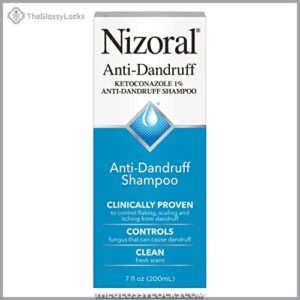
You’ll find real relief with Nizoral Anti-Dandruff Shampoo, a clinically proven treatment that contains 1% ketoconazole. This ingredient targets the Malassezia yeast that causes your flaking and itching.
Use it twice weekly—wet your hair, lather, rinse, and repeat. Studies show 74% of users see good to excellent results within just two weeks.
The anti-fungal properties kill scalp fungus at its source, making it up to 10 times more effective than standard dandruff shampoos. It’s gentle enough for color-treated hair while delivering powerful scalp treatment.
| Best For | People dealing with persistent dandruff, flaking, and itching who want a clinically proven treatment that works twice a week instead of daily. |
|---|---|
| Active Ingredient | 1% Ketoconazole |
| Form | Liquid |
| Hair Type | All |
| Target Condition | Dandruff & Fungus |
| Brand | Nizoral |
| Age Range | Adult, Youth |
| Additional Features |
|
- Contains 1% ketoconazole that targets the fungus causing dandruff at the source, with 74% of users seeing good to excellent results in just two weeks
- Only needs to be used twice weekly instead of daily, making it more convenient and cost-effective than regular dandruff shampoos
- Gentle enough for color-treated, chemically processed, and gray hair while still delivering powerful anti-fungal action
- Can cause dryness or irritation if used too frequently, and some users may need extra conditioner or moisturizing products
- More expensive than typical drugstore dandruff shampoos, though you use it less often
- May cause burning if it gets in your eyes, and isn’t suitable for everyone with very sensitive skin
2. Dercos Anti Dandruff Shampoo Treatment
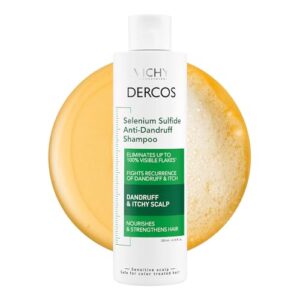
Vichy’s Dercos Anti-Dandruff Shampoo Treatment gives you another powerful weapon against seborrheic dermatitis. It contains 0.6% micronized selenium sulfide—an anti-fungal ingredient that stops yeast cells from multiplying on your scalp.
Apply it to wet hair, massage for 2-3 minutes, then rinse thoroughly. Use it 2-3 times weekly for best results. The formula includes niacinamide and glycerin to prevent dryness while targeting dandruff causes at their source.
Clinical testing shows it eliminates up to 100% of visible flakes, matching the effectiveness of 2% ketoconazole shampoos. The selenium benefits extend beyond flake removal—it reduces redness, itching, and scaling too.
| Best For | People with recurring dandruff, sensitive scalps, or color-treated hair who want a clinically proven treatment that works as well as prescription-strength options. |
|---|---|
| Active Ingredient | 0.6% Selenium Sulfide |
| Form | Liquid |
| Hair Type | All |
| Target Condition | Dandruff & Flakes |
| Brand | Dercos |
| Age Range | Adult |
| Additional Features |
|
- Eliminates up to 100% of visible flakes with effectiveness comparable to 2% ketoconazole shampoos
- Contains niacinamide and glycerin to keep hair moisturized and prevent dryness during treatment
- Safe for color-treated hair and gentle enough for sensitive scalps
- May have a noticeable sulfur smell that some users find unpleasant
- Can slightly fade color-treated hair over time despite being marketed as color-safe
- Higher price point at $15.99 for 6.76 oz compared to standard dandruff shampoos
3. CeraVe Anti Dandruff Conditioner
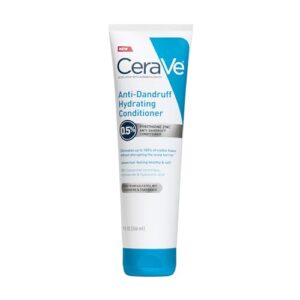
CeraVe’s Anti-Dandruff Conditioner pairs 0.5% pyrithione zinc with ceramides and hyaluronic acid to lock in moisture after you shampoo. Apply it from mid-length to ends and work a small amount onto your scalp to reduce flakes while preventing dryness.
The formula costs $9.59 and eliminates up to 100% of visible flakes within four weeks. Use it daily after shampooing—it’s sulfate-free, fragrance-free, and gentle enough for color-treated hair.
The ceramides repair your scalp barrier while niacinamide calms irritation and itching.
| Best For | People with dandruff-prone scalps who need a gentle, daily conditioner that hydrates hair while treating flakes without stripping color or causing irritation. |
|---|---|
| Active Ingredient | 0.5% Pyrithione Zinc |
| Form | Liquid |
| Hair Type | All |
| Target Condition | Dandruff & Itching |
| Brand | CeraVe |
| Age Range | Adult |
| Additional Features |
|
- Combines 0.5% pyrithione zinc with ceramides and hyaluronic acid to treat dandruff while keeping your scalp and hair moisturized
- Sulfate-free, fragrance-free formula works well for sensitive scalps and won’t fade color-treated hair
- Affordable at $9.59 and eliminates up to 100% of visible flakes within four weeks of consistent use
- Takes about four weeks of daily use to see noticeable improvement, so you won’t get instant results
- Bottle can be fragile and may break during shipping or handling
- Results depend on consistent use—skipping applications or increased stress may bring flakes back
4. Jupiter Restoring Scalp Serum
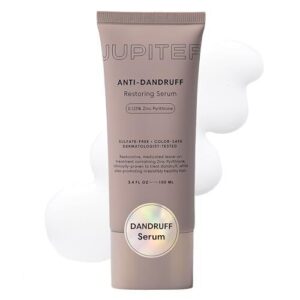
Jupiter’s Restoring Scalp Serum delivers 0.125% zinc pyrithione between washes to control yeast and calm irritation without shampooing. The formula combines aloe vera, niacinamide, and panthenol to rebuild your scalp barrier while preventing flakes.
Apply a few drops directly to your scalp, massage it in, and leave it on—this lightweight treatment absorbs fast and won’t weigh down your hair.
At $28 for 4.6 ounces, it’s vegan, sulfate-free, and works for oily, dry, or flaky scalps struggling with seborrheic dermatitis.
| Best For | People with mild to moderate dandruff or seborrheic dermatitis who want a leave-on treatment to soothe itching and reduce flakes between wash days without weighing hair down. |
|---|---|
| Active Ingredient | Zinc Pyrithione |
| Form | Liquid |
| Hair Type | All Hair Types |
| Target Condition | Dandruff & Dryness |
| Brand | Jupiter |
| Age Range | Adult |
| Additional Features |
|
- Clinically proven zinc pyrithione targets the root cause of dandruff while nourishing ingredients like aloe vera and niacinamide restore your scalp barrier
- Lightweight, non-greasy formula absorbs quickly and won’t leave residue or flatten your hair
- Vegan, sulfate-free, and color-safe so it works with most hair types and routines
- At $28 for 4.6 ounces, the bottle runs small if you’re using it frequently or have a lot of scalp to cover
- Some users find relief only lasts temporarily, making it less effective for severe or stubborn dandruff
- Results vary widely—what works great for one person might do little for another with a different scalp type
5. Neutrogena Salicylic Acid Dandruff Shampoo
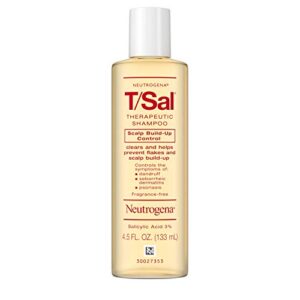
Neutrogena’s T/Sal Therapeutic Dandruff Shampoo uses 3% salicylic acid—the maximum strength available without a prescription—to break down thick, crusty buildup and lift stubborn flakes. This fragrance-free liquid targets scalp psoriasis, seborrheic dermatitis, and heavy product residue through exfoliation, not antifungal action.
Apply it to wet hair, massage into your scalp, let it sit for five minutes, then rinse thoroughly. At $7.77 for 4.5 ounces, it’s affordable and effective for clearing visible scales, though you’ll need a conditioner to prevent dryness.
| Best For | People dealing with thick scalp buildup, stubborn flakes, or conditions like scalp psoriasis and seborrheic dermatitis who need maximum-strength exfoliation. |
|---|---|
| Active Ingredient | 3% Salicylic Acid |
| Form | Liquid |
| Hair Type | Straight |
| Target Condition | Dandruff & Psoriasis |
| Brand | Neutrogena |
| Age Range | Adult |
| Additional Features |
|
- Contains 3% salicylic acid—the highest over-the-counter strength—to break down crusty buildup and lift persistent flakes effectively.
- Fragrance-free and free of added color or preservatives, making it a good choice for sensitive scalps.
- Affordable at $7.77 for 4.5 ounces, especially for a therapeutic-grade treatment.
- Works through exfoliation alone without antifungal action, so it may not tackle Malassezia-related dandruff on its own.
- Can cause dryness or irritation if used too often, and you’ll likely need a conditioner afterward.
- Small bottle size means frequent repurchasing, and results take consistent use to show up.
6. Dove Derma Care Shampoo
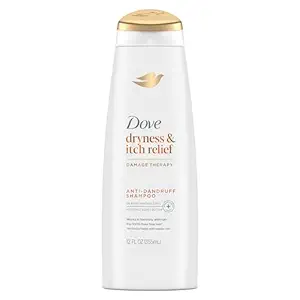
Dove Derma Care Shampoo prioritizes scalp comfort over aggressive dandruff control. It uses pyrithione zinc with coconut oil and mild surfactants for gentle cleansing, making it suitable for sensitive or dry scalps that can’t tolerate harsh antidandruff formulas.
Apply it to wet hair, lather, and rinse thoroughly. Dermatologist reviews note it won’t eliminate severe flaking but helps maintain hair moisture and reduce irritation.
At around $6 for 13.5 ounces, it’s an affordable maintenance option when you need everyday gentleness without stripping your scalp.
| Best For | People with dry, itchy, or sensitive scalps who need gentle daily dandruff control without harsh ingredients that strip moisture. |
|---|---|
| Active Ingredient | Pyrithione Zinc |
| Form | Liquid |
| Hair Type | Dry, Itchy |
| Target Condition | Dandruff & Dryness |
| Brand | Dove |
| Age Range | Adult |
| Additional Features |
|
- Combines pyrithione zinc with coconut oil to fight flakes while keeping hair moisturized from root to tip
- PH-balanced and vegan formula is gentle enough for daily use on sensitive scalps
- Affordable at around $6 for over 13 ounces, backed by 10 years of research
- Contains fragrance that may irritate some sensitive scalps or cause reactions
- Not strong enough for severe dandruff cases—focuses more on comfort than aggressive flake removal
- Some users report greasiness or hair not feeling completely clean after washing
7. Nioxin Scalp Recovery Conditioner
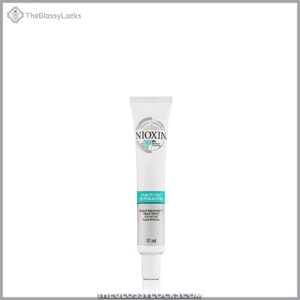
Nioxin Scalp Recovery Conditioner combines scalp exfoliation with conditioning to tackle flake removal while keeping hair manageable. The formula contains pyrithione zinc to control dandruff and green tea extracts to soothe scalp itch after washing.
Apply it to clean, damp hair and leave it on for two to three minutes before rinsing. Some users report improved scalp health and reduced flaking, while others note limited product efficacy for severe cases.
At roughly $30 for 6.7 ounces, it fits into full scalp treatment routines when you need both anti-dandruff action and hair care benefits.
| Best For | People dealing with dandruff or scalp flaking who want a conditioner that treats their scalp while keeping hair soft and manageable. |
|---|---|
| Active Ingredient | Pyrithione Zinc |
| Form | Liquid |
| Hair Type | All |
| Target Condition | Dandruff & Build-up |
| Brand | Nioxin |
| Age Range | Adult |
| Additional Features |
|
- Combines pyrithione zinc and green tea to target flakes and soothe irritation in one step
- Leaves hair conditioned and easier to manage after use
- Works as part of a complete scalp care routine without skipping conditioning
- May not work well for severe dandruff or psoriasis cases
- Can feel harsh on sensitive scalps and might increase shedding for some users
- Leaves residue if you don’t rinse thoroughly, and the 6.7 oz size runs out quickly for the price
Preventing Dandruff Flakes and Future Flare-Ups

Clearing flakes is one thing—keeping them from coming back is another. Prevention requires consistent scalp care habits, smart dietary choices, and stress management strategies that target the root causes of dandruff.
Here’s how to build a routine that keeps your scalp calm and flake-free long-term.
Scalp Care Routines and Lifestyle Changes
Your scalp care routines determine whether flakes stay gone or keep coming back. Wash your hair 2-3 times weekly with lukewarm water to prevent over-stripping natural oils. Massage your scalp gently during shampooing to boost circulation without causing irritation. Use gentle products that won’t trigger inflammation, and rinse thoroughly to eliminate residue buildup.
Brush your hair regularly to distribute oils and remove loose flakes before they become visible. Stress management through exercise or meditation directly impacts your scalp’s oil production. Protect your scalp from environmental damage, and make these hair care routines as automatic as brushing your teeth.
| Daily Hygiene Practice | Frequency | Scalp Health Benefit |
|---|---|---|
| Gentle scalp massage | 2-3 minutes daily | Improves circulation, distributes oils |
| Lukewarm water rinses | Every wash | Prevents dryness, maintains barrier |
| Thorough product removal | Each application | Reduces buildup, limits yeast growth |
| Silk pillowcase use | Nightly | Protects scalp, reduces friction |
Dietary Adjustments for Scalp Health
What you eat directly shapes your scalp’s ability to fight flakes. Feed your skin the right fuel, and you’ll see fewer symptoms flare up.
- Omega-3 rich foods like salmon and walnuts calm inflammation and strengthen your scalp barrier
- Zinc supplements (or zinc-rich oysters and pumpkin seeds) support healing and reduce flake formation
- Probiotic balance from yogurt or fermented foods influences your gut-skin connection
- Hydration tips: drink 8+ glasses daily to flush toxins and maintain moisture
- Mineral therapy through leafy greens provides essential nutrients for scalp health
Managing Stress to Reduce Recurrence
Your mind and scalp are more connected than you think. Chronic stress triggers hormonal shifts that ramp up oil production and inflammation—two major drivers of dandruff.
Chronic stress drives dandruff by triggering hormonal shifts that increase oil production and scalp inflammation
Try mindful meditation or regular scalp massage to lower cortisol levels. Better sleep quality also reduces flaking by calming inflammatory pathways.
Managing stress for scalp health isn’t optional—it’s one of your most effective scalp treatment options for long-term emotional balance and control.
Frequently Asked Questions (FAQs)
Can dandruff flakes spread to other body parts?
Dandruff flakes don’t migrate to distant body parts on their own. They might land on your shoulders or neck from shedding, but this isn’t true spread—just surface contamination from your scalp.
Does hair dye or coloring worsen dandruff flakes?
Hair dye can trigger scalp irritation in sensitive individuals, especially from chemicals like PPD or ammonia. Patch-test before coloring, choose hypoallergenic formulas, and maintain gentle post-dye care to prevent flake worsening.
How long until dandruff treatment shows results?
Most people notice flake reduction within 2 to 4 weeks with consistent medicated shampoo use. Scalp healing and itch relief often appear sooner, while improvement rates depend on dandruff severity and treatment adherence.
Are dandruff flakes contagious between people sharing items?
No, you can’t catch dandruff from sharing combs or hats. The Malassezia yeast lives on most scalps naturally—it doesn’t spread like fungal infections do. Focus on your own scalp hygiene and antifungal treatments instead.
Can children and babies get dandruff flakes?
Yes, though it looks different than adult dandruff. Infants often develop cradle cap—yellowish, greasy scales caused by seborrheic dermatitis.
Children can also experience pediatric dandruff with mild flaking as their scalp matures.
Conclusion
You don’t need to live under a cloud of white flakes anymore. The dandruff flakes removal techniques in this guide give you the tools to take control—from proper exfoliation and targeted shampooing to medicated treatments and home remedies.
Match your approach to your specific scalp condition, stay consistent with your routine, and adjust as needed. Clear shoulders and a healthy scalp aren’t just possible—they’re within reach when you stop guessing and start treating the root cause.