This site is supported by our readers. We may earn a commission, at no cost to you, if you purchase through links.
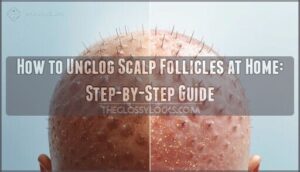
Your scalp sheds roughly 500,000 dead skin cells every hour, and when those cells mix with oil and product residue, they form a sticky paste that chokes your hair follicles. Clogged follicles don’t just cause itching or flaking—they can trigger inflammation, disrupt your hair’s growth cycle, and lead to thinning you can’t ignore.
The good news is that you don’t need expensive treatments or a dermatologist appointment to fix this. You can unclog scalp follicles at home using simple techniques that tackle the underlying issue of buildup. With the right approach, you’ll restore your scalp’s balance and give your hair the clean foundation it needs to thrive.
Table Of Contents
Key Takeaways
- Your scalp sheds 500,000 dead skin cells hourly that mix with oil and products to form sticky buildup, choking follicles and disrupting growth cycles—but simple home techniques like pH-balanced cleansing, gentle exfoliation, and scalp massage can clear blockages without expensive treatments.
- Clogged follicles reveal themselves through persistent itching, waxy residue that won’t wash away, red bumps or pimple-like lesions, and increased shedding with dull roots—warning signs you can’t ignore if you want to prevent inflammation and thinning.
- Salicylic acid shampoos (1.8-2%), weekly exfoliation with scalp scrubs, and avoiding heavy comedogenic products like coconut oil create the foundation for keeping follicles clear, while natural remedies like diluted apple cider vinegar and tea tree oil cut through buildup without harsh chemicals.
- Prevention demands consistent habits: wash 2-3 times weekly with sulfate-free formulas, choose water-based styling products over thick waxes, and support scalp health from the inside with zinc-rich foods and omega-3s—but seek professional help immediately if you notice pus-filled bumps, spreading redness, or new bald patches that signal infection.
Causes of Clogged Scalp Follicles
Your scalp doesn’t clog itself overnight. Several factors can trap oil and debris inside your follicles, creating the perfect conditions for buildup and inflammation.
If you’re dealing with persistent buildup, learning how to clean hair follicles properly can help restore balance and reduce inflammation.
Understanding what’s causing the blockage is the first step toward clearing it out and keeping your scalp healthy.
Fortunately, there are proven scalp treatments for blocked hair follicles that can restore proper function and promote regrowth.
Excess Sebum Production
Your scalp’s oil glands can shift into overdrive, pumping out more sebum than your skin needs and turning your follicles into sticky traps for debris. Too much sebum can contribute to scalp buildup symptoms, including flakes, redness, and itchiness.
Hormonal shifts, stress, or genetics can trigger excess oil production, which clogs hair follicles and disrupts your scalp’s natural sebum regulation. Without proper scalp care routines and follicle detox methods, this buildup worsens over time.
Understanding the causes of oily scalp and treatment options can help you restore balance and prevent recurring buildup.
Product and Oil Buildup
Styling creams, gels, and leave-in conditioners can stack up on your scalp like layers of paint, trapping oil and dead cells in your follicles.
Addressing this buildup is vital, as it can contribute to symptoms of scalp buildup such as greasiness and irritation.
Without regular scalp cleansing and proper scalp care routines, product buildup smothers your hair follicles and blocks healthy growth. A scalp detox clears oil residue and restores hair follicle health.
Dead Skin Cell Accumulation
Just like old skin flakes off your elbows or knees, your scalp constantly sheds dead cells—and when those cells mix with oil, they form a sticky paste that clogs your follicles.
Fortunately, targeted scalp treatments for product buildup can break down that stubborn residue and give your follicles room to breathe again.
Without regular scalp exfoliation and follicle cleansing, this buildup disrupts cell renewal and hair follicle health. That’s why scalp detoxification matters: it aids pore minimization and keeps scalp care and maintenance on track for healthier growth.
Scalp Conditions and Inflammation
Conditions like seborrheic dermatitis don’t just flake—they inflame the follicle openings themselves, turning a simple clog into a red, swollen roadblock. When scalp irritation spirals into folliculitis or fungal infections, you’re not just battling buildup—you’re fighting inflammation that threatens hair follicle care and scalp health.
Here’s what redness treatment targets:
- Inflamed follicle openings that trap oil and debris
- Itchy, burning patches that worsen with scratching
- Stubborn flakes resistant to regular shampooing
- Progressive hair loss from chronic follicle damage
- Recurring infections that demand scalp exfoliation.
Hormonal Imbalances
Your hormones don’t just regulate mood—they control the oil glands attached to every follicle on your scalp, and when testosterone, estrogen, or cortisol levels shift, sebum production can spike and trap debris before you notice anything’s wrong.
Thyroid issues, adrenal function disruptions, menstrual cycles, and polycystic ovarian syndrome all trigger hormonal imbalances that directly impact hair growth and hair loss prevention—making hormone regulation essential for scalp health.
Signs Your Scalp Follicles Are Clogged
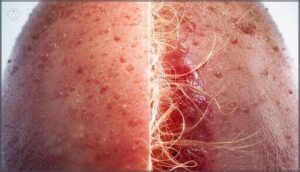
Your scalp won’t always send you a clear signal when follicles get clogged, but there are warning signs you can spot early.
Some symptoms show up as texture changes you can feel, while others appear as visible irritation or inflammation. Here’s what to watch for so you can take control before the problem gets worse.
Regular scalp massage techniques that promote hair growth from roots can help restore circulation and encourage healthier follicle function in affected areas.
Itchy or Flaky Scalp
An itchy scalp that won’t quit—even after washing—is often your first clue that dead skin cells and oil have teamed up to block your hair follicles. You might notice white or yellowish flakes that resist regular shampoo, plus persistent scalp irritation that demands constant scratching.
This buildup suffocates follicles, disrupting hair growth and leaving your scalp begging for relief through proper cleansing and scalp soothing techniques.
Bumps, Redness, or Pimple-like Lesions
When inflamed follicles push back against blockage, they form tender red bumps or pimple-like lesions across your scalp—warning signs that bacteria or irritation has turned a simple clog into a painful problem. Folliculitis develops when clogged hair follicles trap debris, creating skin irritation that escalates into infection.
Watch for these red flags:
- Small red pustules clustered near hair follicles
- Painful bumps that feel warm to touch
- White or yellow pus-filled centers
- Black dots resembling paired blackheads
- Tender patches that worsen with friction
These inflamed follicles demand immediate pimple treatment to prevent follicle infection from spreading. Don’t ignore persistent bumps—they signal your scalp needs intervention before ingrown hairs and deeper inflammation compromise follicle function completely.
Increased Shedding or Dull Roots
Clogged follicles don’t just cause bumps—they choke the hair roots themselves, leaving your hair limp and triggering shedding that seems to come out of nowhere. You’ll notice hair loss patterns where strands fall without breakage, signaling follicle health has tanked.
Root cause analysis points to buildup strangling hair growth cycles—blocking oxygen and nutrients that drive hair growth promotion. Your scalp treatment starts with unclogging those suffocated hair follicles before scalp conditions worsen permanently.
Persistent Greasy or Waxy Feeling
Even after you’ve just shampooed, your scalp feels slick and heavy—like it’s coated in a film that won’t wash away no matter how hard you scrub. This waxy buildup signals clogged hair follicles drowning in excess sebum—greasy scalp causes you can’t ignore.
- Overactive oil glands trap debris inside follicles
- Product residue creates sticky layers blocking proper scalp treatment
- Poor scalp hygiene tips let folliculitis take hold
Waxy feeling remedies start with targeting the root cause.
Step-by-Step Methods to Unclog Follicles at Home
You don’t need to live with a congested scalp. The right approach can clear your follicles and restore balance without harsh treatments or expensive salon visits.
Here’s how to take control and unclog your scalp follicles at home.
Gentle Cleansing With PH-Balanced Shampoo
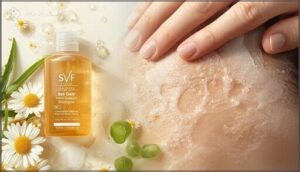
Your scalp produces oil naturally, but when you strip it too aggressively with harsh shampoos, it overcompensates by making even more—which is exactly why switching to a pH-balanced cleanser can break that cycle. Look for formulas between 4.5 and 5.5 that won’t disrupt your skin’s natural barrier.
| Shampoo Selection | Best For |
|---|---|
| pH-balanced daily routine | Normal scalp health maintenance |
| Clarifying shampoo (weekly) | Removing heavy hair care products buildup |
| Salicylic acid formulas | Targeting stubborn clogged hair follicles |
Apply your chosen product with gentle massage motions—don’t scrub like you’re angry at your scalp.
Scalp Exfoliation Techniques

Think of exfoliation as clearing the debris from a clogged drain—once you remove that layer of dead skin cells and buildup, everything flows better. You can use gentle scrubbing motions with exfoliating tools or scalp brushes two to three times weekly.
Massaging techniques combined with follicle stimulation improve circulation while loosening trapped debris. Choose hair care products specifically designed for scalp conditions and treatment without aggressive scraping.
Natural Remedies (e.g., Apple Cider Vinegar, Tea Tree Oil)

Apple cider vinegar and tea tree oil work like natural cleaners that cut through buildup without harsh chemicals. Dilute apple cider vinegar with water and rinse your scalp to dissolve residue.
Tea tree essential oils offer antimicrobial benefits—mix a few drops into your shampoo. These herbal treatments act as natural exfoliants, preparing your scalp for hair follicle stimulation and supporting natural hair growth without irritation.
Scalp Massage for Debris Removal
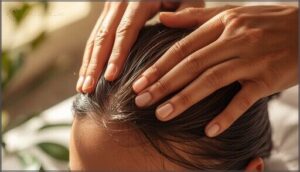
After clearing away buildup with natural remedies, you can boost circulation and help loosen trapped debris by gently massaging your scalp with your fingertips. Use small circular motions across your entire scalp for three to five minutes daily.
This scalp massage technique stimulates blood flow to hair follicles, supporting hair growth stimulation while promoting follicle cleansing and overall skin health without aggravating folliculitis.
Avoiding Heavy or Occlusive Products

Now that massage is part of your routine, watch what you put back on your scalp. Heavy waxes, mineral oil, and petrolatum create occlusive effects that trap sweat and debris inside hair follicles—exactly what triggers folliculitis.
Choose lightweight options and gentle formulas instead. Check product ingredient lists for non-comedogenic hair care that won’t block pores, and keep styling creams away from your roots during skincare.
Best Products for Unclogging Scalp Follicles

You don’t need to break the bank or stock up on a dozen products to unclog your follicles. The right shampoos and treatments can cut through buildup, dissolve excess oil, and give your scalp room to breathe again.
Here’s what actually works when you’re ready to take back control of your scalp health.
Salicylic Acid Shampoos
Salicylic acid shampoos work through keratolytic effects that dissolve the stubborn debris clogging your hair follicles. Most over-the-counter formulas contain 1.8 to 2 percent salicylic acid concentration, which is enough for follicle decongestion without excessive scalp irritation.
Use these shampoos once or twice weekly rather than daily to control folliculitis and buildup while protecting your scalp from dryness.
Coal Tar and Antimicrobial Shampoos
These formulations tackle inflammation and fungal infections that drive folliculitis after hair removal or product buildup. Coal tar benefits include slowing excessive skin cell turnover and softening stubborn scale blocking follicles, while antimicrobial properties in ketoconazole or ciclopirox shampoos reduce Malassezia yeast colonization.
Use coal tar or antifungal shampoo ingredients once or twice weekly for scalp treatment and scalp health maintenance.
Non-Comedogenic Hair Care Products
When selecting shampoos and conditioners, check product labels and ingredient lists for comedogenic ratings. Coconut oil and cocoa butter score high and can trap sebum in follicles.
Dermatologist recommendations emphasize oil-free, silicone-free hair care formulations that won’t migrate to your forehead or back.
Proper hair care product selection promotes follicle health and hair wellness without triggering breakouts, so prioritize lightweight, non-comedogenic options in your natural hair care tips routine.
Exfoliating Scalp Scrubs
Physical exfoliants like salt or sugar scrubs mechanically lift dead skin cells and product residue when you massage them gently across your scalp. Chemical peels with salicylic acid penetrate follicles better on oily scalps, loosening compacted buildup without harsh scrubbing.
For balanced scalps, exfoliate every two to three weeks. Oily or flaky conditions benefit from weekly gentle scrubbing, but avoid over-exfoliation—it damages your skin barrier and can worsen folliculitis.
Preventing Future Follicle Blockages

Once you’ve cleared out your follicles, the real work is making sure they stay that way. Prevention isn’t about flawlessness—it’s about building habits that keep sebum, product residue, and dead skin from staging another takeover.
Prevention isn’t about flawlessness—it’s about building habits that keep sebum, product residue, and dead skin from clogging your follicles again
Here’s how to protect your scalp and maintain the progress you’ve made.
Regular Scalp Hygiene Practices
Once you’ve cleared out the gunk, keeping your scalp healthy means sticking to a simple routine. Regular gentle shampooing with mild cleansers at lukewarm water temperature prevents buildup before it starts.
- Wash your scalp 2–3 times weekly (or daily if you’re oily) with pH-balanced formulas
- Use your fingertips—not nails—for scalp massage during pore cleansing
- Skip scalding hot water that strips protective oils and triggers folliculitis
Proper Hair Product Selection
What you put on your scalp determines whether follicles stay clear or clog back up. Choose noncomedogenic products with sulfate-free, pH-balanced gentle formulas to prevent folliculitis and support hair growth and loss cycles.
| Product Type | Look For | Avoid |
|---|---|---|
| Daily Shampoo | pH 5.5, fragrance-free | Heavy silicones, occlusive oils |
| Weekly Clarifier | Salicylic acid, zinc pyrithione | Harsh sulfates, artificial fragrances |
| Styling Products | Water-based, natural alternatives | Comedogenic oils, thick waxes |
| Scalp Treatments | Tea tree oil, enzyme cleansers | Alcohol-heavy formulas |
| Hair Removal Care | Gentle antiseptics | Irritating fragrances |
Test new products on a small area first—your skincare routine shouldn’t gamble with your follicles.
Diet and Lifestyle Tips for Scalp Health
Your scalp doesn’t exist in a vacuum—what you eat and how you live shows up in every follicle. Nutrient-rich foods like zinc-packed oysters and omega-rich sources such as salmon support hair growth and loss cycles while strengthening skin and scalp health. Balanced diets with vitamin A from sweet potatoes fight inflammation.
Pair scalp-friendly foods with healthy hair habits—adequate sleep, hydration, and beauty and wellness routines that prioritize diet and nutrition over quick fixes.
When to Seek Professional Help
Home remedies won’t cut it when scalp infections or folliculitis persist beyond a few weeks. If you notice pus-filled bumps, intense itching that disrupts sleep, spreading redness, or new bald patches, a dermatologist consult is non-negotiable.
These red flags signal follicle damage or skin conditions requiring medical intervention—prescription antibiotics, antifungals, or anti-inflammatory therapies that prevent permanent scarring and preserve your hair.
Frequently Asked Questions (FAQs)
How often should I exfoliate my scalp?
Think of exfoliation frequency like tuning an instrument—too much and you damage it.
Most dermatologists recommend exfoliating one to two times weekly, adjusting based on your scalp sensitivity and the exfoliants you’re using.
Can clogged follicles cause permanent hair loss?
Chronic inflammation from blocked hair follicles can damage roots, but permanent damage is rare. Early hair loss prevention methods and scalp restoration techniques often reverse shedding. Persistent cases need professional evaluation to prevent follicle regrowth complications.
Are clogged follicles the same as dandruff?
People often confuse the two, but dandruff means flaky shedding without follicle inflammation, while clogged follicles produce painful bumps or pustules around individual hairs—two distinct scalp conditions requiring different skin care approaches.
How long does it take to unclog follicles?
Most mild cases of folliculitis clear within 7 to 10 days once you remove the irritant and maintain good hygiene.
Deeper blockages or chronic follicular disorders may take several weeks or require professional treatment for complete resolution.
Can I use regular body exfoliants on my scalp?
Body scrubs and broad-spectrum buffers bring bigger abrasive particles that can bruise delicate scalp skin, stripping sebum and sparking irritation. Choose scalp-specific formulas with salicylic acid instead.
Conclusion
Your scalp isn’t meant to carry yesterday’s buildup, and your follicles weren’t designed to suffocate under layers of oil and debris. When you unclog scalp follicles at home using the methods outlined here, you’re not just clearing surface grime—you’re restoring the environment your hair needs to grow strong.
Stay consistent with gentle cleansing, strategic exfoliation, and mindful product choices. Your scalp will respond, your hair will follow, and the results will speak for themselves.
- https://www.aad.org/public/diseases/a-z/hidradenitis-suppurativa-causes
- https://my.clevelandclinic.org/health/body/24538-sebaceous-glands
- https://jpmsonline.com/article/download/903/
- https://www.verywellhealth.com/sebum-buildup-on-scalp-5184298
- https://www.mysebdermteam.com/resources/hormones-and-seborrheic-dermatitis-whats-the-connection