This site is supported by our readers. We may earn a commission, at no cost to you, if you purchase through links. This content is for general informational and educational purposes only and is not a substitute for professional medical, dermatological, or nutritional advice.
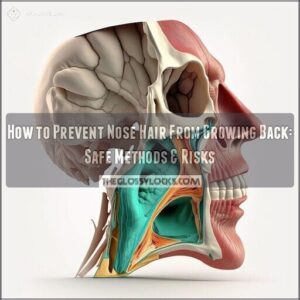
Your nose hair follicles don’t care about your grooming preferences—they’re programmed to regenerate every six to eight weeks, cycling through growth phases that guarantee a constant supply of protective fibers. This biological persistence frustrates many people who want smooth, hair-free nostrils, but understanding why regrowth happens reveals an important truth: your body treats nose hair as essential infrastructure, not cosmetic nuisance.
Hormones, genetics, and aging all influence how quickly and densely these hairs return after removal. While you can’t override your follicles’ basic programming without risking respiratory health, you can adopt strategic trimming methods and explore reduction techniques that minimize visible growth without compromising the filtering barrier your nasal passages depend on for protection against airborne particles and pathogens.
Table Of Contents
- Key Takeaways
- Why Does Nose Hair Grow Back?
- Is It Safe to Permanently Remove Nose Hair?
- How to Safely Minimize Nose Hair Regrowth
- Can Laser or Electrolysis Stop Regrowth?
- Tips to Reduce Visible Nose Hair Naturally
- Frequently Asked Questions (FAQs)
- Is there a way to stop nose hairs from growing?
- How do I stop hair growth on my nose?
- How do you get rid of nose hairs permanently?
- Can diet or vitamins slow nose hair growth?
- Are there topical creams to reduce nose hair?
- Is waxing nose hair ever considered safe?
- Do women experience nose hair growth differently?
- Conclusion
Key Takeaways
- Your nose hair regrows relentlessly because follicles cycle through programmed growth phases every six to eight weeks, driven by hormones and genetics that treat nasal hair as essential respiratory protection rather than a cosmetic nuisance.
- Permanently removing all nose hair through laser or electrolysis isn’t medically advisable since it eliminates your body’s critical first-line defense against airborne particles, pathogens, and respiratory infections.
- Safe management means trimming visible hairs every 7-14 days with rounded-tip scissors or electric trimmers at a shallow angle, preserving the protective inner layer while controlling what shows at the nostril opening.
- Waxing and plucking create dangerous microtears in bacteria-rich nasal tissue that invite infections and trauma, making regular trimming with proper tools your only safe long-term strategy.
Why Does Nose Hair Grow Back?
Nose hair grows back because it follows a biological cycle, much like the hair on your head. Your body is designed to maintain this protective barrier, so even after trimming or removal, follicles remain active and continue producing new strands.
If you’re dealing with patchy facial hair and wondering whether those gaps will fill in, fixing bald spots in your beard follows a similar regrowth principle.
Several physiological factors determine how quickly and densely your nose hair regrows, from hormonal influences to the natural changes that come with age.
Hair Growth Cycle in The Nose
Your nose hair operates on a relentless hair growth cycle that guarantees nasal hair regrowth, no matter how often you trim. Understanding this cycle explains why complete prevention isn’t realistic.
The cycle consists of the following phases:
- Anagen phase factors drive active growth for weeks to months in nasal hair follicles
- Catagen transformation briefly halts growth before resting
- Telogen resting phase readies follicles for renewal
- Exogen shedding releases old hairs as new ones emerge
This asynchronous hair cycle timing means follicles renew at different intervals, protecting nasal mucosa protection and respiratory health continuously. To learn more about the different, explore the foundational biology behind hair growth.
Hormonal and Genetic Factors
Your genetic predisposition and hormone balance drive how aggressively follicle regulation reacts to androgens like testosterone. Androgen sensitivity varies by individual, influencing hair regeneration intensity throughout the hair growth cycle.
Hormonal fluctuations during puberty or hormonal changes from imbalances extend the anagen phase, accelerating hair growth in your nostrils. This inherited follicular programming explains why some people experience more persistent regrowth than others.
Aging and Increased Growth
As you age, prolonged hormone impact on your follicles triggers cellular changes that extend growth patterns in your nostrils. This anagen sensitivity, fueled by decades of androgen exposure, explains why nose hair becomes thicker and longer over time.
Senescence factors and aging effects on hair regeneration paradoxically boost nasal hair while thinning scalp hair, maintaining respiratory health through enhanced filtration capacity.
Is It Safe to Permanently Remove Nose Hair?

Permanently removing nose hair might sound appealing for convenience, but it’s a decision that requires serious consideration of both medical risks and biological consequences. Your nose hairs aren’t just cosmetic nuisances—they serve critical protective functions that you can’t easily replace once they’re gone.
If you do choose to manage visible growth, understanding the differences between manual and electric nose hair removal methods can help you trim safely without compromising your nasal defenses.
Permanently removing nose hair may seem convenient, but it eliminates critical protective functions you cannot easily replace
Before you commit to any permanent removal method, you need to understand what you’re actually giving up and what dangers you might be inviting.
Medical Risks of Complete Removal
Stripping away all your nasal hair threatens your respiratory health in ways you mightn’t anticipate. Follicle damage increases the risk of infection, particularly in the delicate nasal vestibule where your biological defense mechanisms start their work.
You’re also inviting nasal scarring, tissue trauma, and even rare complications like septal perforation—medical conditions that can compromise sinus problems and overall infection control.
Surgical procedures can also carry potential risks and benefits that should be carefully considered when evaluating removal methods.
Protective Functions of Nose Hair
Your biological defense mechanisms depend on intact nasal hairs for air filtration, trapping dust, pollen, and pathogens before they reach your lungs. These follicles support nasal humidification, mucociliary clearance, and immune support by reducing airborne irritants that trigger inflammation.
Think of them as your body’s first allergy shield—removing this respiratory health barrier compromises nasal hygiene and increases infection susceptibility dramatically.
How to Safely Minimize Nose Hair Regrowth
You don’t need to eliminate nose hair completely to keep it under control. Strategic trimming can keep visible growth minimal without compromising your nasal health.
Here’s how to manage regrowth safely and effectively.
Proper Trimming Techniques

Your trimming technique matters as much as the tools you choose. Tilt your head slightly forward and maintain a shallow 5 to 15 degree angle to protect delicate nasal tissue and hair follicles.
Use short strokes rather than sweeping motions to prevent tugging. Target only visible tips—preserving a protective layer inside your nostrils reduces respiratory risks while maintaining personal grooming standards.
Best Tools for Trimming
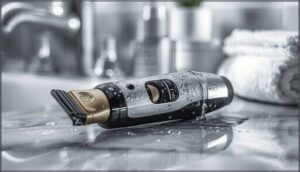
Your choice of nose hair trimmers directly affects both precision cutting and trimmer safety. Electric trimmers with rotary blade systems minimize pulling while built-in safety guards protect delicate nasal tissue during routine nose hair management.
- Stainless steel blades resist corrosion and maintain sharpness after frequent washings
- Battery powered models provide 60 to 90 minutes of cordless use on full charge
- Fine tip nose hair clippers reach into nostril openings with minimal irritation
- Water resistant bodies allow safe cleaning under running water between sessions
- Rounded tips reduce mucosal injury risk while delivering consistent trimming techniques
Hygiene and Aftercare

Your nose hair care routine doesn’t end when you set down the trimmer. Daily cleansing with a fragrance-free cleanser removes oils and debris without triggering irritation, while patting dry prevents moisture buildup around follicles.
Apply a thin layer of noncomedogenic moisturizer near nostril openings to protect your skin barrier during gentle trimming sessions. Never pick or pull hairs—this simple hygiene practice prevents microtears and bacterial infections in your nasal passages.
Can Laser or Electrolysis Stop Regrowth?
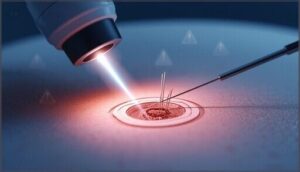
If you’re wondering whether permanent hair reduction can actually stop nose hair from coming back, laser and electrolysis are worth understanding.
Both methods target hair follicles to slow or halt regrowth, but they work in different ways and come with specific limitations when used inside the nostrils.
Here’s what you need to know about how each approach works, what results you can realistically expect, and the safety factors you can’t afford to ignore.
How Laser Hair Removal Works in Nostrils
Laser hair removal targets melanin inside each hair follicle, heating and damaging its growth center to slow future nose hair removal cycles. Only the nostril opening gets treated—deep nasal anatomy stays off-limits to protect respiratory health and nasal hygiene.
You’ll need multiple sessions for lasting reduction, with laser safety protocols including cooling and eye protection. Treatment options focus on visible hairs while preserving your body’s natural nasal care filters.
Electrolysis for Nose Hair
Unlike laser hair removal, electrolysis uses a sterile probe inserted into each follicle to deliver a targeted current that permanently destroys the growth center. This electrolysis process offers genuine permanent hair removal when performed by a licensed professional—though you’ll need multiple sessions spaced over six to twelve months for complete nose hair reduction.
Each follicle removal requires individual treatment, making this method thorough but time-intensive.
Effectiveness and Limitations
While electrolysis can achieve permanent hair removal for some follicles, you won’t eliminate nose hair regrowth entirely. Here’s why laser hair removal and electrolysis limits matter:
- Hormonal factors continuously activate dormant follicles, triggering new hair growth on nose areas you’ve already treated
- Laser safety protocols restrict treatment depth inside nasal passages, leaving deeper follicles untouched
- Hair reduction occurs gradually—expect multiple sessions before seeing meaningful changes in regrowth patterns
- Trimming effectiveness remains better for managing visible hairs between professional treatments
The process of hair removal is complex, and understanding these limitations is crucial for managing expectations.
Safety Considerations
Before you undergo laser or electrolysis near your nasal passages, understand the safety considerations that protect your respiratory health.
Infection risk increases when procedures create micro-wounds in bacteria-rich areas, and trimming precautions become especially important if you have chronic sinusitis or take blood thinners.
Skin irritation, persistent bleeding, or swelling signals you should stop treatment immediately and consult your clinician about nasal hygiene protocols.
Tips to Reduce Visible Nose Hair Naturally

You don’t need extreme measures to keep nose hair under control. A few simple habits, combined with proper maintenance and knowing when to consult a professional, can help you manage visible growth without compromising your nasal health.
Here’s what actually works in your day-to-day routine.
Consistent Grooming Routines
Establishing a regular grooming schedule is your strongest defense against visible nose hair overgrowth. Trim every 7 to 14 days using a dedicated nose hair trimmer to maintain control while protecting nasal function.
Consider these hair care tips for effective trimmer maintenance and nostril hygiene:
- Align trimming with your shower routine for easier visibility
- Set digital reminders to maintain consistency
- Replace dull blades every 3 to 4 months
- Clean tools with alcohol between uses
- Store trimmers in a dry, covered case
This personal hygiene approach balances aesthetics with respiratory protection, giving you confidence without compromising your body’s natural filtration system.
Home Remedies and Maintenance
Beyond consistent grooming routines, you can improve nose hair management with simple home maintenance strategies. Clean your trimming tools with warm, soapy water after each use, then dry them thoroughly to prevent bacterial contamination. Apply a fragrance-free moisturizer to the outer nostril skin post-trimming to soothe irritation—never insert creams inside the nasal cavity, where they can interfere with your body’s natural filtration.
| Home Maintenance Practice | Specific Recommendation |
|---|---|
| Tool Hygiene | Wash with soap and warm water after use; replace blades every 6-12 months |
| Skin Care Aftercare | Apply hypoallergenic moisturizer to outer skin 5 minutes post-trimming |
| Safe Trimming Technique | Use stainless steel scissors with rounded tips; trim only visible hairs at entrance |
Rinse your nostrils with warm saline solution up to twice daily if irritation develops, but avoid plucking or waxing—these methods create microtears that invite infection in this bacteria-rich zone. Store your trimming tools in a dry, closed container to minimize rust and microbial growth, and never share them with others to reduce transmission of skin infections.
When to Seek Professional Advice
When should you escalate nose hair concerns beyond home care? Seek professional guidance if chronic nasal irritation, bleeding, or persistent pain develops after trimming—these symptoms may signal underlying respiratory health issues requiring medical supervision.
Contact a dermatologist immediately if unusual discharge, swelling, or fever appears, as these health risks demand emergency care and medical consultation to prevent serious complications.
Frequently Asked Questions (FAQs)
Is there a way to stop nose hairs from growing?
Your nose hair isn’t going anywhere—it’s wired into biology. While you can slow regrowth with laser hair removal or electrolysis, completely stopping nose hair growth isn’t medically advisable or truly permanent.
How do I stop hair growth on my nose?
You can’t permanently stop hair growth on your nose without medical risks, but consistent trimming techniques using rounded scissors or electric trimmers will minimize visible nasal hair while preserving essential follicle care and respiratory protection.
How do you get rid of nose hairs permanently?
Complete permanent hair removal from the nose isn’t usually feasible or recommended.
Laser treatment and electrolysis can reduce regrowth in visible areas, but removing all follicles compromises your nasal health and filtration.
Can diet or vitamins slow nose hair growth?
There’s no evidence that vitamin deficiencies, hair supplements, dietary changes, mineral balance, or nutrient intake substantially influence nose hair growth, hair regeneration causes, or nasal health—hormones and aging remain the primary drivers affecting respiratory health risks.
Are there topical creams to reduce nose hair?
Topical creams like eflornithine can slow facial hair growth when applied to external nose skin, but they’re not designed for inside your nostrils—applying them there risks irritation and won’t effectively target nose hair reduction.
Is waxing nose hair ever considered safe?
Waxing nose hair carries significant risks, including burns and infections like folliculitis, and trauma to delicate nasal mucosa.
Most dermatologists strongly discourage this hair removal method—trimming remains your safest alternative for nose hair maintenance.
Do women experience nose hair growth differently?
Yes, like a symphony of hormones—women usually develop less dense nasal hair than men, though androgens during menopause can trigger coarser growth.
Genetics and aging patterns influence individual hair texture, density, and visibility requiring customized grooming approaches.
Conclusion
Persistence pays off when you prioritize protective function over permanent removal. Your nasal passages need those filtering fibers, so how to prevent nose hair from growing back becomes less about complete elimination and more about controlled maintenance.
Trim regularly with rounded-tip scissors or electric trimmers, consider laser treatment only for visible outer hairs, and resist the urge to pluck or wax deep within your nostrils. Strategic grooming respects your respiratory defenses while keeping visible growth minimal.