This site is supported by our readers. We may earn a commission, at no cost to you, if you purchase through links.
Most people grab whichever bottle looks right and hope for the best—then wonder why their hair feels weighed down by Tuesday or parched by Friday. The difference between hair cream and oil isn’t just texture; it’s chemistry, and that chemistry determines whether your hair holds moisture or loses it.
Oil acts as a sealant, while cream functions as a moisturizer. Confusing the two means you’re either locking in dryness or layering product your strands cannot actually use.
Knowing which one your hair needs—and when—transforms a frustrating routine into one that consistently works.
Table Of Contents
Key Takeaways
- Oil seals moisture in by coating the cuticle, while cream delivers water-based hydration into the strand — confusing the two means you’re either locking in dryness or adding a product your hair can’t use.
- Your hair’s porosity determines which product goes first: low porosity benefits from lightweight creams, while high porosity hair needs heavier oils to stop moisture from escaping as fast as it’s absorbed.
- Layering order matters more than product choice alone — the LOC method (Liquid, Oil, Cream) suits high porosity hair, while LCO (Leave-in, Cream, Oil) works better for fine or wavy textures.
- Both products can cause buildup when overused, so starting with small amounts, applying to damp hair, and watching how your strands respond over a few days is the most reliable way to build a routine that actually holds.
Getting this pairing right is a big part of why the loc method for straight hair works so well at locking in moisture and boosting shine.
Natural Hair Cream Vs Oil
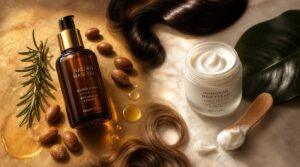
Hair oil and hair cream aren’t interchangeable — they do different jobs, and using the wrong one (or the wrong order) can leave your hair dry, weighed down, or frizzy. Knowing what each product actually does makes it easier to build a routine that works for your specific texture and needs.
The distinction gets even sharper when you add serums to the mix — hair serum vs. hair oil explained breaks down exactly how each one targets your strand at a different level.
Here’s a closer look at how they compare.
Main Product Differences
The clearest way to understand oil vs cream is to look at what’s actually in each formula. Cream contains water alongside emulsified oils, giving it real water content and a heavier application feel. Oil delivers pure lipid concentration — no water, just fatty acids. That difference drives everything else.
| Feature | Hair Oil | Hair Cream |
|---|---|---|
| Hold Capability | None | Light to moderate |
| Viscosity Levels | Thin to medium | Medium to thick |
| Sealant Properties | Strong | Moderate |
| Product Layering Role | Final seal | Base or mid-layer |
Lightweight oils absorb fast; rich moisturizers condition and style simultaneously.
Moisturizing Versus Sealing
Moisture and sealing are two separate jobs. Creams deliver water-based hydration, while oils lock that moisture in through occlusive balance. Skip the sealant, and humidity can pull water right back out. Product layering — like the LOC Liquid Oil Cream method — achieves both efficiently.
Applying sealants on slightly damp hair maximizes moisture retention.
| Function | Best Product |
|---|---|
| Humectant Selection | Cream |
| Moisture Lock | Oil |
| Sealing in Moisture | Oil or Butter |
| Sealant Frequency | Every wash day |
| Weight vs Absorption | Cream wins on absorption |
Styling Versus Conditioning
Hair cream and hair oil serve distinct roles in hair care. Cream primarily addresses styling hold, defining curls, smoothing texture, and balancing volume versus smoothness in a single step. In contrast, oil focuses on conditioning: sealing the cuticle, enhancing shine and softness, and protecting against heat or environmental damage. This distinction positions oil versus cream as nourishment versus shape.
| Function | Best Product |
|---|---|
| Styling hold | Hair cream |
| Hair conditioning | Hair oil |
| Frizz and texture | Hair cream |
| Shine and softness | Hair oil |
Best Use Cases
Knowing what each product does makes it easier to determine when to use it.
| Scenario | Best Pick |
|---|---|
| Morning Styling Routine | Hair cream |
| Post-Workout Refresh | Lightweight oil |
| Protective Braiding | Oil or oil vs cream blend |
| Color Treated Hair | Light cream |
| Travel-Friendly Application | Cream |
Low porosity hair thrives with creams, while high porosity hair requires oils to lock in moisture. Hair layering methods also influence product choice.
Quick Comparison Table
Side by side, the differences between oil and cream become much clearer.
| Feature | Hair Oil | Hair Cream |
|---|---|---|
| Ingredient Ratios | Lipids only, no water | Water-first, emulsifiers added |
| Viscosity Differences | Lightweight, fast-absorbing | Thicker, mousse-like texture |
| Application Frequency | Finishing layer, as needed | Daily moisturizer or styler |
Shelf life, packaging formats, and specific benefits versus downsides all factor into choosing the right product.
How Hair Oil Works
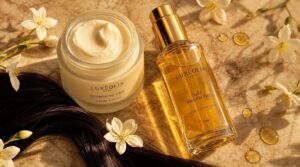
Hair oil does more than just add a glossy finish — it works at the strand level to protect, strengthen, and balance your hair over time. Understanding what it actually does helps you use it with intention rather than guesswork.
Here’s a closer look at how hair oil earns its place in your routine.
From scalp nourishment to lasting shine, the right oil makes all the difference—just like choosing the right technique matters when you explore smooth bald head care and grooming tips.
Seals in Hydration
Think of oil as a sealant, not a moisturizer — it doesn’t add water, it traps it. After applying a hydrating treatment, oil’s role in sealing moisture is purely mechanical: it coats the cuticle and slows water loss from the hair shaft.
Oil doesn’t moisturize hair — it seals it, locking hydration in by coating the cuticle and slowing water loss
Much like hydrophilic polymers that use swelling kinetics to close micro-gaps, the appropriate oil creates a barrier that your hair can hold onto. This mechanical action ensures the moisture is retained effectively.
Adds Shine and Slip
Beyond sealing moisture, oil pulls double duty through film formation and cuticle smoothing — both directly impact how hair reflects light. Lightweight slip comes from oils like argan, which coat strands without dragging them down, while dimethicone gloss works by aligning along the cuticle for even light bounce.
Humidity-resistant shine remains consistent when the surface film holds, preserving a soft hair texture all day.
Supports Scalp Comfort
Your scalp is skin first — and it reacts to irritation the same way skin anywhere else does.
The right oil doesn’t just sit on top; it actively promotes scalp health through targeted actives:
- Cooling agents like menthol and peppermint deliver dry scalp relief, fast
- Anti-itch botanicals such as tea tree oil calms redness without harsh residue
- Non-comedogenic oils keep pores clear, supporting natural sebum regulation
- Hypoallergenic bases with barrier-boosting actives and lightweight formulation suit sensitive skin without irritation
Strengthens Brittle Strands
Brittle hair isn’t just dry — it’s structurally compromised, and oil alone won’t fix that without the right support system underneath.
| Ingredient | Role in Hair Strength |
|---|---|
| Hydrolyzed Protein | Restores keratin, reduces protein loss |
| Amino Acid Boost | Rebuilds disulfide bond repair sites |
| Silicone-Free Polymer | Films cuticle, bolsters hair breakage prevention |
| Cationic Conditioner | Smooths gaps, enhances hair strength |
Pairing your oil with a protein treatment — not just a cationic conditioner — gives your strands real structural reinforcement. This matters more in the oil vs. cream debate than most people realize.
Best Natural Oils
Argan oil smooths the cuticle and delivers antioxidant protection against environmental stress. Coconut oil penetrates the shaft to reduce protein loss, while Jojoba oil naturally balances scalp sebum. Castor oil aids hair growth stimulation, and almond oil nourishes with vitamin E.
Many brands now prioritize sustainable sourcing and offer travel-friendly options.
How Hair Cream Works
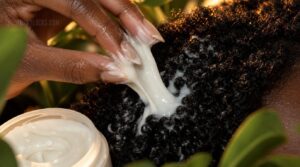
Hair cream works differently than oil — it’s less about sealing and more about giving your strands something to hold onto.
Think of it as the product that actually feeds moisture into the hair shaft while keeping things soft and manageable throughout the day. Here’s what it does once you apply it.
Adds Lightweight Moisture
Unlike heavy butters that sit on top of your strands, lightweight hair creams use Micro-Emulsion Tech to deliver moisture straight into the hair shaft. A Humidity Adaptive Formula keeps that balance steady without turning greasy.
You get Rapid Absorption, a Non-greasy Finish, and solid Moisture Retention Duration — everything that makes lightweight formulations the smarter pick when hair moisturizing needs to stay light.
Defines Curls and Parts
Moisture alone won’t define your curls — structure matters too. A good curl cream strengthens curl memory by giving each strand a framework to spring back into its natural shape.
With the right sectioning flow and crown lift in mind, cream helps you control part geometry from root to tip, so your curls land consistently, wash after wash.
Controls Frizz
Once your curls are defined, keeping frizz at bay is the next real challenge. Hair cream manages this through smoothing polymers that fill in micro-gaps along the cuticle, plus a humidity barrier that limits moisture exchange on damp days. Silicone-free formulas achieve this without build-up.
Pair cream application with diffuser drying and a wide-tooth comb for reliable frizz control.
Provides Flexible Hold
Frizz control and hold often go hand in hand, and that’s where lightweight polymers earn their keep. Hair cream builds a flexible polymer film that holds your style without locking it in place — so curls bounce instead of crunch.
The hold is buildable through product layering technique, while humidity resilience stays solid up to around 60–70%.
A quick reapplication technique midday restores shape effortlessly.
Common Cream Ingredients
Most hair creams share a surprisingly logical ingredient lineup once you know what to look for:
- Shea butter & mango butter — rich emollients that soften hair without heaviness.
- Glycerin — pulls moisture from the air directly into hair strands.
- Cetearyl Alcohol — stabilizes the formula and adds slip.
- Caprylic Triglyceride & Squalane — lightweight spreadability without grease.
- Betaine & Ceramide Reinforcement — retain water and strengthen your hair’s outer layer.
Best Choice by Hair Type
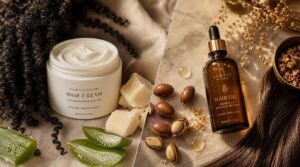
Not every hair type plays by the same rules, and what works beautifully for thick coils can leave fine strands feeling weighed down and greasy.
Picking between a cream and an oil comes down to what your hair actually needs — not what’s trending. Here’s how to match the right product to your hair type.
Fine or Low-density Hair
Fine strands don’t need heavy products — they need precision. With scalp visibility already a concern for low hair density, adding a thick oil or butter just speeds up the limpness.
Stick to lightweight hair creams and non-greasy finish oils like jojoba or argan for fine hair styling. Volume-boosting and breakage prevention both depend on lightweight formulations that work with your strand diameter, not against it.
| Product Type | Best for Fine Hair | Why It Works |
|---|---|---|
| Lightweight hair creams | Defining without weight | Won’t flatten density |
| Jojoba oil | Oil vs. cream balance | Mimics scalp sebum |
| Argan oil | Shine and slip | Fast-absorbing, non-greasy finish |
Thick Natural Hair
Thick natural hair — dense, heavy, and often thirsty — actually benefits from the full product lineup. With 60 or more strands per square centimeter, your hair texture demands more than a light touch.
- Use thick hair butters for hair sealing after deep conditioning
- Hair cream defines sections without disrupting volume management strategies
- Hair oil applied at 70–80% dry prevents overnight moisture loss
- Protective styling reduces mechanical breakage between wash days
- Trim frequency guide: every 8–10 weeks prevents split-end travel
Curly and Coily Hair
Curly and coily textures have completely different moisture needs — and treating them the same is where most routines fall apart. Coily hair loses moisture faster because natural oils can’t travel down tight zigzag strands, making scalp hydration and hair sealing non-negotiable.
Use hair cream for shrinkage management and humidity control, layer hair oil over damp curly hair, and build your nighttime routine around protective styling.
Dry or Brittle Hair
Brittle strands are often a sign of protein deficiency, heat styling damage, or environmental dehydration — not just a moisture problem.
For dry hair, layer a hydrating hair cream first, then seal with hair oil to lock in moisture.
Supporting scalp oil balance through nutritional support strengthens strands from the inside out, making hair hydration last noticeably longer.
Sensitive Scalp Needs
A sensitive scalp doesn’t need more products — it needs the right ones. Fragrance-Free Formulas and SLS-Free Cleansers reduce irritation at the source, since sulfates and synthetic scents are common triggers.
Choose Anti-Inflammatory Oils like jojoba for dry scalp relief, and rinse with a Cool Water Wash to preserve natural oils.
When choosing oil vs. cream, silicone-free formula options with Soothing Scalp Botanicals protect scalp health without buildup.
Match Products to Porosity
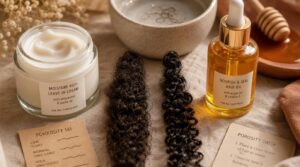
Porosity is basically your hair’s ability to absorb and hold onto moisture, and it changes everything about which products actually work for you. Once you know where your hair falls on that spectrum, choosing between oils and creams gets a lot more straightforward.
Here’s how to match your products to your porosity level.
Low-porosity Hair Choices
Low-porosity hair’s tightly closed cuticles don’t absorb products easily, so lighter is always better. Stick to water-based leave-ins and lightweight oils like jojoba or argan for sealing in moisture without buildup.
Heat Conditioning opens the cuticle for deeper absorption, while Scalp Exfoliation keeps follicles clear. These techniques enhance product effectiveness and scalp health.
Balance your humectant use seasonally, space out proteins carefully, and you’ll finally crack the oil vs. cream porosity puzzle.
High-porosity Hair Choices
High-porosity hair is the opposite situation—those raised cuticles absorb moisture fast but can’t hold it. That’s why sealing in moisture matters more here than anywhere else.
- Use heavy sealants like shea butter or castor oil for stronger moisture retention
- Prioritize deep conditioning weekly to rebuild internal bonds
- Practice gentle detangling to avoid worsening cuticle damage
Lightweight sealants won’t cut it for high-porosity hair—choose heavier oils over creams when humidity management is a concern.
Medium-porosity Balance
Medium porosity is the sweet spot—your cuticle accepts moisture steadily and holds it without much fuss. For oil vs. cream decisions, lightweight oils like jojoba work well for moisture sealing without weighing strands down.
Humidity response stays predictable, so you won’t need heavy butters.
Stick to protein scheduling every four to six weeks, and elasticity maintenance stays consistent across porosity levels.
Buildup Warning Signs
Product buildup sneaks up even with balanced porosity. Watch for visible flakes along the scalp, a sticky scalp feeling after washing, or noticeable hair weight gain that flattens roots. These signs indicate accumulation disrupting your hair’s natural equilibrium.
Clogged pores can trigger itching and reduced bounce post-wash, further stressing the scalp. This buildup directly impacts hair health, diminishing volume and comfort.
In the oil vs. cream debate, both are equally problematic when overused—excess residue signals that your scalp health and hair porosity balance are compromised. Addressing buildup requires restoring this delicate harmony.
Product Weight Matters
Product weight shapes every step of your oil vs. cream decision — from hair layering method to that non-greasy finish. Lightweight styling formulas spread quickly and absorb without residue, while denser butters signal consumer value perception through packaging heft alone.
Application density matters: too much product buildup undoes your work fast. Match weight-based texture to your porosity, and you’ll notice the difference immediately.
Key Ingredients to Compare
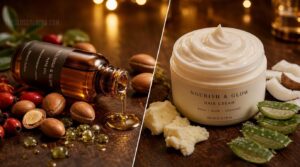
The ingredients in your products are doing the actual work, and knowing what each one does makes it easier to pick the right formula for your hair. Some seal, some strengthen, some attract water — and each one behaves differently depending on your hair type.
Here’s a closer look at the key players you’ll find in most oils and creams.
Argan Oil Benefits
Argan oil earns its reputation in the oil vs cream debate for good reason. Its unsaturated fatty acids efficiently handle hair fiber softening, while tocopherols deliver antioxidant protection, enhancing UV defense against everyday exposure.
By coating the cuticle, argan oil improves moisture retention, which gradually boosts elasticity over time. This dual action ensures hair remains supple and resilient without greasiness.
For natural hair seeking shine and softness, argan oil serves as a reliable finish, addressing dryness and damage through its nourishing properties.
Coconut Oil Benefits
Coconut oil stands apart in the oil vs. cream conversation because it penetrates the hair shaft rather than just coating it, directly enhancing moisture retention and reducing protein loss.
Its lauric acid content delivers Antimicrobial Action and Antifungal Benefits, making it a smart pick for scalp health.
You also get Antioxidant Defense, a stronger Moisture Barrier, and research-backed Eczema Relief.
Jojoba Oil Benefits
Jojoba oil is technically a wax ester emollient, not a true oil — and that distinction matters. Its sebum-mimicking balance helps regulate your scalp without clogging follicles, making it ideal for sensitive or oily roots.
Packed with vitamin E antioxidant compounds, it fights oxidative stress while delivering a non-greasy texture and healing inflammation.
In the oil vs. cream debate, jojoba quietly wins for scalp-focused hair moisture.
Shea Butter Benefits
Shea butter is the heaviest hitter in natural hair care, earning its title through real chemistry. Its fatty acids act as a nutrient-rich emollient, coating strands with lasting softness while strengthening the scalp’s barrier.
- Delivers moisture retention by sealing hydration into the hair shaft
- Provides detangling slip, reducing friction between strands
- Offers anti-irritation soothing for dry, reactive scalps
- Strengthens the scalp’s moisture barrier, limiting water loss
- Found in many hair creams, making oil vs. cream layering more effective
This structure preserves the original list and content while enhancing readability through paragraph grouping.
Glycerin in Creams
Glycerin is the quiet workhorse hiding in most deep moisturizing hair creams. As a humectant, it pulls water from the air directly into your strands, which is a real barrier restoration win for dry hair.
Pair it with an occlusive like shea in your oil versus cream routine, and moisture retention improves noticeably.
Just watch your humidity sensitivity — in dry climates, glycerin needs that occlusive layer to perform.
How to Layer Cream and Oil
Getting the order right makes a real difference in how your hair holds moisture throughout the day. Whether you have thick coils or fine waves, the sequence you follow and the amount you use both shape your results.
Here’s how to layer cream and oil in a way that actually works for your hair.
Cream Before Oil
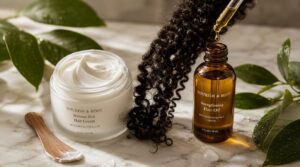
Start with a leave-in cream on damp hair — this is the foundation of the LCO Liquid Cream Oil method and a solid Frizz Reduction Strategy.
The cream’s humectants bind water to the hair shaft, then oil seals the cuticle on top. It’s a Lightweight Seal Technique that doubles as a Travel-Friendly Routine, since adjusting cream weight and oil type accommodates humidity adaptation without adding steps.
LOC Method
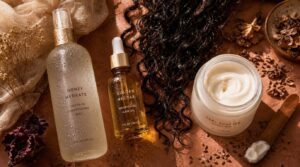
Flip the order from LCO and you get the LOC method — Liquid, Oil, Cream. It’s the oil-butter cream method built for high porosity hair that loses moisture fast.
Your Prep Dampness Level matters: apply on damp, not soaking, strands.
Sealant Oil Choice comes before the cream here, locking moisture in early.
Mind your Timing Between Layers to let each step absorb.
LCO Method
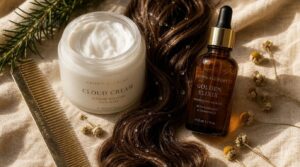
The LCO method — Leave-in, Cream, Oil — works differently than LOC. Here, cream locks moisture before the oil seals it. That sequence suits fine or wavy hair better, since oil versus cream placement directly affects moisture retention.
Seasonal humidity, oil viscosity selection, and even a DIY LCO blend can shift results. A refresh spray keeps your LCO leave-in cream oil routine working between wash days.
Best Application Timing
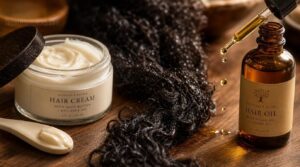
Timing matters more than most people realize. Damp hair application is your sweet spot — cream spreads evenly, humectants pull moisture in, and your leave-in cream has something to actually work with.
Post-detangling timing keeps curl set sequencing intact. For pre-heat styling, apply cream first, then use delayed oil sealing after shaping. Applying oil too early disrupts hold.
Amounts by Hair Density
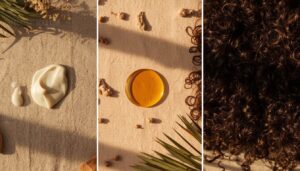
For fine or low-density hair, a pea-sized cream portion and a few drops of oil is plenty — more than that flattens everything.
Medium-density hair manages a dime-sized portion of cream and half a teaspoon of oil comfortably.
High-density hair needs one to two teaspoons of cream, then a light sealing oil applied at mid-length for balanced cuticle-sealing without weight.
Cost, Mistakes, and Buying Tips
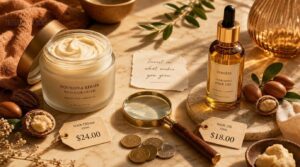
Knowing how cream and oil work is only half the equation — what you spend and how you use them matters just as much.
A few common mistakes can undo even the best product choices, and not every formula on the shelf is worth your money.
What to keep in mind before you buy.
Typical Oil Price Range
Hair oils for natural hair range from $10 to $35 for most quality options, with premium formulations pushing higher. That’s a manageable range when you consider what you’re actually getting.
- Budget picks: ~$10–$12 (OGX Argan Oil)
- Mid-range: $15–$22
- Premium: $25–$35+
- Travel sizes: $5–$8
- Multipurpose blends: $18–$30
Typical Cream Price Range
Creams tend to run cheaper than oils overall, with store brands starting around $3 to $6 and mid-range options landing between $6 and $12. When factoring in ingredient premium for actives like glycerin or shea, prices climb to $12 to $32.
Watch for packaging markups on smaller sizes, and compare unit prices across sizes — bulk discounts often make larger jars the smarter buy.
Avoid Greasy Buildup
Greasy buildup usually comes down to too much product, applied too fast. Start with a fingerprint-sized amount of lightweight formulas, then section your hair into four parts for even, controlled coverage — that’s sectioned application working for you.
Let each layer absorb before adding the next, and keep scalp-friendly tools clean. A non-greasy finish depends on absorption timing more than the product itself.
Clarify When Needed
Not sure whether oil vs cream is the right call for your hair care routine? Restate your hair goals before you buy — confirm metrics like porosity, density, and scalp health so you prioritize inquiries around what actually matters.
Document decisions about product results and clarifying wash frequency. That simple habit prevents wasted money and keeps your routine moving in the right direction.
Choose Clean Formulas
What’s actually in your product matters as much as how you use it. Look for ingredient transparency on the label — full INCI lists, sourcing details, and clear allergen notes signal a trustworthy brand. Prioritize synthetic-free formulas, silicone-free and sulfate-free products, and plant-based hair butters with vegan, cruelty-free, and clean beauty certifications.
Eco packaging and COSMOS or EcoCert certification standards confirm the formula is built responsibly, inside and out.
Frequently Asked Questions (FAQs)
Can you use cream and oil every day?
Yes, you can use both daily — just mind your Daily Amounts.
A light cream for moisture, a small seal of oil after, and your Hydration Ratio stays balanced without buildup or greasiness weighing strands down.
How long do results from each product last?
Oils seal and shine for 4–8 hours, while creams hold moisture 12–24 hours. Climate influence, exercise impact, and nighttime retention all affect reapplication timing, so adjust based on your hair’s daily needs.
Should you apply products to wet or dry hair?
Think of damp hair like a sponge — it’s ready to absorb. Towel-dry first to avoid dilution risk, then apply cream for absorption boost and slip enhancement before sealing with oil.
Do oils or creams expire after opening?
Both expire, yes. Check the PAO symbol on packaging — it tells you exactly how many months you have after opening.
Store products away from heat and light, and discard anything that smells off or has separated.
Can men use natural hair creams and oils?
Absolutely — there’s no rule that keeps these products in one lane. Both hair oil and hair cream fit naturally into any grooming routine.
They work well regardless of gender, hair texture, or scent sensitivity, making them versatile choices for everyone.
Conclusion
Once you understand how natural hair cream vs oil actually work, the guesswork falls away. Cream delivers moisture; oil seals it in.
Your hair’s porosity determines which comes first. There’s no universal answer, only the one your strands consistently respond to.
Start with one product, watch how your hair behaves within a few days, and adjust from there. The right routine isn’t found all at once—it’s built through small, informed decisions.