This site is supported by our readers. We may earn a commission, at no cost to you, if you purchase through links. This content is for general informational and educational purposes only and is not a substitute for professional medical, dermatological, or nutritional advice.

Water sitting on your hair like rain on a waxed car isn’t a hydration problem—it’s a structural one. Low porosity hair has tightly sealed cuticles that resist moisture entry, which means most conventional deep-conditioning routines deliver results straight down the drain. The fix isn’t more product. It’s the right sequence, the right heat, and ingredients light enough to slip past those stubborn cuticle edges. Mastering low porosity moisture sealing techniques changes everything: less buildup, longer-lasting hydration, and strands that finally respond the way you expect them to.
Table Of Contents
- Key Takeaways
- What is Low Porosity Hair?
- Test Your Hair Porosity First
- Start With Clarified Hair
- Use Heat Before Sealing
- Follow The LCO Method
- Choose Lightweight Sealing Oils
- Pick Low Porosity Ingredients
- Avoid Moisture-Blocking Ingredients
- Top 5 Helpful Products
- Protect Moisture Overnight
- Frequently Asked Questions (FAQs)
- Conclusion
Key Takeaways
- Low porosity hair’s tightly sealed cuticles block moisture entry, so heat — warm water, a steamer, or a warm towel — is non‑negotiable for opening the cuticle before any conditioning step.
- LCO method (Liquid, Cream, Oil) works best on soaking-wet hair, applied section by section, with a lightweight oil like argan or jojoba sealed in last to lock hydration without buildup.
- Heavy butters, non-water-soluble silicones coat the cuticle surface and actively block moisture — swapping them for water-based, humectant-forward formulas makes the biggest routine difference.
- sulfate‑free shampoo every 4–6 weeks resets product and mineral buildup that mimics porosity resistance, keeping the path clear for moisture to actually penetrate.
What is Low Porosity Hair?

Low porosity hair has one defining trait: cuticles so tightly packed that moisture struggles to get in — or stay in. That single characteristic shapes everything about how your hair behaves, from the way water beads off the strand to why products sit on top instead of absorbing. Here’s what’s actually happening inside your hair.
Once moisture finally makes it past those tightly sealed cuticles, though, low porosity hair holds onto it remarkably well — explore hair porosity treatments that work with your cuticle structure to make the most of that staying power.
Tight Cuticle Structure
Think of your hair cuticle like roof shingles — overlapping scales that lie flat along each strand, forming a tight protective barrier. In low porosity hair, these scales sit unusually close together, creating minimal gaps between edges. That tightness is actually structural: lightweight oils and heat application can temporarily lift those sealed layers just enough to let moisture in.
- Scales overlap in a shingled pattern, blocking direct water contact
- Tightly adhered edges reduce micro-channels where moisture could seep inward
- A cuticle lipid barrier adds extra water resistance at the surface
- Heat gently separates scale edges, making cuticle layer penetration possible
Recent research shows that the polysaccharide role in cuticle is essential for water absorption.
Slow Water Absorption
That tight cuticle structure means water doesn’t just waltz in — it has to find an entry point. Capillary entry hurdles slow absorption greatly, leaving strands wet on the outside but dry deeper in. Warm water lowers fluid viscosity, helping moisture spread further. Without applying heat, water often beads and evaporates before penetrating at all.
Product Buildup Signs
Because water struggles to get in, products face the same battle — and what doesn’t absorb just sits on the surface. Product buildup is one of the clearest low porosity hair signs. Hair looks dull, feels coated, and roots turn greasy faster than expected. Waxy residue, sticky clumps, and scalp irritation all signal that absorption has stalled completely.
Moisture Sealing Challenges
Sealing moisture in low porosity hair is harder than it sounds. Even after a solid wash day, moisture sealing can fail — not because you skipped a step, but because the cuticle barely opened. Residue resistance and cuticle barriers keep conditioners sitting on the surface. Use lightweight oils last, and only after heat prep.
Mafura oil for low porosity hair is worth exploring if you want a lightweight seal that holds moisture for hours without weighing strands down.
Test Your Hair Porosity First

Before you change a single product in your routine, you need to know what you’re actually working with. Testing your porosity at home takes less than five minutes and gives you real answers. Here are four simple ways to figure out where your hair stands.
Float Test Steps
The float test is one of the simplest ways to test hair porosity at home — and it only takes a few minutes. Pull a clean, dry strand from your scalp, drop it gently into a clear glass of room-temperature water, and watch closely. Low porosity hair usually floats for two to four minutes because the tightly sealed cuticles resist water entry. Test several strands from different areas for the most reliable result.
Shower Absorption Test
The shower absorption test is as straightforward as it gets — just get your hair wet and pay attention. Apply water evenly to a small section and watch how quickly it darkens. Low porosity hair resists saturation, showing delayed darkening and surface beading before moisture finally moves in.
- Wetting speed reveals cuticle tightness instantly
- Beading water signals a strong cuticle barrier
- Uneven darkening means slow strand saturation
- Test multiple sections for reliable results
Spray Bottle Test
The spray bottle test gives you a quick, no-fuss way to read your hair’s porosity. Hold the bottle 6–8 inches away and mist a small, clean section. Watch closely — low porosity hair makes droplets bead and sit on the surface rather than absorbing. Slow spread and surface tension pooling are your clearest signs.
Buildup Versus True Porosity
Here’s the thing — not all resistance is porosity. If your hair fails every test, ask yourself when you last clarified. Product buildup can mimic low porosity by coating the cuticle with residue, blocking moisture just like tight cuticles do. A clarifying shampoo every 4–6 weeks clears that layer, helping you distinguish true structural porosity from removable buildup.
Start With Clarified Hair
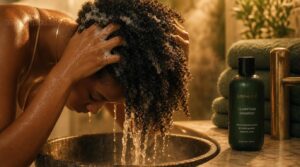
Before any moisture can actually get into your hair, the path has to be clear. Buildup from products, hard water, and oils sits on the cuticle like a locked door — nothing gets through no matter how good your routine is. Here’s what you need to do to reset your hair before anything else works.
Why Buildup Blocks Moisture
Think of buildup like a film coating your strands — water can’t get through what it can’t reach. Common conditioners, oils, and styling products leave a surface barrier on low porosity hair, and since the cuticles are already tightly sealed, that layering compounds fast. Mineral residue from hard water adds another layer, slowing moisture diffusion before it even begins.
Clarifying Every 4–6 Weeks
A clarifying routine every 4–6 weeks is the reset low porosity hair genuinely needs. Here’s what that window accomplishes:
- Lifts silicones, oils, and styling residue before they layer further
- Removes hard water minerals that slow moisture diffusion
- Preps strands so post-clarify sealing actually works
- Prevents over-clearing dryness from washing too frequently
Scalp lather focus matters — work the clarifying shampoo into roots first, where product buildup prevention starts.
Pair that root-focused lather with a hydrating conditioner for dry, buildup-prone hair to keep low-porosity strands open and drinking in moisture.
Avoid Stripping Shampoos
Once you’ve locked in that 4–6 week clarifying schedule, the shampoo you choose matters just as much as how often you use it. Sulfate-free formulas — those avoiding SLS and SLES — cleanse without stripping your hair’s natural oils. Check the ingredient list: gentler surfactants like sodium cocoyl isethionate protect natural oil retention while still removing residue effectively.
Resetting Before Deep Conditioning
Before your deep conditioner ever touches your hair, the reset step makes or breaks everything. Start with a pre-wash oil treatment — apply lightweight jojoba or fractionated coconut oil to dry, sectioned hair for 15–20 minutes. Then cleanse with a pH-balanced clarifying shampoo, rinse with warm water to activate the cuticle, and apply your conditioner while hair is still damp.
Use Heat Before Sealing
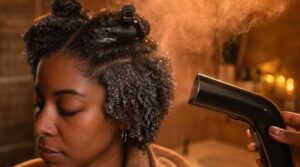
Heat is your best friend for getting moisture past those tightly sealed cuticles. Applying warmth before you seal opens the hair shaft just enough to let hydration actually sink in — not just sit on top. Here are five ways to use heat effectively before you lock in moisture.
Warm Water Rinsing
Warm water — ideally between 95–105°F (35–40°C) — is your first move before any moisturizing step. At that temperature, the cuticle layer softens and lifts just enough to let products in. Rinse thoroughly after shampooing so no residue blocks absorption. It’s a small habit, but it genuinely changes how well your hair holds moisture.
Steamer Moisture Prep
A hair steamer takes cuticle opening further than warm water alone. Fill the reservoir with distilled water only — minerals from tap water clog steam vents over time. Section hair into 4–8 parts, apply a lightweight water-based conditioner, then steam for 15–30 minutes. Freshly clarified hair absorbs that thermal moisture infusion most effectively, since no buildup stands in the way.
Warm Towel Method
No steamer? No problem — a clean towel works just as well. Soak it in hot (not boiling) water, wring it until damp, and verify the heat against your wrist. Wrap it around conditioner-coated hair for 15–30 minutes, letting gentle warmth open cuticles for better absorption.
| Step | Action | Purpose |
|---|---|---|
| Towel Prep | Soak and wring damp | Controls moisture and heat |
| Heat Safety | Test on wrist first | Prevents discomfort |
| Application Time | Wrap 15–30 minutes | Opens cuticles fully |
Greenhouse Method Timing
Timing makes or breaks the greenhouse method. Apply your water-based moisture, then seal within 2–4 minutes — before the surface starts drying but after water has had time to penetrate. Work section by section, keeping each strand warm under the plastic cap for 20–40 minutes so heat drives hydration inward consistently before you finish.
Cool Rinse Finish
Once all that warm prep work is done, a cool water rinse is your final, non-negotiable step. It closes the hair cuticle back down — locking in absorbed moisture before evaporation can steal it.
- Ends heat prep with a moisture lock barrier
- Reduces frizz-prone puffing during leave-in prep
- Controls water shedding for smoother drying
Follow The LCO Method
The LCO method — Liquid, Cream, Oil — is one of the most reliable ways to lock moisture into low porosity hair without the usual buildup struggle. Applied in the right order, each layer builds on the last, giving your hair the hydration it actually needs. Here’s how to work through each step correctly.
Liquid on Soaking Hair
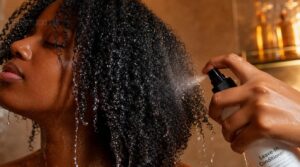
Start the LCO method on soaking wet hair — not damp, not towel-dried. When your strands are fully saturated, water-based leave-ins spread evenly across every coil and curve. That surface water helps humectants like glycerin and panthenol distribute before anything seals over them. Applying liquid at this stage gives your low-porosity hair its best shot at actual hydration.
Lightweight Cream Layer
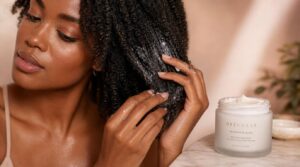
The cream layer is where moisture gets locked in place. Choose a lightweight water-based cream — not a dense butter — and smooth it through mid-lengths and ends in small sections. These formulas spread evenly, resist buildup, and create a thin film that slows moisture escape. A little goes a long way with low-porosity strands.
Oil Seals Last
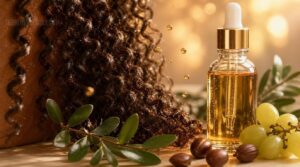
Oil is the final step — and in the LCO method, that sequence is everything. Once your leave-in and cream are in place, seal with a lightweight oil like argan, jojoba, or grapeseed to lock that moisture inside the shaft. A few drops are enough. Too much and you’ll block hydration rather than protect it.
Section-by-section Application
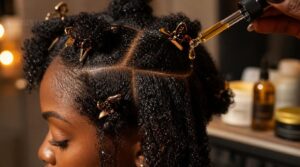
Applying the LCO method section-by-section changes everything. Divide hair into small, uniform sections — smaller than your usual styling parts — so each strand gets equal contact time and coverage. Work root-to-end within each section before moving on.
- Apply your liquid layer to soaking-wet hair per section
- Add your lightweight cream while that section stays warm
- Seal immediately with a few drops of argan or jojoba oil
Clip each finished section to hold moisture in place while you work through the rest.
Choose Lightweight Sealing Oils

Not all oils are created equal for low porosity hair. Your cuticles are already resistant, so heavy oils like castor or shea just sit on top and block the moisture you worked so hard to seal in. These lightweight options absorb quickly and actually let your hair breathe.
Argan Oil Benefits
Argan oil is one of the best sealing oils for low porosity hair — and the reasons go beyond just shine. Its lightweight fatty acid profile, rich in linoleic acid and oleic acid, allows it to penetrate the hair shaft without sitting heavily on sealed cuticles. That means moisture stays locked in, not blocked out.
Jojoba Oil Benefits
Jojoba oil is actually a liquid wax — not a true oil — which makes it uniquely suited for low porosity hair. It mirrors your scalp’s natural sebum, so it absorbs without blocking sealed cuticles. Beyond moisture retention, it delivers anti-inflammatory and scalp-soothing benefits, keeping irritation at bay while forming a lightweight barrier that locks hydration in without heaviness.
Jojoba oil is a liquid wax that mimics scalp sebum, absorbing cleanly into low porosity hair without blocking sealed cuticles
Grapeseed Oil Benefits
Grapeseed oil brings something jojoba can’t — a high linoleic acid content that keeps low porosity hair feeling light, never weighed down. Its antioxidant protection, from vitamin E and phenolic compounds, shields strands from oxidative damage. As a carrier oil, it distributes evenly, sealing moisture without residue. A few drops is all you need.
Fractionated Coconut Oil
Unlike regular coconut oil—which solidifies and sits heavily on the hair shaft—fractionated coconut oil stays liquid at room temperature, making it far easier to work into your LCO method. Its medium-chain fatty acids absorb without greasy residue, and its oxidation resistance means it performs consistently bottle to bottle. A genuinely reliable, lightweight option for sealing moisture in.
Use Small Amounts
Less is genuinely more here. Start with a pea-sized amount of your chosen oil, work it between your fingertips, then rake it through mid-lengths and ends — skipping the roots to avoid greasiness. Thin layers absorb faster on low porosity hair, so let each one settle before adding more. Over-applying slows drying and undoes all that careful LCO work.
Pick Low Porosity Ingredients
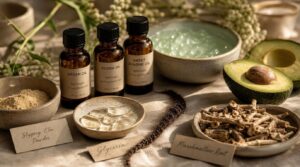
What goes into your products matters just as much as how you apply them. Low porosity hair has a short list of non-negotiables — the right ingredients make the difference between moisture that actually absorbs and product that just sits on top. Here’s what to look for.
Water-based Moisturizers
The right moisturizer starts with one rule: water must be first. Check the ingredient list — if water isn’t leading, it won’t hydrate low-porosity hair effectively. Apply to damp hair so the product absorbs while cuticles are still slightly open.
Look for these four essentials:
- Water as the first listed ingredient
- Lightweight, fast-absorbing texture
- Humectant-forward formula for moisture retention
- Oil-free or oil-light base to prevent buildup
Glycerin and Panthenol
Two ingredients worth knowing: glycerin and panthenol. Glycerin — a humectant with a molecular weight of just 92 g/mol — pulls moisture from the air directly into your strands, boosting surface hydration by up to 20 percent. Panthenol complements it by stabilizing that moisture retention over time, supporting barrier function so what’s absorbed actually stays locked in.
Aloe Vera Spritzes
Aloe vera juice makes an excellent leave-in spritz for low porosity hair — it’s lightweight enough to slip past tightly sealed cuticles without coating them. Mix two parts aloe vera juice with one part water, add a few drops of vegetable glycerin, and you’ve got a DIY moisture spritz that delivers humectant hydration on demand. Mist it onto damp hair between wash days to refresh and rehydrate without buildup.
Balanced PH Formulas
pH matters more than most people realize. Products formulated between pH 4.5 and 5.5 keep your cuticles lying flat and stable — meaning moisture stays locked inside rather than escaping. pH-balanced formulas also help ingredients like glycerin and panthenol perform consistently wash after wash, giving you reliable moisture retention without the guesswork.
Humectants by Humidity
Humectants — glycerin, honey, and aloe vera — pull water from the air into your strands, but humidity changes everything. In moderate humidity, glycerin thrives. In dry climates, it can actually pull moisture out of your hair. That’s why sealing immediately after applying humectants matters — lock that hydration in before the air steals it back.
Avoid Moisture-Blocking Ingredients
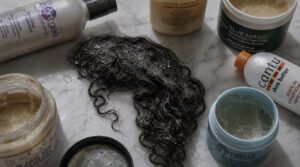
Not every product belongs in a low porosity routine — some ingredients quietly work against you, sitting on the surface and blocking moisture before it ever gets in. Knowing what to cut is just as important as knowing what to use. Here’s what to leave off your shelf.
Heavy Butters Buildup
Heavy butters — shea, cocoa, and mango — are some of the worst offenders for low porosity hair. Their high melting points mean they sit on the cuticle rather than absorbing, creating a waxy film that actively blocks moisture entry.
Watch for these warning signs of heavy butter buildup:
- Hair feels coated or slippery instead of soft and springy
- Curls look dull despite a visible surface sheen
- Products feel less effective between wash days
Skip butters entirely and reach for lightweight moisturizer options like argan or jojoba oil instead. A clarifying shampoo every four to six weeks removes accumulated residue and resets your strands for better hydration.
Non-water-soluble Silicones
Butters aren’t the only culprits — non-water-soluble silicones like dimethicone work similarly. They coat your strands with a long-lasting barrier that resists rinsing, quietly blocking moisture entry over time. That moisture barrier sounds protective, but for low porosity hair, it means hydration can’t get in — or out.
Excess Protein Treatments
Silicones aren’t your only concern — excess protein treatments can be just as blocking. When protein builds up faster than moisture can balance it, your hair turns stiff, dull, and surprisingly dry. Space treatments every few weeks, and if you’re layering a protein rinse-out and a protein leave-in, that’s overload waiting to happen.
Thick Waxy Creams
Think of waxy creams as a plastic wrap over your strands — they seal the surface but can trap nothing inside if moisture wasn’t there first. Beeswax and carnauba-based formulas create a rigid, semi-occlusive film that blocks further water uptake on already-resistant low porosity hair. Skip them; reach for lightweight oils in your LCO method instead.
Top 5 Helpful Products
The right products can make or break your low porosity routine — not every formula plays nicely with tightly sealed cuticles. These five picks are specifically suited to help your hair actually absorb and hold moisture without the buildup battle. Here’s what’s worth adding to your shelf.
1. Super Deal MultiFunction Hair Facial Steamer
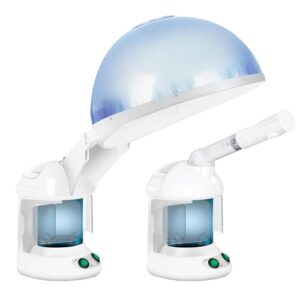
If your low-porosity hair has ever shrugged off conditioner like it’s waterproof, the Super Deal 3-in-1 Steamer was made for that problem. At $79.99, it works as a hair steamer, facial steamer, and room humidifier. Its ultrasonic atomizer delivers a 1–5 µm ultra-fine mist that slips past sealed cuticles — something water alone can’t do. The detachable bonnet hood keeps steam consistent, and the built-in UV ozone generator helps soothe scalp itchiness and dandruff simultaneously.
| Best For | Anyone with low-porosity, thick, or damaged hair who wants deeper moisture absorption — plus a bonus for anyone who likes a solid facial steam or lives in a dry space. |
|---|---|
| Price | $79.99 |
| Hair Type | Low porosity, thick, damaged |
| Frizz Control | Yes, via steam hydration |
| Scalp Friendly | Ozone reduces itchiness |
| Moisture Retention | Deep hydration via steam |
| Low Porosity Safe | Yes, opens cuticle for absorption |
| Additional Features |
|
- The ultrasonic mist is genuinely fine enough to open hair cuticles and let conditioner actually do its job
- Three functions in one — hair, face, and room humidifier — makes the $79.99 price feel reasonable
- The UV ozone generator is a nice touch for scalp health, especially if dandruff or itchiness is an issue
- The water tank doesn’t come out, so cleaning is a hassle and mold is a real risk if you’re not careful about drying it
- No built-in timer means you’re on your own keeping track — easy to forget and over-steam
- Steam distribution can be patchy at the back of your head, which is frustrating if you have thicker or longer hair
2. Bounce Curl Enzyme Clarifying Shampoo
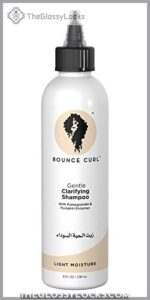
Before moisture can enter low-porosity hair, the path has to be clear — and that’s exactly where the Bounce Curl Enzyme Clarifying Shampoo earns its place. At $21.99, it uses pomegranate and pumpkin enzymes to break down buildup on the shaft without harsh sulfates. Glycerin and Propanediol keep moisture levels balanced during cleansing. It’s gentle enough for regular use, making it an ideal reset before your deep conditioning session.
| Best For | Curly, wavy, or coily hair types — especially low-porosity or oily scalps that need a solid reset without losing moisture. |
|---|---|
| Price | $21.99 |
| Hair Type | Curly, wavy, coily |
| Frizz Control | Yes, curl definition retained |
| Scalp Friendly | Controls dandruff and oil |
| Moisture Retention | Hydrates without stripping |
| Low Porosity Safe | Yes, recommended for daily use |
| Additional Features |
|
- Pomegranate and pumpkin enzymes lift buildup and dye residue gently, no harsh sulfates needed.
- Keeps hair hydrated during cleansing, so curls stay defined and frizz stays manageable.
- The high-foaming nozzle gives you a good lather without going through the bottle too fast.
- Some users found it too stripping, leading to tangling or breakage — patch testing is smart if your hair is fragile.
- A few reviewers had trouble rinsing it out completely, leaving hair feeling heavy or looking darker.
- There have been quality-control complaints (unsealed bottles, suspected refills) worth keeping in mind when ordering.
3. Jessicurl Gentle Lather Shampoo
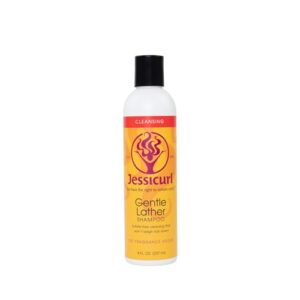
If you’re dealing with fine or low-porosity strands, the Jessicurl Gentle Lather Shampoo ($21) is worth a close look. It’s sulfate-free, silicone-free, and completely protein-free — meaning it cleanses without triggering buildup or sensitivity. The low-lather formula might surprise you at first, but that’s by design. It lifts oil and residue gently, leaving your hair clean without stripping natural moisture. A double cleanse clears heavier product buildup easily.
| Best For | Fine, low-porosity, or curl-prone hair that needs a gentle cleanse without protein, silicones, or fragrance. |
|---|---|
| Price | $21.00 |
| Hair Type | Fine, low porosity, color-treated |
| Frizz Control | Yes, reduces fly-aways |
| Scalp Friendly | Gentle, no irritants |
| Moisture Retention | Retains natural moisture |
| Low Porosity Safe | Yes, primary target hair type |
| Additional Features |
|
- Cleans without stripping — lifts oil and buildup while keeping your natural moisture intact
- Works great for color-treated hair and sensitive scalps, with no common irritants in the formula
- Plays well with low-poo routines and lets you skip heavy conditioners if your hair doesn’t need them
- The low-lather feel takes getting used to, especially if you’re used to a foamy shampoo
- Won’t cut through silicone buildup — you’ll need a clarifying shampoo for that
- At $21 for 8 oz, it’s pricier than most drugstore options, even if a little goes a long way
4. Bumble and bumble Hydrating Shampoo
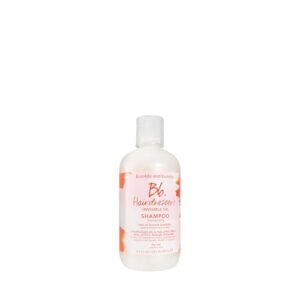
The Bumble and bumble Hydrating Shampoo ($38 for 8.5 oz) brings serious moisture firepower to a low-porosity routine. Its Featherlight 6-Oil Blend — coconut, argan, grapeseed, macadamia, sweet almond, and safflower — conditions without weighing strands down. It’s sulfate-free, so it cleanses gently without stripping your cuticles bare. Some very dry hair types may want a heavier follow-up conditioner, but as a clarifying-yet-caring wash step, it sets your hair up well for what comes next.
| Best For | Anyone with dry, color-treated, or frizz-prone hair who wants lightweight moisture without a greasy, weighed-down feel. |
|---|---|
| Price | $38.00 |
| Hair Type | Dry, wavy, curly, thick |
| Frizz Control | Yes, smoothing oil blend |
| Scalp Friendly | Lightweight, color-safe |
| Moisture Retention | Conditions without weighing down |
| Low Porosity Safe | Yes, lightweight formula |
| Additional Features |
|
- The 6-Oil Blend conditions and softens without making fine hair flat or heavy
- Color-safe and gentle enough for regular use without stripping
- Works across hair textures — wavy, curly, thick, you name it
- $38 for 8.5 oz is a tough sell if you’re watching your budget
- Very dry hair types may need a heavier conditioner to finish the job
- The pump can be unreliable, and the scent may bother fragrance-sensitive folks
5. Eden Coconut Shea Curl Cowash
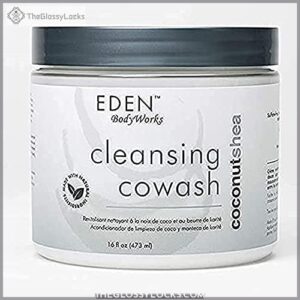
The Eden Coconut Shea Curl Cowash is a smart pick for co-wash days when your scalp needs a reset without the harshness of a full shampoo. Its coconut oil and shea butter base cleanses gently while conditioning simultaneously — no stripping, no dryness. Aloe vera adds a lightweight hydration boost that won’t coat sealed cuticles. Keep applications moderate, though; buildup accumulates fast on low-porosity hair with regular cowash use.
| Best For | Curly, wavy, and textured hair types (3b–4c) that need gentle cleansing with built-in moisture, especially for anyone skipping separate conditioner steps. |
|---|---|
| Price | $25.00 |
| Hair Type | Curly, wavy, textured |
| Frizz Control | Yes, reduces frizz |
| Scalp Friendly | Gentle on sensitive scalps |
| Moisture Retention | Cleanses without stripping oils |
| Low Porosity Safe | Yes, with cautious use to avoid buildup |
| Additional Features |
|
- Coconut oil and shea butter cleanse without stripping, leaving curls soft and well-defined after every wash.
- Great slip for detangling — even long, thick curls come through without the usual struggle.
- Gentle enough for sensitive scalps and doubles as a quick deep conditioner if you let it sit a few minutes.
- The jar packaging is awkward in the shower — no pump, no flip-top, just a lid you’re wrestling with wet hands.
- Price has jumped from around $11 to $25, which stings a little for a 16 oz jar.
- Low-porosity hair types can run into buildup fast if you’re reaching for this one too often.
Protect Moisture Overnight

All that work you put into moisturizing your hair during the day can quietly slip away while you sleep. Your pillowcase, tossing, and friction are working against you without you even realizing it. A few simple overnight habits can lock in everything you’ve sealed in—here’s what actually helps.
Satin Bonnet or Pillowcase
The right fabric makes a real difference. Satin’s weave pattern—four threads over, one under—creates a slick surface that lets your hair glide instead of snag. This matters because friction is one of the fastest ways to lose overnight moisture. Both satin bonnets and pillowcases prevent product absorption into bedding, keeping your LCO layers exactly where they belong: in your hair.
Light Bedtime Oiling
Satin protects your hair from friction, but oil locks in what moisture you’ve built up. Light bedtime oiling is your final step in low porosity hair care — and less is genuinely more:
- Apply only 1–2 drops of argan or jojoba
- Focus on the ends only
- Smooth onto slightly damp hair for even spread
This overnight moisture retention habit prevents frizz and buildup without weighing strands down.
Pineapple Loose Curls
Once you’ve applied your bedtime oil, the next step is keeping those curls intact while you sleep. Pineapple your hair — gather curls into a loose, high ponytail at the crown — to lift strands off the pillow entirely. A scrunchie works best. This preserves curl definition overnight and pairs naturally with your satin bonnet for full low porosity moisture retention.
Reduce Friction Damage
The pineapple method keeps your curls lifted, but friction is still working against you everywhere else. Fabrics like cotton actively rough up the cuticle during sleep. Satin bonnets and pillowcases create slip instead — strands glide rather than snag. A thin layer of argan or grapeseed oil adds extra slip, reducing strand-on-strand grinding through the night.
Refresh With Water Spray
Misting the next morning is quick — but timing matters. Spray in light passes, section by section, then seal immediately with a water-based humectant cream before evaporation pulls moisture away. A glycerin-aloe spritz works better than plain water because it draws ambient humidity in rather than just sitting on the surface of low-porosity hair.
Frequently Asked Questions (FAQs)
What race usually has high porosity hair?
People with African ancestry are most likely to have high porosity hair. Their natural curly and coily hair texture — shaped by genetic and ethnic traits — often features lifted cuticles that absorb moisture easily but struggle to retain it.
Should I avoid silicone for low porosity hair?
Not necessarily. Water-soluble silicones rinse clean and cause fewer problems. It’s the non-water-soluble types that block moisture and fuel product buildup — those are worth cutting from your low porosity hair care routine.
What is a good sealing oil for low porosity hair?
The best sealing oils for low porosity hair are lightweight options — argan, jojoba, grapeseed, or fractionated coconut oil. Use a small amount after your water-based moisturizer to lock hydration in without buildup.
If you’re curious whether heat can boost absorption, hot oil treatments for low porosity hair explains when warming your oil actually helps it soak in.
How often should you trim low porosity hair?
Trim low porosity hair every 8–12 weeks, adjusting based on split ends and breakage. If ends feel brittle or rough during detangling, trim sooner.
Does climate affect low porosity moisture retention?
Yes — climate directly affects how long moisture stays in your hair. High humidity slows evaporation, while heat and wind strip it fast.
Conclusion
What changes when your routine finally works with your hair instead of against it? Everything. Low porosity moisture sealing techniques aren’t about using more—they’re about using smarter: the right heat to lift those cuticles, the right lightweight oils to lock hydration in, the right ingredients that don’t pile up and block moisture out. Once you nail the sequence, your hair stops resisting and starts responding. That shift—from frustration to control—is exactly what you’ve been working toward.