This site is supported by our readers. We may earn a commission, at no cost to you, if you purchase through links. This content is for general informational and educational purposes only and is not a substitute for professional medical, dermatological, or nutritional advice.
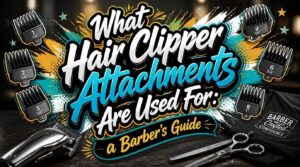
Most people grab whatever guard their clippers came with and hope for the best. That works—until it doesn’t, and you’re left staring at an uneven patch above your ear wondering what went wrong. The plastic combs clipped onto your blades aren’t an afterthought; they’re the whole system.
Hair clipper attachments control exactly how much hair the blade reaches, turning one set of clippers into a full toolkit for dozens of styles. The difference between a buzz cut and a crew cut often comes down to swapping one guard for another. Knowing what each attachment does—and when to use it—puts that control in your hands.
Table Of Contents
- 1 — 1/8 inch (3 mm): tight, close cuts
- 2 — 1/4 inch (6 mm): short but visible length
- 4 — 1/2 inch (13 mm): relaxed, everyday trim
- 6 — 3/4 inch (19 mm): fuller top coverage
- 8 — 1 inch (25 mm): noticeable length on top
- Common Attachment Types
- Hairstyles Each Guard Creates
- Choosing and Maintaining Attachments
- Frequently Asked Questions (FAQs)
- What do the different clipper attachments do?
- Why do barbers not like the 16 guard?
- Can clipper guards work on thick or curly hair?
- How often should clipper attachments be replaced?
- Do clipper guards affect motor speed or performance?
- Are clipper attachments safe for childrens hair?
- Can guards be used on wet hair safely?
- Conclusion
Key Takeaways
- The number on a clipper guard directly tells you how much hair stays behind — the higher the number, the longer the cut, from 3mm at a #1 all the way to 25mm at a #8.
- Different guard types (standard, beard, ear, adjustable) each solve a specific grooming problem, so knowing which one to grab saves you time and fixes most common cutting mistakes before they happen.
- Brand compatibility matters more than most people think — Wahl and Andis guards don’t swap cleanly, and a loose or mismatched guard is usually the real reason a cut turns out uneven.
- Keeping guards clean, dry, and properly stored isn’t optional maintenance — hair buildup in the teeth and trapped moisture are the two fastest ways to ruin both your guards and your blades.
Hair Clipper Attachments Explained
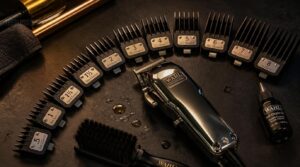
Hair clipper attachments do more than most people realize — they’re what give you real control over every cut. Each one fulfills a specific purpose, whether you’re shaping a fade or just keeping things tidy at home. Here’s what you need to know about how they actually work.
Once you understand your attachments, choosing the right hair clippers becomes just as important as knowing how to use them.
Guide Comb Basics
A guide comb is the plastic attachment that clips onto your clipper blade and controls how much hair gets left behind. Guard combs cover the blade to protect the scalp from direct contact, and they come in sizes ranging from 1/16 inch up to 1 inch.
Higher numbers mean longer hair — simple as that. They help ensure consistent hair length and uniformity.
Guard Versus Bare Blade
Once you know how guide combs work, the next question is: what happens when you take one off?
A bare blade exposes the full cutting edge, giving experienced barbers close skin contact for tight fades and sharp lines. A guard creates a physical barrier between blade and skin, making it the safer, smarter choice if you’re just getting started.
Fixed Length Control
That’s exactly where fixed-length guards earn their place. Snap one on, and every pass cuts the same length — no guesswork, no drift. Guard 1 gives you 3.2 mm, Guard 2 delivers 6.4 mm. Small numbers, but precision matters here.
Here’s what keeps your results consistent:
- Lock the guard securely before starting — a loose guard shifts mid-cut
- Inspect guards for chips or cracks that cause length drift
- Start longer, then step down to your target length
- Clear hair from the teeth after each pass for smooth contact
- Replace worn guards promptly to maintain accurate hair length settings
A properly latched guard means repeatable cutting results every single time.
Safer Home Cutting
Running a bare blade over your scalp at home is how accidents happen. A guard changes that completely — it sits between the teeth and your skin, giving you blade exposure control without thinking twice about it. Snap it on firmly, feel that click, and you’re cutting with a built-in safety layer every pass.
They Control Cutting Length

The guard you choose decides exactly how much hair stays behind after each pass. Different guards are built for different lengths, from a tight buzz all the way up to a full inch or more of hair left on top. Here’s a breakdown of the main guard ranges and what each one does.
Short Buzz Cut Guards
Short buzz cut guards — sizes 1 through 4 — leave hair between 1/8 inch and 1/2 inch, giving you a clean, uniform look without touching bare blade territory. Guard 1 cuts to 3.2 mm, ideal for tight buzz cuts, while Guard 4 offers more coverage at 13 mm.
If you’re still figuring out which guard fits your style, this hair clipper size guide breaks down exactly what each number delivers in terms of length and look.
Both snap on securely and keep your scalp safe from nicks.
Medium Trim Guards
Medium trim guards — sizes 5 and 6 — cut hair between 3 mm and 6 mm, making them the sweet spot for blended sides and classic crew cuts. They snap onto most standard clippers easily, and the consistent cutting height keeps every pass uniform.
Always turn off your clipper before swapping guards, and rinse them with warm soapy water after each use.
Longer Top Guards
Longer top guards — commonly ranging from 9mm to 25mm — are what you reach for when you need real length on top. They handle everything from a 16mm medium trim to a full 22mm or 25mm top block, giving you clean, even coverage across the crown in fewer passes.
- Maintains uniform cutting height across the entire top
- Reduces over-trimming by building length gradually
- Blends naturally into faded or tapered sides
- Compatible with most snap-on guard systems
- Color-coded for quick, confident size selection mid-cut
Extra-long Clipper Combs
When you want to leave serious length on top, extra-long clipper combs are your go-to. These attachment combs extend up to 2½ inches (64 mm), making them perfect for long top silhouettes and undercut contrast techniques. They’re lightweight — usually under 20 grams — and snap on securely.
Just confirm brand compatibility before buying, since Wahl and Andis guards rarely interchange.
Clipper Number Meanings
Think of clipper numbers as a simple ruler. Guard size and hair length go hand in hand — the higher the number, the more hair stays behind. A #1 leaves 1/8 inch, a #4 leaves 1/2 inch, and a #8 leaves a full inch.
Higher clipper numbers mean longer hair — #1 leaves 1/8 inch, #8 leaves a full inch
-
1 — 1/8 inch (3 mm): tight, close cuts
-
2 — 1/4 inch (6 mm): short but visible length
-
4 — 1/2 inch (13 mm): relaxed, everyday trim
-
6 — 3/4 inch (19 mm): fuller top coverage
-
8 — 1 inch (25 mm): noticeable length on top
Once you know the haircut number system, talking length with anyone becomes easy.
Common Attachment Types
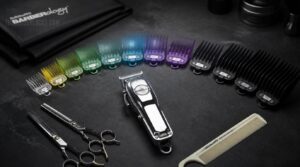
Not all clipper attachments do the same job, and knowing the difference is half the battle. Each type is built with a specific purpose in mind, whether you’re trimming a full head of hair, shaping a beard, or cleaning up around the ears. Here are the main attachment types you’ll come across.
Standard Clipper Guards
Standard clipper guards are the workhorses of any haircut. They snap onto your blade and set the hair cutting length instantly — no guesswork.
Made from impact-resistant ABS plastic, they hold their shape through heavy daily use. Guard sizes usually run from 3 mm to 25 mm, giving you reliable hair length control from a tight buzz to a fuller trim.
Beard and Mustache Guards
Beard and mustache guards are built for the curves of your face — narrower and more tapered than standard clipper guards. Their precision teeth design grips fine facial hair without snagging, and their curved profiles follow the chin and lip line naturally.
- Fixed-length guards maintain consistent beard depth across trims
- Adjustable guards let you dial in exact beard length guards without swapping pieces
- Material durability features keep teeth aligned through daily grooming
Left and Right Ear Guards
Left and right ear guards are specialty guards designed for one job: trimming precisely around ears without nicking the skin. Each cup follows a specific ear contour — left and right aren’t interchangeable. Color-coded exteriors help you grab the correct side fast.
Small vents reduce heat buildup, and after each use, detach them separately, wipe with ethanol, and air dry.
Adjustable Guide Combs
Unlike ear guards, which are fixed for one purpose, adjustable guide combs give you multiple lengths in a single attachment. Twist or slide the mechanism, and you shift between settings — no swapping guards mid-cut. That’s real length control on the fly.
Just rinse, air-dry, and check the adjustment slider for hair buildup before storing.
Color-coded Guard Systems
Color-coded guard systems take the guesswork out of grabbing the right attachment mid-cut. Each color maps to a specific length — red for shortest, yellow for mid-range, green for longer cuts. Just glance, grab, and go.
One heads-up: colors vary by brand, so always check the manufacturer’s chart before mixing guards from different lines.
Hairstyles Each Guard Creates
The guard you pick shapes everything — the final look, the technique, even how long the cut takes. Once you know which number matches which style, the whole process clicks into place. Here’s how the most common guards actually get used.
Buzz Cuts
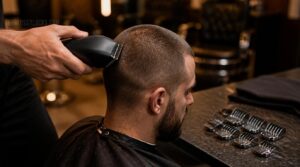
The buzz cut is one of the most forgiving haircuts you can do at home. You only need one or two clipper guards to pull it off. For a classic buzz, a 1.5 mm or 3 mm attachment keeps things clean and uniform.
Run the clipper against hair growth for an even finish, and don’t skip sunscreen — scalp protection matters after a fresh cut.
Crew Cuts
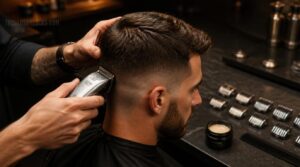
The crew cut is a step up from the buzz — it asks a little more from you, but the result is sharper and more polished. Here’s how to nail it with the right guard sizes:
- Top length options run from ½ inch to 2 inches — use a 6 mm or 10 mm guard and leave room for texture.
- Side taper technique means working guards 3 to 6 on the sides, blending upward gradually for a clean fade.
- Neckline precision requires no guard at all — use the bare blade to define the back edge crisply.
- Styling product use should stay light; a matte paste keeps your crew cut natural without flattening it.
A solid maintenance routine every 2 to 4 weeks keeps those lines tight. That’s what separates a sharp crew cut from a grown-out mess.
High and Tight Cuts
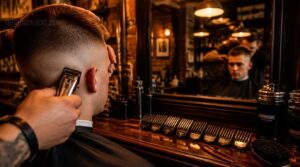
The high and tight is built on contrast — tight sides, longer top, and clean edges that mean business. Use guard 1 or 2 on the sides for that close, near-skin look, and a guard 3 to 6 on top depending on your density. Combine them with the taper lever for smooth blending between the two lengths.
Fades and Tapers
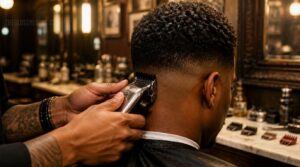
Fades and tapers are where guard control really shines.
A fade drops from longer hair on top down to skin or near-skin at the bottom — low, mid, or high depending on where that shortest point begins. Use progressively smaller guards moving downward, blending each pass with outward scooping strokes to soften the smooth shift.
A taper is gentler, stopping above the skin for a cleaner, professional look.
Sideburns and Necklines
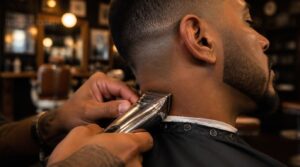
Sideburns and necklines are where a clean cut either holds together or falls apart. Use the 0 setting — no guard — to define the neckline, setting it roughly 1 to 1.5 inches below the jawline. For sideburn fade and blend, short guards like 1/8 to 3/16 inch keep transitions tight and symmetrical on both sides.
Choosing and Maintaining Attachments
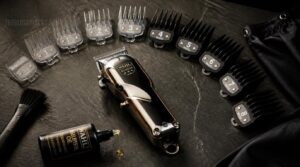
Getting the right guard for your clippers makes a real difference, and so does keeping them in good shape. A worn or mismatched attachment can throw off your whole cut before you even get started. Here’s what to know about choosing and caring for your guards.
Match Guards to Clippers
Not all guards play nice with every clipper — brand compatibility matters more than most people realize. Wahl guards won’t snap securely onto Andis clippers, and forcing the fit leads to guard slippage and uneven cuts.
Always match your guard sizes to your specific clipper brand. When in doubt, universal kits with brand-specific adapters are your safest bet.
Check Secure Attachment Fit
Once your guard is matched to the right clipper, the next step is making sure it’s actually locked in. Snap it on and listen for that audible snap confirmation — no click means no secure fit. Run a quick tug test: if the guard shifts more than 1–2 millimeters, reattach it before you cut a single hair.
Clean Hair From Teeth
Once the guard snaps in securely, keeping those teeth clean is what keeps your cuts consistent. Hair debris removal after every session is non-negotiable — clippings pack into the comb channels and slow the blade down.
Use a stiff nylon brush to clear the guard teeth. Work in short strokes, pushing debris out from the base toward the tips.
- Clogged teeth create uneven pull
- Buildup between teeth throws off your guard sizes
- Dirty attachment combs drag instead of glide
- Skipping this step shortens blade life fast
Prevent hair buildup by brushing clipper guides immediately after use, before clippings dry and compact.
Wash and Disinfect Guards
Brushing out the teeth gets the loose debris, but it doesn’t kill what you can’t see. Bacteria and skin cells cling to clipper guards long after the hair is gone.
Pre-clean first — wash guards in warm water with mild dish soap, scrubbing every tooth and channel. Then apply a 70% isopropyl alcohol or EPA-approved disinfectant, covering all surfaces evenly.
| Step | Product | Contact Time |
|---|---|---|
| Pre-clean | Mild dish soap + warm water | 30–60 seconds |
| Disinfect | 70% isopropyl or Barbicide | Per label instructions |
| Rinse | Water (if label requires) | Until residue-free |
Disinfectant selection matters — most plastic guard sizes and color-coded guards tolerate quaternary ammonium or hydrogen peroxide solutions well. Avoid high-concentration chlorine; it fades color markings and weakens the plastic over time. Check material compatibility before soaking magnetic attachments, as some seals may degrade. Disinfect after every session — no exceptions.
Dry Before Storage
Disinfecting tackles the invisible threats — but moisture is what quietly ruins your hair clipper guards over time. Once guards are clean, let them air dry completely, about 30 minutes, before storing.
- Wipe away leftover moisture with a lint-free cloth
- Check teeth and crevices for trapped water
- Store in areas with humidity below 60%
- Never dry near heat — warped plastic won’t snap back
- Apply light oil to blades before putting everything away
Skipping this step invites rust, and rust ends tools early.
Frequently Asked Questions (FAQs)
What do the different clipper attachments do?
Each attachment controls how much hair the blade removes. Swap the guard, change the length. It’s that simple — different sizes handle everything from buzz cuts to blending and tapering.
Why do barbers not like the 16 guard?
Most barbers skip the 16 guard because length inconsistency across brands makes blending messy, slows workflow, and throws off proportions — three things no barber wants mid-fade.
Can clipper guards work on thick or curly hair?
Yes, clipper guards work well on thick and curly hair. Start with a longer guard, move against the growth direction, and use slow passes to prevent bunching.
How often should clipper attachments be replaced?
There’s no single rule. Replace hair clipper guards when teeth look bent or worn, blades drag instead of cut, or buildup won’t clean out. For home use, yearly works. Professionals should swap every 4–6 months.
Do clipper guards affect motor speed or performance?
Guards don’t slow your motor, but they do add resistance during cutting. Thicker hair increases motor load, which can raise blade heat. Keep guards clean, lubricate blades regularly, and use a higher speed setting to compensate.
Are clipper attachments safe for childrens hair?
Clipper attachments are completely safe for children’s hair when used correctly. The guard sits between the blade and scalp, preventing nicks. Just confirm it clicks securely before starting.
Can guards be used on wet hair safely?
Wet hair and clippers are like oil and water — they don’t mix well. Towel-dry first before using any guards to stay safe and get a clean, even cut.
Conclusion
The moment you truly understand what hair clipper attachments are used for, something shifts—you stop guessing and start deciding with real confidence.
Every guard becomes a deliberate choice, every haircut a result you actually planned for. That plastic comb isn’t just protecting the blade; it’s the difference between a cut that looks accidental and one that looks intentional.
Master the guards, and you don’t just own a pair of clippers. You own the outcome.