This site is supported by our readers. We may earn a commission, at no cost to you, if you purchase through links. This content is for general informational and educational purposes only and is not a substitute for professional medical, dermatological, or nutritional advice.
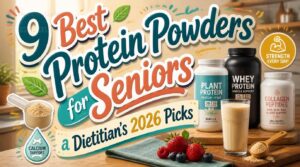
By 65, your body needs a stronger nudge just to hold onto the muscle you already have. Doctors call it anabolic resistance, a fancy way of saying your muscles stop listening to protein the way they used to. That’s why so many older adults lose strength quietly, without ever changing their diet.
A good scoop of the right protein powders for seniors can close that gap fast, adding grams your meals might be missing and giving your bones some backup too. Some options pack in calcium and HMB for bone density, others go easy on lactose-sensitive stomachs. I’ve tested and researched plenty, and I’m sharing which ones actually earn a spot on your counter.
Table Of Contents
- Key Takeaways
- Why Seniors Need Protein Powder
- Top Protein Powders for Seniors
- 1. Opportuniteas Grass Fed Whey Isolate
- 2. Ensure Original Vanilla Nutrition Shake
- 3. Isopure Zero Carb Whey Isolate Protein Powder
- 4. Pure Label Nutrition Grass Fed Whey Isolate
- 5. Kate Farms Organic Vanilla Nutrition Shake
- 6. Ensure Max Protein Cherry Cheesecake Shake
- Thorne Whey Protein Isolate Vanilla
- Orgain Organic Vegan Protein Powder
- Vital Proteins Collagen Peptides Powder
- Whey Isolate Vs. Concentrate for Seniors
- Plant-Based Protein Options for Seniors
- Collagen Protein for Joint and Skin Health
- What to Look for on The Label
- How and When to Take Protein Powder
- Frequently Asked Questions (FAQs)
- Should a 70 year old take protein powder?
- What is the best protein for the elderly?
- Is protein powder good for over 60?
- Which powder is best for senior citizens?
- Are there side effects for seniors on medication?
- How long does an opened protein powder tub last?
- Can seniors take protein powder with other supplements?
- Is protein powder safe for seniors with kidney issues?
- Conclusion
Key Takeaways
- After 65, your muscles get less responsive to protein (called anabolic resistance), so most active seniors need 1.0 to 1.2 grams per kilogram of body weight daily, spread across meals, to keep muscle loss at bay.
- Whey isolate is generally the better choice over concentrate for older adults since it has less lactose, more leucine, and digests more easily on sensitive stomachs.
- Pairing protein (especially leucine-rich whey isolate) with calcium and vitamin D can meaningfully support bone density and may lower hip fracture risk.
- For those with limited appetite, dairy sensitivities, or a preference for convenience, ready-to-drink shakes and vegan protein powders offer solid alternatives to traditional scoop-and-mix whey.
Why Seniors Need Protein Powder

Your body changes as you age, and protein needs shift right along with it. Getting enough matters for your bones, your muscles, and your energy day to day. Here’s what you should know before picking a powder that actually works for you.
Since protein also influences hormones, appetite, and even skin and hair, it’s worth exploring this guide to the best protein powders for women to find one suited to your changing needs.
Protein and Bone Density Support
Bone loss sneaks up on you, but protein can slow it down. Whey isolate’s leucine triggers bone protein synthesis, and pairing it with calcium and vitamin D cuts hip fracture risk by 22%. Adding HMB boosts femoral neck density further.
Pairing whey isolate’s leucine with calcium and vitamin D can cut hip fracture risk by 22%
Balance acid load with fruits and veggies, choose third-party tested powders, and you’re protecting bones with every scoop.
Daily Protein Requirements for Seniors
So how much protein do you actually need? The National Institute on Aging puts the minimum at 0.8g per kilogram, but that’s often too low.
Active seniors should aim for 1.0 to 1.2 grams per kilogram, spread across meals to fight anabolic resistance and support muscle protein synthesis.
Kidney or heart conditions? Adjust with your doctor first.
Top Protein Powders for Seniors
I’ve tested and researched dozens of protein powders, and these nine stood out for taste, quality, and how well they fit a senior’s needs.
You’ll find options for every situation, whether you’re lactose intolerant, watching your budget, or just want something that mixes easily.
Here’s my full list, starting with my top pick overall.
1. Opportuniteas Grass Fed Whey Isolate
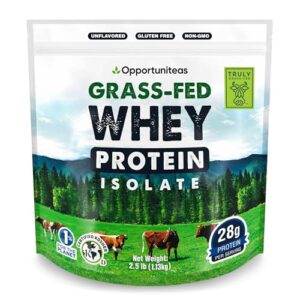
Grab a scoop of Opportuniteas and you’re getting 28 grams of protein from cows that graze Irish pastures year-round. That’s a serious dose toward your daily target.
The cold-filtration process keeps 7.9g BCAAs intact while stripping out most lactose, so bloating shouldn’t be an issue. Every batch gets lab tested for heavy metals like lead and arsenic, which matters when you’re taking this daily.
It’s pricier than standard whey, and unflavored versions need a little doctoring to taste good.
| Best For | People who want a high-protein, gentle-on-the-stomach whey isolate and don’t mind paying a bit more for quality sourcing and testing. |
|---|---|
| Protein Source | Whey Isolate |
| Gluten Free | Yes |
| Sugar Content | Low |
| Servings Per Container | ~37 |
| Mixability | Good |
| Third-Party Testing | Heavy Metals Tested |
| Additional Features |
|
- 28g of protein and 7.9g BCAAs per scoop, sourced from grass-fed Irish cows
- Cold-filtration process strips out most lactose, making it easier on digestion
- Lab tested for heavy metals like lead and arsenic for added quality assurance
- Higher price point than standard whey protein alternatives
- Unflavored profile may need added sweeteners to taste good
- Can clump or turn sticky when mixed with small amounts of warm liquid
2. Ensure Original Vanilla Nutrition Shake
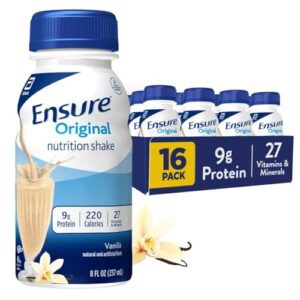
Not everyone wants to scoop and shake. If that’s you, Guarantee Original Vanilla is a ready-to-drink option with 9g protein and 220 calories per bottle.
It’s fortified with 27 vitamins and minerals, including zinc and vitamin C, and works well as a meal replacement when appetite runs low. It’s lactose-friendly too, though not safe for galactosemia.
Just know the protein count is modest compared to powders, so it’s better as a supplement than your main source.
| Best For | older adults or anyone with a smaller appetite who wants a quick, no-prep way to get extra protein, vitamins, and calories in their day. |
|---|---|
| Protein Source | Milk Protein Blend |
| Gluten Free | Yes |
| Sugar Content | N/A |
| Servings Per Container | 16 |
| Mixability | N/A |
| Third-Party Testing | N/A |
| Additional Features |
|
- Ready to drink with no scooping or mixing required
- Packed with 27 vitamins and minerals, including zinc and vitamin C
- Lactose-friendly, making it easy on sensitive stomachs
- Only 9g of protein per bottle, which is low compared to protein powders
- Not suitable for people with galactosemia
- Calorie count may be too high for those watching intake closely
3. Isopure Zero Carb Whey Isolate Protein Powder
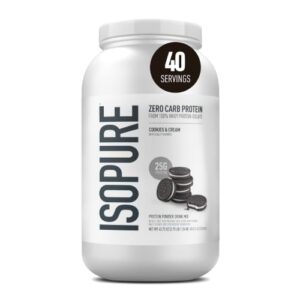
For seniors who want zero sugar and zero carbs, Isopure Zero Carb delivers 25g of whey isolate with none of the extras.
It’s ultra-filtered to strip out fat, carbs, and lactose, making it gentle on sensitive stomachs. You’ll also get 5.5g BCAAs, 4g glutamine, and 20 vitamins and minerals, including zinc, A, C, and E.
It mixes easily into water or smoothies, though some flavors taste weaker than expected. At this price point, it’s solid, just not a meal replacement.
| Best For | Seniors seeking a zero sugar, zero carb whey isolate that’s gentle on the stomach and supports daily protein and nutrient needs. |
|---|---|
| Protein Source | Whey Isolate |
| Gluten Free | Yes |
| Sugar Content | 0g |
| Servings Per Container | ~27 |
| Mixability | Good |
| Third-Party Testing | N/A |
| Additional Features |
|
- 25g of 100% whey isolate with 0g sugar and no added carbs or lactose
- Fortified with 20 vitamins and minerals, including A, C, E, and zinc
- Mixes easily into water, smoothies, or other everyday drinks
- Priced higher than standard whey protein concentrates
- Some flavors taste weaker or more artificial than expected
- Not designed to be used as a meal replacement
4. Pure Label Nutrition Grass Fed Whey Isolate
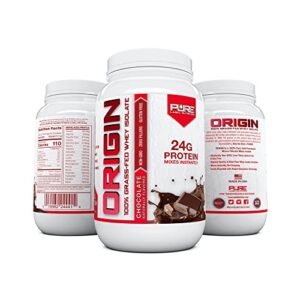
If your stomach can’t handle much lactose, this one’s worth a look. Pure Label’s isolate is microfiltered down to less than 0.1% lactose, with 27g of protein per 30g scoop.
Cows graze on pasture at least 180 days a year, certified by the American Grassfed Association. You’ll get 2.2g leucine per serving, plus digestive enzymes for easier breakdown.
It dissolves in about 30 seconds, no clumping. A solid pick for muscle support without the bloat.
| Best For | This protein powder is best for lactose-intolerant or gluten-sensitive individuals looking for a clean, low-carb way to support muscle recovery and meal replacement. |
|---|---|
| Protein Source | Whey/Grass-Fed |
| Gluten Free | Yes |
| Sugar Content | 0g Added |
| Servings Per Container | ~30 |
| Mixability | Good |
| Third-Party Testing | N/A |
| Additional Features |
|
- 24g of protein per serving with zero carbs and no added sugar
- Lactose free, gluten free, soy free, and rBGH free, making it gentle on sensitive stomachs
- Mixes instantly into water or smoothies without clumping
- Some users notice a mild aftertaste or occasional small lumps when mixing
- Contains sucralose, which can cause digestive discomfort for sensitive individuals
- The 2lb tub may run out quickly for daily users, and cost per serving is higher than some competitors
5. Kate Farms Organic Vanilla Nutrition Shake
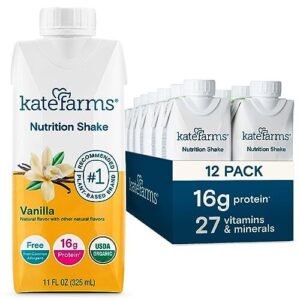
Reduced appetite from medications or treatment can make hitting protein goals tough, and that’s where this shake earns its spot. Each 11 oz bottle delivers 16g of organic pea protein, 330 calories, and 27 vitamins and minerals, including calcium and vitamin D.
It’s dairy-free, gluten-free, and non-GMO verified, with 5g of prebiotic fiber for digestion. Worth noting: it contains agave and brown rice syrup, so it’s sweeter than some prefer, and pricier than typical shakes.
| Best For | People with reduced appetite from medication or medical treatment who need an easy, nutrient-dense way to support their protein and calorie intake. |
|---|---|
| Protein Source | Pea Protein |
| Gluten Free | Yes |
| Sugar Content | Added Sugars |
| Servings Per Container | 12 |
| Mixability | N/A |
| Third-Party Testing | N/A |
| Additional Features |
|
- 16g of organic pea protein plus 27 vitamins and minerals per bottle
- Dairy-free, gluten-free, and Non-GMO Project Verified, with 5g of prebiotic fiber
- Convenient for meal replacement or as a between-meals snack
- Contains added sugars from agave and brown rice syrup solids
- Some users find it too sweet or not filling enough for a full meal
- Costs more than conventional nutrition shakes
6. Ensure Max Protein Cherry Cheesecake Shake
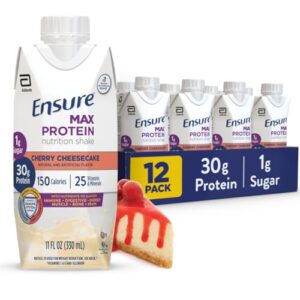
Craving something dessert-like? This shake packs 30g of protein and just 150 calories, with only 1g sugar and 2g fat per bottle.
You’ll get 25 vitamins and minerals, including 650mg calcium and 14mcg vitamin D for bone support. It’s gluten-free and works well if you’re lactose intolerant.
Each bottle has 100mg caffeine, so skip it if you’re caffeine-sensitive. Some readers find the cherry flavor artificial-tasting, and refrigeration after opening keeps it fresh.
| Best For | People who want a quick, dessert-inspired protein shake to support muscle recovery and an afternoon energy boost without a big calorie or sugar hit. |
|---|---|
| Protein Source | Whey Blend |
| Gluten Free | Yes |
| Sugar Content | 1g |
| Servings Per Container | 12 |
| Mixability | N/A |
| Third-Party Testing | N/A |
| Additional Features |
|
- 30g of protein per bottle to support muscle maintenance and recovery
- Packed with 25 vitamins and minerals, plus fiber and prebiotics for digestive health
- Gluten-free, lactose-friendly, and only 1g of sugar per serving
- 100mg of caffeine per bottle may not suit those sensitive to stimulants
- Some drinkers find the cherry flavor tastes artificial
- Needs refrigeration after opening, which limits on-the-go convenience
Thorne Whey Protein Isolate Vanilla
Purity matters as much as protein count, and Thorne Whey Protein Isolate Vanilla delivers 20g whey protein isolate, third-party tested for accuracy.
- Real vanilla flavor, low lactose impact
- Mixes smoothly for better nutrient absorption
- Minimal ingredients, no artificial fillers
Its flavor profile stays clean, letting stevia’s sweetener benefits shine without an aftertaste—a solid, no-nonsense pick for daily use.
Orgain Organic Vegan Protein Powder
Dairy isn’t the only route to solid nutrition. Orgain Organic Vegan Protein Powder blends organic peas, brown rice, mung beans, and chia into a true complete protein mix, delivering 21g per serving.
You’ll get prebiotic fiber support for gut health, plus a clean vegan formula that’s third-party tested, non-GMO, and gluten-free—a smart pick if lactose is off the table.
Vital Proteins Collagen Peptides Powder
Not every protein need is about muscle. Essential Proteins Collagen Peptides Powder targets joint health support and skin elasticity improvement, sourced from grass-fed bovine hides and third-party tested.
Each scoop offers:
- 20g protein, 90 calories
- 2.5g glycine, 1.5g proline
- Dissolves in hot or cold liquids
- Gluten, dairy, and soy free
- 30 servings per container
It won’t replace whey for muscle recovery, but it’s a smart bone density boost addition.
Whey Isolate Vs. Concentrate for Seniors
Not all whey powders digest the same way, and that matters more as you get older. Isolate and concentrate differ in how they’re processed, which changes how your body processes them. Here’s what sets these two apart and which one might fit you best.
Lactose Tolerance Differences
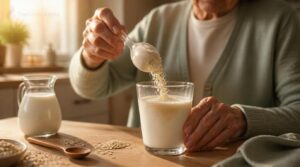
Your gut doesn’t read labels — it reacts to lactose. Whey isolate has under 1g per 30g scoop; concentrate carries 3-5g. Seniors lose roughly 30% of lactase activity by 60, so symptoms hit sooner.
| Type | Lactose (30g) |
|---|---|
| Isolate | <1g |
| Concentrate | 3-5g |
| Lactose-free | 0g |
| Plant-based | 0g |
Third-party testing confirms these numbers, so isolate’s usually the safer bet.
Amino Acid Profile Comparison
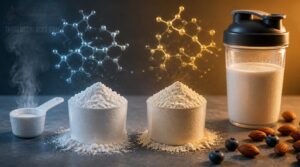
Lactose isn’t the only gap between isolate and concentrate — leucine matters too. Isolate delivers 2.5g per 30g scoop versus concentrate’s 1.8g, and that difference drives muscle protein synthesis.
| Type | Leucine | BCAAs |
|---|---|---|
| Isolate | 2.5g | 1:0.55:0.55 |
| Concentrate | 1.8g | 1:0.50:0.50 |
Isolate also edges out concentrate on cysteine, glutamine, and lysine — small margins, but they add up for aging muscles.
Which Option Suits Older Adults
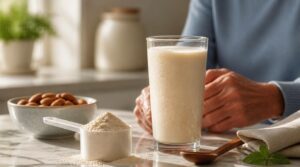
So which wins out? For most seniors fighting sarcopenia and low bone density, isolate’s the safer bet.
| Factor | Isolate Advantage |
|---|---|
| Protein content | 25g per scoop |
| Digestive ease | Low lactose |
| Third-party tested | Yes |
| Bone support | Pairs with calcium |
| Convenience | Mixes easily |
Concentrate still works for seniors without dairy sensitivity or budget concerns.
Plant-Based Protein Options for Seniors
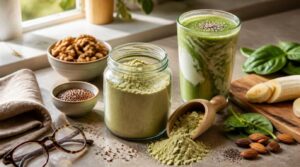
Not everyone can tolerate dairy, and that’s okay, plant-based protein powders have come a long way. They can be gentler on your gut while still packing in the protein and fiber your body needs. Here’s what to look for when you’re choosing one.
Vegan Sources for Lactose Intolerance
Dairy stomachs and older age don’t always mix well, which makes a vegan formula worth a look.
Pea protein isolate and rice blends skip lactose entirely, so there’s no bloating trade-off. Soy-free alternatives and seed-based protein sources (think sunflower or pumpkin) cover allergies too.
Look for third-party tested labels — it confirms what’s on the tub actually matches what’s inside.
Digestive Tolerance and Gut Health
Switching to plant-based protein does more than dodge dairy — it can genuinely shift your gut microbiome. Pea protein raises beneficial Bifidobacteria over time, while multi-source blends (pea, rice, hemp) build a more diverse microbial community than whey alone.
Some formulas add probiotics or digestive enzymes for extra comfort. Tolerance surveys show plant blends score around 4.2 out of 5 for digestive comfort.
Fiber Content in Plant Blends
A nice bonus with plant blends: fiber comes standard. A 30-gram scoop usually packs 2 to 5 grams, and pea-rice-hemp combos can hit 5 grams.
That fiber does double duty — it helps you feel full for hours and helps preserve gut health. One catch: fiber can reduce calcium absorption slightly, so timing matters for nutrient interaction.
Collagen Protein for Joint and Skin Health
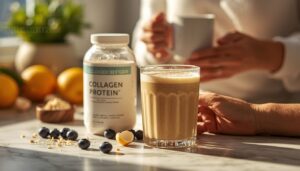
Collagen works a bit differently than whey or plant protein, and it’s worth knowing what it can and can’t do for you. Your joints and skin often need extra support as you age, which is where this protein type comes in handy. Here’s what to know before adding it to your routine. Collagen isn’t the only ingredient worth a second look, either—hydrolyzed wheat protein works beautifully in hair care, sealing in moisture and smoothing frizz while reinforcing strands that have taken a beating.
Beyond joints and skin, collagen’s amino acids also play a surprising role in scalp and strand health, much like the nutrient-dense benefits highlighted in buckwheat’s hair-strengthening properties.
Hyaluronic Acid and Vitamin C Benefits
Some collagen powders add hyaluronic acid and vitamin C, and that pairing does real work.
Hyaluronic acid holds water in your skin and cushions joints as part of synovial fluid, supporting skin hydration and joint lubrication.
Vitamin C brings antioxidant protection and fuels collagen synthesis.
Together, studies show improved skin elasticity and joint comfort, worth considering for senior nutrition goals.
Collagen Versus Whey for Seniors
Here’s the honest tradeoff: whey protein isolate beats collagen for muscle mass preservation, hitting the leucine threshold collagen can’t touch. Collagen shines for joints and skin instead.
Got dairy sensitivity? Collagen’s gentler on digestive tolerance and allergen risk. Otherwise, whey’s third-party testing and stronger bone density impact make it your everyday pick—save collagen as a joint-focused add-on.
What to Look for on The Label
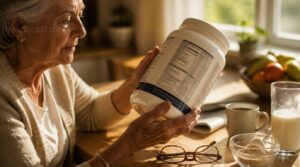
Picking a good protein powder isn’t just about the protein count on the front of the tub. The real story is on the back, in the fine print most people skip past. Here’s what actually matters when you flip that label over.
Calcium and HMB for Bone Health
Bone loss sneaks up on you, which is why the calcium-HMB combo matters. Together they cut fracture risk by 12% over two years, boosting bone density while suppressing osteoclast activity. Look for:
- 500-600mg calcium doses
- 2.5g daily HMB
- Third-party tested labels
- Grass-fed whey sources
- Combined bone-muscle support
That teamwork preserves muscle mass too.
Vitamin and Mineral Fortification
Calcium and HMB aren’t the whole story, though. Check the fine print for vitamin D enrichment (400 IU), B12 (2.5mcg), iron (5mg with vitamin C for absorption), magnesium (50mg for bone support), and zinc (5mg for immunity). That’s a solid vitamins and minerals lineup for one scoop.
| Nutrient | Amount |
|---|---|
| Vitamin D | 400 IU |
| B12 | 2.5 mcg |
| Iron | 5 mg |
Saturated Fat and Cardiovascular Factors
Vitamins matter, but fat content deserves a hard look too. Saturated fat intake above 15g daily raises LDL and lowers HDL, feeding arterial plaque and inflammation.
Grass-fed whey usually run cleaner here. Check labels for third-party testing and keep saturated fat under 5g per serving, protecting your heart while you build muscle mass and bone density.
Sugar, Carbs, and Flavor Considerations
Fat isn’t the only label detail worth your attention. Sugar and carbs matter too, especially if you’re managing blood sugar. Look for low sugar or no added sugar blends under 5g net carbs, sweetened with stevia or monk fruit instead.
Flavor-wise, taste masking keeps things enjoyable without spiking glucose:
- Stevia leaf
- Monk fruit
- Erythritol
- Cocoa powder
- Citric acid
How and When to Take Protein Powder
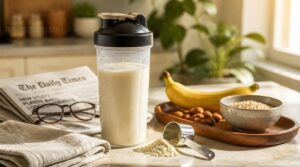
Picking the right powder is only half the job, how you use it matters just as much. Small habits around timing and mixing can make a real difference in how well your body puts that protein to work. Here’s what I tell my clients about getting the most out of every scoop.
Timing With Meals and Exercise
When should you actually drink your shake? Aim for protein twice daily with meals, which keeps muscle protein synthesis steady.
If you’re doing resistance training, sip a small pre-workout snack 1-3 hours ahead, then follow with protein within a few hours after to support recovery.
This meal distribution strategy syncs nutrition with exercise nutrition sync goals nicely.
Mixing Tips for Better Digestion
Clumpy shakes usually come down to technique, not the powder itself. Mix at room temperature (68–72°F), using water or lactose-free milk for easier digestion.
Try these fixes:
- Shake with a whisk-ball bottle, 10 seconds
- Add lemon juice or ginger for digestibility
- Whizz at 12,000 rpm for smooth texture
- Rest 1 minute before drinking
- Stir once more, then sip within 5 minutes
Cost-Effective Daily Servings
A 30-gram scoop delivers 25 grams of protein, which helps maintain muscle mass without overspending.
Buying bulk containers drops your cost to $0.08 per gram, versus $0.12 for single packets. Multi-flavor packs run $1.22 per serving. Subscriptions add another 10% off, plus free shipping. Choose third-party tested whey isolate for reliable protein content, easier digestibility, and real savings over time.
Frequently Asked Questions (FAQs)
Should a 70 year old take protein powder?
Yes, in most cases. At 70, appetite often drops while muscle loss accelerates, so protein powder helps hit daily intake goals, helps bone health support, and aids muscle mass maintenance—just check digestive tolerance and choose third-party tested brands.
Older adults may experience anabolic resistance, requiring higher protein intake per meal to effectively stimulate muscle synthesis. anabolic resistance aging
What is the best protein for the elderly?
For most seniors, whey isolate wins on absorption and muscle preservation, but plant blends work well for lactose sensitivity.
Look for third-party testing, NSF certification, 20-25g protein per serving, and complete amino acids to fight age-related muscle loss.
Is protein powder good for over 60?
Muscle loss creeps up quietly after 60, but it doesn’t have to win. Protein powder can genuinely help, supporting muscle preservation, easing digestive tolerance when timed with meals, and backing long-term safety when you pick third-party tested, NSF-certified brands.
Which powder is best for senior citizens?
For most older adults, Opportuniteas Grass Fed Whey Isolate wins: 25g protein, under 1g lactose, third-party tested, and $20 per serving. It balances protein content, digestibility, and cost better than most competitors on this list.
Are there side effects for seniors on medication?
Pill overload is no small dose of trouble: with polypharmacy, drug interactions can spike confusion, bleeding, or GI upset. Always check with your doctor before adding protein powder, since medication tolerance and safety monitoring matter as much as nutrition.
How long does an opened protein powder tub last?
Most tubs stay good for 30 days at room temperature, but sealing tightly and refrigerating stretches that to 90 days. Watch for clumping, sour smell, or color change, these signal spoilage, no matter what the date on third-party-tested labels claims.
Can seniors take protein powder with other supplements?
Yes, but timing matters. Space protein powder from calcium and iron supplements, pair with vitamin D for better absorption, and consider creatine for muscle benefits. Watch kidney function through regular monitoring, and choose third-party tested products for digestive health and safety.
Is protein powder safe for seniors with kidney issues?
It depends on your kidney function. Healthy kidneys handle whey isolate fine, but reduced GFR needs caution—stick to 8g protein per kilogram daily, choose third-party tested products, and talk to your doctor before adding supplements.
Conclusion
Worried a scoop of powder can’t replace real food? It won’t, but it fills the gaps your meals leave behind, especially on low-appetite days.
The right protein powders for seniors give your muscles what they need to keep listening, and your bones some quiet backup. Pick one that fits your gut, your taste buds, and your budget.
Small daily habit, steady strength—that’s the real win here.