This site is supported by our readers. We may earn a commission, at no cost to you, if you purchase through links. This content is for general informational and educational purposes only and is not a substitute for professional medical, dermatological, or nutritional advice.
The tight, stingy feeling after an aggressive cleanse isn’t proof that your skin is clean. It can signal that you’ve disrupted the community that helps hold water in, keep irritants out, and calm unnecessary immune alarms.
That community, your skin microbiome, works alongside the acid mantle, a lightly acidic surface film. Age, UV exposure, pollution, and harsh surfactants can narrow its diversity, leaving barrier lipids and recovery mechanisms under pressure.
Microbiome skincare innovations don’t mean coating skin in bacteria. They feed helpful microbes, use their byproducts, and preserve the neighborhood, reshaping care for dryness, sensitivity, inflammation, and visible skin aging.
Table Of Contents
- Key Takeaways
- Why Skin Microbiome Innovation Matters
- Probiotic, Prebiotic, and Postbiotic Breakthroughs
- Engineered Microbes Target Specific Skin Concerns
- Smarter Delivery and Stability Technologies
- Personalized Skincare Shapes Market Growth
- Frequently Asked Questions (FAQs)
- What are some good microbiome skin care products?
- Does probiotic skincare actually work?
- What is the #1 skincare in the world?
- What is microbiome in skincare?
- Is a microbiome infused skincare product right for your skin?
- Are microbiome cosmetics reshaping aging skin?
- Why is microbiome skin care important?
- What is skin microbiome?
- Are microbiome cosmetics effective for sensitive skin management?
- What are the best microbiome skin care brands?
- Conclusion
Key Takeaways
- Your skin microbiome and acidic surface layer help maintain moisture, barrier strength, and balanced immune responses, so harsh cleansing can worsen dryness and sensitivity rather than improve skin health.
- Prebiotics, postbiotics, ferment lysates, and carefully formulated probiotics may support the skin barrier, but live-microbe products need transparent strain details, viable counts at expiry, and reliable storage.
- Emerging engineered microbes and targeted delivery systems could eventually treat acne, eczema, psoriasis, and irritation more precisely without broadly disrupting beneficial skin organisms.
- Choose gentle, pH-aware, evidence-led products and treat “microbiome-friendly” claims cautiously, since personalized testing, certifications, and therapeutic claims vary in quality and regulatory meaning.
Why Skin Microbiome Innovation Matters

Your skin’s microbiome is more than a surface detail; it helps shape how calm, strong, and adaptable your skin feels. As research moves quickly, microbiome innovation is becoming a practical part of modern skin health. Here are the key reasons this science matters for your skin in 2026.
See how personalized skincare routine trends pair microbiome insights with AI-guided recommendations for more targeted care.
Microbial Diversity and Barrier Resilience
When your skin hosts a rich mix of helpful microbes, it is better equipped to hold moisture and recover from daily stress. Microbial diversity helps skin barrier function by helping maintain protective lipids, including ceramides and fatty acids.
A balanced skin microbiome composition acts like a well-run neighborhood: beneficial residents occupy space, use available nutrients, and support barrier strength. When microbial balance declines, skin may become more prone to dryness and irritation. Emerging formulations increasingly incorporate probiotics, prebiotics, and postbiotics to help support microbial balance and skin-barrier function.
Immune Signaling and Inflammation Control
That resilient microbial neighborhood also helps tune skin immunity. When microbes and immune cells communicate well, pattern-recognition receptors can respond to threats without keeping inflammatory pathways stuck in overdrive.
This immune system modulation helps antimicrobial peptides, your skin’s targeted microbial defense tools. It may also help limit inflammaging, the low-grade inflammation linked with sensitivity, slower repair, and visible aging.
Acid Mantle and PH Regulation
That immune balance depends partly on pH balance. Your acid mantle, the lightly acidic buffer in the outer stratum corneum, usually sits around pH 4.5 to 6.5.
Effective skin pH regulation helps microbiome balance, enzyme activity, and skin barrier integrity. When harsh cleansing pushes pH upward, barrier function can weaken and transepidermal water loss may rise. pH-aware formulas aim to protect this protective surface environment.
Aging, Inflammaging, and Microbiome Decline
As pH control becomes harder with age, microbial diversity often narrows too. This can weaken barrier strength and leave skin more reactive to irritation.
The result may be inflammaging, a low-grade inflammatory state that quietly accelerates skin aging. Microbiomefriendly formulations and suited skincare can help support a steadier balance, especially when your skin becomes drier, thinner, or slower to recover.
Environmental Stress and Oxidative Damage
Although you can’t see them, pollution, UVB, smoke, and irritants can push skin into oxidative stress, overwhelming antioxidant enzymes and disturbing microbial metabolites. That pressure weakens skin strength and can feed inflammaging.
- Wear daily broad-spectrum SPF.
- Cleanse away urban grime gently.
- Support the barrier with humectants.
- Choose microbiome-friendly formulas that avoid needless irritation without stripping its protective lipids too quickly.
Probiotic, Prebiotic, and Postbiotic Breakthroughs
Probiotic, prebiotic, and postbiotic technologies are moving microbiome skincare beyond broad “balance” claims. Each approach works differently, and product quality matters as much as the ingredient itself. Here’s what the latest breakthroughs could mean for your routine.
For reactive complexions, these sensitive-skin dry skin remedies can complement microbiome-focused barrier care.
Live Probiotics for Microbial Balance

Live Probiotics aim to support microbial balance by introducing carefully identified, viable strains to the skin. Products such as live probiotic skincare products should disclose strains, viable counts, storage needs, and suitability for sensitive skin.
For results that mean something, labels should name the genus, species, strain, and end-of-shelf-life CFU count. “Probiotic” alone is too vague.
Engineered probiotics may eventually target acne signals or barrier stress precisely. Unlike topical prebiotics or microbiomefriendly moisturizers, live cultures require smart packaging, reliable viability, and extra safety care for vulnerable users.
Prebiotics Feeding Beneficial Skin Microbes

When you feed the right microbes, your skin can help restore microbial balance without adding live bacteria. Topical prebiotics, such as certain sugars and fibers, act like selective fuel for beneficial bacteria already present on your skin.
Used consistently in suited skincare, these prebiotic ingredients may support hydration and favor commensal microbes over opportunistic ones. Think of them as tending a garden, not planting it.
Postbiotics Strengthening Barrier Function

Postbiotics Strengthening Barrier Function offers a smart route to resilient skin without keeping live microbes alive in the formula. These non-living microbial metabolites and cell components can support skin barrier integrity, helping limit irritation and permeability shifts.
That makes them especially attractive alongside engineered probiotics and microbiomefriendly labels. By calming inflammatory signaling at the surface, postbiotics may help skin feel steadier when stress tries to tip the balance.
Ferment Lysates Reducing Moisture Loss

Ferment lysates help skin hold water without adding live bacteria to the bottle. Produced through controlled fermentation methods, these non-living microbial components can support moisture retention and reduce transepidermal water loss, or TEWL.
Think of them as reinforcements for skin barrier integrity. Lactobacillus and Lactococcus lysates supply conditioning compounds that soothe stressed skin and help it feel less tight. That makes them a practical frontier in microbiome skincare innovations.
Clinical Evidence Across Skin Conditions

Clinical results are moving microbiome skincare innovations beyond clever marketing. In acne treatment, probiotic support alongside standard medicines has improved lesion severity, while targeted strains and prebiotics have reduced both clogged pores and inflammatory breakouts.
Evidence also spans skin conditions like eczema, atopic dermatitis, psoriasis, and rosacea. Microbiome targeted therapies can improve barrier hydration, calm itch, and reduce inflammatory signals, but they should complement, not replace, clinician-guided care.
Engineered Microbes Target Specific Skin Concerns

The next frontier isn’t simply adding “good bacteria” to a formula. Scientists are designing microbes to act locally and address defined skin concerns with greater precision. Here’s where this targeted approach may make the biggest difference.
Engineered Strains for Targeted Delivery
A new generation of engineered probiotics could turn skin microbes into precision delivery tools. Rather than affecting the whole complexion, engineered skin bacteria may attach to selected skin molecules and concentrate targeted antiinflammatory compounds where redness or irritation begins.
This approach helps tailor microbiome skincare, aiding actives reach the right neighborhood without broadly disturbing resident microbes.
Synthetic Biology for Localized Therapies
This precision goes further with Synthetic biology skin therapy. Engineered skin bacteria can be programmed to sense local signals, then release targeted antiinflammatory compounds only where they’re needed.
Think of it as a molecular thermostat: activity rises around a defined trigger, not across your whole face. Microbiometargeted therapies may also produce localized antimicrobial peptides, helping protect beneficial microbes while limiting unnecessary disruption.
Engineered skin microbes could act like molecular thermostats, releasing targeted defenses only where inflammation signals arise
Acne Inflammation and Skin Repair
When engineered probiotics sense acne-linked inflammation, they may release antimicrobial peptides or calming molecules directly around congested follicles. That could limit harmful C. acnes activity without the broad disruption associated with routine antibiotics.
AIpowered sequencing can identify the microbial patterns behind stubborn breakouts, while gutskin axis research may improve repair strategies. For the expanding microbiome cosmetics market, the promise is clearer skin with less barrier stress.
Eczema, Psoriasis, and Sensitivity Applications
For eczema, psoriasis, and sensitivity, microbiome skincare aims to calm the immune signals that keep skin on high alert.
- Eczema: beneficial strains may curb S. aureus and support ceramides.
- Psoriasis: microbial metabolites may temper IL-17-driven scaling.
- Sensitivity: postbiotics can improve barrier recovery after irritation.
- Microbiome-targeted therapies: seek balance, not blanket suppression.
The goal is resilient skin that reacts less, repairs faster, and feels comfortable.
Pathogen Control Without Broad Disruption
When pathogens gain a foothold, selective antimicrobial strategies can lower their numbers without stripping skin bare. Think of it as careful pruning, not clearing the whole garden.
Engineered approaches may use highlyselective bacterial targeting or phage-based tools to limit pathogen colonization. Meanwhile, resident microbes provide competitive exclusion, reclaiming space and nutrients. This reduces microbiome disruption and helps your barrier stay resilient.
Smarter Delivery and Stability Technologies

A live microbe can only help your skin if it remains viable from the factory to your routine. That makes formulation technology just as important as the strain itself. Here are the delivery and stability advances shaping the destiny of microbiome skincare.
Encapsulation Preserving Probiotic Viability
Live microbes are fragile, so microbe encapsulation acts like a tiny protective coat in probiotic creams. It can limit oxygen and moisture damage while controlling release onto skin.
- Alginate gel barriers
- Whey-protein matrices
- Better storage survival
- Consistent release
- Batch-level viability testing
This matters for individualized skincare and future genetically engineered probiotics, where reliable live-cell delivery determines whether a formula performs as intended.
Liposomes and Nanoparticle Carriers
Picture liposomes and nanoparticle carriers as microscopic pods. Nanotechnology in microbiome skincare uses phospholipid shells to protect fragile postbiotics and microbe encapsulation materials. Targeted delivery systems can keep ingredients near skin longer, while sustained release technology moderates exposure with less formula stress.
| Carrier | Protected material | Intended skin effect |
|---|---|---|
| Liposome | Postbiotics | Support |
| Nanoparticle | Ferments | Precision |
| Vesicle | Hydrophobes | Partitioning |
| Coating | Microbes | Stability |
Controlled-Release Microsphere Coatings
Controlled-release microsphere coatings act like timed-release capsules for your complexion. They shield fragile actives, then support ondemand treatment release as conditions shift.
Some designs respond to skin pH responsiveness or inflammation marker detection, releasing ingredients more selectively. That could make suited microbiome skincare less blunt, giving stressed areas support without overwhelming the rest of your skin.
Fermentation and Spray-Drying Advances
Fermentation technology turns carefully selected microbes into useful skin-supporting ingredients, including a microbial extract through fermentation technology. These extracts can help support hydration, comfort, and barrier-focused formulas without requiring live organisms in every product.
Spray drying then converts delicate fermented materials into stable powders by forming tiny droplets and rapidly removing moisture. That matters for custom skincare, where synthetic biology may help create more targeted microbial ingredients with less waste and more formulation flexibility.
CFU Counts and Shelf Stability
CFU Counts tell you how many live microbes remain in a formula. For Shelf Stability, the important number is the count at expiry, not just on launch day.
Heat, moisture, oxygen, and packaging can steadily reduce viability. That’s why Engineered Probiotics and Live Biotherapeutics need protective delivery systems and release overages. Strong testing builds trust as the Microbiome Cosmetics Market grows.
Personalized Skincare Shapes Market Growth
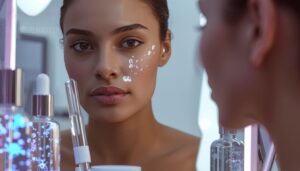
Suited microbiome skincare is moving from a niche idea toward a major force in beauty and skin health. As testing, data tools, and consumer expectations change, brands are building more targeted ways to support your skin. Here are the shifts shaping this fast-growing market.
AI-Guided Microbiome Skin Profiling
When your skin is analyzed as a community, patterns become easier to see. AIpowered microbiome measurement tests can map bacteria and fungi across sites such as your forehead and cheeks, then compare diversity, dominant species, and rare taxa.
They can also combine useful context:
- Age, environment, and lifestyle
- Barrier-related microbial signals
- Confidence scores for findings
AI-Guided Microbiome Skin Profiling aids microbiome diagnostics while protecting privacy through encryption, access controls, and anonymized analysis. The goal is clearer insight into your skin microbiome balance, not a diagnosis disguised as suited skin care.
Personalized Routines and Product Matching
Those profiles become useful when they guide suited skincare. AIpowered microbiome measurement tests, athome microbiome testing, and microbiome diagnostics can pair your quiz answers, concerns, environment, and optional photos with ingredient-compatible products. An at-home skin microbiome test kit can establish a baseline before you introduce or adjust targeted products.
Your plan might map cleanser, toner, serum, and SPF in order, then track daily use. Suited microbiome skincare should adapt as your skin responds, rather than treating recommendations as fixed.
Microbiome-Friendly Certifications and Labels
Once your routine is mapped, certification labels help confirm those products are genuinely microbiome-safe. MyMicrobiome’s certification seal, recognized across 41 countries, is the leading independent mark for microbiome cosmetic products.
When shopping, look for the "Microbiome-friendly Certified Claim" on packaging. It signals the product passed standardized testing for vitality, diversity, and microbial balance, not just a clever brand marketing promise.
Cosmetic Versus Therapeutic Regulation
Certifications tell you what a product won’t disrupt. But regulatory classification shapes what it can legally claim.
In the US, intended use decides everything. A product claiming to treat acne or reduce inflammation crosses from cosmetic into drug territory, triggering stricter FDA requirements. Microbiome skincare sits right at that line, so watch claims as closely as the label.
Brands, Trends, and Market Expansion
Many microbiome skincare innovations are now reshaping how brands compete in 2026. Here are the key trends fueling market expansion:
- Direct-to-consumer channels lead 62% of sales
- Asia Pacific markets grew 18% year over year
- Celebrity partnerships lift trial rates by 28%
- Microbiome-friendly seals improve conversion by 14%
- Private label brands now crowd mass retailers
Your choices are wider than ever.
Frequently Asked Questions (FAQs)
What are some good microbiome skin care products?
Less washing means healthier skin. Choose oat/inulin cleansers, ferment or postbiotic serums, and ceramide moisturizers from microbiome skincare companies.
Suited microbiome skincare matches microbiomesmart ingredients and microbiome cosmetic products based on skin microbiome reallife diagnoses.
Does probiotic skincare actually work?
Yes, probiotic skincare can work, but results depend on strain, formula, and use. Probiotics, prebiotics and postbiotics may support the skin microbiome and hydration, while suited microbiome skincare drives the microbiome cosmetics market.
What is the #1 skincare in the world?
Like a lighthouse, L’Oréal Dermatological Beauty leads global skincare through La Roche-Posay and CeraVe. Its microbiome serums and suited skincare support the skin microbiome, barrier function, and research addressing inflammaging.
What is microbiome in skincare?
In skincare, the skin microbiome is your skin’s community of beneficial bacteria and other microbes. Supporting microbial balance may strengthen barrier function, calm inflammation, and guide suited skincare choices.
Is a microbiome infused skincare product right for your skin?
The proof is in the pudding: microbiome skincare may suit you if sensitivity or dryness disrupts microbial balance. Choose suited skin care with gentle pH and skin barrier protection, then monitor your skin microbiome’s response.
Are microbiome cosmetics reshaping aging skin?
Microbiome cosmetics may reshape skin aging by supporting the skin microbiome, barrier function, and pH balance. Suited microbiome skincare could help limit inflammaging, though results still depend on formulation, skin type, and clinical evidence.
Why is microbiome skin care important?
Your skin hosts trillions of microbes doing serious, quiet work every day. A balanced skin microbiome helps barrier function, allows immune modulation, and maintains microbial diversity, making it the heart of effective custom microbiome skincare.
What is skin microbiome?
You can’t see them, but your skin is home to trillions of organisms. The skin microbiome is this cutaneous community of beneficial skin bacteria, fungi, and viruses that maintain microbial diversity and skin pH balance.
Are microbiome cosmetics effective for sensitive skin management?
Yes, microbiome cosmetic products may help sensitive skin by supporting skin barrier function and reducing irritation linked to dysbiosisrelated skin conditions.
Results vary, so suited skin care matters, especially when addressing inflammaging; choose pH-balanced formulas.
What are the best microbiome skin care brands?
Look for evidence-led formulas from Skinome, BioGaia, ResVita Bio, Phiome, and Ownia Cosmetics. Choose based on your concern, ingredient transparency, preservation system, and tolerability, rather than assuming every “microbiome-friendly” claim proves clinical benefit reliably for your skin type.
Conclusion
You don’t need a lab-grown routine or a shelf full of expensive serums to support your skin’s microbial community.
The strongest microbiome skincare innovations may simply help you cleanse less aggressively, protect a resilient barrier, and choose formulas backed by meaningful testing rather than fashionable claims.
Science is moving toward precision, but the goal remains beautifully practical: skin that recovers calmly, defends itself wisely, and feels comfortable in its own neighborhood every single day.