This site is supported by our readers. We may earn a commission, at no cost to you, if you purchase through links. This content is for general informational and educational purposes only and is not a substitute for professional medical, dermatological, or nutritional advice.

That tight, stinging feeling after you wash your face isn’t a sign of clean skin. It’s your skin barrier, the thin lipid layer in your stratum corneum, waving a white flag.
Your skin’s outer layer works like a brick wall, with ceramides, cholesterol, and fatty acids acting as the mortar. A foamy cleanser or a 42°C shower can strip that mortar in minutes, letting irritants in and moisture out.
The good news is that most damage reverses once you stop the cause. These natural ways to restore skin barrier function start with a gentler routine, smarter ingredients, and a realistic timeline for healing.
Table Of Contents
- Key Takeaways
- Skin Barrier Function and Signs of Damage
- Remove Common Triggers of Skin Barrier Damage
- Restore Moisture With Gentle, Natural Ingredients
- Build a Simple Skin Barrier Recovery Routine
- Support Skin Barrier Health Through Nutrition
- Recovery Timelines and When to Seek Help
- Frequently Asked Questions (FAQs)
- How to naturally heal a damaged skin barrier?
- What vitamins repair the skin barrier?
- How can I repair my damaged skin barrier?
- What destroys the skin barrier?
- Does stress affect skin barrier health?
- Can a humidifier help repair a damaged skin barrier?
- Is it safe to wear makeup while the barrier heals?
- Does poor sleep slow skin barrier repair?
- Can sweating or exercise damage a compromised skin barrier?
- Conclusion
Key Takeaways
- Stop the cause first: harsh cleansers, hot water, scrubs, and fragranced or alcohol-heavy products strip your skin’s protective lipids, and most damage reverses once you remove them.
- Keep your routine simple: cleanse gently with lukewarm water, moisturize right away with a fragrance-free ceramide cream, wear daily SPF 30 or higher, and pause retinoids, exfoliating acids, and harsh DIY remedies for about two weeks.
- Support your skin from the inside and the outside with ceramide-friendly ingredients, omega-3-rich foods, enough sleep, and humidity kept around 40 to 60 percent.
- Give your skin four to six weeks to recover, and see a dermatologist if redness, burning, or flares persist or keep returning, or right away for swelling, blistering, a spreading rash, or pus.
Skin Barrier Function and Signs of Damage
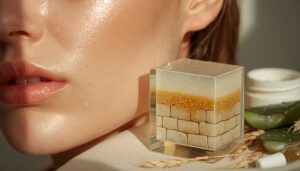
The skin barrier is your body’s first line of defense, and it lives in the stratum corneum, the outermost layer of your skin. Think of it as bricks and mortar. The mortar is the lipid matrix, a mix of ceramides, cholesterol, and fatty acids that keeps water in and irritants out. Researchers have shown that skin barrier integrity protects the body against microbes, chemicals, and allergens, and that its role in atopic dermatitis has driven growing interest in this field.
When that balance slips, you have a damaged skin barrier. Water escapes faster, a process called transepidermal water loss, and things that never bothered you before start to sting.
If your skin often feels tight or reactive, this guide to the common causes of sensitive skin irritation can help you spot your triggers.
Watch for tightness, flaking, redness, roughness, and sudden sensitivity to products you’ve used for years. Don’t panic if you notice them. Barriers can heal, and you can help yours. Understanding exactly what’s happening is the first step toward fixing it.
Remove Common Triggers of Skin Barrier Damage

Healing starts with removing whatever keeps knocking your barrier down. Avoiding irritants gives your skin room to repair itself.
Picture what’s hurting it:
- A foamy cleanser with sodium lauryl sulfate that leaves your face squeaky and tight
- A steaming shower, hotter than 40°C, melting the lipids between your cells
- A gritty scrub or loofah scraped across skin that’s already raw
- A sunny, windy day with no sunscreen on
Swap in a fragrance-free cleanser or a sulfate-free cleanser, and wash no more than twice daily. Overcleansing and overexfoliation do more harm than good, so skip the scrubs for now. Also steer clear of alcohol-heavy toners and perfumed products. Small changes add up fast, and your skin will thank you very soon.
If you want a gentle option for removing makeup without rubbing, this Garnier micellar water for sensitive skin review explains how it performs on reactive skin.
Restore Moisture With Gentle, Natural Ingredients
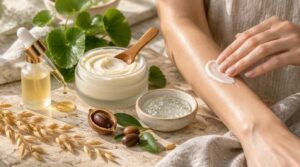
Once the triggers are gone, your skin needs something to rebuild with. That’s where moisture comes in.
Look for ceramides, cholesterol, and fatty acids, the lipids that act like mortar between your skin cells. Glycerin and hyaluronic acid pull water in, while panthenol (vitamin B5) helps cut water loss within about a week. Squalane and jojoba oil mimic your skin’s own oils without clogging pores.
Niacinamide, oat extract, and centella asiatica are soothing ingredients that calm redness while supporting skin barrier repair. Shea butter adds richness if your skin feels very dry.
Choose short ingredient lists. Patch-test anything new on your inner arm first.
Consistent moisturization is the heart of any gentle skincare routine, and better moisture retention follows soon.
Build a Simple Skin Barrier Recovery Routine
You don’t need a twelve-step routine to help your skin heal. A simple recovery routine works better, because fewer products mean fewer chances to irritate a barrier that’s already stressed. Here are the three habits to build into your day, starting with how you wash your face.
Once your face is clean, the same gentle approach applies below the neck, and this guide to the best body wash for Black skin can help you choose a formula that cleanses without stripping.
Cleanse Gently With Lukewarm Water

Think of your barrier as a freshly plastered wall. You’d wipe it, never scrub it.
Treat your skin barrier like a freshly plastered wall: wipe it gently, and never scrub it
Start with gentle cleansing using lukewarm water, which rinses residue without stripping oils. Choose a fragrance-free cleanser that’s sulfate-free and pH-balanced.
Use your fingertips for about thirty to sixty seconds. Rinse thoroughly, then pat dry gently with a soft towel. Skip washcloths, brushes, and scrubs.
Moisturize and Apply Daily Sunscreen
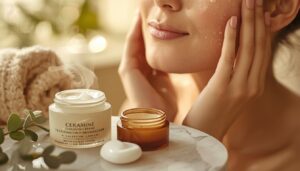
You’ll moisturize right after cleansing, while your skin’s still slightly damp. That helps lock in skin hydration. Choose a fragrance-free cream with ceramides, then add a thin occlusive layer, like petrolatum, for occlusive sealing.
Each morning, finish with broad-spectrum sunscreen, SPF 30 or higher. Mineral formulas with zinc oxide may sting less, supporting barrier function. Reapply every two hours outdoors.
Pause Irritating Actives and Harsh DIYs

Retinoids, exfoliating acids, and benzoyl peroxide count as irritating actives, so pause them for about two weeks, until burning and peeling stop. Skip scrubs, lemon juice, vinegar, and baking soda. Those harsh DIYs strip your skin further.
Stick with a sulfate-free cleanser, fragrance-free products, and nothing alcohol-heavy. Add one active back at a time, and don’t rush your skin’s healing.
Support Skin Barrier Health Through Nutrition

Picture your skin barrier as a brick wall, with fats acting as the mortar holding everything together. Feed that mortar from the inside, and the wall holds stronger.
Nutritional support for skin starts on your plate. Lean on whole foods, and keep your essential fatty acids balanced. Try these:
- Eat omega-3 fatty acids from salmon, sardines, or walnuts.
- Add eggs, brown rice, and sweet potatoes for ceramides.
- Snack on raw kiwi or red peppers for vitamin C.
- Cut back on processed foods made with omega-6 oils.
- Choose legumes, fish, and fortified cereals for B vitamins.
The gut-skin axis links digestion to skin health, so a varied, fiber-rich diet quietly helps your barrier. Stay patient, because small daily changes add up.
Recovery Timelines and When to Seek Help

Mild irritation often calms within a few days once you stop the trigger, but redness, burning, or tightness lasting beyond one to two weeks needs a professional look.
Recovery Timelines vary. Expect softer, calmer skin first, then steadier moisture retention as skin barrier strengthening builds. Barrier function takes longer to rebuild than the sting takes to fade, so keep your routine simple and consistent.
Know when to seek help. Book an appointment if flares keep returning or worsen despite avoiding triggers, since that may point to eczema or contact allergy. Get care promptly for swelling, blistering, a spreading rash, pus, or yellow crusting. Fever, trouble breathing, or swelling of the lips or tongue is an emergency. Don’t wait it out.
Frequently Asked Questions (FAQs)
How to naturally heal a damaged skin barrier?
Treat a damaged skin barrier gently. Cleanse once daily with lukewarm water, then seal in moisturization within three minutes using a cream with ceramides. Skip harsh actives and fragrance. Your skin healing process needs patience.
What vitamins repair the skin barrier?
Sorry, no vitamin works miracles overnight. Vitamins C and E support skin strength, and niacinamide, omega3 fatty acids, or a ceramide supplement may help too.
Correct any true deficiency first, and always skip high doses.
How can I repair my damaged skin barrier?
Keep it simple. Cleanse once daily with lukewarm water and a pH balanced cleanser. Apply a fragrance-free moisturizer with ceramide, humectant, and emollient ingredients to damp skin. Pause actives, and wear sunscreen. Your barrier repair begins there.
What destroys the skin barrier?
Harsh cleansers, hot water, and scrubbing strip your skin’s protective lipids. Alcohol-heavy products, stacked actives, and scented formulas add irritation, so choose fragrance-free options.
Environmental stressors like cold wind and UV radiation finish the job.
Does stress affect skin barrier health?
Yes, it can. Stress can slow how fast your skin barrier recovers, so barrier function may dip and skin sensitivity may rise. Stress management and inflammation reduction help support healing, though they won’t fix damage alone.
Can a humidifier help repair a damaged skin barrier?
Dry air is a thirsty sponge, and it’s wringing your skin out.
A humidifier can help. Keep humidity at 40 to 60 percent to slow transepidermal water loss, supporting barrier function, hydration, and moisture locking.
Is it safe to wear makeup while the barrier heals?
Your skin isn’t made of glass, so makeup won’t shatter it! Choose fragrance-free, pH-balanced products, watch for barrier recovery signs like stinging, and keep cleansing minimal and gentle. Skip raw patches; stop if burning starts.
Does poor sleep slow skin barrier repair?
You’ll buy a $90 serum, then skip the sleep that actually repairs skin.
Yes, poor sleep slows repair: Transepidermal Water Loss rises, ceramide synthesis and skin regeneration drop, pH balance shifts. Prioritize consistent moisturization too.
Can sweating or exercise damage a compromised skin barrier?
Sweat alone rarely harms your skin barrier function, but friction and damp clothes can irritate compromised skin. Rinse off, change out of wet gear quickly, and keep up consistent moisturization with fragrance-free products.
Conclusion
Think of your skin barrier as a garden fence after a storm: it doesn’t need replacing, just patience and gentle repairs.
The natural ways to restore skin barrier function are simple: cleanse with lukewarm water, moisturize, wear sunscreen, and pause harsh actives. Eat well, and give your skin four to six weeks.
If stinging or redness lingers beyond that, see a dermatologist. Don’t tough it out. Your skin heals best when you stop fighting it.
- https://www.facebook.com/ClevelandClinic/videos/ceramides-are-lipids-that-make-up-about-half-of-your-skins-outer-layer-and-play-/23975920182014663
- https://www.healthline.com/health/skin-barrier
- https://eightsaintsskincare.com/blogs/page-eight/your-skin-s-natural-barrier-why-it-s-important-and-how-to-restore-it-today